Zesty Lemon Ricotta and Spinach Pasta: A Bright Creamy One-Pan Dinner
When you need a dinner that feels both indulgent and refreshing, this Zesty Lemon Ricotta and Spinach Pasta delivers every single time. The combination of creamy ricotta, bright citrus, and tender spinach creates a sauce that clings perfectly to every strand of pasta. You get a restaurant-quality meal that comes together in just 25 minutes, which makes it a perfect weeknight hero for busy families or solo cooks alike. The lemon zest adds a pop of sunshine that cuts through the richness, while the ricotta provides a velvety texture without overwhelming the dish with heaviness.
This Zesty Lemon Ricotta and Spinach Pasta is not just about speed and flavor, though. It is also a deeply satisfying meal that uses simple pantry staples to create something truly special. The fresh spinach wilts down into the warm sauce, adding a gentle earthy note that balances the acidity of the lemon. You get a harmonious blend of creamy, tangy, and savory elements that will have you reaching for seconds. The best part is that you likely have most of these ingredients on hand, which means you can whip this up without a special trip to the grocery store.
Every forkful of this pasta brings a delightful contrast of textures and tastes. The al dente pasta provides a satisfying chew, while the creamy ricotta sauce coats each bite with luxurious smoothness. The fresh lemon juice and zest bring a zing that awakens the palate, and the spinach adds a tender, almost buttery element. This dish is a celebration of simplicity, and it proves that you do not need a long list of complicated ingredients to create a memorable meal. You will find yourself coming back to this recipe again and again, especially on those evenings when you crave something comforting yet light.
Quick Recipe Highlights
- Flavor Profile: This pasta delivers a bright and tangy flavor from fresh lemon, balanced by the rich and creamy taste of whole milk ricotta. The spinach adds a subtle earthy sweetness, and a pinch of red pepper flakes brings a gentle warmth. The overall effect is a harmonious blend of zesty, savory, and slightly nutty notes.
- Texture: You get a wonderful variety of textures in this dish. The pasta is perfectly al dente, providing a firm bite. The ricotta sauce is luxuriously creamy and smooth, while the wilted spinach offers a tender, silky contrast. Every bite has a satisfying mouthfeel that keeps you engaged.
- Aroma: The kitchen fills with the bright, citrusy scent of lemon zest as you cook. This is complemented by the warm, milky fragrance of ricotta and the earthy aroma of fresh spinach. A hint of garlic and red pepper adds a subtle savory depth to the overall olfactory experience.
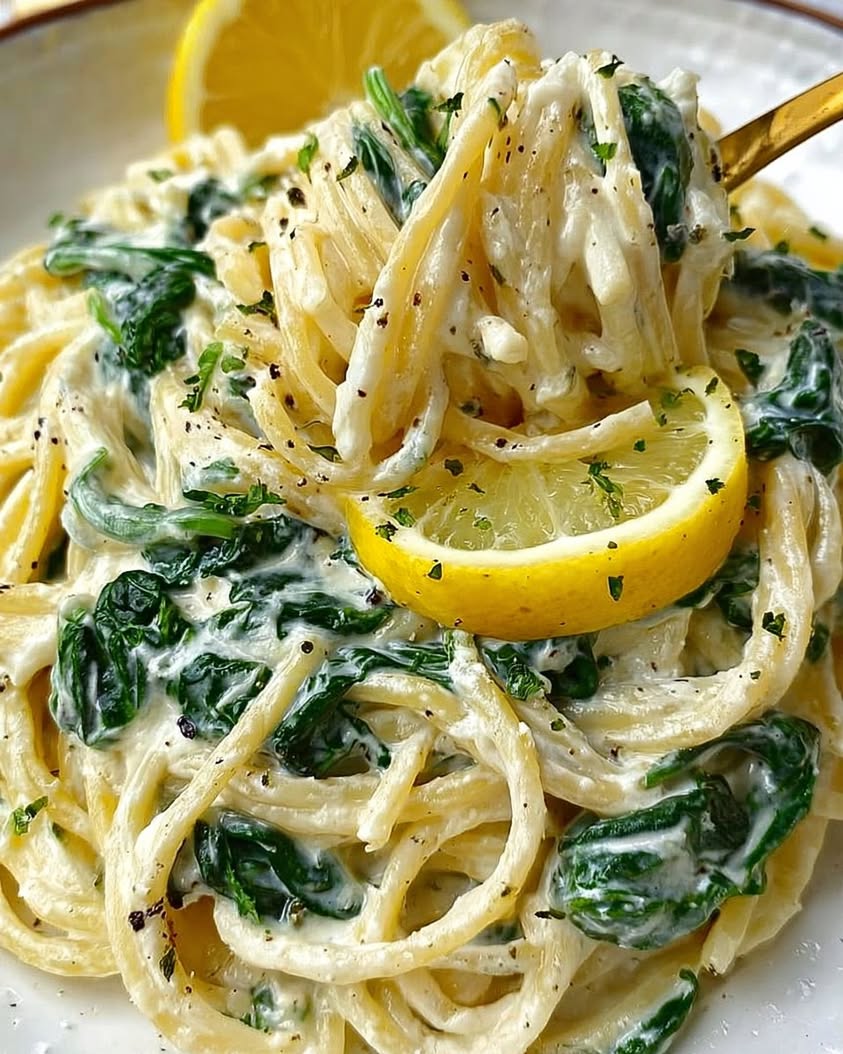
- Visual Appeal: This dish is a feast for the eyes with its vibrant colors. The bright green spinach is scattered throughout the creamy white sauce, and the pasta is beautifully coated. A final sprinkle of lemon zest and cracked black pepper adds a touch of elegance and contrast.
- Skill Level Needed: This recipe is perfect for cooks of all levels. The techniques involved are basic boiling, sautéing, and stirring. You do not need any advanced culinary skills, and the process is straightforward and forgiving. It is an excellent recipe for building confidence in the kitchen.
- Special Equipment: You need a large pot for boiling pasta and a large skillet or Dutch oven for the sauce. A Microplane or fine grater is ideal for zesting the lemon. A colander is essential for draining the pasta, and a set of tongs makes tossing everything together much easier.
Recipe Overview
- Difficulty Level: This recipe is rated as Easy because it relies on simple, standard cooking techniques. You boil pasta, sauté aromatics, and stir in the remaining ingredients. There are no complicated methods like making a roux or tempering eggs. The timing is generous, and you can easily adjust the sauce consistency to your liking without ruining the dish.
- Category: This dish fits perfectly into the quick weeknight dinner category. It is a one-pan meal that minimizes cleanup, making it ideal for busy weekdays. It also works wonderfully as a comforting weekend lunch or a simple yet impressive meal for guests. You can serve it as a main course or a generous side dish.
- Cuisine: This pasta draws inspiration from Italian culinary traditions, specifically from the central and southern regions where ricotta is a staple. The use of fresh lemon and spinach reflects the Italian philosophy of using simple, high-quality ingredients to create vibrant flavors. It is a modern take on a classic Roman-style pasta, but with a lighter, creamier sauce.
- Cost: This is a very budget-friendly meal. The main ingredients are pasta, ricotta cheese, spinach, and a lemon. These are all affordable and widely available. You can use a less expensive brand of ricotta without sacrificing quality. The total cost for four servings is often under ten dollars, making it an excellent choice for saving money.
- Season: While you can enjoy this Zesty Lemon Ricotta and Spinach Pasta year-round, it truly shines in the spring and summer. The bright lemon flavor and fresh spinach feel perfectly aligned with lighter, warmer weather. During these seasons, local spinach is at its peak, offering the best flavor and texture. It is a refreshing antidote to heavy winter meals.
- Occasion: This pasta is versatile enough for many occasions. It is a fantastic choice for a casual weeknight dinner when you need something fast and satisfying. It is also elegant enough to serve at a small dinner party or a romantic date night at home. You can even make it for a potluck or a family gathering, as it travels well and appeals to a wide range of palates.
Why You’ll Love This Recipe
The taste of this dish is a revelation because it balances richness with brightness perfectly. The creamy ricotta provides a luscious base, but it never feels heavy or cloying. The lemon zest and juice cut through that creaminess, creating a refreshing and tangy flavor profile that wakes up your taste buds. The spinach adds a subtle earthy undertone that grounds the dish, and the garlic and red pepper flakes offer a gentle savory kick. You get a complex flavor experience from a handful of simple ingredients, and every bite leaves you wanting more. The texture is equally compelling, with the al dente pasta providing a satisfying chew against the velvety sauce and tender spinach leaves.
Convenience is a major reason to love this recipe. You can have this entire meal on the table in just 25 minutes from start to finish. The preparation is minimal, requiring only a few minutes of chopping and zesting. The cooking process is streamlined, with the sauce coming together while the pasta boils. You use only one pan for the sauce and one pot for the pasta, which means cleanup is quick and easy. This makes it an ideal solution for those hectic weeknights when you are short on time and energy but still want a homemade meal. You do not have to sacrifice quality for speed with this recipe.
Nutritionally, this pasta offers several advantages. Ricotta cheese is a good source of high-quality protein and calcium, which supports bone health. Spinach is packed with iron, vitamin K, and antioxidants, which are essential for energy and immune function. The lemon juice provides a boost of vitamin C, which helps with iron absorption. You also get complex carbohydrates from the pasta, which provide sustained energy. This meal is relatively low in saturated fat compared to cream-based sauces, making it a lighter yet still satisfying option. You can feel good about serving this nourishing dish to your family.
This recipe also shines in its social and entertaining value. It is a crowd-pleaser that appeals to a wide range of tastes, from picky eaters to food enthusiasts. The vibrant colors and beautiful presentation make it look impressive on the table without requiring elaborate plating. You can easily double the recipe to feed a larger group, and the sauce can be kept warm in a slow cooker for a buffet-style gathering. Guests will appreciate the fresh, homemade quality of the dish, and you will enjoy the compliments. It is a low-stress way to host a dinner party because the recipe is so reliable and forgiving.
Finally, this Zesty Lemon Ricotta and Spinach Pasta is incredibly cost-effective and accessible. The ingredients are pantry staples that you can find in any grocery store. Pasta, ricotta, and spinach are almost always affordable, and a single lemon costs just pennies. This means you can create a delicious, satisfying meal without stretching your budget. It is a perfect example of how simple, humble ingredients can be transformed into something extraordinary. You do not need expensive specialty items or hard-to-find herbs to achieve exceptional flavor. This recipe proves that great cooking starts with smart choices, not a big wallet.
Historical Background and Cultural Significance
This creamy pasta dish draws its soul from the rustic kitchens of central Italy, particularly the Lazio region surrounding Rome. In traditional Italian cooking, ricotta was a farmer’s cheese, made from the whey leftover from producing other cheeses. It was a way to use every part of the milk, reflecting the resourceful nature of cucina povera, or “poor kitchen” cooking. Farmers and shepherds would combine this fresh, creamy cheese with simple vegetables like spinach and foraged wild greens to create filling, nutritious meals. The addition of lemon, a fruit that flourished in the southern Mediterranean, added brightness and helped preserve the dish in the warm climate.
Culturally, this pasta represents the Italian value of using fresh, seasonal ingredients to create harmony on the plate. The marriage of creamy ricotta and vibrant lemon is a classic pairing in Italian desserts and savory dishes alike. It speaks to the Italian philosophy that food should be simple, honest, and full of flavor. This dish is often associated with springtime, when fresh spinach is abundant and lemons are at their peak. It is a meal that celebrates rebirth and renewal, and it is commonly enjoyed during Easter celebrations or family gatherings after the Lenten fast. The bright yellow and green colors are reminiscent of the Italian flag.
The evolution of this recipe reflects the global spread of Italian cuisine. As Italian immigrants traveled to the United States and other countries, they adapted their traditional recipes to local ingredients. In the mid-20th century, American home cooks began adding more cream and cheese to Italian dishes, creating richer versions. The modern Zesty Lemon Ricotta and Spinach Pasta is a fusion of these traditions, combining the light, fresh approach of Italian cooking with the creamy texture that American palates love. Today, it is a staple in many home kitchens and casual Italian restaurants, valued for its simplicity and bright flavor.
Regional variations of this dish are fascinating. In northern Italy, cooks might use mascarpone or a mix of cream and Parmesan for a richer sauce. In southern Italy, they often add sun-dried tomatoes or capers for a briny, tangy twist. Some versions in Sicily include a touch of saffron for a golden color and floral aroma. In coastal areas, cooks might add shrimp or scallops to turn the pasta into a main course. In the United States, you often see variations with grilled chicken, artichoke hearts, or roasted red peppers. Each adaptation adds a unique local touch while honoring the core combination of creamy ricotta and bright lemon.
Ingredient Deep Dive
The star of this dish is ricotta cheese, a fresh, unaged cheese with a rich history. In Italian culture, ricotta literally means “recooked,” referring to the process of heating the whey leftover from making other cheeses. It has been produced for centuries, and it was a staple food for shepherds and peasants because it was a way to use every part of the milk. Nutritionally, ricotta is a valuable source of protein, providing about 14 grams per half-cup serving. It is also rich in calcium, phosphorus, and selenium, which support bone health and immune function. Unlike aged cheeses, ricotta is low in sodium and contains beneficial probiotics.
When selecting ricotta for this Zesty Lemon Ricotta and Spinach Pasta, look for a brand that is smooth, creamy, and slightly moist. Avoid ricotta that looks dry or has excess liquid pooled on top, as this indicates it is old. Whole milk ricotta is preferred for its rich flavor and velvety texture, but part-skim works well too. Store ricotta in its original container in the coldest part of your refrigerator, and use it within five days of opening. You can substitute cottage cheese that has been blended until smooth, though the flavor will be slightly tangier. For a dairy-free option, use a high-quality cashew-based ricotta alternative.
Spinach is another crucial ingredient with a storied past. Originating in ancient Persia, spinach spread along trade routes to China and Europe by the 13th century. It became popular in Mediterranean cuisine for its tender leaves and mild, slightly sweet flavor. Nutritionally, spinach is a powerhouse, loaded with iron, vitamin K, vitamin A, and folate. It is also rich in antioxidants like lutein and zeaxanthin, which support eye health. The iron in spinach is better absorbed when paired with vitamin C, which is why the lemon in this recipe is such a clever addition. You are getting a significant nutrient boost with every serving.
For this recipe, fresh baby spinach is the best choice because it wilts quickly and has a tender texture. You can also use chopped mature spinach, but it requires a slightly longer cooking time to soften. Avoid frozen spinach for this dish, as it has a higher water content that can make the sauce watery. When storing fresh spinach, place it in a breathable bag in the crisper drawer of your refrigerator, and use it within three to four days. If you need a substitute, Swiss chard or arugula can work, though arugula will add a peppery kick. For a budget-friendly option, you can use frozen spinach that has been thoroughly squeezed dry.
Common Mistakes to Avoid
- Overcooking the pasta is a frequent mistake that ruins the texture. You should cook the pasta until it is just al dente, about one to two minutes less than the package directs. It will continue to cook slightly when you toss it with the hot sauce. Overcooked pasta becomes mushy and loses its ability to hold the sauce properly.
- Using low-quality or watery ricotta can make the sauce grainy and thin. Always choose a high-quality, whole milk ricotta that is thick and creamy. If your ricotta seems watery, drain it in a fine-mesh strainer for 30 minutes before using. This step ensures a luscious, velvety sauce.
- Adding the lemon juice too early can cause the ricotta to curdle. You should add the lemon juice at the very end, after you have taken the pan off the heat. This gentle method preserves the creamy texture of the sauce. The residual heat is enough to warm the juice through without causing separation.
- Overwhelming the dish with garlic is a common pitfall. A little garlic goes a long way in this recipe. You should use just one or two cloves, finely minced, and sauté them briefly until fragrant. Burnt or raw garlic can overpower the delicate lemon and ricotta flavors, ruining the balance of the dish.
- Forgetting to reserve pasta water is a critical error. The starchy pasta water is the secret to creating a smooth, emulsified sauce that clings to the pasta. You should always reserve at least one cup before draining. Add it gradually to the sauce until you reach your desired consistency.
- Not seasoning the pasta water adequately leads to bland pasta. You should salt your pasta water generously, using about one to two tablespoons of salt per gallon of water. It should taste like the sea. This is the only chance you get to season the pasta from the inside out, so do not skip this step.
- Adding the spinach all at once can result in uneven wilting. You should add the spinach in handfuls, allowing each batch to wilt down before adding the next. This ensures that all the spinach cooks evenly and does not steam. Overcrowding the pan can lead to watery, soggy greens.
- Using pre-grated Parmesan cheese can affect the sauce texture. Pre-grated cheese often contains anti-caking agents that prevent it from melting smoothly. You should always grate your Parmesan fresh from a block. This ensures a silky, cohesive sauce that blends beautifully with the ricotta.
- Skipping the lemon zest is a missed opportunity for flavor. The zest contains the aromatic oils that give the dish its bright, citrusy character. You should always use a Microplane or fine grater to zest the lemon, being careful to avoid the bitter white pith. The zest adds a depth of flavor that juice alone cannot provide.
- Not tasting and adjusting seasoning at the end is a common oversight. The flavors can change as the dish sits, and the pasta may absorb some of the salt. You should always taste the finished dish and adjust with salt, pepper, and lemon juice before serving. A final squeeze of lemon can brighten everything beautifully.
Essential Techniques
Mastering the art of cooking pasta al dente is fundamental to this recipe. Al dente, which means “to the tooth” in Italian, refers to pasta that is cooked through but still has a firm, slightly chewy center. This texture is important because it allows the pasta to hold its shape and provide a satisfying contrast to the creamy sauce. To achieve this, you must boil the pasta in a large pot of generously salted water. Start checking for doneness about two minutes before the package’s recommended cooking time. The pasta should be tender on the outside but offer a slight resistance when bitten. You then reserve some of the starchy pasta water before draining, as this liquid is gold for your sauce.
Creating a creamy ricotta sauce without curdling is a skill that makes this dish shine. The key is to treat the ricotta gently and avoid high heat. You should warm the ricotta over low to medium heat, stirring constantly, until it becomes smooth and slightly thinned. If you add the ricotta to a very hot pan, the proteins can seize and curdle, creating a grainy texture. The same caution applies when adding the lemon juice. You must take the pan off the heat before stirring in the lemon juice. The residual heat is sufficient to warm it through, and this method ensures the sauce stays silky and emulsified. Patience and gentle heat are your best tools here.
Wilting spinach to the perfect tenderness is another essential technique. Fresh spinach contains a lot of water, and you need to cook it just enough to release that moisture and soften the leaves. You should add the spinach to the pan in batches, allowing each handful to wilt down before adding the next. This prevents the pan from becoming overcrowded and steaming the spinach instead of sautéing it. The process takes only two to three minutes total. The spinach is ready when it is bright green, tender, and has reduced significantly in volume. You want it to be just wilted, not cooked to a mushy paste, as it will continue to soften in the residual heat of the sauce.
Emulsifying the sauce with pasta water is the technique that transforms your dish from good to restaurant-quality. The starch in the pasta water acts as a binder, helping the ricotta sauce cling to every strand of pasta. When you toss the drained pasta with the sauce, you should add a splash of the reserved pasta water and stir vigorously. You will see the sauce become glossy and smooth as it emulsifies. You can continue adding pasta water a tablespoon at a time until you reach your desired consistency. This technique not only improves texture but also helps the seasoning distribute evenly. It is the secret to a cohesive, well-coated pasta dish that does not separate on the plate.
Pro Tips for Perfect Zesty Lemon Ricotta and Spinach Pasta
For the best texture, always use freshly grated Parmesan cheese from a block. The pre-grated varieties contain cellulose and anti-caking agents that prevent smooth melting. Freshly grated cheese melts into the sauce seamlessly, creating a luscious, velvety finish that coats the pasta beautifully.
Do not rinse your pasta after draining it. The starch on the surface of the cooked pasta is essential for helping the sauce adhere to it. Rinsing washes away this starch, leaving you with slippery, sauce-repellent noodles. Simply drain the pasta and add it directly to the sauce while it is still hot.
Toast the garlic briefly in olive oil before adding the ricotta. This step mellows the raw bite of garlic and infuses the oil with its flavor. You only need about 30 seconds over medium heat until the garlic is fragrant. Burnt garlic turns bitter, so watch it carefully and remove the pan from heat if needed.
Add a pinch of red pepper flakes for a subtle warmth that balances the richness. The heat does not dominate the dish, but it provides a gentle contrast to the creamy ricotta and bright lemon. You can adjust the amount to your spice preference, starting with a quarter teaspoon and adding more to taste.
Use a Microplane zester for the lemon zest to get the finest, most aromatic shreds. The fine zest integrates into the sauce more easily than larger pieces, releasing more essential oils. Be sure to zest only the yellow part of the skin, as the white pith is bitter and can ruin the flavor.
Let the finished pasta rest for one to two minutes before serving. This brief resting period allows the flavors to meld together and the sauce to thicken slightly. The pasta also cools down to a more comfortable eating temperature. You will find that the dish tastes even better after a short rest.
If the sauce becomes too thick, thin it with a splash of reserved pasta water or a little milk. The sauce should be thick enough to coat the pasta but still have a slight fluidity. Add liquid a tablespoon at a time until you reach your desired consistency, stirring well after each addition.
For an extra burst of lemon flavor, add a final squeeze of fresh lemon juice just before serving. This brightens the entire dish and wakes up the flavors. You can also garnish with additional lemon zest and fresh cracked black pepper for a beautiful, aromatic finish.
Variations and Adaptations
Regional variations of this pasta are a fun way to explore different flavor profiles. In southern Italy, cooks might add sun-dried tomatoes for a sweet, tangy, and chewy element that contrasts with the creamy sauce. In the north, a touch of nutmeg is a classic addition that complements the spinach and ricotta beautifully. Some versions from Sicily include toasted pine nuts for a buttery crunch and a sprinkling of saffron for a golden hue. Each region adds its own local specialty, turning this simple dish into a canvas for culinary creativity. You can choose a variation that best suits your pantry or your mood on any given day.
Seasonal adaptations can keep this recipe exciting all year long. In the spring, you can use fresh peas and asparagus for a vibrant green medley that pairs perfectly with the lemon. In the summer, you can add cherry tomatoes that burst in the pan, providing a sweet pops of acidity. In the fall, roasted butternut squash or pumpkin adds a sweet, earthy depth that balances the tangy lemon. In the winter, you can incorporate sautéed mushrooms for an umami-rich twist. You can also swap the spinach for other seasonal greens like Swiss chard, kale, or arugula, adjusting the cooking time as needed for each green.
Dietary modifications are easy to implement without sacrificing flavor. For a gluten-free version, simply use your favorite gluten-free pasta, such as one made from rice or corn. There are also excellent legume-based pastas made from chickpeas or lentils that provide extra protein and fiber. For a dairy-free adaptation, use a high-quality cashew-based ricotta alternative and a plant-based Parmesan substitute. You can also use nutritional yeast for a cheesy flavor. Ensure that the dairy-free ricotta is thick and creamy, not watery, to achieve the right sauce consistency. These modifications allow you to share this dish with friends and family who have dietary restrictions.
Flavor variations can transform the dish completely. For a Mediterranean twist, add kalamata olives, artichoke hearts, and a sprinkle of oregano. For a protein-packed version, stir in grilled chicken, seared shrimp, or crispy chickpeas. For a spicy kick, increase the red pepper flakes and add a pinch of cayenne pepper. You can also experiment with different herbs, such as fresh basil, thyme, or rosemary, which complement the lemon and ricotta beautifully. For a richer, more decadent sauce, stir in a spoonful of truffle oil just before serving. Each variation offers a new experience while keeping the core flavors of the original recipe intact.
Serving and Presentation Guide
Plating this pasta beautifully is simple and requires only a few careful steps. Use a pair of tongs to twirl a portion of pasta into a neat nest in the center of a warmed, shallow bowl. This creates height and visual interest on the plate. Spoon any remaining sauce and spinach from the pan over the top of the pasta nest. The sauce should pool slightly around the base, creating a lovely presentation. Avoid overfilling the bowl, as you want the dish to look inviting and generous, not crowded. A warm bowl keeps the pasta at the ideal temperature for longer, enhancing the dining experience.
Garnishing ideas can elevate the dish from simple to stunning. A generous sprinkling of fresh lemon zest adds a pop of bright yellow color and a burst of citrus aroma. A few cracks of fresh black pepper add a visual contrast and a mild spice. You can also add a light dusting of freshly grated Parmesan cheese for a salty, umami finish. For a touch of elegance, add a few whole lemon slices or a small sprig of flat-leaf parsley on the side. Fresh edible flowers, such as nasturtiums or chive blossoms, add a beautiful pop of color and a subtle peppery flavor. Keep the garnish simple and purposeful, enhancing the dish without overwhelming it.
Traditional accompaniments for this pasta are simple yet satisfying. A crisp green salad with a light vinaigrette provides a refreshing contrast to the creamy pasta. Garlic bread or crusty artisan bread is perfect for sopping up every last bit of the delicious sauce. For a heartier meal, serve the pasta alongside grilled chicken, fish, or shrimp. A side of roasted vegetables, such as asparagus or broccoli, adds color and nutrients. You can also pair it with a simple antipasto platter of olives, cured meats, and marinated vegetables for a complete Italian-inspired meal. The versatility of this dish means it pairs well with a wide variety of sides.
Modern serving suggestions offer creative ways to enjoy this pasta. For a lighter, grain-free option, serve the sauce over zucchini noodles or spaghetti squash. For a fun, family-style presentation, set out a large platter of the pasta and let everyone serve themselves. You can also portion the pasta into individual ramekins and bake them with a breadcrumb topping for a crispy, golden crust. For a cold pasta salad version, chill the finished dish and toss it with extra lemon juice and fresh herbs. This makes a fantastic summer lunch or picnic dish. The pasta is also delicious stuffed into large pasta shells or used as a filling for crepes.
Wine and Beverage Pairing
Choosing the right wine can elevate this Zesty Lemon Ricotta and Spinach Pasta to new heights. A crisp, unoaked white wine is the classic choice because its acidity mirrors the lemon in the dish and cuts through the creamy ricotta. A Vermentino from Sardinia or a Sauvignon Blanc from New Zealand offers bright citrus notes and a refreshing finish. A Pinot Grigio from the Veneto region of Italy is another excellent option, with its light body and subtle floral character. For a slightly more complex pairing, try a Greco di Tufo from Campania, which has a beautiful minerality that complements the spinach. Avoid heavily oaked Chardonnays, as the buttery notes can clash with the delicate flavors of the dish.
For red wine lovers, you are not out of luck with this pasta. A light-bodied red with high acidity can work wonderfully because it will not overpower the dish. A Pinot Noir from Oregon or Burgundy offers bright cherry and earthy notes that pair beautifully with the spinach and lemon. A young Barbera from Piedmont is another great choice, with its vibrant acidity and low tannins. You can also try a Beaujolais Cru, which is made from Gamay grapes and has a light, fruity profile. Serve these reds slightly chilled to enhance their refreshing qualities. The key is to choose a red that is more about elegance and acidity than power and tannin.
Non-alcoholic alternatives are plentiful and delicious. A sparkling water with a squeeze of fresh lemon and a sprig of mint is a refreshing, palate-cleansing choice. A lemon-infused herbal iced tea, such as chamomile or lemon verbena, complements the citrus notes in the dish. For a more sophisticated option, try a non-alcoholic wine spritzer made with dealcoholized Sauvignon Blanc and soda water. Kombucha with a ginger or lemon flavor adds a tangy, probiotic-rich element that cuts through the richness. You can also serve a simple glass of chilled, unsweetened iced green tea, which offers a subtle grassy note that pairs well with the spinach.
Temperature considerations are important for beverage service. White wines should be served well-chilled, between 45 and 50 degrees Fahrenheit, to maintain their crispness. Light reds should be served slightly cooler than room temperature, around 55 to 60 degrees Fahrenheit. Non-alcoholic beverages should also be served cold, ideally with ice. The goal is to have your beverage contrast with the warm, creamy pasta, providing a refreshing counterpoint. Do not let your wine or drink sit out and warm up, as this can mute its flavors. Keep a wine cooler or ice bucket handy if you are serving multiple glasses.
Storage and Shelf Life
Storing leftover pasta correctly ensures you can enjoy it again without sacrificing quality. Allow the pasta to cool completely at room temperature before storing, but do not leave it out for more than two hours. Transfer the pasta to an airtight container, pressing a piece of plastic wrap directly onto the surface of the sauce. This prevents a skin from forming on the top. Seal the container tightly and place it in the refrigerator. Properly stored, the pasta will remain fresh for three to four days. The flavors often meld together beautifully overnight, making the leftovers even more delicious than the original dish.
Temperature requirements are critical for food safety and quality. Your refrigerator should be set to 40 degrees Fahrenheit or below to prevent bacterial growth. Do not store the pasta in a warm part of the fridge, such as the door. Place it on a middle shelf where the temperature is most consistent. If you plan to freeze the pasta, you need to be more careful. The ricotta sauce can sometimes separate upon thawing, resulting in a grainy texture. For best results, freeze the pasta in a freezer-safe container for up to three months. Thaw it overnight in the refrigerator before reheating.
Container recommendations focus on maintaining texture and preventing odors. Glass containers with airtight lids are ideal because they do not absorb flavors or stains. They also allow you to see the contents easily. Plastic containers work well too, but they can be prone to staining from the spinach and lemon. Avoid using metal containers, as the acidity from the lemon can react with the metal, imparting an off flavor. If you are stacking containers, place a layer of parchment paper between them to prevent sticking. Always label your containers with the date so you can track freshness.
Signs of spoilage are easy to spot if you know what to look for. The first sign is usually a sour or off smell, which indicates that the ricotta has gone bad. The sauce may also develop a watery, separated appearance, and the spinach may become slimy or discolored. If you see any mold on the surface of the pasta or sauce, discard the entire container immediately. Do not try to scoop out the mold, as spores can penetrate deep into the food. The texture of the pasta may become mushy and unpleasant after several days in the fridge. When in doubt, it is always safer to throw it out.
Reheating instructions are important to restore the pasta to its original glory. The best method is to reheat the pasta in a skillet over medium-low heat. Add a splash of milk, cream, or reserved pasta water to loosen the sauce and restore its creamy texture. Stir gently and frequently until the pasta is heated through, which should take about five minutes. You can also reheat it in the microwave, but this can make the pasta unevenly hot and the texture somewhat rubbery. If using the microwave, cover the bowl with a damp paper towel to create steam and reheat in 30-second intervals, stirring between each. Avoid overheating, as this can cause the ricotta to separate.
Freezing guidelines help you extend the life of your leftovers. The texture of the ricotta sauce may change after freezing and thawing, becoming slightly grainy. To minimize this, freeze the pasta in a sauce that is slightly looser than you would normally serve it. You can also freeze the sauce separately from the pasta, then cook fresh pasta when you are ready to serve. Another option is to freeze the dish in individual portions, which makes for quick and easy meals later. When reheating frozen pasta, thaw it in the refrigerator overnight, then reheat it in a skillet with a splash of liquid. The results are not quite as good as fresh, but they are still satisfying.
Make Ahead Strategies
Planning a prep timeline ensures your dinner comes together smoothly. You can prepare all your ingredients up to two days in advance. Wash and dry the spinach, then store it in a breathable bag in the refrigerator. Grate the Parmesan cheese and store it in an airtight container. Zest and juice the lemon, storing them separately in small containers. Mince the garlic and store it in a small jar with a bit of olive oil to prevent browning. Measure out the ricotta cheese so it is ready to go. Having all these components prepped means you can have dinner on the table in under 15 minutes on a busy weeknight.
Storage between steps requires careful planning to maintain quality. If you are making the entire sauce ahead Print
Zesty Lemon Ricotta and Spinach Pasta
- Total Time: 25 minutes
- Yield: 4
Description
A bright and creamy pasta dish featuring fresh lemon zest, creamy ricotta, and tender spinach. Quick to make and perfect for a weeknight dinner.
Ingredients
- 12 oz pasta (such as fettuccine or penne)
- 2 tablespoons olive oil
- 3 cloves garlic, minced
- 5 oz fresh spinach
- 1 cup whole milk ricotta cheese
- 1/2 cup grated Parmesan cheese
- 1 lemon (zest and juice)
- Salt and black pepper to taste
- 1/4 cup reserved pasta water
Instructions
- Cook pasta according to package directions until al dente. Reserve 1/4 cup pasta water, then drain.
- While pasta cooks, heat olive oil in a large skillet over medium heat. Add minced garlic and cook for 1 minute until fragrant.
- Add fresh spinach to the skillet and cook, stirring frequently, until wilted, about 2 minutes.
- Reduce heat to low. Stir in ricotta cheese, Parmesan cheese, lemon zest, and lemon juice until well combined and creamy.
- Add the cooked pasta to the skillet and toss to coat. If the sauce is too thick, add reserved pasta water a little at a time until desired consistency is reached.
- Season with salt and black pepper to taste. Serve immediately.
Notes
You can customize the seasonings to taste.
- Prep Time: 10 minutes
- Cook Time: 15 minutes
- Method: Main
- Cuisine: Italian-American