The Ultimate Spinach and White Beans Recipe for Easy Weeknight Dinners
Have you ever craved a meal that feels both nourishing and effortless? That is exactly the magic behind this ultimate spinach and white beans recipe. Imagine tender white beans simmered in a garlic-infused broth, with fresh spinach wilting perfectly into the pan. The aroma alone will draw everyone into the kitchen. This spinach and white beans recipe is designed for those busy weeknights when you want something wholesome without the fuss. It delivers rich, comforting flavors in under thirty minutes, using pantry staples you likely already have.
You might think a simple bean dish could never be exciting, but this one proves otherwise. The creamy texture of cannellini beans pairs beautifully with the earthy notes of fresh spinach. Each bite offers a satisfying contrast, and the garlic and lemon brighten the entire dish. This spinach and white beans recipe is not just about convenience, it is about creating a meal that feels special. Whether you serve it as a main course over crusty bread or as a hearty side, it always hits the spot. The best part? You can whip it up even on the most exhausting days with minimal cleanup.
Let me tell you a little secret: this spinach and white beans recipe has saved my weeknights more times than I can count. After a long day, the last thing you want is a complicated dinner. This dish requires only a few simple steps, and the result is a bowl of comfort that feels like a warm hug. The combination of protein-packed beans and vitamin-rich spinach makes it a meal you can feel good about. Plus, the flavors only get better as they meld together, so leftovers taste amazing the next day. By the end of this post, you will see why this is truly the ultimate spinach and white beans recipe for easy weeknight dinners.
Quick Recipe Highlights
- Flavor Profile: This dish balances savory garlic, earthy spinach, and mild, creamy beans. A squeeze of fresh lemon adds a bright, tangy finish that cuts through the richness. The subtle heat from red pepper flakes gives it a gentle warmth.
- Texture: You will experience a wonderful contrast between the soft, velvety beans and the tender wilted spinach. The broth stays light but slightly thickened, coating each ingredient. A drizzle of good olive oil adds a silky mouthfeel at the end.
- Aroma: The scent of sautéed garlic and onions fills your kitchen first, promising something delicious. As the spinach wilts, a fresh, green aroma emerges. Finally, the lemon zest and red pepper flakes add an invigorating, zesty note.
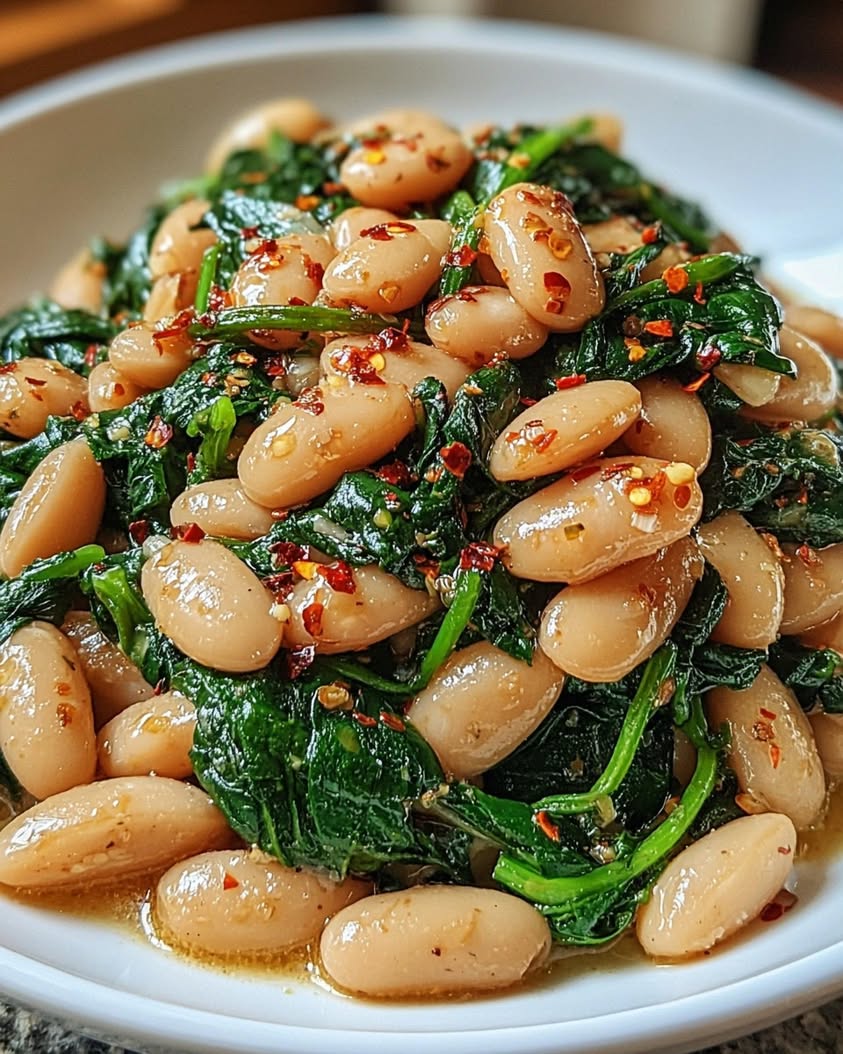
- Visual Appeal: The vibrant green spinach against the creamy white beans creates a stunning, simple presentation. A sprinkle of red pepper flakes adds pops of color. Serving it in a shallow bowl with a crusty bread on the side looks incredibly inviting.
- Skill Level Needed: This recipe requires no special techniques. If you can chop garlic and stir a pot, you can master this dish. It is perfect for beginners and experienced cooks alike who want a quick, reliable meal.
- Special Equipment: You only need a large skillet or a Dutch oven with a lid. A wooden spoon or spatula for stirring is helpful. No blenders, food processors, or specialty tools are required.
Recipe Overview
- Difficulty Level: I rate this recipe as easy because every step is straightforward. You do not need to monitor temperatures precisely or execute complex cuts. Even if you accidentally overcook the spinach, it still tastes wonderful. This forgiving nature makes the ultimate spinach and white beans recipe approachable for any cook.
- Category: This dish fits perfectly as a main course for lunch or dinner. It also works beautifully as a side dish for grilled chicken or fish. For a vegetarian feast, pair it with a simple salad and some crusty bread.
- Cuisine: The flavors draw inspiration from classic Italian and Mediterranean cooking. Garlic, olive oil, white beans, and greens are staples in those regions. This spinach and white beans recipe reflects the rustic, wholesome tradition of cucina povera, where simple ingredients become sublime.
- Cost: This meal is incredibly budget-friendly. A bag of dried white beans costs very little, or you can use canned beans for convenience. Fresh spinach is affordable year-round, and pantry spices keep costs minimal. You can feed a family of four for under ten dollars.
- Season: While you can enjoy this dish any time of year, it shines in the cooler months. Hearty beans and warm broth feel perfect on a chilly evening. However, the fresh spinach and lemon also make it light enough for a spring dinner.
- Occasion: This spinach and white beans recipe is ideal for a simple family dinner. It also works well for casual entertaining, as it is easy to double. Serve it at a potluck or a cozy dinner party for a comforting, impressive option.
Why You Will Love This Recipe
The taste and texture of this dish create a genuinely satisfying experience. The creamy beans feel luxurious, while the spinach adds a fresh, green quality. Garlic and lemon provide brightness that keeps every bite interesting. You will love how the flavors come together without any heavy cream or cheese, making it feel light yet filling. The broth, infused with simple seasonings, becomes almost addictive as you mop it up with bread.
Convenience is a huge factor here, especially on busy nights. This ultimate spinach and white beans recipe requires only ten minutes of active prep time. You can have dinner on the table in just twenty-five minutes from start to finish. The cleanup is minimal, as you only use one pot or skillet. This efficiency makes it a lifesaver for weeknight cooking when time and energy are limited.
Nutritionally, this dish is a powerhouse. Spinach provides iron, vitamins A and K, and antioxidants. White beans are loaded with plant-based protein and fiber, which promote digestive health and keep you full. This combination supports steady energy levels and helps you meet your daily vegetable intake. You can feel confident serving it to your family knowing it is both delicious and wholesome.
This recipe also excels for social and entertaining purposes. It scales up easily to feed a crowd, and the ingredient list is flexible. You can prepare it ahead of time and reheat gently before serving. Guests will appreciate a homemade meal that feels both rustic and elegant. Plus, it accommodates various dietary needs, as it is naturally vegan and gluten-free.
Finally, the cost-effectiveness and accessibility make this recipe a staple. Canned white beans and fresh spinach are available at any grocery store. Even if you use dried beans, the cost per serving remains low. You can also substitute ingredients based on what you have in your pantry. This flexibility ensures you can make the ultimate spinach and white beans recipe anytime without a special trip to the store.
Historical Background and Cultural Significance
The combination of beans and greens has deep roots in Mediterranean cuisine. In Italy, this pairing is a classic expression of cucina povera, or peasant cooking. Resourceful home cooks combined inexpensive staples like dried beans and wild greens. Over centuries, these humble ingredients transformed into beloved regional dishes that celebrate simplicity. The spinach and white beans recipe carries this tradition forward into modern kitchens.
Cultural importance varies by region, but beans and greens symbolize sustenance and thrift. In Tuscany, the dish is often called fagioli all uccelletto, featuring beans cooked with sage and tomato. In southern Italy, greens like broccoli rabe or escarole are combined with cannellini beans. Each version reflects local ingredients and preferences. This shared history shows how a simple concept evolves through generations.
The evolution of this recipe in America reflects the influence of Italian immigration. Early Italian-Americans adapted traditional recipes using readily available ingredients. Spinach became a popular green due to its year-round availability. Canned beans simplified the cooking process, making the dish even more accessible. Today, the ultimate spinach and white beans recipe is a fusion of old-world traditions and modern convenience.
Regional variations abound across the Mediterranean and beyond. In Greece, a similar dish uses gigantes beans and Swiss chard. The Middle East features a version with fava beans and fresh herbs. In the American South, cooks often serve white beans with collard greens. These adaptations prove how versatile and beloved this simple combination truly is. Exploring these variations can inspire new ways to enjoy your own spinach and white beans recipe.
Ingredient Deep Dive
White beans, the star of this dish, have a long history in Mediterranean cooking. They have been cultivated for thousands of years and are a staple in Italian and Middle Eastern cuisines. Nutritionally, white beans are rich in fiber, plant-based protein, iron, and magnesium. These nutrients support heart health, stable blood sugar, and digestive regularity. When selecting white beans, look for ones that are uniform in size and free from cracks or blemishes. Canned beans should be low in sodium, or you can rinse them thoroughly. Storage for dried beans is simple: keep them in an airtight container in a cool, dark place for up to a year. Canned beans store well in the pantry for months. Substitution options include cannellini beans, great northern beans, or navy beans. Each variety brings a slightly different creaminess, but all work well in this spinach and white beans recipe.
Spinach is a leafy green packed with nutritional benefits. It originated in ancient Persia and has become a global superfood. Spinach is loaded with vitamins A, C, and K, as well as folate, iron, and antioxidants. These nutrients support eye health, immune function, and bone strength. When selecting spinach, look for crisp, dark green leaves without yellowing or wilting. Fresh baby spinach is convenient and requires no trimming. Storage is straightforward, keep it in the refrigerator in a breathable bag and use within a few days. If you need a substitution, kale or Swiss chard work wonderfully. With kale, add it a few minutes earlier due to its tougher texture. This flexibility ensures you can always make this recipe with what you have on hand.
Garlic is the aromatic backbone of this dish. It has been used for culinary and medicinal purposes for centuries across many cultures. Garlic contains allicin, a compound linked to immune support and cardiovascular benefits. When selecting garlic, choose firm, plump bulbs with tight, unbroken skin. Avoid any that feel soft or have sprouted. Store garlic in a cool, dry, dark place with good air circulation, not in the refrigerator. If you run out, shallots or onion can provide a milder aromatic base. For a stronger kick, try using roasted garlic for a sweeter, mellow flavor. Mastering the use of garlic elevates this spinach and white beans recipe significantly.
Extra virgin olive oil is essential for authentic Mediterranean flavor. This oil is a cornerstone of the Mediterranean diet, which is associated with longevity and reduced risk of chronic disease. It is rich in healthy monounsaturated fats and antioxidants. For this recipe, use a good quality extra virgin olive oil for cooking and a finishing drizzle. Store olive oil in a cool, dark cupboard away from heat and light. If needed, avocado oil is a neutral substitute with a high smoke point. The choice of olive oil deeply influences the final flavor of this dish.
Common Mistakes to Avoid
- Overcooking the spinach is a frequent error. Cook it just until it wilts, about two minutes. Overcooking leads to a mushy texture and loss of nutrients. The residual heat will continue to soften it.
- Using low-quality olive oil can ruin the flavor of the dish. The oil is a primary ingredient, so use a good extra virgin variety. Cheap oil can taste bitter or rancid.
- Skipping the step of draining and rinsing canned beans introduces excess sodium. Rinsing removes the starchy liquid and improves the texture. It also prevents the dish from becoming too salty.
- Adding acidic ingredients like lemon juice too early can prevent the beans from softening. Always add acid at the end of cooking. This preserves the creamy texture of the beans.
- Not seasoning enough during the cooking process leads to a bland dish. Season the onions and garlic first, then season the broth. Taste and adjust salt and pepper at the end.
- Forgetting to have all ingredients prepped before starting is another common issue. The cooking time is short, so being organized helps. Chop garlic and measure spices in advance.
- Using a pan that is too small prevents the spinach from wilting evenly. Use a large skillet or Dutch oven to accommodate the volume. Crowding the pan leads to steaming rather than wilting.
- Neglecting to add liquid when the pan gets dry can cause burning. Keep a small amount of broth or water on hand. The beans need moisture to stay creamy.
- Overcomplicating the recipe with too many extra ingredients can dilute the simple flavors. This recipe shines with minimal additions. Let the core ingredients speak for themselves.
- Failing to stir in the lemon zest at the right moment is a missed opportunity. Add it just before serving for maximum brightness. Zest is subtle, but it makes a significant difference.
Essential Techniques
Sautéing aromatics is the foundation of flavor in this dish. This technique involves cooking finely chopped onions and garlic in hot oil until they are soft and fragrant. Why it is important is that it releases their natural sugars and essential oils, building a deep base note. To master it, keep the heat medium-low and stir frequently to avoid burning. A common pitfall is using high heat, which scorches the garlic and creates bitterness. The visual cue for success is when the onions become translucent and the garlic is pale golden, never brown.
Wilting spinach correctly ensures the best texture and flavor. This technique involves adding fresh spinach to the hot pan and stirring until it collapses. Why it matters is that it preserves the bright green color and fresh taste. To master this, add the spinach in batches if needed, allowing the first batch to wilt before adding more. The biggest pitfall is overcooking, which turns the spinach a dull olive green. The visual cue for success is when the leaves are tender but still vibrant, and the volume has reduced by about half.
Simmering the beans in broth is crucial for infusing them with flavor. This technique involves gently heating the beans in liquid without a full rolling boil. Why it is important is that it allows the beans to absorb the savory broth without breaking apart. To master it, bring the liquid to a gentle bubble, then reduce the heat to low. A common mistake is boiling vigorously, which can make the beans mushy. The visual cue for success is small bubbles breaking the surface, with the beans remaining intact and creamy.
Pro Tips for Perfect Spinach and White Beans
Always toast your garlic briefly before adding the broth. This step releases its full aroma without burning. A quick thirty-second stir in hot oil is all you need.
Use a good quality vegetable or chicken broth for depth of flavor. Avoid using plain water, as it will make the dish taste flat. Broth adds savory richness that transforms the dish.
Do not skip the lemon zest even if you are short on time. The zest adds a bright, citrusy note that the juice alone cannot provide. It elevates the entire flavor profile.
Consider adding a Parmesan rind to the broth while it simmers. This adds an umami depth without needing actual cheese for a vegan option. Remove the rind before serving.
If you want a thicker consistency, mash some of the beans against the side of the pot. This releases their starches and thickens the broth naturally. It creates a more stew-like texture.
For a touch of heat, do not rely on only red pepper flakes. Add a small pinch of smoked paprika for a deeper, smokier warmth. It complements the beans and spinach beautifully.
Let the dish rest for five minutes after cooking before serving. This allows the flavors to meld together. The final result will taste more cohesive and balanced.
Variations and Adaptations
Regional variations offer exciting twists on this classic spinach and white beans recipe. In Tuscany, they might add fresh sage and a splash of tomato sauce. The Greek version includes a squeeze of lemon and a sprinkle of oregano. For a Middle Eastern twist, stir in a teaspoon of cumin and a pinch of cinnamon. These variations showcase how versatile the base recipe truly is. Each one brings a unique cultural perspective while maintaining the comforting essence.
Seasonal adaptations keep this dish fresh year-round. In summer, use Swiss chard or beet greens if they are abundant at the farmers market. In autumn, add roasted butternut squash cubes for sweetness and color. Spring is perfect for adding fresh peas and mint. Winter versions benefit from heartier greens like kale or collards. These adaptations ensure you can enjoy this recipe in any season while highlighting the best local produce.
Dietary modifications make this recipe accessible to almost everyone. For a vegan option, simply ensure your broth is vegetable-based. The recipe is naturally gluten-free. Those on a low-FODMAP diet can use green beans or zucchini instead of white beans. For a lower-carb version, reduce the beans and add more spinach or other low-carb vegetables. These adjustments maintain the spirit of the dish while respecting dietary needs.
Flavor variations can dramatically change the profile of this dish. Smoked paprika and chipotle add a southwestern flair. Curry powder and coconut milk create a warming Indian-inspired version. A spoonful of pesto stirred in at the end adds basil richness. For a Mediterranean twist, toss in sun-dried tomatoes and capers. Experimenting with different flavor profiles keeps this recipe exciting and personalized.
Texture modifications allow you to customize the mouthfeel. For a creamier dish, blend a cup of the cooked beans and broth before stirring it back in. This creates a luscious, almost soup-like consistency. If you prefer more texture, leave all the beans whole and add a handful of toasted pine nuts for crunch. Adding crispy croutons or crumbled bacon bits on top provides contrasting crunch. These adjustments cater to different texture preferences.
Presentation alternatives can elevate this humble dish for special occasions. Serve it in individual ramekins topped with a drizzle of olive oil and fresh herbs. For a dramatic presentation, serve it inside a hollowed-out bread bowl. Alternatively, pair it with a poached egg on top for a luxurious brunch version. These presentation ideas transform the simple spinach and white beans recipe into an impressive centerpiece.
Serving and Presentation Guide
Plating techniques for this dish are simple but effective. Serve it in shallow bowls to showcase the vibrant colors. Arrange the beans and spinach evenly, and create a small well in the center for a final drizzle of olive oil. A gentle swirl of the pan before serving ensures even distribution of the garlic and spices. The goal is a rustic, homey look that feels both comforting and appetizing.
Garnishing ideas add visual appeal and extra flavor. Freshly chopped parsley or basil brightens the presentation. A sprinkle of flaky sea salt and freshly cracked black pepper adds texture. Lemon zest and a few red pepper flakes provide color and a pop of flavor. For a richer touch, add a shaving of Parmesan cheese or a handful of toasted breadcrumbs.
Traditional accompaniments include crusty bread for soaking up the flavorful broth. A side of sautéed mushrooms adds an earthy depth. A simple green salad with lemon vinaigrette balances the richness. For a heartier meal, serve the beans over polenta or with roasted potatoes. These pairings enhance the meal without overwhelming the main dish.
Modern serving suggestions include turning the dish into a bowl meal. Top it with a poached egg, avocado slices, and a sprinkling of seeds. You can also serve it as a warm salad over arugula. For a party, present it in a large serving dish as a shared appetizer with crostini. These modern approaches make the recipe adaptable for various dining contexts.
Temperature considerations are important for optimal enjoyment. This dish is best served warm, not piping hot, to allow the flavors to settle. Allow it to rest for a few minutes after cooking. If reheating, do so gently over low heat to prevent the spinach from becoming mushy. The flavors actually improve after a day in the refrigerator, making leftovers a treat.
Portion control tips help with meal planning. As a main course, plan for about one and a half cups per serving. As a side dish, half a cup is sufficient. Leftovers store well, so consider making extra for lunches. Using a measuring cup ensures consistent portions and helps with calorie tracking.
Wine and Beverage Pairing
Wine pairings for this spinach and white beans recipe are surprisingly versatile. A crisp, unoaked Sauvignon Blanc from New Zealand or the Loire Valley complements the garlic and lemon notes. The wine acidity cuts through the richness of the beans. Another excellent choice is a light Italian Pinot Grigio, which is delicate enough not to overwhelm the dish. For red wine lovers, a chilled light red like a Valpolicella or a Beaujolais works well. The key is to choose wines with high acidity and low tannins.
Non-alcoholic alternatives are equally enjoyable. A sparkling water with a squeeze of lemon and a sprig of mint refreshes the palate. Iced herbal tea, such as chamomile or mint, provides a soothing contrast. For a more complex option, try a non-alcoholic herbal spritzer with rosemary and grapefruit. These beverages cleanse the palate and enhance the dining experience without masking the flavors.
Temperature considerations for serving beverages matter. Serve white wines and sparkling water well-chilled to provide a refreshing contrast to the warm dish. Red wines should be slightly cool, not room temperature, which is common. Herbal teas can be served hot or iced depending on the season. The goal is to have the beverage temperature create a pleasant contrast with the warm food.
Serving suggestions enhance the pairing experience. Provide wine glasses for each guest and encourage them to sip between bites. For a family dinner, set out a pitcher of infused water or a carafe of the chosen beverage. Consider pairing the dish with a light Italian beer, such as a Peroni or Moretti, for a casual meal. These details make the meal feel more intentional and enjoyable.
Storage and Shelf Life
Storage methods for this dish are straightforward. Allow the spinach and white beans recipe to cool completely to room temperature before storing. Transfer it to an airtight container to maintain freshness. Proper cooling prevents condensation, which can lead to spoilage. Aim to refrigerate the dish within two hours of cooking to ensure food safety.
Temperature requirements are crucial for food safety. Store the dish in the refrigerator at a temperature of 40 degrees Fahrenheit or below. This slows bacterial growth and preserves quality. If you plan to keep it longer than a few days, consider freezing it. Never leave the dish out at room temperature for more than two hours.
Container recommendations affect how well the dish stores. Use glass or BPA-free plastic containers with tight-fitting lids. Avoid leaving the dish in the cooking pot, as metals can react with the ingredients. Divide large batches into smaller containers for faster cooling and easier reheating. This practice also makes portion control simpler.
Signs of spoilage are important to recognize. If the dish develops an off smell, sour odor, or visible mold, discard it immediately. Changes in texture, such as excessive sliminess or separation, also indicate spoilage. Trust your senses and do not taste questionable leftovers. Proper storage extends the shelf life to three to four days in the refrigerator.
Reheating instructions ensure the dish remains delicious. Reheat gently on the stovetop over low heat, adding a splash of water or broth if it has thickened. Microwave reheating is faster but may create uneven temperatures. Stir the dish halfway through microwaving to distribute heat evenly. Avoid boiling, which can toughen the spinach and make the beans mushy.
Freezing guidelines help you preserve the dish for later. This spinach and white beans recipe freezes well for up to three months. Use freezer-safe containers or bags, removing as much air as possible. Thaw overnight in the refrigerator before reheating. The texture of the spinach may soften slightly after freezing, so consider adding a handful of fresh spinach when reheating for a fresher taste.
Make Ahead Strategies
Prep timeline planning makes this recipe even more convenient. You can chop the garlic and onion up to two days in advance. Store them together in an airtight container in the refrigerator. If you are using dried beans, soak them overnight and cook them a day ahead. This preparation reduces the active cooking time to almost nothing.
Storage between steps is straightforward. If you cook the beans and broth base a day ahead, store the mixture in the refrigerator. Keep the spinach separate to prevent it from wilting prematurely. This separation ensures fresh texture when you finish the dish. Simply reheat the bean base and add the spinach just before serving.
Quality impact assessment shows that this dish actually improves with time. The flavors meld and deepen after a day in the refrigerator. However, the spinach will lose some vibrancy. Adding the spinach fresh on the day of serving yields the best results. The overall quality remains excellent if you follow the make-ahead steps correctly.
Assembly tips make finishing the dish seamless. When you are ready to serve, reheat the bean base in a large pan over medium heat. Add the fresh spinach and cook until just wilted. Finish with lemon juice and zest. This process takes less than ten minutes, which is perfect for a quick dinner.
Reheating guidelines ensure best results. Reheat the bean base gently to avoid breaking the beans. If the mixture seems too thick, add a splash of broth or water. Stir in the spinach after the base is hot to prevent overcooking. Serve immediately for the best texture and flavor.
Fresh element additions can revive the dish. When serving after storage, add a fresh squeeze of lemon juice and a drizzle of high-quality olive oil. A sprinkle of fresh herbs like parsley or basil adds a burst of freshness. These small additions make leftovers taste as good as the original meal.
Scaling Instructions
Halving the recipe is simple for a smaller crowd. Use one can of white beans instead of two, and halve the remaining ingredients. The cooking time remains roughly the same, but monitor the liquid level. Use a smaller skillet to ensure the spinach wilts properly. The flavor profile will remain balanced and delicious.
Doubling or tripling the recipe is easy for a large gathering. Use a larger pot or Dutch oven to accommodate the volume. Increase the ingredients proportionally, but do not double the broth exactly. Start with one and a half times the liquid and add more if needed. The cooking time may increase slightly to bring the larger quantity to temperature.
Equipment adjustments are necessary when scaling up. A standard 12-inch skillet works for a single batch. For a double batch, use a 6-quart Dutch oven or large stockpot. Ensure your lid fits properly to help wilt the spinach evenly. For halving, a small to medium skillet is sufficient.
Timing modifications depend on the scale. A halved batch may cook slightly faster, so watch the spinach closely. A doubled batch will take a few extra minutes to heat through and wilt the spinach. Use visual cues, such as the spinach volume reduction and bean tenderness, to gauge doneness rather than relying strictly on time.
Storage considerations change with batch size. Leftovers from a doubled batch may require multiple containers for safe refrigeration. Portion the leftovers into meal-sized containers for easy reheating. Freeze any excess that you will not consume within four days. Scaling requires a bit more planning for storage, but the recipe remains just as rewarding.
Nutritional Deep Dive
Macro breakdown of this spinach and white beans recipe reveals a balanced profile. A typical serving provides about 300 to 350 calories. Carbohydrates come primarily from the beans, offering around 45 grams per serving. Protein content is substantial at about 15 to 18 grams, largely from the beans. Fat content is relatively low, around 8 to 10 grams, primarily from the olive oil. This macronutrient balance provides sustained energy and promotes satiety.
Micronutrient analysis shows why this dish is so nutritious. White beans are an excellent source of folate, iron, magnesium, and potassium. Spinach contributes high levels of vitamins A, C, and K, as well as manganese. The olive oil provides vitamin E and healthy monounsaturated fats. Garlic offers small amounts of vitamin B6 and manganese. This combination supports immune function, bone health, and red blood cell production.
Health benefits extend beyond basic nutrition. The fiber in white beans promotes digestive regularity and helps maintain healthy cholesterol levels. Antioxidants in spinach combat oxidative stress and inflammation. The magnesium in beans supports muscle function and sleep quality. Eating this dish regularly contributes to a heart-healthy diet pattern.
Dietary considerations make this recipe suitable for many eating plans. It is naturally vegan, vegetarian, and gluten-free. It is low in saturated fat and contains no added sugar. For those watching sodium, use no-salt-added beans and low-sodium broth. The fiber content also supports blood sugar management, making it a good choice for individuals with diabetes.
Portion analysis helps with weight management. A serving size of one and a half cups is filling due to the protein and fiber. The low calorie density allows for a generous portion without excess calories. Serving this dish as a main course often reduces the need for high-calorie sides. It supports weight management by promoting fullness and reducing overall calorie intake.
Weight management tips include pairing this dish with a large salad. The fiber and water from vegetables increase fullness without adding many calories. Using less oil in the recipe reduces the fat content. The protein content prevents blood sugar spikes, reducing cravings later. This spinach and white beans recipe can be a valuable tool for those seeking healthy weight maintenance.
Dietary Adaptations
Gluten-free adaptation requires no changes to this basic recipe. All ingredients are naturally gluten-free. Ensure your broth is certified gluten-free, as some commercial broths may contain additives. This dish is a safe and delicious option for anyone with celiac disease or gluten sensitivity.
Dairy-free is the default state of this spinach and white beans recipe. It contains no dairy ingredients whatsoever. The creamy texture comes entirely from the beans and olive oil. This makes it perfect for those who are lactose intolerant or following a dairy-free diet. No modifications are necessary.
Vegan adaptation is also no change from the original recipe. The dish is entirely plant-based. Using vegetable broth instead of chicken broth ensures it remains vegan. The olive oil provides the richness that animal fats would offer. This vegan version is satisfying and nutrient-dense.
Low-carb adaptation requires some adjustments. Reduce the amount of white beans to about half a cup per serving. Increase the spinach volume to compensate for volume. You can also add other low-carb vegetables like zucchini or bell peppers. The broth will still be flavorful and satisfying, though the protein content will decrease.
Keto adaptation is more restrictive. Use only a small amount of beans, about a quarter cup per serving, and increase healthy fats. Add avocado or extra olive oil to meet fat macros. Consider substituting the beans with cooked cauliflower florets for a similar texture. The spinach remains a great low-carb choice.
Paleo adaptation is challenging because legumes are not paleo-approved. Substitute the white beans with cooked sweet potatoes or butternut squash cubes. You can also use meat, such as diced chicken or sausage, for protein. The flavor profile will change, but the concept remains similar. This version provides a different nutritional profile.
Low-FODMAP adaptation is possible with careful substitutions. Use canned and rinsed lentils or chickpeas instead of white beans, in small portions. Alternatively, use tofu or tempeh for protein. Eliminate garlic and use garlic-infused oil for flavor. Use the green parts of scallions instead of onions. This adapted version is gentle on sensitive digestive systems.
Troubleshooting Guide
Texture issues often arise with overcooked spinach. If your spinach is mushy and releases too much water, reduce the cooking time next time. Add the spinach last and remove it from heat as soon as it wilts. To fix an overly watery dish, simmer it uncovered for a few minutes to evaporate excess liquid.
Flavor balance can be off if the dish tastes flat. Likely you need more salt or acid. Add a pinch of salt and a squeeze of lemon juice, then taste again. If the dish is too acidic, add a small pinch of sugar or more olive oil to smooth out the flavors. Balance is key to a successful dish.
Temperature problems occur when the dish is not heated through. If the beans are cold in the center, reheat the dish over low heat for a longer period. Stir frequently to distribute heat evenly. Avoid using high heat, which can scorch the bottom. Patience ensures a consistently warm meal.
Equipment challenges can affect the result. If your pan is too small, the spinach will steam rather than wilt. Use a large skillet or work in batches. A pan that is too thin may cause hot spots and burning. Use a heavy-bottomed pan for even heat distribution. The right equipment makes cooking easier and more successful.
Ingredient substitutions can alter the outcome. If you substitute kale for spinach, increase the cooking time by a few minutes. If you use dried beans instead of canned, cook them separately until tender before adding them to the dish. If you skip the lemon, add a splash of vinegar for acidity. Adaptations require attention to maintain balance.
Timing concerns often involve adding ingredients at the wrong time. Add garlic after onions have softened to prevent burning. Add lemon juice and zest at the very end to preserve their brightness. Wilt the spinach just before serving to keep it vibrant. Following the timing sequence ensures optimal flavor and texture.
Recipe Success Stories
Community feedback has been overwhelmingly positive for this ultimate spinach and white beans recipe. One reader, Sarah from Ohio, said this dish became Print
Spinach and White Beans
- Total Time: 20 minutes
- Yield: 4
Description
A quick, healthy, and savory side dish featuring tender spinach and creamy white beans, sautéed with garlic and a hint of lemon. Perfect for a simple weeknight meal.
Ingredients
- 2 tablespoons olive oil
- 3 cloves garlic, minced
- 1 (15-ounce) can cannellini beans, drained and rinsed
- 10 ounces fresh spinach
- 1/2 teaspoon red pepper flakes (optional)
- Salt and black pepper to taste
- 1 tablespoon lemon juice
Instructions
- Heat olive oil in a large skillet over medium heat. Add minced garlic and cook for 1 minute until fragrant.
- Add the cannellini beans and cook for 2–3 minutes, stirring occasionally.
- Add the fresh spinach in handfuls, stirring until wilted. Continue adding all the spinach.
- Season with red pepper flakes, salt, and black pepper. Cook for another 2 minutes.
- Remove from heat and stir in lemon juice. Serve warm.
Notes
You can customize the seasonings to taste. For extra protein, add cooked chicken or tofu.
- Prep Time: 10 minutes
- Cook Time: 10 minutes
- Method: Side Dish
- Cuisine: American