Roasted Asparagus and Carrots: The Perfect Easy Side Dish for Any Meal
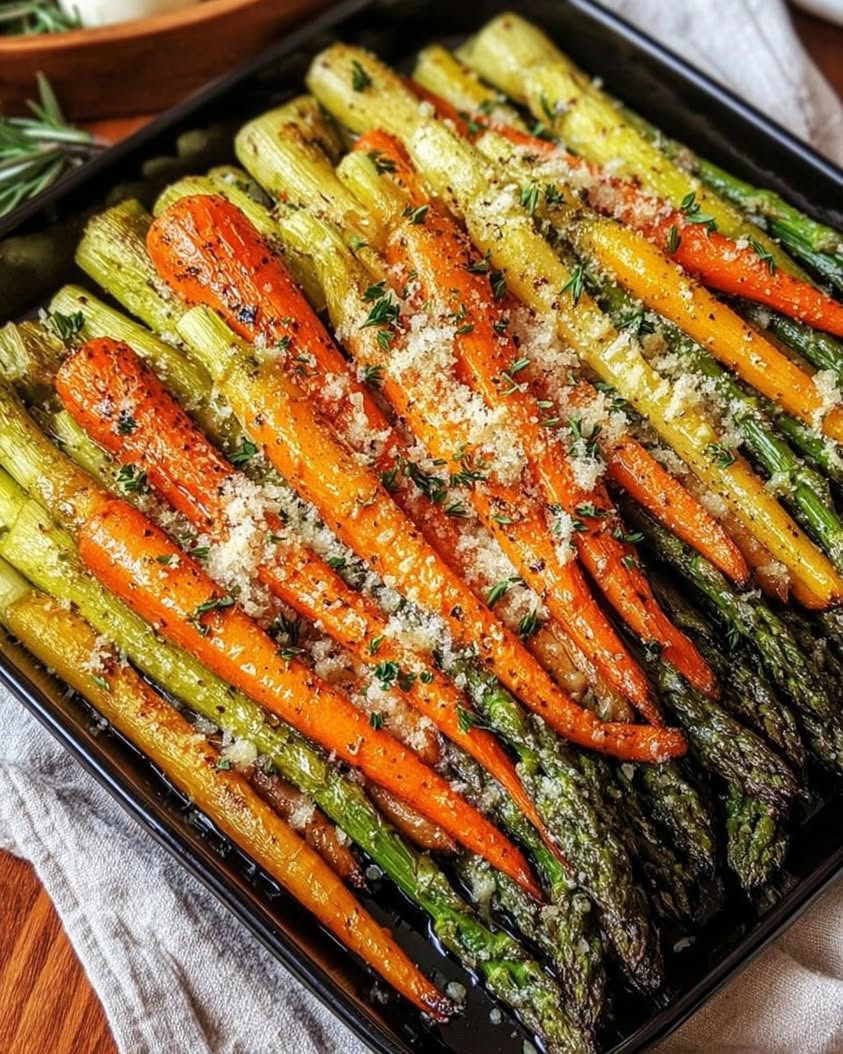
Roasted Asparagus and Carrots is a simple yet vibrant side dish that transforms humble vegetables into a star attraction on your dinner table. The high heat of the oven caramelizes the natural sugars in the carrots, creating a sweet, tender interior with lightly charred edges. Meanwhile, the asparagus retains a satisfying snap, offering a perfect contrast in texture. The combination of these two vegetables, tossed in olive oil and seasoned with salt and pepper, produces a side dish that pairs effortlessly with chicken, fish, steak, or a vegetarian main course. The visual appeal is undeniable, with bright orange carrot spears alongside deep green asparagus stalks, creating a colorful presentation that looks impressive with minimal effort.
This recipe for roasted asparagus and carrots is designed for busy home cooks who need a reliable, hands-off side dish. You only need a few fresh ingredients and a single sheet pan, which means cleanup is quick and stress-free. The preparation is straightforward, requiring just a quick rinse and trim of the vegetables before tossing them with oil and seasonings. Because the oven does most of the work, you can focus on preparing the rest of your meal while the vegetables roast to perfection. The aroma that fills your kitchen as the vegetables caramelize is warm and inviting, promising a dish that tastes as good as it smells.
What makes this roasted asparagus and carrots recipe so special is its versatility and universal appeal. It works just as well for a quiet weeknight dinner as it does for a holiday feast like Easter or Thanksgiving. The natural sweetness of the carrots pleases even picky eaters, while the earthy flavor of the asparagus adds a touch of sophistication. The entire process, from trimming to serving, takes only about thirty minutes, making it a go-to option when you need a healthy, delicious side in a hurry. You can easily customize the seasonings to match your menu, adding garlic, lemon zest, or fresh herbs for extra flavor.
Quick Recipe Highlights
- Flavor Profile: The roasted asparagus and carrots offer a delightful balance of sweet and savory notes. The carrots become intensely sweet as their natural sugars caramelize in the oven. A subtle earthiness from the asparagus grounds the dish, while a final squeeze of lemon juice brightens everything. The olive oil adds a mild, fruity richness that ties the flavors together beautifully.
- Texture: The carrots soften and become tender with a slight chew at the center after roasting. The asparagus tips grow crispy and almost crunchy, while the stalks remain firm but yield easily to a fork. This pleasing contrast between soft and crisp textures makes each bite interesting. The caramelized edges provide a pleasant, sticky mouthfeel that enhances the overall experience.
- Aroma: Your kitchen will fill with the warm, nutty scent of roasting vegetables as they cook. The olive oil releases a gentle, herbaceous fragrance that combines with the earthy aroma of the asparagus. As the carrots caramelize, they give off a sweet, almost honey-like smell that is deeply comforting. The overall effect is clean, inviting, and reminiscent of a home-cooked family meal.
- Visual Appeal: The presentation is strikingly colorful, with vibrant orange carrots and bright green asparagus arranged on a white platter. The slight browning and charring on the edges add a rustic, appetizing look that suggests deep flavor. The contrast in shapes and sizes creates visual interest, making the dish look elegant without being fussy. A light sprinkle of fresh parsley or flaky salt adds a final touch of sophistication.
- Skill Level Needed: This recipe is perfect for beginners because it requires no special techniques or advanced knife skills. You simply need to trim the woody ends off the asparagus and peel the carrots. The cooking process is entirely hands-off, so you cannot accidentally overwork or ruin the vegetables. Even if you have minimal kitchen experience, you can produce a restaurant-quality side dish on your first try.
- Special Equipment: A standard sheet pan or rimmed baking sheet is the only essential tool for this recipe. You will also need a vegetable peeler for the carrots and a sharp knife for trimming the asparagus. Parchment paper is optional but helps with cleanup and prevents sticking. No special gadgets or expensive cookware are required, making this recipe accessible to everyone.
Recipe Overview
- Difficulty Level: We classify this roasted asparagus and carrots recipe as easy because it involves only basic preparation and a single cooking method. The steps are straightforward, and there is no need for constant monitoring or precise timing adjustments. Even if you forget to set a timer, the vegetables are forgiving and will still taste good if they cook a few minutes longer. This makes the dish an excellent choice for novice cooks or anyone looking for a stress-free cooking experience.
- Category: This dish falls squarely into the side dish category, but it is versatile enough to double as a main course for lighter meals. You can serve it alongside roasted chicken, grilled salmon, or pan-seared steak for a complete dinner. It also works wonderfully as part of a vegetarian or vegan spread, paired with grains like quinoa or farro. You could even chop the leftovers and add them to salads, omelets, or grain bowls for lunch the next day.
- Cuisine: While the basic technique of roasting vegetables is universal, this recipe draws inspiration from Mediterranean cooking traditions. The use of olive oil, salt, pepper, and lemon juice reflects the simple, ingredient-focused approach common in Italian and Greek cuisines. Roasting is a classic preparation method across many cultures, but the emphasis on letting the natural flavors shine is distinctly Mediterranean. This simplicity makes the dish a fantastic base for experimenting with international flavors like soy sauce and ginger for an Asian twist.
- Cost: This is an incredibly budget-friendly recipe since asparagus and carrots are widely available and reasonably priced. A bunch of asparagus typically costs between two and four dollars, while a pound of carrots costs about one to two dollars. The other ingredients, olive oil, salt, and pepper, are pantry staples you likely already own. Even adding optional garnishes like fresh herbs or Parmesan cheese will only increase the cost by a dollar or two.
- Season: The best time to make this recipe is during the spring when both asparagus and early carrots are in peak season. Spring asparagus is tender and flavorful, with thinner stalks that roast beautifully. Baby carrots harvested in late spring are sweeter and more delicate than their winter counterparts. However, because these vegetables are available year-round in most grocery stores, you can enjoy this dish in any season with excellent results.
- Occasion: Roasted asparagus and carrots is appropriate for virtually any occasion, from casual family dinners to formal holiday feasts. It is elegant enough to serve at Easter brunch or Thanksgiving dinner alongside turkey and gravy. Yet it is simple enough to make on a busy Tuesday night when you need a quick vegetable side. The dish also travels well, making it a great choice for potlucks, picnics, and holiday gatherings where you need to bring a dish to share.
Why You’ll Love This Recipe
The taste and texture of this roasted asparagus and carrots dish are truly irresistible, offering a combination that satisfies every palate. The high roasting temperature concentrates the vegetables’ natural flavors, making the carrots taste candy-sweet and the asparagus deeply savory. Each bite delivers a pleasing contrast between the tender carrot interiors and the slightly firm, crisp asparagus stalks. The caramelized edges add a hint of bitterness that balances the sweetness, creating a well-rounded flavor profile. You will find yourself reaching for seconds because the vegetables are simply that delicious.
Convenience is a major factor in why this recipe earns a permanent spot in your rotation. The preparation takes only ten minutes, and the oven does all the work from there. You do not need to stand over a stove, stir anything, or babysit the pan during cooking. The clean-up is minimal, especially if you line your baking sheet with parchment paper. This hands-off approach frees you up to prepare your main dish, set the table, or simply relax while dinner cooks itself.
Nutritionally, this recipe is a powerhouse that supports a healthy lifestyle without sacrificing flavor. Carrots are loaded with beta-carotene, which your body converts into vitamin A for good vision and immune function. Asparagus is rich in folate, fiber, and vitamins K and C, all essential for overall health. Roasting with olive oil adds healthy monounsaturated fats, which help your body absorb the fat-soluble vitamins in the vegetables. This side dish is naturally gluten-free, dairy-free, and vegan, making it suitable for most dietary needs.
From a social and entertaining perspective, this dish is a lifesaver because it impresses guests with minimal effort. The vibrant colors and attractive presentation make it look like you spent much more time than you actually did. You can easily double or triple the recipe to feed a crowd without taking up extra oven space. Since the vegetables hold well after cooking, you can roast them ahead of time and reheat just before serving. Your guests will appreciate the thoughtful, home-cooked vegetable side dish that pairs with almost any main course.
Cost-effectiveness and accessibility are the final reasons to love this recipe. Both asparagus and carrots are among the most affordable fresh vegetables, especially when bought in season. You do not need any exotic ingredients or expensive pantry items to create this dish. The recipe is also incredibly forgiving, meaning you can swap in different vegetables based on what you have on hand. This flexibility ensures that you can enjoy a delicious, healthy side dish without straining your grocery budget.
Historical Background and Cultural Significance
The practice of roasting vegetables dates back thousands of years to the earliest human civilizations. Before the invention of pottery or metal cookware, people roasted root vegetables directly in the embers of a fire. Carrots, originally wild and purple or white, were first cultivated in Central Asia around the tenth century. Over time, selective breeding produced the familiar orange carrot we know today, which became popular in Europe during the Renaissance. Roasting remained a primary cooking method because it enhanced the natural sweetness of vegetables and required no special equipment.
Asparagus has a similarly ancient history, with evidence of its cultivation dating back to ancient Greece and Rome. The Greeks valued asparagus for its medicinal properties and believed it could relieve toothaches and bee stings. Roman emperors kept special fleets of ships to harvest asparagus from the wild and transport it quickly to the capital. During the sixteenth century, asparagus became a delicacy in French and English royal courts, where it was often served with melted butter. The vegetable’s association with luxury and springtime freshness persists to this day.
The combination of roasting both asparagus and carrots together is a relatively modern innovation, likely emerging in the late twentieth century. As home cooks began to embrace sheet pan dinners for their convenience, pairing different vegetables with similar cooking times became standard practice. This approach reflects a broader shift toward simple, ingredient-focused cooking that emphasizes natural flavors over complex sauces. The popularity of Mediterranean cuisine in the United States also contributed to the widespread adoption of olive oil-based roasted vegetable recipes.
Regional variations of roasted vegetables exist across the globe, showcasing local ingredients and flavor preferences. In the Middle East, cooks often season roasted carrots and asparagus with cumin, coriander, and sumac for a warm, aromatic finish. Italian versions might include balsamic vinegar and fresh rosemary for a tangy, herbaceous note. In Japan, a light glaze of soy sauce and mirin adds umami and sweetness to the roasted vegetables. These adaptations demonstrate the universal appeal of this simple cooking technique and its ability to absorb diverse cultural influences.
Ingredient Deep Dive
Asparagus holds a special place in culinary history as a harbinger of spring and a symbol of renewal. Cultivated for over two thousand years, this elegant vegetable has been prized by Egyptians, Greeks, and Romans for its unique flavor and supposed medicinal qualities. Nutritionally, asparagus is a low-calorie powerhouse packed with folate, a B vitamin crucial for cell growth and DNA synthesis. It also provides a significant amount of vitamin K, which supports bone health and blood clotting. When selecting asparagus, look for firm, straight stalks with tightly closed tips that show no signs of wilting or mushiness. The color should be a vibrant green, though white and purple varieties exist, each with a slightly different flavor profile. To store fresh asparagus, trim the woody ends and stand the stalks upright in a glass of water in the refrigerator, covering the tops loosely with a plastic bag. If you cannot find fresh asparagus, frozen asparagus is an acceptable substitute, but you should roast it directly from frozen to prevent it from becoming mushy.
Carrots are one of the most beloved root vegetables worldwide, known for their natural sweetness and versatility in the kitchen. Originally cultivated in Persia and Afghanistan, carrots were initially purple, yellow, or white before Dutch growers developed the familiar orange variety in the seventeenth century. From a nutritional standpoint, carrots are exceptionally rich in beta-carotene, a powerful antioxidant that the body converts into vitamin A. They also provide fiber, vitamin K1, potassium, and small amounts of other essential nutrients. For this recipe, choose medium to large carrots that feel firm and heavy for their size with smooth, unblemished skin. The greens should be vibrant and fresh-looking if attached, though you should remove them before storage to prevent moisture loss. Store carrots in a perforated plastic bag in the vegetable crisper drawer of your refrigerator, where they can last for several weeks. Baby carrots or rainbow carrots make excellent substitutes that add visual interest and slightly different sweetness levels to the dish.
Common Mistakes to Avoid
- Overcrowding the baking sheet is a frequent error that prevents proper roasting. When vegetables touch each other, they steam instead of brown, resulting in a soggy texture. Spread the asparagus and carrots in a single layer with space between each piece for optimal caramelization.
- Cutting the vegetables into uneven sizes leads to inconsistent cooking. Thicker carrot pieces will remain hard while thin asparagus stalks burn. Aim for uniform thickness, slicing carrots into similar-sized spears and trimming asparagus to match.
- Skipping the preheating of the oven is another common mistake. A properly hot oven ensures immediate searing, which locks in moisture and creates those desirable charred edges. Always preheat your oven for at least fifteen minutes before roasting.
- Underseasoning the vegetables results in a bland final dish. Salt is essential for drawing out moisture and enhancing natural flavors. Be generous with salt and pepper, and consider adding garlic powder or herbs for extra depth.
- Washing the asparagus too early can cause it to become waterlogged and limp. Rinse the spears right before you plan to cook them and dry them thoroughly with a clean kitchen towel. Excess moisture prevents proper browning and leads to steaming.
- Neglecting to trim the woody ends of the asparagus results in tough, fibrous bites. The bottom inch or two of each spear is tough and stringy, so snap off the ends where they naturally break. You can also use a knife to cut off the dry ends.
- Using too much oil can make the vegetables greasy rather than crisp. A light coating is all you need to promote browning and carry the seasonings. Drizzle the oil over the vegetables and toss them gently to coat evenly.
- Flipping the vegetables too often during cooking prevents them from developing a good crust. Let them roast undisturbed for at least ten minutes before turning them. Fewer flips lead to better browning and more flavor development.
- Forgetting to line the baking sheet with parchment paper makes cleaning much harder. The caramelized sugars from the carrots can stick to the pan and burn. Parchment paper ensures easy cleanup and prevents the vegetables from sticking.
- Adding delicate herbs like parsley or dill at the beginning of cooking causes them to burn. Stir in fresh herbs only after the vegetables come out of the oven to preserve their bright flavor and color. This simple step keeps your dish looking and tasting fresh.
Essential Techniques
Trimming asparagus correctly is a foundational skill that affects the texture of your final dish. The woody ends of the stalk are tough and fibrous, making them unpleasant to eat. To find the natural breaking point, hold a single spear at both ends and gently bend it until it snaps. The spear will break precisely where the tender part meets the woody part, usually about one to two inches from the bottom. You can then use that spear as a guide and cut the remaining stalks to the same length. This method ensures that every piece cooks evenly and has a pleasant texture. Alternatively, you can use a knife to cut off the bottom inch of all the spears at once, though this may waste some tender parts if the stalks vary in length.
Mastering the art of even roasting on a sheet pan is crucial for achieving perfectly cooked vegetables every time. The key is to give each piece enough space to allow hot air to circulate and promote caramelization. If your baking sheet is too small, use two pans or roast the vegetables in batches to avoid overcrowding. Arrange the carrots on one side of the pan and the asparagus on the other, as the carrots may need an extra minute or two of cooking. Make sure all the vegetables are cut to a similar thickness so they finish cooking at the same time. The visual cue for doneness is a golden-brown color on the edges and a fork that slides easily into the thickest part of a carrot.
Pro Tips for Perfect Roasted Asparagus and Carrots
For the best results, choose asparagus stalks that are medium in thickness rather than pencil-thin or jumbo-sized. Thin asparagus can burn quickly, while thick stalks may become tough and fibrous. Medium spears provide the ideal balance of tenderness and structural integrity during roasting.
Do not peel the carrots unless the skin is thick or blemished, as the skin contains valuable nutrients and adds texture. Simply scrubbing them clean with a vegetable brush is sufficient. If you are using older, larger carrots, peeling may be necessary to remove the tough outer layer.
Toss the vegetables with oil and seasonings directly on the baking sheet to save time and reduce dirty dishes. Drizzle the oil over the vegetables, then use your hands or tongs to toss them until evenly coated. This method ensures every piece gets a light, even coating without wasting oil in a separate bowl.
Add a squeeze of fresh lemon juice immediately after roasting to brighten the flavors and cut through the richness of the oil. The acidity provides a fresh contrast to the caramelized sweetness of the carrots. A sprinkle of lemon zest also adds a lovely citrus aroma that elevates the dish.
For extra flavor, roast a few whole garlic cloves alongside the vegetables and toss them in at the end. The garlic becomes soft, sweet, and spreadable, adding a mellow depth to the dish. You can mash the roasted cloves and stir them into the vegetables for a more intense garlic presence.
Use a high-quality extra virgin olive oil for the best flavor, but avoid using expensive finishing oils for roasting since high heat can degrade their delicate compounds. A good everyday olive oil works perfectly for this recipe. The oil not only helps with browning but also carries the flavors of the seasonings.
Season the vegetables generously with kosher salt rather than table salt, as the larger crystals distribute more evenly and provide better flavor. The salt helps draw out moisture from the vegetables, which then evaporates and allows for deeper caramelization. Do not be shy with the salt, as vegetables need adequate seasoning to taste their best.
Let the vegetables rest on the baking sheet for a minute or two after removing them from the oven. This brief resting period allows the internal steam to escape and the caramelized sugars to set. The result is a firmer, more flavorful vegetable that does not release excess liquid on the serving platter.
Variations and Adaptations
Regional variations of this dish reflect the diverse culinary traditions that embrace roasted vegetables. In the American South, cooks might add a drizzle of honey or maple syrup to the carrots before roasting for extra sweetness. Mediterranean versions often include a sprinkle of zaatar or dried oregano for an herbal, tangy note. French cooks might finish the dish with a pat of butter and a handful of fresh chervil for a more luxurious touch. In North Africa, a blend of cumin, paprika, and cinnamon transforms the vegetables into a warmly spiced side dish. These regional adaptations show how easily this simple recipe can travel across borders while remaining fundamentally the same.
Seasonal adaptations allow you to enjoy this recipe year-round with whatever vegetables are at their peak. In the spring, use fresh asparagus and young, tender carrots from the farmers market. Summer brings an opportunity to add zucchini, bell peppers, or cherry tomatoes to the pan. During autumn, swap the asparagus for Brussels sprouts or broccoli florets, which roast beautifully with carrots. In winter, you can use parsnips, sweet potatoes, or turnips alongside the carrots for a hearty root vegetable medley. The basic technique remains the same, so you can adapt the recipe to the season without any trouble.
Dietary modifications make this recipe suitable for almost any eating plan without sacrificing taste. For a low-carb or keto-friendly version, increase the amount of asparagus and reduce the carrots, which are higher in natural sugars. You can also add other low-carb vegetables like cauliflower or green beans. For a paleo or Whole30 approach, the recipe is naturally compliant as written, using only whole foods and healthy fats. Those following a low-FODMAP diet should note that asparagus is generally well-tolerated in moderate portions, and carrots are low-FODMAP. The recipe is already gluten-free, dairy-free, and vegan, so no adjustments are needed for those requirements.
Flavor variations can completely change the character of the dish while keeping the method identical. A balsamic glaze drizzled over the vegetables during the last five minutes of roasting adds a sweet, tangy finish. Asian-inspired seasonings like soy sauce, sesame oil, and a pinch of red pepper flakes create a savory umami flavor. For a spicy kick, toss the vegetables with chili powder, cumin, and a squeeze of lime juice. You can also experiment with different herbs like thyme, rosemary, or tarragon for distinct aromatic profiles. Each variation offers a new experience while building on the same reliable foundation.
Texture modifications allow you to customize the doneness to your personal preference. If you prefer softer carrots with more caramelization, cut them into smaller pieces and roast them for a few extra minutes. For crunchier asparagus, remove the spears from the oven a minute or two earlier than the carrots. You can also broil the vegetables for the last two minutes of cooking to achieve extra char and crispiness. Blending textures, some soft and some crunchy, on the same platter creates a more dynamic eating experience. The flexibility of this recipe means you can tailor the texture to exactly what you crave.
Presentation alternatives can transform this simple side dish into a show-stopping centerpiece. For a more elegant look, arrange the roasted vegetables in a neat, alternating pattern on a long platter. Drizzle with a reduction of balsamic vinegar and sprinkle with toasted pine nuts or slivered almonds. A crumble of feta or goat cheese adds a creamy, tangy element that contrasts beautifully with the sweet vegetables. For a rustic presentation, serve the vegetables directly on a wooden board with small bowls of dipping sauces like aioli or tahini. The versatility in presentation makes this dish suitable for both casual and formal settings.
Serving and Presentation Guide
Plating techniques for roasted asparagus and carrots can elevate the dish from simple to stunning with minimal extra effort. For a family-style serving, transfer the vegetables directly from the baking sheet to a warm serving platter using a spatula. Arrange the spears in a single layer or fan them out slightly for visual appeal. If you are serving individual plates, consider laying a few carrot spears and asparagus stalks side by side as a base for your main protein. The contrasting colors create an attractive frame that makes the entire plate look more appetizing. Practice arranging the vegetables so that the tips all face the same direction for a cleaner, more professional look.
Garnishing ideas add the final touches that make your dish memorable and visually complete. A sprinkle of flaky sea salt, such as Maldon salt, provides a pleasant crunch and a burst of saline flavor. Freshly cracked black pepper adds a spicy aroma and a visual pop of contrast against the orange and green. Chopped fresh parsley, chives, or dill offer a bright green accent that signals freshness. For a touch of elegance, grate some lemon zest directly over the vegetables or add a few thin lemon slices to the platter. A light dusting of nutritional yeast or grated Parmesan cheese adds a savory, umami note that complements the sweetness.
Traditional accompaniments for this dish vary by culture and personal preference. In American homes, roasted asparagus and carrots often appear alongside roast chicken, meatloaf, or grilled steak. In Italian cuisine, they might accompany a simple fish fillet or a slice of frittata. British Sunday roasts frequently feature roasted carrots as part of the classic spread, paired with Yorkshire pudding and gravy. The vegetables also work beautifully as a side for holiday meals like Easter ham or Thanksgiving turkey. Their neutrality and versatility make them a welcome addition to almost any main course you can imagine.
Modern serving suggestions encourage creative uses beyond the traditional side dish. You can chop the leftovers and toss them into a warm grain bowl with quinoa, arugula, and a lemon vinaigrette. Blend the roasted vegetables into a creamy soup with vegetable broth and a splash of coconut milk. Layer them into a sandwich or wrap with hummus and fresh greens for a satisfying lunch. Serve them at room temperature as part of a antipasto platter or mezze spread alongside olives, cheese, and cured meats. The possibilities are limited only by your imagination, making the recipe endlessly versatile.
Temperature considerations are important for serving this dish at its best. Roasted vegetables are most flavorful when served hot or warm, straight from the oven. However, they also taste delicious at room temperature, making them ideal for buffets and picnics. If you need to hold the vegetables for a while, keep them in a warm oven set to 200 degrees Fahrenheit with the door slightly open. Avoid refrigerating them and then serving cold, as the texture becomes less appealing. If you must reheat leftovers, do so in a hot oven or a dry skillet to restore some of the original crispness.
Portion control tips help you serve the right amount for your group without waste. A standard serving size for a side dish is about one cup of mixed vegetables per person. For a family of four, one bunch of asparagus and one pound of carrots provides ample portions. If you are serving the vegetables as part of a larger meal with multiple sides, you can reduce the portion to about three-quarters of a cup. For main course salads or grain bowls, you might want to increase the portion to one and a half cups. Always remember that it is better to make extra, as leftovers are versatile and easy to repurpose.
Wine and Beverage Pairing
Wine pairings for roasted asparagus and carrots should complement the sweet, earthy flavors of the vegetables without overwhelming them. A crisp Sauvignon Blanc from New Zealand or the Loire Valley is an excellent choice because its herbaceous notes mirror the asparagus. The wine’s high acidity cuts through the richness of the olive oil and balances the sweetness of the carrots. A unoaked Chardonnay, particularly one from Chablis, offers a clean, mineral-driven profile that pairs beautifully. For red wine lovers, a light-bodied Pinot Noir with bright cherry flavors and soft tannins works surprisingly well. Avoid heavily oaked wines or those with high tannins, as they can clash with the delicate vegetable flavors.
Non-alcoholic alternatives provide equally satisfying pairings for those who prefer not to drink wine. A sparkling water with a squeeze of lemon or lime mimics the acidity of white wine and cleanses the palate between bites. A dry apple cider has a natural sweetness and acidity that echoes the caramelized flavors of the carrots. Unsweetened iced green tea, especially varieties with citrus or floral notes, offers a refreshing contrast to the roasted vegetables. For a more festive option, try a cranberry or pomegranate spritzer made with soda water and a splash of juice. These beverages enhance the meal without competing with the vegetables.
Coffee and tea pairings for this dish are less traditional but can work wonderfully for brunch or lighter meals. A light-bodied black tea like Darjeeling has a floral, muscatel character that complements the sweetness of the carrots. Herbal teas such as chamomile or lemon verbena provide a calming, aromatic accompaniment that does not overpower the vegetables. For coffee drinkers, a medium roast with balanced acidity and a hint of fruitiness pairs nicely, especially if you are serving the dish alongside eggs or a grain bowl. Avoid dark, smoky roasts that might dominate the subtle flavors of the dish. The key is to choose beverages that support rather than overshadow the meal.
Temperature considerations for beverages depend on the season and the rest of your menu. In warmer months, serve white wines, sparkling water, and iced tea well-chilled to refresh the palate. For winter meals, a slightly chilled white wine or a room-temperature red wine like Beaujolais works better with the cozy, roasted nature of the dish. If you are serving the vegetables as part of a larger holiday spread, consider a versatile sparkling wine that pairs with multiple courses. Always taste your beverage alongside the finished dish to ensure the flavors harmonize well together.
Storage and Shelf Life
Proper storage methods for leftover roasted asparagus and carrots will help maintain their quality for several days. Allow the vegetables to cool completely to room temperature before storing them, as placing hot food in the refrigerator promotes condensation and sogginess. Transfer the cooled vegetables to an airtight container or a resealable plastic bag, pressing out as much air as possible before sealing. The vegetables will keep in the refrigerator for three to five days, though the texture will soften over time. For the best flavor and texture, consume the leftovers within two days of roasting.
Temperature requirements for storing roasted vegetables are straightforward but important. Keep the container in the main body of the refrigerator, not in the door, where temperatures fluctuate more. The ideal storage temperature is between 34 and 40 degrees Fahrenheit. Avoid leaving the vegetables at room temperature for more than two hours, as this creates a risk of bacterial growth. If you are transporting the dish to a potluck or picnic, use a cooler with ice packs to maintain a safe temperature. Always check for any off smells or visible mold before consuming leftovers.
Container recommendations focus on materials that preserve texture and prevent moisture loss. Glass containers with tight-fitting lids are ideal because they are non-porous and do not absorb odors. If you use plastic containers, choose BPA-free options that are designed for food storage. Avoid using aluminum foil for long-term storage, as the metal can react with acidic ingredients and alter the flavor. For maximum freshness, you can also wrap the vegetables in a layer of paper towels inside the container to absorb excess moisture. Change the paper towels if they become damp to keep the vegetables from becoming soggy.
Signs of spoilage are easy to spot if you know what to look for in leftover roasted vegetables. The first indicator is usually a change in texture, with the vegetables becoming slimy or excessively soft. A sour or off smell is another clear sign that the vegetables have gone bad. Visible mold, which may appear as fuzzy spots in white, green, or black, means the food should be discarded immediately. If the vegetables have a fermented or alcoholic odor, they have started to break down and are no longer safe to eat. When in doubt, follow the golden rule of food safety: when in doubt, throw it out.
Reheating instructions are crucial for restoring the texture and flavor of leftover roasted vegetables. The best method is to reheat them in a preheated oven at 375 degrees Fahrenheit for about five to ten minutes. Spread the vegetables in a single layer on a baking sheet to ensure even reheating and to help recrisp the edges. A toaster oven works wonderfully for smaller portions, providing quick, even heat. You can also reheat them in a dry skillet over medium-high heat, stirring occasionally until heated through. Avoid using the microwave, as it will make the vegetables soggy and rubbery. The goal is to restore some of the original caramelization and firmness.
Freezing guidelines for roasted asparagus and carrots are limited because the texture changes significantly upon thawing. The high water content in both vegetables causes them to become mushy after freezing and defrosting. If you must freeze leftovers, spread them on a baking sheet and freeze until solid, then transfer to a freezer-safe bag. They will keep for up to three months, but they are best used in soups, stews, or blended dishes where texture is less important. To thaw, move the container to the refrigerator overnight, then reheat directly in your recipe. For best quality, however, plan to eat your roasted vegetables fresh within a few days of cooking.
Make Ahead Strategies
A prep timeline for this recipe helps you enjoy fresh roasted vegetables with minimal last-minute effort. You can wash and trim the asparagus and carrots up to two days in advance and store them separately in the refrigerator. Place the trimmed asparagus upright in a glass of water with a plastic bag over the tops, similar to fresh flowers. Store the peeled or scrubbed carrots in a sealed plastic bag with a paper towel to absorb excess moisture. On the day of serving, simply toss the prepped vegetables with oil and seasonings and roast them as directed. This advance preparation saves about ten minutes and makes the cooking process even smoother.
Storage between steps is straightforward if you are preparing the vegetables ahead of time. Keep the prepped vegetables in the refrigerator until you are ready to roast them, but do not dress them with oil or salt in advance. Salt draws out moisture from vegetables, so if you season them too early, they will release water and steam rather than roast properly. The oil can also make the vegetables soggy if it sits on them for too long. For the best results, wait until just before roasting to toss the vegetables with oil and seasonings. This simple precaution ensures that your vegetables come out perfectly caramelized every time.
Quality impact assessment reveals that make-ahead preparation has minimal negative effects on the final dish. Trimming and washing the vegetables a day in advance does not noticeably change their flavor or texture. The key is to store them properly to maintain their freshness and prevent wilting. Carrots are particularly resilient and can be prepped several days ahead without issue. Asparagus is more delicate, so aim to prep it no more than two days in advance for the best results. With proper storage, your make-ahead vegetables will roast just as beautifully as freshly prepped ones.
Assembly tips for the day of serving focus on efficiency and timing. Take the prepped vegetables out of the refrigerator about fifteen minutes before roasting to let them come Print
Roasted Asparagus & Carrots
- Total Time: 40 minutes
- Yield: 4
Description
A simple and flavorful side dish featuring tender asparagus and sweet carrots roasted to perfection with garlic and herbs.
Ingredients
- 1 pound asparagus, trimmed
- 1 pound carrots, peeled and cut into sticks
- 3 tablespoons olive oil
- 3 cloves garlic, minced
- 1 teaspoon dried thyme
- 1 teaspoon dried rosemary
- Salt and black pepper to taste
- 1 tablespoon lemon juice (optional)
Instructions
- Preheat oven to 400°F (200°C). Line a baking sheet with parchment paper.
- In a large bowl, combine asparagus, carrots, olive oil, garlic, thyme, rosemary, salt, and pepper. Toss to coat evenly.
- Spread vegetables in a single layer on the prepared baking sheet. Roast for 20-25 minutes, stirring halfway through, until tender and slightly caramelized.
- Remove from oven and drizzle with lemon juice if desired. Serve warm.
Notes
You can customize the seasonings to taste. For extra crunch, add a sprinkle of toasted almonds before serving.
- Prep Time: 15 minutes
- Cook Time: 25 minutes
- Method: Side
- Cuisine: American