Garlic Butter Shrimp and Spaghetti Bliss: The Ultimate 20-Minute Dinner Recipe
This garlic butter shrimp and spaghetti bliss recipe delivers a restaurant-quality seafood pasta dinner in just 20 minutes. You will love how the succulent shrimp soak up a rich, aromatic garlic butter sauce while perfectly al dente spaghetti provides a satisfying foundation. The combination creates a harmonious dish that feels both indulgent and approachable for any night of the week.
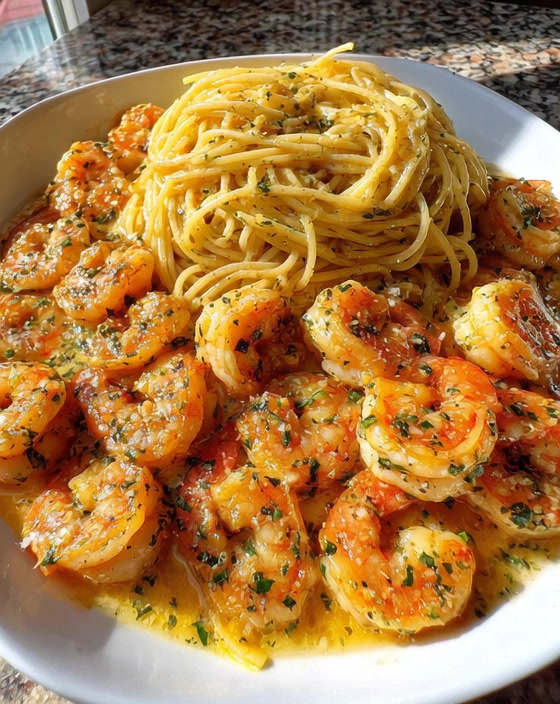
Imagine the aroma of sizzling garlic butter filling your kitchen as plump shrimp turn pink and opaque. The glossy spaghetti twirls around your fork, coated in a light yet flavorful sauce that features fresh parsley, a squeeze of lemon, and a hint of red pepper flakes. This garlic butter shrimp and spaghetti bliss recipe proves that quick cooking does not mean sacrificing taste or quality.
Busy home cooks crave meals that come together fast without complex techniques. This dish fits perfectly into that lifestyle. You can have this garlic butter shrimp and spaghetti bliss on the table faster than takeout delivery. The ingredients are simple and affordable. The process is straightforward. The result is a plate of pure comfort that impresses family and guests alike.
Quick Recipe Highlights
- Flavor Profile: This dish balances savory garlic butter with the natural sweetness of fresh shrimp. A bright squeeze of lemon cuts through the richness. A pinch of red pepper flakes adds a subtle warmth that lingers on your palate.
- Texture: Tender, juicy shrimp contrast beautifully with firm, al dente spaghetti. The butter sauce lightly coats each strand without making the dish heavy or greasy. Every bite offers a pleasant chew and a delicate mouthfeel.
- Aroma: The intoxicating scent of garlic blooming in butter fills your kitchen first. Fresh parsley and lemon zest add herbal and citrus notes. The overall fragrance promises a comforting and satisfying meal.
- Visual Appeal: Vibrant pink shrimp rest atop a bed of golden-tinted spaghetti. Flecks of green parsley and a bright lemon wedge add color and freshness. The glossy sauce gives the entire dish an appetizing sheen.
- Skill Level Needed: Any home cook can master this recipe. The techniques involve basic boiling, sautéing, and tossing. No advanced knife skills or special training are required to achieve excellent results.
- Special Equipment: You need a large pot for boiling pasta and a large skillet for cooking the shrimp and sauce. A colander for draining and a set of tongs for tossing complete the tool list.
Recipe Overview
- Difficulty Level: This recipe earns an easy rating because the steps are simple and forgiving. You do not need to monitor precise temperatures or manage complex timing. The process flows naturally from boiling pasta to cooking shrimp to combining everything. Even first-time cooks can succeed with confidence.
- Category: This dish qualifies as a main course for lunch or dinner. It works wonderfully as a quick weeknight meal. It also elevates to entertaining status with minimal extra effort.
- Cuisine: This recipe draws inspiration from classic Italian-American cooking traditions. The garlic butter sauce technique mirrors methods used in coastal Italian regions. American home cooks have embraced this style for its bold flavors and accessible ingredients. The marriage of pasta and seafood remains a beloved combination worldwide.
- Cost: The ingredients are budget-friendly. Shrimp, spaghetti, butter, and garlic cost very little compared to restaurant versions. A serving costs around three to four dollars depending on local prices. This makes it an excellent value for the quality you receive.
- Season: Fresh shrimp is available year-round, making this dish suitable for any season. The bright lemon and parsley make it especially refreshing in spring and summer. The comforting butter and garlic keep it satisfying during cooler months as well.
- Occasion: This recipe suits casual family dinners, date nights, and small gatherings. It presents beautifully for celebratory meals without requiring hours in the kitchen. It is also a fantastic option for busy holiday evenings when time is limited.
Why You Will Love This Recipe
The taste and texture appeal of this garlic butter shrimp and spaghetti bliss recipe is undeniable. Plump, juicy shrimp provide a sweet and briny contrast to the rich, savory garlic butter sauce. The spaghetti offers a satisfying chew that holds the sauce perfectly. Every forkful delivers a balanced combination of flavors and textures that feels both luxurious and comforting. The lemon brightness prevents the dish from feeling heavy.
Convenience and preparation benefits make this dish a lifesaver for busy schedules. You can have dinner on the table in the same time it takes to decide on takeout. The active cooking time is minimal. Most of the process involves waiting for water to boil and pasta to cook. Cleanup is quick because you only use two pots and a colander. This efficiency does not compromise the final result.
Nutritional advantages add another reason to love this recipe. Shrimp provides lean protein and essential nutrients like selenium and vitamin B12. The dish includes heart-healthy olive oil in addition to butter. You can control the amount of salt and fat easily. A serving offers a balanced macronutrient profile that supports energy and satiety. It fits well into a balanced diet without feeling restrictive.
Social and entertaining value makes this shrimp pasta a crowd-pleaser. Guests always appreciate a sophisticated seafood dish. You can prepare the components quickly while chatting. The presentation looks impressive with minimal plating effort. Everyone feels special when offered a homemade pasta dish that tastes this good. It creates a memorable dining experience without causing stress for the host.
Cost-effectiveness and accessibility ensure this recipe fits any budget. Shrimp prices fluctuate but remain reasonable compared to other proteins. The pantry staples required are likely already in your kitchen. You can substitute frozen shrimp when fresh options are expensive or unavailable. This dish proves that eating well does not require spending heavily on specialty ingredients.
Historical Background and Cultural Significance
The combination of pasta and shellfish has deep roots in Italian culinary history. Coastal regions like Sicily and Campania have long celebrated the bounty of the sea. Fishermen would bring their catch home and cook it simply with olive oil, garlic, and herbs. This tradition evolved into classics like linguine alle vongole and spaghetti ai gamberi. The American adaptation often incorporates butter for richness.
Cultural importance of this dish extends beyond Italy to Italian-American communities in the United States. Immigrants brought their seafood traditions with them and adapted to local ingredients. Garlic butter sauce became a hallmark of Italian-American cooking. This recipe represents a bridge between old-world techniques and modern convenience. It reflects how immigrant food traditions evolve and thrive.
The evolution of this recipe shows how home cooks simplified restaurant techniques. Professional chefs might deglaze with white wine or add cream. Home versions streamline these steps for accessibility. The focus remains on the essential flavors of garlic, butter, and shrimp. This iteration has become a staple in countless American kitchens. It represents the beauty of adaptation and practicality.
Regional variations exist across Italy and beyond. Southern Italian versions might use olive oil exclusively. Northern Italian interpretations might add cream or tomato. Coastal areas incorporate local herbs like basil or oregano. American versions often feature more garlic and butter. Each variation honors the core concept while celebrating local preferences. This flexibility keeps the dish relevant and beloved.
Ingredient Deep Dive
Shrimp holds a special place in global cuisine. In coastal cultures, shrimp represents abundance and celebration. Nutritionally, shrimp is low in calories but high in protein. It provides significant amounts of selenium, iodine, and vitamin B12. When selecting shrimp, look for firm flesh with a mild sea scent. Avoid any with an ammonia smell or slimy texture. Store fresh shrimp on ice in the refrigerator and use within two days. Frozen shrimp maintains quality for months. You can substitute prawns or even scallops for variety.
Garlic has been a foundational ingredient in Mediterranean cooking for thousands of years. Ancient Egyptians and Greeks valued it for both culinary and medicinal purposes. Garlic contains allicin, a compound linked to immune support and heart health. Choose firm, plump bulbs with dry papery skins. Store garlic in a cool, dark place with good air circulation. Avoid storing it in the refrigerator. Fresh garlic provides the best flavor, but jarred minced garlic works in a pinch. Adjust the quantity to your preference for garlic intensity.
Butter adds richness and depth to this dish. European-style butter has higher butterfat content and creates a more luxurious sauce. Unsalted butter allows you to control the salt level precisely. Butter contributes vitamin A and healthy fats. For storage, keep butter wrapped in the refrigerator. You can freeze butter for longer storage. Ghee or clarified butter works well for those avoiding dairy. Olive oil can replace butter for a different flavor profile.
Spaghetti is the classic pasta shape for this dish. Its long, thin strands coat evenly with sauce. Durum wheat semolina pasta offers the best texture and holds up to cooking. Look for pasta that appears golden and feels dense. Store dried pasta in a cool, dry pantry indefinitely. Fresh pasta cooks faster and has a softer texture. Gluten-free spaghetti made from rice or corn works as a substitute. Whole wheat spaghetti adds fiber and nutty flavor.
Fresh parsley brightens the dish with its clean, herbaceous flavor. Flat-leaf Italian parsley has more flavor than curly varieties. Parsley is rich in vitamins A, C, and K. Choose bunches with vibrant green leaves and firm stems. Store parsley upright in a glass of water in the refrigerator. You can substitute fresh basil or chives for a different herb note. Dried parsley does not provide the same fresh quality.
Lemon juice and zest add essential acidity to balance the richness. Fresh lemons provide the best flavor and aroma. Lemon juice offers vitamin C and antioxidants. Choose lemons that feel heavy for their size with smooth, bright yellow skin. Store lemons in the refrigerator for longer life. Bottled lemon juice can work but lacks brightness. Lime juice makes an excellent substitute for a different citrus profile.
Red pepper flakes introduce a gentle heat that enhances the overall flavor. The capsaicin in peppers can boost metabolism. Choose flakes that are bright red and fragrant. Store them in a sealed container away from light. You can adjust the amount to control spiciness. Aleppo pepper or paprika offer milder alternatives. Cayenne pepper provides more intense heat.
Olive oil helps prevent the butter from burning during cooking. Extra virgin olive oil offers superior flavor. It provides healthy monounsaturated fats and antioxidants. Select olive oil with a harvest date for freshness. Store it in a cool, dark place. Avocado oil or grapeseed oil can substitute for a neutral flavor.
Common Mistakes to Avoid
- Overcooking the shrimp is the most common error. Shrimp cooks in just two to three minutes per side. Watch for them to turn pink and curl slightly. Remove them from heat immediately to maintain tenderness.
- Undercooking the pasta leads to a hard, unpleasant texture. Taste the pasta a minute before the package time suggests. It should be tender with a slight resistance at the center. Drain it promptly to stop the cooking process.
- Forgetting to reserve pasta water is a critical oversight. The starchy water helps bind the sauce to the pasta. Save at least one cup before draining. Add it gradually until you achieve the desired consistency.
- Cooking garlic on too high heat causes bitterness. Garlic burns quickly and becomes acrid. Cook it over medium heat and stir constantly. Remove it from the pan as soon as it becomes fragrant.
- Using cold shrimp straight from the refrigerator leads to uneven cooking. Let shrimp sit at room temperature for ten minutes before cooking. This ensures they cook through evenly without becoming tough.
- Skipping the lemon juice creates a flat, one-dimensional flavor. Acidity brightens the entire dish and cuts through the butter richness. Do not skip this essential component.
- Overcrowding the pan steams the shrimp instead of searing them. Cook shrimp in a single layer with space between each piece. Work in batches if necessary to achieve proper browning.
- Draining pasta completely dry leaves no moisture for the sauce. Shake off excess water but do not dry the pasta fully. The residual water helps the sauce adhere evenly.
- Using pre-minced garlic from a jar lacks the intensity of fresh garlic. Fresh garlic provides superior flavor and aroma. Take the extra minute to mince fresh cloves.
- Adding all the butter at once can cause it to separate and become greasy. Add butter gradually and emulsify it with pasta water for a silky sauce.
Essential Techniques
Boiling pasta to al dente perfection is a foundational skill. Use a large pot with at least four quarts of water per pound of pasta. Salt the water generously so it tastes like the sea. This seasons the pasta from within. Stir the pasta immediately after adding it to prevent sticking. Test the pasta a minute before the package directions indicate. Perfect al dente pasta has a slight resistance at the center when bitten. Drain it immediately and reserve some cooking water. Do not rinse the pasta because the starch helps the sauce cling.
Searing shrimp properly develops flavor and texture. Pat the shrimp dry with paper towels to remove excess moisture. Heat the pan until the oil shimmers but does not smoke. Add the shrimp in a single layer without crowding. Let them cook undisturbed for two minutes until the bottom turns golden. Flip them and cook for another minute or two. They should be pink and opaque throughout. Remove them from the pan promptly to prevent overcooking. The residual heat continues cooking them slightly.
Creating an emulsion with pasta water is the secret to a silky sauce. After removing the shrimp, reduce the heat to low. Add the garlic and cook until fragrant. Add a splash of reserved pasta water and stir. Add cold butter pieces one at a time while whisking constantly. The starch in the pasta water helps the butter and water combine into a creamy sauce. Add the drained spaghetti and toss vigorously. Finish with lemon juice and parsley for brightness.
Mincing garlic properly maximizes flavor without burning. Use a sharp chef knife to slice the garlic thinly. Then rock the knife over the slices to create a fine mince. The finer you mince the garlic, the more surface area for flavor release. Keep the pieces uniform for even cooking. If you prefer a milder garlic flavor, slice rather than mince. For more intense flavor, crush the cloves first. Always add garlic to the pan after the oil is hot but before it smokes.
Reserving pasta water is a habit that transforms your pasta dishes. Before draining, use a liquid measuring cup to scoop out one to two cups of the starchy water. The starch acts as a natural thickener and emulsifier. It helps the sauce cling to the pasta instead of pooling at the bottom. Start with a quarter cup and add more as needed. The water should be hot when you add it to the pan. If it cools down, reheat it briefly in the microwave.
Pro Tips for Perfect Garlic Butter Shrimp and Spaghetti Bliss
Use large or jumbo shrimp for the best texture and visual appeal. They stay juicier during cooking and feel more substantial in each bite. Smaller shrimp can become tough and rubbery more easily.
Season the shrimp with salt and pepper just before cooking. Salt draws out moisture if applied too early. A light dusting right before the pan ensures flavorful crust formation without drying the shrimp.
Cook the pasta one minute less than the package suggests. It finishes cooking in the sauce, absorbing more flavor. This technique prevents mushy pasta and yields a perfect al dente texture every time.
Reserve extra pasta water than you think you need. The amount required varies based on pasta type and sauce consistency. Having extra ensures you can adjust without scrambling for more.
Taste and adjust seasoning at the end of cooking. The salt from the pasta water and butter may be sufficient. Add salt gradually and taste after each addition. A final squeeze of lemon often balances the flavors perfectly.
Let the spaghetti rest in the sauce for thirty seconds before serving. This allows the pasta to absorb the flavors fully. Toss again just before plating for a glossy, well-coated presentation.
Variations and Adaptations
Regional variations abound for this dish. In southern Italy, cooks might use olive oil exclusively and add cherry tomatoes. In coastal France, a splash of white wine and herbs de Provence transforms the profile. American versions often include a pinch of Old Bay seasoning for a nod to Gulf Coast cuisine. These variations respect the core technique while celebrating local flavors.
Seasonal adaptations keep this recipe fresh throughout the year. In summer, add fresh corn kernels and basil for sweetness. In fall, incorporate sautéed mushrooms and thyme for earthiness. Spring calls for fresh peas and mint. Winter versions can include roasted red peppers and smoked paprika for depth. Each adaptation brings new life to the classic recipe.
Dietary modifications accommodate various needs. For a gluten-free version, use rice or corn-based spaghetti. Check that your pasta water has not been contaminated with gluten. For a dairy-free version, replace butter with vegan butter or olive oil. Add a splash of vegetable broth for moisture. For a lower-calorie version, use less butter and increase olive oil. The recipe remains delicious with these adjustments.
Flavor variations allow for personalization. Add anchovy paste for umami depth. Incorporate sun-dried tomatoes for sweetness. Use smoked paprika for a smoky note. Add a pinch of saffron for luxury and color. Experiment with different fresh herbs like oregano, thyme, or dill. Each variation creates a distinct character while honoring the original.
Texture modifications can change the experience. Use linguine or fettuccine for a different pasta shape. Add toasted pine nuts or breadcrumbs for crunch. Incorporate blanched broccoli or asparagus for vegetable texture. The base recipe accommodates these additions without complication.
Presentation alternatives make the dish suitable for different occasions. For a dinner party, twirl the spaghetti into nests and top with shrimp. For family style, serve the pasta in a large bowl with shrimp arranged on top. Garnish with lemon wedges and extra parsley. Individual servings in shallow bowls look elegant and allow for portion control.
Serving and Presentation Guide
Plating techniques elevate this dish from simple to stunning. Start by twirling a portion of spaghetti around a fork, then gently place it in the center of a warm bowl. Arrange three to four shrimp artfully on top of the pasta. Spoon a small amount of remaining sauce around the edges. This method creates height and visual interest on the plate.
Garnishing ideas add the final touches. Sprinkle fresh parsley over the top for color and freshness. Add a thin lemon slice or twist on the side of the plate. A light dusting of red pepper flakes adds color and a hint of heat. Microgreens or edible flowers create an elegant restaurant look. Keep garnishes simple to avoid overwhelming the dish.
Traditional accompaniments include crusty bread for soaking up leftover sauce. A simple green salad with lemon vinaigrette provides contrast. Garlic bread or breadsticks complement the flavors nicely. Roasted vegetables like zucchini or bell peppers add color and nutrition. These sides round out the meal without overshadowing the main dish.
Modern serving suggestions include individual pasta bowls for a casual feel. For a fun twist, serve the pasta in a hollowed-out bread bowl. For a lighter option, serve over a bed of arugula for a pasta salad effect. Family-style platters work well for gatherings. Consider serving the shrimp separately for a surf-and-turf style meal.
Temperature considerations are important for the best experience. Serve the pasta immediately after cooking for optimal texture. The sauce thickens as it cools. If you need to hold it for a few minutes, keep it covered and warm. Reheat gently with a splash of pasta water to restore the sauce consistency. Cold leftovers taste good but the texture changes.
Portion control tips help with meal planning. A serving size is about one cup of cooked pasta plus three to four shrimp. This satisfies most appetites without being excessive. For larger appetites, increase the pasta portion to one and a half cups. Adjust the shrimp count accordingly. Use a kitchen scale for precise measurements if needed.
Wine and Beverage Pairing
Wine pairings enhance the dining experience. A crisp Sauvignon Blanc from New Zealand complements the garlic and lemon notes. The acidity cuts through the butter richness beautifully. An unoaked Chardonnay offers a fuller body without overwhelming the shrimp. Italian Pinot Grigio provides a clean, mineral finish that pairs naturally with seafood. For red wine lovers, a light-bodied Pinot Noir works if served slightly chilled. The tannins are gentle enough not to clash with the delicate shrimp.
Non-alcoholic alternatives keep everyone included. Sparkling water with a squeeze of lemon mimics the brightness of white wine. Iced green tea with mint offers a refreshing contrast. Lemonade or limeade provides sweetness and acidity. A simple citrus spritzer with club soda and orange juice works beautifully. These options cleanse the palate between bites.
Temperature considerations matter for beverage service. White wines should be chilled to 45 to 50 degrees Fahrenheit. Red wines should be slightly cool at 55 to 60 degrees. Non-alcoholic drinks should be served very cold with plenty of ice. Avoid room temperature beverages that can make the dish feel heavy. Proper temperature enhances the overall experience.
Serving suggestions include offering a choice of wine and non-alcoholic options. Pour small portions so guests can enjoy the pairing throughout the meal. Keep the bottle or pitcher nearby for refills. Consider a wine spritzer for a lighter option. The pairing should complement the dish, not compete with it.
Storage and Shelf Life
Storage methods affect the quality of leftovers. Allow the pasta to cool completely before storing. Place it in an airtight container. Press plastic wrap directly onto the surface to prevent a skin from forming. Refrigerate within two hours of cooking. Properly stored, the dish lasts for three to four days in the refrigerator.
Temperature requirements are straightforward. Keep the refrigerator at 40 degrees Fahrenheit or below. Do not leave the dish at room temperature for more than two hours. During summer, reduce that time to one hour. Bacteria grow rapidly in the danger zone between 40 and 140 degrees. Prompt refrigeration ensures safety and quality.
Container recommendations prevent flavor transfer. Use glass or BPA-free plastic containers with tight-fitting lids. Avoid metal containers that can react with the lemon juice. Divide large portions into smaller containers for faster cooling. Label each container with the date. This helps you track freshness and rotate stock easily.
Signs of spoilage are easy to identify. A sour or off smell indicates bacterial growth. Slimy texture on the shrimp or pasta signals spoilage. Mold growth on the surface means the dish is unsafe. Discoloration or separation of the sauce can indicate spoilage. When in doubt, throw it out to avoid foodborne illness.
Reheating instructions maintain quality. Add a splash of water or broth to a skillet. Heat over medium-low heat, stirring gently. Cover the pan to trap steam and prevent drying. Microwave reheating works but can make the shrimp rubbery. If using a microwave, cover the dish and use fifty percent power. Stir halfway through for even heating.
Freezing guidelines extend shelf life. The dish freezes well for up to two months. Place cooled pasta in a freezer-safe container. Leave a little space for expansion. Thaw in the refrigerator overnight before reheating. The texture of the shrimp may soften slightly after freezing. Consider adding fresh shrimp after freezing for the best texture.
Make Ahead Strategies
Prep timeline helps manage busy schedules. You can prep the ingredients up to one day in advance. Peel and devein the shrimp and store them in the refrigerator. Mince the garlic and store it in a small container. Wash and chop the parsley. Juice and zest the lemon. This reduces the day-of cooking time to about ten minutes.
Storage between steps requires careful handling. Keep shrimp on a bed of ice in the refrigerator. Store garlic and herbs in sealed containers. Lemon juice should be refrigerated separately. Combine all prepped ingredients just before cooking. This prevents cross-contamination and preserves freshness.
Quality impact assessment is important. The dish tastes best when served immediately after cooking. Pre-cooking the pasta and reheating it can result in a softer texture. The shrimp are best cooked fresh. If you must make it ahead, cook the pasta to al dente and toss it with a little olive oil. Reheat it in boiling water for thirty seconds before combining with the sauce.
Assembly tips make serving easy. Have all ingredients measured and ready before you start cooking. Set the table and prepare any side dishes in advance. Cook the pasta and sauce simultaneously for maximum efficiency. Have the serving bowls warmed in a low oven. This ensures the dish stays hot when served.
Reheating guidelines for make-ahead versions are similar to leftovers. Add a splash of pasta water or broth to a skillet. Heat over medium heat, stirring gently. Add the shrimp at the end to avoid overcooking. Serve immediately with fresh parsley and lemon. The make-ahead version is still delicious but slightly different from fresh.
Fresh element additions elevate the make-ahead version. Add a squeeze of fresh lemon juice just before serving. Sprinkle with fresh parsley and a pinch of red pepper flakes. A pat of butter stirred in at the end adds richness. These fresh touches restore some of the original vibrancy.
Scaling Instructions
Halving the recipe is straightforward. Use half the amount of all ingredients. Cook the pasta in a smaller pot with proportionally less water. The cooking time for the pasta remains the same. The shrimp will cook in a smaller pan. Watch the heat to avoid burning the garlic. The finished dish serves two people comfortably.
Doubling or tripling the recipe requires some adjustments. Use a larger pot for the pasta, but do not double the water volume excessively. The shrimp may need to be cooked in batches to avoid overcrowding. Use two skillets if necessary. The garlic and butter quantities should increase proportionally. The cooking time for each batch remains the same.
Equipment adjustments prevent issues. For double batches, a twelve-inch skillet works well. For triple batches, use a large Dutch oven or stockpot. Have extra bowls for holding cooked pasta and shrimp. Use tongs for easy handling of larger quantities. A large colander is essential for draining the pasta.
Timing modifications keep the process efficient. Stagger the cooking of pasta and shrimp. Start the pasta water first. While it comes to a boil, prepare the shrimp. Cook the pasta and shrimp simultaneously. Have a helper for larger batches to manage the timing. Serve immediately after all components are cooked.
Storage considerations for scaled recipes differ. Leftovers from larger batches should be cooled quickly. Divide into smaller containers for faster cooling. Refrigerate within two hours. Freeze portions for future meals. Label with the date and quantity. Scaled recipes offer convenience for meal prep or entertaining.
Nutritional Deep Dive
Macro breakdown provides insight into the dish. A single serving contains approximately 450 calories. Protein content is around 25 grams from the shrimp. Carbohydrates come from the pasta at about 50 grams. Fat content is roughly 15 grams, primarily from butter and olive oil. This balance supports energy and satiety without being excessive.
Micronutrient analysis reveals important vitamins and minerals. Shrimp provides selenium, an antioxidant that supports thyroid function. It also offers vitamin B12 for nerve health. Garlic contains manganese and vitamin B6. Parsley contributes vitamin K for blood health. Lemon juice provides vitamin C for immune support. The dish offers a diverse range of nutrients.
Health benefits of this meal are notable. The omega-3 fatty acids in shrimp support heart health. The protein content aids muscle maintenance and repair. The fiber from pasta supports digestive health. The antioxidants in garlic and parsley combat oxidative stress. This meal fits into a balanced diet when consumed in moderation.
Dietary considerations help with meal planning. This dish is naturally low in saturated fat if you use less butter. It contains no added sugars. The sodium content comes primarily from the pasta water and butter. You can reduce sodium by using unsalted butter and less salt in the pasta water. The dish is suitable for most dietary patterns with modifications.
Portion analysis aids in weight management. A standard serving provides a satisfying meal without excessive calories. The protein and fiber promote fullness. Pair the pasta with a side of vegetables for added volume without many calories. The dish fits easily into a 1500 to 2000 calorie daily plan. Adjust portion size based on individual energy needs.
Weight management tips include portion control and mindful eating. Use a smaller plate to make the portion appear larger. Eat slowly and savor each bite. Stop eating when you feel satisfied, not full. Pair the meal with a side salad to increase volume. Drink water throughout the meal to stay hydrated. These strategies support healthy eating habits.
Dietary Adaptations
Gluten-free adaptations are simple with the right pasta. Use certified gluten-free spaghetti made from rice, corn, or quinoa. Check that all other ingredients are gluten-free. The shrimp, butter, garlic, and herbs are naturally gluten-free. Avoid cross-contamination by using separate utensils and cookware. The cooking process remains identical to the original recipe.
Dairy-free adaptations require a butter substitute. Use a high-quality vegan butter made from coconut or olive oil. Alternatively, use extra virgin olive oil exclusively. Add a splash of unsweetened almond milk or vegetable broth for moisture. Nutritional yeast can add a cheesy flavor. The dish will have a different flavor profile but remains delicious.
Vegan adaptations need protein replacement. Use extra-firm tofu or tempeh instead of shrimp. Marinate tofu in lemon juice, garlic, and salt before cooking. Use olive oil instead of butter. The pasta and sauce remain the same. The dish becomes a hearty plant-based meal that satisfies.
Low-carb adaptations reduce the pasta. Use spiralized zucchini or spaghetti squash instead of pasta. Cook the vegetable noodles separately to avoid mushiness. Toss them with the garlic butter sauce and shrimp. The dish becomes much lower in carbohydrates. It also increases vegetable intake significantly.
Keto adaptations focus on high fat and low carbs. Use zucchini noodles or shirataki noodles. Increase the butter and olive oil quantities. Serve the shrimp and sauce over the noodles. The dish fits perfectly into a ketogenic diet. It provides ample healthy fats and protein.
Paleo adaptations use compliant ingredients. Replace spaghetti with sweet potato noodles or butternut squash noodles. Use ghee instead of butter for strict Paleo guidelines. The shrimp and herbs are all Paleo-friendly. The dish aligns with the Paleo philosophy of whole foods. It offers a satisfying and nutritious meal.
Low-FODMAP adaptations accommodate sensitive digestive systems. Use garlic-infused oil instead of fresh garlic. The FODMAPs in garlic are water-soluble, so the oil contains only the flavor. Use the green parts of scallions instead of onions. Ensure your pasta is made from low-FODMAP flours. The dish remains flavorful and gentle on the stomach.
Troubleshooting Guide
Texture issues often stem from cooking times. If the shrimp are rubbery, you overcooked them. Reduce the cooking time next time. If the pasta is mushy, you boiled it too long. Cook it to al dente and finish it in the sauce. If the sauce is too thin, add more pasta water gradually. If the sauce is too thick, add a splash of water or broth.
Flavor balance problems have simple solutions. If the dish tastes flat, add more lemon juice or salt. If it is too salty, add a squeeze of lemon or a pat of butter. If it is too spicy, add more butter or a splash of cream. If the garlic is bitter, you burned it. Start over with fresh garlic and lower heat. Tasting throughout the process prevents most issues.
Temperature problems affect the final dish. If the pasta is cold, reheat it with a splash of hot pasta water. If the shrimp are cold, reheat them gently in the sauce. If the sauce is too hot, let it cool for a minute before serving. Serve immediately for the best temperature. Warm serving bowls help maintain heat.
Equipment challenges can be overcome. If you lack a large skillet, use a saucepan. If you do not have tongs, use two forks. If your colander is small, drain the pasta in batches. Most kitchen tools have workarounds. Focus on the technique rather than the specific tool.
Ingredient substitutions work well in emergencies. Use frozen shrimp instead of fresh. Thaw them under cold running water. Use dried parsley if fresh is unavailable. Add it at the end of cooking. Use garlic powder if you have no fresh garlic. One eighth teaspoon equals one clove. The dish adapts to what you have on hand.
Timing concerns often cause stress. Start the pasta water first. It takes the longest to boil. While it heats, prep the shrimp and garlic. Cook the pasta and shrimp simultaneously. Toss everything together in the last two minutes. This streamlined process keeps everything hot and fresh. Practice makes the timing feel natural.
Recipe Success Stories
Community feedback highlights the recipe popularity. Home cooks consistently praise its simplicity and flavor. Many share photos of their beautiful results. The recipe receives high ratings for taste and ease. Comments often mention how impressed guests are. This feedback confirms the recipe works for diverse skill levels.
Variation successes show the recipe flexibility. One reader added sun-dried tomatoes and artichoke hearts for a Mediterranean twist. Another incorporated spinach and cherry tomatoes for a healthier version. A third added a splash of white wine for extra sophistication. These adaptations prove the recipe works as a base for creativity.
Adaptation stories inspire others to experiment. A busy mom prep the ingredients during her children nap time. She cooked the dish in ten minutes that evening. A college student made it in his dorm kitchen with minimal equipment. He impressed his friends with the result. These stories show the recipe fits any lifestyle.
Reader suggestions have improved the recipe over time. One suggested adding red pepper flakes for heat. Another recommended using shrimp with tails on for presentation. A third suggested reserving Print
Garlic Butter Shrimp & Spaghetti Bliss
- Total Time: 30 minutes
- Yield: 4
Description
A quick and indulgent pasta dish featuring succulent shrimp bathed in a rich garlic butter sauce, tossed with al dente spaghetti for a satisfying weeknight dinner.
Ingredients
- 8 oz spaghetti
- 1 lb large shrimp, peeled and deveined
- 4 tbsp unsalted butter
- 4 cloves garlic, minced
- 1/4 cup dry white wine or chicken broth
- 1/2 tsp red pepper flakes (optional)
- Salt and black pepper to taste
- 2 tbsp fresh parsley, chopped
- Juice of 1 lemon
- Grated Parmesan cheese for serving
Instructions
- Cook spaghetti according to package directions until al dente. Reserve 1/2 cup pasta water, then drain.
- While pasta cooks, season shrimp with salt and pepper.
- In a large skillet over medium heat, melt 2 tbsp butter. Add shrimp and cook 2-3 minutes per side until pink. Remove and set aside.
- Add remaining butter to skillet. Sauté garlic and red pepper flakes for 30 seconds until fragrant.
- Pour in wine or broth and lemon juice, scraping up any browned bits. Simmer 1-2 minutes.
- Return shrimp to skillet, add cooked spaghetti, and toss to coat. Add reserved pasta water a little at a time if needed for consistency.
- Stir in parsley and serve immediately with Parmesan cheese.
Notes
You can customize the seasonings to taste.
- Prep Time: 15 minutes
- Cook Time: 15 minutes
- Method: Main
- Cuisine: Italian-American