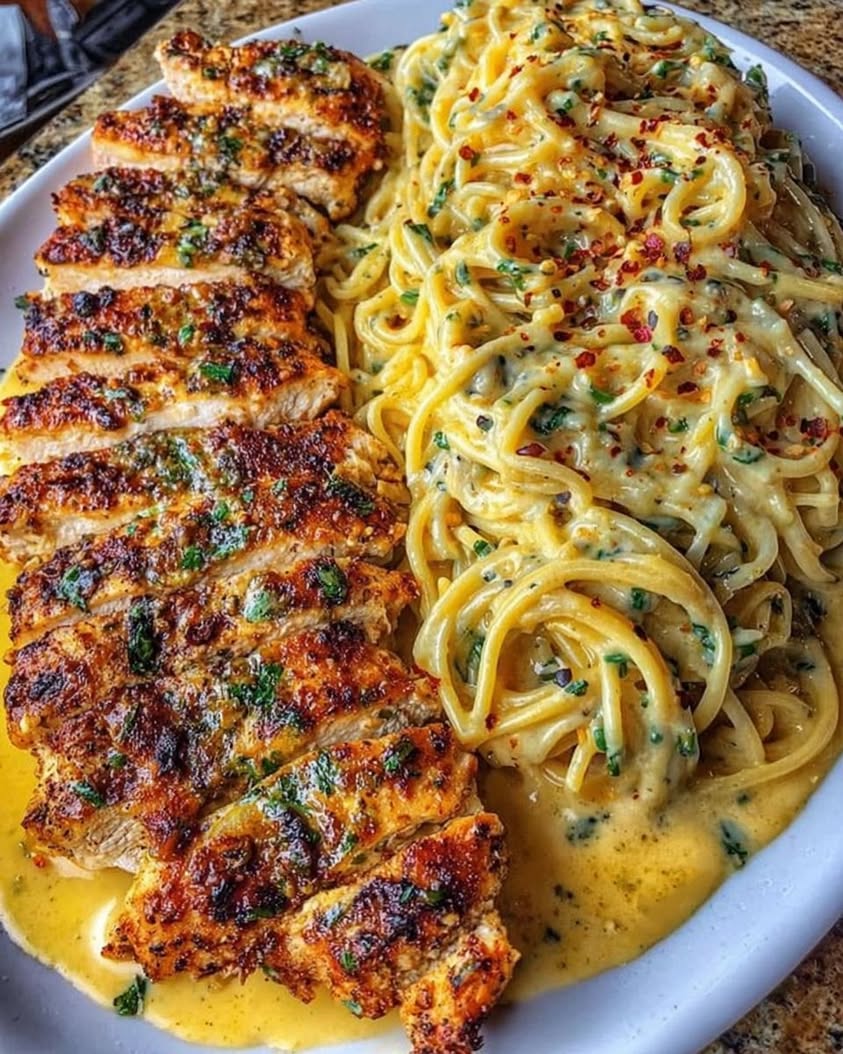
Garlic Parmesan Chicken Spaghetti in Spicy Cajun Cream Sauce Recipe: The Ultimate Comfort Food with a Kick
Imagine twirling your fork into a mound of perfectly cooked spaghetti, each strand coated in a creamy, velvety sauce that hums with the warm heat of Cajun spices. Now picture tender pieces of chicken, seasoned to perfection and golden on the outside, nestled right into that pasta. This Garlic Parmesan Chicken Spaghetti in Spicy Cajun Cream Sauce Recipe is exactly that vision brought to life. It is the kind of meal that fills your kitchen with an irresistible aroma, drawing everyone to the table before you even call them. The combination is unexpected and brilliant: the cool richness of Parmesan cheese, the sharp bite of fresh garlic, and the smoky, earthy complexity of Cajun seasoning all come together in a single, unforgettable dish. This is not just another pasta night. This is a pasta experience.
Furthermore, this Garlic Parmesan Chicken Spaghetti in Spicy Cajun Cream Sauce Recipe is designed for real life. You do not need to be a professional chef to pull this off, and you certainly do not need a pantry full of exotic ingredients. The beauty of this dish lies in its balance. The creamy sauce tames the heat of the Cajun spices, making it approachable for those who prefer a milder kick, yet it remains bold enough to satisfy anyone craving a little excitement. The chicken breasts are seared to create a beautiful crust, locking in moisture and flavor. As they simmer in the sauce, they become incredibly tender, absorbing all those wonderful Cajun and garlic notes. It is a complete, satisfying meal that feels special enough for a weekend dinner party but is simple enough for a busy Tuesday evening.
Finally, we need to talk about the sheer satisfaction this recipe delivers. There is something deeply comforting about a creamy pasta dish, and when you add the savory depth of Parmesan and the zesty punch of Cajun seasoning, it elevates the comfort to a whole new level. The spaghetti provides the perfect vehicle for the sauce, holding onto every bit of that creamy, spicy goodness. Each bite offers a different texture, from the tender chicken to the al dente pasta, all wrapped in that luscious sauce. This Garlic Parmesan Chicken Spaghetti in Spicy Cajun Cream Sauce Recipe is a crowd-pleaser in the truest sense. It is the kind of dish that gets people talking, asking for the recipe, and going back for seconds. So, let us dive in and create a meal that you will come back to again and again.
Quick Recipe Highlights
- Flavor Profile: The flavor is a dynamic dance between creamy and spicy. The rich, velvety cream sauce provides a cool base that perfectly offsets the bold, earthy heat of the Cajun seasoning. Garlic adds a pungent, savory punch, while the Parmesan cheese contributes a nutty, salty depth that ties everything together beautifully.
- Texture: Expect a wonderful contrast of textures. The spaghetti remains firm and satisfyingly chewy, while the creamy sauce is smooth and luxurious. The chicken is tender and juicy on the inside with a lightly seared, golden-brown exterior, creating a perfect counterpoint to the soft pasta.
- Aroma: Your kitchen will be filled with a captivating medley of scents. The initial aroma is of sizzling garlic and seared chicken, followed by the warm, complex notes of Cajun spices like paprika and cayenne. As the cream and Parmesan melt together, a sweet, nutty fragrance emerges, signaling the sauce is nearly ready.
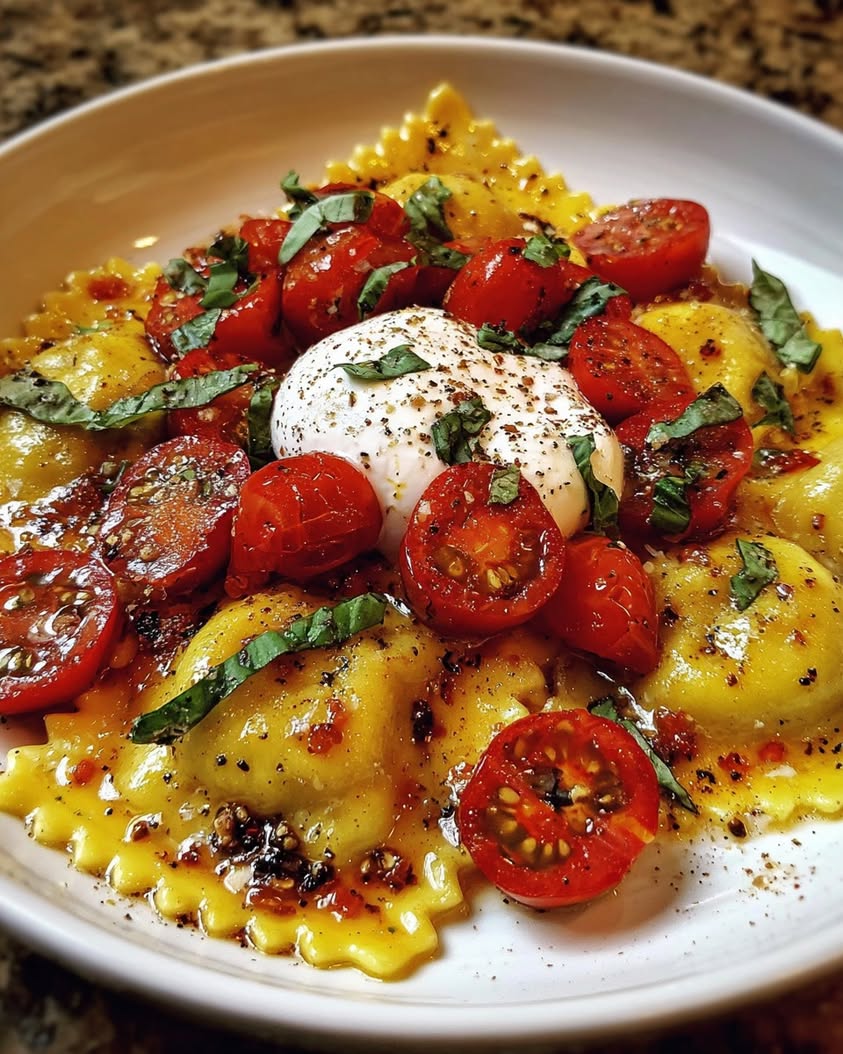
- Visual Appeal: This dish is a feast for the eyes. The pasta is a beautiful pale orange from the creamy Cajun sauce, studded with flecks of black pepper and herbs. Chunks of golden-brown chicken are scattered throughout, and a final dusting of fresh parsley and extra Parmesan adds a pop of bright green and white.
- Skill Level Needed: This recipe is best suited for an intermediate home cook. While the steps are straightforward, it requires some basic multitasking, like searing chicken and building a sauce simultaneously. However, clear instructions make it very achievable for a confident beginner.
- Special Equipment: You will need a large, deep skillet or a Dutch oven to cook everything in one pot. A sharp chef’s knife for dicing the chicken and mincing the garlic is essential. A box grater for fresh Parmesan cheese will also give you the best flavor and melt.
Recipe Overview
- Difficulty Level: We have labeled this as an intermediate recipe because it involves multiple components that need to be timed correctly. You have to cook the pasta, sear the chicken, and create a creamy sauce that does not break. However, the steps are broken down clearly, so if you can follow directions and manage a few things at once, you will be successful. It is a great next step for someone who is comfortable with basic pasta dishes.
- Category: This recipe firmly belongs to the main course category. It is a hearty, complete meal that includes protein, carbohydrates, and dairy. It works perfectly for a weeknight dinner, a special weekend meal, or even for meal prepping lunches for the week. It is satisfying enough to stand on its own.
- Cuisine: This is a fantastic example of modern American fusion cuisine. It takes the Italian-American classic chicken Parmesan and gives it a bold, Southern-inspired twist with Cajun seasoning. The creamy sauce technique is European in origin, but the spice profile is undeniably American, specifically from Louisiana. It is a celebration of culinary cross-pollination.
- Cost: The cost is moderate and very reasonable for the amount of food you get. Chicken breasts and heavy cream are the priciest items, but you can often find them on sale. Parmesan cheese is an investment, but a little goes a long way, and it is far superior to pre-shredded. Pantry staples like pasta, garlic, and spices keep this dish budget-friendly overall.
- Season: While delicious any time of year, this dish truly shines in the cooler months. The creamy, spicy, and hearty nature makes it the ultimate comfort food for fall and winter. It provides a warming sensation that is perfect for chilly evenings. That said, it is also a fantastic choice for a rainy spring day or a cool summer night.
- Occasion: This Garlic Parmesan Chicken Spaghetti in Spicy Cajun Cream Sauce Recipe is versatile for many occasions. It is elegant enough for a dinner party when you want to impress without spending all day in the kitchen. It is also a fantastic dish for game day gatherings, potlucks, or a cozy family movie night. It is a guaranteed hit.
Why You Will Love This Recipe
The primary reason you will love this recipe is the incredible taste experience it delivers. Every single bite is a harmonious blend of flavors. First, you get the creamy, almost luxurious feel of the sauce coating your tongue. Then, the warmth of the Cajun spices starts to build, not overpowering but exciting and complex. Following that, the nutty, salty Parmesan cheese makes itself known, adding a savory depth that is simply irresistible. The garlic is present but not harsh, providing a solid backbone of flavor. Meanwhile, the chicken is juicy and flavorful, perfectly complementing the pasta. It is a complete symphony of taste that appeals to both adults and kids who enjoy a little bit of spice.
Beyond its amazing taste, this recipe offers unparalleled convenience for a dish that tastes this gourmet. You can have it on the table in about 45 minutes from start to finish, which is incredible for a creamy, multi-component pasta dish. It is a one-pot wonder in a sense, as the sauce comes together in the same skillet where you sear the chicken. This means less cleanup and more time to enjoy your meal. Plus, it is a forgiving recipe. If you need to let it sit for a few minutes while you finish a salad or set the table, the sauce holds beautifully without breaking or becoming oily. This flexibility makes it perfect for any schedule.
From a nutritional perspective, this dish offers a balanced and satisfying meal. The chicken provides a significant amount of lean protein, which helps keep you full and supports muscle health. The heavy cream and Parmesan cheese add healthy fats and calcium. When paired with a simple green salad, you get a well-rounded plate with protein, fats, carbohydrates, and fiber. The spices, particularly cayenne pepper, can even give your metabolism a small boost. You are not just eating something delicious; you are eating something that fuels your body and keeps you satisfied for hours. You could easily control your portions by measuring the pasta and cream, making it a viable option for mindful indulgence.
This dish also has tremendous social and entertaining value. It is a showstopper that looks and tastes like it came from a high-end restaurant. Serving this Garlic Parmesan Chicken Spaghetti in Spicy Cajun Cream Sauce Recipe to guests will earn you genuine praise. It is a conversation starter, as people will ask what the magical spice blend is. It is also a great dish to bring to a potluck because it travels well and can be easily reheated. It feels special and decadent, which makes any occasion feel more festive. Whether it is a casual dinner with friends or a holiday gathering, this pasta dish will be the star of the table.
Finally, this recipe is incredibly cost-effective and accessible. You likely already have many of the core ingredients in your pantry, like pasta, garlic, olive oil, and basic spices. The chicken and cream are common grocery items that are usually on sale. This means you can create a restaurant-quality meal without the restaurant price tag. Furthermore, the recipe is easily scalable. You can make a half batch for a quiet dinner for two or double it for a large party without any complicated math. This accessibility makes it a reliable go-to recipe for any household, regardless of budget or experience level.
Historical Background and Cultural Significance
The story of this dish begins with the fusion of two great culinary traditions. The base, a creamy garlic and parmesan pasta, is a staple of Italian-American cuisine. This style of cooking emerged from Italian immigrants in the United States who adapted their regional recipes to new ingredients and tastes. They created heartier, more sauce-heavy dishes that used more cheese and cream than traditional Italian cooking. The classic Chicken Parmesan, or Parmigiana, is a prime example of this adaptation. It became a beloved comfort food across America, celebrated for its crispy, cheesy goodness.
The other key component, the spicy Cajun cream sauce, draws its lineage from the bayous of Louisiana. Cajun cuisine is a rustic, bold style of cooking developed by the Acadian people who settled in the region. It is known for its use of the “holy trinity” of onions, bell peppers, and celery, and its heavy reliance on spices like cayenne, paprika, and black pepper. The sauce itself is a modern innovation, combining the richness of French-style cream sauces with the fiery spirit of Cajun cooking. This fusion represents the melting pot of American culture, where different regional flavors come together to create something entirely new and exciting.
This specific dish, Garlic Parmesan Chicken Spaghetti in Spicy Cajun Cream Sauce, is a product of the late 20th and early 21st-century culinary trend of “fusion.” Chefs and home cooks began to experiment more boldly, blending the comforting familiarity of Italian-American pasta with the vibrant heat of Southern cooking. It quickly gained popularity on social media and food blogs because it was photogenic, deeply flavorful, and incredibly satisfying. It represents a departure from strict culinary rules in favor of pure, delicious creativity. It is a dish that says rules are meant to be broken if the result tastes this good.
Regional variations of this basic concept are endless. In the American South, you might find cooks adding smoked sausage or andouille to the mix, making it a cousin to jambalaya pasta. On the West Coast, you might see it topped with fresh avocado or served with a side of garlic bread. In the Midwest, people might use a milder spice blend. The beauty of this recipe is its adaptability. It has no single point of origin but rather represents a widespread cultural acceptance of bold flavor combinations. It is a testament to how food evolves and how home cooks, not just professional chefs, drive culinary innovation forward today.
Ingredient Deep Dive
Chicken Breast: Chicken breast is the lean, protein-rich star of this dish. Culturally, chicken is a universal food found in nearly every cuisine. It was popularized in the United States in the 20th century due to its affordability and versatility. Nutritionally, it is an excellent source of high-quality protein, B vitamins, and selenium, which supports immune function. When selecting chicken breasts, look for ones that are uniform in thickness for even cooking. They should be plump and have a pinkish color without any strong odor. For storage, keep them in the coldest part of your refrigerator and cook within two days, or freeze them for up to three months. You can substitute boneless, skinless chicken thighs for a juicier, more flavorful option, though they will take a few minutes longer to cook.
Spaghetti: Spaghetti is the perfect pasta for this creamy sauce because its long, thin shape allows the sauce to cling beautifully to every strand. It is a staple of Italian cuisine, originating from Southern Italy. Nutritionally, it is primarily a source of complex carbohydrates for energy. For the best results, always use a high-quality durum wheat semolina pasta. When selecting spaghetti, look for a brand that has a rough, matte texture, as this helps the sauce stick better. Store it in an airtight container in a cool, dry place for up to two years. You can easily substitute other long pasta like linguine, fettuccine, or even bucatini. For a gluten-free option, use a high-quality brown rice or chickpea-based spaghetti, but be careful not to overcook it.
Heavy Cream: Heavy cream, also known as heavy whipping cream, provides the luscious, velvety texture that defines this sauce. It is a rich dairy product with at least 36% milk fat. Culturally, cream is a symbol of indulgence and luxury in many Western cuisines. Nutritionally, it is high in fat and fat-soluble vitamins like Vitamin A. For this recipe, do not substitute with milk or half-and-half, as they lack the fat content to prevent the sauce from curdling. Always buy fresh cream and check the expiration date. It should be kept refrigerated and used within a week of opening. If you need a substitute, full-fat coconut cream can work for a dairy-free version, though it will impart a slight coconut flavor.
Garlic: Fresh garlic is non-negotiable for the best flavor in this recipe. It adds a pungent, aromatic depth that is the backbone of the sauce. Garlic has been used for thousands of years in cuisines around the world, from Asia to the Mediterranean. It is celebrated not only for its flavor but also for its health benefits, including its potential to boost the immune system and lower blood pressure. When selecting garlic, choose heads that are firm, heavy for their size, and have no green sprouts. Store them in a cool, dark, and dry place with good air circulation, not in the refrigerator. If you are short on time, you can use a high-quality garlic paste from a tube, but the flavor will be less complex. Never use pre-minced garlic in a jar, as it tastes sour and metallic.
Cajun Seasoning: Cajun seasoning is the soul of this recipe, providing the signature heat and earthy complexity. It is a spice blend that typically includes paprika, cayenne pepper, garlic powder, onion powder, black pepper, and dried herbs like oregano and thyme. Its roots are in Louisiana Cajun and Creole cooking. Store-bought blends vary wildly in salt content and spiciness. Always read the label and consider making your own to control the heat. To make a simple version, mix two tablespoons of paprika, one tablespoon of garlic powder, one tablespoon of onion powder, one teaspoon of cayenne pepper, one teaspoon of black pepper, and one teaspoon of dried oregano. Store it in an airtight jar in a dark cabinet for up to six months. You can substitute it with Creole seasoning, which is similar but often has more herbs.
Common Mistakes to Avoid
- Overcooking the Pasta: This is the most common mistake. Overcooked spaghetti becomes mushy and will not hold up to the creamy sauce. Cook it to al dente, or firm to the bite, as it will continue to cook slightly when you toss it with the sauce. Always check the package directions and start tasting a minute before the suggested time.
- Not Seasoning the Pasta Water: The pasta water is your first chance to season the dish. If you do not add enough salt, your pasta will be bland, and no amount of sauce can fully fix that. A good rule of thumb is to use about one to two tablespoons of salt per pound of pasta. The water should taste like the sea.
- Using Pre-Shredded Parmesan Cheese: Pre-shredded cheese is coated with anti-caking agents that prevent it from melting smoothly. This will result in a grainy, clumpy sauce instead of a silky one. Always buy a block of high-quality Parmesan and grate it yourself with a microplane or box grater right before you use it.
- Letting the Garlic Burn: Garlic can go from fragrant to bitter and burnt in a matter of seconds. When you add it to the hot oil, keep it moving and cook it for no more than 30 to 60 seconds. If it turns dark brown, you have burned it, and you should start over.
- Boiling the Cream: Once you add the cream to the pan, you must keep the heat at a gentle simmer. A full, rolling boil will cause the cream to separate and curdle, ruining your sauce. Keep the heat low and stir frequently to ensure a smooth, stable sauce.
- Cutting the Chicken Too Small: If you dice the chicken into very tiny pieces, it will cook too quickly and become dry and tough before the sauce is ready. Cut your chicken into bite-sized chunks, about one to one and a half inches in size. This ensures they stay juicy and tender.
- Skipping the Pasta Water: The starchy pasta water is a secret weapon for creamy sauces. It helps to emulsify the sauce, making it thicker and helping it adhere to the pasta. Always reserve a cup of pasta water before draining. You may not use it all, but it is essential to have it on hand.
- Adding All the Cajun Spice at Once: Not all Cajun seasonings are created equal. Some are extremely hot, while others are milder. Always start with a smaller amount, taste the sauce, and then add more to suit your preference. You can always add more heat, but you cannot take it away.
Essential Techniques
Searing the Chicken: Searing is the process of browning the surface of the meat over high heat. This is crucial because it creates a flavorful crust through a reaction called the Maillard reaction, which adds incredible depth of flavor. To master this, pat your chicken pieces completely dry with paper towels before seasoning. A dry surface is essential for a good sear. Heat a heavy skillet over medium-high heat and add a thin layer of oil. When the oil shimmers, add the chicken in a single layer, being careful not to overcrowd the pan. If you add too much at once, the pan will steam the meat instead of searing it. Let the chicken cook undisturbed for four to five minutes until it releases easily from the pan. A common pitfall is moving the chicken too soon. Visual cues for success are a deep golden-brown crust on the outside while the inside remains slightly undercooked, as it will finish cooking in the sauce.
Building a Cream Sauce: A cream sauce is an emulsion of fat and liquid. The technique is to start by deglazing the pan with chicken broth, which picks up all the browned bits from the seared chicken. This is called a fond, and it is pure flavor. You then pour in the heavy cream and bring it to a gentle simmer, not a boil. It is important to whisk or stir constantly to ensure the cream heats evenly and does not stick to the bottom of the pan. Once the sauce begins to thicken slightly, you add the Parmesan cheese off the heat. This is a critical step. If you add the cheese while the sauce is boiling, it will become stringy and clumpy. Stir it in gently until it melts completely. The final sauce should be smooth, velvety, and coat the back of a spoon. If it is too thin, let it simmer a bit longer. If it is too thick, thin it with a splash of the reserved pasta water.
Cooking Pasta to Al Dente: Al dente, meaning “to the tooth” in Italian, is the perfect texture for pasta. This technique ensures the pasta is fully cooked but still has a slight firmness and bite in the center. This is important because it will continue to absorb sauce and soften slightly when you toss it together. To master this, bring a large pot of salted water to a rolling boil. Add your spaghetti and stir immediately to prevent it from sticking. Set a timer for two minutes less than the package directions suggest. About a minute before the timer goes off, fish out a strand of pasta and bite into it. It should offer slight resistance but not be crunchy. Drain the pasta immediately, reserving a cup of the starchy water. Never rinse the pasta after draining, as you want the starch to stay on the surface to help the sauce cling. The visual cue for success is a pasta that is fully hydrated but still holds its shape perfectly.
Pro Tips for Perfect Garlic Parmesan Chicken Spaghetti in Spicy Cajun Cream Sauce
Use a heavy-bottomed skillet or Dutch oven. A heavy pan distributes heat evenly and prevents the cream sauce from scorching. This single piece of equipment will make your cooking experience much smoother and more predictable.
Season your chicken generously. Do not be shy with the salt, pepper, and a bit of Cajun seasoning before searing. This creates the initial layer of flavor inside the chicken itself, making it taste seasoned from the inside out, not just on the surface.
Always grate your Parmesan cheese fresh. The difference between freshly grated cheese and pre-shredded is night and day. The pre-shredded kind contains cellulose to prevent clumping, which will leave your sauce with a gritty texture. Freshly grated melts into a silky, cohesive sauce.
Reserve more pasta water than you think you need. The starchy water is your secret weapon for achieving the perfect sauce consistency. It helps to thicken the sauce and gives it that restaurant-quality sheen. You can also use it to loosen a sauce that has gotten too thick as it sits.
Do not skip the step of deglazing the pan. After you remove the chicken, there are delicious browned bits stuck to the bottom of the pan. Adding the chicken broth and scraping those bits up adds an immense, irreplaceable depth of flavor to your final sauce. This is a fundamental cooking technique that makes a big difference.
Taste and adjust the spice level gradually. Different brands of Cajun seasoning have very different heat levels. Start with the recommended amount, stir it into the sauce, and let it meld for a minute. Then, taste and decide if you need more. This ensures you get the perfect level of heat for your palate.
Let the dish rest for a few minutes before serving. After you toss the pasta with the sauce and chicken, let it sit off the heat for about two to three minutes. This allows the flavors to meld together and the sauce to thicken slightly. It also helps the pasta absorb a bit of that flavorful sauce, making every bite better.
Variations and Adaptations
Regional Variations: In the Gulf Coast region, you might find this dish made with andouille sausage or shrimp in addition to the chicken. The smoky sausage adds a wonderful depth, while shrimp cooks quickly and adds a sweet brininess. You could easily create a “surf and turf” version by adding a handful of peeled shrimp during the last five minutes of cooking. Another Southern variation includes using a roux to thicken the sauce instead of relying solely on the cream, giving it a richer, nuttier base.
Dietary Modifications: For a gluten-free version, simply substitute the spaghetti with your favorite gluten-free pasta made from rice, corn, or chickpeas. For a dairy-free adaptation, you can use a high-quality canned coconut cream in place of the heavy cream. Use a nutritional yeast or a dairy-free Parmesan alternative to mimic the cheesy flavor. For a lower-carb option, you can serve the creamy chicken and sauce over zucchini noodles or roasted spaghetti squash instead of pasta. This drastically reduces the carbohydrate count while keeping all the fantastic flavor.
Flavor Variations: You can adjust the flavor profile significantly by changing the spice blend. Instead of Cajun seasoning, try a Creole seasoning for a more herb-forward taste. If you want a smokier flavor, consider using smoked paprika in your Cajun blend. For a more Italian twist, omit the Cajun spices and add a generous amount of dried oregano, basil, and a pinch of red pepper flakes. You could also add sun-dried tomatoes for a tangy, sweet counterpoint to the creamy sauce.
Texture Modifications: If you prefer a thinner sauce, you can stir in an extra quarter cup of chicken broth or cream just before serving. For a thicker, more decadent sauce, let it simmer a few minutes longer before adding the pasta. You can also add extra texture by tossing in some toasted pine nuts or chopped pecans as a garnish. The nuts add a wonderful crunch that makes each bite more interesting. A final sprinkle of crispy bacon bits is another fantastic way to add texture and a smoky, salty flavor.
Serving and Presentation Guide
Plating Techniques: For a beautiful presentation, use tongs to twirl a portion of the pasta into a neat nest in the center of a shallow bowl. Do not just dump the pasta onto the plate. Then, using a slotted spoon, arrange several chicken pieces on top of and around the pasta nest. Finally, spoon a little extra sauce from the pan over the top to ensure every bite is perfectly coated. This layering creates visual interest and ensures even distribution of the chicken.
Garnishing Ideas: A good garnish adds color and a fresh flavor pop. A simple sprinkle of freshly chopped flat-leaf parsley is classic and effective. The bright green contrasts beautifully with the orange-tinted sauce. A light grating of fresh Parmesan over the top adds a final touch of salty, nutty flavor. For an extra heat kick, sprinkle a tiny pinch of cayenne pepper or smoked paprika just before serving. A few cracks of fresh black pepper also improve the overall appearance and taste.
Traditional Accompaniments: This dish pairs beautifully with a crisp, simple green salad dressed with a tangy vinaigrette. The acidity of the vinaigrette cuts through the richness of the cream sauce perfectly. Garlic bread is another classic and delicious choice. It is perfect for soaking up any leftover creamy sauce on the plate. A side of roasted broccoli or asparagus also works wonderfully, adding a slightly bitter note that balances the richness of the meal.
Temperature Considerations: This pasta is best served piping hot, right from the pan. The cream sauce thickens as it cools, so serving immediately ensures the perfect velvety consistency. If you need to wait a few minutes, you can keep the pan on the stove over the lowest possible heat, stirring occasionally. When you are ready to serve, the sauce should be hot and flowing. If it has thickened too much, stir in a splash of reserved pasta water or warm chicken broth to loosen it.
Portion Control Tips: When serving this rich dish, a good portion is about one and a half cups of pasta with three to four pieces of chicken. Use a kitchen scale or measuring cups for accuracy if you are concerned about portions. Since it is a very satisfying meal, you do not need a mountain of pasta to feel full. Serving it in a wide, shallow bowl rather than a deep one can make the portion look more substantial without increasing the amount of food.
Wine and Beverage Pairing
Wine Pairings: The creamy, spicy nature of this dish calls for a wine that can stand up to the heat without being overpowered. A slightly off-dry Riesling is an excellent choice. Its subtle sweetness helps to cool the spice, while its bright acidity cuts through the richness of the cream. Another fantastic option is a Viognier, which has a fuller body and aromatic notes of stone fruit that complement the garlic and parmesan. For red wine lovers, a light-bodied, fruity Pinot Noir is the way to go. Its low tannins will not clash with the spice, and its red fruit flavors provide a nice contrast to the savory sauce. Avoid big, tannic reds like Cabernet Sauvignon, as the tannins can make the spice feel harsher.
Non-Alcoholic Alternatives: A crisp, cold glass of iced tea is a classic and perfect non-alcoholic pairing. The slight bitterness of the tea works well with the spicy sauce. For a non-alcoholic wine option, a non-alcoholic Sauvignon Blanc offers the acidity needed to cut through the cream. A sparkling water with a squeeze of fresh lime is also a wonderful palate cleanser between bites. The carbonation and citrus help refresh your taste buds. You could also try a ginger beer or ginger ale. The spicy kick of the ginger complements the Cajun heat, and the sweetness balances the dish.
Coffee/Tea Pairings: While less traditional, a bold cup of black coffee or an Earl Grey tea could work if you are having this dish for a late lunch or early dinner. The bitterness of black coffee can help cut through the fat. The bergamot in Earl Grey tea offers a floral, citrusy note that is surprisingly pleasant with creamy pasta. For a caffeine-free option, a chamomile or peppermint tea can provide a soothing finish to a spicy meal. However, this is a rich dish, and a bubbly or acidic beverage is generally preferred.
Serving Suggestions: If you are serving wine, make sure the white wine is well-chilled, around 45 to 50 degrees Fahrenheit. The red wine should be slightly cool, around 55 degrees. For non-alcoholic drinks, serve them very cold with plenty of ice. Always provide a pitcher of cold water on the table, as the spice will inevitably make people thirsty. Having a variety of beverages available ensures that all your guests can find something they enjoy with their meal.
Storage and Shelf Life
Storage Methods: To store leftovers, allow the dish to cool completely to room temperature. Then, transfer it to an airtight container. It is best to store the pasta and chicken together, as they will continue to absorb flavor. Properly stored, this dish will last in the refrigerator for three to four days. The flavor actually deepens and melds overnight, making the leftovers incredibly delicious. For best results, try to minimize the amount of air in the container to prevent the pasta from drying out.
Temperature Requirements: Your refrigerator should be set to 40 degrees Fahrenheit or below to ensure food safety. Never leave the cooked pasta out at room temperature for more than two hours. Bacteria can grow rapidly in the dairy-rich sauce. If you are serving the dish at a party, consider keeping it warm in a slow cooker on the low setting rather than leaving it on the counter. When you are ready to reheat, the dish must reach an internal temperature of 165 degrees Fahrenheit to be safe to eat.
Container Recommendations: Glass or BPA-free plastic containers with tight-fitting lids are ideal. Glass is non-porous and will not absorb stains or odors from the spicy sauce. Avoid using metal containers, as the acidic ingredients can react with the metal and give the food an off-flavor. If you plan to reheat in the microwave, a glass container is preferable. The rectangular or square shapes are more efficient for stacking in the refrigerator and will help you use space wisely.
Signs of Spoilage: Before reheating, always inspect your leftovers. If you see any mold growth, discoloration, or a slimy texture on the pasta or chicken, discard it immediately. The most common sign of spoilage is a sour or off-smell. Cream sauces can go bad without showing obvious visual signs, so your nose is your best tool. If the sauce has separated and appears watery or curdled, and it smells sour, it is not safe to eat.
Reheating Instructions: The best way to reheat this pasta is on the stovetop. Place the leftovers in a skillet or saucepan over medium-low heat. Add a splash of milk, cream, or chicken broth to help loosen the sauce, as it will have thickened in the fridge. Stir frequently and heat until the dish is steaming hot all the way through. You can also reheat individual portions in the microwave. Cover the bowl with a damp paper towel to create steam and prevent the pasta from drying out. Heat in 30-second intervals, stirring between each, until hot. The microwave method is faster but can sometimes make the pasta slightly softer.
Freezing Guidelines: While you can freeze this dish, the texture of the cream sauce and the pasta will change upon thawing. The cream may separate and become grainy, and the pasta will become very soft. If you must freeze it, do so in a freezer-safe, airtight container for up to two months. To thaw, Print
Garlic Parmesan Chicken Spaghetti in Spicy Cajun Cream Sauce
- Total Time: 35 minutes
- Yield: 4
Description
Creamy, spicy, and packed with flavor, this one-pot pasta dish combines tender chicken, al dente spaghetti, and a rich Cajun cream sauce with garlic and Parmesan.
Ingredients
- 8 oz spaghetti
- 2 boneless skinless chicken breasts, cut into bite-sized pieces
- 2 tbsp olive oil
- 4 cloves garlic, minced
- 1 cup heavy cream
- 1/2 cup chicken broth
- 1/2 cup grated Parmesan cheese
- 2 tsp Cajun seasoning
- 1/2 tsp red pepper flakes (optional, for extra heat)
- Salt and black pepper to taste
- 2 tbsp chopped fresh parsley for garnish
Instructions
- Cook spaghetti according to package directions until al dente. Drain and set aside.
- Season chicken pieces with salt, pepper, and 1 tsp Cajun seasoning. Heat olive oil in a large skillet over medium-high heat. Add chicken and cook until golden and cooked through, about 6-8 minutes. Remove from skillet and set aside.
- In the same skillet, reduce heat to medium and add minced garlic. Sauté for 30 seconds until fragrant.
- Pour in heavy cream and chicken broth, scraping up any browned bits from the bottom. Stir in remaining 1 tsp Cajun seasoning and red pepper flakes if using. Bring to a gentle simmer.
- Add Parmesan cheese and stir until melted and sauce thickens slightly, about 2-3 minutes. Taste and adjust seasoning.
- Return chicken to the skillet along with cooked spaghetti. Toss everything together until well coated in sauce. Serve hot, garnished with parsley.
Notes
You can customize the seasonings to taste. Add more Cajun seasoning for extra spice or substitute half-and-half for a lighter sauce.
- Prep Time: 15 minutes
- Cook Time: 20 minutes
- Method: Main
- Cuisine: American/Cajun