The Ultimate Greek Feta and Cucumber Bite Skewers Recipe for Summer
Have you ever craved a snack that feels both elegant and effortless? This Greek feta and cucumber bite skewers recipe for summer delivers exactly that. Imagine crisp cucumber cubes paired with creamy, tangy feta cheese. You get a burst of Mediterranean flavor with every single bite. These skewers are perfect for backyard parties, quick lunches, or healthy snacking. The combination is refreshingly light yet satisfyingly rich. You will love how quickly they come together without any cooking required.
This Greek feta and cucumber bite skewers recipe for summer is your ticket to effortless entertaining. The juicy cucumber provides a cool contrast to the salty feta. A drizzle of olive oil and a sprinkle of oregano elevate the entire experience. You can prepare them in under fifteen minutes. They look stunning on a platter with their green and white colors. Guests always reach for these first at any gathering. The simplicity is what makes them so special. You get maximum flavor with minimum effort every time.
Think about the warm summer sun and the taste of the Greek islands. That is what these skewers bring to your table. The feta crumbles perfectly and the cucumber stays crunchy. You can add cherry tomatoes or kalamata olives for extra flair. They are naturally gluten-free and low in carbs. This makes them a fantastic choice for almost any diet. You can enjoy them as an appetizer, a side dish, or a light meal. Their versatility is truly unmatched. You will find yourself making them again and again.
Quick Recipe Highlights
- Flavor Profile: You get a perfect balance of salty, tangy feta with cool, refreshing cucumber. The olive oil adds a fruity richness and the oregano brings an earthy, herbal note. Every bite tastes like a trip to the Mediterranean coast.
- Texture: The cucumber offers a satisfyingly crisp and hydrating crunch. The feta provides a creamy, crumbly contrast that melts in your mouth. Together they create a dynamic mouthfeel that keeps you coming back for more.
- Aroma: Fresh cucumber releases a clean, green fragrance when you cut into it. The feta has a mild briny scent that hints at its tangy flavor. A drizzle of good olive oil adds a grassy, peppery aroma that ties everything together.
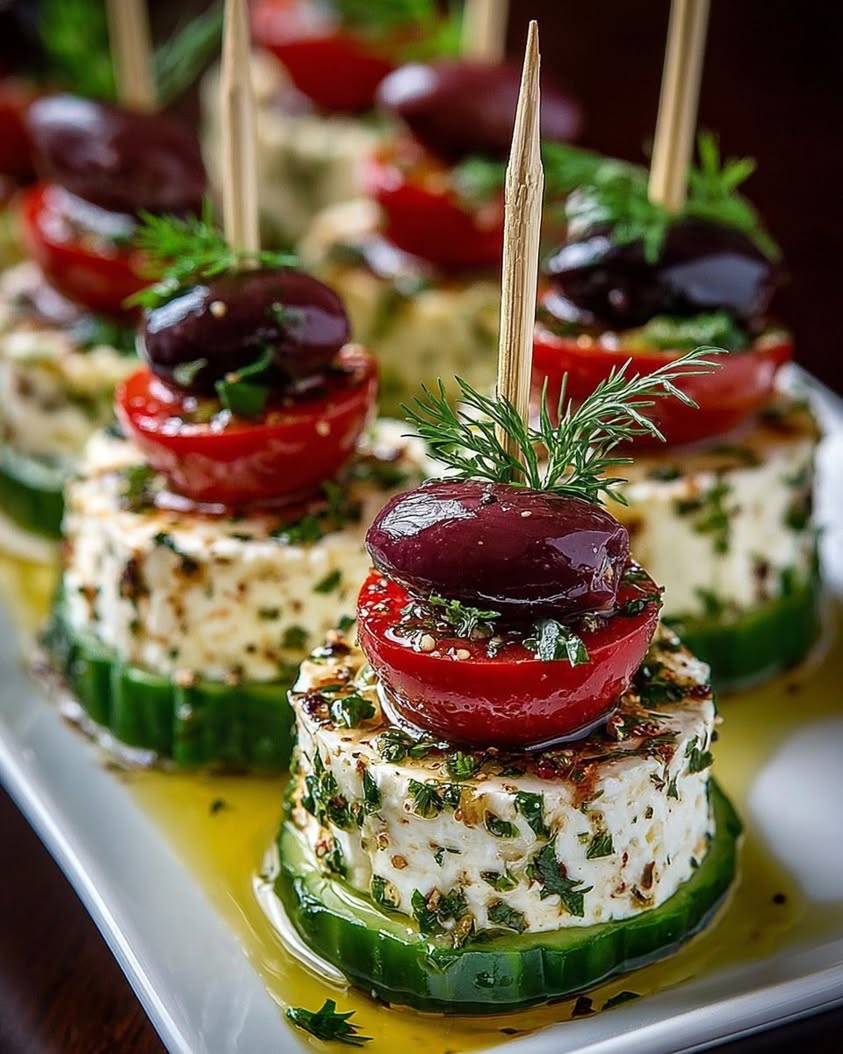
- Visual Appeal: Bright green cucumber cubes sit next to creamy white feta chunks. The red of cherry tomatoes or purple of olives adds beautiful color contrast. They look incredibly inviting on a simple white platter or wooden board.
- Skill Level Needed: This recipe requires absolutely no cooking experience. You just need basic knife skills to cube the cucumber and feta. It is a perfect starter recipe for anyone new to the kitchen.
- Special Equipment: You will need some wooden or plastic skewers about six inches long. A sharp knife and a cutting board are essential for clean cuts. No other special tools are required for this simple recipe.
Recipe Overview
- Difficulty Level: This is rated as easy because there are no complex techniques involved. You simply assemble ingredients onto skewers in a repeating pattern. There is no heat, no precise measurements, and no complicated steps. Anyone can master this Greek feta and cucumber bite skewers recipe for summer on the first try.
- Category: These skewers fit perfectly as an appetizer or party finger food. They also work wonderfully as a healthy snack or light lunch. You can even serve them as a side dish alongside grilled meats or seafood. They are incredibly versatile for any meal occasion.
- Cuisine: This recipe draws directly from classic Greek and Mediterranean culinary traditions. The combination of cucumber, feta, olive oil, and oregano is a staple in Greek cuisine. It reflects the region’s emphasis on fresh, simple ingredients with bold flavors. The Mediterranean diet celebrates dishes just like this one.
- Cost: The ingredients are very affordable and widely available at any grocery store. A block of feta cheese costs around four to five dollars and lasts for multiple batches. Cucumbers are inexpensive, especially during the summer season. You can make a large platter for under ten dollars total.
- Season: Summer is the absolute best time to make these skewers. Cucumbers are at their peak freshness and most affordable during warm months. The refreshing nature of the dish is perfect for hot weather. You can enjoy them from late spring through early fall with great results.
- Occasion: These skewers are ideal for summer barbecues, pool parties, and picnics. They also shine at casual get-togethers, game day gatherings, and holiday appetizer spreads. You can even bring them to work for a healthy lunch. They suit both formal and informal events beautifully.
Why You Will Love This Recipe
The taste and texture combination in this Greek feta and cucumber bite skewers recipe for summer is absolutely addictive. The cool, crisp cucumber provides a refreshing base that hydrates your palate. The creamy, salty feta adds a rich tanginess that balances the freshness perfectly. A drizzle of extra virgin olive oil brings a fruity, peppery depth to each bite. The dried oregano adds an earthy, aromatic finish that reminds you of the Mediterranean. Every mouthful is a harmonious blend of flavors and textures. You get the crunch, the creaminess, and the zing all at once. It is a truly satisfying sensory experience that never gets boring.
The convenience of this recipe is a major reason to love it. You need only fifteen minutes of prep time and zero cooking skills. There is no oven to preheat and no stove to watch. You just chop, skewer, and serve. This makes it perfect for busy weeknights or last-minute gatherings. You can easily double or triple the recipe for a crowd. Cleaning up is a breeze with just a cutting board and a knife. The simplicity means you have more time to enjoy your company. You will appreciate how stress-free this dish is to prepare.
These skewers also offer impressive nutritional advantages. Cucumbers are incredibly low in calories and high in water content. They provide vitamin K and several antioxidants that support your health. Feta cheese is a good source of calcium and protein. It contains less fat and calories than many other cheeses. The olive oil adds healthy monounsaturated fats that are good for your heart. You get a balanced snack that keeps you full without weighing you down. It fits perfectly into a Mediterranean diet or a balanced eating plan. You can feel good about serving this to your family.
The social and entertaining value of these skewers is undeniable. They are a conversation starter at any party. Their vibrant colors and elegant presentation impress guests instantly. People love the interactive nature of picking up a skewer and eating it. They are easy to eat while standing and mingling. You can customize them with different toppings and variations. This makes them suitable for diverse palates and dietary needs. Your guests will feel special when you serve these beautiful bites. They create a memorable experience that keeps people coming back for more.
Cost-effectiveness and accessibility are the final reasons to adore this recipe. The ingredients are available at any grocery store year-round. Cucumbers and feta are both very budget-friendly items. You do not need any exotic or expensive specialty ingredients. This Greek feta and cucumber bite skewers recipe for summer costs very little to prepare. You can feed a crowd without breaking the bank. The simplicity also means you waste almost nothing. You can use leftover ingredients for salads or other dishes. It is a smart, economical choice for any home cook.
Historical Background and Cultural Significance
The origins of this simple yet iconic combination trace back to ancient Greece. Greeks have enjoyed cucumbers and cheese together for thousands of years. Cucumbers were cultivated in India and spread to Greece through trade routes. Feta cheese production has been documented in Greece since the Byzantine era. The pairing likely began as a simple peasant meal using available ingredients. Farmers would eat cucumber and feta with bread for a satisfying lunch. The combination became a staple of the Greek diet over centuries. Its simplicity reflects the core philosophy of Greek cuisine. Fresh, high-quality ingredients do not need complicated preparation to shine.
Feta cheese holds a particularly important place in Greek culture. It is a protected designation of origin product in the European Union. This means only cheese made in specific regions of Greece can be called feta. The cheese is traditionally made from sheep’s milk or a mixture with goat’s milk. It is aged in brine which gives it its distinctive salty flavor and crumbly texture. Feta appears in almost every Greek meal from breakfast to dinner. It represents the pastoral traditions of Greek island life. The cheese is a source of national pride and culinary identity. Serving feta is a sign of hospitality in Greek homes.
The recipe has evolved significantly over the years. Ancient Greeks ate cucumber and feta simply sliced on a plate. The addition of olive oil and oregano came later as trade expanded. Skewering the ingredients is a modern innovation for easy eating. This adaptation makes the dish perfect for parties and buffets. The concept of bite-sized appetizers became popular in the twentieth century. Home cooks began threading the ingredients onto toothpicks for convenience. This evolution shows how traditional foods adapt to modern lifestyles. The core flavors remain unchanged while the presentation becomes more versatile. You are participating in a long culinary tradition when you make these skewers.
Regional variations of this dish exist throughout the Mediterranean. In Turkey, similar skewers might use beyaz peynir which is a white brined cheese. In Bulgaria, they use a cheese called sirene which is similar to feta. Some Greek islands add capers or fresh herbs like dill and mint. The Greek mainland often includes tomatoes and olives on the skewers. Each region puts its own spin on the basic combination. These variations demonstrate the versatility of cucumber and cheese pairings. You can explore these regional differences by trying different ingredients. The adaptability of this dish makes it a true Mediterranean classic.
Ingredient Deep Dive
Cucumber is the star of this Greek feta and cucumber bite skewers recipe for summer. It originated in India over three thousand years ago. Ancient Greeks and Romans valued cucumbers for their cooling properties. Nutritionally, cucumbers are over ninety-five percent water which makes them incredibly hydrating. They provide vitamin K, vitamin C, and several antioxidants including flavonoids. The skin contains most of the fiber and nutrients. You should buy cucumbers that are firm with dark green skin and no soft spots. They should feel heavy for their size indicating high water content. Store them in the refrigerator crisper drawer for up to a week. English or Persian cucumbers work best because they have fewer seeds and thinner skin. You can substitute zucchini or jicama for a different crunch if needed.
Feta cheese is the other essential component of this dish. It has been made in Greece for over six thousand years. The cheese gets its name from the Italian word fetta meaning slice. Feta is traditionally made from sheep’s milk which gives it a rich, tangy flavor. It is aged in a salty brine that preserves it and adds complexity. Nutritionally, feta provides calcium, protein, and B vitamins. It contains less fat than many other cheeses. You should look for feta stored in brine for the best flavor and texture. The cheese should be firm but crumbly without being dry or rubbery. Store it in its brine in the refrigerator for up to two weeks. You can substitute goat cheese or halloumi for different flavor profiles. Always buy the best quality feta you can afford for superior taste.
Extra virgin olive oil is a crucial finishing element in this recipe. Greece is one of the world’s largest producers of olive oil. The oil has been a staple of the Greek diet since ancient times. It is rich in monounsaturated fats which support heart health. Extra virgin olive oil also contains powerful antioxidants called polyphenols. You should buy olive oil that is stored in a dark bottle to protect it from light. Look for a harvest date on the bottle to ensure freshness. A good quality oil will have a fruity, peppery taste. Store it in a cool, dark cabinet away from heat sources. You can substitute regular olive oil or avocado oil if needed. The quality of your olive oil directly affects the final flavor of your skewers.
Dried oregano is the classic Greek herb used in this recipe. Oregano has been used in Mediterranean cooking for thousands of years. Ancient Greeks believed oregano had medicinal properties. It contains antioxidants and has antimicrobial properties. The herb adds an earthy, slightly bitter flavor that complements the feta perfectly. You should buy dried oregano that is bright green and aromatic. It should be stored in an airtight container away from light. Greek oregano is considered the highest quality variety. You can substitute dried thyme or marjoram for a different herbal note. Fresh oregano can also be used but use three times the amount. The herb is essential for achieving authentic Greek flavor.
Common Mistakes to Avoid
- Using old or wilty cucumbers is a frequent error. Old cucumbers have soft spots and a bitter taste. They also lack the crisp crunch that makes this dish so enjoyable. Always choose firm, fresh cucumbers for the best results.
- Cutting the cucumber pieces too large makes them difficult to eat. Large chunks also throw off the balance with the feta. Aim for uniform cubes about three-quarters of an inch square. This ensures each bite has the perfect ratio of ingredients.
- Skipping the salt brine for the cucumber is a mistake. Cucumbers contain a lot of water that can dilute the dressing. Salting them lightly draws out excess moisture. This keeps your skewers crisp and flavorful for longer.
- Using pre-crumbled feta cheese is not recommended. Pre-crumbled feta is often drier and less flavorful. It also contains anti-caking agents that affect the texture. Always buy a block of feta and cut it yourself for superior taste.
- Overcrowding the skewers with too many ingredients makes them unstable. A good rule is to use two to three pieces of each ingredient per skewer. This keeps them balanced and easy to handle. Less is often more with these appetizers.
- Forgetting to pat the feta dry before cutting is a common oversight. Excess brine on the feta can make the skewers soggy. It can also dilute the olive oil and seasoning. Always pat the feta dry with paper towels first.
- Assembling the skewers too far in advance leads to soggy results. The cucumber releases water over time that softens everything. You should assemble them no more than two hours before serving. Keep them refrigerated until ready to serve.
- Using low-quality olive oil is a waste of good ingredients. Bad olive oil can taste rancid or harsh. It will ruin the delicate flavor balance of the dish. Always use a good extra virgin olive oil for the best outcome.
- Skipping the oregano or using too much is a flavor mistake. Oregano should complement not overpower the other ingredients. A light sprinkle is all you need for perfect flavor. Taste and adjust as you go.
- Not chilling the ingredients before assembly affects the texture. Cold cucumber is crisper and more refreshing. Cold feta holds its shape better when you cut it. Always start with well-chilled ingredients for optimal results.
Essential Techniques
Properly cubing the cucumber is a foundational skill for this recipe. You want uniform pieces that are visually appealing and easy to eat. Start by cutting off both ends of the cucumber. Slice it lengthwise into planks about three-quarters of an inch thick. Then cut those planks into strips of the same width. Finally, cut across the strips to create perfect cubes. This method ensures every piece is the same size. Consistent sizing ensures even seasoning and a professional look. It also makes the skewers more stable and balanced. Practice this technique and it will become second nature quickly.
Cutting the feta cheese into perfect cubes requires a careful approach. Feta is crumbly so you need a sharp knife and a steady hand. Pat the block dry with paper towels first to remove excess moisture. Cut the block into slabs about three-quarters of an inch thick. Then cut those slabs into strips and finally into cubes. If the feta crumbles too much, chill it for fifteen minutes first. A sharper knife will make cleaner cuts through the cheese. You can also use a wire cheese cutter for very clean results. Handle the cubes gently to prevent them from breaking apart. This technique ensures your skewers look neat and appetizing.
Threading the skewers is an art that affects both appearance and function. Start with a cucumber cube then add a feta cube. Repeat the pattern until the skewer is full but not crowded. Leave a small space at the bottom for a handle. This makes the skewers easier to pick up and eat. The ingredients should fit snugly but not be compressed. You can alternate with cherry tomatoes or olives for variety. Keep the pattern consistent across all skewers for a uniform look. This technique ensures each skewer is balanced and visually appealing. Your guests will appreciate the care you put into the presentation.
Dressing the skewers properly is the final crucial technique. Drizzle the olive oil in a thin stream over the assembled skewers. Let the oil flow naturally over all the ingredients. Then sprinkle the dried oregano evenly over the top. Use a light hand to avoid overwhelming the other flavors. You can also add a squeeze of lemon juice for extra brightness. Season with a pinch of salt and black pepper if desired. Do not toss the skewers after dressing as this can break the feta. Let the dressing sit for a few minutes before serving. This allows the flavors to meld together beautifully.
Pro Tips for Perfect Greek Feta and Cucumber Bite Skewers Recipe for Summer
Always use English cucumbers or Persian cucumbers for this dish. They have thinner skins and fewer seeds than standard cucumbers. This makes them crisper and more pleasant to eat. You will not have to deal with watery, seedy centers that dilute the flavor.
Buy your feta cheese from a refrigerated section in brine. The brine keeps the cheese moist and flavorful. Avoid pre-crumbled feta as it is often drier. The block cheese gives you control over the size and shape of your cubes.
Lightly salt the cucumber cubes and let them sit for ten minutes. This draws out excess moisture and concentrates the flavor. Pat them dry with paper towels before assembling the skewers. Your skewers will stay crisp for much longer with this simple step.
Chill your serving platter in the refrigerator for fifteen minutes before arranging the skewers. The cold surface helps keep everything fresh and crisp. It also makes the dish more refreshing on a hot summer day. This small detail makes a noticeable difference.
Drizzle the olive oil and sprinkle the oregano just before serving. If you do this too early, the cucumber will release water and become soggy. The flavors are also more vibrant when added fresh. Your guests will taste the difference immediately.
Consider adding a small piece of fresh mint or basil to each skewer. The fresh herb adds a bright, aromatic note that complements the feta. It also adds a beautiful green accent to the presentation. Experiment with different herbs to find your favorite combination.
You can prepare the ingredients up to a day in advance. Store the cucumber cubes and feta cubes separately in airtight containers. Assemble the skewers within two hours of serving for best results. This make-ahead strategy saves time without sacrificing quality.
Use short wooden skewers that are about four to six inches long. These are the perfect size for appetizers and easy to handle. Soak wooden skewers in water for thirty minutes if you plan to grill them. This prevents them from burning on the grill.
Variations and Adaptations
Regional variations across Greece offer exciting ways to change this dish. In the Peloponnese region, cooks add wild oregano and capers for a briny kick. The islands of Crete often incorporate fresh mint and a squeeze of lemon. Northern Greek versions might include roasted red peppers for sweetness. Each region highlights local ingredients and traditions. You can explore these regional differences by trying different herb combinations. The core of cucumber and feta remains the same while the accents change. These variations keep the recipe interesting and adaptable to your tastes. You can create your own regional version at home.
Seasonal adaptations allow you to enjoy these skewers year-round. In the spring, add fresh pea shoots or microgreens for a delicate touch. Summer calls for ripe cherry tomatoes and fresh basil from the garden. Autumn versions can include roasted butternut squash cubes for warmth. Winter skewers might feature pomegranate seeds for a burst of color. Each season brings new opportunities to refresh the recipe. You can also use seasonal herbs like dill in spring or rosemary in winter. The adaptability of this dish makes it a year-round favorite.
Dietary modifications make this Greek feta and cucumber bite skewers recipe for summer accessible to more people. For a vegan version, marinated tofu or cashew cheese works beautifully. A dairy-free option can use vegan feta made from almonds or coconut. The gluten-free status remains intact since no grains are involved. For a lower sodium version, use reduced-sodium feta or rinse the cheese. You can also reduce or omit the added salt. These modifications ensure everyone can enjoy this dish. The flavors remain delicious regardless of dietary restrictions.
Flavor variations open up endless creative possibilities. Try adding kalamata olives for a briny, fruity note. Roasted red peppers bring sweetness and a smoky depth. Artichoke hearts offer a tender, tangy contrast. Sun-dried tomatoes add intense, concentrated tomato flavor. You can also experiment with different herbs like dill, thyme, or rosemary. A pinch of red pepper flakes adds gentle heat. Capers provide a salty, pickled burst in every bite. The combinations are truly endless for this versatile recipe.
Texture modifications can change the entire experience of the dish. You can grill the cucumber cubes briefly for a smoky, warm twist. Toast the feta cubes in the oven for a creamy, melty interior. Add crunchy elements like toasted pine nuts or walnuts. Include creamy elements like hummus or tzatziki for dipping. You can also use different types of cheese like halloumi which grills beautifully. Each texture variation creates a new and exciting dish. You can adapt the texture to match the occasion and your preferences.
Presentation alternatives make this dish suitable for any event. You can serve the components deconstructed on a platter for a DIY experience. Arrange the cubes in separate bowls and let guests build their own skewers. You can also serve them on a bed of leafy greens as a salad. For a more formal presentation, arrange them in a circular pattern on a white platter. Use long skewers for a dramatic effect at a cocktail party. The presentation options are as varied as your imagination. You can match the style to your party theme every time.
Serving and Presentation Guide
Plating techniques can elevate these skewers from simple to stunning. Start with a large, flat platter in a neutral color like white or slate. Arrange the skewers in a single layer in a circular pattern. Point all the skewers in the same direction for a cohesive look. You can also fan them out like rays of the sun. Leave some space between each skewer for visual breathing room. The orderly arrangement signals care and attention to detail. Your guests will be impressed before they even take a bite. The presentation sets the tone for the entire dish.
Garnishing ideas add the final flourish to your presentation. Sprinkle fresh herbs like mint, basil, or dill over the top. Add a few whole kalamata olives scattered around the platter. Drizzle a little extra olive oil in a decorative pattern. A light dusting of flaky sea salt adds visual sparkle. You can also add lemon wedges for guests to squeeze over their skewers. Edible flowers like nasturtiums add a beautiful, unexpected touch. The garnishes should complement not overwhelm the dish. Keep it simple and elegant for the best effect.
Traditional accompaniments complete the Mediterranean experience. Serve the skewers with warm pita bread or crusty bread on the side. A bowl of creamy hummus or tzatziki sauce is perfect for dipping. Marinated olives and peppercinis make excellent additions to the platter. Grilled vegetables like zucchini and eggplant pair beautifully. A simple Greek salad is a classic companion dish. These accompaniments create a full Mediterranean spread. Your guests will feel transported to a seaside taverna.
Modern serving suggestions make this dish suitable for contemporary occasions. Serve the skewers as a healthy appetizer at a cocktail party. They are perfect for a light lunch when paired with a green salad. You can include them in a grazing board with cheeses, meats, and fruits. They work wonderfully as a post-workout snack for a protein boost. Serve them at a brunch buffet alongside quiche and fresh fruit. The modern versatility of this dish is one of its greatest strengths. You can adapt it to any event or occasion.
Temperature considerations are important for the best experience. These skewers are best served cold or at room temperature. Chilled ingredients provide the most refreshing crunch. If you take them out of the refrigerator, let them sit for ten minutes. This takes the chill off without warming them too much. Do not leave them out for more than two hours for food safety. During hot summer days, keep them on ice if serving outdoors. The right temperature enhances the flavors and textures significantly.
Portion control tips help you plan for any number of guests. For appetizers, plan on two to three skewers per person. For a side dish, three to four skewers per person is appropriate. As a main course, six to eight skewers might be needed. You can always make extra as they disappear quickly. It is better to have leftovers than to run out. The skewers are easy to multiply for larger crowds. Always make a few extra for yourself because they are irresistible.
Wine and Beverage Pairing
The perfect wine pairing enhances this Greek feta and cucumber bite skewers recipe for summer. A crisp, dry white wine like Assyrtiko from Greece is ideal. Its high acidity cuts through the creamy feta beautifully. A Sauvignon Blanc from New Zealand also works wonderfully. The herbal notes in the wine complement the oregano in the dish. A dry Rosé is another excellent choice for its refreshing qualities. The light fruit flavors balance the salty tang of the feta. You should serve white wines chilled to around forty-five degrees Fahrenheit. This temperature keeps the wine crisp and refreshing alongside the cool cucumber.
Non-alcoholic alternatives offer delicious options for everyone. A sparkling water with a squeeze of lemon and fresh mint is perfect. The bubbles cleanse your palate between bites. You can also make a simple cucumber-mint lemonade for a cohesive theme. Greek iced coffee called frappe is a traditional non-alcoholic choice. The bitter coffee contrasts nicely with the salty feta. Herbal iced teas like chamomile or mint are also excellent companions. These options ensure everyone has a beverage they enjoy. You can create a beautiful drink station alongside your skewers.
If you prefer beer, a light Greek lager is a wonderful choice. The crisp, clean flavors do not overpower the delicate ingredients. A wheat beer with citrus notes also pairs nicely. The subtle spice in some Belgian witbiers complements the herbs. Avoid heavy, hoppy beers that can clash with the feta. A light, refreshing beer is the way to go for this dish. Serve the beer well-chilled for maximum refreshment.
Temperature considerations for beverages matter as much as food. All beverages should be well-chilled to match the cool skewers. Drinks at room temperature will make the dish seem less refreshing. Keep wine in an ice bucket if serving outdoors. Have plenty of ice available for non-alcoholic drinks. The beverage temperature enhances the overall dining experience. Your guests will appreciate the attention to detail.
Storage and Shelf Life
Proper storage methods keep your skewers fresh for as long as possible. Store assembled skewers in an airtight container in the refrigerator. Line the container with paper towels to absorb excess moisture. Place another paper towel on top before sealing. This prevents the cucumber from making the feta soggy. You can also store the components separately for better longevity. Assemble only what you plan to serve within two hours. Leftover assembled skewers are best consumed within twenty-four hours. After that, the texture declines noticeably. Always prioritize freshness for the best eating experience.
Temperature requirements are crucial for food safety. Keep all components refrigerated at or below forty degrees Fahrenheit. Do not leave the skewers at room temperature for more than two hours. On hot summer days exceeding ninety degrees, limit to one hour. If serving outdoors, place the platter on a bed of ice. This keeps the temperature safe and the ingredients crisp. Always return leftovers to the refrigerator promptly. Food safety should always be your top priority when entertaining.
Container recommendations help maintain quality. Use glass or BPA-free plastic containers with tight-fitting lids. Avoid metal containers that can react with the acidic olive oil. The container should be just big enough to hold the skewers without crushing them. A single layer is better than stacking to prevent damage. You can also use a baking dish covered with plastic wrap. The key is to minimize air exposure and moisture loss. Your skewers will stay fresher for longer with proper containers.
Signs of spoilage are easy to spot with this dish. The cucumber will become soft and translucent when it is past its prime. Feta may develop a slimy texture or an off smell. The olive oil can become rancid and smell like paint. Any mold growth means the entire batch should be discarded. If the ingredients look or smell questionable, do not risk it. Freshness is essential for both flavor and safety. When in doubt, throw it out to stay safe.
Freezing guidelines are not recommended for this dish. Cucumber has a very high water content that freezes poorly. It becomes mushy and watery when thawed. Feta also suffers in the freezer, becoming grainy and dry. The olive oil can separate and become cloudy. It is best to make these skewers fresh when you plan to serve them. You can freeze the feta block for up to three months if needed. But the assembled skewers will not survive freezing well. Stick to fresh preparation for the best results.
Make Ahead Strategies
A proper prep timeline helps you serve these skewers with confidence. Up to two days ahead, wash and dry your cucumbers thoroughly. Store them whole in the refrigerator crisper drawer. Keep the feta block in its brine in the refrigerator. The day before serving, cut the cucumber and feta into cubes. Store them in separate airtight containers in the refrigerator. This prevents the cucumber from making the feta soggy. On the day of serving, you just need to assemble and dress the skewers. This timeline takes all the stress out of party preparation.
Storage between steps requires careful attention to detail. Cucumber cubes should be stored in a container lined with paper towels. The paper towels absorb excess moisture and keep the cubes crisp. Change the paper towels if they become saturated. Feta cubes should be stored in a single layer in an airtight container. Do not add any dressing or oil until serving time. Keep both containers in the coldest part of your refrigerator. Proper storage between steps ensures your ingredients stay at peak quality.
Quality impact assessment is important for make-ahead planning. Cucumber cubes start losing their crispness after about eight hours. Feta cubes begin to dry out after a day in the refrigerator. The olive oil and oregano should always be added fresh. Assembled skewers lose quality much faster than separate components. The best strategy is to prepare ingredients ahead but assemble fresh. This gives you the best balance of convenience and quality. Your guests will never know you prepared the components in advance.
Assembly tips for the day of your event make the process smooth. Take the ingredients out of the refrigerator thirty minutes before assembling. This takes the chill off and makes the feta easier to handle. Set up an assembly line with skewers, cucumber, and feta. Thread the skewers in a consistent pattern for a professional look. Arrange them on the serving platter as you go. Dress them with olive oil and oregano just before serving. This efficient process takes only a few minutes. You can assemble a large batch in under fifteen minutes with this method.
Scaling Instructions
Halving the recipe is straightforward with this dish. Simply cut all ingredient quantities in half. You will need about six ounces of feta and one cucumber. The same techniques apply regardless of quantity. The prep time stays about the same since you still need to cut the ingredients. You may have leftover skewer sticks which you can save for future use. The ratios remain consistent so the flavor does not change. Halving the recipe is perfect for a small gathering or a personal snack. You can easily adjust based on how many guests you are serving.
Doubling or tripling the recipe requires some planning. Use two or three times the amount of each ingredient. You may need to work in batches if your cutting board is small. Allow extra time for cutting the larger quantities. You will need more skewers and a larger serving platter. Consider using multiple platters to prevent overcrowding. The dressing ingredients also need to be multiplied accordingly. The flavor remains exactly the same with larger batches. This scaling method is perfect for parties and large gatherings.
Equipment adjustments are necessary for larger batches. Use a larger cutting board to accommodate more ingredients at once. You may need multiple bowls for storing the cut components. A food processor can speed up cutting the cucumber if needed. For very large batches, consider using an assembly line with multiple people. Have enough skewers on hand before you start. The right equipment makes scaling up much easier and faster. Plan your setup before you begin cooking.
Timing modifications for larger batches keep the process efficient. Cutting time will increase proportionally with the quantity. You can cut all the cucumber first then all the feta for efficiency. Assembly time also increases but can be streamlined. Enlist help from family or friends for large batches. The total time for a triple batch is about thirty to forty minutes. This is still very reasonable for a party appetizer. Plan your timing accordingly to have everything ready when guests arrive.
Nutritional Deep Dive
The macro breakdown of this Greek feta and cucumber bite skewers recipe Print
Greek Feta & Cucumber Bite Skewers
- Total Time: 15 minutes
- Yield: 4
Description
Light and refreshing appetizer skewers with creamy feta, crisp cucumber, and briny olives, drizzled with a zesty lemon-oregano dressing.
Ingredients
- 1 large cucumber, cut into 1/2-inch rounds
- 8 oz block feta cheese, cut into 1/2-inch cubes
- 1/2 cup kalamata olives, pitted
- 1/4 cup cherry tomatoes, halved
- 2 tbsp extra virgin olive oil
- 1 tbsp fresh lemon juice
- 1/2 tsp dried oregano
- Salt and pepper to taste
- Fresh mint leaves for garnish (optional)
- Wooden skewers
Instructions
- In a small bowl, whisk together olive oil, lemon juice, dried oregano, salt, and pepper to make the dressing.
- Thread one cucumber round, one feta cube, one olive, and one cherry tomato half onto a wooden skewer. Repeat with remaining ingredients.
- Arrange skewers on a serving platter and drizzle with the prepared dressing.
- Garnish with fresh mint leaves if desired. Serve immediately or chill for up to 1 hour before serving.
Notes
You can customize the seasonings to taste. For a sweeter twist, add a drizzle of honey before serving.
- Prep Time: 15 minutes
- Cook Time: 0 minutes
- Method: Appetizer
- Cuisine: Greek