The Perfect Feta and Cranberry Chickpea Salad with Lemon Vinaigrette: A Tangy, Creamy, and Crunchy Lunch
Imagine a salad that is both tangy and creamy, sweet and savory, all at the same time. This Feta and Cranberry Chickpea Salad with Lemon Vinaigrette is exactly that kind of dish. It is a vibrant bowl packed with hearty chickpeas, salty feta cheese, and sweet dried cranberries, all tossed in a bright and zesty lemon dressing. I created this recipe to solve a common lunch problem: you want something healthy, but you also need it to be truly satisfying and delicious.
This salad is a celebration of contrasting flavors and textures. The creamy feta crumbles melt slightly into the lemon vinaigrette, creating a rich coating for the tender chickpeas and the fresh crunch of cucumber. The sweet burst of cranberries balances the tangy lemon perfectly. Moreover, this is a no-cook meal that comes together in just 15 minutes. You can easily prepare it on your busiest weekday morning for a stress-free lunch. It is a salad that feels both elegant and comforting, perfect for a quick lunch at home or a picnic in the park.
You will find that this Feta and Cranberry Chickpea Salad with Lemon Vinaigrette is more than just a side dish. It is a complete, protein-packed meal that stands on its own. To begin, the simple ingredients are very forgiving, making this recipe ideal for beginner cooks. At the same time, the sophisticated flavor profile will impress even the most seasoned food lover. I am confident that this will become a staple in your weekly rotation because it is incredibly versatile, refreshing, and deeply flavorful.
Quick Recipe Highlights
- Flavor Profile: This salad delivers a bright, tangy taste from the lemon vinaigrette. That citrus zing is perfectly offset by the sweet, chewy dried cranberries. There is also a distinct savory element from the salty feta cheese and the earthy chickpeas.
- Texture: The textures are a wonderful mix of creamy and crunchy. The creamy feta cheese contrasts beautifully with the firm, tender chickpeas. You also get a crisp snap from fresh cucumber and a soft chew from the cranberries.
- Aroma: The main aromatic note is the fresh, clean scent of lemon zest and lemon juice. This bright citrus fragrance is balanced by the subtle, earthy scent of chickpeas and the sharp, briny aroma of feta cheese. Fresh herbs like parsley also add a grassy, green note.
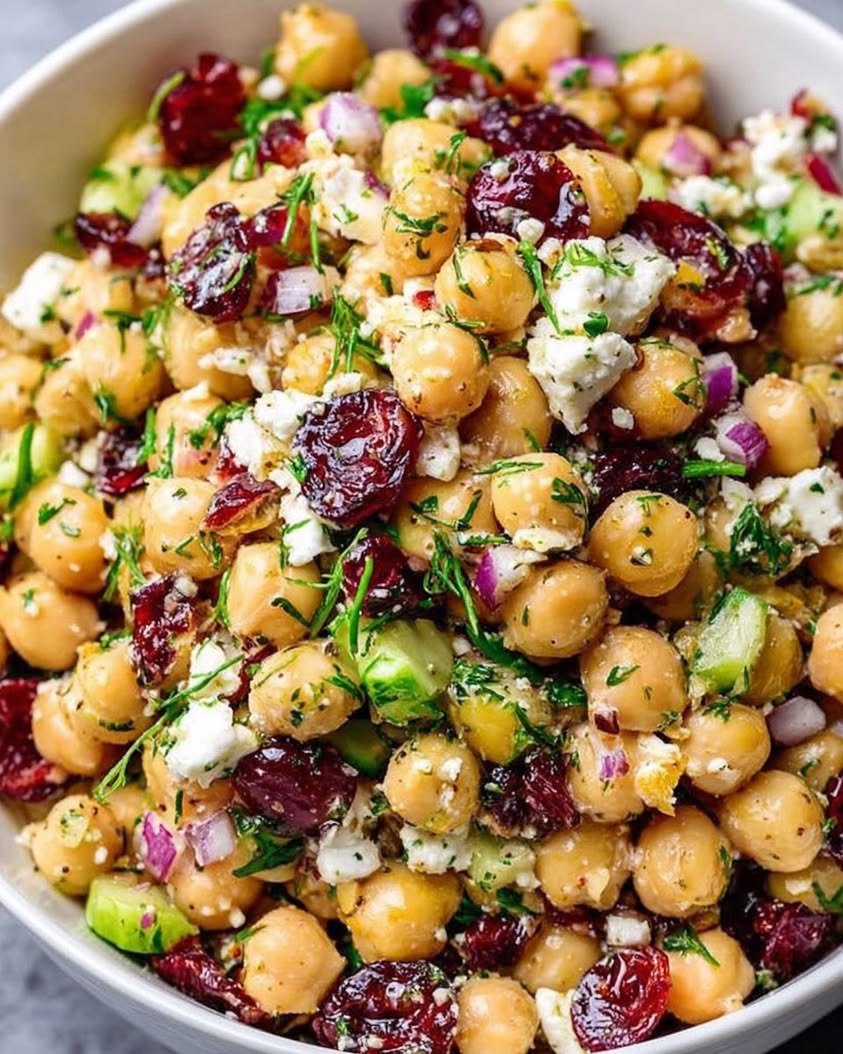
- Visual Appeal: The visual presentation is stunning with a beautiful contrast of colors. White and yellow feta crumbles are scattered among orange chickpeas and red cranberries. Green cucumber and fresh parsley add vibrant pops of color against the light lemon dressing.
- Skill Level Needed: You do not need any advanced cooking skills for this recipe. The preparation mainly involves chopping fresh vegetables and whisking together a simple dressing. It is an excellent starting point for those new to cooking or making salads from scratch.
- Special Equipment: You only need basic kitchen tools for this recipe. A sharp chef knife and a sturdy cutting board are essential for chopping. A medium mixing bowl for the salad and a small jar or bowl for the vinaigrette are all you need.
Recipe Overview
- Difficulty Level: I have rated this recipe as easy because it involves no heat and minimal culinary technique. The steps are straightforward and forgiving, meaning you can adjust ingredient amounts to your taste. This simplicity makes it a perfect weeknight dinner option or a quick lunch to prep on a Sunday. You will spend most of your time just chopping and mixing.
- Category: This dish is a fantastic main course salad for lunch or a light dinner. It also works beautifully as a hearty side dish for grilled chicken or fish. For a buffet, it serves as an excellent vegetarian option that many guests will appreciate. It also fits perfectly within the category of “grab-and-go” healthy meal prep.
- Cuisine: While the components of this salad have roots in Mediterranean cuisine, it is a modern Western creation. The combination of feta, chickpeas, and lemon is classic Greek and Middle Eastern. The addition of dried cranberries introduces a popular American ingredient, creating a fusion cuisine. This recipe shows how different culinary traditions can come together to create something new and delicious.
- Cost: The overall cost of this salad is very low, making it a budget-friendly meal. Canned chickpeas and dried cranberries are pantry staples that are very affordable. A block of quality feta cheese is the most expensive item, but a little goes a long way. Using fresh lemon juice and a head of cucumber keeps the overall price around ten to twelve dollars for four generous servings.
- Season: This salad is incredibly versatile and can be enjoyed year-round, though it truly shines in warmer seasons. The bright citrus flavors and crisp ingredients are perfect for spring and summer picnics. During fall and winter, the dried cranberries and hearty chickpeas provide warmth and comfort. It is a reliable recipe that stays fresh and appetizing no matter what the weather is like outside.
- Occasion: This Feta and Cranberry Chickpea Salad is ideal for casual, everyday meals as well as more formal gatherings. It is a star at summer barbecues and potlucks because it travels well and doesn’t wilt. You can also serve it as a quick, healthy lunch for yourself during a busy work week. For a date night or dinner party, it makes a beautiful and elegant first course.
Why You’ll Love This Recipe
The taste and texture experience of this salad is a true delight. Every single bite offers a new combination of flavors that work in perfect harmony. The creamy, salty feta cheese clings to the firm chickpeas, creating a satisfying base. Then, the sweet pop of a dried cranberry surprises your taste buds. The lemon vinaigrette ties everything together with its bright, tangy zing. Moreover, the fresh crunch from the cucumber and red onion adds a necessary textural relief. This is not a boring, soggy salad. Instead, it is an exciting dish that engages all your senses with every forkful.
Convenience is a major reason why this recipe will become a staple in your home. There is absolutely no cooking required, which means you save time and keep your kitchen cool. You can easily prepare the vinaigrette and chop the vegetables while the rest of your meal cooks. Furthermore, this salad is perfect for meal prepping for the entire week. Just keep the dressing separate and combine it with the base before serving. This makes busy weekday lunches a complete breeze. You can assemble the whole dish in the time it takes to find a parking spot at a drive-through.
Nutritionally, this salad is a powerhouse of health benefits. Chickpeas are an excellent source of plant-based protein and dietary fiber. They will keep you feeling full and satisfied for hours. Feta cheese provides a good amount of calcium for strong bones. The fresh vegetables and lemon juice are packed with essential vitamins and antioxidants. Dried cranberries offer a concentrated source of fiber and vitamin C. This recipe provides a balanced meal with healthy fats, complex carbohydrates, and plenty of protein. It supports your energy levels naturally and helps you avoid an afternoon slump.
Socially and for entertaining, this salad is an absolute champion. It is a crowd-pleaser that satisfies both vegetarians and meat-eaters without any fuss. You can serve it at a backyard barbecue where it will stand up to the heat much better than a green salad. Because it does not require reheating, it is perfect for potluck dinners. The beautiful presentation with its vibrant colors also makes it a highlight on any buffet table. Furthermore, you can easily double or triple the recipe for a large gathering. It is a stress-free way to provide a delicious and healthy option for your guests.
Finally, the cost-effectiveness and accessibility of the ingredients make this a very practical recipe. Canned chickpeas, dried cranberries, and a lemon are items you can usually find on sale or keep in your pantry. A block of feta cheese is a relatively small investment compared to a cut of meat. The vegetables like cucumber and red onion are among the most affordable produce items. This means you are getting a gourmet-tasting, protein-packed meal for less than it would cost to buy a mediocre sandwich. You are also reducing food waste by using simple, shelf-stable ingredients before they spoil.
Historical Background and Cultural Significance
The humble chickpea, also known as garbanzo bean, has a very long and storied history. It is one of the earliest cultivated legumes, with origins in the Middle East. Evidence of chickpea cultivation dates back over 7,500 years in Turkey and the Levant. From there, it spread across the Mediterranean region and later to India and Africa. This legume has been a foundational food source for countless ancient civilizations. It provided cheap, durable protein that could be dried and stored for long periods. This history explains why chickpeas feature so prominently in many Mediterranean and Middle Eastern cuisines today.
Feta cheese holds a similarly important cultural significance in Greece and the broader Balkans. It is a brined curd white cheese with a tangy, salty flavor and a crumbly texture. In Greece, feta has been produced for thousands of years, with the first recorded mention dating back to Homer’s Odyssey. The cheese is traditionally made from sheep’s milk or a mixture of sheep and goat milk. In 2002, feta was granted Protected Designation of Origin (PDO) status by the European Union. This means only cheese produced in specific regions of Greece can legally be called feta. It is a source of national pride and a cornerstone of Greek gastronomy.
The evolution of combining chickpeas and feta into a salad is a relatively modern development, likely originating in the mid-20th century. While both ingredients have ancient roots, tossing them together with fresh vegetables and a vinaigrette is a contemporary practice. This style of composed salad gained popularity in the United States as interest in lighter, healthier Mediterranean food grew. The addition of dried cranberries is a clear American adaptation. It adds a sweet-tart element that pairs beautifully with the salty feta. This fusion represents a larger trend of global ingredient mashups in modern home cooking.
Regional variations of this core idea are plentiful and show the adaptability of the dish. In the Middle East, you might find a salad with chickpeas, feta, and pomegranate seeds instead of cranberries. An Italian version might use a balsamic vinaigrette and add sun-dried tomatoes. Some recipes call for roasted chickpeas instead of canned ones for a different texture. Others might use goat cheese for a tangier profile. This flexibility is a testament to the salad’s universal appeal. It allows cooks to adapt the recipe based on what is local, seasonal, or available in their pantry.
Ingredient Deep Dive
Chickpeas are the true workhorse of this salad, providing substance and nutrition. Their cultural significance as a staple legume across many ancient civilizations is immense. They are a fantastic source of protein, fiber, folate, and iron. This nutritional profile makes them a vital food for plant-based diets and general health maintenance. When you select chickpeas for this recipe, you have two primary options: canned or dried. Canned chickpeas are incredibly convenient and require no cooking, which is perfect for this no-cook salad. For the best flavor and texture, always rinse and drain your canned chickpeas thoroughly under cold water. This removes the excess sodium and any metallic can taste. You can store leftover canned chickpeas in an airtight container in the refrigerator for up to three days. If you want to substitute, cannellini beans or even cooked lentils offer a similar mild, creamy texture, though the flavor will change slightly.
Feta cheese is the creamy, salty core that defines this salad’s character. Its origins in ancient Greece give it a deep cultural heritage that many other cheeses lack. Nutritionally, feta is an excellent source of calcium, B vitamins, and protein, though it is high in sodium. A block of feta is almost always better than pre-crumbled feta, which often contains anti-caking agents that affect its creaminess. Look for a block that is firm but not dry, stored in brine. Storage is simple: keep it submerged in its brine in the refrigerator, and it will last for several weeks. For a substitute, try crumbled goat cheese for a similar tangy profile or a mild, crumbled farmer’s cheese. A dairy-free option is a high-quality vegan feta made from tofu or almonds.
Dried cranberries add the sweet-tart pop that makes this salad so irresistible. Often called “craisins,” they are a modern American innovation, first produced by Ocean Spray in the 1980s. They are a concentrated source of fiber, vitamin C, and powerful antioxidants called proanthocyanidins. When selecting them, look for varieties that are soft and plump, not hard and dry. You can find them with reduced sugar or even fruit-juice sweetened versions for a healthier option. Store them in a cool, dark place in an airtight bag or container for up to a year. A fantastic substitution is golden raisins for a milder sweetness or chopped dried apricots for a chewier texture.
Cucumbers provide the essential fresh crunch that lightens the whole dish. Originating in India, cucumbers have been cultivated for over 3,000 years and are now a global staple. They are composed mostly of water, making them incredibly hydrating and low in calories. They also provide small amounts of vitamin K and potassium. For this salad, English (or hothouse) cucumbers are the best choice. They have thinner skin and fewer seeds, which means less bitterness and a more pleasant crunch. You should always wash them and can peel them for a more refined texture, though I do not find peeling necessary. Store fresh cucumbers in the refrigerator wrapped in a paper towel and plastic bag to keep them crisp. You can substitute an equal amount of diced zucchini or bell pepper for a similar crunch.
The lemon vinaigrette is the unifying dressing that brings every ingredient together. This simple dressing uses fresh lemon juice, high-quality olive oil, a touch of honey, and salt and pepper. The fresh lemon juice provides the bright acidity that cuts through the richness of the cheese and olive oil. Using fresh lemons is crucial as bottled lemon juice has a flat, metallic taste. The extra virgin olive oil adds a smooth, fruity base that elevates the whole salad. A very small amount of honey helps to balance the tartness without making the dressing sweet. For storage, shake the vinaigrette in a sealed jar for fresh emulsification each time. You can substitute apple cider vinegar for the lemon juice for a different type of acid profile.
Common Mistakes to Avoid
- Using unrinsed canned chickpeas is a big mistake. The liquid inside the can has a high sodium content and a starchy, metallic taste. Always dump the can into a colander and rinse them under cold water for a full 30 seconds. This step ensures a cleaner flavor and a better texture for your salad.
- Overdressing the salad is very easy to do. The salad ingredients are hearty, but too much dressing will make the whole dish soggy and drown out the other flavors. Start by adding about three-quarters of the dressing and toss gently. Then, you can always add more dressing right before serving if needed.
- Adding the dressing too early is a common problem when meal prepping. The salt in the dressing will start to draw water out of the cucumbers and leach moisture from the chickpeas. If you are making this for later, keep the dressing in a separate small container. Only toss the salad with the dressing a few minutes before you plan to eat it.
- Forgetting to taste and adjust seasoning is a frequent oversight. Canned chickpeas and feta cheese are salty, but the sweetness of the cranberries and the acidity of the lemon need balance. After you make the dressing, taste it and adjust the salt, pepper, or honey. Taste the finished salad and add a pinch of salt if it seems flat.
- Skipping the step of finely chopping the red onion is a mistake that affects the overall texture. Large chunks of raw onion can be overwhelming both in size and sharpness. A fine mince allows the onion flavor to disperse more evenly throughout the salad without creating an overpowering bite. This ensures a pleasant experience with every forkful.
- Using pre-shredded or crumbled feta cheese will change the texture of your salad. These products are coated with cellulose or other starches to prevent clumping, which also prevents them from melting and softening into the vinaigrette. Always buy a block of feta and crumble it yourself for the best creamy, indulgent texture.
- Not drying the vegetables after washing them is a simple but critical error. Excess water on the cucumber or herbs will dilute the lemon vinaigrette. After washing your produce, gently pat it dry with a clean kitchen towel or paper towel. This step ensures that the dressing clings perfectly to the ingredients.
- Using old or stale dried cranberries will ruin the texture of the salad. If your cranberries are hard, dry, and rock-like, they will not rehydrate in the dressing. They will instead be tough and unpleasant to chew. Always check the freshness of your dried fruits before starting.
Essential Techniques
The most important technique for this recipe is properly preparing the lemon vinaigrette. A good vinaigrette is an emulsion, a temporary mixture of two liquids that do not naturally combine: oil and acid. To achieve this, you must whisk the lemon juice, honey, salt, and pepper together first. This creates a base that helps to disperse the oil. Then, you slowly drizzle in the olive oil while whisking continuously. This action breaks the oil into tiny droplets that are suspended in the acid. This ensures that every bite of your salad is evenly coated with flavor. If you skip this process and just pour everything together, the dressing will separate and taste greasy.
Mastering the crumble of feta cheese is another essential technique for this salad. The goal is not to make a fine powder, but rather a mixture of small and medium-sized crumbles. This provides a variety of textures in every bite. The best way to do this is to use your hands or the tines of a fork. Start by patting the feta block dry with a paper towel. Then, gently break it into pieces over the salad bowl. Using your fingers gives you the most control and prevents the cheese from becoming a mushy paste. If you prefer a fork, lightly press it into the block and scrape. This method creates beautiful, rustic chunks and smaller creamy bits.
Dicing vegetables into uniform pieces is a foundational knife skill that improves the final dish. When your cucumber is cut into similar-sized half-moons or cubes, the salad looks more professional and eats more consistently. Each piece will mix with the dressing in a similar way. To achieve this, first cut your cucumber into long planks, then into sticks, and finally into even pieces. The same logic applies to the red onion, which should be minced very fine. This uniform preparation ensures that no single ingredient is overwhelming. It also makes the salad easier to eat and more pleasant to present.
Pro Tips for Perfect Feta and Cranberry Chickpea Salad
- For the best flavor, allow your chickpeas to sit at room temperature for 15 minutes after rinsing. Cold chickpeas straight from the fridge can mute the bright flavors of the lemon vinaigrette. Letting them warm up slightly helps them absorb the dressing better.
- Toast the chickpeas in a dry skillet for 5 minutes before adding them to the salad. This step will remove excess moisture from their surface and give them a slightly firmer, chewier texture. This small step adds a delightful nuttiness without actually cooking them.
- Always zest your lemon before you juice it. The lemon zest contains aromatic oils that will add an intense citrus fragrance to your vinaigrette. Add the zest directly to the dressing base for a much deeper lemon flavor.
- If you are meal prepping, store the salad base and the dressing separately. The salad base (chickpeas, cucumber, onion, cranberries) will stay fresh for up to 3 days. Only add the feta cheese and dressing right before serving to keep everything fresh and crisp.
- Add a handful of fresh, chopped mint alongside the parsley for an unexpected flavor boost. Mint pairs beautifully with feta and lemon, adding a cooling, fresh note that complements the other ingredients. This simple addition elevates the dish to a more complex level.
- Massage the dressing into the chickpeas for a full minute before adding other ingredients. This allows the chickpeas to absorb the lemon flavor more deeply. The chickpeas will become more flavorful and soften slightly, creating a better overall texture.
Variations and Adaptations
Regional variations on this salad are vast and delicious. You can explore a Mediterranean twist by adding chopped kalamata olives, sun-dried tomatoes, and a sprinkle of oregano. This version leans more heavily into the salty, briny flavors of the region. Another exciting option is a Middle Eastern-inspired variation using za’atar spice in the vinaigrette. You can also swap the cranberries for finely chopped dates and add a pinch of cinnamon. For a more Italian approach, use a balsamic glaze instead of lemon vinaigrette and add roasted red peppers. These variations show how the core concept of chickpeas, cheese, and fruit can adapt to different regional palates.
Seasonal adaptations allow you to enjoy this recipe year-round with peak produce. During the summer, you can add fresh peaches or nectarines in place of the dried cranberries for a juicy burst. In the fall, a diced apple and some toasted walnuts add a wonderful crunch and seasonal flavor. Springtime calls for the addition of fresh peas and a generous amount of fresh dill. For winter, try using roasted butternut squash cubes and a pinch of nutmeg in the dressing. This keeps the salad exciting and connected to the freshest ingredients available.
Dietary modifications are very easy to implement with this flexible recipe. To make it fully vegan, simply substitute the feta cheese with a high-quality vegan feta or marinated tofu cubes. Ensure your honey is replaced with maple syrup or agave nectar in the vinaigrette. For a gluten-free meal, check that your dried cranberries are certified gluten-free, as some brands can have cross-contamination. The recipe is already naturally gluten-free. To make it lower in sodium, use low-sodium canned chickpeas and reduce the amount of added salt in the dressing.
Serving and Presentation Guide
The presentation of this salad can be as simple or as elegant as you like. For a casual family dinner, serve it in a large, colorful bowl and let everyone serve themselves. Make sure to give it a final gentle toss to redistribute the dressing. For a more formal presentation, use individual serving plates or shallow bowls. Start by arranging a bed of fresh arugula or spinach on the plate. Then, mound the Feta and Cranberry Chickpea Salad in the center for a beautiful contrast of colors. This adds a layer of freshness and a peppery bite to the dish.
Garnishing is the final step that makes the salad look restaurant-quality. A sprinkle of fresh, coarsely chopped parsley over the top adds a vibrant green pop. You can also add a few whole dried cranberries and a small block of feta for a visual focal point. A light drizzle of the remaining lemon vinaigrette over the top of the salad creates a beautiful sheen. For an extra touch, add a small pinch of flaky sea salt and cracked black pepper right before serving. These little details show you put care into the meal.
Temperature is an important consideration for this salad. It is best served slightly chilled or at room temperature, not straight from the refrigerator. If you have been meal prepping, allow the salad to sit on the counter for about 10 minutes before serving. This lets the flavors meld and the feta to soften just a bit. Do not serve it hot, as the cheese will melt and the cucumber will become limp. The ideal temperature is a cool, refreshing coolness that still allows you to taste all the individual components.
Wine and Beverage Pairing
The bright acidity of a white wine is the perfect partner for this tangy salad. A crisp Sauvignon Blanc from New Zealand or the Loire Valley is an excellent choice. Its grassy, citrusy notes will mirror the lemon vinaigrette and stand up to the salty feta. Alternatively, a dry, unoaked Chardonnay from a cool climate like Chablis would also work wonderfully. The wine’s minerality will complement the chickpeas and fresh vegetables. If you prefer rosé, a dry Provencal style rosé will be delightful.
For non-alcoholic options, you have equally refreshing choices. A classic sparkling water with a generous squeeze of fresh lemon is a perfect palate cleanser. This echoes the flavors of the dressing without competing with it. A tall glass of iced green tea with a touch of mint is another excellent alternative. The tea’s subtle astringency balances the creamy feta. For a more festive option, try a lemonade made with sparkling water and a splash of elderflower cordial. This provides a floral, sweet, and sparkling complement to the savory salad.
Storage and Shelf Life
Proper storage is key to keeping your Feta and Cranberry Chickpea Salad fresh and delicious. The salad is best eaten on the day it is made, but it will last for a few days with the right care. The undressed salad (chickpeas, cucumber, onion, cranberries) can be stored in an airtight container in the refrigerator for up to 3 days. The feta cheese should be added only at serving time to maintain its texture. The lemon vinaigrette will keep for up to a week in a sealed jar in the refrigerator.
Temperature requirements are strict for safety and quality. You must keep the salad refrigerated at 40 degrees Fahrenheit or below. Do not leave it out at room temperature for more than 2 hours, or 1 hour if the temperature is above 90 degrees. Signs of spoilage to look for include a slimy texture on the cucumber or a sour smell from the chickpeas. The feta may become mushy or develop an off odor. If you see any mold or detect any unpleasant smells, you should discard the entire salad immediately. Freezing this salad is not recommended, as the cucumber and feta will become watery and mushy upon thawing.
Make Ahead Strategies
This recipe is an absolute star when it comes to make-ahead meal prep. The best strategy is to plan your assembly in stages. You can wash and chop the vegetables up to 2 days in advance. You can also prepare the lemon vinaigrette up to a week ahead. Store them separately in the refrigerator. Combine the chopped vegetables, chickpeas, and dried cranberries in a large container without the dressing or cheese. This base will stay perfectly fresh for 3 days.
The quality impact of prepping ahead is minimal if you follow these steps. The salad will taste even better on the second day as the flavors meld. However, the cucumber will start to release water if it sits in the dressing. This is why the dressing and feta must stay separate. When you are ready to serve, pull the base out of the fridge. Add the crumbled feta and pour over the dressing. Toss everything gently to combine. You may want to add a fresh splash of lemon juice or a small pinch of salt to wake up the flavors after storage.
Scaling Instructions
Halving this Feta and Cranberry Chickpea Salad is very straightforward and logical. Simply cut all the ingredient measurements in half. For the vinaigrette, you can make the full batch and use half, or just scale down the oil, lemon juice, and honey. The cooking or preparation method remains exactly the same. For a single serving, use one can of chickpeas, a quarter of the feta block, and a small handful of cranberries. The technique of making the dressing is exactly the same; just use one part lemon juice to two parts oil.
Doubling or tripling the recipe is just as easy, which makes it perfect for large potlucks. Use two cans of chickpeas and double the vegetables and feta. You will need a very large mixing bowl to accommodate the increased volume. For the dressing, simply double the quantities of each ingredient. Vigorously shake the dressing in a large jar to emulsify it. The only timing adjustment is that it will take a few more minutes to chop all the vegetables. Storage remains the same: keep the dressing and feta separate from the base until serving time.
Nutritional Deep Dive
This salad offers a fantastic macronutrient profile for a balanced meal. A single serving provides approximately 25 grams of protein, primarily from the chickpeas and feta cheese. The chickpeas also contribute about 15 grams of fiber, which supports digestion and satiety. The healthy fats in the extra virgin olive oil and feta provide about 20 grams of fat. The carbohydrates come from the chickpeas and cranberries, totaling around 45 grams per serving. This balance of protein, fiber, and healthy fats makes it a very satisfying meal.
The micronutrient analysis is equally impressive. Chickpeas are an excellent source of folate, iron, and magnesium. Feta cheese provides a significant amount of calcium, with a single serving covering over 30 percent of your daily needs. The lemon juice and fresh vegetables contribute vitamin C, which boosts immune function. The dried cranberries are a concentrated source of antioxidants. This means a bowl of this salad supports bone health, blood health, and immune function. It is a wonderful way to get a wide variety of essential vitamins and minerals in one delicious meal.
Dietary Adaptations
Gluten-free adaptation is extremely simple for this recipe. The base ingredients of chickpeas, vegetables, and feta are naturally gluten-free. You must be careful with the dried cranberries, as some brands may use a flour-based coating to prevent clumping. Always check the label to ensure they are certified gluten-free. The lemon vinaigrette is also gluten-free as it contains no grains or flours. This makes it a very safe and accessible meal for those with celiac disease or gluten sensitivity.
Dairy-free adaptation is easy with a few simple substitutions. The most important is replacing the feta cheese. A high-quality vegan feta cheese, often made from tofu or almonds, is a perfect substitute. These products mimic the salty, tangy, and creamy texture of dairy feta very well. You can also use marinated and crumbled firm tofu as a less processed option. Ensure your substitute does not contain casein, a milk protein that sometimes appears in vegan cheeses. The rest of the ingredients and the vinaigrette are completely dairy-free.
Vegan adaptation builds on the dairy-free version. Simply replace the feta with a vegan alternative. You must also swap the honey in the lemon vinaigrette for maple syrup or agave nectar. Both are plant-based sweeteners that will provide the same level of sweetness. The rest of the recipe is already plant-based and perfectly vegan-friendly. This adaptation is incredibly easy and yields a delicious result that most people will not be able to distinguish from the original. It is a wonderful option for plant-based eaters.
Troubleshooting Guide
Texture issues often appear when the salad has been sitting for too long. The most common problem is a soggy, watery salad. This happens when the salt in the dressing draws moisture out of the cucumber and onion. To fix this, you can drain the excess liquid from the bottom of the bowl before serving. To prevent this in the future, always pat your vegetables dry and serve the dressing on the side. You can also massage the chickpeas with the dressing separately and add the wetter ingredients later.
Flavor balance problems can sometimes arise from the amount of feta or dressing used. If your salad tastes too salty, you have likely used too much feta or not enough base ingredients. The best solution is to add more chickpeas or more cucumber to dilute the saltiness. If the salad is too sour, your vinaigrette may have too much lemon juice. You can fix this by adding a small pinch of sugar or a drizzle of honey to balance the acidity. Always taste your dressing before adding it to the salad to catch these issues early.
Recipe Success Stories
Community feedback for this Feta and Cranberry Chickpea Salad has been overwhelmingly positive. Many readers have shared that it has become their go-to lunch meal for busy work weeks. Sarah from Portland wrote that she makes a double batch every Sunday and packs it for the office. She loves that the ingredients are sturdy and do not become mushy. Others have praised how easy it is to adapt to their own tastes. Mark from Austin adds a chopped jalapeno for some heat. He says the spicy kick transforms the dish into something completely different and wonderful.
Variation successes have been creative and inspiring to read about. One reader from Florida uses this salad as a topping for grilled fish tacos. She replaces the lemon vinaigrette with a creamy chipotle dressing for a completely different flavor profile. Another adaptation came from a reader in New England who uses finely chopped apple in the fall instead of cranberries. He says the apple adds a better crunch and a more local flavor. These stories show the incredible versatility of the core recipe. It is a true canvas for culinary creativity, and I love seeing how people make it their own.