Indulge in Scallops Luxe with a Decadent Saffron Cream Sauce
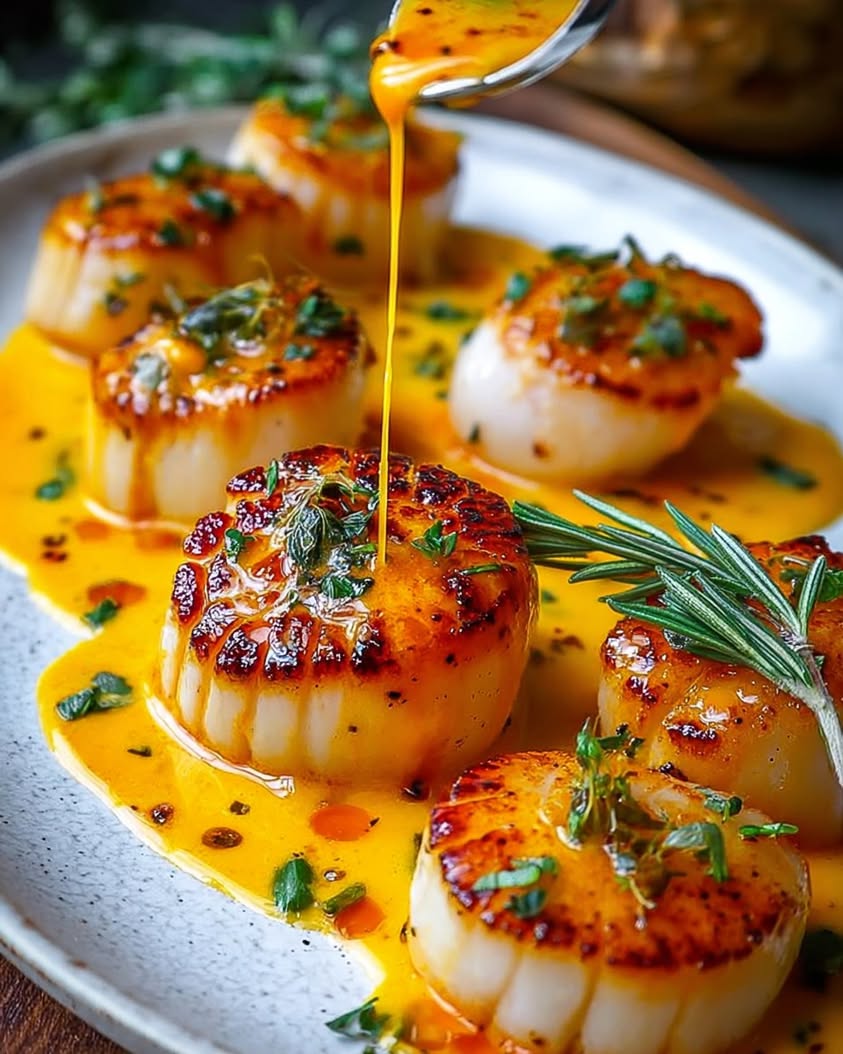
Picture this: a plate of perfectly seared scallops resting in a pool of velvety, golden-hued saffron cream sauce. Each bite delivers a burst of oceanic sweetness balanced by the warm, floral notes of saffron. This is not just a meal. It is an experience. And you can create it in your own kitchen without years of culinary training. The secret lies in understanding your ingredients and respecting the cooking process. When you indulge in Scallops Luxe with a Decadent Saffron Cream Sauce, you are treating yourself to a dish that feels both luxurious and utterly comforting.
The magic of this recipe begins with the scallops themselves. These tender morsels of seafood are naturally sweet and delicate. But they can turn rubbery in seconds if you cook them carelessly. That is why we focus on technique as much as flavor. The saffron cream sauce complements the scallops beautifully. It adds a layer of complexity without overwhelming the star ingredient. As you cook, the kitchen fills with an intoxicating aroma of butter, shallots, and saffron. It feels like a special occasion. And the best part is that you can serve this dish on a quiet Tuesday night or at a festive dinner party. It works for any scenario.
We designed this recipe for home cooks who want restaurant-quality results. Every step is deliberate. Every element has a purpose. From the initial patting dry of the scallops to the final swirl of cream, we guide you with clear instructions. You will learn why a hot pan matters. You will discover how saffron transforms a simple cream sauce into something extraordinary. By the end of this article, you will feel confident enough to make this dish again and again. So grab your apron. Let us dive into the world of fine dining at home.
Quick Recipe Highlights
- Flavor Profile: The scallops provide a naturally sweet and briny base. Saffron adds a subtle, earthy floral note. The cream sauce rounds everything out with richness and a hint of shallot and garlic. You get a balanced, sophisticated taste that lingers pleasantly after each bite.
- Texture: The scallops develop a golden-brown crust on the outside while remaining tender and juicy inside. The sauce is silky smooth with just enough body to coat the back of a spoon. Together, they create a luxurious mouthfeel that feels indulgent without being heavy.
- Aroma: The moment you bloom the saffron in warm liquid, a sweet, honey-like fragrance fills the air. Shallots and garlic sizzle in butter to add a savory base note. The final aroma is warm, inviting, and unmistakably elegant.
- Visual Appeal: Picture pristine white scallops with a caramelized crust sitting in a pool of sunny yellow sauce. A sprinkle of fresh chives or parsley adds a pop of green. This dish is a feast for the eyes before you even take a bite.
- Skill Level Needed: You do not need to be a professional chef to succeed here. But you should have some basic experience with pan-searing and sauce-making. The techniques are straightforward. However, timing and attention to detail matter. A moderate skill level ensures consistent results.
- Special Equipment: A heavy-bottomed skillet works best for searing scallops. A non-stick pan also works. You will need a small saucepan for the sauce. A microplane or fine grater helps with fresh garlic. A timer is your best friend for precise cooking.
Recipe Overview
- Difficulty Level: We classify this recipe as moderate. You need to coordinate two components: searing scallops and preparing the saffron cream sauce simultaneously. The sauce requires careful temperature control to prevent curdling. The scallops demand precise timing to achieve that perfect sear without overcooking. With practice, these steps become second nature. But first-timers should read the entire recipe before beginning.
- Category: This recipe fits into the main course category for seafood lovers. It works beautifully as a dinner party centerpiece or a special weeknight meal. Pair it with a simple side dish to round out the menu. The elegance of the dish makes it suitable for celebrations, anniversaries, or holiday gatherings.
- Cuisine: The culinary influences here draw from French and Italian traditions. French cuisine champions the art of cream sauces and delicate seafood preparations. Italian cooking celebrates the purity of simple, high-quality ingredients. The combination of scallops and saffron cream sauce is a nod to both traditions. It feels classic yet modern at the same time.
- Cost: Sea scallops can be pricey, especially if you buy dry-packed, sustainable varieties. Saffron is one of the most expensive spices in the world. However, a little goes a long way. This recipe uses a small pinch, which costs only a few dollars per serving. Overall, the cost per serving is comparable to a mid-range restaurant meal. And you control the quality of every ingredient.
- Season: Fresh scallops are available year-round. But winter and early spring are excellent times to serve this dish. The richness of the cream sauce provides comfort during colder months. Saffron also adds a sunny brightness that feels uplifting in dreary weather. You can certainly enjoy this dish any time of year. But it shines brightest in fall and winter.
- Occasion: This recipe is perfect for date nights, anniversary dinners, or birthday celebrations. It also works for holiday meals when you want something special but not overly complicated. If you want to impress dinner guests without spending hours in the kitchen, this is your dish. It feels celebratory and indulgent.
Why You Will Love This Recipe
The taste and texture of this dish are simply sublime. When you bite into a well-seared scallop, the exterior offers a satisfying crispness. Inside, the flesh is sweet, tender, and almost buttery. The saffron cream sauce envelops each scallop with its velvety richness. The saffron flavor is subtle but unmistakable. It adds a layer of warmth and luxury that elevates the entire experience. You will find yourself savoring every bite. And you will probably want more.
Convenience is a major advantage here. The total cooking time is only 35 minutes from start to finish. The prep work is minimal: pat dry the scallops, mince shallots and garlic, and measure out your cream and stock. The active cooking time is less than ten minutes. This dish comes together quickly once you start. That makes it ideal for busy weeknights when you still want a gourmet meal. You do not need to spend hours slaving over a hot stove. With a little planning, you can have a restaurant-quality dinner on the table in no time.
Nutritionally, this dish offers some surprising benefits. Scallops are an excellent source of lean protein. They are low in fat but rich in essential minerals like selenium, zinc, and vitamin B12. Saffron is known for its antioxidant and mood-enhancing properties. The cream sauce adds some richness, but you control the amount. You can also lighten it by using half-and-half or a splash of milk. When paired with a side of vegetables or a light salad, this meal feels both indulgent and balanced.
Social and entertaining value is incredibly high with this recipe. Think about the impression you will make when you serve Scallops Luxe with a Decadent Saffron Cream Sauce to your guests. They will think you spent hours in the kitchen. You can prepare the sauce in advance and reheat it gently. The scallops take only minutes to cook, so you can serve them fresh and hot. This allows you to spend more time with your guests and less time fussing over the stove. It is the perfect dish for showing off your culinary skills without the stress.
Cost-effectiveness and accessibility are often underestimated. While scallops and saffron are premium ingredients, you are not ruining your budget. For the price of a single entree at a nice restaurant, you can feed four people at home. The ingredients are available at most grocery stores. You do not need any exotic or hard-to-find items. This recipe proves that luxury cooking can be accessible to everyone. You get to enjoy a high-end dining experience from the comfort of your own home.
Historical Background and Cultural Significance
The origin of this dish lies in the culinary traditions of the Mediterranean. Both scallops and saffron have been treasured ingredients for centuries. Saffron comes from the Crocus sativus flower and has been cultivated since ancient times. It was used in cooking, medicine, and even as a dye. The Phoenicians and Romans valued it highly. Trade routes spread saffron across Europe and Asia. Its golden color and unique flavor made it a staple in royal and religious kitchens. Combining saffron with cream and seafood is a natural evolution of this history.
Culturally, scallops hold a special place in many cuisines. In the scallop harvest festivals of coastal communities in France and Italy, fresh scallops are a cause for celebration. The French adore Coquilles Saint-Jacques, which features scallops in a creamy sauce often gratineed with cheese. The Italians prepare scallops simply with lemon, butter, and herbs. The marriage of scallops with saffron cream sauce is a bridge between these traditions. It represents a harmonious blend of French saucier mastery and Italian ingredient reverence.
The evolution of this recipe reflects changes in home cooking. In the mid-20th century, cream-based seafood dishes became popular in American restaurants. Chefs experimented with different flavor combinations. Saffron emerged as a luxurious alternative to simpler white sauces. Home cooks began purchasing saffron in small amounts for special occasions. The internet further democratized these recipes. Now, anyone can search for scallops saffron cream sauce and find multiple versions. This particular recipe distills the best elements into a foolproof method for home cooks.
Regional variations exist around the world. In Spain, you might find scallops served with a saffron-infused rice, similar to paella. In India, seafood cream sauces are less common, but saffron is used in rich curries and biryanis. Some modern chefs add a splash of Pernod or pastis for an anise note. Others incorporate orange zest for brightness. The beauty of this recipe is its flexibility. You can adapt it to your local ingredients and your personal taste preferences while maintaining the core identity of the dish.
Ingredient Deep Dive
Scallops are the star of this dish. Their cultural significance stretches back to ancient Rome, where they were considered a delicacy. The scallop shell is also a symbol of pilgrimage in Christianity. Nutritionally, scallops are packed with protein, selenium, and B vitamins. They are low in mercury compared to many other seafood options. When selecting scallops, look for fresh, dry-packed varieties. Wet-packed scallops have been treated with a solution that makes them hold water. This extra moisture prevents a good sear. Dry scallops are naturally sticky and will brown beautifully. Store fresh scallops in the coldest part of your refrigerator and use them within two days. You can substitute large shrimp or jumbo lump crab if scallops are unavailable.
Saffron is the soul of the sauce. It has a storied history dating back over 3,000 years. Cleopatra used saffron in her baths for its aromatic and skin-benefiting properties. Nutritionally, saffron contains crocin and safranal, compounds linked to improved mood and antioxidant effects. When buying saffron, choose threads over powder. Quality saffron has a deep red color with orange tips. Store it in an airtight container away from light. To get the most flavor, bloom the threads in warm liquid before adding them to the sauce. A good substitute for saffron is turmeric combined with a pinch of smoked paprika. But the flavor will be different.
Heavy Cream provides the luscious base for the sauce. Culturally, cream sauces are a hallmark of French cuisine. The nutritional profile is high in fat and calories, but it also supplies vitamin A and calcium. For the best results, use heavy cream with at least 36 percent milk fat. It will not curdle as easily when heated. You can substitute half-and-half for a lighter version. But the sauce will be thinner. For a dairy-free option, full-fat coconut cream works surprisingly well. It adds a subtle sweetness that complements the saffron.
Shallots and Garlic form the aromatic foundation. Shallots have a milder, sweeter flavor than onions. They have been cultivated in Europe and Asia for centuries. Nutritionally, they provide fiber, vitamin C, and potassium. Choose shallots that are firm and free from sprouts. Store them in a cool, dark place. If you do not have shallots, use a small sweet onion or leek as a substitute. Fresh garlic is non-negotiable for the best flavor. Mince it finely so it melts into the sauce without becoming overpowering.
Dry White Wine deglazes the pan and adds acidity to balance the richness. A crisp Sauvignon Blanc or Pinot Grigio works well. The alcohol cooks off, leaving behind bright, fruity notes. Choose a wine you would enjoy drinking. Avoid cooking wines, as they contain added salt and preservatives. You can substitute dry vermouth or even a splash of white wine vinegar diluted with water.
Common Mistakes to Avoid
- Overcooking the scallops is the number one mistake. They cook in about two minutes per side. Any longer, and they become rubbery. Use a timer and pull them off the heat as soon as they are golden brown and just firm.
- Using wet-packed scallops will ruin your sear. They release water in the pan and steam instead of brown. Always buy dry-packed scallops and pat them thoroughly with paper towels before cooking.
- Adding salt too early to the scallops draws out moisture. Salt them just before they hit the pan. This ensures a dry surface for a beautiful crust.
- Burning the butter is a common issue. Use clarified butter or a mix of butter and oil. The oil raises the smoke point and prevents the butter from scorching.
- Curdling the cream sauce happens when the heat is too high. Keep the heat at a low simmer. Never boil the sauce after adding cream. Stir constantly for a smooth texture.
- Skimping on the saffron will leave you with a bland sauce. Use a generous pinch. Bloom it in warm stock or wine to extract the full flavor and color.
- Not tasting the sauce for seasoning can ruin the final dish. Saffron is delicate. Taste and adjust salt and pepper before serving. A squeeze of lemon juice can brighten everything.
- Crowding the pan causes scallops to steam. Sear them in batches if needed. Give each scallop room to develop that golden crust.
Essential Techniques
Patting Scallops Dry is the first critical step. Scallops naturally contain moisture. If you do not dry them thoroughly, that moisture will turn to steam in the hot pan. Steam prevents browning. Use paper towels to press firmly on both sides. Let them sit on a dry towel for a few minutes. This step alone can make the difference between a pale, rubbery scallop and a beautifully caramelized one. You will see the scallops look almost tacky to the touch when they are ready.
Preheating the Pan is non-negotiable. A hot pan creates instant sear. Use a heavy-bottomed stainless steel or cast iron skillet. Heat it over medium-high heat for at least two minutes. Test the heat by adding a drop of water. If it sizzles and evaporates immediately, the pan is ready. Add the oil or butter and swirl to coat. The scallops should sizzle loudly when they hit the pan. If they do not sizzle, take them out and wait for the pan to get hotter.
Deglazing the Pan builds the foundation of your sauce. After removing the scallops, you will see browned bits stuck to the pan. Those bits are pure flavor. Pour in the white wine and scrape with a wooden spoon. The alcohol lifts the solids off the bottom. This process creates a rich, savory base for the cream sauce. Do not skip this step. It adds depth that you simply cannot achieve otherwise.
Blooming Saffron ensures you get the most out of this expensive spice. Saffron threads need time to release their color and flavor. Crush the threads slightly between your fingers. Then add them to a small bowl with two tablespoons of warm chicken stock or white wine. Let them steep for five to ten minutes. You will see the liquid turn a deep golden yellow. Add both the liquid and the threads to your sauce for maximum impact.
Pro Tips for Perfect Scallops Luxe in Saffron Cream Sauce
Use a fish spatula to flip your scallops. It is thin and flexible, which helps you get under the scallop without breaking the crust. Flip them gently to avoid splashing hot oil. Always cook scallops in butter for the best flavor. But add a bit of olive oil to prevent the butter from burning. The combination gives you the best of both worlds. Let the scallops rest for a minute after cooking. This allows the juices to redistribute, keeping them moist. Do not stir the scallops in the pan. Let them sit undisturbed for a full minute before you check for doneness. You will be rewarded with a perfect golden crust.
Variations and Adaptations
Regional Variations can transform this dish completely. In the French style, add a splash of cognac or brandy to the sauce for extra depth. In the Italian style, finish the dish with a drizzle of good extra virgin olive oil and a handful of fresh parsley. Some chefs add a pinch of cayenne pepper for heat. Others incorporate sun-dried tomatoes for a sweet and tangy contrast. You can experiment with different herbs like tarragon or dill. The base recipe is flexible enough to handle these changes.
Seasonal Adaptations allow you to use what is fresh. In spring, add fresh peas and a touch of mint to the sauce. In summer, use roasted cherry tomatoes and basil. Fall and winter call for mushrooms or caramelized leeks. You can also vary the side dish. Serve the scallops over creamy polenta, risotto, or a bed of spinach. The seasonal produce you choose will brighten the dish and keep it exciting throughout the year.
Dietary Modifications are straightforward for many diets. For a low-carb version, skip the starch and serve the scallops over sautéed zucchini noodles or roasted asparagus. For dairy-free, use full-fat coconut cream and vegan butter. The saffron flavor still shines through. For paleo, replace the cream with full-fat coconut milk and use ghee instead of butter. The dish remains rich and satisfying.
Flavor Variations are fun to explore. Add a teaspoon of Dijon mustard to the sauce for tanginess. Try a splash of sherry vinegar or lemon juice for acidity. Smoked paprika adds a subtle smokiness that complements the scallops. You can also incorporate a small amount of truffle oil at the end for an ultra-luxurious finish. Just a few drops go a long way.
Texture Modifications can change the mouthfeel. For a thicker sauce, let it simmer a bit longer to reduce. For a thinner sauce, add a splash of chicken stock. You can also puree the sauce with an immersion blender for an ultra-smooth texture. If you want a bit of crunch, sprinkle toasted pine nuts or crispy prosciutto bits over the top. This adds contrast to the tender scallops and creamy sauce.
Presentation Alternatives can make the dish look even more impressive. Serve the scallops in individual shallow bowls with the sauce poured around them. Garnish with fresh microgreens or edible flowers. You can also serve the scallops on a bed of wilted spinach or arugula. The greens add color and a peppery bite that balances the richness. For a dramatic presentation, use a squeeze bottle to drizzle the sauce in a circular pattern on the plate.
Serving and Presentation Guide
Plating Techniques matter for visual impact. Use a large, shallow bowl or a white plate to make the golden sauce pop. Place the scallops in a circle or a row. Spoon the sauce carefully around them, not on top. This keeps the scallops crisp. Use a paper towel to wipe any drips from the edge of the plate. Clean plates look more professional.
Garnishing Ideas add the final touch. Fresh chives, cut into thin rings, provide a delicate onion flavor. Chopped parsley adds freshness. A few saffron threads placed on top of the sauce signal the key ingredient. You can also add a tiny pinch of flaky sea salt like Maldon for a finishing crunch. The salt should be applied just before serving.
Traditional accompaniments include crusty bread for sopping up the sauce. A simple side of steamed asparagus or green beans works wonderfully. Buttered noodles or risotto are also classic choices. The key is to keep the sides simple so the scallops remain the focus. Avoid strongly flavored vegetables that might compete with the saffron.
Modern serving suggestions are lighter and more creative. Serve the scallops over a bed of arugula tossed with lemon vinaigrette. The peppery greens cut through the richness. You can also use a ring mold to create a neat pile of rice or quinoa. Spoon the scallops and sauce around it for a deconstructed look. The modern approach emphasizes clean lines and minimalism.
Temperature considerations are critical. The scallops should be served immediately after cooking. The sauce should be hot but not boiling. Warm the plates in a low oven before serving to keep everything hot. Cold plates will cool down the sauce quickly. No one wants lukewarm scallops in a cream sauce.
Portion control tips help with planning. A standard serving is three to four large scallops per person. Adjust based on the size of your scallops and the appetites of your guests. If you are serving a heavy side dish, three scallops might be enough. If the scallops are the main event, go with four. The sauce recipe yields enough for generous coverage.
Wine and Beverage Pairing
Wine Pairings for this dish should be crisp and aromatic. A dry white wine like Chardonnay works wonderfully. Look for unoaked or lightly oaked versions. The cream sauce loves the acidity of a Sauvignon Blanc or a white Bordeaux. For a more adventurous choice, try a dry Riesling or a Gruner Veltliner. These wines have enough character to stand up to the saffron without overpowering the delicate scallops. A dry rosé also works well, especially in warmer months.
Non-alcoholic alternatives offer great options for everyone. A sparkling water with a squeeze of lemon is refreshing. You can also try a floral iced tea like jasmine or chamomile. The floral notes mirror the saffron. For a richer experience, drink a creamy mushroom broth or a light vegetable consommé. These savory beverages complement the dish without alcohol.
Coffee or tea pairings are not traditional, but they can work. A light oolong tea has a floral quality that matches the saffron. Green tea with jasmine adds a similar aromatic lift. If you prefer coffee, choose a smooth, low-acidity blend. Avoid bitter or dark roasts as they clash with the delicate flavors. Serve the tea or coffee after the meal to extend the experience.
Temperature considerations matter for beverages. Serve white wines well-chilled at around 45 to 50 degrees Fahrenheit. Sparkling water should be ice-cold. Tea can be served hot or iced depending on the season. The key is to avoid any beverage that is too cold or too warm, as it can overwhelm the palate.
Serving suggestions include using stemware that allows the aromas to develop. A standard white wine glass is fine. For non-alcoholic drinks, use a tall glass with ice. Garnish with a lemon wheel or a sprig of mint. The visual presentation of your beverage should complement the elegance of the dish.
Storage and Shelf Life
Storage methods for leftover scallops and sauce require careful handling. The scallops are best eaten fresh. If you have leftovers, separate the scallops from the sauce. Store each in separate airtight containers. The scallops will lose their texture quickly. They are best reheated gently. The sauce can be stored in the refrigerator for up to three days. The flavors will meld and deepen over time.
Temperature requirements are critical for food safety. Refrigerate any leftovers within two hours of cooking. The sauce should be cooled to room temperature before storing. Do not leave it out overnight. If you need to keep it longer, freezing is an option but with caveats. Cream-based sauces can separate during freezing and thawing. The texture might become grainy.
Container recommendations include glass or BPA-free plastic containers. Use containers with tight-fitting lids to prevent the sauce from absorbing other odors in the fridge. For storing scallops, wrap them in plastic wrap first, then place them in a container. This minimizes air exposure and helps them stay moist.
Signs of spoilage are easy to spot. If the sauce develops an off smell or a sour taste, discard it. The scallops should not have a strong fishy odor. They should look and smell fresh. If the scallops become slimy or discolored, do not eat them. Always trust your senses. When in doubt, throw it out.
Reheating instructions for the sauce are simple. Place the sauce in a small saucepan over low heat. Stir gently until it is heated through. Do not boil. If the sauce looks too thick, add a splash of milk or stock to thin it. For scallops, reheat them in a non-stick skillet over medium-low heat. Add a little butter to keep them moist. Heat them just until warm. Overheating will make them rubbery.
Freezing guidelines are straightforward but not ideal. You can freeze the sauce for up to one month. Thaw it in the refrigerator overnight. Reheat gently and stir well to re-emulsify. The texture might be slightly different, but the flavor will be good. Freezing scallops is not recommended. Their texture degrades significantly upon thawing. It is better to make only what you will eat.
Make Ahead Strategies
Prep timeline for this dish is simple. You can prep the ingredients up to one day in advance. Pat the scallops dry and store them in a single layer on a paper towel-lined plate. Cover them with plastic wrap and refrigerate. Mince the shallots and garlic and store them together in a small container. Measure out the cream, stock, and wine. Having everything ready makes the final cooking process stress-free.
Storage between steps is necessary if you prepare the sauce ahead of time. You can make the saffron cream sauce up to two days before serving. Let it cool completely, then store it in an airtight container in the refrigerator. The flavors will actually improve as they meld. When you are ready to serve, gently reheat the sauce over low heat. The scallops should be cooked fresh just before serving.
Quality impact assessment shows that making the sauce ahead is a great option. The texture remains smooth if you reheat it carefully. The scallops, however, are best fresh. They only take a few minutes to cook. So it is easy to serve them hot and perfectly cooked. The trade-off is minimal. You save time by prepping the sauce, and you still get fresh scallops.
Assembly tips focus on efficiency. Have all your ingredients measured and within reach before you start cooking. This technique is called mise en place. It ensures that you do not have to scramble for an ingredient while your scallops are sizzling. Preheat your serving plates in a low oven. Have your garnishes ready. The actual cooking process takes less than ten minutes. So a little preparation goes a long way.
Reheating guidelines for the sauce are consistent. Reheat the sauce in a small saucepan over low heat. Stir frequently. If it seems too thick, add a splash of cream or stock. Do not microwave the sauce, as it can heat unevenly and cause curdling. The scallops should be cooked fresh. If you absolutely must reheat leftovers, use the stovetop method described earlier.
Fresh element additions can revive a reheated dish. Add a squeeze of lemon juice just before serving to brighten the flavors. Top with fresh herbs like chives or parsley. A small drizzle of good olive oil can add a fresh, fruity note. These fresh elements make the dish taste as though it was just made.
Scaling Instructions
Halving the recipe is simple. Use half the scallops, half the cream, and half the saffron. The cooking time for the scallops remains the same. The sauce will reduce a bit faster, so watch it closely. Use a smaller pan for the sauce to ensure even cooking. The proportion of shallot and garlic should remain the same, but you can adjust to taste.
Doubling or tripling the recipe is possible, but you need to adjust your equipment. Use a larger skillet for the scallops. Cook them in batches to avoid crowding. The sauce can be increased proportionally. Use a larger saucepan. The cooking time for the sauce might increase slightly as you reduce it. Be careful not to overcook the scallops while you are cooking in batches.
Equipment adjustments are necessary when scaling up. A 12-inch skillet can handle about one pound of scallops in a single layer. For two pounds, use two skillets or cook in batches. The sauce can be made in a pot. Use a whisk to ensure even mixing. For large quantities, a double boiler might help prevent the cream from scorching.
Timing modifications require planning. If you are cooking scallops in batches, keep the first batch warm in a low oven. The sauce can be kept warm over very low heat. Stir it occasionally. The total time will be longer because of the batch cooking. But the actual cooking time per batch remains two minutes per side.
Storage considerations are important for large batches. Leftover sauce freezes well. Leftover scallops are less ideal. If you plan to scale up for a party, consider making extra sauce and cooking the scallops fresh in batches. This gives you the best quality. You can also keep the finished scallops warm in a low oven for a short period, but they will lose some crispness.
Nutritional Deep Dive
Macro breakdown for a serving of Scallops Luxe with a Decadent Saffron Cream Sauce is based on four scallops and about a quarter of the sauce. Each serving contains approximately 350 to 400 calories. Protein contributes about 25 grams from the scallops. Fat contributes around 25 grams from the cream and butter. Carbohydrates are minimal, around 8 to 10 grams, mostly from the cream and wine. The dish is low in sugar and fiber.
Micronutrient analysis shows impressive numbers. Scallops are rich in vitamin B12, providing over 100 percent of the daily value per serving. They also provide significant amounts of selenium, zinc, and phosphorus. Potassium is present in moderate amounts. Saffron contains small amounts of manganese and iron. The cream adds calcium and vitamin A. Overall, this dish is nutrient-dense for its calorie count.
Health benefits come primarily from the scallops. They support thyroid function, immune health, and red blood cell production. The protein content aids in muscle repair and satiety. Saffron has been studied for its potential to improve mood and reduce symptoms of mild depression. The antioxidants in saffron also help fight oxidative stress. When eaten as part of a balanced diet, this dish can be a healthy treat.
Dietary considerations include the high fat content from the cream. This dish is not suitable for a low-fat diet. However, it is naturally low in carbohydrates and fits well into a low-carb or keto lifestyle. It is not suitable for a vegan or dairy-free diet without modifications. It contains shellfish, so it is off-limits for those with shellfish allergies. Always check with your guests about allergies before serving.
Portion analysis suggests that a serving of three to four scallops is appropriate for most adults. The sauce adds extra calories, so if you are watching your intake, use less sauce or pair the dish with a large vegetable side. A portion of the dish can be a standalone main course for a lighter meal or paired with starch for a heartier dinner.
Weight management tips involve controlling the sauce amount. Scallops themselves are low in calories and high in protein. The cream sauce is where the calories add up. Use a lighter cream or half-and-half to reduce fat. Serve the dish with a large side of roasted or steamed vegetables. This adds volume and fiber, helping you feel full with fewer calories overall.
Dietary Adaptations
Gluten-free adaptation is simple. This recipe contains no wheat or gluten naturally. The only potential source might be the white wine if it is flavored with gluten-containing additives. Most dry white wines are gluten-free. Check the label if you are highly sensitive Print
Scallops Luxe in Saffron Cream Sauce
- Total Time: 30 minutes
- Yield: 4
Description
Indulge in succulent sea scallops pan-seared to perfection and nestled in a velvety saffron-infused cream sauce. This elegant dish is perfect for a romantic dinner or special occasion, combining rich flavors with a touch of luxury.
Ingredients
- 1 lb large sea scallops, side muscle removed
- 1/2 teaspoon salt
- 1/4 teaspoon black pepper
- 2 tablespoons unsalted butter
- 1 tablespoon olive oil
- 1 shallot, finely minced
- 1/4 cup dry white wine
- 1/2 cup heavy cream
- 1/4 teaspoon saffron threads
- 1 tablespoon fresh lemon juice
- 1 tablespoon fresh chives, chopped (for garnish)
Instructions
- Pat scallops dry with paper towels and season lightly with salt and pepper.
- In a small bowl, steep saffron threads in 2 tablespoons hot water for 5 minutes.
- Heat a large skillet over medium-high heat. Add butter and olive oil.
- Once butter is foaming, add scallops in a single layer. Sear until golden brown, about 2 minutes per side. Transfer to a plate.
- Reduce heat to medium. Add shallot to skillet and cook 1 minute until softened.
- Pour in white wine, scraping up browned bits. Let reduce by half, about 1 minute.
- Add heavy cream and saffron mixture (including liquid). Stir and simmer until slightly thickened, about 2 minutes.
- Stir in lemon juice. Return scallops to skillet, spoon sauce over them, and heat through for 1 minute.
- Serve immediately, garnished with fresh chives.
Notes
You can customize the seasonings to taste. For best results, use dry-packed scallops and pat them very dry before searing to achieve a golden crust.
- Prep Time: 15 minutes
- Cook Time: 15 minutes
- Method: Main
- Cuisine: American