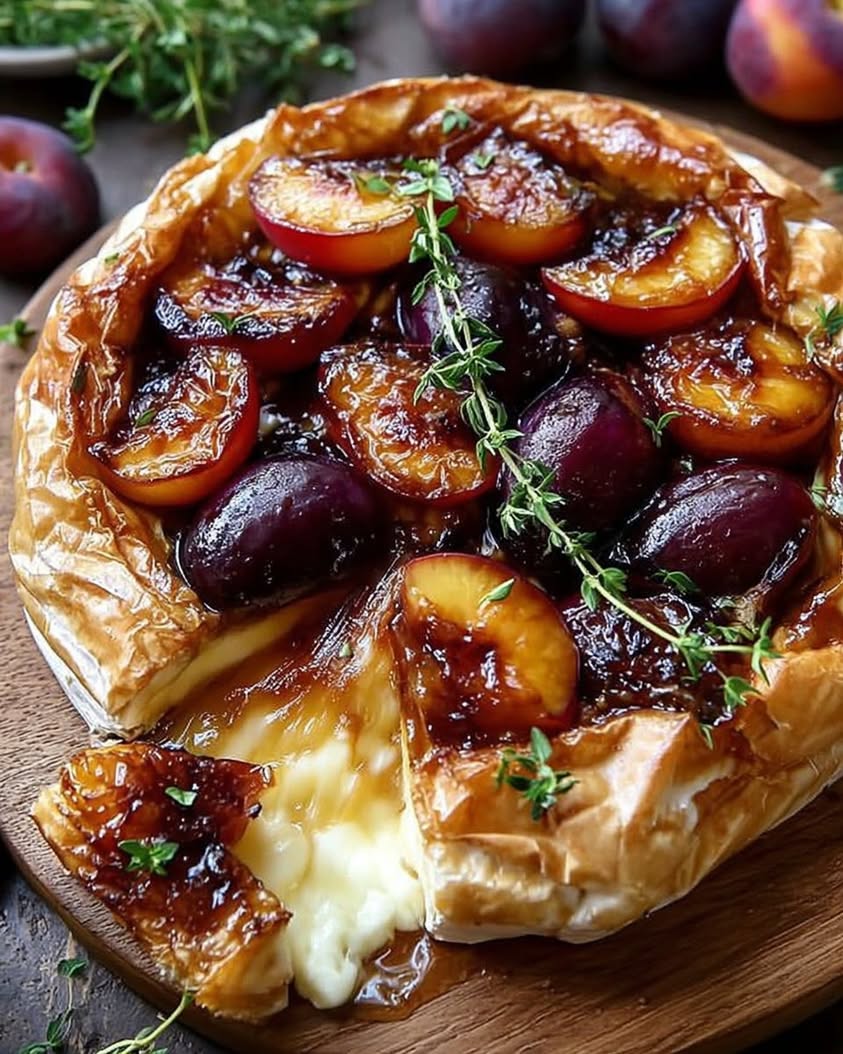
Baked Brie with Roasted Plums and Thyme: The Ultimate Sweet-Savory Appetizer
There is something undeniably magical about pulling a warm, gooey wheel of Baked Brie with Roasted Plums and Thyme out of the oven. The rich, buttery cheese practically melts into a pool of creamy decadence, and the roasted plums burst with a sweet-tart intensity that cuts through the richness perfectly. Fresh thyme adds an earthy, aromatic finish that ties everything together beautifully. This dish is not just an appetizer, it is an experience that invites you to slow down, scoop, and savor every single bite.
You do not need to be a professional chef to pull off this stunning starter. In fact, the Baked Brie with Roasted Plums and Thyme recipe relies on simple ingredients and straightforward techniques. The result is a crowd-pleasing centerpiece that looks far more complex than it actually is. Whether you are hosting a holiday gathering, a cozy dinner party, or a casual get-together with friends, this dish delivers every single time.
What makes this recipe truly special is the balance of flavors. The plums, when roasted, become jammy and concentrated, with a honeyed sweetness that pairs beautifully with the creamy, mild brie. The thyme provides a subtle woodsy note that grounds the dish and prevents it from becoming overly sweet. When you spread this combination onto a crisp crostini, you get a texture and flavor profile that is simply unforgettable. It is the kind of appetizer that disappears before you even sit down.
Quick Recipe Highlights
- Flavor Profile: The flavor is a study in contrasts. You get the mild, creamy, and slightly nutty taste of baked brie, the bright, sweet, and tangy burst of roasted plums, and the earthy, peppery finish of fresh thyme. Together they create a balanced sweet-savory appetizer that appeals to a wide range of palates.
- Texture: This dish is all about textural delight. The brie becomes molten and luscious, almost like a fondue. The plums soften during roasting but still hold a slight bite, offering a pleasant chewy contrast. Finally, the toasted crostini provide a satisfying crunch that completes the experience.
- Aroma: The aroma that fills your kitchen while this bakes is truly intoxicating. You will smell the warm, buttery notes of the melting cheese mingling with the sweet, fruity perfume of roasted plums. The fresh thyme releases its herbaceous, piney fragrance, adding a layer of complexity that is both comforting and sophisticated.
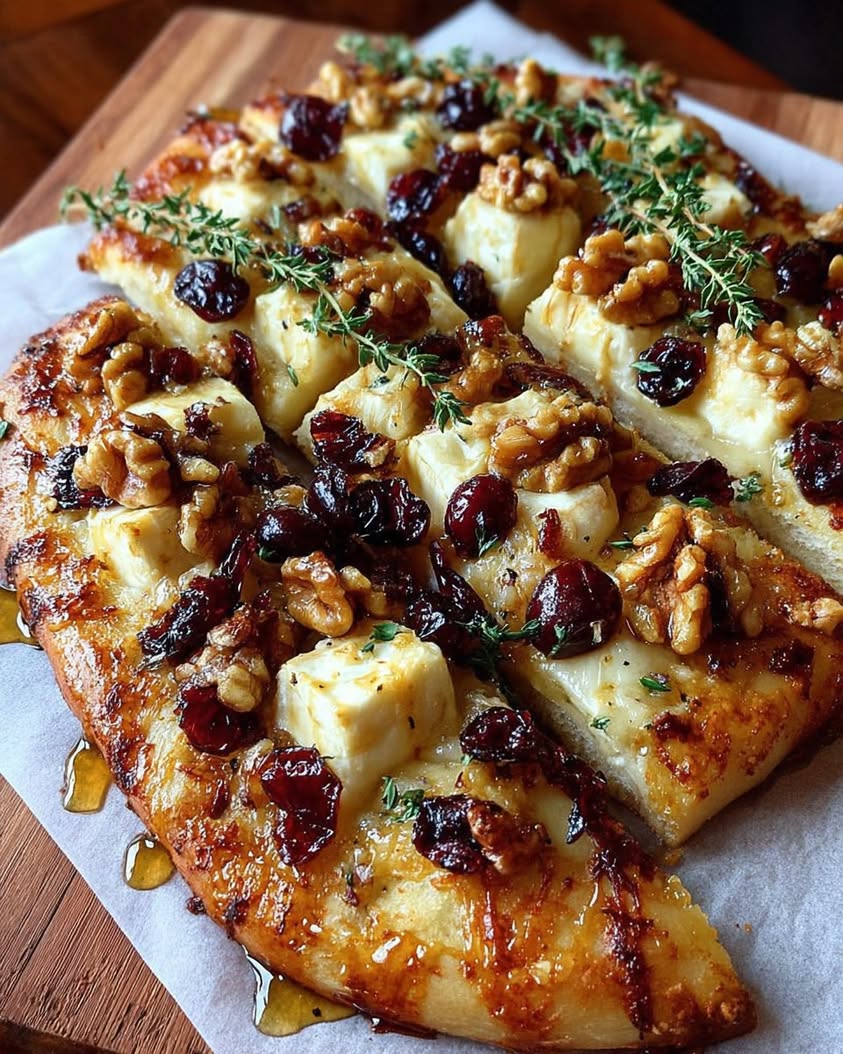
- Visual Appeal: Presentation is key, and this dish delivers. The golden-brown wheel of brie sits in the center, surrounded by glossy, ruby-red plums and sprigs of vibrant green thyme. The melted cheese may spill slightly over the edges, which only adds to its rustic, inviting charm. It is a showstopper that looks as good as it tastes.
- Skill Level Needed: This is an ideal recipe for beginners and experienced cooks alike. You do not need any advanced techniques. The most difficult part is slicing the plums and placing everything in the oven. The Baked Brie with Roasted Plums and Thyme recipe is straightforward and nearly foolproof.
- Special Equipment: No fancy tools are required. You will need a small baking dish or a cast-iron skillet, a sharp knife for slicing the plums, and a baking sheet for the crostini. A serving platter is also helpful for a beautiful presentation.
Recipe Overview
- Difficulty Level: I classify this recipe as easy because it requires minimal active time. The oven does most of the work for you. You simply assemble the ingredients, bake, and serve. There is no complicated dough to roll out and no temperamental sauces to monitor. It is a forgiving dish that allows you to relax and enjoy your guests.
- Category: This dish fits perfectly as an appetizer or a starter. It is also wonderful for a cheese course or a light lunch when served with a side salad. Many people also serve it as a party snack during game days or holiday cocktail hours.
- Cuisine: This recipe draws inspiration from French and American culinary traditions. Baked brie is a classic French technique, but the addition of roasted plums and thyme is a modern, American twist. This fusion creates a dish that feels both rustic and refined, perfect for contemporary entertaining.
- Cost: This recipe is budget-friendly for its impressive outcome. A wheel of brie can be found for around five to eight dollars, and plums are generally affordable when in season. Fresh thyme is inexpensive, and you probably already have olive oil, salt, and pepper at home. The total cost is typically under fifteen dollars.
- Season: The best time to make this is during late summer and early fall when plums are at their peak. The fruit is juicier, sweeter, and more flavorful during these months. However, you can make it year-round with supermarket plums or even substitute with other stone fruits like peaches or apricots.
- Occasion: This appetizer is perfect for many occasions. It works beautifully for Thanksgiving, Christmas, and New Year’s Eve parties. It is also a hit at bridal showers, birthday celebrations, and even romantic dinners for two. Its versatility makes it a go-to recipe for any special gathering.
Why You Will Love This Recipe
The Baked Brie with Roasted Plums and Thyme recipe delivers an incredible taste experience. First, you get the warm, creamy texture of the melted cheese. Then, the sweet and slightly tart plums provide a pop of bright flavor. Finally, the earthy thyme grounds everything perfectly. It is a complex and layered flavor profile that surprises and delights. As a result, you will find yourself going back for just one more scoop again and again.
Furthermore, this recipe is incredibly convenient. You only need a handful of ingredients and about thirty-five minutes from start to finish. The active prep time is roughly ten minutes, which means you can spend more time with your guests and less time in the kitchen. Additionally, you can prep the plums and slice the baguette ahead of time. Then, you simply pop everything in the oven right before serving. This makes it an ideal choice for busy hosts who want to impress without the stress.
Another reason to love this dish is its surprising nutritional value. Brie is rich in calcium and protein, which helps build strong bones and muscles. Moreover, plums are packed with antioxidants, vitamins, and fiber. Thyme also offers antibacterial properties and is a good source of vitamin C. When you enjoy this appetizer, you are getting some health benefits along with the indulgence. You can feel a little better about that second serving.
The social and entertaining value of this dish is also significant. It is inherently a sharing food. People gather around the warm cheese, dipping and scooping together. There is a communal joy in pulling a piece of crusty bread through that molten center. It encourages conversation, laughter, and connection. Therefore, it is a wonderful way to break the ice at any party and get people interacting.
Finally, the recipe is both cost-effective and accessible. The ingredients are widely available at any grocery store. You do not need any exotic or expensive items. This means you can create a luxury appetizer experience without a luxury price tag. You can make it for a casual weeknight treat or scale it up for a large holiday gathering. Its affordability and accessibility make it a staple recipe for any home cook.
Historical Background and Cultural Significance
Brie cheese has a long and storied history dating back over a thousand years. It originated in the Île-de-France region of France, specifically in the province of Brie. This soft cow’s milk cheese was once known as the “cheese of kings” because it was favored by French royalty. For centuries, it has been a symbol of French gastronomy and a staple of cheese boards around the world. Baking it, however, is a more modern innovation that gained popularity in the United States during the 1970s and 1980s.
The cultural importance of baked brie lies in its ability to elevate simple ingredients into something elegant. In American cuisine, it became a hallmark of dinner parties and holiday gatherings. The act of baking the cheese transforms its texture from firm and waxy to soft and dippable. This makes it more approachable and interactive for guests. It represents a shift toward comfort and conviviality in entertaining, where shared dishes take center stage.
The evolution of this recipe has been driven by seasonal and regional influences. Early versions of baked brie were often topped with simple jam or honey. However, as American palates grew more adventurous, cooks began experimenting with savory and herbaceous toppings. The combination of roasted plums and thyme is a prime example of this evolution. It takes advantage of stone fruit seasonality and brings a fresh, sophisticated twist to the classic dish.
Regional variations of baked brie appear across the globe. In France, you might find it baked with truffle oil or wrapped in puff pastry. In the southern United States, cooks sometimes add pecans and bourbon. In the Pacific Northwest, it is common to see it paired with local berries and lavender. The Baked Brie with Roasted Plums and Thyme recipe fits into this tradition of adaptation. It highlights local, seasonal produce and allows you to customize the dish to your own region and taste preferences.
Ingredient Deep Dive
Brie cheese is the star of this dish, and understanding it helps you choose the best wheel for baking. Culturally, brie represents French elegance and the art of cheese making. It has a rich, buttery flavor that becomes even more pronounced when heated. Nutritionally, brie is a good source of protein and calcium, though it is also high in saturated fat. When selecting brie for baking, look for a wheel that is slightly firm to the touch but gives slightly when pressed. Avoid wheels that are overly soft or have an ammonia smell. Store it in the refrigerator wrapped in its original paper or wax paper, and bring it to room temperature for about twenty minutes before baking for even melting. If you cannot find brie, you can substitute camembert, which has a similar texture and flavor.
Plums are the fruity counterpart that makes this dish unforgettable. They hold cultural significance in many Asian and European traditions as symbols of abundance and good fortune. Nutritionally, plums are low in calories and high in vitamin C, vitamin K, and dietary fiber. They also contain antioxidants called phenols that help protect your cells. For this recipe, you want plums that are ripe but still firm. They should yield slightly to gentle pressure and have a sweet, floral fragrance. If they are overly soft, they will turn to mush during roasting. Store plums at room temperature until they are ripe, then refrigerate them for up to five days. You can substitute plums with nectarines, peaches, or even figs when they are in season, though the flavor profile will shift slightly.
Fresh thyme is the herbal backbone of this recipe. It has a long history of use in Mediterranean cooking, valued for its earthy, slightly minty flavor. Nutritionally, thyme is rich in vitamin C, vitamin A, and antioxidants. It also has antibacterial and antifungal properties. When selecting thyme, look for bright green leaves with no signs of wilting or yellowing. The stems should be flexible and not brittle. Store fresh thyme in the refrigerator wrapped in a damp paper towel inside a plastic bag. It will last for about a week. You can substitute dried thyme, but use only one-third of the amount, as dried herbs are more concentrated. Remember that fresh herbs provide a more vibrant flavor and better visual appeal for this dish.
Olive oil is a simple but crucial component. It helps the plums caramelize and prevents them from sticking to the baking dish. High-quality extra virgin olive oil adds a fruity, peppery undertone that complements the other flavors. It also provides healthy monounsaturated fats. You can substitute with avocado oil or melted butter for a slightly different flavor profile. A good baguette is also essential for serving. Look for a fresh baguette with a crisp crust and a soft, airy interior. Slice it diagonally into rounds and toast them lightly in the oven for the perfect crunch.
Common Mistakes to Avoid
- Using an under-ripe plum is a common error. Under-ripe plums are sour and hard, and they will not soften properly during the short roasting time. Always use plums that are ripe but firm for the best sweet flavor and tender texture.
- Over-baking the brie is another frequent mistake. The cheese should be warm and gooey but not completely collapsed into a puddle. Keep an eye on it and remove it from the oven as soon as it begins to bulge slightly and looks soft in the center.
- Skipping the step of bringing brie to room temperature before baking can lead to uneven melting. Cold cheese takes longer to heat through, and the outside may become overdone while the center remains cool. Allow it to rest on the counter for twenty minutes before baking.
- Using dried thyme instead of fresh is a recipe for a less vibrant dish. Dried thyme has a more muted flavor and a woody texture that does not improve with baking. Fresh thyme adds a bright, aromatic quality that is essential.
- Cutting the plums too thick means they will not cook through properly. Aim for slices that are about a quarter-inch thick. This thickness ensures they soften and caramelize within the same time frame as the brie.
- Forgetting to score the top of the brie can cause it to explode. Scoring a shallow crosshatch pattern on the top rind allows steam to escape during baking. This prevents the cheese from bursting and helps it melt evenly.
- Serving the dish on a cold plate will cool the cheese down too quickly. Always serve Baked Brie with Roasted Plums and Thyme on a warm plate or a wooden board to keep it gooey longer. You can warm the plate in the oven for a few minutes before serving.
- Not providing enough bread or dippers can leave your guests disappointed. This appetizer is rich and indulgent, and people will want plenty of crostini. Plan to have at least one baguette for every three to four guests.
Essential Techniques
Scoring the brie is a simple but essential technique that should not be overlooked. Take a sharp knife and gently cut a shallow crisscross pattern into the top rind of the cheese wheel. You only want to score the white rind, not cut deep into the cheese itself. This technique is important because it creates vents for steam to escape. Without this, the pressure from the melting cheese can cause the rind to burst, creating a messy and uneven result. Master this by using a light hand and making cuts about half an inch apart. Common pitfalls include cutting too deep and losing the structural integrity of the wheel. The visual cue for success is a diamond pattern that is clearly visible but does not expose the soft cheese beneath.
Roasting the plums to the perfect consistency requires attention and timing. Toss your sliced plums with a little olive oil, salt, and pepper. Then, spread them in a single layer around the brie on the baking dish. The success of this technique depends on even slicing and good spacing. Arrange the slices so they are not overlapping, which allows them to caramelize rather than steam. Common pitfalls are overcrowding the pan or slicing the plums too thick. If you slice them too thin, they will shrivel. The visual cue for perfect plums is a glossy appearance and slightly darkened edges. They should be soft when pierced with a fork but still hold their shape.
Toasting the baguette slices is the final technique that elevates the entire dish. Slice the baguette on a bias into half-inch thick pieces. Arrange them on a baking sheet and brush lightly with olive oil. Toast them in a preheated oven at 375 degrees Fahrenheit for about five to seven minutes, or until they are golden brown and crisp. This technique is important because a sturdy crostini is needed to scoop up the heavy cheese and fruit. Common pitfalls include under-toasting, which results in soggy bread, or over-toasting, which makes them too hard to bite. The visual cue for perfect crostini is a uniform golden-brown color with a crisp edge and a slightly chewy center.
Pro Tips for Perfect Baked Brie with Roasted Plums and Thyme
Use a cast-iron skillet or a small ceramic baking dish that is just slightly larger than the wheel of brie. This keeps the cheese contained and allows it to pool beautifully without spreading too thin across the pan. The concentrated shape also helps it stay warm longer. When you score the brie, add a clove of garlic sliced into thin slivers. Insert a few slivers into the slits you made on top of the cheese. This infuses the entire wheel with a gentle garlic aroma as it bakes, adding an extra layer of savory depth.
Do not peel the plums. The skin holds much of the fruit’s tartness and color, and it softens beautifully during roasting. It also provides a lovely visual contrast against the creamy white brie. Sprinkle a tiny pinch of flaky sea salt over the top of the finished dish just before serving. This salt crystals add a burst of salty crunch that perfectly balances the sweet plums and rich cheese. Finally, consider drizzling a little honey over the roasted plums and brie right when it comes out of the oven. The warmth makes the honey runny and glossy, and it enhances the natural sugars in the fruit beautifully.
Variations and Adaptations
Regional variations of this dish are endless. In the South of France, you might see it made with figs and lavender honey. In California, cooks often use local apricots and a sprinkle of smoked paprika. The Baked Brie with Roasted Plums and Thyme recipe is a blank canvas. You can adapt it to reflect the culinary traditions of your region or the produce available at your local farmers market. Do not be afraid to experiment with what is fresh and in season.
Seasonal adaptations allow you to make this dish throughout the year. In the spring, swap the plums for sliced strawberries and add a little balsamic vinegar. In the summer, use ripe peaches or nectarines with fresh basil instead of thyme. In the fall, roasted figs or pears pair wonderfully with rosemary. In the winter, cranberries roasted with a little orange zest and cinnamon add festive flair. By changing the fruit and herbs, you keep the dish exciting year-round.
Dietary modifications are simple to implement. For a gluten-free version, serve the brie with gluten-free crackers or sliced vegetables like apple wedges, celery sticks, and bell pepper strips. You can also serve it alongside roasted potato wedges. For a lower fat option, you can use a part-skim brie, though the texture will be less creamy. The recipe is naturally vegetarian, making it suitable for many diets. You can also reduce the portion size to make it a lighter appetizer.
Flavor variations are fun to explore. Add a sprinkle of chopped walnuts or pecans over the top before baking for a nutty crunch. A spoonful of fig jam spread on the brie before adding the plums creates an extra layer of sweetness and depth. For a spicy kick, add a few red pepper flakes to the plum mixture. You can also swap the thyme for fresh rosemary or sage, which provide a slightly different herbal profile. Texture modifications are also possible. If you prefer a crispier topping, you can add a breadcrumb and Parmesan mixture on top of the brie during the last five minutes of baking. Presentation alternatives include serving the brie in a large bread bowl or wrapping it in puff pastry before baking for a more dramatic effect.
Serving and Presentation Guide
Plating this dish is all about creating a visually stunning centerpiece. Place the warm baking dish or skillet on a large wooden board or slate platter. Arrange the toasted crostini around the edges of the dish, fanning them out for a beautiful presentation. You can tuck a few fresh sprigs of thyme and some extra plum slices around the bread for color. Keep the serving board rustic and simple so the brie remains the star. Avoid overcrowding the board with too many extras, as it can distract from the main event.
Garnishing ideas are simple but effective. A light drizzle of honey or balsamic glaze over the top adds a professional touch and enhances the flavor. A few fresh thyme leaves scattered on top just before serving provide a pop of bright green. A light crack of black pepper over the entire dish adds a subtle warmth and visual interest. You can also sprinkle some pomegranate seeds around the platter during the winter months for a festive red pop of color. Traditional accompaniments include sliced pears, apple wedges, grapes, and nuts like almonds or walnuts. These provide additional textures and flavors for your guests to enjoy.
Temperature considerations are crucial for the perfect experience. You want to serve the Baked Brie with Roasted Plums and Thyme immediately while the cheese is still warm and gooey. It will begin to firm up as it cools, so timing is key. If you need to hold it for a short time, you can keep it in a warm oven set to its lowest setting for up to fifteen minutes. Portion control is easy with this dish because the brie serves about eight people as an appetizer. Each person typically gets one to two crostini with a generous scoop of cheese and plums. You can always double the recipe for larger parties.
Wine and Beverage Pairing
Wine pairing for this dish is a delightful exercise. A classic choice is a crisp, unoaked Chardonnay. The wine’s acidity cuts through the richness of the brie, while its subtle fruit notes complement the roasted plums. Another excellent option is a dry Riesling. It has a touch of sweetness that mirrors the plums, and its high acidity balances the creamy cheese. A light-bodied Pinot Noir also works beautifully, especially one with red fruit flavors like cherry and raspberry. The tannins are gentle enough not to overpower the delicate flavors of the dish.
Non-alcoholic alternatives are just as wonderful. A sparkling water with a splash of apple cider and a sprig of fresh thyme makes a festive and refreshing mocktail. It cleanses the palate between bites. A good quality sparkling cider or non-alcoholic sparkling wine also pairs nicely, as the bubbles cut through the richness. For tea lovers, a cold-brewed hibiscus tea offers a tart, fruity note that mirrors the plums. It is a vibrant and delicious pairing. Hot tea options include a light white tea or a chamomile tea. Chamomile has a gentle apple-like flavor that complements the sweet plums. Serve it slightly warm to contrast with the warm cheese. For coffee, a light roast with bright acidity is a good match. Avoid dark roasts that can overpower the dish.
Storage and Shelf Life
Storing leftover Baked Brie with Roasted Plums and Thyme requires some care. Transfer any leftover cheese and plums to an airtight container. You can store it in the refrigerator for up to three days. However, the texture of the brie will change upon being reheated. It will not return to its original gooey state. Temperature requirements are straightforward: keep the dish consistently cold at or below forty degrees Fahrenheit. Do not leave it at room temperature for more than two hours, as dairy products can spoil quickly.
Container recommendations include glass or ceramic containers with tight-fitting lids. Plastic containers can absorb odors from the cheese. Avoid using metal containers, as they can react with the acidity of the plums and affect the flavor. Signs of spoilage include a sour or ammonia-like smell, a slimy texture on the cheese, or visible mold on the plums. If you notice any of these signs, discard the leftovers immediately. Reheating instructions are for the cheese only, as the plums will become mushy. Reheat small portions in a microwave on low power in ten-second intervals until just warm. You can also reheat it in a 300-degree Fahrenheit oven for about ten minutes.
Freezing guidelines are not recommended for this dish. The texture of brie becomes grainy and watery when frozen and thawed. The plums also lose their structure and become mushy. It is best to enjoy this appetizer fresh and only make as much as you plan to eat. If you anticipate leftovers, you can freeze the toasted crostini separately in a zip-top bag for up to a month. Then, you can simply make a fresh batch of the cheese and fruit.
Make Ahead Strategies
Planning ahead can make your hosting experience much smoother. The best prep timeline starts the day before. You can slice the plums and store them in a container in the refrigerator. Toss them with a little lemon juice to prevent browning. You can also slice the baguette and store the slices in a sealed bag at room temperature. On the day of your event, simply arrange everything on the baking dish and bake. This reduces your active time to just a few minutes.
Storage between steps is simple. The sliced plums should be stored in an airtight container in the refrigerator. They will stay fresh for about twenty-four hours. The brie wheel should stay in its original wrapping in the refrigerator until you are ready to bake. Do not score the brie ahead of time, as it can cause the cheese to dry out slightly. Quality impact is minimal when you prep these components in advance. The plums will still roast beautifully, and the brie will bake perfectly. The herbs and olive oil should be added fresh right before baking to preserve their volatile flavors.
Assembly tips include arranging the plums and brie on the baking dish and covering it tightly with plastic wrap. You can keep it in the refrigerator for up to four hours before baking. When you are ready to bake, remove the wrap and let it sit at room temperature for twenty minutes. Then, add the fresh thyme and olive oil and bake as directed. Reheating guidelines are the same as for leftovers. Fresh element additions include adding a final drizzle of honey and a sprinkle of fresh thyme right before serving. This ensures the brightest flavor and most beautiful presentation.
Scaling Instructions
Halving the Baked Brie with Roasted Plums and Thyme recipe is straightforward. Use a smaller wheel of brie, about four ounces, and reduce the number of plums to one or two. Reduce the olive oil and thyme proportionally. Use a smaller baking dish so the cheese is still contained. The baking time will be slightly shorter, about fifteen to eighteen minutes, because the smaller wheel melts faster. Watch it closely and remove it from the oven when the center is soft. This smaller version is perfect for a romantic dinner or a small gathering.
Doubling or tripling the recipe is easy for larger parties. Use two or three separate baking dishes instead of one large pan. This ensures even heat distribution and consistent melting. You can use two eight-ounce wheels or one sixteen-ounce wheel. If you use a larger wheel, note that it may require an additional five to ten minutes of baking time. Equipment adjustments are necessary when scaling up. You may need more than one baking sheet for the crostini. Plan to toast them in batches to ensure even browning. Timing modifications are minor. The oven may take longer to recover its temperature when you open the door multiple times, so be patient and watch for visual cues. Storage considerations for leftovers are the same regardless of batch size. Any uneaten portions should be cooled and refrigerated within two hours.
Nutritional Deep Dive
The macro breakdown of this dish is a balance of fat, protein, and carbohydrates. A serving of brie is around one ounce, which contains about ninety-five calories, eight grams of fat, six grams of protein, and less than one gram of carbohydrates. The plums add about thirty calories per plum, primarily from natural sugars and carbohydrates. The crostini add about sixty calories per slice, mostly from carbohydrates. Overall, a generous serving with two crostini is around two hundred and fifty calories. This makes it a satisfying and relatively moderate appetizer.
Micronutrient analysis reveals some surprising benefits. Brie is a good source of calcium, providing about ten percent of your daily value per ounce. It also contains vitamin B12 and riboflavin. Plums are rich in vitamin C, which supports immune health, and vitamin K, which is important for blood clotting. They also contain potassium and manganese. Thyme adds small amounts of vitamin C, vitamin A, and iron. Therefore, this dish provides more nutritional value than many typical appetizers. Dietary considerations include the high saturated fat content from the cheese. People watching their saturated fat intake should enjoy this dish in moderation. The recipe is naturally low in carbohydrates, making it suitable for low-carb diets when served with vegetable dippers instead of bread.
Portion analysis is key for weight management. One serving is typically one to two crostini with cheese and plums. This portion is satisfying and provides a good balance of nutrients. You can enjoy it as a treat without overdoing the calories. Weight management tips include serving the dish with plenty of fresh vegetables like cucumber slices, bell pepper strips, and celery sticks. These add volume and fiber while reducing the overall calorie density. You can also use a thinner slice of baguette or serve the cheese on endive leaves for a lower-carb option.
Dietary Adaptations
For a gluten-free version, the main change is the dippers. Replace the baguette with gluten-free crackers, rice cakes, or vegetable slices. Apple wedges and pear slices are also excellent options that add a natural sweetness. You can also use gluten-free bread slices that have been toasted. The rest of the recipe, including the brie, plums, and herbs, is naturally gluten-free. Always check the label on your brie to ensure it has not been processed in a facility that handles wheat.
Dairy-free modifications are challenging because brie is the star of the dish. You can substitute with a plant-based brie alternative made from cashews or almonds. These products have become more widely available and melt reasonably well. Another option is to use a baked camembert-style vegan cheese. The texture and flavor will be different, but the concept remains the same. The plums and thyme are naturally dairy-free. For a vegan adaptation, use a high-quality vegan brie and ensure your baguette is vegan as well. Some breads contain milk or eggs.
Low-carb and keto adaptations are simple. Replace the baguette crostini with low-carb alternatives such as cheese crisps, pork rinds, or cucumber rounds. The brie is naturally low in carbohydrates and high in fat, making it ideal for a ketogenic diet. The plums do contain carbohydrates, so you may want to reduce the portion or substitute with berries. Raspberries and blackberries are lower in carbs and pair well with brie. Paleo audiences can enjoy this dish with sweet potato rounds or plantain chips as dippers.
Low-FODMAP modifications require some adjustments. Brie is generally tolerated in small amounts because it is low in lactose. However, some individuals with IBS may still react. Plums are high in fructans, which are FODMAPs, so you should avoid them. Substitute with strawberries or a small amount of sliced banana. Use garlic-infused olive oil instead of fresh garlic if you choose to add it. Avoid baguette and serve with rice crackers or gluten-free bread made without high-FODMAP ingredients. This adaptation allows you to enjoy a similar dish without triggering digestive issues.
Troubleshooting Guide
If your brie is not melting properly, the most likely cause is that it was too cold when it went into the oven. Always allow the brie to come to room temperature for about twenty minutes before baking. Another possible cause is that the oven temperature is too low. Make sure your oven is fully preheated to 375 degrees Fahrenheit. Use an oven thermometer to verify the temperature if you are unsure. If the cheese still does not melt, you can extend the baking time by a few minutes, but watch it closely to prevent over-baking.
Flavor balance issues often arise from the plums. If the plums taste too sour, they may have been under-ripe. In this case, you can add a drizzle of honey or maple syrup over the fruit before roasting. This will help balance the acidity. If the dish is too sweet, you can increase the amount of fresh thyme and add a pinch of black pepper. If the flavor is flat, it may need salt. A final sprinkle of flaky sea salt can brighten all the flavors and make them pop.
Temperature problems often occur when the dish sits out too long. The cheese will begin to firm up as it cools. To combat this, serve the dish on a warming tray or a preheated ceramic plate. You can also place the baking dish on a candle warmer or a small heat-proof trivet over a tea light. If you are serving outdoors on a cool day, consider using a small slow cooker set to warm to keep the cheese melted. Equipment challenges usually involve the baking dish. If the dish is too large, the cheese will spread out and become thin. Use a dish that closely matches the size of the brie wheel for the best results.
Ingredient substitutions can lead to unexpected results. If you substitute the brie with another soft-ripened cheese like camembert, the flavor will be slightly stronger and earthier. If you use a different fruit, adjust the roasting time accordingly. Softer fruits like strawberries require less time, while firmer fruits like apples need more. Timing concerns are usually about coordinating the brie and crostini. Toast the crostini just before serving so they are still warm and crisp. You can toast them while the brie rests for a few minutes out of the oven.
Recipe Success Stories
Our community has shared wonderful feedback about this recipe. One reader from Chicago wrote that she made the Baked Brie with Ro Print
Baked Brie with Roasted Plums and Thyme
- Total Time: 28 minutes
- Yield: 6
Description
A warm, gooey wheel of brie topped with sweet caramelized plums and fresh thyme, perfect for a fall appetizer or holiday gathering.
Ingredients
- 1 (8-ounce) wheel of brie cheese
- 3 ripe plums, pitted and sliced
- 2 tablespoons honey
- 1 tablespoon unsalted butter, melted
- 1 teaspoon fresh thyme leaves, plus extra for garnish
- 1/4 teaspoon salt
- 1/8 teaspoon black pepper
- Crackers or baguette slices for serving
Instructions
- Preheat oven to 375°F (190°C). Line a small baking dish with parchment paper.
- In a small bowl, toss plum slices with honey, melted butter, thyme, salt, and pepper.
- Place the brie wheel in the prepared dish. Arrange seasoned plum slices on top of the brie.
- Bake for 15-18 minutes, until the brie is soft and the plums are caramelized.
- Remove from oven and let rest for 2 minutes. Garnish with extra thyme leaves. Serve warm with crackers or baguette slices.
Notes
You can customize the seasonings to taste.
- Prep Time: 10 minutes
- Cook Time: 18 minutes
- Method: Appetizer
- Cuisine: American