The Ultimate Chicken and Mushroom Skillet with Creamy Asiago Mustard Sauce
Picture this: a busy weeknight, you craving something deeply satisfying yet simple. The Ultimate Chicken and Mushroom Skillet with Creamy Asiago Mustard Sauce delivers exactly that. This dish combines tender chicken breasts with earthy mushrooms, all swimming in a rich, tangy sauce that feels restaurant-quality but comes together in one pan. The creamy Asiago and mustard sauce is the star here, adding a luxurious texture and a punch of flavor that elevates humble ingredients into something spectacular.
As you sear the chicken, the kitchen fills with a savory aroma that promises comfort. The mushrooms soak up the pan juices, becoming tender and flavorful. Then you build the sauce right in the same skillet, scraping up those browned bits for maximum taste. This is real cooking, straightforward and rewarding. The Ultimate Chicken and Mushroom Skillet with Creamy Asiago Mustard Sauce proves that you do not need complicated techniques or hard-to-find ingredients to create a memorable meal.
Many home cooks worry about making creamy sauces, but this recipe is foolproof. The Asiago cheese melts smoothly, while the Dijon mustard provides a subtle kick that balances the richness. You get a dish that feels indulgent but fits perfectly into a regular dinner rotation. It is hearty, it is fast, and it cleans up easily. The Ultimate Chicken and Mushroom Skillet with Creamy Asiago Mustard Sauce will become your new go-to for those evenings when you want something special without spending hours in the kitchen.
Quick Recipe Highlights
- Flavor Profile: The creamy Asiago offers a nutty, salty base while the Dijon mustard adds bright acidity and gentle heat. The mushrooms contribute an earthy depth that complements the chicken beautifully. Everything works together to create a balanced, savory experience.
- Texture: You get perfectly seared chicken with a golden crust, tender mushrooms that yield slightly when bitten, and a velvety smooth sauce that coats each piece. The combination of juicy protein, soft fungi, and creamy liquid creates a satisfying mouthfeel.
- Aroma: The scent of browning butter and seared chicken fills the air first. Then the garlic and thyme join in, followed by the tangy mustard and melting cheese. It is warm, inviting, and builds anticipation for the first bite.
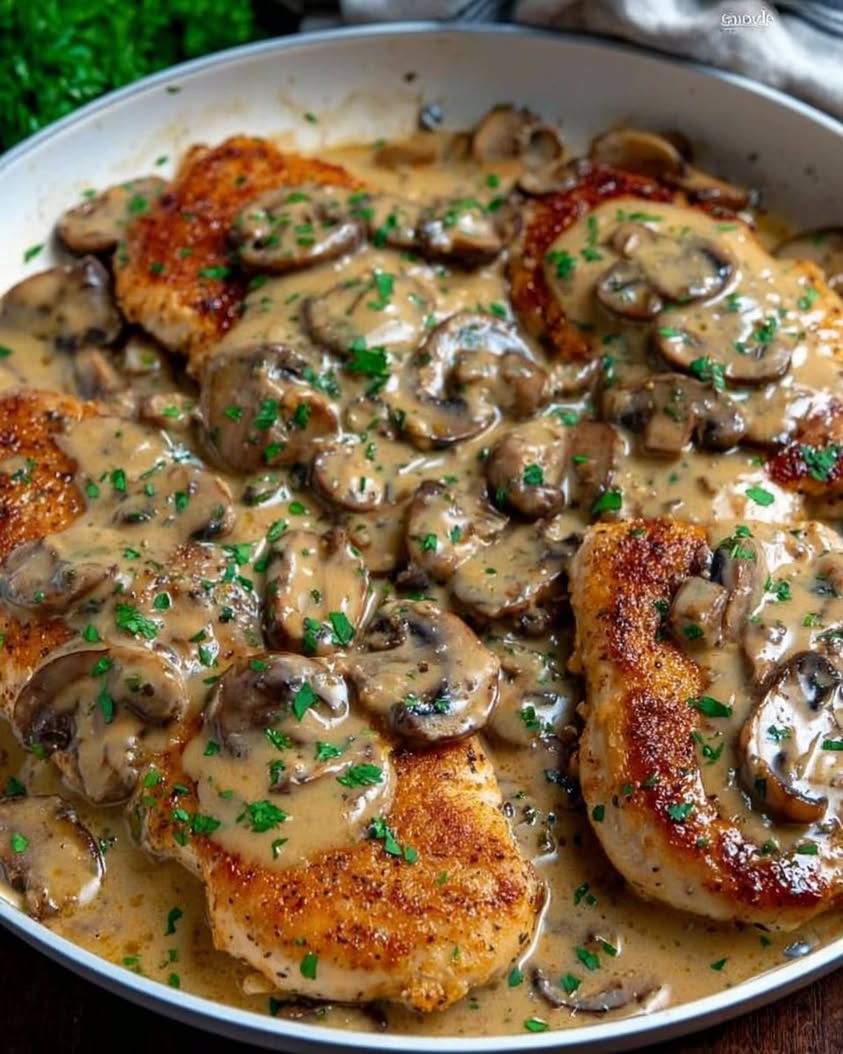
- Visual Appeal: The golden-brown chicken sits nestled among dark, glossy mushrooms, all bathed in a pale, creamy sauce speckled with fresh herbs. The contrast of colors makes the dish look elegant and appetizing on any plate.
- Skill Level Needed: This recipe uses basic techniques like searing, sautéing, and simmering. You only need to manage heat and stir occasionally. It is perfect for beginners but still enjoyable for experienced cooks looking for a quick meal.
- Special Equipment: You require a large skillet, preferably cast iron or stainless steel, to get a good sear. A wooden spoon or spatula helps deglaze the pan. No special gadgets are necessary for this straightforward dish.
Recipe Overview
- Difficulty Level: This recipe is easy because the steps are simple and sequential. You brown the chicken, cook the mushrooms, and build the sauce all in one pan. There is no complex technique like tempering eggs or making a roux. Most home cooks can complete it without stress on their first try.
- Category: This dish fits perfectly as a main course for dinner. It also works well for a hearty lunch served with a side salad. You can easily double it for larger gatherings or meal prep for the week. The versatility makes it a staple in many kitchens.
- Cuisine: The flavors draw from European culinary traditions, particularly Italian and French. Asiago cheese hails from Italy, while Dijon mustard comes from France. The combination reflects rustic, hearty cooking that emphasizes quality ingredients and simple preparation. This fusion creates a dish that feels both familiar and elevated.
- Cost: The ingredients are affordable and widely available. Chicken breasts cost about four dollars per pound. Mushrooms and cheese add a few more dollars. Total cost for four servings comes to roughly twelve dollars, making it budget-friendly compared to restaurant versions of the same meal.
- Season: This meal shines in fall and winter when you crave warm, creamy comfort food. However, it works year-round because the ingredients are always in season. The mushrooms are at their best in spring and fall, but you can find quality options in any supermarket during any month.
- Occasion: This recipe suits weeknight dinners when you need something fast yet impressive. It also works for casual dinner parties where you want to serve something hearty without spending all day cooking. The one-pan format makes cleanup easy, so it is ideal for relaxed gatherings.
Why You Will Love This Recipe
The taste and texture of The Ultimate Chicken and Mushroom Skillet with Creamy Asiago Mustard Sauce are truly remarkable. The chicken stays juicy because you sear it first, locking in moisture before it finishes cooking in the sauce. The mushrooms become rich and meaty, absorbing the pan flavors. The sauce itself is the highlight, with the Asiago melting into a silky blanket that clings to every piece. The mustard cuts through the richness, preventing the dish from feeling heavy. Each bite offers a mix of savory, tangy, and creamy notes that satisfy deep cravings. You get restaurant-quality flavor from a simple home kitchen.
Convenience is a major reason to love this recipe. The entire dish cooks in one skillet, which means minimal effort and even less cleanup. You do not need to boil separate pots or wash multiple pans. The process moves quickly, with about ten minutes of prep and twenty-five minutes of cooking. This makes it perfect for busy weeknights when time is tight. You can start cooking and have dinner on the table within thirty-five minutes. The ingredients are common and easy to find, so you do not need special trips to specialty stores. This recipe simplifies your evening without sacrificing quality.
Nutritionally, this dish offers plenty of benefits. Chicken breast provides lean protein that helps build muscle and keeps you full. Mushrooms are low in calories but high in antioxidants and B vitamins. Asiago cheese adds calcium and protein, though it is used modestly. The sauce uses cream, but the portion size ensures you enjoy richness without overindulging. You can serve this with vegetables or a side salad to round out the meal. It fits well into a balanced diet when you practice portion control. The combination of protein and healthy fats provides sustained energy.
Socially and for entertaining, this recipe shines. Guests always appreciate a dish that looks and tastes luxurious but clearly came from a home kitchen. You can prepare it while chatting with friends because it does not demand constant attention. The one-pan presentation allows you to serve directly from the skillet, which feels rustic and welcoming. This dish pairs beautifully with a glass of white wine or a light red, making it perfect for dinner parties. The flavors appeal to a wide range of palates, so it pleases picky eaters and adventurous diners alike. You will receive compliments without much effort.
Cost-effectiveness and accessibility make this recipe a winner. The ingredients are inexpensive, especially if you buy chicken in bulk or use mushrooms on sale. Asiago cheese costs a bit more than some others, but you use a small amount to achieve big flavor. The simple techniques mean you do not need fancy equipment or years of experience. This dish proves that delicious meals do not require expensive cuts of meat or rare spices. You can create something memorable with everyday items from your local grocery store. This makes it a practical choice for families on a budget.
Historical Background and Cultural Significance
The combination of chicken, mushrooms, and creamy sauces has roots in European country cooking. In Italy, cooks have long paired poultry with fungi for rustic stews and sautés. The addition of Asiago cheese, a product of the Veneto region, connects the dish to northern Italian traditions. Farmers and shepherds would have used available ingredients to create nourishing meals after long days of work. The simplicity of the preparation reflects a time when kitchen resources were limited but creativity flourished.
Cultural importance comes from the tradition of one-pot meals across many societies. These dishes represent efficiency and resourcefulness, using a single vessel to create a complete meal. In French cuisine, the concept of a saucière, a pan used to build and finish a sauce, is fundamental. The marriage of cream and mustard appears in classic French sauces like sauce moutarde. This recipe blends these techniques with Italian cheese, honoring both traditions. It shows how culinary borders blur when good ideas travel.
The evolution of this recipe reflects modern tastes and time constraints. Earlier versions might have used heavier cream and more butter, but today we balance richness with tanginess. The use of Dijon mustard is a contemporary twist that lightens the sauce while adding complexity. Cooks now seek dishes that deliver deep flavor without hours of simmering. This recipe adapts old techniques for current lifestyles, maintaining the essence of comfort food while fitting into busy schedules. The result is a dish that feels both classic and fresh.
Regional variations exist across Europe and North America. In the Midwest United States, cooks might use cream of mushroom soup for convenience. In France, a similar dish called poulet à la moutarde uses whole grain mustard and white wine. Italian cooks might substitute Parmigiano-Reggiano for Asiago, depending on local availability. Each version reflects local tastes and ingredient access. The recipe you make today carries echoes of these regional traditions, adapted for your kitchen. It is a living dish that continues to evolve with each cook who tries it.
Ingredient Deep Dive
Chicken breast is the primary protein in this dish. It has a long history in American cooking, prized for its lean, mild flavor that adapts well to various preparations. Nutritionally, chicken breast provides about 30 grams of protein per 100 grams, along with B vitamins and selenium. When selecting chicken, look for breasts that are plump and uniform in thickness. They should feel firm to the touch and have a pinkish color. Avoid packages with excess liquid or an off smell. Store fresh chicken in the refrigerator and use within two days, or freeze for up to three months. You can substitute chicken thighs for a juicier result, though they will increase the fat content slightly.
Mushrooms bring earthy depth to the sauce. Cultivated for centuries, mushrooms appear in cuisines worldwide, valued for their umami flavor and meaty texture. They are low in calories but rich in antioxidants like ergothioneine and selenium. Cremini mushrooms work well here, but white button or portobello are also fine. Choose mushrooms that are firm, dry, and free from slimy spots. Store them in a paper bag in the refrigerator, not a plastic one, to prevent moisture buildup. Avoid washing mushrooms before storing; instead, wipe them clean right before cooking. You can substitute shiitake or oyster mushrooms for a different texture and flavor profile.
Asiago cheese defines the creamy sauce. This Italian cheese comes from cow milk and is named after the Asiago Plateau in the Veneto region. It offers a nutty, slightly sharp flavor that melts beautifully. Fresh Asiago is softer and milder, while aged Asiago is harder and more pungent. For this recipe, fresh Asiago works best because it melts smoothly. Look for cheese that is pale yellow with a smooth texture and no cracking. Store it wrapped in wax paper or plastic wrap in the refrigerator. It keeps for several weeks. If you cannot find Asiago, Pecorino Romano or Parmesan are good substitutes, though they have a saltier, stronger taste.
Dijon mustard adds the tangy kick that balances the sauce. Originating in Dijon, France, this mustard uses brown seeds, white wine, and verjuice, giving it a pale yellow color and sharp flavor. It contains minimal calories but plenty of flavor impact. Dijon mustard also acts as an emulsifier, helping the cream and cheese combine smoothly. Choose a brand that uses traditional ingredients rather than fillers. Once opened, store it in the refrigerator to maintain its pungency. You can substitute whole grain mustard for a different texture, or yellow mustard if that is all you have, though the flavor will be milder.
Heavy cream provides the luxurious base for the sauce. Cream has been a staple in European cooking for centuries, valued for its ability to add richness and body to dishes. While high in fat, it contributes to the satisfying mouthfeel of the finished dish. Look for cream with a fat content of at least 35 percent for best results. Ultra-pasteurized cream lasts longer but may not thicken as well. Store cream in the coldest part of the refrigerator and use it by the expiration date. You can substitute half-and-half for a lighter sauce, or full-fat coconut milk for a dairy-free option.
Garlic and thyme provide aromatic foundation. Garlic belongs to the allium family and has been used globally for both flavor and medicinal purposes. Fresh garlic is preferable, as it offers a sharp pungency that mellows with cooking. Store garlic in a cool, dry place away from sunlight. Thyme is an herb from the mint family, with small leaves that carry an earthy, slightly floral flavor. It pairs naturally with chicken and mushrooms. Use fresh thyme sprigs if available, but dried thyme also works in smaller quantities. Store fresh herbs in the refrigerator wrapped in a damp paper towel.
Common Mistakes to Avoid
- Overcrowding the pan when searing chicken causes steaming instead of browning. You need space between pieces for heat to circulate. Cook in batches if necessary, ensuring each piece develops a golden crust. Crowding drops the pan temperature and creates moisture that prevents browning.
- Using cold chicken straight from the refrigerator results in uneven cooking. The outside may burn before the inside cooks through. Always let chicken sit at room temperature for about fifteen minutes before cooking. This promotes even searing and juicier meat.
- Adding cream too early can curdle the sauce. Always let the mustard and stock reduce slightly before pouring in the cream. High heat and acidic ingredients can cause dairy proteins to separate. Simmer gently after adding cream to avoid this issue.
- Not scraping the pan after searing leaves valuable flavor behind. Those browned bits are pure savory goodness. Deglaze with a splash of stock or wine, scraping vigorously with a wooden spoon. This step builds the sauce flavor significantly.
- Overcooking the chicken makes it dry and tough. Use a meat thermometer to check doneness at 165 degrees Fahrenheit. Remove chicken from heat as soon as it reaches this temperature. Residual heat will continue cooking it slightly.
- Adding all the cheese at once can cause clumping. Sprinkle it gradually while stirring constantly. This allows the cheese to melt evenly into the sauce. High heat also causes clumping, so keep the flame low when incorporating cheese.
- Using waterlogged mushrooms leads to a soggy texture. Do not wash mushrooms ahead of time. Clean them just before cooking with a dry brush or damp paper towel. Wet mushrooms release too much liquid and steam instead of browning.
- Neglecting to season the chicken properly results in bland meat. Salt and pepper the chicken at least ten minutes before cooking. This allows the seasoning to penetrate the surface. The sauce also needs adequate salt to bring out the cheese and mustard flavors.
- Cutting the chicken into uneven pieces causes inconsistent cooking. Pound thicker parts to an even thickness if needed. Uniform pieces cook at the same rate, preventing some from drying out while others remain underdone.
- Letting the sauce simmer too long after adding cream can break it. Cream sauces are delicate and do not tolerate extended boiling. Once the sauce comes together, remove it from heat or keep it on the lowest setting. Serve promptly for best results.
Essential Techniques
Proper searing is critical for flavor development. When you place chicken in a hot pan, the Maillard reaction occurs, creating a brown crust full of savory compounds. To achieve this, heat your skillet over medium-high heat until a drop of water sizzles on contact. Pat the chicken dry with paper towels to remove surface moisture. Oil the pan lightly and lay the chicken in carefully, leaving space between pieces. Resist the urge to move the chicken for at least three minutes. When it releases easily from the pan, flip it. The golden crust you create here is the foundation of the dish flavor. If the chicken sticks, it is not ready to turn.
Deglazing is the process of dissolving browned bits stuck to the pan after searing. These bits, called fond, are concentrated flavor. After removing the chicken, reduce the heat and add about a quarter cup of chicken stock or white wine. Use a wooden spoon or spatula to scrape the bottom of the pan, dislodging the particles. The liquid will bubble and reduce slightly. This step lifts the flavor into the sauce, ensuring nothing is wasted. Do not skip deglazing, as it turns a simple pan sauce into something complex and delicious.
Building an emulsion in the sauce prevents separation. When combining cream and cheese into the reduced liquid, you need to create a stable mixture. Start by whisking the cream into the pan slowly, not all at once. This allows the fat to incorporate gradually. Keep the heat on low to medium-low, as high heat breaks the emulsion. Add the shredded Asiago little by little, stirring constantly until each addition melts before adding more. The result should be a smooth, glossy sauce that coats the back of a spoon. If it looks grainy, you likely used too high heat or added cheese too quickly.
Proper mushroom cooking requires patience. Mushrooms have high water content, and they need space to release it. Cook them in a single layer without overcrowding the pan. Let them sit undisturbed for a few minutes so they brown rather than steam. Once they release their moisture and it evaporates, they will start to caramelize. This takes about five to seven minutes. Stir occasionally but not constantly. You want the mushrooms to develop deep brown spots, which indicate rich flavor. Overcooked mushrooms become rubbery, so remove them once they are tender and golden.
Pro Tips for Perfect The Ultimate Chicken and Mushroom Skillet with Creamy Asiago Mustard Sauce
Pound the chicken breasts to even thickness before cooking. This simple step ensures the chicken cooks uniformly, avoiding dry edges and undercooked centers. Place each breast between plastic wrap and gently flatten with a rolling pin or heavy pan. Aim for about half an inch thickness. This also shortens cooking time, which is helpful on busy nights.
Use freshly shredded Asiago cheese instead of pre-shredded bags. Pre-shredded cheese contains anti-caking agents that prevent smooth melting. Shredding your own takes only a few minutes and makes a noticeable difference in sauce texture. The cheese incorporates more evenly, creating a silkier sauce.
Let the chicken rest after searing and again after finishing. Resting allows juices to redistribute throughout the meat. If you cut into it immediately, the juices will run out onto the plate, leaving dry chicken. A five-minute rest after cooking is sufficient for tender, moist results.
Taste the sauce before serving and adjust seasonings. The saltiness of Asiago varies by brand, and Dijon mustard has different intensity levels. You might need extra salt, black pepper, or even a squeeze of lemon juice to brighten the flavors. Trust your palate and adjust until it tastes right to you.
Do not rush the mushroom cooking process. Patience pays off with deeply flavored, caramelized mushrooms. If they release a lot of water, let it cook off before adding any oil for browning. The goal is golden, not gray, mushrooms. This adds complexity to the overall dish.
Keep extra chicken stock on hand to thin the sauce if needed. The sauce consistency depends on how much liquid evaporates during cooking. If it becomes too thick, a splash of warm stock will loosen it without diluting flavor. Add it gradually until you achieve a consistency that coats the back of a spoon.
Garnish with fresh thyme leaves or chopped parsley before serving. This adds a pop of color and freshness that contrasts with the rich sauce. Fresh herbs also provide a subtle aromatic lift that brightens the finished dish. Even a small sprinkle makes the presentation more appealing.
Variations and Adaptations
Regional variations exist for this dish across different culinary landscapes. In the southern United States, cooks might use a cream of mushroom soup base for convenience, while adding a touch of cayenne for heat. In Europe, the recipe often includes white wine in the deglazing step, which adds acidity and complexity. Scandinavian versions might substitute a creamy mushroom sauce with dill and use pork instead of chicken. Each region adapts the base concept to local tastes and available ingredients, showing the versatility of the original idea.
Seasonal adaptations allow you to enjoy this dish year-round. In spring, add fresh asparagus spears to the skillet during the final minutes of cooking. In summer, serve the dish over fresh corn kernels or with a side of grilled zucchini. Fall calls for incorporating roasted butternut squash or sage along with the mushrooms. Winter versions can include wilted spinach or kale stirred into the sauce for extra color and nutrition. Seasonal ingredients keep the recipe exciting and aligned with what is fresh at the market.
Dietary modifications make this dish accessible to more people. For a gluten-free version, ensure your Dijon mustard is gluten-free and use cornstarch instead of flour if you need to thicken the sauce. Most mustards are gluten-free, but check labels to be safe. The sauce naturally contains dairy, but you can make a dairy-free version using coconut cream and vegan cheese alternatives. Nutritional yeast can add cheesy flavor without dairy. These substitutions allow those with sensitivities to enjoy the meal.
Flavor variations let you customize the dish to your preference. For a bolder taste, add a tablespoon of sun-dried tomato paste when cooking the mushrooms. This brings sweetness and acidity that balances the creamy sauce. You can also incorporate fresh rosemary or tarragon for herbal notes. For a smoky element, add a pinch of smoked paprika or chipotle powder. Each small change creates a different but equally delicious version of The Ultimate Chicken and Mushroom Skillet with Creamy Asiago Mustard Sauce.
Texture modifications offer different eating experiences. For a thicker sauce, mix a teaspoon of cornstarch with cold water and stir it into the sauce before adding the cheese. This creates a more substantial coating. If you prefer a thinner sauce, add extra chicken stock after the cheese melts. You can also serve the dish over pasta, rice, or mashed potatoes to change the overall mouthfeel. The chicken can be sliced before serving or left whole. Each choice alters how you experience the meal.
Presentation alternatives make the dish suitable for different occasions. For casual dinners, serve the skillet directly at the table with a side of crusty bread. For more formal events, plate individual portions with artful arrangement, placing chicken slices fanned out, mushrooms arranged neatly, and sauce drizzled around. You can also stuff the mixture into crepes or use it as a filling for savory crepes. Leftovers work well as a topping for baked potatoes or a filling for sandwiches the next day.
Serving and Presentation Guide
Plating techniques can elevate this dish from simple to stunning. Start by placing a bed of creamy polenta, mashed potatoes, or wide egg noodles on the plate. These starchy bases catch the sauce and add substance. Then arrange the chicken pieces on top, slightly overlapping for visual interest. Spoon the mushrooms around the chicken, distributing them evenly. Finally, drizzle extra sauce over everything, allowing it to pool appealingly at the edges. This layered approach creates height and texture on the plate.
Garnishing ideas add final touches that impress. Fresh thyme sprigs placed on top of the chicken provide green color and a hint of aroma. Chopped fresh parsley scattered over the dish adds brightness. For a touch of elegance, shave additional Asiago cheese over the hot dish just before serving, letting it melt slightly. A twist of black pepper on top completes the look. Avoid over-garnishing, as the beauty is in the simplicity of the components.
Traditional accompaniments include crusty bread for sopping up the sauce. A light salad with lemon vinaigrette balances the richness of the dish. Steamed green beans or sautéed spinach add color and nutrients without overwhelming the flavors. These sides allow the main dish to remain the star while offering complementary textures and tastes. You can also serve it with roasted root vegetables for a heartier meal.
Modern serving suggestions work well for contemporary palates. Serve the dish over cauliflower rice or zucchini noodles for a lower-carb option. Quinoa or farro provide nutty flavors that pair nicely with the sauce. For a truly modern presentation, use a wide, shallow bowl and create an artful swirl of sauce on the bottom before arranging the components. This technique is common in fine dining and impresses guests without requiring extra effort.
Temperature considerations are important for maximum enjoyment. Serve the dish immediately after finishing, while the sauce is hot and the chicken is warm. The sauce thickens as it cools, so you want to serve it at its fluid best. If you need to hold the dish, keep it in a low oven at about 200 degrees Fahrenheit for up to thirty minutes. Do not let it sit longer, as the chicken starts to dry out and the sauce may separate.
Portion control tips help you manage serving sizes. Aim for one chicken breast per person, which is about six ounces raw. The recipe yields four servings, with each serving containing roughly one cup of sauce and mushrooms. If you serve it over a starch, reduce the starch portion to half a cup to keep calories in check. Leftovers store well, so you can intentionally make extra for lunch the next day.
Wine and Beverage Pairing
Wine pairings enhance the creamy, savory flavors of this dish. A Chardonnay with moderate oak pairs beautifully, as its buttery notes mirror the sauce richness. Look for a Chardonnay from California or Burgundy that offers balanced acidity to cut through the cream. A Sauvignon Blanc from the Loire Valley also works, with its bright citrus and herbal notes complementing the mustard and thyme. For red wine lovers, a light-bodied Pinot Noir is excellent. Choose a Burgundy or Oregon Pinot Noir with earthy undertones that match the mushrooms. Avoid heavy reds like Cabernet Sauvignon, which can overpower the delicate sauce.
Non-alcoholic alternatives provide refreshing options. Sparkling water with a squeeze of lemon cleanses the palate between bites. A crisp apple cider offers sweetness and acidity that echoes the mustard tang. For something richer, try a chilled herbal tea like chamomile or spearmint, which does not compete with the dish flavors. These options keep the meal enjoyable for all guests, regardless of their drinking preferences.
Coffee or tea pairings work if serving this dish for brunch or a late lunch. A light roast coffee with floral notes complements the creamy sauce without overwhelming it. Chai tea, with its warm spices like cardamom and cinnamon, adds a cozy element to the meal. For afternoon tea, an Earl Grey with bergamot offers citrus notes that echo the Dijon mustard acidity. These pairings are unconventional but delightful for relaxed dining.
Temperature considerations matter for beverage pairings. White wines should be chilled to about 45 to 50 degrees Fahrenheit. Red wines do best at cool room temperature, around 60 degrees. Non-alcoholic drinks are best served well-chilled to provide contrast with the warm, creamy dish. Serve any beverages in appropriate glassware to enhance the experience.
Serving suggestions include offering a small pour of wine alongside the meal rather than a full glass. This allows guests to sip slowly and appreciate the pairing. For a dinner party, you can provide two wine options, one white and one light red, and let guests choose. Always have non-alcoholic options available for designated drivers and non-drinkers. This thoughtful approach ensures everyone feels included.
Storage and Shelf Life
Store leftovers properly to maintain quality. Transfer the cooled dish to an airtight container within two hours of cooking. Place the container in the refrigerator, where it will keep for up to three days. The sauce may thicken upon cooling, but this is normal. You can also store the components separately if you prefer, with chicken, mushrooms, and sauce in individual containers. This helps preserve textures.
Temperature requirements are important for food safety. Keep the dish at or below 40 degrees Fahrenheit in the refrigerator. If you plan to eat leftovers later, reheat them to an internal temperature of 165 degrees Fahrenheit. Use a food thermometer to verify. Never leave the dish at room temperature for more than two hours, as bacteria can grow quickly in creamy sauces.
Container recommendations include using glass or BPA-free plastic containers with tight-fitting lids. Glass is preferable because it does not absorb odors or stains. Avoid leaving the dish in the cooking skillet for storage, as metal can react with the sauce and affect flavor. Portion leftovers into single-serving sizes for easy reheating. This also helps the food cool faster, which is safer.
Signs of spoilage include off smells, slimy texture, or mold growth. If the sauce develops a sour odor, discard the entire dish. Chicken that feels tacky or sticky is no longer safe to eat. Mushrooms that become excessively soft or discolored should also be discarded. When in doubt, throw it out. Food safety is more important than saving a dollar.
Reheating instructions require gentle methods. Reheat the dish in a skillet over medium-low heat, adding a splash of chicken stock or water to loosen the sauce. Stir frequently until heated through. You can also use the microwave in thirty-second bursts, stirring between intervals. Avoid boiling the sauce, as it may separate. The goal is to warm the dish without further cooking the chicken, which would dry it out.
Freezing guidelines apply if you want to store leftovers longer. The sauce may change texture upon freezing, becoming slightly grainy when thawed. To freeze, cool the dish completely, then transfer to a freezer-safe container. It will keep for up to three months. Thaw in the refrigerator overnight before reheating. Stir well after thawing to recombine the sauce. This is suitable for meal prep, though fresh preparation always yields the best results.
Make Ahead Strategies
Prep timeline helps you plan efficiently. You can slice the mushrooms, mince the garlic, and shred the cheese up to two days in advance. Store these components separately in sealed containers in the refrigerator. This cuts down on active cooking time on the day you serve the dish. You can also pound the chicken breasts and season them with salt and pepper a day ahead. Store them covered in the refrigerator until you are ready to cook.
Storage between steps requires careful handling. If you cook the chicken and mushrooms a day ahead, store them separately from the sauce. This prevents the chicken from becoming soggy. Keep the sauce in its own container and gently reheat it before combining with the other components. This approach maintains the integrity of each element. Assemble the final dish just before serving for best texture.
Quality impact assessment shows that the dish is best when made fresh. The chicken stays most tender immediately after cooking. The sauce also tastes fresher and has a smoother texture. However, you can make it a day ahead and still achieve good results. The flavors meld nicely overnight, though the sauce may thicken. Adjust the consistency with a splash of stock when reheating.
Assembly tips streamline the process. On serving day, reheat the sauce gently in the same skillet you used originally. Add the pre-cooked chicken and mushrooms, letting them warm through for about five minutes. Stir occasionally to coat everything evenly. This method saves time and reduces cleanup, as you use fewer dishes. You can also reheat in a single baking dish in a 350-degree oven for about fifteen minutes, covered with foil.
Reheating guidelines ensure quality. Always reheat gently to avoid drying out the chicken or breaking the sauce. If using a microwave, cover the dish with a damp paper towel to retain moisture. For stovetop reheating, add a small amount of liquid to the sauce. Stir often and do not let the dish boil. Once heated through, serve immediately.
Fresh element additions can revive leftovers. Before serving reheated portions, garnish with fresh thyme, parsley, or a squeeze of lemon juice. These bright notes contrast with the rich sauce and add freshness. You can also quickly wilt a handful of spinach into the sauce for extra color and nutrients. These small touches make leftovers feel like a new meal.
Scaling Instructions
Halving the recipe is simple. Use one large chicken breast cut in half horizontally to make two portions of equal thickness. Reduce the mushrooms to six ounces and use about half the cream and cheese. The cooking time remains similar, though you may need to adjust seasoning downward. The same skillet works for halved quantities. Store extra sauce separately if you make a full batch of sauce for only two servings, as the ratio of sauce to chicken changes.
Doubling or tripling the recipe requires careful attention. Use a larger skillet or cook in batches to avoid overcrowding. You can use a Dutch oven or two skillets simultaneously. Increase the ingredients proportionally, but keep an eye on seasoning. The amount of salt and pepper may need adjustment based on the cheese saltiness. Cook time may increase slightly because of the larger volume, but the principles remain the same. Allow extra time for the sauce to thicken if you double it.
Equipment adjustments are necessary when scaling up. A 12-inch skillet handles double the recipe comfortably. For tripling, you need a very large pan or multiple pans. Ensure your pan has enough surface area to sear the chicken in a single layer. If not, cook the chicken in batches and combine everything at the end. You may also need a whisk to incorporate the increased volume of cheese smoothly.
Timing modifications help maintain quality. When cooking larger batches, preheat the pan longer to maintain heat when adding many ingredients. The sauce may take longer to reach the right consistency because of the larger volume. Simmer it over medium heat, stirring occasionally, until it coats Print
Chicken and Mushroom Skillet in a Creamy Asiago and Mustard Sauce
- Total Time: 35 minutes
- Yield: 4
Description
Juicy chicken thighs and earthy mushrooms simmered in a rich, tangy Asiago and Dijon mustard cream sauce, all made in one skillet for an easy weeknight dinner.
Ingredients
- 1 1/2 lbs boneless skinless chicken thighs
- Salt and black pepper to taste
- 2 tablespoons olive oil
- 8 oz cremini mushrooms, sliced
- 3 cloves garlic, minced
- 1/2 cup chicken broth
- 1 cup heavy cream
- 2 tablespoons Dijon mustard
- 1/2 cup grated Asiago cheese
- 2 tablespoons chopped fresh parsley for garnish
Instructions
- Season chicken thighs with salt and pepper on both sides.
- Heat olive oil in a large skillet over medium-high heat. Add chicken and cook until golden brown, about 5 minutes per side. Remove chicken and set aside.
- In the same skillet, add mushrooms and cook until softened and browned, about 5 minutes. Stir in garlic and cook for 1 minute more.
- Pour in chicken broth and scrape up any browned bits from the bottom of the pan. Stir in heavy cream, Dijon mustard, and Asiago cheese. Bring to a simmer.
- Return chicken to the skillet, reduce heat to low, and let simmer for 10-15 minutes until chicken is cooked through and sauce thickens slightly.
- Garnish with fresh parsley and serve warm.
Notes
You can customize the seasonings to taste. For a milder flavor, use less mustard. For extra richness, add an extra tablespoon of butter when cooking mushrooms.
- Prep Time: 10 minutes
- Cook Time: 25 minutes
- Method: Main
- Cuisine: American