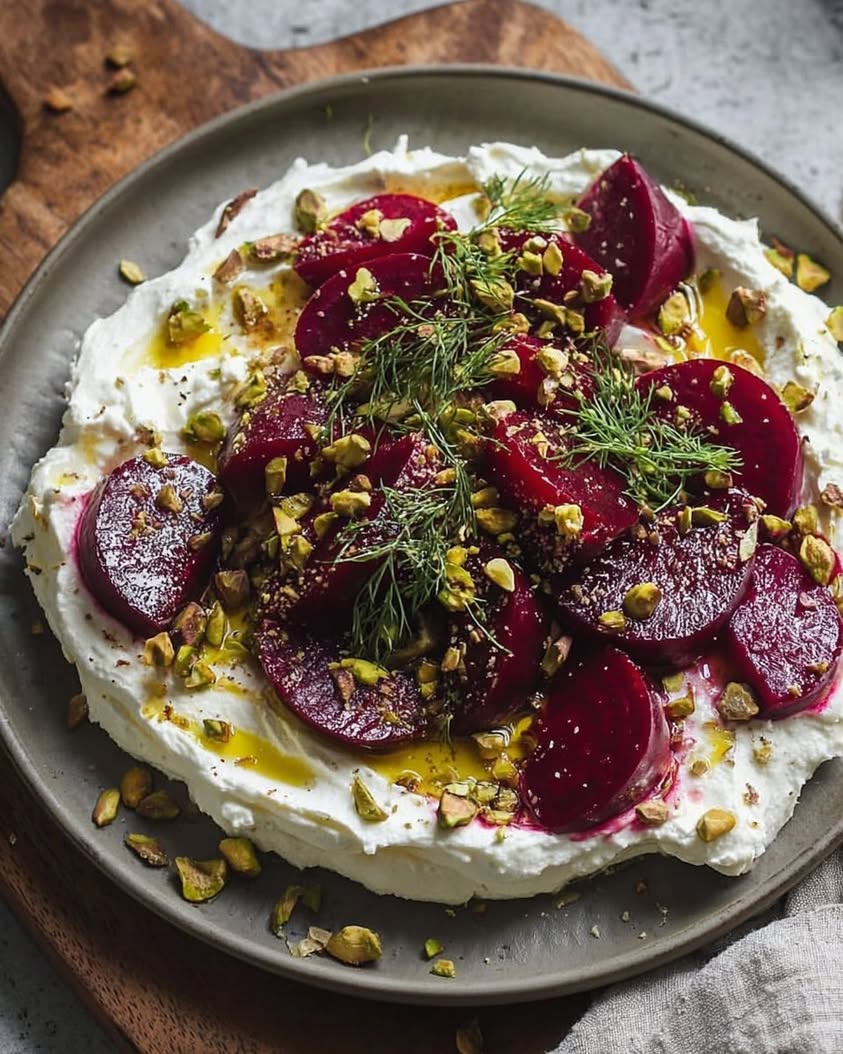
The Best Creamy Whipped Feta with Marinated Beets & Pistachio Crunch: An Unforgettable Appetizer
You deserve an appetizer that transforms simple ingredients into a stunning centerpiece. This creamy whipped feta with marinated beets & pistachio crunch delivers exactly that experience. The saltiness of feta cheese blends effortlessly with the earthy sweetness of roasted beets. A vibrant pistachio crunch adds texture and visual appeal. Every spoonful offers a delightful contrast of flavors. This dish is effortless to prepare. It looks like it came from a high-end restaurant. Your guests will be impressed before they even take a bite. The vibrant colors and distinct layers create a memorable presentation. It is the perfect way to start any gathering.
This marinated beets recipe is a Mediterranean-inspired masterpiece. The tangy vinaigrette enhances the natural sweetness of the beets. The whipped feta provides a creamy, dreamy base. The pistachio crumble adds a salty, nutty finish. The recipe is naturally gluten-free. It works beautifully as a dip or a spread. Serve it with crusty bread, pita chips, or fresh vegetables. The best part is that you can prepare components ahead of time. This allows you to relax and enjoy your own party. The combination is not only delicious but also incredibly photogenic. It will quickly become your go-to appetizer for special occasions. The ease of preparation will surprise you. The bold payoff will delight everyone at the table.
This dish relies on simple, high-quality ingredients. You need block feta cheese, Greek yogurt, roasted beets, pistachios, and a few pantry staples. The feta must be good quality. A brined block works much better than pre-crumbled feta. The yogurt adds creaminess and tang. The pistachios provide essential textural contrast. The marinated beets are a revelation. You can roast them yourself or use high-quality, vacuum-packed beets. A simple dressing of olive oil, red wine vinegar, and fresh dill ties everything together. The preparation is straightforward. You whip the feta and yogurt together. You marinate the beets. You toast the pistachios. Then you assemble the dish. It is truly that simple. The results are spectacular.
Quick Recipe Highlights
- Flavor Profile: This dish is a masterful balance of salty, sweet, tart, and savory elements. The creamy feta provides a salty, tangy base. The marinated beets offer earthy sweetness and bright acidity from the vinegar. The pistachios bring a savory, nutty finish. The dill adds a fresh, herbaceous note.
- Texture: The whipped feta is incredibly smooth and luscious. The marinated beets are tender yet firm. The pistachio crunch provides a satisfying, brittle contrast. This combination of creamy, tender, and crunchy textures is deeply satisfying.
- Aroma: You will smell the earthy sweetness of roasted beets immediately. This is followed by the tangy, salty aroma of feta cheese. The fresh dill offers a bright, green note. The pistachios contribute a subtle, nutty fragrance that rounds out the experience.
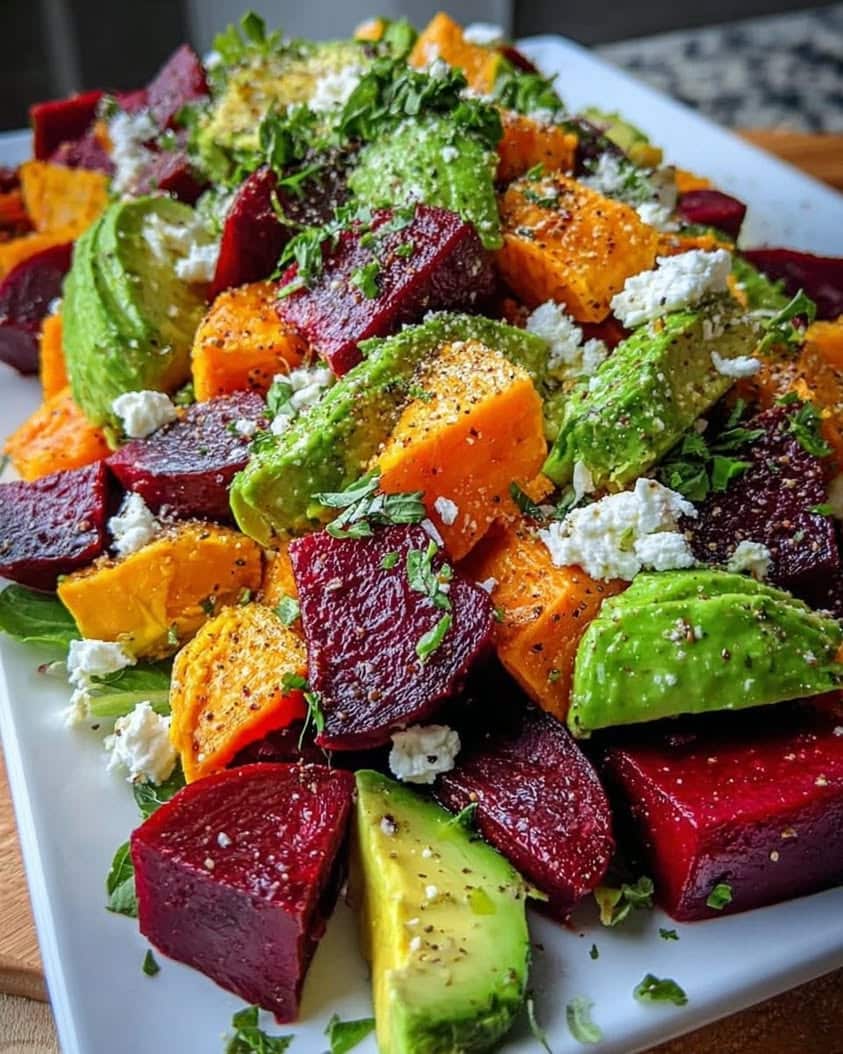
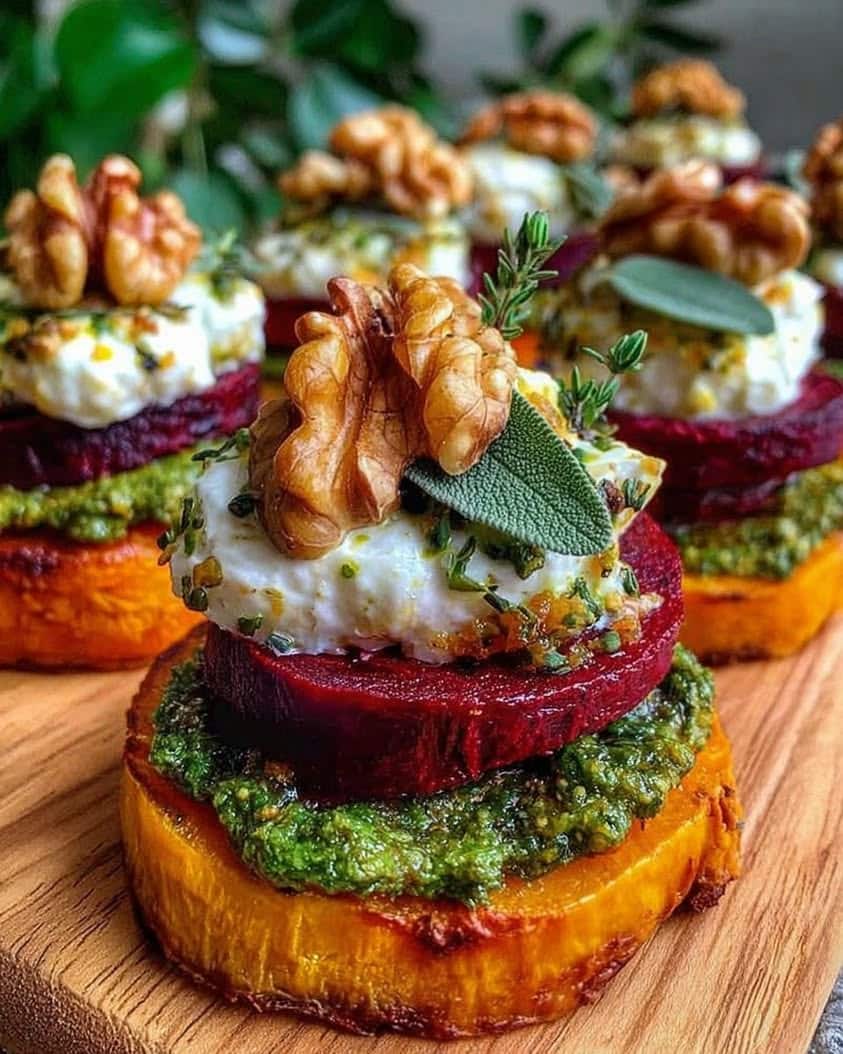
- Visual Appeal: The plate is a work of art. The stark white whipped feta sits elegantly against the deep magenta, ruby-red beets. The vibrant green pistachios add a pop of color. A sprinkle of fresh dill and a drizzle of olive oil complete the picture.
- Skill Level Needed: This recipe is perfect for beginners. The techniques are very basic. You only need to use a food processor, a pan, and a bowl. There is no complicated cooking involved. The focus is on assembly and presentation.
- Special Equipment: You need a high-speed food processor or a powerful blender. A small skillet is required for toasting the pistachios. You will need a mixing bowl for the beets. That is all the equipment you need.
Recipe Overview
- Difficulty Level: This recipe earns an Easy rating for several reasons. The steps are minimalist and intuitive. There is no chopping or precise knife work needed for most ingredients. The cooking is limited to toasting nuts, which takes only minutes. The main challenge is timing the marinating, but this is passive time. A novice cook can execute this without stress. An experienced cook can prepare it in under 20 minutes.
- Category: This recipe is best described as an appetizer or starter. It also functions beautifully as a snack for a party. You can serve it as a light lunch with a salad. It belongs to the category of dips and spreads. It is a versatile dish for many casual and formal settings.
- Cuisine: This recipe draws heavily from the cuisines of Greece, Turkey, and the Middle East. Feta cheese and beets are common in Greek meze platters. The use of pistachios and dill is popular throughout the Levant. The combination of whipped cheese and roasted vegetables is a modern, global interpretation of traditional flavors.
- Cost: The cost is moderate and relatively low for the effect. Feta cheese is affordable and available everywhere. Beets are inexpensive, especially in season. Pistachios are the most expensive ingredient. However, you only need a small amount. Olive oil and vinegar are standard pantry items. The total cost is very manageable.
- Season: This dish is perfect for the fall and winter seasons. Beets are at their peak from late summer through winter. Their earthy flavor is warming and comforting. The vibrant colors also brighten a cold day. You can make it all year, but it is most satisfying in cooler months.
- Occasion: This recipe is ideal for holiday gatherings, dinner parties, and potlucks. Its sophisticated presentation is perfect for celebrations like Thanksgiving, Christmas, or Easter. It is also great for a summer barbecue as a no-cook option. Any time you want to impress without stress, this dish works perfectly.
Why You Will Love This Recipe
The primary appeal of this dish is its incredible taste and texture contrast. The whipped feta is luxuriously smooth and tangy. The marinated beets provide a sweet and acidic counterpoint. The pistachio crunch adds a salty, brittle finish that satisfies a deep craving. Every bite is a new experience. The flavors are bold but harmonious. It is a recipe that feels both indulgent and refreshing. The combination is so compelling that you will find yourself making excuses to make it again.
Furthermore, the preparation is incredibly convenient. This is a no-fuss recipe. You do not need to stand over a hot stove. The active preparation time is only about 15 minutes. The beets can be marinated a day in advance. The feta mixture can be whipped ahead of time. This makes party hosting a breeze. You only need to assemble and garnish before serving. This convenience does not sacrifice quality. The flavors actually improve as they sit. It is the perfect make-ahead appetizer for a busy host.
The nutritional advantages are also significant. This dish is naturally vegetarian. It is also gluten-free and low-carb. The beets are an excellent source of fiber and folate. They are rich in antioxidants called betalains. Feta cheese provides calcium and protein. Greek yogurt adds probiotics and protein. Pistachios offer healthy fats and vitamin B6. This appetizer is nutritious enough to enjoy as a light main course. You feel good eating it. It is a case where healthy food tastes incredibly decadent.
Socially, this recipe has incredible value. It is a conversation starter. The unique presentation makes people curious. They ask about the ingredients and the preparation. It encourages sharing and interaction. The dish is easy to eat standing up, which is perfect for cocktail parties. You can place it on a large platter surrounded by dipping items. It creates an inviting, communal eating experience. People feel comfortable reaching in to grab a piece of bread or a beet. It lowers the barrier to social interaction. Your party will feel more lively and connected.
Finally, the recipe is very cost-effective and accessible. You do not need expensive, hard-to-find ingredients. The core items are common in most grocery stores. This recipe proves that simple ingredients can be elevated. You are not paying for exotic imported goods. You are paying for quality preparation. You can make a stunning appetizer for a fraction of restaurant cost. This accessibility means you can share the recipe widely. It is not a daunting project. It is a reliable, impressive dish you can pull off any weekend. The value for the impression created is unbeatable.
Historical Background and Cultural Significance
The combination of cheese and beets has ancient roots in the Mediterranean. Beets were cultivated in the Mediterranean basin since the time of the Romans. They were valued for both their roots and their leaves. Feta cheese, a brined curd white cheese, has been a staple in Greece for centuries. Literary references to feta date back to the Byzantine era. The union of these two ingredients is a natural pairing. The sweet earthiness of beets balances the salty tang of feta. This basic pairing appears in many traditional Greek salads and pies like spanakopita.
Culturally, this dish represents the Greek and Middle Eastern tradition of meze. Meze are small, shared plates that encourage conversation and community. A meze spread can include vegetables, cheeses, olives, and dips. This recipe fits perfectly within that concept. It is a modern interpretation of that ancient hospitality. The act of sharing food is central to hospitality in these cultures. This dish is designed to be shared. It brings people together around a table. It reflects a philosophy of generosity and enjoyment.
The recipe has evolved significantly in recent years. The technique of whipping feta with yogurt is a modern invention. Food processors and blenders have made this texture achievable at home. Chefs in Greece and the diaspora started experimenting with feta in the late 20th century. They wanted to create a dip that was lighter and more spreadable than traditional feta. The addition of marinated beets is a very contemporary twist. It reflects a trend toward vegetable-forward cooking and vibrant plating. The use of pistachio crunch is a nod to modern pastry techniques applied to savory food.
Regional variations of this dish are diverse. In Turkey, a similar dish uses labneh instead of feta. It is often served with a topping of walnuts and pomegranate molasses. In Lebanon, a beetroot dip with tahini and yogurt is common. In Italy, a variation uses ricotta and roasted balsamic beets. In the United States, the dish has become popular on farm-to-table menus. Each region adds its own local nuts and herbs. The pistachio crunch is a particularly Californian touch, reflecting the state’s pistachio production. These variations all highlight the same core principles of contrast and flavor.
Ingredient Deep Dive
Feta Cheese: Feta cheese is a brined curd white cheese from Greece. Its history spans over 6,000 years. It is made primarily from sheep’s milk or a mixture of sheep and goat milk. The cheese is aged in a brine solution, which gives it a salty, tangy flavor. Nutritionally, feta is a good source of calcium and vitamin B12. It is lower in fat than many other aged cheeses. When selecting feta, always choose a block stored in brine. Avoid pre-crumbled feta, which contains anti-caking agents. It will not whip into a smooth consistency. Store the block in its brine in the refrigerator for up to two weeks. You can substitute feta with a good quality goat cheese or a mild, crumbly white cheese like cotija for a different flavor profile.
Roasted Beets: Beets are a root vegetable often associated with the Mediterranean and Eastern Europe. Their deep red color comes from betalains, powerful antioxidants. They are rich in fiber, folate, manganese, and potassium. The earthy flavor is due to a compound called geosmin. The best beets are firm, smooth, and heavy for their size. Smaller beets are often sweeter and more tender. You can roast them yourself for the best flavor. Wrap them in foil and roast at 400°F for 45-60 minutes. Store roasted beets in an airtight container in the fridge for up to one week. Substitute with canned beets in a pinch, but rinse them well. You can also use golden beets for a milder flavor and orange color.
Pistachios: Pistachios are one of the oldest flowering nut trees. They are native to Central Asia and the Middle East. The United States, specifically California, is now a major producer. They are a complete protein, meaning they contain all nine essential amino acids. They are high in vitamin B6, thiamine, and phosphorus. The green color is a sign of quality and freshness. Select pistachios that are still in their shells for the best flavor. Store them in an airtight container in a cool, dark place or the freezer. Toasting them is crucial for bringing out their nutty, buttery flavor. Substitute with almonds, walnuts, or pine nuts for a different crunch. For a nut-free alternative, use toasted pumpkin seeds.
Greek Yogurt: Greek yogurt is a strained yogurt that is thicker and tangier than regular yogurt. It is a staple of Greek cuisine. The straining process removes the whey, concentrating the protein content. It provides probiotics that support gut health. It is also rich in calcium and vitamin B12. Use full-fat Greek yogurt for the best creamy texture. Non-fat yogurt will yield a thinner, less stable result. Store it in the refrigerator and use it by the sell-by date. Substitute with labneh, sour cream, or even mascarpone for a richer dip.
Extra Virgin Olive Oil: This is a cornerstone of the Mediterranean diet. It is a cornerstone of this recipe. Use a high quality, fruity extra virgin olive oil for both the marinade and the final drizzle. The flavor directly impacts the final dish. Store it in a cool, dark cabinet away from heat. It should be used within 6 months of opening. Do not substitute with vegetable or canola oil.
Red Wine Vinegar: Red wine vinegar provides the necessary acidity for the marinade. It is made from fermented red wine. It has a sharp, tangy flavor that cuts through the richness of the feta. You can substitute with sherry vinegar, balsamic vinegar, or even lemon juice.
Common Mistakes to Avoid
- Do not use pre-crumbled feta cheese. It contains anti-caking agents that will make your dip grainy and prevent it from becoming smooth.
- Avoid skipping the marinating time for the beets. They need at least 30 minutes to absorb the flavor of the vinegar and oil. The longer they sit, the better they taste.
- Do not over-process the feta mixture. Over-whipping can cause the feta to become too thin and grainy. Process it just until smooth and creamy.
- Never skip toasting the pistachios. Raw pistachios lack flavor. Toasting them for a few minutes releases their oils and deepens their nutty taste.
- Do not use cheap, watery yogurt. It will make the dip runny. Always use full-fat, thick Greek yogurt for a stable, creamy texture.
- Do not over-season the feta mixture with salt. Feta is already very salty. Taste it before adding any salt. Most recipes need none at all.
- Avoid using beets that are too wet. If you roast your own beets, make sure they are dry before combining them with the vinaigrette. Excess water will dilute the dressing.
- Do not assemble the dish too far in advance. The beets will bleed their color into the white feta dip if left to sit for too long. Assemble just before serving.
- Never serve the dip cold from the refrigerator. Bring the whipped feta to room temperature for the best flavor and the smoothest texture.
- Do not forget to drizzle a generous amount of olive oil on top before serving. The finishing oil adds essential richness and ties all the components together.
Essential Techniques
Whipping Feta: This technique transforms a crumbly cheese into a smooth, creamy dip. The key is to use a powerful food processor. First, crumble the feta block. Add a generous spoonful of Greek yogurt. The yogurt provides moisture and fat, which helps the feta emulsify. Process for about a minute, scraping down the sides as needed. The final texture should be thick and smooth, like a very thick frosting. A common pitfall is adding too much yogurt. Start with a small amount and add more as needed. The visual cue for success is a smooth, glossy mixture that holds its shape. If it looks grainy, you added too much yogurt or used poor quality feta.
Marinating Beets: This is a simple, foundational technique. It involves coating the beets in a flavorful vinaigrette. The beets should be cut into even-sized wedges or cubes. This ensures consistent flavor penetration. The vinaigrette ratio should be roughly 3 parts oil to 1 part acid. Add fresh dill and a pinch of salt. Toss gently to coat. Let the beets sit at room temperature for at least 30 minutes. This allows the acid to soften the beets slightly and the flavors to meld. Avoid over-marinating for more than 24 hours, as the beets can become too soft. The visual cue is the beets darkening in color and becoming glossy with oil.
Toasting Pistachios: Toasting nuts is a crucial step for flavor development. It brings out their natural oils and creates a complex, nutty aroma. Use a dry skillet over medium-low heat. Add the pistachios in a single layer. Stir or shake the pan constantly to prevent burning. The nuts are done when they are fragrant and just slightly darker in color. This takes about 3-5 minutes. Immediately transfer them to a plate to cool. The visual cue is a deeper shade of green and a faint browning on the edges. A common mistake is walking away from the pan. Nuts burn very quickly.
Pro Tips for Perfect Creamy Whipped Feta with Marinated Beets & Pistachio Crunch
First, bring your feta to room temperature before whipping. Cold feta will not blend as smoothly and can cause the food processor to strain. Let it sit out for 20 minutes before you start.
Second, use a microplane to zest a lemon over the finished dish. The bright citrus notes cut through the richness of the feta and enhance the beets beautifully. It adds a fresh, elegant touch.
Third, add a tiny pinch of sugar to the beet marinade. This is a common chef trick. It balances the acidity of the vinegar and enhances the natural sweetness of the beets.
Fourth, double strain your yogurt for an even thicker dip. Line a fine mesh strainer with cheesecloth. Add the yogurt and let it drain in the fridge for an hour. This eliminates excess whey and creates a very stable dip.
Fifth, toast the pistachios with a pinch of flaky sea salt immediately after they come out of the pan. The heat helps the salt adhere to the nuts. This enhances the salty crunch.
Sixth, build a small well in the center of the whipped feta to hold the beets. This prevents the beets from sliding off the dip. It also creates a beautiful, structured presentation.
Seventh, let the assembled dish rest for 10 minutes before serving. This allows the flavors to meld and the beets to slightly soften the edges of the dip. It creates a more cohesive flavor profile.
Eighth, always finish with a drizzle of high quality extra virgin olive oil and a sprinkle of fresh cracked black pepper. This final touch adds depth and visual appeal.
Variations and Adaptations
Regional variations of this dish are diverse. A Greek inspired version might use oregano and thyme in the beet marinade. A Middle Eastern version could include a drizzle of pomegranate molasses and a sprinkle of sumac. A Turkish version often swaps the feta for labneh and uses walnuts. A Moroccan twist could add a touch of ras el hanout to the beets and use almonds for the crunch. Each region adds its own signature spices and nuts, showcasing local produce.
Seasonal adaptations are easy. In the summer, use fresh heirloom tomatoes instead of beets. The tomatoes pair beautifully with the whipped feta. In the spring, use roasted asparagus or fresh peas. In the fall, use roasted butternut squash or sweet potatoes. The earthy sweetness of these vegetables mirrors the beets. The basic technique remains the same. You are simply swapping out the main vegetable component for a seasonal alternative.
Dietary modifications are straightforward. To make the dish vegan, substitute the feta with a cashew-based cheese or a firm tofu feta. Use vegan yogurt. The beets and pistachio crunch remain the same. The taste will change, but it is still delicious. For a low-fat version, use a non-fat Greek yogurt and a lower-fat feta. The texture will be slightly less rich, but the flavor profile remains strong.
Flavor variations are endless. Add a roasted red pepper puree to the feta for a smoky flavor. Incorporate a spoonful of harissa for heat. Use preserved lemon in the beet marinade for a North African tang. Add a touch of honey to the beets for extra sweetness. You can also add fresh herbs like mint or basil to the topping for a different fresh note.
Texture modifications can also be made. For a chunkier dip, do not fully whip the feta. Leave a few small crumbles for texture. Add chopped olives to the feta mixture for a briny pop. For a more crunchy topping, double the amount of pistachios. You can also add a layer of toasted breadcrumbs on top for an extra crunch.
Serving and Presentation Guide
The plating technique is key for this dish. Use a shallow, wide bowl or a large plate. Spread the whipped feta in an even layer, leaving a 1-inch border. Use the back of a spoon to create swoops and swirls. This adds visual interest and creates pockets for the beet juice to pool. Place the marinated beets in a pile in the center or scattered across the feta. Sprinkle the pistachio crunch generously over everything.
Garnishing ideas are important. A sprinkle of fresh, chopped dill adds a classic finish. A few fresh dill sprigs add elegance. A drizzle of high quality olive oil creates a beautiful sheen. A pinch of flaky sea salt and fresh black pepper finish the dish. You can also add a few edible flowers for a special occasion.
Traditional accompaniments include crusty bread, pita chips, or flatbread. It is also delicious with raw vegetables like cucumber, radishes, and bell peppers. In Greece, this would be served with a glass of ouzo or a simple white wine. Modern serving suggestions include serving it as a component of a mezze platter. Place it alongside olives, hummus, and stuffed grape leaves. It works as a spread for a sandwich or a topping for a grain bowl.
Temperature considerations are crucial. The whipped feta should be at room temperature. This softens its texture and allows the flavors to bloom. The beets should be at room temperature as well. The pistachios should be at room temperature. Never serve this dish cold. The cold temperature dulls the flavors and makes the feta firm. The ideal ambient temperature for serving is 70 to 75 degrees Fahrenheit.
Wine and Beverage Pairing
A classic pairing is a crisp, dry white wine. A Sauvignon Blanc from the Loire Valley or New Zealand works well. Its high acidity cuts through the richness of the feta. A Greek Assyrtiko from Santorini is an excellent choice. Its minerality and saline notes complement the briny feta and earthy beets. A dry rosé from Provence is also a wonderful option. Its light body and red fruit flavors bridge the gap between the creamy dip and the earthy beets.
Non-alcoholic alternatives are equally pleasing. A sparkling water with a splash of pomegranate juice creates a festive, tart beverage. A glass of chilled kombucha with ginger and lemon is a great palate cleanser. A herbal iced tea with mint and lemon is refreshing and light. For a warmer option, a simple sparkling water with a slice of lime works perfectly.
Coffee or tea pairings are less common but can work for a late afternoon snack. A light, floral green tea like jasmine or a white tea complements the herbal notes. A cold brew coffee with its low acidity and chocolate notes can work if you enjoy a savory and sweet combination. Avoid heavy, malty teas which can clash with the acidity of the beets.
Temperature considerations for beverages are simple. Serve wines and non-alcoholic drinks well chilled. The crispness of a cold drink contrasts beautifully with the creamy dip. Serve any coffee or tea at the temperature you prefer. If serving a cocktail, a gin and tonic with a cucumber slice is a classic pairing.
Storage and Shelf Life
Store the whipped feta and the marinated beets separately in airtight containers. This prevents the feta from absorbing the beet juice. The whipped feta will last for 3 to 4 days in the refrigerator. The marinated beets will last for up to a week in their vinaigrette. The toasted pistachios should be stored separately in an airtight container at room temperature. They will stay crisp for about a week.
Temperature requirements are critical. The refrigerator temperature should be 40°F or lower for safety. The beets are acidic and have a longer shelf life. The feta is dairy and must be kept cold. Never leave the assembled dish out at room temperature for more than 2 hours. This is a food safety rule for any party platter.
Container recommendations are important. Use glass or BPA-free plastic containers. Avoid metal containers, as the acidity of the beets can react with the metal. Use containers that are not too large for the amount of food you are storing. This minimizes air exposure.
Reheating instructions are not applicable for this dish. The dish is served cold or at room temperature. If the feta becomes too cold, let it sit out for 15 minutes before serving. Do not microwave it, as this will change its texture.
Make Ahead Strategies
The prep timeline is excellent for this recipe. You can roast the beets up to 3 days in advance. Store them in the refrigerator. You can make the beet marinade up to 2 days in advance. Store the vinaigrette separately from the beets. Combine them about 4 hours before serving. You can whip the feta up to 2 days in advance. Store it in an airtight container in the fridge. You can toast the pistachios up to 3 days in advance. Store them in an airtight container at room temperature.
Storage between steps is straightforward. The feta needs to be brought to room temperature before serving. Take it out of the fridge about 30 minutes before you plan to assemble. The beets should be marinated at room temperature. If you marinate them overnight, bring them to room temperature before assembling. Quality impact is minimal. The flavors actually improve with time. The feta stays creamy. The beets absorb the vinaigrette more fully.
Assembly tips are important for the final presentation. Do not assemble the dish more than an hour before serving. The beets will start to bleed into the white feta. This creates a muddy look. If you need to prepare further ahead, keep all components separate. Assemble the dish right before your guests arrive. The fresh elements like the pistachio crunch should be added just before serving to maintain their crunch.
Scaling Instructions
Halving the recipe is easy. Use half the feta and half the yogurt. Use one large beet instead of two. Use a smaller food processor bowl. The timing remains the same. Be careful not to over-process a smaller quantity of feta. Watch it closely. The beet portion is easy to adjust. Use a smaller dish for the final assembly.
Doubling or tripling the recipe is simple for a party. Use a larger food processor bowl. If you do not have one, make the feta in batches. Do not overfill the processor. The beets can be marinated in a large bowl. Use a large platter for the final serving. The timing for toasting pistachios will need to be done in batches to ensure even toasting. Do not overcrowd the pan.
Equipment adjustments are necessary for larger batches. You may need a larger skillet for the nuts. You will need a larger bowl for the beets. The final platter should be large enough to accommodate the extra volume. Timing modifications are minor. The marinating time remains the same. The whipping time may increase slightly due to the larger volume.
Nutritional Deep Dive
Over the last few years, nutritionists have highlighted the benefits of whole foods. This recipe is packed with them. The macronutrient profile is balanced. It contains healthy fats from olive oil and pistachios. It provides high-quality protein from feta and yogurt. It is relatively low in carbohydrates, making it suitable for low-carb diets. The fiber from beets contributes to digestive health.
The micronutrient analysis is impressive. Beets are a top source of folate, a B vitamin crucial for cell growth. They are also rich in manganese, copper, and potassium. These minerals support bone health and nerve function. Feta cheese provides significant amounts of calcium and phosphorus. Pistachios are an excellent source of vitamin B6 and thiamine.
Health benefits are substantial. The betalains in beets have anti-inflammatory properties. They may help lower blood pressure. The probiotics in yogurt support gut health. The healthy fats in pistachios and olive oil are good for heart health. The dish is naturally low in added sugar. It is a nutrient-dense option for an appetizer.
Dietary considerations are favorable. It is naturally gluten-free and nut-free if you omit the pistachios. It is also low in carbohydrates. It is not suitable for a vegan diet. It is suitable for a vegetarian diet. Portion analysis suggests that one serving is about a quarter of the total dip. This provides a satisfying amount without being overly heavy.
Dietary Adaptations
Gluten-Free: This recipe is naturally gluten-free. All the core ingredients are safe. There is no wheat, barley, or rye used. Always check the label on your feta to ensure it is not processed with wheat. The pistachios are naturally gluten-free. Serve with gluten-free crackers or vegetables. This is a fantastic option for a gluten-free party.
Dairy-Free: This requires a significant substitution. Use a high-quality dairy-free feta alternative. Many brands use tofu or cashew bases. Use a dairy-free plain yogurt. The texture will be less creamy, but the flavor profile can still be excellent. Use a dairy-free cream cheese as a base for a similar texture. The beets and pistachios remain unchanged. The result is a different but enjoyable dish.
Vegan: Follow the dairy-free instructions above. Ensure your feta alternative is completely vegan. Use a plant-based yogurt. The final dish is entirely plant-based. The rich, savory quality of the marinated beets and pistachios can carry the dish. The vegan version is still very satisfying.
Low-Carb: This recipe is naturally low in carbohydrates. Beets have moderate carbs. Use a smaller amount of beets or substitute with roasted radishes or turnips. The base of feta and yogurt is very low-carb. This makes it an excellent choice for a keto or low-carb diet. Serve it with cucumber slices or celery sticks.
Keto: Very similar to the low-carb adaptation. Focus on the feta and yogurt base. Use even fewer beets. You can use roasted turnips or cauliflower as a substitute. The pistachios are moderate in carbs. Use a smaller amount. The fat content is appropriately high for a keto diet. This dish is a perfect keto-friendly appetizer.
Troubleshooting Guide
Texture Issues: If your feta dip is grainy, you used pre-crumbled feta or over-processed it. The solution is to start over with a block of feta stored in brine. You can try to salvage the mixture by adding a bit more yogurt and a drop of lemon juice. If it is too runny, you added too much yogurt. Add a small amount of cream cheese to thicken it.
Flavor Balance: If the dip is too salty, you processed it too much or used overly salty feta. Balance it with a bit more yogurt or a squeeze of lemon juice. The acidity will cut the salt. If the beets are too acidic, add a tiny pinch of sugar. If the pistachios are bitter, you over-toasted them. Discard and start over.
Temperature Problems: If the Print
Creamy Whipped Feta with Marinated Beets & Pistachio Crunch
- Total Time: 15 minutes
- Yield: 4
Description
A vibrant and elegant appetizer featuring silky whipped feta topped with tangy marinated beets and a nutty pistachio crunch. Perfect for entertaining or a light starter.
Ingredients
- 8 oz feta cheese, crumbled
- 1/4 cup Greek yogurt
- 2 tablespoons olive oil
- 1 tablespoon lemon juice
- 2 medium beets, cooked and diced
- 2 tablespoons balsamic vinegar
- 1 tablespoon honey
- 1/4 cup shelled pistachios, roughly chopped
- 1/4 teaspoon salt
- 1/8 teaspoon black pepper
- Fresh dill for garnish
Instructions
- In a food processor, combine crumbled feta, Greek yogurt, olive oil, and lemon juice. Blend until smooth and creamy, scraping down sides as needed.
- In a small bowl, mix cooked diced beets with balsamic vinegar and honey. Let marinate for at least 10 minutes.
- In a dry skillet over medium heat, toast chopped pistachios for 2-3 minutes until fragrant. Remove and let cool.
- Spread whipped feta onto a serving plate. Top with marinated beets and their juices. Sprinkle with toasted pistachios, salt, and pepper. Garnish with fresh dill. Serve with crusty bread or crackers.
Notes
You can customize the seasonings to taste. For a tangier version, add more lemon juice. Roasted beets can be used instead of boiled.
- Prep Time: 15 minutes
- Cook Time: 0 minutes
- Method: Appetizer
- Cuisine: American