Roasted Beet and Sweet Potato Salad with Feta, Yogurt Dressing & Toasted Walnuts: A Vibrant, Flavor-Packed Feast
This Roasted Beet and Sweet Potato Salad with Feta, Yogurt Dressing & Toasted Walnuts is a stunning celebration of earthy and sweet flavors. Moreover, it transforms simple root vegetables into a show-stopping dish perfect for any table. The process of roasting intensifies the natural sugars in the beets and sweet potatoes, creating a caramelized exterior and a tender, creamy interior. Consequently, every bite offers a delightful contrast of textures and tastes that will impress even the most discerning palate.
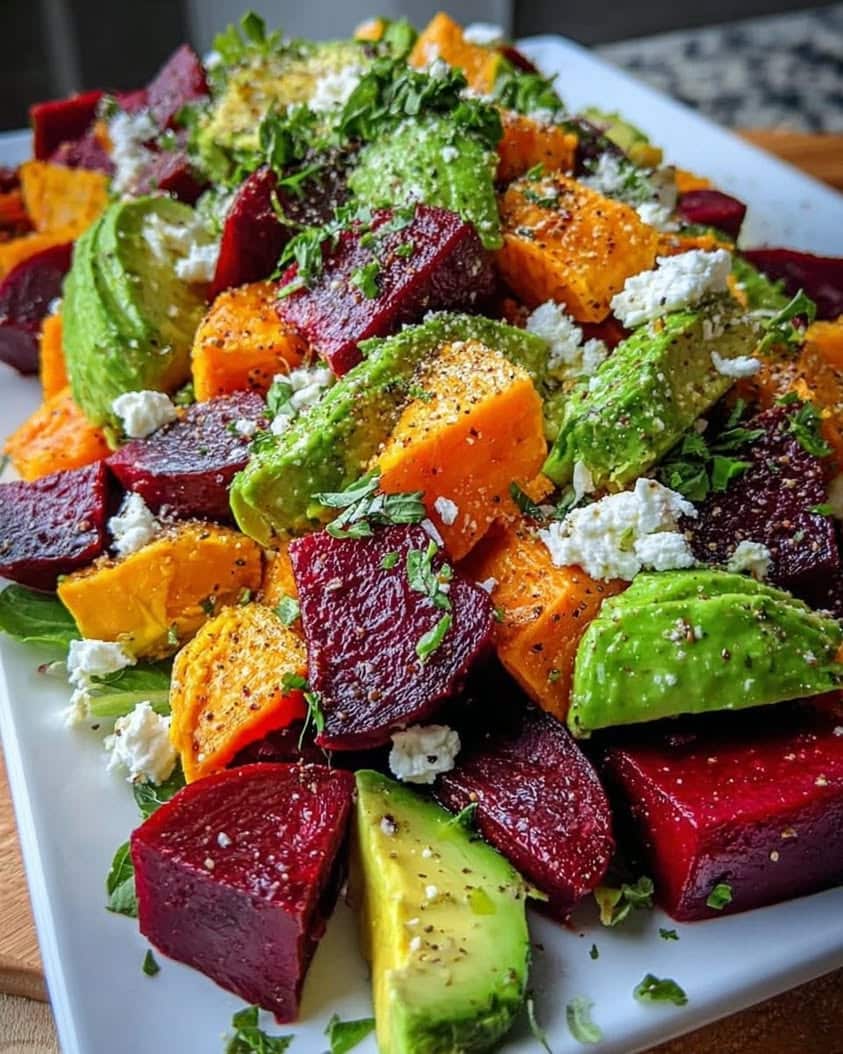
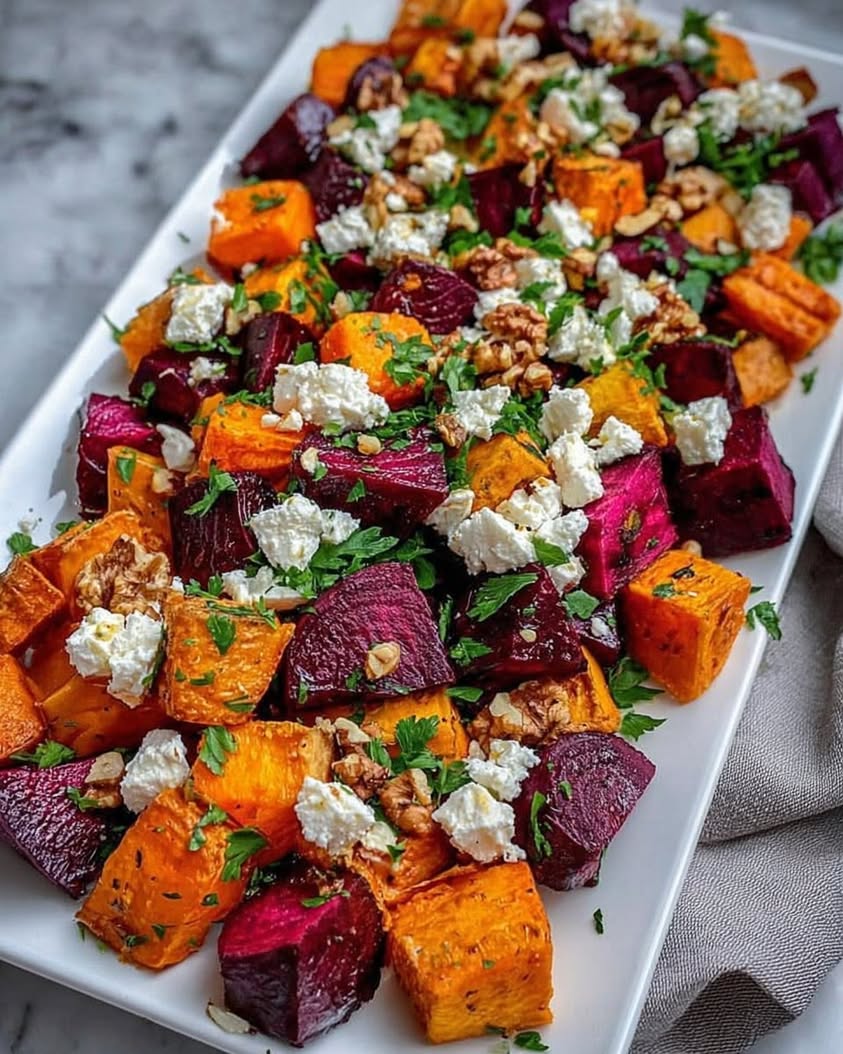
Imagine pulling a tray of vibrant, jewel-toned vegetables from your oven. Their sweet, caramelized aroma fills your kitchen, promising a wholesome and satisfying meal. This salad is not just food; it is a colorful work of art on a plate. The deep ruby red of the beets plays beautifully against the bright orange sweet potatoes. Then, a creamy, tangy yogurt dressing brings everything together, while salty feta and crunchy toasted walnuts provide the perfect finishing touches. Ultimately, this dish proves that healthy eating can be an incredibly delicious and sensory experience.
Furthermore, this recipe is incredibly versatile and forgiving. Whether you need a hearty lunch, a elegant side dish for a dinner party, or a make-ahead meal for busy weeks, this Roasted Beet and Sweet Potato Salad delivers. It is packed with nutrients, fiber, and healthy fats, making it as good for your body as it is for your taste buds. Let us dive into the details of creating this magnificent, flavor-packed feast.
Quick Recipe Highlights
- Flavor Profile: This salad masterfully balances earthy sweetness from the roasted vegetables with the bright tang of the yogurt dressing and the salty punch of feta cheese. Additionally, the toasted walnuts introduce a rich, nutty depth that ties all the elements together beautifully.
- Texture: You will experience a wonderful symphony of textures. The roasted beets and sweet potatoes are tender and slightly caramelized, while the toasted walnuts provide a satisfying, crunchy contrast. Meanwhile, the creamy yogurt dressing coats everything in a smooth, luxurious layer.
- Aroma: As the vegetables roast, your kitchen will fill with the warm, sweet scent of caramelizing roots and a hint of earthy beet. Toasting the walnuts adds a deeply nutty fragrance, and the fresh dill in the dressing brings a final, herbal brightness to the air.
- Visual Appeal: This dish is a feast for the eyes with its dramatic color palette. The deep red and purple of the beets create a stunning contrast against the vibrant orange sweet potatoes. Subsequently, the white feta crumbles and green dill garnish make the colors truly pop on the plate.
- Skill Level Needed: This is a beginner-friendly recipe that requires only basic kitchen skills like chopping and roasting. There is no complicated technique involved; the oven does most of the work. Therefore, it is perfect for novice cooks looking to create an impressive dish.
- Special Equipment: You only need a good baking sheet, a sharp knife, and a small bowl for mixing the dressing. A set of measuring spoons is helpful but not strictly necessary. In other words, you likely have everything required already in your kitchen.
Recipe Overview
- Difficulty Level: We rate this recipe as “Easy” because it involves straightforward, hands-off cooking techniques. The primary steps are chopping vegetables and roasting them on a single tray. Meanwhile, the dressing is a simple mix of pantry staples. Consequently, even a kitchen beginner can achieve fantastic results with minimal stress.
- Category: This dish shines as a hearty vegetarian main course for lunch or a light dinner. Alternatively, it serves as a spectacular side dish for grilled meats or holiday feasts. It also fits perfectly into the category of meal-prep friendly salads that hold up well in the refrigerator.
- Cuisine: While not tied to one specific tradition, this salad draws inspiration from Mediterranean and Middle Eastern culinary principles. The use of yogurt, walnuts, and fresh herbs is common in those regions. However, it is a modern, fusion-style dish that celebrates global, vegetable-forward cooking.
- Cost: This is a very budget-friendly recipe, especially when root vegetables are in season. Beets, sweet potatoes, and onions are typically inexpensive. Feta cheese and walnuts are the pricier components, but a little goes a long way in terms of flavor. Overall, you can make a restaurant-quality meal for a fraction of the cost.
- Season: This salad is ideal for fall and winter when root vegetables are at their peak sweetness and most affordable. However, it is truly a year-round delight. During cooler months, serve it warm; in summer, you can enjoy it chilled for a refreshing yet substantial meal.
- Occasion: It is perfect for casual weeknight dinners, elegant dinner parties, potlucks, and holiday gatherings like Thanksgiving or Christmas. Its make-ahead nature and stunning presentation make it a reliable choice for entertaining. Furthermore, it is a fantastic option for a healthy work lunch.
Why You’ll Love This Roasted Beet and Sweet Potato Salad
First and foremost, the taste and texture combination is utterly irresistible. The natural sugars in the beets and sweet potatoes concentrate and caramelize during roasting, creating a deep, complex sweetness. This earthy sweetness is then perfectly cut by the tangy, creamy yogurt dressing. Additionally, the salty feta cheese and rich, crunchy walnuts add layers of savory and textural contrast that make every forkful exciting. Ultimately, this salad satisfies cravings for something both wholesome and decadently flavorful.
From a convenience standpoint, this recipe is a true winner. The preparation is simple and mostly hands-off once the vegetables are in the oven. You can easily roast the vegetables and toast the walnuts on the same tray. Meanwhile, the dressing comes together in minutes. This efficiency makes it an ideal choice for busy weeknights. Moreover, the entire salad can be assembled ahead of time, as the flavors meld and improve with a few hours in the fridge.
Nutritionally, this Roasted Beet and Sweet Potato Salad is a powerhouse. Beets are loaded with folate, fiber, and beneficial nitrates that support heart health. Sweet potatoes provide a massive dose of vitamin A, crucial for vision and immunity. Walnuts contribute healthy omega-3 fats and protein. Furthermore, the yogurt dressing offers probiotics and calcium. This combination makes for a meal that is deeply nourishing, energizing, and supportive of overall well-being.
For social and entertaining value, this salad is a guaranteed crowd-pleaser. Its vibrant colors create an instant “wow” factor on any buffet or dinner table. It caters beautifully to vegetarians and can be easily adapted for other dietary needs. Guests will appreciate the thoughtful, homemade touch. Plus, because it can be served at room temperature, it removes the stress of last-minute cooking, allowing you to enjoy your own party.
Finally, this dish is remarkably cost-effective and accessible. The core ingredients are humble root vegetables, which are among the most affordable produce items year-round. You can find them at any grocery store or farmers market. The recipe is also forgiving; you can adjust quantities or make simple substitutions based on what you have. Consequently, you can create a gourmet-tasting, visually stunning meal without straining your grocery budget.
Historical Background and Cultural Significance
The story of this salad begins with the ancient history of its core ingredients. Beets have been cultivated since the time of the ancient Egyptians, Romans, and Greeks, initially for their leafy greens. The sweet, bulbous root we eat today was developed later. Similarly, sweet potatoes have a long history in Central and South America, dating back thousands of years. Combining these two storied roots in a modern salad connects us to a deep, global tradition of earth-to-table eating.
Culturally, roasted vegetable dishes are a cornerstone of home cooking across the world. The technique of roasting to concentrate flavor is universal. The addition of cheese and nuts, however, pulls strongly from Mediterranean and Middle Eastern culinary traditions. In those regions, yogurt-based sauces, feta cheese, and walnuts are staple ingredients used to add richness and texture to vegetable-centric meals. This salad is a delicious fusion of these timeless culinary practices.
The evolution of this specific recipe is a testament to modern, health-conscious cooking trends. As people seek more vegetable-forward meals, chefs and home cooks alike have elevated simple roasted vegetables into main-course salads. The addition of a protein-rich element like walnuts and a creamy, probiotic-rich dressing reflects a contemporary desire for meals that are as nutritious as they are satisfying. This dish represents the best of modern, flexible, and flavor-driven home cooking.
Regarding regional variations, the possibilities are endless. In the American South, you might find a version with pecans instead of walnuts. A Greek variation would likely include oregano and Kalamata olives. In the Middle East, a tahini-based dressing might replace the yogurt. Some European versions incorporate goat cheese instead of feta. This adaptability is the recipe’s strength, allowing it to be reinvented according to local tastes and available ingredients while maintaining its core identity.
Ingredient Deep Dive
Let us start with beets. These vibrant roots have a history spanning millennia and were originally prized for their medicinal properties. Nutritionally, they are a fantastic source of folate, manganese, potassium, iron, and vitamin C. They also contain unique compounds like betalains, which have antioxidant and anti-inflammatory effects. When selecting beets, look for firm, smooth bulbs with vibrant greens still attached, if possible. Store them unwashed in the refrigerator for up to two weeks. For a substitution, try roasted carrots or golden beets for a different color.
Next, consider the sweet potato. This tuber is native to the Americas and was a staple food for indigenous peoples long before European contact. It is famously rich in beta-carotene, which your body converts to vitamin A. It also provides significant vitamin C, manganese, and fiber. Choose firm sweet potatoes with smooth, unbruised skin. Store them in a cool, dark, well-ventilated place—not the refrigerator. As a substitute, butternut squash or regular potatoes will work, though the flavor profile will shift.
Now, examine the feta cheese. This brined cheese has been made in Greece for centuries and is a protected designation of origin product. It adds a crucial salty, tangy element that balances the sweetness of the vegetables. Feta is a good source of calcium and protein. For the best flavor, buy feta blocks packed in brine rather than pre-crumbled dry versions. If you need a substitute, goat cheese offers a similar tang, or for a vegan option, try salty, marinated tofu or a sprinkle of nutritional yeast.
Finally, focus on the walnuts. Walnuts are among the oldest tree foods, with evidence of their consumption dating back to 7000 B.C. They are uniquely high in alpha-linolenic acid, a plant-based omega-3 fatty acid. They also provide protein, magnesium, and antioxidants. Always taste a walnut before using to ensure it is not rancid. For the best flavor and texture, toast them just before serving. If you need a substitute, pecans or almonds would be excellent alternatives, though they will impart a different flavor note.
Common Mistakes to Avoid
- Overcrowding the Baking Sheet: Placing the vegetables too close together causes them to steam instead of roast. Consequently, you will miss out on the essential caramelization. Always use a large enough sheet and spread the pieces in a single layer with space between them.
- Underseasoning the Vegetables Before Roasting: Salt is crucial for drawing out moisture and enhancing natural flavors. Do not be shy with salt and pepper before the vegetables go into the oven. Otherwise, the final salad may taste bland, regardless of the dressing.
- Not Drying the Beets After Peeling and Chopping: Beets release a lot of moisture. If you put wet pieces on the tray, they will steam. Always pat them thoroughly dry with a paper towel to ensure proper roasting and browning.
- Burning the Walnuts: Walnuts toast quickly and can go from golden to burnt in moments. Watch them closely in the last few minutes of roasting, or toast them separately in a dry skillet for more control. Burnt walnuts will add a bitter flavor to your salad.
- Using Thin, Non-Fat Yogurt for the Dressing: A thin yogurt will make a runny dressing that pools at the bottom of the bowl. For a creamy, luxurious texture that clings to the vegetables, use whole-milk Greek yogurt or a thick, plain yogurt.
- Adding the Dressing While Vegetables Are Hot: Pouring cold dressing onto piping hot vegetables can cause the yogurt to separate or become watery. Let the roasted components cool for at least 10-15 minutes before assembling the salad for the best texture.
- Skipping the Fresh Herb: The fresh dill is not just a garnish; it provides a critical burst of fresh, aromatic flavor that lifts the entire dish. Dried dill cannot replicate this. If you dislike dill, fresh parsley or chives make good alternatives.
- Storing the Assembled Salad for Too Long Before Serving: While the salad holds up well, the walnuts will eventually lose their crunch if left to sit in the dressed salad for more than a day. For best results, add the walnuts just before serving if you meal-prep ahead.
Essential Techniques
Uniform Chopping: Cutting your beets and sweet potatoes into evenly sized pieces is the most important technique for this Roasted Beet and Sweet Potato Salad. Consistent size ensures everything cooks at the same rate, preventing some pieces from being undercooked while others burn. Aim for ¾-inch to 1-inch cubes. Use a sharp chef’s knife for clean cuts and safer handling, especially with the hard beet. The visual cue for success is a tray of vegetables that all reach a similar level of caramelized tenderness at the same time.
High-Heat Roasting: Roasting at a high temperature (400°F or above) is non-negotiable. This heat quickly caramelizes the natural sugars on the surface of the vegetables, creating complex flavors and a slightly crisp exterior. A lower temperature will simply bake them, resulting in a softer, less flavorful outcome. The key is to preheat your oven fully so the vegetables hit the hot air immediately. You will know it is working when you smell that sweet, toasty aroma and see golden-brown edges forming on the cubes.
Toasting Nuts: Toasting walnuts unlocks their full nutty flavor and gives them a satisfying crunch. You can do this in the oven on a separate tray during the last 5-7 minutes of vegetable roasting, but watch them like a hawk. Alternatively, toast them in a dry skillet over medium heat, shaking frequently, for more control. The nuts are done when they become fragrant and take on a slightly darker color. The common pitfall is stepping away, leading to burnt, bitter nuts that can ruin your dish.
Emulsifying the Dressing: A great yogurt dressing should be smooth, creamy, and well-combined. To achieve this, whisk the yogurt vigorously with the lemon juice and olive oil until the mixture is homogenous and slightly thickened. Adding the oil in a slow, steady stream while whisking helps it incorporate smoothly. The dressing should coat the back of a spoon. If it is too thick, add a teaspoon of water. If it is too thin, whisk in a bit more yogurt.
Pro Tips for Perfect Roasted Beet and Sweet Potato Salad
First, wear disposable gloves when peeling and chopping fresh beets to avoid stained hands. The pigments are strong and can linger for a day.
Second, toss the beet cubes in a little oil separately before adding them to the sweet potatoes. This prevents the red juice from turning the sweet potatoes pink before roasting.
Third, add a teaspoon of maple syrup or honey to the vegetables before roasting. This tiny addition encourages even more caramelization and depth of flavor.
Fourth, let the roasted vegetables cool slightly before adding the feta. Warm vegetables can cause the feta to melt and lose its distinct crumbly texture.
Fifth, toast extra walnuts. They are a delicious, healthy snack, and having extras ensures you have enough for a generous garnish.
Sixth, if making ahead, store the dressing separately and toss it with the vegetables and feta no more than an hour before serving to maintain optimal texture.
Seventh, use the leftover beet greens! Sauté them with garlic for a delicious, nutrient-packed side dish to accompany your salad.
Eighth, for an extra flavor dimension, sprinkle a pinch of smoked paprika or sumac over the finished salad just before serving.
Variations and Adaptations
For regional variations, consider a Greek twist by adding Kalamata olives and fresh oregano. A Middle Eastern version could feature a drizzle of pomegranate molasses and a sprinkle of za’atar. In the fall, incorporate roasted apples or pears for a sweet and savory combination. The basic formula is incredibly adaptable to local flavors and ingredients you love.
Seasonal adaptations are easy. In spring, add roasted asparagus tips or fresh peas. Summer invites the addition of fresh corn kernels or cherry tomatoes. For a heartier winter meal, serve the warm salad over a bed of quinoa or farro to add whole grains and make it even more filling. The roasted vegetables provide a constant, delicious base that welcomes seasonal accents.
Dietary modifications are straightforward. For a vegan Roasted Beet and Sweet Potato Salad, omit the feta and use a dairy-free yogurt or a tahini-lemon dressing. For a nut-free version, substitute toasted sunflower or pumpkin seeds for the walnuts. To make it lower in fat, use a light yogurt and reduce the olive oil in the dressing, relying more on lemon juice and herbs for flavor.
Flavor variations can keep this recipe exciting. Try using different herbs like mint, tarragon, or basil in the dressing. Swap the feta for goat cheese, blue cheese, or a sharp cheddar. Add a teaspoon of curry powder or cumin to the vegetables before roasting for a warm, spiced note. A handful of dried cranberries or cherries can introduce a chewy, tart element.
Serving and Presentation Guide
Plating is key for this visually stunning dish. For individual servings, use a wide, shallow bowl or plate. Start with a base of the roasted vegetables, then artfully drizzle the yogurt dressing over the top. Do not toss it all together if presentation is a priority. Instead, let the vibrant colors of each component remain distinct. Garnish with the toasted walnuts, extra dill, and a final crack of black pepper.
For a family-style presentation, a large, colorful platter works beautifully. Pile the roasted vegetables in the center. Crumble the feta over the top, then sprinkle with walnuts. Drizzle the dressing in zig-zags or pools around the mound. Finally, scatter the fresh dill over everything. This method allows guests to see all the beautiful components before they serve themselves.
Traditional accompaniments include grilled chicken, lamb chops, or salmon for a non-vegetarian meal. It also pairs wonderfully with other Mediterranean sides like hummus, pita bread, and olives. For a complete vegetarian feast, serve it alongside a lentil salad or stuffed grape leaves. The salad’s robust flavors stand up well to other strong, complementary dishes.
Consider temperature for the best experience. This salad is excellent warm, at room temperature, or even chilled. For a cozy meal, serve it warm from the oven. For a picnic or potluck, room temperature is ideal. If you prefer a refreshing lunch, chill it for a few hours. The flavors develop more as it sits, making it a fantastic make-ahead option.
Wine and Beverage Pairing
Wine pairings should complement the earthy sweetness and tangy dressing. A crisp, dry rosé with bright acidity cuts through the richness beautifully. A light-bodied Pinot Noir with earthy notes mirrors the beets and will not overpower the dish. For white wine lovers, a Sauvignon Blanc or a dry Riesling offers a refreshing contrast to the salad’s savory and sweet elements. The key is to choose wines with good acidity to balance the dish.
For non-alcoholic alternatives, sparkling water with a squeeze of lemon or lime is always refreshing. An herbal iced tea, like mint or lemon verbena, complements the fresh dill in the salad. A tart cherry juice or pomegranate juice spritzer can echo the fruity, earthy notes of the beets. These beverages cleanse the palate between bites of the flavorful salad.
If considering coffee or tea, a light roast coffee or a cup of green tea would be suitable after the meal. Their subtle bitterness and clean finish can be a nice palate cleanser following the creamy, tangy, and sweet flavors of the Roasted Beet and Sweet Potato Salad. However, they are better as a post-meal beverage rather than a pairing during the meal itself.
Storage and Shelf Life
Store leftover salad in an airtight container in the refrigerator. Properly stored, it will keep for 3 to 4 days. For best results, store the components separately if possible: keep the dressed vegetables in one container and the toasted walnuts in another, adding the nuts just before serving to maintain their crunch. The yogurt dressing may release a little water over time; simply give the salad a good stir before serving.
Signs of spoilage include an off or sour smell, significant liquid separation that cannot be stirred back in, or visible mold, especially on the feta cheese. The vegetables may also become unpleasantly mushy after several days. Always use your senses—if it looks or smells questionable, it is best to discard it.
This salad does not freeze well. The texture of the roasted vegetables becomes watery and mushy upon thawing, and the yogurt dressing will separate. The walnuts will lose all their crunch. Therefore, it is best enjoyed fresh or refrigerated for a few days. Plan to consume it within the recommended timeframe for optimal quality.
Make Ahead Strategies
You can fully prepare this salad up to a day in advance. Roast the vegetables and let them cool completely. Prepare the dressing and store it in a separate jar in the fridge. Keep the toasted walnuts in an airtight container at room temperature. About an hour before serving, combine the cooled vegetables and feta in your serving dish. Drizzle with most of the dressing, toss gently, then garnish with walnuts and the remaining dressing. This timeline ensures the flavors meld while the textures remain perfect.
For a component-based prep, chop the beets and sweet potatoes up to two days ahead. Store them in separate containers or bags in the refrigerator. This cuts your active prep time on the day of serving to just tossing and roasting. You can also measure out your dressing ingredients ahead of time. Then, simply whisk them together when you are ready to assemble.
If you must assemble the entire salad a day ahead, be aware that the walnuts will soften. To mitigate this, store the salad without the walnuts and add them just before serving. The vegetables will also absorb the dressing and become more flavorful, which many people prefer. Give the salad a good stir and a fresh garnish of herbs before bringing it to the table.
Scaling Instructions
Halving the recipe is simple for a smaller household. Use one medium beet and one small sweet potato. Reduce all other ingredients proportionally. Use a smaller baking sheet to keep the vegetables in a single layer for proper roasting. The cooking time may be slightly less, so start checking for tenderness around the 30-minute mark.
Doubling or tripling the recipe for a crowd is easy. You will need multiple baking sheets. Rotate the sheets in the oven halfway through cooking to ensure even roasting. Do not overcrowd any single tray. For the dressing, simply multiply the ingredients. Consider mixing the dressing in a larger bowl or even using a blender for a large batch to ensure it is perfectly smooth and emulsified.
The main equipment adjustment for scaling up is oven space and mixing bowls. Ensure you have enough large baking sheets and that your oven can accommodate them with proper air circulation. You may need to roast in batches. For a very large gathering, you can roast the vegetables ahead of time and keep them warm in a low oven until serving time.
Nutritional Deep Dive
This Roasted Beet and Sweet Potato Salad is a macronutrient-balanced meal. It provides complex carbohydrates from the vegetables for sustained energy, healthy fats from the olive oil and walnuts, and protein from the yogurt, feta, and nuts. The fiber content is exceptionally high, promoting digestive health and satiety. This combination helps regulate blood sugar levels and keeps you feeling full and satisfied for hours after eating.
Micronutrient analysis reveals a powerhouse of vitamins and minerals. Beets contribute folate and iron. Sweet potatoes are famously rich in vitamin A (as beta-carotene). Walnuts provide magnesium and vitamin E. Yogurt and feta offer calcium and B vitamins. The olive oil and lemon juice in the dressing add vitamin E and vitamin C, respectively. Together, they support immune function, bone health, heart health, and skin health.
For weight management, this salad is an excellent choice. It is voluminous and filling due to its high fiber and water content, which helps control overall calorie intake. The healthy fats and protein further enhance satiety. To make it even lighter, you can reduce the amount of olive oil in the dressing or use a light yogurt. Portion control is easy—one-quarter of the recipe makes a generous and satisfying main course serving.
Dietary Adaptations
Gluten-Free: This recipe is naturally gluten-free. All ingredients—beets, sweet potatoes, yogurt, feta, walnuts, olive oil, and herbs—are free from gluten. Always check your yogurt label to ensure no thickeners containing gluten have been added, though this is rare.
Dairy-Free/Vegan: For a dairy-free and vegan Roasted Beet and Sweet Potato Salad, use a plant-based yogurt (like coconut or almond milk yogurt) for the dressing. Omit the feta or replace it with a vegan feta alternative or crumbled, marinated tofu. The rest of the recipe remains the same.
Low-Carb/Keto: This salad is higher in carbs due to the root vegetables. For a lower-carb version, reduce the amount of sweet potato and beet, and add more low-carb vegetables like zucchini, bell peppers, or cauliflower to the roasting tray. Increase the proportion of walnuts and feta to maintain satiety.
Paleo: Omit the feta cheese and ensure your yogurt is a coconut-based, unsweetened yogurt. All other ingredients are Paleo-friendly. The salad will still be flavorful and satisfying with the roasted vegetables, nuts, and herb dressing.
Low-FODMAP: Beets and sweet potatoes can be high in FODMAPs in larger servings. Stick to a ½ cup serving of the roasted vegetable mix per person to likely stay within limits. Use garlic-infused olive oil instead of fresh garlic in the dressing, and omit the onion entirely. Ensure the yogurt is lactose-free.
Troubleshooting Guide
Vegetables Are Soggy, Not Roasted: This is almost always due to overcrowding on the pan. The vegetables release steam and cannot caramelize. Solution: Use two baking sheets if necessary to ensure a single, uncrowded layer. Also, ensure your oven is fully preheated to the correct temperature before adding the tray.
Salad Tastes Bland: Underseasoning is the culprit. Remember to generously salt and pepper the vegetables before roasting. The dressing also needs enough salt and acid (lemon juice) to balance the yogurt’s tang and the vegetables’ sweetness. Solution: Taste and adjust seasoning at every stage—after roasting, in the dressing, and in the final assembly.
Dressing Is Too Thick or Too Thin: If your yogurt dressing is too thick to drizzle, whisk in a teaspoon of water or lemon juice at a time until it reaches the desired consistency. If it is too thin, your yogurt may have been low-fat or runny. Whisk in a little more yogurt or a pinch of cornstarch to thicken it slightly.
Beets Stained Everything Pink: If you toss the raw beets and sweet potatoes together, the beet juice will color the sweet potatoes. Solution: Toss the beet cubes in oil separately in one bowl, and the sweet potatoes in another. Then, keep them in separate areas on the baking sheet. They can mingle once roasted.
Recipe Success Stories
Community feedback on this Roasted Beet and Sweet Potato Salad has been overwhelmingly positive. Many readers report it becoming a regular in their weekly rotation, especially for meal prep. One home cook shared that it was the star of her Thanksgiving table, with several guests requesting the recipe. Another mentioned that her children, who usually avoid beets, devoured this salad because of the sweet potatoes and creamy dressing.
Variation successes are fun to hear about. A reader added roasted chickpeas to the salad for extra protein and loved the added crunch. Another used a combination of golden and red beets for a stunning multicolored effect. Several have successfully made it vegan for potlucks, and it was enjoyed by everyone, regardless of diet. These adaptations show the recipe’s wonderful flexibility.
Photography tips from enthusiasts suggest natural light is best for capturing the vibrant colors. Shooting from above (an overhead flat lay) beautifully showcases the colorful components. A dark plate or rustic wooden board can make the reds and oranges pop even more. A final drizzle of dressing and a sprinkle of fresh herbs right before the photo adds a professional, finished look.
Frequently Asked Questions
Can I use pre-cooked beets? Yes, you can use vacuum-sealed pre-cooked beets to save time. However, they will not have the same deep, caramelized flavor that comes from roasting. If using them, pat them very dry, cube them, and just warm them in the oven for 5-10 minutes with the sweet potatoes to blend the flavors.
How do I prevent my hands from staining when handling beets? Wear disposable kitchen gloves while peeling and chopping. If you do get stained, rubbing your hands with lemon juice or salt can help lift the pigment. The stain is temporary and harmless.
Can I make this without an oven? You can achieve a similar result by cubing the vegetables and sautéing them in a large skillet with a little oil over medium-high heat. It will take more attention and stirring to get even browning, but it is possible. Alternatively, an air fryer works very well for roasting vegetable cubes.
Is the yogurt dressing the same as tzatziki? No, this is a simpler dressing. Tzatziki typically contains grated cucumber, garlic, and sometimes vinegar or dill. This dressing is a quick mix of yogurt, lemon, oil, and herbs—lighter and designed specifically to complement the sweet roasted vegetables.
Can I use a different type of nut? Absolutely. Pecans, almonds, or pistachios would all be delicious. Pine nuts are also a great option, though toast them very carefully as they burn easily. Each nut will bring its own unique flavor and texture to the salad.
My beets are taking forever to roast. Why? Beets are denser than sweet potatoes. Ensure they are cut into even, small cubes (no larger than 1-inch). If some pieces are much larger, they will take longer to cook. If needed, you can remove the tender sweet potatoes and continue roasting the beets alone for a few more minutes.
Can I use dried dill instead of fresh? Fresh dill is highly recommended for its bright, aromatic flavor. Dried dill has a different, more muted taste. If you must substitute, use about one-third the amount of dried dill, but know the flavor profile will be different.
How can I tell when the vegetables are done roasting? They should be tender enough to easily pierce with a fork, and the edges should be caramelized and slightly crisp. The sweet potatoes may start to brown on the corners. They should not be mushy or falling apart.
Is this salad good for weight loss? Yes, it can be an excellent part of a weight management plan. It is high in fiber and volume, which promotes fullness, and is packed with nutrients. Be mindful of portion sizes of the higher-calorie ingredients like walnuts, feta, and olive oil if you are strictly counting calories.
Can I add a grain to this salad? Definitely. Serving it over a bed of quinoa, farro, or brown rice turns it into a more substantial, complete meal. The grains will soak up the extra dressing beautifully. Add the grain after it has cooled to room temperature.
Additional Resources
If you loved this Roasted Beet and Sweet Potato Salad, explore other roasted vegetable dishes. A Moroccan-inspired roasted carrot salad with harissa and chickpeas or a warm farro salad with roasted Brussels sprouts and apples would be fantastic next tries. Roasting is a technique that unlocks incredible flavor in almost any vegetable.
For mastering techniques, look for guides on knife skills for safe and efficient chopping. Understanding how to properly emulsify a dressing or how to toast nuts to perfection will elevate all your cooking, not just this recipe. These fundamental skills are the building blocks of confident home cooking.
For ingredient information, consider learning more about the seasonality of root vegetables. Visiting a local farmers market can introduce you to different beet varieties like Chioggia or golden beets. Understanding how to select and store produce ensures you always get the best flavor and value from your ingredients.
PrintRoasted Beet and Sweet Potato Salad with Feta, Yogurt Dressing & Toasted Walnuts
- Total Time: 45 minutes
- Yield: 4
Description
A vibrant, nutrient-packed salad featuring earthy roasted beets and sweet potatoes, topped with creamy feta, crunchy walnuts, and a tangy yogurt dressing.
Ingredients
- 2 medium beets, peeled and cubed
- 1 large sweet potato, peeled and cubed
- 2 tablespoons olive oil
- 1/2 teaspoon salt
- 1/4 teaspoon black pepper
- 1/2 cup crumbled feta cheese
- 1/2 cup walnuts, toasted
- 4 cups mixed greens
- For the yogurt dressing: 1/2 cup plain Greek yogurt, 2 tablespoons lemon juice, 1 tablespoon honey, 1 clove garlic, minced, 1 tablespoon fresh dill, chopped
Instructions
- Preheat oven to 400°F (200°C). Toss beets and sweet potato with olive oil, salt, and pepper on a baking sheet. Roast for 25-30 minutes until tender and slightly caramelized.
- While vegetables roast, prepare the dressing: In a small bowl, whisk together Greek yogurt, lemon juice, honey, minced garlic, and dill until smooth. Set aside.
- In a large bowl, arrange mixed greens. Top with roasted beets and sweet potatoes, crumbled feta, and toasted walnuts. Drizzle with yogurt dressing just before serving.
Notes
You can customize the seasonings to taste.
- Prep Time: 15 minutes
- Cook Time: 30 minutes
- Method: Main
- Cuisine: American