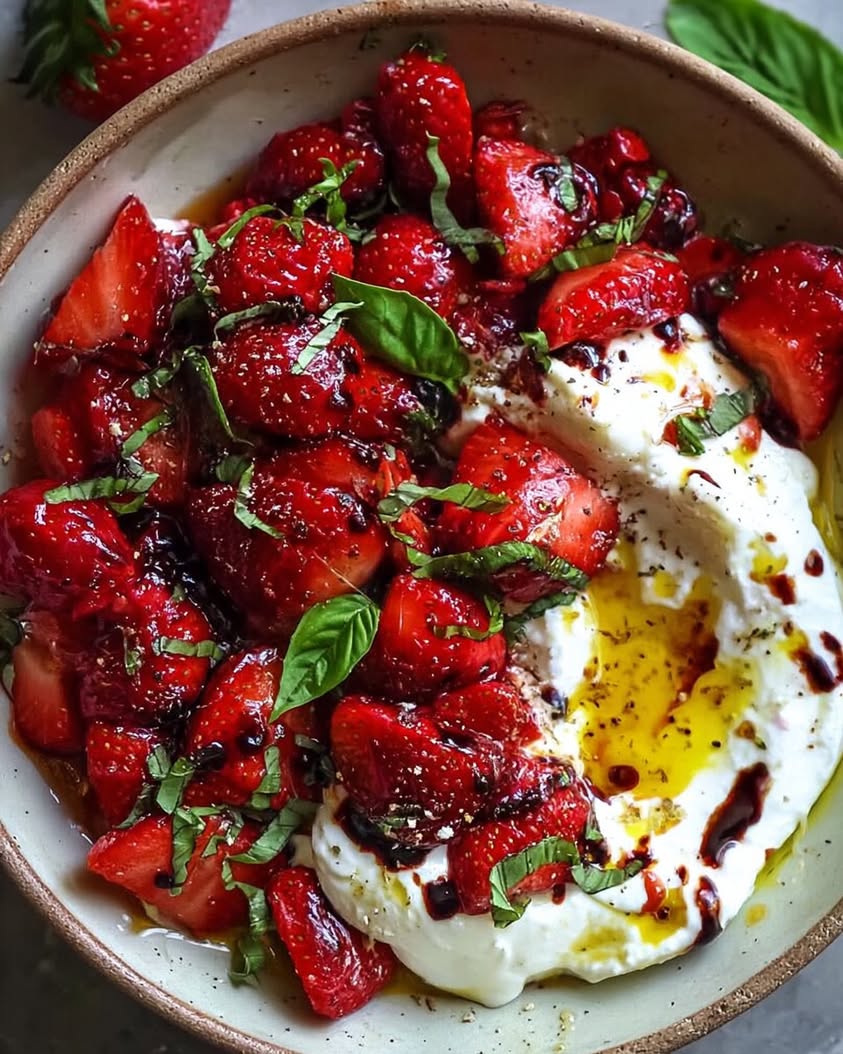
Whipped Feta with Roasted Strawberries: A Sweet and Savor Appetizer
Imagine a dip that perfectly balances creamy, salty, and sweet in every single bite. This whipped feta with roasted strawberries is exactly that kind of magical appetizer. Consequently, it transforms simple ingredients into a show-stopping centerpiece for your table. The process involves roasting fresh strawberries with a touch of balsamic vinegar to intensify their natural sweetness. Meanwhile, you blend tangy feta cheese into a cloud-like, spreadable delight. Ultimately, the combination creates a flavor profile that is both sophisticated and incredibly comforting.
This recipe for whipped feta with roasted strawberries is a guaranteed crowd-pleaser. For instance, it works beautifully as an elegant starter for a dinner party. Alternatively, it makes a stunning addition to a weekend brunch spread. The visual contrast of the pale pink, creamy dip topped with glossy, jewel-toned berries is simply irresistible. Moreover, the aroma of roasting strawberries with balsamic will fill your kitchen with an incredibly inviting scent. This dish proves that appetizers can be both effortless and impressively flavorful.
Fundamentally, this whipped feta with roasted strawberries recipe celebrates the best of seasonal produce. It highlights how a few quality ingredients can create something extraordinary. The salty punch of the feta provides the perfect counterpoint to the syrupy, roasted fruit. Additionally, a drizzle of honey and a sprinkle of fresh herbs tie everything together. This appetizer is not just food; it’s an experience that engages all the senses from sight and smell to taste and texture.
Quick Recipe Highlights
- Flavor Profile: This dish masterfully combines the tangy, salty notes of feta cheese with the deep, caramelized sweetness of roasted strawberries. A hint of balsamic vinegar adds a complex acidity, while fresh thyme and a honey drizzle bridge the flavors beautifully. Ultimately, each component complements the others without any single note overpowering the rest.
- Texture: The texture journey is a key part of the experience. The whipped feta achieves an incredibly light and airy, almost mousse-like consistency that spreads effortlessly. In contrast, the roasted strawberries become tender and jammy, with a slight syrupy thickness. Together on a crisp crostini or cracker, they create a perfect harmony of creamy, soft, and crunchy elements.
- Aroma: The aroma begins with the earthy, floral scent of fresh strawberries roasting with balsamic, which caramelizes into a rich, sweet fragrance. As the feta whips, it releases its distinctive tangy, salty scent. Finally, the fresh thyme and honey contribute herbal and floral notes that make the entire dish smell as incredible as it tastes.
- Visual Appeal: This appetizer is a feast for the eyes. The whipped feta forms a smooth, pale base that looks elegant in any bowl. The roasted strawberries pile on top like glistening rubies, often with a glossy syrup. A final garnish of green thyme leaves, cracked black pepper, and a golden drizzle of honey creates a stunning, restaurant-quality presentation.
- Skill Level Needed: This is a beginner-friendly recipe that requires no advanced techniques. The primary skills are simple vegetable roasting and using a food processor or blender. Therefore, even novice cooks can achieve fantastic results by following straightforward steps. Attention to timing and not over-processing the cheese are the only slight cautions.
- Special Equipment: You will need a baking sheet for roasting the strawberries and either a food processor, a high-powered blender, or a stand mixer with a whisk attachment to achieve the perfectly creamy whipped feta texture. A rubber spatula is also helpful for scraping down the sides of the processor bowl to ensure everything blends evenly.
Recipe Overview
- Difficulty Level: We classify this whipped feta with roasted strawberries recipe as easy. The steps are simple and sequential, with minimal hands-on time. Most of the work happens in the oven and the food processor. However, achieving the perfect whipped consistency for the feta requires paying attention to blending time. Overall, it’s an accessible recipe for cooks of any experience level.
- Category: This dish falls primarily into the appetizer and snack category. It is perfect for parties, gatherings, or a fancy snack. Furthermore, it can easily function as part of a meze or grazing board. Some people also enjoy it as a unique and flavorful lunch when served with a hearty salad on the side.
- Cuisine: While not strictly traditional to one region, this recipe draws inspiration from Mediterranean and Middle Eastern culinary traditions. Whipped feta dips have roots in Greek and Turkish meze. The technique of roasting fruit with balsamic is common in modern European and American cooking. Consequently, it’s a beautiful fusion that respects its influences while creating something new.
- Cost: This is a moderately priced appetizer. The main cost drivers are the block of feta cheese and fresh strawberries, especially if they are out of season. However, the other ingredients like honey, olive oil, and balsamic vinegar are pantry staples for many. Overall, it delivers a high perceived value for the cost, making it feel luxurious without a huge grocery bill.
- Season: This whipped feta with roasted strawberries recipe shines brightest in late spring and early summer. That is when strawberries are at their peak of sweetness and flavor. Nevertheless, you can make it year-round using good-quality strawberries from the store. Roasting actually enhances the flavor of less-perfect off-season berries, making it a versatile choice.
- Occasion: It is incredibly versatile for occasions. Serve it at casual summer picnics, elegant cocktail parties, holiday gatherings, or romantic date nights at home. It also makes a fantastic contribution to potlucks because it travels well and looks impressive. Basically, any event that calls for a memorable, shareable bite is the right occasion.
Why You’ll Love This Recipe
First and foremost, the taste and texture of this whipped feta with roasted strawberries are utterly addictive. The initial creamy, salty tang of the feta immediately gives way to the warm, jammy sweetness of the berries. Each mouthful is a complex dance of flavors that keeps you coming back for more. The contrast between the light, fluffy cheese and the syrupy fruit creates a sensory experience that is both satisfying and sophisticated. You will find it hard to believe something so delicious comes together with so little effort.
From a convenience standpoint, this recipe is a dream. The prep work is minimal, involving mostly washing, hulling, and halving strawberries. After that, the oven and food processor do the heavy lifting. You can easily multitask, preparing other elements of your meal while the strawberries roast. Furthermore, the components can be made slightly ahead of time and assembled just before serving. This makes it a stress-free option for entertaining, allowing you to enjoy your own party.
Nutritionally, this appetizer offers some surprising benefits. Feta cheese is a good source of calcium and protein, and it is typically lower in fat than many other cheeses. Strawberries are packed with vitamin C, antioxidants, and fiber. Using olive oil and honey adds healthy fats and natural sweetness. While it is an indulgent treat, it is made from whole, recognizable ingredients. Compared to many processed dips and spreads, this is a wholesome choice you can feel good about serving.
The social and entertaining value of this dish is exceptionally high. It is a guaranteed conversation starter due to its stunning appearance and unique flavor combination. People are always intrigued and delighted by the pairing. It encourages sharing and interaction as guests gather around the dip bowl. Serving it makes you look like a culinary rockstar, even though the process was simple. It elevates any gathering from ordinary to memorable with very little stress on the host.
Finally, this whipped feta with roasted strawberries recipe is cost-effective and accessible. You do not need any rare or expensive specialty ingredients. The recipe is also forgiving; for example, you can use different herbs or a different type of vinegar in a pinch. It transforms affordable staples into something that feels luxurious and special. This accessibility means anyone can recreate this restaurant-worthy dish at home without breaking the bank. It is the epitome of cooking smart and eating well.
Historical Background and Cultural Significance
The story of whipped feta with roasted strawberries is a modern tale of culinary fusion. Whipped cheese dips, however, have ancient roots. For centuries, Mediterranean and Middle Eastern cultures have been blending cheeses with herbs, yogurt, or olive oil to create creamy spreads like Greek tirokafteri or Turkish haydari. These dishes were staples of meze, the tradition of sharing small plates to encourage conversation and community. The act of whipping feta specifically likely gained popularity as food processors became common household appliances, transforming a crumbly cheese into a luxurious, spreadable texture.
Culturally, this dish sits at the intersection of several traditions. The use of feta cheese immediately connects it to Greece, where feta holds a Protected Designation of Origin status. The technique of roasting fruit to concentrate its sugars is a practice seen across global cuisines, from Italian roasted grapes to Middle Eastern roasted figs. Combining cheese and fruit is also a classic pairing found in everything from Italian pear and gorgonzola to French fromage blanc with berries. This recipe respectfully borrows from these traditions to create a contemporary classic.
The evolution of this specific recipe is a testament to modern food trends. It likely emerged from the popular “whipped feta” trend that swept food blogs and social media, where the cheese was paired with everything from honey to hot peppers. The addition of roasted strawberries represents a natural progression, capitalizing on the desire for sweet-and-savory appetizers and the Instagram-worthy “pink food” trend. It reflects a contemporary palate that values bold flavor contrasts, visual appeal, and shareable, dippable foods perfect for social gatherings.
Regional variations of this concept are already appearing, showcasing its adaptability. In the Pacific Northwest, cooks might use roasted marionberries or raspberries. In the South, a spoonful of bourbon could be added to the roasting strawberries. A Middle Eastern variation might include a sprinkle of za’atar on top instead of thyme. Some versions incorporate roasted garlic into the whipped feta for a more savory base. This flexibility ensures the core idea of whipped feta with roasted strawberries will continue to inspire cooks and adapt to local ingredients and tastes for years to come.
Ingredient Deep Dive
Feta cheese is the star of this whipped feta with roasted strawberries recipe. Traditionally made from sheep’s milk or a sheep-goat blend in Greece, feta is a brined cheese known for its tangy, salty flavor and crumbly texture. Nutritionally, it is a good source of calcium, protein, and beneficial fats like conjugated linoleic acid (CLA). When selecting feta, opt for a block packed in brine rather than pre-crumbled, as it will be creamier and less dry. For the best whipped texture, let the cheese come to room temperature before blending. If you need a substitution, a firm ricotta salata or a creamy goat cheese can work, though the flavor profile will shift.
Fresh strawberries bring the essential sweet element to this dish. These beloved berries, members of the rose family, have been cultivated since Roman times. They are incredibly rich in vitamin C, manganese, folate, and potent antioxidants like anthocyanins, which give them their red color. For the best flavor in your whipped feta with roasted strawberries, choose berries that are fragrant, uniformly red, and firm with bright green caps. Avoid washing them until just before use to prevent sogginess. While fresh is ideal, you can use frozen whole strawberries in a pinch; just roast them directly from frozen, adding a few extra minutes to the cooking time.
High-quality extra virgin olive oil plays multiple crucial roles. It helps roast the strawberries without burning, adds richness to the whipped feta, and is perfect for a final drizzle. Olive oil is a cornerstone of the Mediterranean diet, packed with heart-healthy monounsaturated fats and antioxidants. For roasting, a good standard extra virgin olive oil is fine. For drizzling on top, consider using a more delicate, fruity finishing oil to add a final layer of flavor. The oil’s quality directly impacts the dish’s depth, so avoid using bland or old oil.
Balsamic vinegar is the magic ingredient that elevates the roasted strawberries. True traditional balsamic vinegar, Aceto Balsamico Tradizionale, is aged for years and has a complex, sweet-tart flavor. For cooking, a moderately priced, decent-quality balsamic glaze or reduction works perfectly to add a syrupy acidity that balances the berries’ sweetness. It helps the strawberries caramelize and creates a beautiful glaze. If you don’t have balsamic, a red wine vinegar with a tiny pinch of sugar can substitute, though you’ll lose some depth. A splash of good balsamic at the end of roasting is non-negotiable for the best flavor.
Common Mistakes to Avoid
- Using Pre-Crumbled Feta: Pre-crumbled feta contains anti-caking agents that can prevent it from blending into a smooth, creamy consistency. Always start with a solid block of feta packed in brine for the silkiest whipped texture in your whipped feta with roasted strawberries.
- Overcrowding the Baking Sheet: If you pile the strawberries on top of each other, they will steam instead of roast. For proper caramelization, spread them in a single layer with a little space between each piece. This ensures they roast evenly and develop those delicious, concentrated flavors.
- Blending Cold Feta: Taking feta straight from the fridge and trying to whip it is a recipe for a grainy dip. Cold cheese is harder and won’t break down smoothly. Always let your feta sit at room temperature for at least 30 minutes before blending for a perfectly creamy result.
- Over-Processing the Cheese: Once the feta is smooth and creamy, stop blending. If you continue to process it, the friction can heat the cheese and cause it to break or become greasy. Pulse or blend just until you achieve a homogeneous, spreadable texture.
- Skipping the Acid in the Roast: The balsamic vinegar (or other acid) is not optional. It cuts through the sweetness of the berries and helps create a glossy, syrupy sauce. Without it, the strawberries can taste flat and one-dimensional. That acid is key to the complex flavor balance.
- Forgetting to Scrape the Bowl: When blending the feta, ingredients like olive oil or cream cheese can get stuck on the sides of the food processor. Failing to stop and scrape down the bowl with a spatula midway through will leave you with an uneven, lumpy dip.
- Using Overripe, Mushy Strawberries: While ripe berries are ideal, berries that are past their prime and mushy will turn to sauce too quickly in the oven. You want them to hold some shape for texture. Choose berries that are ripe but still firm for the best roasted strawberry result.
- Serving Straight from the Fridge: The flavors of both the whipped feta and the roasted strawberries are muted when cold. For the most vibrant taste experience, let the assembled dip sit at room temperature for 15-20 minutes before serving. This allows all the flavors to wake up and meld together beautifully.
Essential Techniques
Roasting the strawberries is the first essential technique. This process uses dry heat to evaporate moisture, concentrating the berries’ natural sugars and intensifying their flavor. The key is to use a high enough temperature (around 400°F) to encourage caramelization without burning. Toss the strawberries evenly in oil and vinegar to ensure each piece is coated. The visual cue for success is seeing the berries soften, release their juices, and those juices thicken into a shiny syrup in the pan. The berries should be tender but not completely disintegrated.
Whipping the feta is the second critical technique. This transforms a dry, crumbly cheese into a light, airy, spreadable dip. The mechanical action of the food processor blade breaks down the cheese’s structure while incorporating air. Adding a liquid like olive oil or a soft dairy like cream cheese helps facilitate this process. The technique’s importance lies in creating a luxurious mouthfeel that contrasts with the strawberries. The visual cue for mastery is a completely smooth, pale, and creamy mixture with no visible granules of cheese. It should hold soft peaks when scooped.
Balancing flavors is the overarching technique that ties the dish together. After roasting and whipping, you must taste and adjust. Is the whipped feta too salty? A drizzle of honey can soften it. Are the strawberries too sweet? A tiny extra splash of balsamic or a crack of black pepper can add complexity. The importance of this final tasting cannot be overstated; it ensures the sweet, salty, tangy, and creamy elements are in perfect harmony. The cue for success is when no single flavor dominates, but each bite is a pleasing, complex blend.
Pro Tips for Perfect Whipped Feta with Roasted Strawberries
For an ultra-silky whipped feta, add a tablespoon of full-fat Greek yogurt or cream cheese to the food processor with the feta. This adds extra fat and moisture, guaranteeing a creamy result that is less likely to become grainy.
Boost the flavor of your roasted strawberries by adding a strip of lemon zest or a sprig of rosemary to the baking sheet while they cook. Remove it before serving for a subtle, aromatic depth that will impress your guests.
If your balsamic vinegar is very acidic, mix it with a teaspoon of honey before tossing with the strawberries. This ensures the glaze is perfectly balanced from the start and promotes even better caramelization in the oven.
Toast the bread or crackers you plan to serve alongside. The extra crunch and nutty flavor provide a sturdier base for the creamy dip and create a more satisfying textural contrast in every bite.
Garnish with intention. Beyond thyme, try toasted chopped pistachios for crunch, microgreens for color, or flaky sea salt on top of the strawberries to make their sweetness pop even more.
Make the components ahead but assemble last. You can roast the strawberries and whip the feta a few hours in advance. Store them separately in the fridge, then let them come to room temperature and combine them just before serving for the best texture and flavor.
Variations and Adaptations
For regional variations, consider the produce local to your area. In the Northeast, try roasted blueberries with a hint of maple syrup. In the Southwest, roasted peaches with a pinch of chili powder would be fantastic. A Mediterranean twist could involve roasting figs and topping the dip with chopped walnuts. The basic formula of creamy, salty cheese plus roasted sweet fruit is endlessly adaptable to what grows near you.
Seasonal adaptations keep this recipe exciting year-round. In fall, roast halved grapes or diced apples with cinnamon. In winter, use roasted citrus segments like blood oranges or cara cara oranges. Spring welcomes roasted rhubarb or apricots. This approach ensures your whipped feta with roasted strawberries concept remains a go-to appetizer regardless of the calendar month.
Dietary modifications are straightforward. For a vegan version, use a high-quality vegan feta alternative and maple syrup instead of honey. To make it gluten-free, simply serve it with gluten-free crackers or vegetable crudités. For a lower-fat option, use reduced-fat feta and decrease the olive oil slightly, though the texture may be less rich.
Flavor variations can take this dip in new directions. Add a roasted garlic clove to the food processor for a savory kick. Blend in fresh herbs like dill or basil directly into the feta. For a spicy version, drizzle the finished dip with hot honey or sprinkle with crushed red pepper flakes. A smoky variation could include a pinch of smoked paprika on the strawberries before roasting.
Serving and Presentation Guide
Plating techniques make a significant impact. Choose a wide, shallow bowl for the whipped feta to maximize the surface area for the strawberry topping. Use the back of a spoon to create swoops and swirls in the feta before adding the berries; this gives a rustic, artisanal look. Alternatively, for individual servings, layer the whipped feta and strawberries in small glasses or mason jars for a elegant, portion-controlled presentation.
Garnishing is the final touch that elevates the visual appeal. Always add fresh herbs like thyme, mint, or basil for a pop of green. A generous drizzle of both olive oil and honey creates beautiful glossy streaks. For texture and color, sprinkle on chopped toasted nuts (pistachios, almonds), seeds (sesame, pumpkin), or even edible flowers. A final grind of black pepper adds sophistication.
Traditional accompaniments focus on vehicles for dipping. Baguette slices, toasted or grilled, are a classic choice. Pita chips, crackers (especially seeded or olive oil varieties), and sturdy vegetable chips all work well. For a lighter option, offer endive leaves, cucumber rounds, or bell pepper strips. Providing a variety ensures all your guests find their perfect bite.
Modern serving suggestions think beyond the dip bowl. Use it as a luxurious topping for grilled chicken or fish. Swirl it into a grain bowl with greens and nuts. Spread it on toast and top with a poached egg for an incredible brunch. Or, thin it slightly with more olive oil to create a stunning salad dressing for a bitter greens salad.
Wine and Beverage Pairing
Wine pairings should complement the dish’s sweet and savory duality. A dry Rosé is a perfect match, as its berry notes and acidity echo the strawberries while cutting through the cheese’s richness. A sparkling wine like Prosecco or Cava offers cleansing bubbles that refresh the palate between bites. For white wine lovers, an off-dry Riesling or a crisp Sauvignon Blanc works beautifully. If you prefer red, opt for a light, low-tannin red like a Pinot Noir or Beaujolais that won’t overpower the delicate flavors.
Non-alcoholic alternatives can be just as thoughtful. A sparkling water with muddled fresh strawberries and a sprig of thyme makes a beautiful, thematic drink. Iced herbal tea, like hibiscus or mint, complements the fruitiness. For a creamier option, a lightly sweetened almond milk latte with a hint of vanilla pairs surprisingly well with the salty-sweet elements of the dip.
Temperature considerations are key for both the dip and the drinks. Serve the whipped feta with roasted strawberries at cool room temperature, never ice-cold. Similarly, serve white wines and Rosés well-chilled but not frozen, and reds slightly cooler than room temperature. Non-alcoholic sparkling drinks should be very cold to provide a refreshing contrast to the rich, room-temperature dip.
Storage and Shelf Life
Storage methods are simple but important for food safety. Always store the whipped feta and roasted strawberries separately in airtight containers in the refrigerator. The whipped feta will keep for up to 4-5 days. The roasted strawberries, due to their sugar and acid content, will last for about 5-7 days. Once combined, the assembled dip is best consumed within 2-3 days, as the strawberries’ moisture can slowly make the feta watery.
Signs of spoilage are easy to spot. For the whipped feta, look for an off smell (sour or ammonia-like), visible mold (any fuzzy spots), or significant separation of liquid. For the roasted strawberries, discard if you see any mold growth or if they develop an alcoholic or fermented smell. When in doubt, remember the golden rule: if you’re unsure, it’s safer to throw it out.
Reheating instructions apply only to the strawberry component. If you wish to serve the dip warm, gently reheat the roasted strawberries in a small saucepan over low heat or in the microwave for short bursts. Do not microwave the whipped feta, as it can separate and become greasy. Stir the warm strawberries into the room-temperature feta just before serving.
Make Ahead Strategies
A prep timeline makes entertaining effortless. You can hull and halve the strawberries a day in advance; store them in a container in the fridge. The feta block can be removed from the brine, patted dry, and left covered on the counter for the next day. On the day of serving, roast the strawberries and whip the feta in the morning. Store them separately in the fridge. About 30 minutes before guests arrive, take both components out to come to room temperature, then assemble and garnish.
Storage between steps is crucial for quality. Let both the roasted strawberries and the whipped feta cool completely to room temperature before covering and refrigerating. This prevents condensation from forming inside the container, which would add unwanted water to your dip. Use shallow containers for faster, more even cooling.
Quality impact assessment is positive for make-ahead. In fact, the flavors of both components often improve after a few hours of resting. The strawberries’ syrup thickens, and the flavors in the whipped feta meld. The only potential downside is a slight loss of volume in the whipped feta if it sits for more than a day; a quick stir before serving will fluff it back up.
Scaling Instructions
Halving the recipe is simple for smaller gatherings. Use half of all listed ingredients. The roasting time for the strawberries may decrease by a few minutes since there’s less volume on the pan, so watch them closely. You can whip a smaller amount of feta in a mini food processor or even with a hand mixer in a small bowl. The key is to ensure the processor blade can still reach and blend the smaller quantity effectively.
Doubling or tripling for a crowd requires minor adjustments. Use multiple baking sheets for the strawberries, and rotate the pans in the oven halfway through for even roasting. You may need to whip the feta in batches unless you have a very large food processor. When increasing the recipe, taste carefully after blending, as you may need to adjust seasoning (like honey or pepper) proportionally, but be cautious with salt since feta is already salty.
Equipment adjustments are necessary when scaling. A standard 7-cup food processor can handle a double batch of feta. For a triple batch, you’ll likely need to work in two batches. For roasting, ensure your oven can accommodate multiple racks with baking sheets without blocking airflow. If not, roast the strawberries in consecutive batches and keep the earlier batches warm.
Nutritional Deep Dive
A macro breakdown for a typical serving shows a balance of fats, proteins, and carbohydrates. The primary macros come from the healthy fats in olive oil and feta cheese, and the natural sugars from strawberries and honey. The feta provides a moderate amount of protein, making the dip more satiating than many carbohydrate-based dips. The exact numbers vary based on specific ingredients and serving size, but it’s generally a energy-dense appetizer meant to be enjoyed in moderation as part of a spread.
The micronutrient analysis reveals some standout benefits. Strawberries are an excellent source of vitamin C and manganese. Feta cheese contributes significant calcium and phosphorus, which are vital for bone health. Olive oil provides vitamin E and various polyphenols, which are powerful antioxidants. Using fresh herbs like thyme adds a small but valuable amount of vitamins K and A, along with other phytonutrients.
Health benefits are linked to its whole-food ingredients. The monounsaturated fats from olive oil support heart health. The calcium and protein in feta aid in muscle and bone maintenance. The antioxidants and fiber in strawberries promote good digestive health and may help reduce inflammation. This combination makes the dip a more nutrient-dense choice compared to appetizers based on refined flour and processed cheeses.
Dietary Adaptations
For a gluten-free version, this recipe is naturally gluten-free. The only consideration is the dippers you serve alongside. Simply choose certified gluten-free crackers, bread, or vegetable slices. Ensure any pre-made ingredients, like balsamic glaze, are labeled gluten-free, as some may use wheat-based thickeners.
A dairy-free or vegan adaptation requires a good plant-based feta alternative. Brands made from almond, tofu, or coconut are available. Use maple syrup or agave instead of honey. For the creamy element, a tablespoon of vegan cream cheese or unsweetened plant-based yogurt can help achieve the whipped texture. The roasted strawberry component remains unchanged.
For a low-carb or keto adaptation, focus on reducing the carbohydrates from the strawberries and honey. Use a smaller amount of strawberries and roast them with a keto-friendly sweetener like monk fruit or erythritol instead of honey. Serve the dip with low-carb dippers like cucumber slices, bell pepper strips, or flaxseed crackers. The feta and olive oil are already excellent for a keto diet.
Troubleshooting Guide
If your whipped feta is grainy, the cheese was likely too cold or you didn’t process it long enough. Solution: Let the mixture warm up slightly, then process it again, scraping down the sides. Adding a small splash of milk, cream, or a spoonful of soft cheese can also help smooth it out. Next time, ensure your feta is at room temperature before blending.
If the roasted strawberries are too watery, they may have been overcrowded on the pan or not roasted at a high enough temperature. Solution: Pour the strawberries and their juices into a small saucepan and simmer over medium heat until the liquid reduces to a syrupy consistency. For future attempts, ensure your oven is fully preheated and spread the berries in a single layer.
If the overall dip tastes bland, it likely needs more seasoning or acid. Solution: To the whipped feta, add a pinch more salt (carefully, as feta is salty), black pepper, or a squeeze of lemon juice. To the strawberries, stir in an extra few drops of balsamic vinegar. Taste and adjust until the flavors sing.
If the dip separates or looks oily, the feta may have been over-processed, causing the fats to break. Solution: Stir vigorously to recombine. If it’s still greasy, you can try blending in a tablespoon of cold water or an ice cube; the cold can help re-emulsify the mixture. Serve it immediately after fixing.
Frequently Asked Questions
Can I use frozen strawberries? Yes, you can use frozen strawberries. Do not thaw them first. Toss them frozen with the oil and vinegar and roast them directly. You will likely need to add 5-10 extra minutes to the roasting time, and they may release more liquid, so the result will be slightly more saucy.
What can I use instead of a food processor? A high-powered blender will work, though you may need to stop and scrape down the sides more often. A hand mixer or stand mixer with a whisk attachment can also whip feta, but it will take longer and may not get quite as smooth. For a rustic texture, you can even mash it vigorously with a fork.
Is there a non-dairy substitute for feta? Absolutely. Several brands make vegan feta from ingredients like almonds, tofu, or coconut oil. The flavor and texture will be different but can still be delicious. Look for a firm block style for the best whipping results.
Can I make this savory without the strawberries? Definitely. The whipped feta base is fantastic on its own. Try topping it with sautéed mushrooms, caramelized onions, roasted cherry tomatoes, or a drizzle of spicy honey. It’s a versatile canvas for many flavors.
How long can it sit out at a party? For food safety, do not leave the assembled dip at room temperature for more than 2 hours. If your party is longer, keep a smaller portion out and refill from the fridge as needed, or set the dip bowl over a larger bowl of ice to keep it chilled.
My feta is very salty. How can I balance it? Balance a salty feta by adding a touch more honey to the whipped mixture and ensuring your roasted strawberries are sweet and syrupy. You can also blend in a tablespoon of plain, unsweetened yogurt or cream cheese to dilute the saltiness slightly.
Can I freeze whipped feta? We do not recommend freezing the whipped feta. The texture will become grainy and separate when thawed. The roasted strawberries can be frozen for up to 3 months, however. Thaw them in the fridge and reheat gently before using.
What are the best crackers to serve with this? Choose crackers that are sturdy and not overly seasoned. Water crackers, plain crostini, seeded crisps, or simple whole wheat crackers are excellent. You want a vehicle that supports the dip without competing with its flavor.
Can I use goat cheese instead of feta? Yes, goat cheese will whip up beautifully and create a tangy, creamy base. The flavor will be stronger and less salty than feta, so adjust your seasoning accordingly. It’s a delicious variation.
Why did my whipped feta turn brown? If it turned brown, it was likely over-processed. The friction from the food processor blade can heat the cheese and cause it to oxidize or break down. Always use the pulse function and stop as soon as it’s smooth and creamy.
Additional Resources
For related recipes, explore other Mediterranean-inspired dips like a classic hummus, smoky baba ganoush, or a vibrant muhammara. If you love the sweet-savory combo, try a baked brie with jam or a blue cheese and pear crostini. These dishes all share the communal, shareable spirit that makes the whipped feta with roasted strawberries so popular.
Technique guides that will help you master this recipe include learning how to properly roast any vegetable or fruit, understanding the principles of emulsion for creamy dips, and mastering basic knife skills for prepping strawberries and herbs. These foundational skills will improve your efficiency and results in the kitchen far beyond this single dish.
For deeper ingredient information, consider researching the different types of feta (Greek vs. Bulgarian), the wide world of olive oils and how to taste them, or the seasonality of various berries. Understanding your ingredients elevates your cooking from following a recipe to truly creating with intention and confidence.
PrintWhipped Feta with Roasted Strawberries
- Total Time: 45 minutes
- Yield: 4
Description
A creamy, tangy whipped feta dip topped with sweet, caramelized roasted strawberries, perfect for spreading on toast or as an elegant appetizer.
Ingredients
- 8 oz feta cheese, crumbled
- 4 oz cream cheese, softened
- 2 tbsp extra virgin olive oil
- 1 lb fresh strawberries, hulled and halved
- 2 tbsp honey, plus extra for drizzling
- 1 tsp balsamic vinegar
- 1/4 tsp black pepper
- Fresh mint leaves for garnish
- Toasted baguette slices or crackers for serving
Instructions
- Preheat the oven to 400°F (200°C). Toss the strawberries with 1 tbsp honey and balsamic vinegar, then spread on a baking sheet. Roast for 20-25 minutes until softened and juicy.
- In a food processor, combine the feta, cream cheese, olive oil, and remaining 1 tbsp honey. Blend until smooth and creamy, about 2-3 minutes.
- Spread the whipped feta on a serving plate. Top with the roasted strawberries and their juices. Drizzle with extra honey, sprinkle with black pepper, and garnish with mint. Serve with toasted baguette slices or crackers.
Notes
You can customize the seasonings to taste.
- Prep Time: 15 minutes
- Cook Time: 30 minutes
- Method: Appetizer
- Cuisine: Mediterranean-inspired