Zesty Lemon Ricotta and Spinach Pasta Recipe for a Bright Weeknight Meal
This Zesty Lemon Ricotta and Spinach Pasta recipe delivers a vibrant, restaurant-quality dinner in under 30 minutes. Consequently, it is the perfect solution for busy evenings when you crave something special without the fuss. The sauce, a creamy blend of ricotta, Parmesan, and fresh lemon, clings beautifully to every strand of pasta. Meanwhile, fresh spinach wilts into the mix, adding a pop of color and a nutritional boost. Ultimately, this dish feels indulgent yet remains surprisingly light and fresh.
Imagine twirling your fork into a bowl of perfectly al dente pasta coated in a luxuriously creamy, yet bright, lemon-infused sauce. Each bite offers the gentle tang of citrus, the richness of cheese, and the earthy freshness of spinach. This Zesty Lemon Ricotta and Spinach Pasta is more than just a quick meal; it is a celebration of simple, high-quality ingredients coming together in harmony. Furthermore, it is incredibly versatile, easily adapting to what you have in your fridge or pantry. Whether you need a comforting family dinner or an impressive dish for casual entertaining, this recipe consistently delivers.
The magic of this Zesty Lemon Ricotta and Spinach Pasta lies in its effortless elegance. You do not need heavy cream or a long simmering time to achieve a creamy, satisfying sauce. Instead, the ricotta cheese, when thinned with starchy pasta water, creates a velvety texture that feels decadent. The generous amount of lemon zest and juice cuts through the richness, creating a beautifully balanced flavor profile. This dish truly proves that with a few smart techniques, you can create a spectacular pasta dinner any night of the week.
Quick Recipe Highlights
- Flavor Profile: This Zesty Lemon Ricotta and Spinach Pasta boasts a masterful balance of bright, tangy lemon against the mild, creamy richness of ricotta and Parmesan. Additionally, garlic and red pepper flakes provide a savory base with a subtle warmth that enhances every component without overwhelming the delicate citrus notes.
- Texture: The sauce achieves a luxuriously creamy and velvety consistency that clings to the pasta, thanks to the emulsifying power of starchy pasta water. Meanwhile, the fresh spinach wilts just enough to be tender, and an optional sprinkle of toasted pine nuts can add a delightful, contrasting crunch for those who enjoy textural variety.
- Aroma: As soon as you sauté the garlic, your kitchen will fill with an irresistible savory fragrance. Then, the bright, citrusy scent of fresh lemon zest takes over, mingling with the nutty aroma of toasting Parmesan. This combination creates an olfactory promise of a fresh and comforting meal to come.
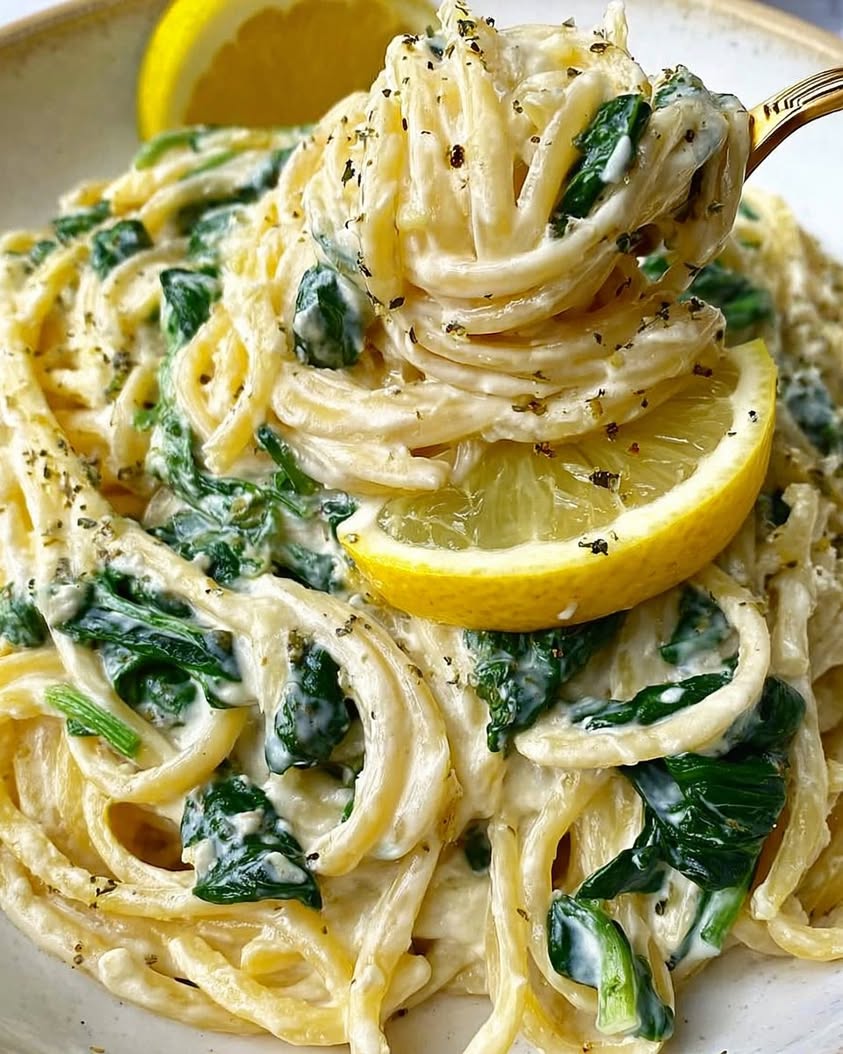
- Visual Appeal: This dish is a feast for the eyes with its vibrant color contrast. The creamy pale yellow sauce provides a beautiful backdrop for the deep green spinach and the bright specks of lemon zest. Finally, a final garnish of extra Parmesan and black pepper makes the plate look professionally finished and incredibly appetizing.
- Skill Level Needed: This is a fantastic beginner-friendly recipe that teaches foundational pasta-cooking skills. You only need basic techniques like boiling pasta, sautéing garlic, and creating a simple pan sauce. Importantly, the recipe is forgiving, allowing you to adjust consistency and seasoning easily as you cook.
- Special Equipment: You need only standard kitchen tools: a large pot for boiling pasta, a large skillet or sauté pan for the sauce, a microplane or zester for the lemon, and a grater for the Parmesan cheese. A pair of tongs is highly recommended for effortlessly combining the pasta with the sauce in the skillet.
Recipe Overview
- Difficulty Level: We rate this Zesty Lemon Ricotta and Spinach Pasta as “Easy” because it involves straightforward, sequential steps with minimal advanced technique. The entire process happens in about 25 minutes, primarily using one pot and one pan. There is no intricate knife work or precise temperature control required, making it accessible for cooks of all confidence levels.
- Category: This recipe fits perfectly into several comforting categories: a quick weeknight dinner, a satisfying vegetarian main course, or a elegant yet simple pasta dish. It also works wonderfully as a side dish for grilled chicken or fish if you want to stretch it for a larger gathering or add more protein.
- Cuisine: While not strictly traditional to one region, this dish draws clear inspiration from the bright, fresh flavors of Southern Italian cuisine, where lemon and ricotta are staple ingredients. The technique of finishing pasta in its sauce with starchy water is a classic Italian method, ensuring every bite is perfectly seasoned and coated.
- Cost: This is a very cost-effective meal, especially when you consider its impressive flavor payoff. Ingredients like ricotta, pasta, and lemons are generally inexpensive. Fresh spinach and a block of Parmesan are the main investments, but both are used efficiently and can be stored for other recipes, maximizing their value.
- Season: This Zesty Lemon Ricotta and Spinach Pasta shines brightest in the spring and summer when fresh, vibrant flavors are most desired. However, its comforting creaminess also makes it a wonderful year-round recipe. It provides a much-needed burst of sunshine during the darker, colder winter months, lifting spirits with its bright citrus notes.
- Occasion: It is ideal for a speedy Tuesday night family dinner, a relaxed date night at home, or even a casual lunch with friends. Because it comes together so quickly and looks so appealing, it is also a fantastic “backup plan” meal for when unexpected guests arrive and you need to whip up something delicious with minimal stress.
Why You’ll Love This Recipe
First and foremost, you will adore the incredible taste and texture of this Zesty Lemon Ricotta and Spinach Pasta. The creamy ricotta sauce, brightened with fresh lemon, creates a luxurious mouthfeel that is both rich and refreshing. Each forkful delivers a perfect harmony of flavors: the savory depth of garlic and Parmesan, the gentle heat from red pepper, and the vibrant citrus punch. The wilted spinach adds an earthy sweetness and makes the dish feel complete and nourishing. This combination is utterly crave-worthy and will have everyone at the table asking for seconds.
Furthermore, the convenience and preparation benefits are undeniable. This entire meal comes together in the time it takes to boil a pot of water and cook pasta. There is no need for a separate, time-consuming sauce preparation. You simply build the sauce in the same pan used for sautéing, utilizing the flavorful fond left behind. The recipe uses mostly pantry staples and a few fresh items, meaning you can often make it without a special grocery trip. Cleanup is a breeze with just two main pots and pans, getting you out of the kitchen and to the dinner table in record time.
From a nutritional standpoint, this Zesty Lemon Ricotta and Spinach Pasta offers several advantages. Ricotta cheese is an excellent source of protein and calcium, while the fresh spinach packs a powerful punch of vitamins A, C, and K, along with iron and fiber. Using whole wheat or legume-based pasta can further boost the fiber and protein content. Compared to heavy cream-based Alfredo sauces, this ricotta version is significantly lighter, relying on the natural creaminess of the cheese and pasta water for its texture. You get all the satisfaction of a decadent pasta dish with a more balanced nutritional profile.
This recipe also holds tremendous social and entertaining value. It is impressive enough to serve to guests but simple enough that you can prepare it without hiding in the kitchen all evening. You can easily double or triple the recipe to feed a crowd. The bright, fresh flavors are universally appealing, making it a safe choice for diverse palates. Presenting a beautiful bowl of this vibrant pasta shows care and culinary skill, making any meal feel like a special occasion, even on a regular weeknight.
Finally, the cost-effectiveness and accessibility of this dish are major wins. You can create a restaurant-quality pasta dinner for a fraction of the cost of dining out. The ingredients are readily available at any standard supermarket. Additionally, the recipe is highly adaptable; you can use different greens like arugula or kale, swap the pine nuts for walnuts, or add leftover roasted vegetables. This flexibility means you can tailor the Zesty Lemon Ricotta and Spinach Pasta to your budget and what you already have on hand, reducing food waste and saving money.
Historical Background and Cultural Significance
The origins of combining cheese, greens, and pasta trace back centuries in Italian peasant cooking, where resourcefulness dictated meals. Farmers and home cooks would use fresh, local cheeses like ricotta—a byproduct of cheesemaking—and forage for wild greens to create nourishing, inexpensive dishes. The addition of lemon, a staple in Southern Italy and Sicily, provided a crucial burst of flavor and vitamin C. While not a single, documented historic recipe, this Zesty Lemon Ricotta and Spinach Pasta is a modern homage to that tradition of simplicity, using bright, fresh ingredients to create maximum flavor from minimal components.
Culturally, pasta dishes featuring ricotta and greens hold significant importance, particularly in regions like Campania and Sicily. Dishes like “Pasta alla Norma” (with ricotta salata) or various baked pasta pies with ricotta and spinach showcase these ingredients’ deep roots. This recipe taps into that cultural heritage but streamines it for the contemporary home cook. It reflects a global appreciation for Italian culinary principles: respect for quality ingredients, balance of flavors, and the joy of sharing a comforting, handmade meal. The dish embodies “cucina povera” (poor kitchen) philosophy, transforming humble items into something special.
The evolution of this specific recipe is a story of modern home cooking trends meeting classic flavors. As weeknights became busier, cooks sought recipes that delivered big flavor with little time. The technique of creating a creamy sauce directly in the pan with pasta water, cheese, and starchy pasta revolutionized quick pasta dinners. This Zesty Lemon Ricotta and Spinach Pasta is a product of that evolution, utilizing ricotta instead of heavy cream for a lighter, protein-rich sauce. The internet and food media popularized these “one-pan” or “quick-sauce” methods, making dishes like this a staple in home kitchens worldwide.
Regional variations of this concept abound across Italy and in Italian-American communities. In Liguria, they might use basil pesto with ricotta. In Rome, a splash of cream and Pecorino Romano could be the base. Some versions include sautéed mushrooms or sun-dried tomatoes. The addition of lemon zest, however, gives this version its distinctive “zesty” character, aligning it more with the citrus-growing coastal areas. This adaptability is key to the recipe’s enduring appeal; it serves as a template that welcomes interpretation based on local produce and personal taste, keeping the tradition alive and ever-evolving.
Ingredient Deep Dive
Ricotta Cheese: Ricotta, meaning “recooked” in Italian, is a fresh cheese made from the whey leftover from producing other cheeses. It has a mild, slightly sweet flavor and a grainy, creamy texture that melts beautifully into warm sauces. Nutritionally, it is a good source of protein, calcium, and vitamin A. For the best results in your Zesty Lemon Ricotta and Spinach Pasta, seek out whole-milk ricotta for superior creaminess and flavor. Store it in its original container in the coldest part of your refrigerator and use it by the date on the package. If you cannot find ricotta, a good substitute is full-fat cottage cheese blended until smooth, or for a richer option, mascarpone thinned with a little milk.
Fresh Lemon: The lemon is the star that gives this pasta its “zesty” character. You will use both the zest and the juice. The zest contains potent aromatic oils that deliver intense lemon flavor without the sharp acidity of the juice. The juice provides the necessary tang to balance the ricotta’s richness. Lemons are packed with vitamin C and antioxidants. Always choose lemons that are heavy for their size with bright, firm skin, as they will be juicier. To store, keep them at room temperature for a week or in the fridge for up to a month. In a pinch, you can use about 2 tablespoons of bottled lemon juice, but you will miss the vibrant flavor of fresh zest.
Fresh Spinach: Spinach adds color, earthiness, and vital nutrients. It wilts quickly in the hot pasta, reducing dramatically in volume while contributing iron, vitamins K and A, and fiber. For this recipe, fresh, flat-leaf baby spinach is ideal as it is tender and requires no stemming. You can also use mature spinach, but give the stems a rough chop. Ensure the leaves are dry before adding them to prevent watering down your sauce. Store spinach unwashed in its original bag in the crisper drawer. As a substitute, other quick-cooking greens like arugula (for peppery notes) or chopped kale (add it a minute earlier to soften) work wonderfully.
Parmesan Cheese: Parmigiano-Reggiano brings a deep, savory, umami depth that balances the bright lemon and mild ricotta. Its granular texture also helps thicken the sauce. Authentic Parmigiano-Reggiano, while an investment, makes a noticeable difference in flavor. Nutritionally, it is rich in protein and calcium. Always buy a block and grate it yourself; pre-grated cheese contains anti-caking agents that prevent it from melting smoothly. Store the block tightly wrapped in parchment and then foil in the fridge. As a substitute, a high-quality Pecorino Romano offers a sharper, saltier profile, while Grana Padano is a slightly milder, more affordable alternative.
Pasta: The pasta shape is crucial for holding the creamy sauce. Long, strand-like pasta such as spaghetti, linguine, or fettuccine are classic choices. Ribbon shapes like pappardelle also work beautifully. The key is to reserve a generous amount of the starchy cooking water; this water is the magic ingredient that emulsifies the cheese, lemon juice, and olive oil into a silky sauce. For a nutritional boost, consider using whole wheat, chickpea, or lentil pasta. Cook the pasta in well-salted water until it is just al dente, as it will finish cooking in the sauce. This step is essential for perfect texture and flavor absorption in your Zesty Lemon Ricotta and Spinach Pasta.
Common Mistakes to Avoid
- Not Salting the Pasta Water Enough: The pasta water should taste like the sea. This is your primary opportunity to season the pasta itself. Undersalted water leads to bland pasta that no amount of salty cheese can fully correct.
- Skipping the Pasta Water: Do not drain all your pasta water down the sink! The starchy liquid is essential for creating a creamy, emulsified sauce that coats each strand. Always reserve at least 1 to 1.5 cups before draining.
- Overcooking the Garlic: Garlic burns easily and becomes bitter. Sauté it only for 30-60 seconds over medium heat until it becomes fragrant. If it starts to brown, remove the pan from the heat immediately.
- Using Cold Ricotta: Adding cold ricotta straight from the fridge can shock the sauce and make it harder to blend smoothly. Let it sit at room temperature for 15-20 minutes before starting, or stir it in a bowl first to loosen it up.
- Adding Lemon Juice Too Early: If you add the lemon juice to the empty hot pan, it can evaporate and lose its bright flavor. Always add it with the pasta and pasta water so its acidity integrates into the sauce without cooking off.
- Overcooking the Spinach: Spinach wilts in seconds from residual heat. If you cook it for too long, it becomes slimy and loses its vibrant color and nutrients. Simply toss it in at the end and let the heat of the pasta do the work.
- Not Tossing the Pasta in the Sauce Pan: Do not just pour sauce over plated pasta. The essential step is tossing the drained pasta in the skillet with the sauce and pasta water. This allows the starch to work its magic and the pasta to absorb the flavors.
- Using Pre-Grated Parmesan: Pre-grated cheese contains cellulose, which prevents it from melting smoothly into a silky sauce. It will often clump and leave a grainy texture. Always grate your Parmesan fresh from a block for the best results.
- Neglecting to Taste and Adjust: Before serving, always taste your Zesty Lemon Ricotta and Spinach Pasta. You may need an extra pinch of salt, a squeeze of lemon, a crack of black pepper, or a splash more pasta water to achieve the perfect balance and consistency.
Essential Techniques
Emulsifying the Sauce with Pasta Water: This is the most critical technique for a creamy, restaurant-quality sauce without cream. The starch released from the pasta during cooking acts as a binder. When you add the starchy water to the skillet with fat (olive oil) and cheese, and then toss vigorously, it creates an emulsion. This emulsion coats the pasta in a glossy, velvety layer. The key is to add the water gradually while tossing constantly over low heat. The sauce should thicken and cling to the pasta. If it looks watery, keep tossing; the starch will continue to work. If it becomes too thick, add another splash of reserved water.
Zesting a Lemon Properly: The zest holds the most potent lemon flavor. Use a fine microplane zester for the best texture, avoiding the bitter white pith underneath the yellow skin. Gently drag the lemon across the zester in one direction, rotating the fruit as you go. Do not press too hard. You only want the bright yellow outer layer. Before zesting, always wash and dry the lemon thoroughly to remove any wax or residue. This technique ensures you get maximum aromatic citrus oil into your Zesty Lemon Ricotta and Spinach Pasta, elevating the flavor far beyond just using juice.
Wilting Greens Efficiently: Adding a large volume of fresh spinach to a hot pan can be cumbersome. The efficient technique is to add the drained, hot pasta and sauce back to the skillet first. Then, pile the fresh spinach on top. Using tongs, gently fold and toss the pasta. The residual heat from the pasta and pan will wilt the spinach perfectly in about 60 seconds. This method prevents overcooking, preserves the spinach’s vibrant green color and nutrients, and evenly distributes it throughout the dish without needing a separate step.
Pro Tips for Perfect Zesty Lemon Ricotta and Spinach Pasta
First, warm your serving bowls. This simple step keeps your pasta hot from the kitchen to the table. Just place your empty bowls in the sink and pour some hot water from the pasta pot into them while you finish the sauce.
Second, use a combination of lemon zest and juice. The zest provides the intense lemon aroma, while the juice gives the necessary tang. Add the zest with the garlic to infuse the oil, and add the juice with the pasta water to preserve its brightness.
Third, consider toasting your pine nuts or breadcrumb garnish in the dry skillet before you start the garlic. This takes one minute and adds a deep, nutty flavor and crunch that contrasts beautifully with the creamy pasta.
Fourth, if your ricotta seems particularly thick or grainy, give it a quick whisk in a separate bowl before adding it to the pan. This breaks up any lumps and ensures it incorporates smoothly into the sauce.
Fifth, finish the dish with a final drizzle of high-quality extra virgin olive oil. This adds a fruity, fresh flavor and a luxurious sheen to the plated pasta, enhancing both taste and presentation.
Sixth, let the pasta rest for a minute after tossing. This allows the sauce to fully settle and adhere to the pasta, resulting in a better-coated, more flavorful bite with every forkful.
Variations and Adaptations
For regional variations, consider a Sicilian twist by adding a handful of toasted breadcrumbs mixed with a little orange zest on top. A Roman-inspired version might use Pecorino Romano instead of Parmesan for a sharper bite. For a touch of luxury from the Amalfi Coast, fold in a few torn basil leaves and some chopped, oil-cured black olives at the very end.
Seasonal adaptations are easy. In spring, add fresh peas or asparagus tips with the spinach. For summer, incorporate halved cherry tomatoes or roasted zucchini. In fall, swap spinach for sautéed kale or roasted butternut squash cubes. Winter calls for heartier additions like roasted mushrooms or caramelized onions to complement the bright lemon.
Dietary modifications are straightforward. For gluten-free, use your favorite GF pasta and ensure your cheese is certified gluten-free. To make it dairy-free, substitute the ricotta with blended silken tofu or a plain, unsweetened cashew cream, and use a vegan Parmesan alternative. For a vegan Zesty Lemon Ricotta and Spinach Pasta, combine these swaps and use nutritional yeast for cheesy flavor.
Flavor variations can personalize the dish. Add cooked, crumbled Italian sausage or pancetta for a meaty version. For a seafood twist, fold in flaked, cooked salmon or a handful of shrimp at the end. Herb lovers can add fresh thyme, dill, or oregano with the garlic. A tablespoon of capers or chopped sun-dried tomatoes will introduce a briny, savory note.
Texture modifications can add interest. Instead of pine nuts, try toasted walnuts or slivered almonds. For extra creaminess, stir in a tablespoon of mascarpone with the ricotta. To make it heartier, mix in a can of drained, flaked tuna or white beans with the spinach.
Presentation alternatives can elevate a simple meal. Instead of tossing the spinach in, use it as a bed on the plate and mound the pasta on top. Serve the pasta in individual, hollowed-out lemon halves for a stunning appetizer. Or, bake the finished pasta with a mozzarella topping for a golden, bubbly pasta bake.
Serving and Presentation Guide
For elegant plating, use a pair of tongs to twirl a portion of the Zesty Lemon Ricotta and Spinach Pasta into the center of a warm, shallow bowl. Lift and place the nest gently, allowing some strands to fall naturally. Avoid overfilling the bowl; negative space makes the dish look more refined.
Garnishing is key for visual appeal. Always finish with a final grating of fresh Parmesan cheese and a crack of black pepper. A small sprinkle of finely chopped fresh parsley, basil, or chives adds a pop of green. For texture, a scattering of toasted pine nuts or coarse breadcrumbs provides a delightful crunch that contrasts the creamy pasta.
Traditional accompaniments are simple. A crisp, green salad with a lemony vinaigrette complements the pasta without competing. A side of grilled or roasted vegetables, like zucchini or peppers, works well. For a true Italian touch, serve with a basket of crusty bread to scoop up every last bit of sauce from the bowl.
Modern serving suggestions might include serving the pasta family-style in a large, beautiful serving bowl at the center of the table. For individual portions, consider pre-plating in the kitchen for a restaurant-style presentation. You can also deconstruct the elements for a interactive meal, allowing guests to add their own garnishes from small bowls.
Temperature considerations are crucial. Pasta is best served immediately, piping hot. Ensure your plates or bowls are warmed to prevent the dish from cooling too quickly. If you must hold it for a few minutes, keep it in the warm skillet with a lid slightly ajar, but be aware the spinach may continue to wilt and darken.
Portion control is easy with this recipe. As a main course, this recipe yields four generous servings. If serving as a primi (first course) before a protein, it can comfortably serve six. Use a kitchen scale to divide the cooked pasta evenly if precision is needed, or simply eyeball it by dividing the skillet contents into quarters.
Wine and Beverage Pairing
Wine pairings should complement the dish’s bright acidity and creamy texture. A crisp, unoaked Italian white like Pinot Grigio or Vermentino is a classic choice, as their citrus notes mirror the lemon in the pasta. For a more aromatic option, a Sauvignon Blanc with its grassy, grapefruit character works beautifully. If you prefer a light red, a chilled Bardolino or Frappato with low tannins and high acidity won’t overpower the delicate flavors of the Zesty Lemon Ricotta and Spinach Pasta.
Non-alcoholic alternatives can be just as sophisticated. Sparkling water with a twist of lemon or lime keeps the palate refreshed. A homemade lemonade or citrus-infused iced tea echoes the dish’s key flavor. For a more complex option, try a non-alcoholic sparkling wine or a tart cranberry juice spritzer to cut through the richness of the cheese.
While not traditional, coffee or tea can work as an after-dinner pairing. A light, bright coffee with citrusy notes (like an Ethiopian Yirgacheffe) can be a surprising and pleasant follow-up. An herbal tea, such as lemon verbena or mint, would continue the fresh, citrus theme and aid digestion after the meal.
Temperature considerations are straightforward: white wines and non-alcoholic spritzers should be well-chilled, typically between 45-50°F. If serving a light red, chill it for about 20 minutes in the refrigerator. Iced beverages should be cold but not diluted; use large ice cubes or frozen fruit to keep them cool without watering them down.
Serving suggestions include offering wine by the glass or carafe. For non-alcoholic options, present them in a elegant pitcher with slices of citrus. Always ensure water is on the table to cleanse the palate. The goal is to choose beverages that enhance the dining experience without competing with the star of the show—the pasta itself.
Storage and Shelf Life
Storage methods for leftovers are simple but important. Allow the Zesty Lemon Ricotta and Spinach Pasta to cool to room temperature within two hours of cooking. Then, transfer it to an airtight container. Do not leave it sitting out, as the dairy and fresh ingredients can spoil quickly. For best quality, store it in a single layer or in a shallow container to promote rapid, even cooling.
Temperature requirements are strict. The pasta must be refrigerated at 40°F or below. It will keep safely for 3 to 4 days when stored properly. Do not attempt to store it at room temperature for extended periods. If you need to keep it longer, the freezing guidelines below apply.
Container recommendations include glass or BPA-free plastic containers with tight-fitting lids. You can also use a bowl tightly covered with plastic wrap. Avoid using metal containers, as the acidity from the lemon can react with the metal and impart an off-flavor to the food.
Signs of spoilage are usually apparent. Look for an off or sour smell, a significant change in texture (excessively mushy or slimy pasta), or any visible mold. If the spinach has turned a very dark, unappealing green or black, it is best to discard the leftovers. When in doubt, throw it out.
Reheating instructions are key to preserving texture. The best method is on the stovetop. Add the leftover pasta to a skillet with a splash of water, milk, or broth. Warm it gently over medium-low heat, stirring frequently, until heated through. The added liquid will reconstitute the sauce. You can also use a microwave: place in a microwave-safe dish, sprinkle with water, cover loosely, and heat in 30-second intervals, stirring in between.
Freezing guidelines come with a caveat. While you can freeze this pasta, the texture of the dairy and spinach will change upon thawing, becoming somewhat grainy and watery. If you must freeze, do so in an airtight container for up to 2 months. Thaw overnight in the refrigerator before reheating using the stovetop method, and be prepared to stir vigorously to re-emulsify the sauce.
Make Ahead Strategies
Your prep timeline can save valuable minutes during the dinner rush. The day before or the morning of, you can grate the Parmesan cheese, zest and juice the lemons, and wash and dry the spinach. Store each component in separate airtight containers in the refrigerator. This “mise en place” turns the active cooking time into a simple assembly process.
Storage between steps is straightforward. Keep the prepped lemon juice and zest in the fridge. The grated Parmesan can be stored in the fridge as well. The washed spinach should be spun dry and stored in a container lined with a paper towel to absorb excess moisture, which will keep it fresh and crisp until you are ready to cook.
Assessing the quality impact of make-ahead steps is important. Pre-grating Parmesan is fine, but fresh grating at the last minute is always optimal for melting. Lemon juice can oxidize and lose some brightness overnight, so if possible, juice the lemon just before cooking. Pre-zesting is generally fine, as the aromatic oils hold well in a sealed container for a day.
Assembly tips for a streamlined process: have your pot of salted water ready to boil. Have your skillet, olive oil, and garlic measured and ready. When the water boils, start the garlic in the skillet. By the time the pasta is al dente, your sauce base will be ready. This synchronized cooking is the secret to a 25-minute meal.
Reheating guidelines for fully made-ahead pasta are not recommended for this specific dish. The fresh, bright qualities are best enjoyed immediately. However, you can cook the pasta to just under al dente, make the sauce base, and combine them cold. Then, quickly reheat and finish with spinach when ready to serve, though the texture will not be quite as perfect.
Fresh element additions are the final touch. Even if you prep everything else, always add the fresh spinach and final garnishes (like extra lemon zest or herbs) at the very last moment before serving. This ensures they retain their vibrant color, texture, and flavor, making your Zesty Lemon Ricotta and Spinach Pasta taste freshly made.
Scaling Instructions
Halving the recipe is simple for a smaller meal. Use half of all ingredients. The cook times will remain roughly the same, but you may need a slightly smaller skillet. Be mindful when reserving pasta water; you will need less, but still reserve about 3/4 cup to have enough to adjust the sauce consistency. This scaled-down version works perfectly for two generous servings.
Doubling or tripling the recipe for a crowd requires some adjustments. Use a very large pot for boiling the pasta, or cook it in two batches to avoid overcrowding. You will likely need to use a Dutch oven or a very large, deep skillet to accommodate all the pasta and sauce for tossing. When doubling, you may not need to double the amount of olive oil for sautéing the garlic; 3 tablespoons is usually sufficient for a large batch.
Equipment adjustments are necessary when scaling up. Ensure your colander is large enough to drain a big batch of pasta. Have a heatproof measuring cup ready to reserve the starchy water before draining. For very large batches, consider mixing the pasta and sauce in the empty pasta pot instead of a skillet, as it offers more space for thorough tossing.
Timing modifications are minimal, but attention is key. The time to boil a larger volume of water may increase slightly. The sauce components will take the same time to cook, but tossing a larger volume of pasta to coat it evenly may take an extra minute or two. Keep the heat low during the tossing phase to prevent the sauce from breaking while you work.
Storage considerations for leftovers change with scale. If you are cooking for a crowd, plan your portions to minimize leftovers, as the dish is best fresh. If you do have leftovers from a large batch, divide them into several smaller containers for quicker cooling and easier reheating later in the week.
Nutritional Deep Dive
A macro breakdown of this Zesty Lemon Ricotta and Spinach Pasta reveals a balanced profile. A serving provides a good source of complex carbohydrates from the pasta for energy, a substantial amount of protein from the ricotta and Parmesan for satiety and muscle repair, and healthy fats from the olive oil and cheese. The exact numbers depend on the specific pasta and cheese used, but the dish is designed to be satisfying without being overly heavy, making it a complete meal.
The micronutrient analysis is impressive, largely thanks to the spinach and lemon. Spinach is loaded with vitamins A, C, and K, as well as folate, iron, and magnesium. The lemon juice provides a boost of vitamin C and antioxidants. The dairy components contribute significant calcium and vitamin B12. Together, these nutrients support immune function, bone health, and energy metabolism.
Health benefits are numerous. The fiber from the spinach and whole-grain pasta options supports digestive health. The protein aids in feeling full and maintaining muscle mass. The healthy fats are important for nutrient absorption and heart health. The antioxidants in the lemon and greens combat oxidative stress. This dish is a testament to how delicious food can also be genuinely nourishing.
Dietary considerations are easily addressed. For those monitoring sodium, you can control the salt added to the pasta water and use less Parmesan. For heart-healthy diets, the use of olive oil as the primary fat is a positive. The dish is naturally vegetarian. As discussed, it can be adapted for gluten-free, dairy-free, and vegan diets with simple substitutions.
Portion analysis is key for mindful eating. One serving, as outlined in the recipe, is a satisfying and appropriate main course portion. If you are looking to reduce calories or carbs, you can increase the ratio of spinach to pasta in your bowl. Using a protein-packed legume pasta can also alter the portion’s nutritional impact favorably.
Weight management tips include being mindful of the amount of olive oil and cheese used, though these provide important flavor and satiety. Pairing the pasta with a large side salad can help fill you up with volume for fewer calories. Listening to your hunger cues and stopping when you are satisfied, rather than cleaning the plate automatically, is always a good practice with any flavorful dish.
Dietary Adaptations
For a gluten-free Zesty Lemon Ricotta and Spinach Print
Zesty Lemon Ricotta and Spinach Pasta
- Total Time: 45 minutes
- Yield: 4
Description
A creamy, tangy pasta dish with ricotta cheese, fresh spinach, and a bright lemon flavor, perfect for a quick and satisfying meal.
Ingredients
- 12 oz pasta (such as penne or fettuccine)
- 1 cup ricotta cheese
- 2 cups fresh spinach, roughly chopped
- 2 cloves garlic, minced
- Zest and juice of 1 lemon
- 2 tbsp olive oil
- 1/4 cup grated Parmesan cheese
- Salt and black pepper to taste
- Red pepper flakes (optional)
Instructions
- Cook the pasta according to package instructions in salted water until al dente. Reserve 1/2 cup of pasta water before draining.
- While pasta cooks, heat olive oil in a large skillet over medium heat. Add minced garlic and sauté for 1-2 minutes until fragrant.
- Add the fresh spinach to the skillet and cook until wilted, about 2-3 minutes. Remove from heat.
- In a bowl, mix ricotta cheese, lemon zest, lemon juice, Parmesan cheese, salt, and black pepper until smooth.
- Combine the drained pasta with the ricotta mixture in the skillet. Add reserved pasta water as needed to create a creamy sauce. Stir in the spinach and garlic.
- Toss everything together until well coated. Serve immediately, garnished with extra Parmesan and red pepper flakes if desired.
Notes
You can customize the seasonings to taste.
- Prep Time: 15 minutes
- Cook Time: 30 minutes
- Method: Main
- Cuisine: American