The Ultimate Roasted Veggie and Hummus Bowl Recipe for Easy Lunches: A Flavor-Packed Meal Prep Solution
Are you searching for a lunch recipe that is both incredibly nutritious and bursting with flavor? Look no further than this ultimate roasted veggie and hummus bowl recipe. This vibrant dish transforms simple, wholesome ingredients into a satisfying meal that feels like a treat. Moreover, it is the perfect solution for busy weekdays when you need something delicious and ready in a flash.
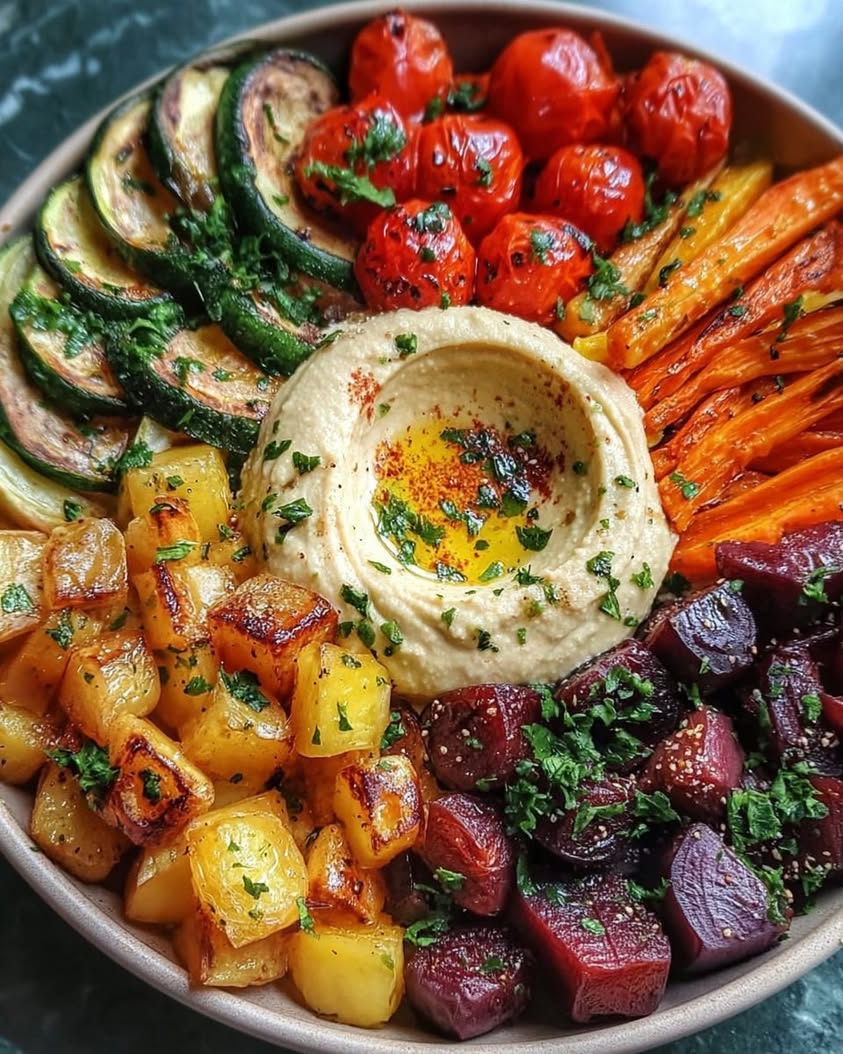
This particular roasted veggie and hummus bowl combines the sweet, caramelized notes of roasted vegetables with the creamy, savory depth of homemade hummus. Imagine tender sweet potato cubes with crispy edges, juicy cherry tomatoes that burst in your mouth, and crisp-tender broccoli florets, all piled atop a smooth, garlicky hummus. Ultimately, every bite delivers a symphony of textures and flavors that will make you forget you are eating something so good for you.
Furthermore, this recipe is designed with convenience in mind. It is an ideal candidate for weekly meal prep, allowing you to assemble nourishing lunches in minutes throughout the week. Whether you are packing lunch for the office or enjoying a quick meal at home, this bowl is a guaranteed way to brighten your day with color and taste.
Quick Recipe Highlights
- Flavor Profile: This bowl masterfully balances earthy, sweet, and savory notes. The natural sugars in the vegetables caramelize during roasting, creating a deep sweetness that contrasts beautifully with the tangy, garlicky hummus and the salty pop of feta cheese.
- Texture: You will experience a wonderful contrast of textures in every forkful. Expect creamy hummus, tender yet firm roasted vegetables, crunchy cucumber, and the soft chew of quinoa. This combination keeps each bite interesting and satisfying.
- Aroma: As the vegetables roast, your kitchen will fill with the warm, inviting scents of garlic, paprika, and caramelizing onions. The fresh aroma of lemon juice and herbs added at the end brightens the entire dish.
- Visual Appeal: This bowl is a feast for the eyes with its rainbow of colors. Vibrant orange sweet potatoes, green broccoli, red tomatoes, and white feta create a stunning presentation that is almost too beautiful to eat.
- Skill Level Needed: This is a beginner-friendly recipe. The techniques involve simple chopping, tossing vegetables in oil and spices, and using an oven. No advanced culinary skills are required for a perfect result.
- Special Equipment: You only need basic kitchen tools: a good chef’s knife, a cutting board, a large baking sheet, and a food processor or blender for the hummus. A sheet of parchment paper is helpful for easy cleanup.
Recipe Overview
- Difficulty Level: We classify this roasted veggie and hummus bowl as easy. The steps are straightforward and involve fundamental cooking techniques like chopping and roasting. There is no complex timing or precision required, making it very forgiving for novice cooks. Success is almost guaranteed with minimal effort.
- Category: This recipe falls perfectly into the categories of lunch, dinner, and meal prep. It is substantial enough to be a main course but also works wonderfully as a hearty side dish. Additionally, its components hold up well in the refrigerator, solidifying its status as a premier meal prep recipe.
- Cuisine: While hummus has its roots in Middle Eastern cuisine and the bowl concept is modern, this dish is a beautiful fusion. It takes inspiration from Mediterranean flavors—like chickpeas, olive oil, and lemon—and presents them in a contemporary, customizable bowl format popular in health-focused eateries worldwide.
- Cost: This is a very budget-friendly meal. The base ingredients like chickpeas, sweet potatoes, and broccoli are inexpensive, especially when purchased in season or in bulk. The recipe utilizes pantry staples like spices and olive oil, keeping the cost per serving remarkably low compared to eating out.
- Season: This roasted veggie and hummus bowl is fantastic year-round. However, it truly shines in the fall and winter when root vegetables like sweet potatoes are at their peak sweetness. You can easily adapt it for spring and summer by swapping in seasonal produce like zucchini, bell peppers, or asparagus.
- Occasion: It is perfect for casual weekday lunches, healthy dinners, or even a light weekend brunch. Because it is so visually appealing and customizable, you can also easily scale it up to serve a crowd for a relaxed gathering or potluck.
Why You’ll Love This Recipe
First and foremost, the taste and texture of this roasted veggie and hummus bowl are utterly irresistible. The roasting process works magic on vegetables, concentrating their flavors and creating delightful caramelized edges. When paired with the cool, creamy hummus and the fresh crunch of cucumber, each component plays a vital role. Consequently, you get a meal that is far from boring; it is a dynamic eating experience that satisfies cravings for something both hearty and refreshing.
From a practical standpoint, the convenience factor is a major win. This recipe is a meal prep superstar. You can roast a large batch of vegetables and cook a big pot of quinoa on Sunday. Then, throughout the week, assembly takes mere minutes. Simply grab a container, add a scoop of hummus, pile on the veggies and grains, and you have a restaurant-quality lunch ready to go. This routine saves you time, money, and the daily stress of deciding what to eat.
Nutritionally, this bowl is a powerhouse. It is packed with fiber from the vegetables, chickpeas, and quinoa, which aids digestion and keeps you feeling full for hours. Additionally, you get a complete protein source from the combination of quinoa and chickpeas. The healthy fats from the olive oil and tahini support nutrient absorption and brain health. Ultimately, this meal fuels your body with sustained energy without causing a midday slump.
For social and entertaining purposes, this dish is incredibly versatile. You can set up a “bowl bar” for guests with separate containers of roasted veggies, various hummus flavors, different grains, and an array of toppings like nuts, seeds, and herbs. This interactive serving style allows everyone to customize their perfect bowl, making it a fun and stress-free option for hosting. It caters to various dietary preferences with ease.
Finally, the cost-effectiveness and accessibility of this roasted veggie and hummus bowl cannot be overstated. The ingredients are humble, wholesome, and easy to find at any grocery store. You likely have many of the spices and staples already in your pantry. By preparing this at home, you save a significant amount of money compared to buying a similar bowl at a lunch cafe. This recipe proves that eating well does not have to be expensive or complicated.
Historical Background and Cultural Significance
The story of this dish begins with two key components: hummus and the grain bowl. Hummus, a creamy dip made from chickpeas, tahini, lemon, and garlic, has ancient roots in the Middle East. Historians trace similar preparations back to 13th-century Egypt. For centuries, hummus was a staple food across Levantine cultures, valued for its nutrition, affordability, and delicious flavor. It was traditionally served as part of a mezze spread with warm pita bread.
The cultural importance of hummus extends far beyond sustenance. In many Middle Eastern and Mediterranean cultures, sharing a bowl of hummus is a social act, a symbol of hospitality and community. The act of dipping bread together from a communal plate fosters connection. Meanwhile, the concept of the “grain bowl” or “Buddha bowl” is a more recent phenomenon from Western health-food culture, focusing on balanced, visually appealing meals in a single dish.
The evolution of this recipe represents a beautiful fusion of these traditions. Modern culinary trends have taken the traditional, communal dish of hummus and reimagined it as the base for a composed, individual meal. The roasted veggie and hummus bowl is a testament to global food exchange. It takes the timeless flavors of the Mediterranean and presents them in a format that fits contemporary lifestyles focused on convenience, nutrition, and customization.
Regional variations of this concept are endless. In the Eastern Mediterranean, you might find a bowl with roasted eggplant, sumac, and parsley. A North African twist could include roasted carrots with harissa and preserved lemon. In American health-food cafes, additions like kale, avocado, and sunflower seeds are common. This adaptability is the recipe’s greatest strength, allowing it to reflect local tastes and seasonal ingredients while honoring its foundational elements.
Ingredient Deep Dive
Chickpeas (Garbanzo Beans): Chickpeas are one of the oldest cultivated legumes, with origins in the Middle East over 7,500 years ago. They are a cornerstone of diets in Mediterranean, Middle Eastern, and Indian cuisines. Nutritionally, they are a fantastic source of plant-based protein and fiber, promoting gut health and satiety. For the best hummus, use canned chickpeas for convenience, but be sure to rinse them well. For a smoother texture, you can peel the skins, though this is optional. Store dried chickpeas in a cool, pantry, and cooked or canned ones in the refrigerator for up to four days.
Sweet Potato: Sweet potatoes are native to Central and South America and were domesticated thousands of years ago. They were a vital crop for many ancient civilizations due to their hardiness and nutrition. They are incredibly rich in beta-carotene, which the body converts to vitamin A, essential for vision and immunity. When selecting sweet potatoes, choose firm ones with smooth, unbruised skin. Store them in a cool, dark, well-ventilated place—not the refrigerator. For a different twist, you can substitute with butternut squash or regular potatoes.
Tahini: Tahini is a paste made from ground sesame seeds and is a critical ingredient in authentic hummus. Sesame cultivation dates back to ancient Babylon and Assyria. Tahini provides healthy fats, calcium, and a distinct, nutty bitterness that balances the other flavors. When buying tahini, look for a brand with a pourable consistency and no separation of oil, or stir it well if it has separated. Store an opened jar in the refrigerator to prevent rancidity. In a pinch, you can use a different nut or seed butter, though the flavor will change.
Quinoa: Quinoa is an ancient grain from the Andes mountains of South America, revered by the Incas as the “mother grain.” It is a complete protein, meaning it contains all nine essential amino acids, which is rare for plant-based foods. It is also gluten-free and high in fiber. Rinse quinoa thoroughly under cold water before cooking to remove its natural bitter coating called saponin. Store uncooked quinoa in an airtight container in your pantry. You can easily substitute it with couscous, rice, or farro in this bowl.
Common Mistakes to Avoid
- Crowding the Baking Sheet: Overcrowding vegetables on the pan is the most common error. When vegetables are too close together, they steam instead of roast. Consequently, you will get soggy, steamed veggies instead of crispy, caramelized ones. Always use a large enough sheet and spread the pieces in a single layer.
- Underseasoning the Vegetables: Vegetables need ample seasoning before roasting. Do not be shy with salt, pepper, and your chosen spices. Toss them thoroughly to ensure every piece is coated. Otherwise, the final bowl can taste bland, even with the flavorful hummus.
- Using Watery Vegetables Without Precautions: Vegetables with high water content, like zucchini or mushrooms, can make your bowl soggy if not handled correctly. To combat this, roast them on a separate tray or at a higher temperature for less time to encourage moisture evaporation.
- Blending Hummus with Cold Ingredients: For the creamiest hummus, use room-temperature chickpeas and liquid. Using ice-cold chickpeas straight from the fridge or cold water can result in a grainy, less cohesive texture. Let your canned chickpeas sit out for a bit or rinse them with warm water.
- Skipping the Acid Balance: The lemon juice in hummus is not just for flavor; its acidity brightens the entire dish. Do not omit it or substitute it without care. Fresh lemon juice is always superior to bottled. Taste your hummus and adjust the lemon and salt until it sings.
- Forgetting to Let Hummus Rest: Hummus tastes best after it has had time to rest. The flavors meld and deepen if you let it sit in the refrigerator for at least 30 minutes before serving. Making it ahead is actually an advantage for your roasted veggie and hummus bowl.
- Adding Fresh Herbs Too Early: If you are using delicate fresh herbs like parsley or cilantro, add them just before serving. If you mix them into the bowl components during meal prep, they will wilt and lose their vibrant color and fresh flavor in the refrigerator.
- Storing Components While Still Warm: Never pack your meal prep containers while the quinoa or roasted vegetables are still hot. The steam will get trapped and create condensation, making everything soggy. Always allow components to cool completely to room temperature before assembling and refrigerating.
Essential Techniques
Uniform Chopping: Cutting your vegetables into consistent sizes is arguably the most important technique for this roasted veggie and hummus bowl. Uniform pieces ensure even cooking; smaller pieces will burn before larger ones are tender. Aim for 1-inch cubes or florets. This not only affects texture but also the visual appeal of the final dish. A sharp chef’s knife and a little patience make this task easy and safe.
High-Heat Roasting: Roasting at a high temperature (around 425°F) is key. This technique quickly caramelizes the natural sugars on the surface of the vegetables, creating complex flavors and a desirable crispy texture. The Maillard reaction is what gives roasted vegetables their deep, savory taste. The visual cue for success is golden-brown edges and tender insides when pierced with a fork. Avoid opening the oven too often, as this releases heat and slows the process.
Blending for Creamy Hummus: Achieving perfectly smooth hummus requires patience and proper blending. Process the tahini and lemon juice first to create an emulsified cream. Then add the chickpeas and blend for several minutes, scraping down the sides as needed. Adding ice water, one tablespoon at a time, while the processor runs is the pro secret to an ultra-smooth, fluffy texture. The hummus should be silky and hold its shape.
Fluffing Cooked Quinoa: After quinoa is cooked, let it sit covered, off the heat, for 5-10 minutes. Then, fluff it gently with a fork. This step separates the grains and releases steam, preventing a gummy, clumpy texture. Properly cooked quinoa should be light, fluffy, and have a slight bite. This technique ensures your grain base is perfect for your bowl.
Pro Tips for Perfect Roasted Veggie and Hummus Bowl
Use two baking sheets if necessary to avoid overcrowding. Giving your vegetables space is the single biggest factor in achieving crispy, caramelized results, not steamed ones.
Pat your canned chickpeas very dry before roasting. Any excess moisture will prevent them from getting crispy in the oven, which adds a wonderful texture to the bowl.
Add a pinch of baking soda to the water if you boil your own chickpeas for hummus. This helps break down the skins and leads to an incredibly smooth puree.
Drizzle your finished bowl with a high-quality extra virgin olive oil just before serving. This adds a luxurious flavor and a beautiful glossy finish to the presentation.
Toast your quinoa in a dry saucepan for a few minutes before adding water. This simple step enhances its natural nutty flavor, adding another layer of taste to your bowl.
If meal prepping, store the hummus, roasted veggies, quinoa, and fresh toppings in separate containers. Assemble your bowl just before eating to maintain the best possible textures.
Season each component individually. Salt the vegetables before roasting, season the quinoa as it cooks, and taste and adjust the hummus. This layered seasoning creates a deeply flavorful final dish.
Variations and Adaptations
Regional Variations: Take your taste buds on a trip. For a Greek-inspired bowl, add kalamata olives, diced tomatoes, and a sprinkle of oregano. For a Mexican twist, use black beans instead of chickpeas, add roasted corn, and top with a lime-cilantro crema. An Indian version could feature roasted cauliflower with curry powder and a mint chutney drizzle.
Seasonal Adaptations: Embrace what is fresh. In spring, use asparagus, peas, and radishes. Summer bowls shine with zucchini, bell peppers, and eggplant. Fall is perfect for this recipe’s sweet potatoes and broccoli, while winter welcomes hearty roots like parsnips, turnips, and beets.
Dietary Modifications: This bowl is naturally vegetarian and easily made vegan by omitting the feta cheese. For a gluten-free version, ensure your quinoa is certified GF and skip any pita garnish. To lower carbs, increase the vegetable volume and decrease or omit the quinoa.
Flavor Variations: Change the flavor profile with different spice blends. Toss veggies in za’atar, smoked paprika, herbes de Provence, or a simple garlic powder and onion powder mix. Flavor your hummus with roasted red peppers, sun-dried tomatoes, or a handful of fresh herbs like basil or dill.
Texture Modifications: Love crunch? Add toasted pine nuts, walnuts, or sunflower seeds. Prefer extra creaminess? Add half an avocado to your bowl. For a different grain texture, try using freekeh, bulgur wheat, or even a bed of mixed greens instead of quinoa.
Presentation Alternatives: Instead of a bowl, serve the components as a vibrant platter for sharing. You can also layer the ingredients in a mason jar for a portable parfait-style lunch, putting the hummus at the bottom to keep the veggies dry and crisp.
Serving and Presentation Guide
Plating Techniques: Start with a wide, shallow bowl to showcase all the beautiful ingredients. Spread a generous swoosh of hummus along one side or in the center as your base. Then, artfully arrange piles of the different roasted vegetables and quinoa, keeping colors separate for visual impact. This method allows each ingredient to be appreciated individually.
Garnishing Ideas: Garnishes add the final touch of flavor and texture. A sprinkle of fresh chopped parsley, dill, or mint adds color and freshness. A dusting of paprika or sumac provides a flavor pop and visual contrast. Drizzles of olive oil, tahini sauce, or a squeeze of fresh lemon juice just before serving elevate the dish immensely.
Traditional Accompaniments: While this is a complete meal, traditional Middle Eastern accompaniments include warm pita bread or pita chips for scooping. A side of mixed olives or a simple tomato-cucumber salad would also complement the flavors beautifully and stay true to its culinary roots.
Modern Serving Suggestions: For a modern, deconstructed approach, serve all components in small bowls and let everyone build their own masterpiece. This is especially fun for families or guests. You can also top the bowl with a soft-boiled or fried egg to add richness and make it more suitable for brunch.
Temperature Considerations: This bowl is fantastic served warm, at room temperature, or even slightly chilled. For the best experience, use warm or room-temperature roasted vegetables and quinoa with cool hummus. The contrast is delightful. If meal prepping, let the bowl sit out for 10-15 minutes before eating to take the chill off.
Portion Control Tips: This recipe is designed to be balanced. Use roughly a half-cup to one cup of roasted vegetables, a half-cup of quinoa, and a quarter to a third cup of hummus per serving. Listen to your hunger cues; the beauty of a bowl is that you can easily adjust the amounts of each component to suit your appetite.
Wine and Beverage Pairing
Wine Pairings: The earthy, savory, and slightly sweet notes of this roasted veggie and hummus bowl pair wonderfully with a variety of wines. A crisp, unoaked white like a Sauvignon Blanc or Pinot Grigio cuts through the richness of the hummus. For a red option, choose a light-bodied, low-tannin wine like a Gamay or Pinot Noir that will not overpower the vegetables. A dry rosé is also a fantastic, versatile choice that bridges all the flavors.
Non-Alcoholic Alternatives: Sparkling water with a twist of lemon or lime is a classic, refreshing pairing that cleanses the palate. For something more flavorful, try a tart cherry juice spritzer or a homemade iced herbal tea, like mint or lemon verbena. A ginger-based kombucha can also complement the earthy flavors with its effervescence and subtle spice.
Coffee/Tea Pairings: While not a typical pairing for lunch, if enjoying this bowl for brunch, a medium-roast coffee with low acidity would work well. For tea, consider a green tea like sencha for its vegetal notes or a light, floral oolong. The key is to avoid overly bitter or strong beverages that might clash with the harmonious flavors of the bowl.
Temperature Considerations: Generally, serve white wines and non-alcoholic spritzers well-chilled. Red wines should be served slightly below room temperature. Iced beverages should be cold but not watered down; use large ice cubes to prevent dilution. The bowl itself is best at a cool room temperature for optimal flavor perception.
Serving Suggestions: Pour wine into appropriate glassware to enhance its aroma. Serve sparkling beverages in tall glasses to show off the bubbles. Always offer water alongside any other beverage to stay hydrated. For a casual meal, the bowl and your drink of choice are perfect on their own.
Storage and Shelf Life
Storage Methods: Store all components of your roasted veggie and hummus bowl separately in airtight containers in the refrigerator. This prevents the vegetables from becoming soggy and the hummus from absorbing other flavors. Glass containers are ideal as they do not retain odors and allow you to see the contents.
Temperature Requirements: All components must be refrigerated at or below 40°F (4°C). Never leave assembled bowls at room temperature for more than two hours, as the moisture from the vegetables can cause the hummus to spoil faster. Always cool components completely before refrigerating.
Container Recommendations: Use shallow containers for roasted vegetables to allow for quick cooling and to prevent condensation buildup. Hummus should be stored in a container with a tight-fitting lid, with a thin layer of olive oil poured on top to create a seal and prevent drying out.
Signs of Spoilage: Discard any component that develops an off smell, visible mold (often fuzzy spots in white, green, or blue), or a slimy texture. If the hummus becomes excessively watery or sour, it is time to toss it. When in doubt, throw it out.
Reheating Instructions: Reheat only the roasted vegetables and quinoa. Place them in a microwave-safe dish and heat in 30-second intervals until warm, or spread on a baking sheet and warm in a 350°F oven for about 10 minutes. Do not microwave the hummus or fresh toppings like cucumber.
Freezing Guidelines: You can freeze hummus for up to 4 months. Store it in a freezer-safe container, leaving some headspace for expansion. Thaw overnight in the refrigerator and stir well before serving. Roasted vegetables and cooked quinoa can also be frozen, though they may lose some texture upon thawing and are best used in soups or stews afterward.
Make Ahead Strategies
Prep Timeline: You can fully prepare this roasted veggie and hummus bowl 3-4 days in advance. The best timeline is to roast the vegetables, cook the quinoa, and make the hummus on your meal prep day (like a Sunday). Then, store everything separately. Chop fresh garnishes like cucumber and herbs the night before or the morning you plan to eat.
Storage Between Steps: As emphasized, separation is key. Hummus lasts 4-5 days in the fridge. Roasted vegetables and cooked quinoa will keep for 3-4 days. Keep the feta cheese in its brine or wrapped tightly. This method ensures every element stays at its peak until you are ready to assemble.
Quality Impact Assessment: Making ahead actually improves the hummus, as the flavors have time to meld. The roasted vegetables will soften slightly in the fridge but remain delicious. The quinoa holds up very well. The only significant quality loss is in texture if components are stored together and become soggy, hence the separate storage rule.
Assembly Tips: For grab-and-go lunches, assemble your bowls the morning you plan to eat them. Portion the hummus into the bottom of your container, then add a layer of quinoa. Next, pack the cooled roasted vegetables, and finally, place fresh toppings like cucumber in a small separate container or baggie to add right before eating.
Reheating Guidelines: If you prefer a warm bowl, transfer the roasted veggies and quinoa to a microwave-safe dish at lunchtime and heat for 60-90 seconds. Then, add them to your bowl with the cold hummus and fresh toppings. This method gives you the best of both worlds: warm, comforting elements and cool, creamy contrast.
Fresh Element Additions: Always add delicate fresh herbs, a final squeeze of lemon juice, a drizzle of olive oil, and any nuts or seeds right before serving. These last-minute additions restore brightness, crunch, and vibrancy to your make-ahead meal, making it taste freshly made.
Scaling Instructions
Halving the Recipe: Halving this roasted veggie and hummus bowl is straightforward. Simply divide all ingredient quantities by two. Use a standard baking sheet for the smaller amount of vegetables to ensure they still have room to roast properly. The hummus recipe halves easily, but if your food processor is large, you may need to scrape down the sides more frequently. Cooking times will remain roughly the same.
Doubling or Tripling: For a crowd, multiply the ingredients accordingly. You will need to roast the vegetables in multiple batches or use several oven racks and baking sheets simultaneously. Rotate the sheets halfway through cooking for even browning. For the hummus, you may need to blend it in batches if your food processor is small. The quinoa can be cooked in a larger pot.
Equipment Adjustments: Scaling up requires planning. Ensure you have enough baking sheets, large mixing bowls for tossing veggies, and a food processor capacity for the hummus. If cooking quinoa in a large batch, use a wide, heavy-bottomed pot to ensure even cooking and prevent a mushy bottom layer.
Timing Modifications: When roasting multiple trays of vegetables, the total oven time may increase slightly due to reduced air circulation. Allow an extra 5-10 minutes and check for doneness. Prepping a double or triple batch of vegetables will, understandably, take more chopping time, so factor that into your prep schedule.
Storage Considerations: A larger batch means more leftovers. Ensure you have enough airtight containers in your refrigerator. Label them with the date. Consider freezing a portion of the hummus if you have made a very large quantity that you will not consume within 4-5 days.
Nutritional Deep Dive
Macro Breakdown: This roasted veggie and hummus bowl provides a well-balanced macronutrient profile. The quinoa and chickpeas offer complex carbohydrates and plant-based protein, supplying sustained energy. The healthy fats from olive oil, tahini, and avocado (if used) support hormone function and nutrient absorption. The bowl is naturally high in fiber, which promotes digestive health and satiety.
Micronutrient Analysis: This dish is a micronutrient powerhouse. Sweet potatoes are loaded with Vitamin A (as beta-carotene) for eye and skin health. Broccoli provides Vitamin C, K, and folate. Chickpeas are a good source of iron and magnesium. The tahini and dark leafy greens (if added) contribute calcium. Together, they deliver a wide spectrum of vitamins and minerals essential for overall wellness.
Health Benefits: Regularly consuming meals like this can support heart health due to the fiber and unsaturated fats. The anti-inflammatory properties of the spices and vegetables can help reduce chronic disease risk. The high fiber and protein content aids in weight management by keeping you full. It is also excellent for gut health, feeding beneficial bacteria.
Dietary Considerations: This bowl is naturally vegetarian, nut-free (check tahini labels), and can be soy-free. It is easily adapted to be vegan and gluten-free. It is not inherently low-carb or keto due to the quinoa and chickpeas, but modifications can be made for those diets by increasing fat and non-starchy vegetables.
Portion Analysis: One serving as written provides a substantial and balanced meal. The portion sizes are designed to be satisfying without being excessive. You can adjust the ratios based on your activity level; for example, add more quinoa for extra carbs on active days or more vegetables and healthy fats for increased satiety.
Weight Management Tips: This bowl is an excellent tool for weight management. Its high volume and fiber content mean you eat a large, satisfying meal for a moderate number of calories. To further manage calories, you can measure the olive oil used for roasting and in the hummus. Loading up on non-starchy vegetables increases fullness with minimal caloric impact.
Dietary Adaptations
Gluten-Free: This recipe is naturally gluten-free. Simply ensure that your quinoa is certified gluten-free, as cross-contamination can occur during processing. Double-check any pre-made spice blends for hidden gluten. All other core ingredients—chickpeas, vegetables, tahini—are inherently gluten-free.
Dairy-Free: To make this bowl dairy-free, omit the feta cheese. You can add a creamy element with diced avocado or a sprinkle of nutritional yeast for a cheesy flavor. The hummus and all other components are already dairy-free, making this an easy switch.
Vegan: This recipe is easily made vegan by following the dairy-free adaptation above. Ensure the feta is omitted or replaced with a plant-based alternative. The entire bowl is then plant-based, providing complete protein from the quinoa and chickpeas combination.
Low-Carb/Keto: For a low-carb or keto version, omit the sweet potato and quinoa. Increase the volume of low-carb vegetables like broccoli, cauliflower, bell peppers, and zucchini. Add more healthy fats by increasing the amount of hummus, drizzling with extra olive oil, and including avocado. The protein from the chickpeas will remain.
Paleo: A strict Paleo adaptation is challenging due to the legumes (chickpeas) and grains (quinoa). Replace the hummus with a dip made from roasted eggplant or cashews. Use cauliflower rice instead of quinoa. Focus on roasted vegetables and top with nuts, seeds, and avocado for fats.
Low-FODMAP: For a Low-FODMAP version, replace chickpeas with canned, drained lentils (in limited quantity). Use the green parts of spring onions instead of garlic in the hummus. Replace sweet potato with carrot or parsnip. Use a garlic-infused oil for flavor without the FODMAPs. Consult portion guidelines for the specific phase of the diet.
Troubleshooting Guide
Vegetables Are Soggy, Not Crispy: This is almost always due to overcrowding on the pan. For a solution, ensure vegetables are in a single layer with space between them. Make sure your oven is fully preheated before putting them in. Pat vegetables dry before tossing in oil. Finally, consider roasting at a slightly higher temperature (425-450°F) to encourage evaporation and caramelization.
Hummus Is Grainy or Too Thick: A grainy texture usually means under-blending or using cold ingredients. Blend for a full 3-5 minutes, scraping sides often. Use room-temperature chickpeas and add ice water, one tablespoon at a time, while the processor runs until it reaches a smooth, creamy consistency. Peeling the chickpea skins can also eliminate graininess.
Bowl Tastes Bland: Blandness results from underseasoning. Remember to season each component generously. Salt the vegetables before roasting. Season the quinoa cooking water. Taste and aggressively season the hummus with salt and lemon juice. Finish the assembled bowl with a final pinch of flaky salt and a squeeze of fresh lemon.
Quinoa Is Mushy or Watery: Mushy quinoa means too much water was used or it was overcooked. The standard ratio is 1 part quinoa to 2 parts water or broth. After cooking, let it sit covered off the heat for 10 minutes, then fluff with a fork. Ensure your pot has a tight-fitting lid to prevent steam escape.
Meal Prep Bowls Get Watery: Condensation forms when warm ingredients are stored in a sealed container. The fix Print
Roasted Veggie and Hummus Bowl
- Total Time: 45 minutes
- Yield: 4
Description
A vibrant and nutritious bowl featuring roasted seasonal vegetables, creamy hummus, and fresh herbs for a satisfying plant-based meal.
Ingredients
- 2 cups mixed vegetables (e.g., bell peppers, zucchini, cherry tomatoes, red onion)
- 2 tablespoons olive oil
- 1 teaspoon garlic powder
- 1 teaspoon smoked paprika
- Salt and black pepper to taste
- 1 cup prepared hummus
- 1 cup cooked quinoa or brown rice
- Fresh parsley or cilantro for garnish
- Lemon wedges for serving
Instructions
- Preheat oven to 400°F (200°C). Chop vegetables into bite-sized pieces and toss with olive oil, garlic powder, smoked paprika, salt, and pepper.
- Spread vegetables on a baking sheet in a single layer and roast for 20-25 minutes, until tender and slightly charred.
- While vegetables roast, prepare quinoa or brown rice according to package instructions.
- To assemble bowls, divide quinoa or rice among bowls, top with roasted vegetables, a generous scoop of hummus, and garnish with fresh herbs and lemon wedges.
Notes
You can customize the seasonings to taste.
- Prep Time: 15 minutes
- Cook Time: 30 minutes
- Method: Main
- Cuisine: American