Roasted Garlic Butter Carrots with Lemon Feta Sauce: A Vibrant Side Dish
Transform a humble bag of carrots into a stunning, restaurant-worthy side dish with this recipe for Roasted Garlic Butter Carrots with Lemon Feta Sauce. This dish masterfully combines the natural sweetness of roasted carrots with the rich, savory depth of garlic butter, then finishes with a bright, tangy, and creamy sauce that will have everyone asking for seconds. Ultimately, it’s a celebration of simple ingredients elevated through thoughtful technique and bold flavor pairings.
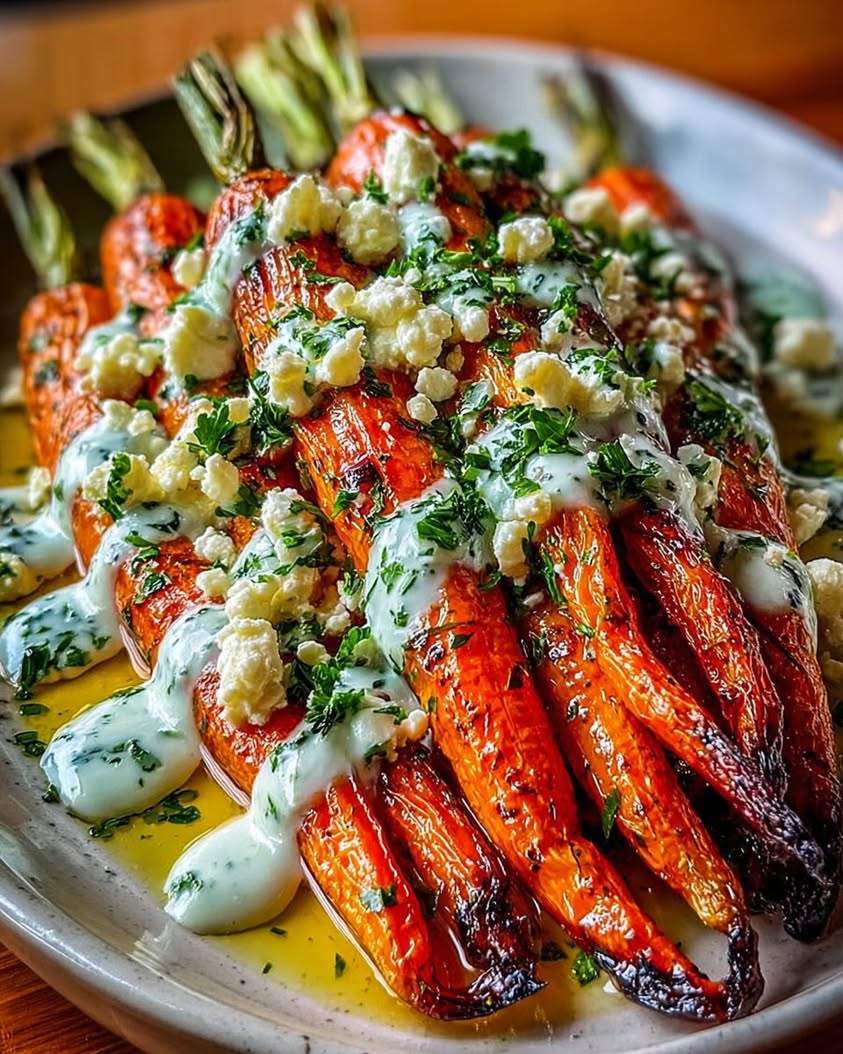
Imagine pulling a sheet pan from the oven, greeted by the irresistible aroma of caramelizing carrots and toasted garlic. The vibrant orange spears glisten with herb-infused butter, their edges crisped to perfection. Then, you drizzle them with a cool, zesty sauce that cuts through the richness, creating a symphony of taste and texture in every bite. This recipe is not just food; it’s an experience that turns an everyday vegetable into the star of the meal.
Furthermore, this dish is incredibly versatile. It pairs beautifully with a weeknight roast chicken, a holiday ham, or even a hearty grain bowl for a meatless meal. The contrast between the warm, tender carrots and the cool, creamy Lemon Feta Sauce is nothing short of magical. Let’s dive into how you can create this unforgettable side dish in your own kitchen.
Quick Recipe Highlights
- Flavor Profile: This dish offers a perfect balance. You get the deep, caramelized sweetness from the roasted carrots, a savory and aromatic punch from the garlic butter, and a final bright, tangy lift from the lemon feta sauce. Each component complements the others without overwhelming.
- Texture: The texture journey is delightful. Expect tender, almost creamy carrot interiors with slightly crisp, caramelized exteriors from roasting. The sauce adds a luxurious, smooth, and creamy element that clings to each carrot, creating a wonderful mouthfeel.
- Aroma: As the carrots roast, your kitchen will fill with the warm, nutty scent of browning butter and mellow, sweet roasted garlic. The fresh lemon zest and herbs in the sauce add a final layer of bright, clean fragrance when served.
- Visual Appeal: The visual contrast is stunning. Vibrant orange carrots are accented by the golden-brown roasted edges and specks of fresh herbs. The creamy white sauce drizzled on top adds elegance and makes the colors pop beautifully on the plate.
- Skill Level Needed: This is a beginner-friendly recipe. The techniques are straightforward: chopping, whisking, and roasting. There’s no fancy knife work or complicated steps, making it accessible for cooks of all experience levels.
- Special Equipment: You only need basic kitchen tools. A good baking sheet, a small bowl for mixing the sauce, and a whisk are essential. Parchment paper is highly recommended for easy cleanup and to prevent sticking.
Recipe Overview
- Difficulty Level: We classify this recipe as easy for several reasons. The prep work is minimal, involving simple peeling and slicing. The cooking process is largely hands-off once the carrots are in the oven. Additionally, the sauce requires no cooking, just a quick mix. Even a novice cook can achieve impressive results.
- Category: This dish fits perfectly into the side dish category. It is designed to complement a main protein like chicken, fish, or beef. However, it’s substantial enough to be the centerpiece of a vegetarian plate when served over quinoa or with a lentil salad.
- Cuisine: While not tied to one specific tradition, the flavors are inspired by Mediterranean and modern American cuisines. The use of feta, lemon, and olive oil nods to Greek influences, while the butter-roasting technique is a classic Western method for enhancing vegetables.
- Cost: This is a very budget-friendly recipe. Carrots are an inexpensive vegetable year-round. The other ingredients—butter, garlic, lemon, feta, and herbs—are pantry staples or affordable additions. You can create a gourmet-tasting dish for just a few dollars per serving.
- Season: This recipe shines in the fall and winter when carrot harvests are at their peak, but it truly works for any season. The bright lemon sauce makes it feel fresh and light for spring and summer meals, while the roasted element provides cozy warmth in cooler months.
- Occasion: Its versatility makes it suitable for any occasion. It’s quick enough for a busy Tuesday night, yet elegant and colorful enough for a holiday table like Thanksgiving or Easter. It’s also a fantastic potluck contribution as it travels well and serves at room temperature.
Why You’ll Love This Recipe
First and foremost, the taste is absolutely phenomenal. The Roasted Garlic Butter Carrots with Lemon Feta Sauce deliver a complex flavor profile that feels gourmet. The natural sugars in the carrots concentrate and caramelize during roasting, creating a deep sweetness. This sweetness is perfectly balanced by the savory, umami-rich garlic butter. Finally, the lemon feta sauce introduces a necessary tangy and salty element that cuts through the richness, ensuring every bite is exciting and never monotonous. It’s a masterclass in balancing sweet, savory, and acidic notes.
Secondly, the convenience factor is a major win. From start to finish, this dish takes about 35 minutes, with most of that time being hands-off roasting. The prep is simple and straightforward. You likely have most ingredients already in your fridge or pantry. Consequently, it’s the perfect solution for when you need an impressive side dish without spending hours in the kitchen. It’s a reliable recipe that consistently delivers great results, making it a valuable addition to your weekly rotation.
From a nutritional standpoint, this recipe is a powerhouse. Carrots are famously rich in beta-carotene, which your body converts to vitamin A, essential for eye health and immunity. They also provide fiber, vitamin K1, and potassium. Roasting vegetables helps retain more nutrients compared to boiling. The feta cheese adds protein and calcium, while the olive oil and butter provide healthy fats that help your body absorb the fat-soluble vitamins in the carrots. Therefore, you’re serving a dish that is as nourishing as it is delicious.
For entertaining, this recipe is a true gem. The vibrant colors and elegant presentation make it look like you spent far more effort than you actually did. It pairs seamlessly with a wide variety of main courses, from simple grilled meats to elaborate holiday feasts. Guests will be impressed by the sophisticated flavor combination, and you’ll appreciate how stress-free it is to prepare. It’s a dish that encourages sharing and conversation around the table.
Finally, its cost-effectiveness and accessibility cannot be overstated. Carrots are one of the most affordable vegetables available. Elevating them with a few simple, flavorful ingredients transforms them into something special without breaking the bank. This recipe demonstrates that eating well doesn’t require expensive or exotic components. Instead, it celebrates the potential of everyday ingredients, making gourmet-style eating accessible to everyone.
Historical Background and Cultural Significance
The carrot has a long and fascinating history, with its cultivation dating back thousands of years. Originally, carrots were not orange but purple, white, and yellow, grown primarily in the region now known as Afghanistan. The familiar orange carrot we know today was developed by Dutch growers in the 17th century, allegedly in honor of the Dutch Royal Family, the House of Orange. This variety quickly spread across Europe and became the standard. Roasting vegetables as a cooking technique is ancient, rooted in cooking over open fires, which caramelizes natural sugars and intensifies flavor.
Feta cheese, a key component of the sauce, carries deep cultural significance in Greece. It is a protected designation of origin (PDO) product, meaning true feta must be made in specific regions of Greece from sheep’s milk or a blend of sheep and goat milk. Its briny, tangy flavor has been a staple of Greek cuisine for centuries, featured in salads, pastries, and sauces. Combining roasted vegetables with a creamy, tangy cheese sauce is a practice seen in various Mediterranean cultures, where bright, acidic ingredients are used to balance richer, earthy flavors.
The evolution of this specific recipe is a testament to modern home cooking trends. It represents a move towards vegetable-forward dishes where the produce is the star. The technique of pairing a warm, roasted element with a cool, creamy sauce is popular in contemporary restaurant cuisine, and this recipe brings that concept into the home kitchen. It reflects a desire for food that is both visually appealing and layered with flavor, using techniques that are accessible to the everyday cook.
Regional variations of this concept abound. In the Middle East, roasted carrots might be served with a tahini-lemon sauce. In parts of Europe, a dollop of crème fraîche with herbs is common. The American South might add a touch of brown sugar or maple syrup to the roasting process. Our version with garlic butter and lemon feta sauce sits comfortably at the intersection of these influences, creating a globally-inspired dish that feels both familiar and new.
Ingredient Deep Dive
Let’s start with the carrots. As a root vegetable, carrots store energy in the form of sugars, which is why they become so wonderfully sweet when roasted. They are an excellent source of beta-carotene, fiber, vitamin K1, and potassium. When selecting carrots, look for firm, smooth roots without cracks or soft spots. The greens, if attached, should be vibrant, not wilted. For best flavor, choose medium-sized carrots; very large ones can be woody. Store them unwashed in a plastic bag in the refrigerator’s crisper drawer for several weeks.
Garlic is the foundational aromatic here. When roasted, its sharp, pungent flavor mellows into a sweet, nutty, and almost buttery paste. Garlic contains allicin, a compound with noted medicinal properties. Choose firm, plump heads with tight, papery skin. Avoid heads with green sprouts, as they can be bitter. Store garlic in a cool, dark, dry place with good air circulation. For this recipe, fresh garlic is non-negotiable for the best flavor in the butter.
Butter is crucial for flavor and caramelization. The milk solids in butter brown during roasting, adding a deep, nutty complexity that oil alone cannot provide. Use unsalted butter to control the sodium level in your dish. For storage, keep butter tightly wrapped in the refrigerator. You can also freeze it for longer storage. If you need a dairy-free adaptation, a high-quality vegan butter or olive oil can work, though the flavor profile will shift slightly.
Feta cheese brings the sauce to life. Its salty, tangy character is the perfect counterpoint to the sweet carrots. Nutritionally, feta provides protein, calcium, and beneficial fats. When buying feta, seek out blocks packed in brine for the best texture and flavor, rather than pre-crumbled varieties which often contain anti-caking agents. Store feta in its brine in the refrigerator. For substitutions, goat cheese (chèvre) or a creamy ricotta salata would work well, though the flavor will be different.
Fresh lemon is irreplaceable in the sauce. The zest provides intense citrus oil fragrance, while the juice adds the necessary acidity to brighten the entire dish. Lemons are a great source of vitamin C. Choose heavy, firm lemons with bright, smooth skin. Roll them on the counter before juicing to maximize yield. Store lemons at room temperature for a week or in the refrigerator for longer. Do not substitute bottled lemon juice; the fresh flavor is essential here.
Common Mistakes to Avoid
- Crowding the Pan: Placing carrots too close together on the baking sheet is a common error. They will steam instead of roast, resulting in soggy, pale carrots. For proper caramelization, ensure each piece has a little space around it. Use two pans if necessary.
- Underseasoning the Carrots: Vegetables need seasoning at every stage. Don’t just rely on the butter and sauce. Be generous with salt and pepper before roasting. This draws out moisture and seasons the carrot from the inside out, creating a flavorful foundation.
- Burning the Garlic Butter: Garlic burns quickly and becomes bitter. When melting the butter with garlic, do so over very low heat just until fragrant, or simply melt the butter and stir in minced raw garlic. The garlic will cook perfectly in the oven with the carrots.
- Using Pre-Crumbled Feta: Pre-crumbled feta is often drier and coated in anti-caking agents. This prevents it from blending smoothly into a creamy sauce. Always start with a block of feta in brine and crumble it yourself for the best texture and flavor.
- Skipping the Lemon Zest: The juice provides acidity, but the zest holds the powerful citrus oils that deliver true lemon fragrance. Microplaning the zest directly into the sauce ensures you capture all that essential flavor. Don’t leave it out.
- Over-Roasting the Carrots: Carrots should be tender but still have a slight bite (al dente). Over-roasting makes them mushy and can cause the sugars to burn. Check for doneness with a fork at the 20-minute mark.
- Adding the Sauce Too Early: The lemon feta sauce is meant to be a cool, fresh contrast. If you drizzle it on before serving and let the dish sit, the sauce will melt and separate from the heat of the carrots. Always add it just before serving.
- Not Tossing the Carrots Midway: For even cooking and browning, it’s important to toss or flip the carrots once during the roasting process. This ensures all sides get exposure to the hot pan and caramelize evenly.
Essential Techniques
Uniform Slicing: Cutting your carrots into even-sized pieces is the most critical technique for success. Consistent size ensures that every piece cooks at the same rate. If you have a mix of thick and thin pieces, the thin ones will burn before the thick ones are tender. Aim for pieces about 1/2-inch thick on the diagonal. This not only looks attractive but also increases the surface area for better browning.
The Roasting Process: Roasting is a dry-heat cooking method that uses hot air to cook and caramelize food. For perfect Roasted Garlic Butter Carrots, a high oven temperature (around 425°F) is key. This high heat quickly evaporates surface moisture, allowing the carrots to brown instead of steam. The butter aids in this browning through the Maillard reaction. The visual cue for success is carrots that are tender when pierced with a fork and have golden-brown, slightly crisp edges.
Emulsifying the Sauce: Creating a smooth Lemon Feta Sauce involves emulsifying the crumbled cheese with liquid (lemon juice, olive oil). Whisk vigorously to break down the feta into a creamy, cohesive mixture. The fat in the feta and olive oil binds with the lemon juice. If your sauce seems too thick, add a teaspoon of water or more lemon juice. The goal is a drizzle-able consistency that coats the back of a spoon.
Pro Tips for Perfect Roasted Garlic Butter Carrots
First, for extra flavor, toss your carrot pieces with the garlic butter, salt, and pepper in a large bowl before spreading them on the pan. This ensures every piece is evenly coated. Secondly, line your baking sheet with parchment paper. This prevents sticking and makes cleanup incredibly easy, especially since the butter and carrot sugars can caramelize onto the pan. Thirdly, don’t discard thin carrot scraps. You can roast them alongside the main pieces; they will become deliciously crisp, almost like carrot chips.
Fourth, let the carrots rest for a minute after pulling them from the oven. This allows them to reabsorb some of their own juices and firm up slightly. Fifth, taste your feta before making the sauce. Brines vary in saltiness, so you can adjust the additional salt in the sauce accordingly. Sixth, for an herb-forward variation, add a tablespoon of chopped fresh dill or chives directly into the feta sauce. The green flecks add beautiful color and fresh flavor.
Seventh, if you want to prep ahead, you can wash, peel, and cut the carrots a day in advance. Store them submerged in water in an airtight container in the fridge to prevent oxidation. Eighth, for a deeper flavor, use roasted garlic instead of raw in the butter. Simply roast a whole head of garlic until soft, then squeeze the sweet paste into the melted butter.
Variations and Adaptations
Consider regional variations to suit your taste. For a Middle Eastern twist, replace the feta sauce with a tahini sauce made from tahini, lemon juice, garlic, and water. A French-inspired version might use herbed crème fraîche. For a touch of sweetness popular in American cooking, add a drizzle of honey or maple syrup to the carrots during the last five minutes of roasting.
Seasonal adaptations are simple. In spring, use young, slender carrots with their tops on for a beautiful presentation. In fall, incorporate warming spices by adding a pinch of cumin or smoked paprika to the butter. For winter holidays, garnish with pomegranate arils for a festive, colorful, and tart crunch that complements the sauce beautifully.
Dietary modifications are straightforward. For a vegan version, use vegan butter and a plant-based feta alternative, or create a sauce from soaked cashews, lemon juice, and nutritional yeast. For a dairy-free option, use olive oil and omit the feta sauce, finishing instead with a gremolata of lemon zest, garlic, and parsley. A paleo adaptation would use ghee instead of butter and omit the cheese, perhaps using an avocado-based “crema.”
Experiment with flavor variations by changing the herb profile. Add rosemary or thyme sprigs to the roasting pan for an aromatic infusion. Swap the lemon in the sauce for orange for a sweeter citrus note. Add a pinch of red pepper flakes to the butter for a subtle heat. For a texture modification, try using rainbow carrots for visual drama, or cut the carrots into different shapes like rounds or batons.
Serving and Presentation Guide
Plating techniques can elevate this dish from homey to haute. Instead of piling the carrots, arrange them in a neat, overlapping row or a circular fan pattern on a serving platter. Drizzle the Lemon Feta Sauce in elegant zig-zags or dots over the top, rather than pouring it all in one spot. Leave some carrots partially uncovered to show off their beautiful roasted color.
Garnishing adds the final touch of professionalism. A sprinkle of fresh, finely chopped parsley, dill, or chives adds a pop of green. For texture, add a small handful of toasted pine nuts, walnuts, or pumpkin seeds. A final microplane of lemon zest over the entire plate just before serving intensifies the aroma and signals freshness.
For traditional accompaniments, this dish pairs classically with simply prepared proteins. Think herb-roasted chicken, grilled salmon, pan-seared pork chops, or a juicy steak. It also sits beautifully alongside other Mediterranean sides like a Greek salad, lemon rice, or warm pita bread. For a modern, plant-forward meal, serve it atop a bed of creamy hummus or whipped ricotta with a grain like farro or freekeh.
Consider temperature for optimal enjoyment. The carrots are best served warm from the oven, while the sauce should be cool or at room temperature. This contrast is part of the magic. If preparing for a buffet, you can hold the roasted carrots in a warm oven (200°F) for up to 30 minutes, adding the sauce right before guests serve themselves.
Wine and Beverage Pairing
Wine pairings should complement the dish’s sweet, savory, and tangy elements. A crisp, unoaked white wine works wonderfully. Consider a Sauvignon Blanc with its grassy notes and high acidity to mirror the lemon in the sauce. A Greek Assyrtiko, naturally paired with feta, is a brilliant choice with its mineral and citrus profile. For red wine lovers, a light, low-tannin Pinot Noir won’t overpower the carrots and can handle the earthy, sweet notes.
Non-alcoholic alternatives are just as important. A sparkling lemonade or limeade echoes the citrus theme. For something more sophisticated, try a chilled ginger beer; its spice plays nicely with the sweetness of the carrot. Herbal iced tea, like mint or verbena, provides a refreshing cleanse between bites. Even a simple glass of club water with a squeeze of lemon and a sprig of rosemary makes a elegant pairing.
If serving this dish as part of a brunch or lunch, coffee and tea pairings work well. A medium-roast coffee with low acidity won’t clash with the lemon. A cup of Earl Grey tea, with its bergamot citrus notes, can be a delightful companion. Ultimately, the goal is to choose a beverage that cleanses the palate and highlights the vibrant flavors of the Roasted Garlic Butter Carrots with Lemon Feta Sauce.
Storage and Shelf Life
Store leftover Roasted Garlic Butter Carrots and Lemon Feta Sauce separately for best results. Place the cooled carrots in an airtight container in the refrigerator for up to 4 days. The sauce should be stored in its own sealed container for up to 5 days. Combining them before storage will cause the sauce to break and make the carrots soggy.
Reheating requires care to preserve texture. Reheat the carrots in a 350°F oven for about 10 minutes, or in a skillet over medium heat until warmed through. This method helps re-crisp the exterior. Avoid microwaving, as it will make the carrots soft and mushy. The sauce should be served cold or at room temperature; do not heat it.
Freezing is not recommended for the complete dish. The roasted carrots will become watery and lose their texture upon thawing. The dairy-based sauce will separate and become grainy. This recipe is best enjoyed fresh or from fridge storage within a few days. For meal prep, you can pre-cut the carrots and make the sauce, storing them separately, then roast the carrots just before serving.
Make Ahead Strategies
You can successfully prep components of this recipe ahead of time. Up to 24 hours in advance, wash, peel, and cut the carrots. Submerge them in cold water in an airtight container in the refrigerator. This prevents oxidation and keeps them crisp. You can also prepare the Lemon Feta Sauce 2-3 days ahead. Store it in the fridge; its flavor often improves as the ingredients meld.
On the day of serving, drain and thoroughly pat the carrots dry. Moisture is the enemy of good roasting. Toss them with the garlic butter and roast as directed. This split method saves active prep time when you’re busy with other dishes. The quality impact is minimal if the carrots are stored properly in water.
For assembly, always add the cool sauce to the warm carrots right before serving. If you’re transporting the dish to a potluck or dinner party, carry the roasted carrots in a insulated container to keep them warm and bring the sauce in a separate jar. Combine them on-site to maintain the ideal temperature and textural contrast.
Scaling Instructions
Halving the recipe is simple for smaller households. Use half the amount of all ingredients. The cook time may decrease slightly, so start checking for doneness at 15 minutes. Use a smaller baking sheet so the carrots still have room to roast properly without steaming. The sauce can be halved easily, but consider making a full batch as leftovers are great on salads or as a veggie dip.
Doubling or tripling for a crowd requires some adjustments. Use multiple baking sheets and rotate them between oven racks halfway through cooking to ensure even browning. You may need to increase the total cook time by 5-10 minutes due to the increased volume of vegetables. For the sauce, simply multiply the ingredients. Whisk it in a larger bowl to ensure it emulsifies smoothly.
Consider equipment when scaling up. Ensure you have enough sheet pans and oven space. If oven space is limited, you can roast in batches, keeping the first batch warm in a low oven. Storage considerations also change; you’ll need larger containers for any leftovers. Remember, the fresh contrast of the sauce is key, so even for a large batch, add it at the last moment before serving.
Nutritional Deep Dive
A serving of Roasted Garlic Butter Carrots with Lemon Feta Sauce provides a balanced mix of macronutrients. The carrots are primarily a source of complex carbohydrates and fiber, which provide sustained energy. The butter and olive oil contribute healthy fats necessary for nutrient absorption and satiety. The feta cheese adds a modest amount of protein and fat. This combination makes the dish satisfying without being overly heavy.
Micronutrient analysis highlights the vitamin and mineral wealth. Carrots are famously rich in beta-carotene (vitamin A), crucial for vision and immune function. They also provide vitamin K for bone health and potassium for heart function. The lemon juice offers a boost of vitamin C, an antioxidant that aids iron absorption. Feta contributes calcium and phosphorus for strong bones, along with B vitamins.
Health benefits are significant. The high fiber content supports digestive health. The antioxidants (beta-carotene, vitamin C) combat oxidative stress and inflammation. The fats from butter, olive oil, and cheese help your body absorb the fat-soluble vitamins (A, K) from the carrots. This dish is a great example of how combining nutrients correctly maximizes their benefit to your body.
Dietary Adaptations
For a gluten-free diet, this recipe is naturally compliant. None of the core ingredients contain gluten. Always check labels on pre-packaged ingredients like feta to ensure no cross-contamination if you have celiac disease or severe sensitivity.
A dairy-free adaptation requires substitutions. Replace the butter with vegan butter or extra virgin olive oil. For the sauce, omit the feta. Instead, create a creamy sauce using soaked and blended cashews or silken tofu, lemon juice, nutritional yeast for cheesiness, and salt. The result will be different but still delicious and creamy.
For a vegan version, follow the dairy-free adaptations above. Ensure your vegan butter is plant-based. The rest of the ingredients—carrots, garlic, lemon, herbs—are already vegan. This adaptation allows everyone to enjoy the core flavors of the dish.
A low-carb or keto adaptation focuses on reducing the carrot portion, as carrots contain more sugars than leafy greens. Serve a smaller portion of carrots alongside a larger portion of a keto-friendly protein. The sauce is already relatively low in carbs. For a strict keto approach, consider using a different, lower-carb vegetable like roasted radishes or zucchini, prepared with the same garlic butter and sauce method.
Troubleshooting Guide
If your carrots are soggy, the pan was likely overcrowded, trapping steam. Next time, ensure space between pieces. For immediate rescue, spread the cooked carrots on a fresh, hot baking sheet and broil for 2-3 minutes to evaporate excess moisture and crisp the edges. Watch carefully to prevent burning.
If the sauce is too thick or clumpy, it may need more liquid. Whisk in additional lemon juice or a teaspoon of water at a time until it reaches a drizzle-able consistency. If the feta is particularly dry, blending the sauce in a small food processor can create a smoother, more emulsified texture.
If the garlic butter burns in the oven, the heat may be too high or the garlic pieces too small. For next time, use larger minced pieces or roast whole garlic cloves alongside the carrots, then mash them into the sauce. If the butter is browning too quickly on the pan, you can add a tablespoon of olive oil to raise its smoke point.
Recipe Success Stories
Community feedback on this Roasted Garlic Butter Carrots recipe has been overwhelmingly positive. Many home cooks report it becoming their new go-to side dish for company. One reader shared that her children, who normally refuse carrots, asked for seconds because of the “special sauce.” Another mentioned it was the highlight of her Thanksgiving spread, offering a bright alternative to heavier traditional sides.
Variation successes are fun to hear about. A reader added harissa to the butter for a North African twist and loved the spicy result. Another used rainbow carrots from her CSA box, creating a stunning multicolored dish. Several have successfully made it vegan for family gatherings, using the cashew sauce adaptation, and received rave reviews from all guests, regardless of diet.
Photography tips from successful makers include using natural light and a simple, neutral plate to let the vibrant orange and white colors shine. Shooting from overhead captures the elegant drizzle of sauce, while a side angle shows off the caramelized edges of the carrots. Garnishing with fresh green herbs right before the photo adds a professional touch.
Frequently Asked Questions
Q: Can I use baby carrots instead of whole carrots?
A: You can use whole baby carrots, but avoid the bagged “baby-cut” carrots as they are often too moist and can steam rather than roast. If using true baby carrots, reduce the cook time by 5-10 minutes as they are smaller.
Q: My sauce is very salty. What can I do?
A: Feta brines vary in saltiness. If your sauce is too salty, balance it by whisking in a little more lemon juice or a splash of plain yogurt or sour cream to dilute the saltiness without thinning the texture too much.
Q: Can I make this recipe without butter?
A: Yes, you can substitute an equal amount of olive oil or avocado oil. The flavor will be different—less rich and nutty—but the carrots will still roast beautifully. For a flavor boost, add a pinch of smoked paprika to the oil.
Q: How do I know when the carrots are done roasting?
A: The carrots are done when you can easily pierce the thickest piece with a fork, but it still meets a little resistance (al dente). The edges should be caramelized and slightly darkened. They will continue to soften slightly as they cool.
Q: Can I prepare the entire dish ahead of time and reheat it?
A: It’s not recommended to combine and reheat. The sauce will separate. For best results, roast the carrots ahead and reheat them in the oven, preparing the fresh sauce just before serving to maintain its bright flavor and creamy texture.
Q: What can I use instead of feta cheese?
A: Goat cheese (chèvre) is an excellent substitute, offering a similar tangy profile. For a milder flavor, try ricotta salata. For a non-dairy option, a tahini-lemon sauce or a cashew-based “cheese” sauce works well.
Q: Why are my carrots not caramelizing?
A: The most common reasons are overcrowding the pan (which causes steaming) or not using enough fat. Ensure the carrots are in a single layer with space, and that they are adequately coated in the garlic butter. Also, make sure your oven is fully preheated.
Q: Is it necessary to peel the carrots?
A: For the best texture and appearance, peeling is recommended, especially for mature carrots whose skins can be slightly bitter and tough. If using very fresh, young carrots, a good scrub may be sufficient.
Q: Can I use dried herbs instead of fresh?
A: For the roasting process, yes—add dried thyme or rosemary to the butter. However, for the sauce and final garnish, fresh herbs are strongly preferred for their bright flavor and color. Dried herbs will not provide the same fresh finish.
Q: What’s the best way to zest a lemon for the sauce?
A: Use a fine microplane grater. This creates fluffy zest with no bitter white pith. Zest the lemon directly over the bowl containing your sauce ingredients to capture all the fragrant citrus oils.
Additional Resources
If you loved these Roasted Garlic Butter Carrots with Lemon Feta Sauce, explore other vegetable-forward recipes on the blog. Consider trying our Honey Balsamic Roasted Brussels Sprouts with Pecans or our Mediterranean Herb-Roasted Potatoes. Both use similar high-heat roasting techniques to maximize flavor and are perfect for rounding out a meal.
For technique guides, we have detailed posts on “How to Roast Any Vegetable Perfectly” and “Mastering Simple Pan Sauces.” These resources will help you build confidence in the kitchen and apply these fundamental skills to a wide array of ingredients. Understanding the science of roasting and emulsification makes you a more adaptable and creative cook.
For ingredient information, check out our deep dives on “Selecting and Storing Root Vegetables” and “A Guide to Cheeses for Cooking.” Learning more about your ingredients’ origins, flavors, and best uses empowers you to make smarter substitutions and shop more effectively, getting the best quality for your budget.
PrintRoasted Garlic Butter Carrots with Lemon Feta Sauce
- Total Time: 45 minutes
- Yield: 4
Description
Tender roasted carrots tossed in garlic butter and topped with a creamy, tangy lemon feta sauce for a vibrant side dish.
Ingredients
- 1 lb carrots, peeled and cut into sticks
- 3 tbsp unsalted butter, melted
- 3 cloves garlic, minced
- 1 tsp dried thyme
- Salt and black pepper to taste
- 4 oz feta cheese, crumbled
- 1/4 cup Greek yogurt
- 1 tbsp fresh lemon juice
- 1 tsp lemon zest
- 1 tbsp olive oil
- Fresh parsley, chopped for garnish
Instructions
- Preheat oven to 400°F (200°C). Line a baking sheet with parchment paper.
- In a bowl, mix melted butter, minced garlic, thyme, salt, and pepper. Toss carrots in the mixture until coated.
- Spread carrots in a single layer on the baking sheet. Roast for 25-30 minutes, flipping halfway, until tender and caramelized.
- While carrots roast, blend feta, Greek yogurt, lemon juice, lemon zest, and olive oil in a food processor until smooth. Add a splash of water if needed for consistency.
- Transfer roasted carrots to a serving platter. Drizzle with lemon feta sauce and garnish with fresh parsley. Serve warm.
Notes
You can customize the seasonings to taste.
- Prep Time: 15 minutes
- Cook Time: 30 minutes
- Method: Side
- Cuisine: American