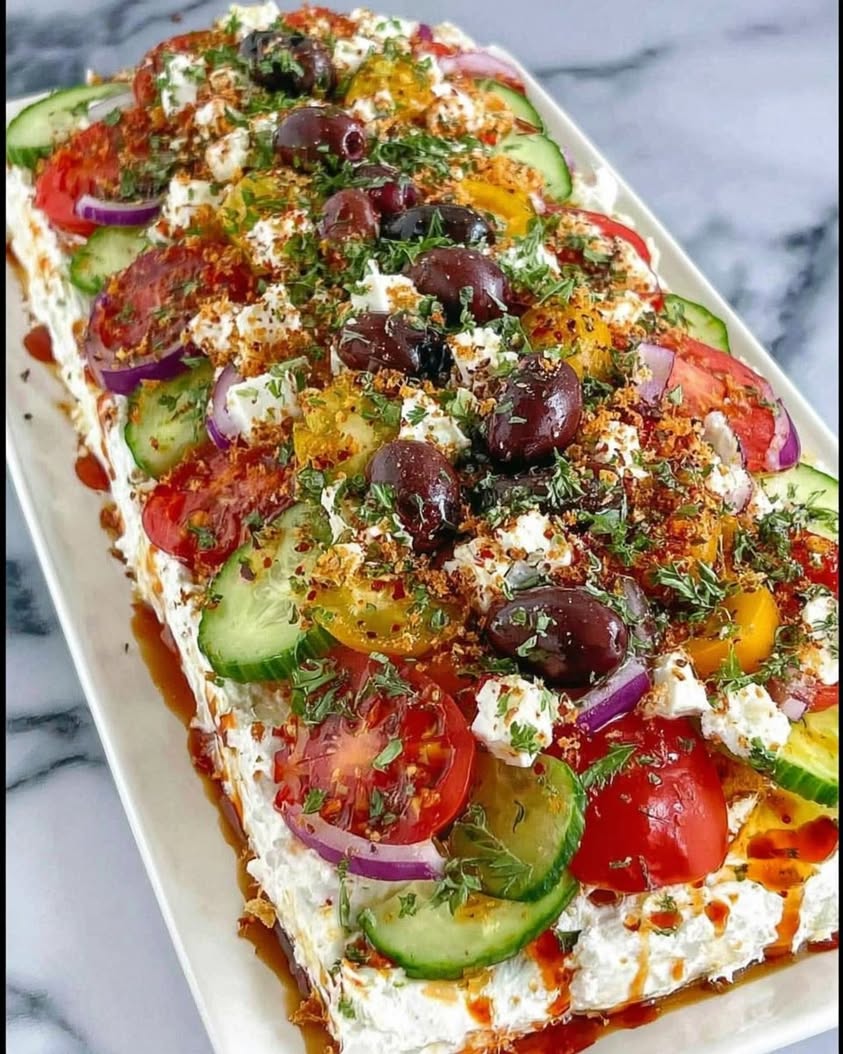
Greek Feta Board with Hot Honey and Crispy Fried Onions: The Ultimate Crowd-Pleasing Appetizer
Imagine a dish that instantly transports you to a sun-drenched Greek taverna with just one bite. This Greek Feta Board with Hot Honey and Crispy Fried Onions is exactly that kind of culinary magic. Moreover, it masterfully combines creamy, salty, sweet, spicy, and crunchy elements into one stunning centerpiece. Consequently, it is guaranteed to be the star of any gathering, from casual weeknights to festive dinner parties. Ultimately, this recipe transforms simple, high-quality ingredients into an unforgettable shared experience.
The beauty of this Greek Feta Board lies in its stunning simplicity and explosive flavor profile. For instance, a block of premium feta cheese serves as the creamy, tangy base. Then, a generous drizzle of homemade hot honey introduces a gentle, warming spice that perfectly cuts through the richness. Finally, a crown of golden, crispy fried onions adds an essential textural contrast that makes every mouthful exciting. This dish is not just food; it is a conversation starter and a guaranteed crowd-pleaser that requires minimal effort for maximum impact.
Quick Recipe Highlights
- Flavor Profile: This board delivers a perfect harmony of salty, tangy feta, sweet and spicy hot honey, and the savory depth of crispy onions. Each element complements the others, creating a complex taste experience that evolves with every bite.
- Texture: You get a luxurious contrast between the soft, crumbly cheese, the sticky-slick honey, and the shatteringly crisp onion topping. This interplay of creamy, crunchy, and unctuous textures is what makes the dish so addictive.
- Aroma: As you prepare it, the air fills with the sweet, floral scent of warming honey infused with chili, followed by the irresistible, savory fragrance of onions frying to golden perfection. These aromas promise the delicious experience to come.
- Visual Appeal: The presentation is stunningly rustic. A white block of feta glistening with amber-hued hot honey and topped with a golden-brown mound of onions is naturally beautiful. It looks abundant and inviting on any table.
- Skill Level Needed: This is a beginner-friendly recipe. The techniques are straightforward, involving simple frying and gentle warming. Therefore, even novice cooks can achieve impressive, restaurant-quality results with confidence.
- Special Equipment: You need only basic kitchen tools: a small saucepan for the honey, a skillet for frying onions, and a beautiful board or platter for serving. No fancy or specialized equipment is required at all.
Recipe Overview
- Difficulty Level: We rate this Greek Feta Board as “Easy” because it involves fundamental techniques like frying and infusing. The steps are sequential and simple, with minimal room for error. Additionally, most components can be prepared ahead of time, reducing last-minute stress. Ultimately, it’s an accessible recipe that builds cooking confidence.
- Category: This dish falls perfectly into the appetizer, meze, or snack category. It is ideal for sharing and grazing. Furthermore, it can easily serve as a light lunch or a spectacular addition to a larger Mediterranean-inspired feast or cheese board spread.
- Cuisine: The recipe is rooted in Greek and broader Mediterranean culinary traditions, celebrating iconic ingredients like feta cheese and olive oil. However, it incorporates modern global twists, such as the trendy hot honey, creating a delicious fusion that feels both timeless and contemporary.
- Cost: This is a cost-effective appetizer. A block of good-quality feta, a single onion, and basic pantry staples form the core. The hot honey uses inexpensive dried chilies. Compared to ordering a similar dish at a restaurant, making this Greek Feta Board at home offers tremendous value and portion control.
- Season: This board is truly versatile across seasons. It feels light and fresh for summer entertaining yet offers comforting, rich flavors perfect for fall and winter gatherings. The spicy honey can even provide a warming element on cooler evenings.
- Occasion: It is supremely adaptable for any event. Serve it as a quick weeknight treat, a show-stopping party appetizer, a pre-dinner meze, or part of a holiday spread. Its shareable nature makes it ideal for social dining and festive occasions of all kinds.
Why You’ll Love This Recipe
First and foremost, the taste and texture appeal is immediate and profound. The initial salty tang of the feta mellows into the sweet heat of the honey, while the crispy onions provide a satisfying crunch. This combination is incredibly moreish; once you start, it is genuinely hard to stop. Each component is delicious on its own, but together they create a symphony of flavor that is greater than the sum of its parts. Furthermore, the contrast between the cool cheese and the warm honey is a delightful sensory experience.
Next, consider the sheer convenience and preparation benefits. This Greek Feta Board comes together in about twenty-five minutes with very little active hands-on time. You can multitask easily by frying the onions while the honey infuses. Moreover, nearly every element can be prepared in advance. For instance, you can make the hot honey and fry the onions hours ahead, then simply assemble the board just before serving. This makes it a stress-free choice for hosting, allowing you to enjoy your own party.
Additionally, there are notable nutritional advantages to this dish. Feta cheese is a good source of calcium and protein. Using a high-quality olive oil for frying adds heart-healthy monounsaturated fats. While it is an indulgent appetizer, a little goes a long way in terms of satisfaction. You can also easily balance it with healthier accompaniments like fresh vegetable crudités or whole-grain crackers. Ultimately, it proves that flavorful, satisfying food can also incorporate wholesome ingredients.
Furthermore, the social and entertaining value is unmatched. A Greek Feta Board placed in the center of the table naturally encourages conversation and interaction. It is a communal eating experience that breaks the ice and gets people sharing. Visually, it makes a huge impact, signaling to your guests that you have prepared something special. This dish transforms simple snacking into an event, making any meal feel more festive and considered without requiring elaborate place settings or formal courses.
Finally, the cost-effectiveness and accessibility are major wins. The ingredient list is short and composed of items you can find at any standard grocery store. You do not need to hunt for exotic or expensive components. Compared to ordering a cheese board or appetizer platter at a restaurant, making this at home saves a significant amount of money. You also have complete control over the quality of ingredients, allowing you to splurge on an exceptional feta or a specialty local honey if you choose, tailoring the board to your budget and taste.
Historical Background and Cultural Significance
The story of this dish begins with its cornerstone: feta cheese. Feta holds a Protected Designation of Origin (PDO) status in the European Union, meaning true feta must be made in specific regions of Greece using traditional methods, primarily from sheep’s milk or a sheep and goat milk blend. Its history stretches back thousands of years, with references to cheese preservation in brine found in Homer’s Odyssey. For centuries, feta has been a staple of the Greek diet, valued for its nutritional density, long shelf life, and versatile, tangy flavor. It is the soul of the classic Greek salad and countless other traditional dishes.
In Greek culture, the concept of “meze” is central to social dining. Meze refers to a variety of small dishes served to accompany drinks, encourage conversation, and prolong the enjoyment of a meal. A Greek Feta Board fits perfectly into this tradition. It is a shared, communal dish meant to be enjoyed slowly with good company. The act of gathering around a table, breaking bread, and sharing from a common platter is a deeply rooted cultural practice that emphasizes hospitality, or “philoxenia,” which is considered a sacred virtue in Greece.
The evolution of this specific recipe is a modern tale of global fusion. While baked feta dishes exist in Greek cuisine, the addition of hot honey is a contemporary trend that likely originated in American food culture, popularized by restaurants and food media. This innovation showcases how traditional dishes can evolve by incorporating new flavor profiles while still honoring their roots. The crispy fried onion topping adds another layer of global influence, bringing a universally loved crunchy texture that elevates the creamy cheese base. This evolution makes the dish both familiar and exciting.
Regional variations of this concept are endless. In different parts of Greece, you might find feta baked with tomatoes and peppers (feta psiti) or wrapped in phyllo. Our version invites personalization based on local ingredients and tastes. For example, you could use different chili varieties in the hot honey, such as smoky chipotle or fruity Aleppo pepper. The garnishes can also shift with the seasons, incorporating fresh herbs, nuts, or fruits. This adaptability is a testament to the enduring and flexible nature of simple, ingredient-driven Mediterranean cooking, allowing everyone to create their own signature version of a Greek Feta Board.
Ingredient Deep Dive
Let us start with the star: Feta Cheese. Authentic Greek feta is a brined curd cheese made from at least 70% sheep’s milk, often blended with goat’s milk. This composition gives it a distinctive tangy, salty flavor and a creamy yet crumbly texture that is irreplaceable. Nutritionally, it is a good source of calcium, protein, and vitamins like B12 and riboflavin. When selecting feta, look for blocks stored in brine, as they stay moist and flavorful. For the best quality, choose a PDO-certified Greek feta. Store it submerged in its brine in the refrigerator. If you need a substitute, a firm goat cheese or a brined halloumi (for frying) can work, though the flavor profile will change.
Next, consider the Hot Honey. This magical condiment is simply honey gently warmed with dried chili flakes, allowing the capsaicin to infuse and create a sweet-spicy synergy. Honey has been used since ancient times for both its sweetness and preservative qualities. From a health perspective, raw honey contains antioxidants and has antimicrobial properties. For this recipe, use a good-quality, mild honey like clover or wildflower so the chili flavor can shine through. You can adjust the heat level by using more or fewer chili flakes, or by trying different chili varieties like arbol or cayenne. Store homemade hot honey in a sealed jar at room temperature.
Now, examine the Crispy Fried Onions. The humble onion, when sliced and fried, transforms into a savory, crunchy garnish. Onions are a foundational vegetable in cuisines worldwide, prized for their flavor-building sulfur compounds. They offer nutritional benefits like quercetin, an antioxidant with anti-inflammatory properties. For perfect crispy fried onions, use a high-starch onion like yellow or Spanish onions, as they brown well and become crisp. Slice them thinly and evenly for consistent cooking. Fry them in a neutral oil with a high smoke point, like vegetable or avocado oil, until deeply golden. You can substitute with store-bought fried onions for convenience, though homemade offers superior flavor and texture.
Finally, do not overlook the supporting cast. Extra Virgin Olive Oil is essential for frying the onions, adding a fruity, peppery backbone that is quintessentially Mediterranean. High-quality olive oil is rich in monounsaturated fats and polyphenols. Choose a robust EVOO for frying and a milder one for drizzling. The Fresh Herbs, like oregano or thyme, are not just garnish; they provide a fragrant, earthy aroma that ties the dish to the Greek landscape. Use dried Greek oregano if fresh is unavailable. The Bread or Crackers for serving are crucial for scooping. Opt for a crusty baguette, grilled pita, or sturdy crackers that can hold up to the robust toppings.
Common Mistakes to Avoid
- Using Pre-Crumbled Feta: Pre-crumbled feta is often drier, coated in anti-caking agents, and lacks the creamy texture of a block in brine. Always buy a solid block of feta stored in liquid for the best moisture and flavor in your Greek Feta Board.
- Overheating the Honey: When making the hot honey, gently warm it only until it is thin enough to drizzle and the chili flakes have infused. Boiling the honey can destroy its delicate floral notes and potentially cause it to caramelize or burn, resulting in a bitter taste.
- Crowding the Pan When Frying Onions: Adding too many onions to the skillet at once lowers the oil temperature dramatically. Consequently, the onions steam instead of fry, becoming soggy and greasy. Fry in batches to ensure each slice has space to crisp up properly and turn golden brown.
- Underseasoning the Onions: Onions need salt to bring out their natural sweetness, especially when fried. Season the onion slices with a pinch of salt as soon as they come out of the hot oil. This allows the salt to adhere while they are still glistening and hot.
- Assembling Too Early: If you assemble the entire board—pouring hot honey over the feta and adding crispy onions—long before serving, the onions will lose their crunch as they absorb moisture. For optimal texture, assemble the components just before you are ready to serve your guests.
- Skipping the Rest for Hot Honey: After infusing the chili flakes in the warmed honey, let it sit off the heat for at least 10-15 minutes. This resting time allows the spice to fully permeate the honey, creating a more balanced and integrated heat rather than a harsh, separate chili bite.
- Using a Dull Knife to Slice Onions: A dull knife crushes onion cells rather than slicing cleanly, releasing more of the pungent compounds that make you cry and can result in uneven slices that fry inconsistently. Use a sharp chef’s knife for thin, even slices.
- Not Patting the Onions Dry: Moisture is the enemy of crispy frying. After slicing the onions, pat them thoroughly dry with paper towels. This step prevents dangerous oil splatters and helps the onions fry up crisp instead of steaming in their own water content.
Essential Techniques
Mastering the Fry for Crispy Onions is crucial. The goal is to drive off moisture quickly at the right temperature, creating a crispy, golden-brown result without burning. First, heat your oil to around 350-375°F (175-190°C). Use a deep skillet or pot and a thermometer for accuracy. Add the onions in a single, uncrowded layer. They will sizzle vigorously. Stir occasionally for even browning. The visual cue for success is a uniform deep golden color; they will continue to crisp as they drain on paper towels. The common pitfall is removing them too early while they are still pale and soft, as they will not become fully crisp upon cooling.
Perfecting the Hot Honey Infusion is a gentle art. This technique involves warming honey just enough to thin its consistency and activate the flavors in the chili flakes without cooking it. Place honey and chili flakes in a small saucepan over the lowest possible heat. Warm for 3-5 minutes, stirring occasionally, until the honey is runny and fragrant. You should see tiny bubbles forming around the edges, but it should never come to a rolling boil. Immediately remove it from the heat. The success cue is a beautifully infused, drizzle-able honey that coats the back of a spoon. Letting it steep off the heat deepens the flavor, making your Greek Feta Board truly special.
Pro Tips for Perfect Greek Feta Board with Hot Honey and Crispy Fried Onions
Bring your feta to room temperature for about 20 minutes before serving. Cold cheese can mute flavors and has a firmer, less inviting texture. Room-temperature feta is creamier, tangier, and better at absorbing the delicious hot honey.
Double or triple the hot honey recipe and keep a jar in your pantry. It is incredible on pizza, roasted vegetables, fried chicken, and grilled cheese. Having it on hand makes elevating any meal quick and easy.
For an extra layer of flavor, fry your onions in a combination of olive oil and a small amount of butter. The butter adds a rich, nutty note that complements the sweetness of the onions and the saltiness of the feta beautifully.
If you are sensitive to spice, remove the chili flakes from the honey after infusing by straining it through a fine-mesh sieve. You will still get the gentle warmth of the chili oil without biting into the actual flakes.
Garnish with more than just herbs. A sprinkle of toasted sesame seeds, chopped walnuts, or a few dried currants can add wonderful extra dimensions of texture, flavor, and visual interest to your board.
Serve with a variety of dippers. Offer grilled pita triangles, sturdy crackers, crisp apple slices, and endive leaves. This variety caters to different preferences and dietary needs, making your board more inclusive and interactive.
For a dramatic presentation, place the block of feta on the board and use the back of a spoon to make a shallow well or crevice in the top. Pour the hot honey into this well so it pools enticingly before cascading down the sides.
Variations and Adaptations
Consider regional variations to take your board on a culinary journey. For a French twist, use a baked Brie or Camembert instead of feta and top with honey and fried shallots. For a Middle Eastern flair, substitute feta with labneh (thick strained yogurt) and garnish with za’atar spice mix and pomegranate arils alongside the crispy onions. These adaptations honor the core concept while exploring different cheese cultures and flavor profiles from around the world.
Seasonal adaptations keep your Greek Feta Board exciting year-round. In summer, garnish with fresh peach slices, basil, and a balsamic reduction. During fall, incorporate roasted grapes, rosemary, and candied walnuts. For winter, add a sprinkle of pomegranate seeds and a dusting of smoked paprika. In spring, fresh peas, mint, and edible flowers create a bright presentation. Using seasonal produce ensures peak flavor and makes the dish feel special and timely for any occasion.
Dietary modifications are straightforward. For a vegan Greek Feta Board, use a high-quality vegan feta alternative made from tofu or almonds. Ensure your hot honey is made with vegan-friendly sweeteners like agave nectar if you avoid honey. Gluten-free guests will appreciate being served with gluten-free crackers or vegetable crudités. For a lower-fat version, you can bake the onion slices tossed with a little oil at a high temperature until crisp instead of deep-frying them.
Experiment with flavor variations by changing the infused element in your honey. Instead of red chili flakes, try fresh thyme sprigs, cracked black pepper, a strip of orange zest, or a cinnamon stick. You can also mix a teaspoon of harissa paste into the honey for a North African-inspired heat. Another idea is to crumble crispy cooked bacon over the top alongside the onions for a smoky, savory surprise. Do not be afraid to personalize the recipe based on your favorite flavor combinations.
Serving and Presentation Guide
Plating techniques start with choosing the right canvas. A wooden board, a slate slab, or a large, colorful ceramic platter all work beautifully. Place the block of feta slightly off-center for visual interest. Drizzle the hot honey artistically, allowing it to run down the sides and pool on the board. Mound the crispy fried onions generously on top or to one side. Scatter your chosen garnishes like fresh herbs, nuts, or fruits around the cheese, filling negative space to create an abundant, inviting look.
Garnishing ideas extend beyond the basic herbs. Consider edible flowers like nasturtiums or pansies for a pop of color. A drizzle of high-quality extra virgin olive oil just before serving adds a lovely sheen. A light sprinkle of flaky sea salt, such as Maldon, on top of the honey enhances both sweetness and saltiness. For a textural contrast, add a small bowl of marinated olives or artichoke hearts on the side of the board, integrating them into the overall presentation.
Traditional accompaniments include warm, grilled pita bread cut into triangles. A bowl of Kalamata olives and some dolmades (stuffed grape leaves) continue the Greek theme perfectly. You could also add a small dish of tzatziki or hummus for additional dipping options. These items complement the flavors on the board and turn it into a more substantial meze spread, encouraging guests to graze and mix different tastes together.
Modern serving suggestions might include pairing the board with a crisp, chilled white wine or a rosé. For a casual gathering, serve it as the main appetizer with a signature cocktail. You can also deconstruct the board into individual servings for a dinner party starter by placing a small slice of feta on each plate, drizzling with hot honey, topping with onions, and adding a microgreen salad. This approach offers elegant portion control and a refined plating style.
Wine and Beverage Pairing
Wine pairings for this Greek Feta Board should balance the salt, fat, and spice. A crisp, acidic Greek Assyrtiko is a classic and perfect choice, as its citrus and mineral notes cut through the richness of the cheese. A New Zealand Sauvignon Blanc with its grassy, grapefruit character also works wonderfully. If you prefer red, opt for a light-bodied, low-tannin red like a Beaujolais or a Greek Xinomavro rosé. The key is to avoid overly oaky or high-alcohol wines that could clash with the dish’s vibrant flavors.
Non-alcoholic alternatives can be just as sophisticated. A sparkling lemonade or limeade provides a refreshing, tart counterpoint. For a more complex option, try a chilled mint and cucumber infused water or a ginger beer. The effervescence and herbal notes cleanse the palate between bites of the rich feta and honey. Iced herbal teas, like peach or hibiscus, offer a sweet-tart profile that complements the hot honey beautifully without competing with it.
Coffee and tea pairings are excellent if serving this board as part of a brunch or late-evening snack. A medium-roast coffee with low acidity won’t overpower the dish. A cup of strong, black English Breakfast tea can stand up to the bold flavors. For a more delicate option, a chamomile or mint tea provides a soothing finish. Ultimately, the goal is to choose a beverage that refreshes the palate, allowing you to fully appreciate each flavorful component of the Greek Feta Board with Hot Honey and Crispy Fried Onions.
Storage and Shelf Life
Storage methods for leftovers require separating the components. Store any unused feta block in its original brine or in a container covered with fresh, lightly salted water; it will last for 1-2 weeks in the refrigerator. Place the hot honey in a sealed glass jar at room temperature; it will keep for several months. Store crispy fried onions in an airtight container at room temperature for up to 3 days; for longer crispness, a silica gel packet can help. Never store the assembled board, as the onions will become soggy.
Signs of spoilage are important to recognize. Feta that develops an off smell, excessive slime, or unusual mold (beyond its natural blue veins, if applicable) should be discarded. The hot honey is a preservative itself but if you see fermentation (bubbles) or mold, discard it. Crispy onions that have lost their crunch, smell rancid, or have any visible mold are no longer good. When in doubt, follow the golden rule: if it looks or smells questionable, it is safer to throw it out and make a fresh batch.
Reheating instructions are simple for components that benefit from warmth. You can gently re-warm the hot honey in a microwave in 10-second bursts or in a saucepan over low heat. The fried onions can be refreshed in a 350°F (175°C) oven for 3-5 minutes to restore some crispness, though they are best fresh. The feta should be served at room temperature, so simply take it out of the fridge 20 minutes before serving again. Do not microwave the cheese, as it can become oily and separate.
Make Ahead Strategies
Your prep timeline can be spread over two days for effortless entertaining. Day One: Make the hot honey and let it cool, then transfer it to a jar. Slice your onions and store them in an airtight container in the fridge. Day Two (3-4 hours before guests arrive): Fry the onions and let them cool completely on paper towels. One hour before serving: Take the feta out of the fridge to come to room temperature. Just before serving: Assemble the board. This staged approach minimizes last-minute tasks.
Storage between steps is key to maintaining quality. Keep the jarred hot honey in a cool, dark pantry. Store the raw, sliced onions in the refrigerator to prevent them from oxidizing and becoming pungent. Once the onions are fried and completely cool, store them in a paper-towel-lined airtight container at room temperature; avoid plastic bags, as they trap steam and cause sogginess. The feta should remain in its brine in the fridge until you are ready to bring it to temperature.
Assembling tips for make-ahead success focus on last-minute combination. Have your board or platter clean and ready. Place the room-temperature feta on the board. Give the hot honey a quick stir and gently warm it if it has thickened too much. Just as your guests arrive or you are ready to eat, drizzle the honey over the feta and immediately pile the crispy onions on top. This final, quick assembly ensures the onions retain their signature crunch and the presentation looks fresh and inviting.
Scaling Instructions
Halving the recipe is simple for a smaller gathering. Use a half-block of feta (about 4 oz). Reduce the onion to half of a medium onion and use a smaller skillet for frying. Halve the honey and chili flake quantities for the hot honey. The cooking times will be slightly shorter for the smaller batch of onions, so watch them closely. This scaled-down version is perfect for a romantic appetizer or a treat for two.
Doubling or tripling the recipe for a crowd requires some adjustments. Use multiple blocks of feta arranged on a very large board or several smaller boards. Fry the onions in multiple batches to avoid crowding; do not try to fry a double batch in one pan. You may need to make the hot honey in two separate batches or use a larger saucepan to ensure even heating and infusion. Consider setting up a “build-your-own” station with bowls of feta cubes, hot honey, crispy onions, and garnishes for interactive fun at large parties.
Nutritional Deep Dive
A macro breakdown for a serving (assuming 6 servings from one 8oz block) highlights a balance of fats, protein, and carbohydrates. The feta provides a significant amount of fat (mostly saturated) and protein, contributing to satiety. The honey adds simple carbohydrates (sugars), offering quick energy. The fried onions add a small amount of additional fat and carbs. While not a low-calorie dish, it is rich and satisfying, meaning a small portion goes a long way in curbing appetite and delivering flavor.
Micronutrient analysis reveals several benefits. Feta is an excellent source of calcium, crucial for bone health, and provides phosphorus, vitamin B12, and riboflavin. Onions contain quercetin, a potent antioxidant, and vitamin C. Honey offers trace amounts of minerals and antioxidants, especially if you use raw, unfiltered honey. Olive oil contributes vitamin E and polyphenols. Together, these ingredients provide a spectrum of nutrients that support various bodily functions, from antioxidant defense to energy metabolism.
Dietary considerations are important for those with specific needs. This dish is naturally gluten-free if served with gluten-free accompaniments. It is vegetarian but not vegan due to the dairy-based cheese. The high sodium content from the feta and the saturated fat are points to consider for those on heart-healthy or low-sodium diets. However, when enjoyed in moderation as part of a balanced diet, this Greek Feta Board can be a delicious and satisfying component. Pairing it with fresh vegetables can further balance the nutritional profile.
Dietary Adaptations
For a gluten-free version, ensure all accompaniments are certified gluten-free. Serve with gluten-free crackers, vegetable chips, or fresh veggie sticks. The core recipe of feta, hot honey, and fried onions is naturally gluten-free, but always check labels on pre-made items like store-bought fried onions or specific honey brands for additives.
Creating a dairy-free or vegan Greek Feta Board requires a cheese substitute. Several brands make excellent vegan feta alternatives from ingredients like almonds, tofu, or coconut oil. Choose one that is firm enough to slice or cube. For the honey, substitute with agave nectar, maple syrup, or vegan honey made from apple concentrate. Proceed with the same infusion method using chili flakes.
A keto or low-carb adaptation focuses on reducing sugars. Replace the honey with a sugar-free syrup like monk fruit or allulose syrup infused with chili flakes. Be aware that the texture and flavor will differ. Serve the board with low-carb dippers like cucumber rounds, bell pepper strips, celery, or keto-friendly seed crackers. The feta and onions (in moderation) are generally acceptable on a keto diet.
Troubleshooting Guide
If your onions are soggy or greasy, the oil temperature was likely too low. Next time, ensure the oil is hot enough (350-375°F) before adding the onions, and do not overcrowd the pan. For currently soggy onions, you can try spreading them on a baking sheet and placing them in a 300°F oven for 10-15 minutes to dry them out, though they may not become perfectly crisp again.
If your hot honey is too spicy, you can dilute it by gently warming it with additional plain honey to mellow the heat. For future batches, use fewer chili flakes or remove them after infusing by straining the honey. If it is not spicy enough, you can add a pinch of cayenne pepper or a few drops of hot sauce to the warmed honey and let it infuse a bit longer.
If your feta seems dry or crumbly, it may be a lower-quality brand or it may have been stored improperly. To salvage it, you can soak the block in a mixture of milk and water for 30 minutes to an hour before serving to help rehydrate it. For the best results next time, always purchase a block of feta stored in brine and keep it submerged in liquid in your refrigerator.
Frequently Asked Questions
Can I use a different type of cheese? Absolutely. While feta is traditional, you can experiment with other creamy, tangy cheeses like goat cheese, baked brie, or even a firm ricotta salata. Keep in mind that the saltiness and texture will vary, so adjust garnishes and honey quantity accordingly.
How long does homemade hot honey last? Stored in a clean, sealed jar at room temperature, your homemade hot honey will last for several months. The honey’s natural preservative qualities prevent spoilage. Just ensure you use a clean spoon each time to avoid introducing moisture or contaminants.
Can I air fry the onions instead of deep-frying? Yes. Toss thinly sliced onions with a tablespoon of oil and air fry at 375°F (190°C) for 8-12 minutes, shaking the basket every few minutes until golden and crisp. They may not be quite as uniformly crispy as deep-fried but are a great healthier alternative.
What can I use instead of chili flakes in the honey? You can use fresh chopped jalapeño, a whole dried chili (like arbol or guajillo), a teaspoon of chili paste like sambal oelek, or even a splash of hot sauce. Adjust quantities based on the heat level of your chosen ingredient.
My honey crystallized. Can I still use it? Yes. Crystallization is natural. Gently warm the jar in a bowl of hot water or microwave it in short bursts until it liquefies again. Then, proceed with the recipe to infuse it with chili flakes. The quality is not affected.
Is this dish served warm or cold? It is best served at room temperature. The feta should be taken out of the fridge ahead of time. The hot honey is warmed for infusion but can be at room temperature when drizzled. The onions are served at room temperature after frying. This balance makes it easy to prepare and serve.
Can I make this completely ahead of time? You can prepare all components ahead, but assemble just before serving. The fried onions will lose their crunch if left on the honey-drizzled cheese for more than 15-20 minutes. Prep the honey, fry the onions, and have your board ready, then combine at the last moment.
What are the best crackers or bread to serve? Choose sturdy options that can scoop without breaking. Grilled pita bread, baguette slices, water crackers, sesame crackers, or sliced sourdough are all excellent. For a gluten-free option, use seed crackers or vegetable crudités like endive leaves or bell pepper strips.
Additional Resources
If you loved this Greek Feta Board, explore other Mediterranean-inspired recipes on our site. A classic Greek salad, creamy tzatziki sauce, or flavorful souvlaki skewers would complement this board perfectly. We also have guides on building the ultimate cheese board, selecting olive oils, and working with phyllo dough for more advanced Greek pastries like spanakopita.
For technique guides that will help you master this and other recipes, check out our detailed posts on how to properly fry foods for crispiness, the art of infusing oils and honeys, and knife skills for slicing vegetables thinly and safely. Understanding these foundational skills will boost your confidence in the kitchen and improve all your culinary creations.
For further ingredient information, we have deep dives into the world of artisanal cheeses, a guide to different honey varieties and their flavors, and a primer on chili peppers and their heat levels (Scoville scale). Learning more about your ingredients empowers you to make smarter substitutions and understand how each component contributes to the final dish, Print
Greek Feta Board with Hot Honey + Crispy Fried Onions
- Total Time: 45 minutes
- Yield: 4
Description
A vibrant, shareable appetizer featuring creamy feta cheese drizzled with spicy honey and topped with crispy fried onions, served alongside olives, tomatoes, and warm pita bread.
Ingredients
- 1 block (8 oz) Greek feta cheese
- 1/4 cup honey
- 1 tsp red pepper flakes
- 1 large onion, thinly sliced
- 1/2 cup all-purpose flour
- 1/2 tsp salt
- Vegetable oil for frying
- 1 cup mixed olives (Kalamata and green)
- 1 cup cherry tomatoes, halved
- 2 tbsp extra virgin olive oil
- Fresh oregano for garnish
- 4 pieces pita bread, warmed
Instructions
- Place the feta block on a serving board or plate. In a small saucepan, warm the honey over low heat, stir in red pepper flakes, and let infuse for 5 minutes, then set aside.
- In a bowl, toss the sliced onions with flour and salt until coated. Heat 1 inch of vegetable oil in a skillet over medium-high heat, fry onions in batches until golden and crispy, about 3-4 minutes, then drain on paper towels.
- Arrange olives, cherry tomatoes, and warm pita bread around the feta on the board. Drizzle the feta with extra virgin olive oil and the prepared hot honey.
- Top the feta with the crispy fried onions and garnish with fresh oregano. Serve immediately while the onions are still crispy.
Notes
You can customize the seasonings to taste.
- Prep Time: 15 minutes
- Cook Time: 30 minutes
- Method: Appetizer
- Cuisine: Greek