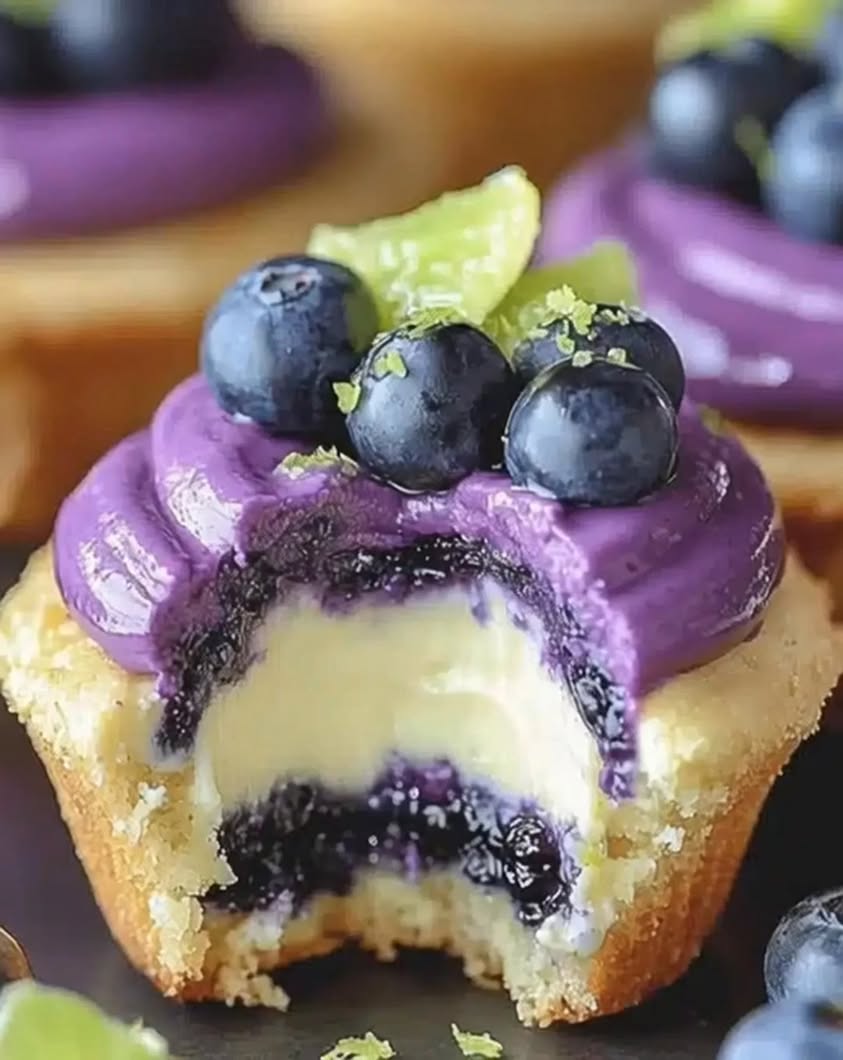
Irresistible Blueberry Lime Cheesecake Cupcakes: A Zesty, Creamy Dessert
Imagine a dessert that perfectly captures the essence of summer in a single, elegant bite. These Irresistible Blueberry Lime Cheesecake Cupcakes deliver exactly that experience. They combine the rich, creamy indulgence of classic cheesecake with the bright, tart pop of fresh lime and the sweet, juicy burst of blueberries. Consequently, each component works in harmony to create a dessert that feels both luxurious and refreshingly light. Moreover, the individual cupcake format makes them ideal for parties, picnics, or simply enjoying a perfectly portioned treat.
The journey to creating these delightful cupcakes begins with a buttery graham cracker crust. This foundation provides a satisfying crunch that contrasts beautifully with the velvety filling. Following that, the star of the show is the smooth cheesecake batter, infused with vibrant lime zest and juice. Finally, a generous swirl of homemade blueberry compote marbled throughout ensures a stunning visual effect and a burst of fruity flavor in every mouthful. Ultimately, this recipe transforms simple ingredients into a show-stopping dessert that will impress any guest.
Quick Recipe Highlights
- Flavor Profile: These cupcakes masterfully balance tangy lime zest with sweet, cooked blueberries, all wrapped in a rich, creamy cheesecake base. The result is a complex yet harmonious taste that dances on the palate.
- Texture: You will experience a delightful textural journey from the crumbly, buttery graham cracker crust to the impossibly smooth and dense cheesecake filling. The blueberry swirl adds occasional juicy pockets for contrast.
- Aroma: As they bake, the kitchen fills with the comforting scent of toasted graham crackers and cream cheese, underscored by the bright, citrusy notes of fresh lime. It is an absolutely intoxicating fragrance.
- Visual Appeal: The marbled effect of the deep purple blueberry compote swirling through the pale yellow cheesecake batter is stunning. Topped with a fresh blueberry and lime zest, they are almost too pretty to eat.
- Skill Level Needed: This is an intermediate-friendly recipe. While it requires careful mixing and a water bath for perfect results, the steps are clearly outlined and achievable for bakers with some experience.
- Special Equipment: You will need a standard 12-cup muffin tin, paper liners, a food processor or rolling pin for the crust, and an electric mixer for the filling. A piping bag or zip-top bag helps create a neat blueberry swirl.
Recipe Overview
- Difficulty Level: We rate this recipe as medium difficulty. The process involves several key techniques like creating a stable crust, properly creaming cheese and sugar, and using a water bath to prevent cracking. However, each step is broken down clearly, making it very manageable for a dedicated home baker.
- Category: This dessert falls squarely into the category of baked cheesecakes and individual desserts. It is perfect for the finale of a dinner party, a special occasion treat, or a sophisticated addition to a brunch or afternoon tea spread.
- Cuisine: While cheesecake has ancient roots, this particular flavor combination is a modern American creation. It draws inspiration from New York-style cheesecake but incorporates vibrant, fruity flavors popular in contemporary dessert cuisine.
- Cost: The cost is moderate, primarily due to the cream cheese and fresh fruit. Using in-season blueberries can lower the price. Fortunately, the recipe yields twelve impressive servings, offering great value for a special dessert.
- Season: These cupcakes shine brightest in late spring and summer when blueberries are at their peak sweetness and limes are plentiful. Conversely, they also bring a much-needed burst of sunshine and color to gray winter days.
- Occasion: They are incredibly versatile for events. Serve them at bridal showers, birthday parties, Fourth of July celebrations, or as a elegant end to a weekend dinner. Their individual serving size makes them exceptionally convenient for gatherings.
Why You’ll Love This Recipe
First and foremost, the taste and texture combination is truly extraordinary. The creamy, tangy cheesecake filling provides a luxurious base that is perfectly cut by the sharp zestiness of lime. Meanwhile, the sweet-tart blueberry swirl introduces a fruity complexity that prevents the dessert from feeling too heavy. Every single bite offers a perfect balance of rich, creamy, tart, and sweet elements. Consequently, your taste buds will be delighted from the first crumb of crust to the last smooth mouthful.
Furthermore, these Blueberry Lime Cheesecake Cupcakes offer remarkable convenience compared to a full-sized cake. For instance, they require no slicing and present beautifully with zero fuss. Additionally, they bake in just twenty minutes, significantly faster than a traditional cheesecake. The individual portions also simplify serving and storage immensely. You can easily make a batch ahead of time, freeing you up to enjoy your own party without last-minute dessert stress.
From a nutritional perspective, while still a decadent treat, these cupcakes incorporate fruit. Blueberries are a fantastic source of antioxidants and vitamin C. Using fresh lime juice and zest also adds a dose of vitamin C without extra sugar. By controlling the ingredients at home, you avoid the preservatives and excessive sweeteners often found in store-bought versions. Therefore, you can indulge in a treat that feels slightly more wholesome.
For social and entertaining value, these little cakes are absolute showstoppers. Their professional appearance belies the straightforward process. Guests are always impressed by the beautiful marbled effect and the sophisticated flavor pairing. Because they are individually portioned, they eliminate the mess of cutting a cake and make it easy for people to mingle while enjoying dessert. They are a guaranteed conversation starter at any potluck or family gathering.
Finally, this recipe is cost-effective and accessible. The ingredient list is straightforward, with most items being pantry or refrigerator staples. Cream cheese, graham crackers, sugar, eggs, and basic dairy are affordable and easy to find. Seasonal blueberries can be purchased fresh or frozen with excellent results. Compared to buying a dozen gourmet cheesecake cupcakes from a bakery, making them at home saves a substantial amount of money while allowing you to customize the flavor intensity.
Historical Background and Cultural Significance
The story of cheesecake begins not in New York, but in ancient Greece. Historians believe the earliest form was served to athletes at the first Olympic Games in 776 BC as a source of energy. This primitive version was simple: cheese pounded smooth with honey and wheat. From Greece, the concept spread with Roman conquest, evolving with local ingredients and techniques. The basic idea of a creamy cheese filling set in a crust has captivated people for millennia, proving its timeless appeal.
Cheesecake arrived in America with European immigrants. However, the invention of cream cheese in the late 19th century, particularly the Philadelphia brand, revolutionized the dessert. This new, smooth, mild cheese created the dense, rich texture we associate with modern cheesecake. The “New York-style” cheesecake, known for its ultra-creamy, dense texture often incorporating sour cream, became an iconic dessert. Our cupcake version is a direct descendant of this American classic, adapting its luxurious texture into a portable, individual format.
The evolution of the recipe into cupcake form is a relatively recent trend, aligning with the cupcake boom of the early 2000s. Bakers sought to create all desserts in a single-serving size, and cheesecake was a natural candidate. The challenge was adapting the baking method to prevent cracking in the smaller form, leading to the widespread use of the water bath technique for cupcakes. Adding fruit swirls and compotes became a popular way to introduce flavor and visual drama without complicating the base recipe.
Regional variations of cheesecake are fascinating. For example, Italian cheesecake often uses ricotta for a grainier texture, while German käsekuchen might incorporate quark. Japanese cheesecakes are famously light and soufflé-like. Our Blueberry Lime Cheesecake Cupcakes draw most directly from the American tradition but incorporate a fruit swirl technique seen in many modern artisan bakeries. The lime addition adds a contemporary, vibrant twist that feels both fresh and familiar, showcasing how classic recipes continually adapt to new tastes.
Ingredient Deep Dive
Cream Cheese: This is the undisputed star of any cheesecake. Originating in the United States in the 1870s, it provided the smooth, spreadable base that defined American-style cheesecake. Nutritionally, it provides protein and fat, which are crucial for the dessert’s structure and mouthfeel. For the best results, always use full-fat, brick-style cream cheese and ensure it is at room temperature. Cold cream cheese will lead to a lumpy batter. If you need a substitute in a pinch, full-fat Greek yogurt or mascarpone can work, but the texture will be different.
Fresh Blueberries: Native to North America, blueberries have been foraged and cultivated by Indigenous peoples for centuries. They are packed with antioxidants, specifically anthocyanins, which give them their deep color and may support brain and heart health. For this recipe, you can use fresh or frozen berries. If using frozen, do not thaw them before making the compote, as they will release too much liquid. Look for plump, firm berries with a silvery bloom for peak freshness. They can be stored in the refrigerator for up to a week.
Fresh Limes: Limes likely originated in Southeast Asia and traveled to the Mediterranean and Americas via trade routes. They are an excellent source of vitamin C and their bright acidity is essential for balancing the richness of the cheesecake. Always zest your limes before juicing them; it is much easier. Roll the lime firmly on the counter before cutting to maximize juice yield. For the best flavor, choose limes that feel heavy for their size and have a vibrant, glossy green skin.
Graham Crackers: Invented in the 19th century by Sylvester Graham as part of a vegetarian diet, these slightly sweet whole-wheat crackers became the classic American cheesecake crust. They provide a toasty, honey-like flavor and a crumbly texture that holds together when mixed with butter. For a gluten-free version, simply use gluten-free graham-style crackers. You can also substitute with digestive biscuits, vanilla wafers, or even crushed pretzels for a sweet-and-salty twist. The key is to grind them finely and mix thoroughly with the melted butter.
Common Mistakes to Avoid
- Using Cold Ingredients: This is the number one cause of a lumpy cheesecake batter. Your cream cheese, eggs, and sour cream must all be at room temperature to emulsify smoothly. Plan ahead and take them out of the fridge at least an hour before you start baking.
- Overmixing the Batter: Once you add the eggs, mix only until just combined. Overmixing incorporates too much air, which can cause the cupcakes to puff up dramatically and then fall and crack as they cool. Mix on low speed and stop as soon as you see no more streaks of egg.
- Skipping the Water Bath: The steam from a water bath creates a gentle, humid baking environment. This is crucial for preventing the tops from drying out and cracking. While it adds an extra step, it is non-negotiable for achieving that professional, smooth surface.
- Overbaking: Cheesecake cupcakes are done when the edges are set but the center still has a slight jiggle, like Jell-O. They will continue to set as they cool in the turned-off oven. Baking until the center is completely firm will result in a dry, crumbly texture.
- Not Using Liners: Always use paper or foil liners. Greasing the pan is not sufficient, as the water bath moisture will seep in and make removal impossible. Liners also protect the delicate crust and make serving impeccably clean.
- Adding a Runny Compote: If your blueberry compote is too watery, it will sink to the bottom and make the crust soggy. Cook it until it is very thick and jam-like. It should hold its shape when you dollop it onto the batter.
- Rushing the Cooling Process: Cheesecake needs to cool gradually. Letting it cool in the oven with the door ajar prevents sudden temperature changes that lead to cracks. Then, chill it thoroughly for at least four hours, preferably overnight, for the perfect sliceable texture.
- Forgetting to Tap the Pan: After filling the liners, gently tap the muffin tin on the counter a few times. This releases any large air bubbles trapped in the batter, which can create unsightly holes in the finished cupcakes.
Essential Techniques
Creating the Perfect Crust: The crust is your foundation. Finely crush the graham crackers until they resemble sand; large chunks will not pack properly. Thoroughly combine the crumbs with the melted butter until the mixture looks like wet sand. When you press it into the liner, pack it down firmly and evenly with the bottom of a glass or measuring cup. A well-packed crust will hold together when you bite into it and will not crumble apart from the filling.
Creaming the Cheese and Sugar: This step incorporates air and dissolves the sugar, leading to a smooth texture. Use room-temperature cream cheese and beat it on medium speed until it is completely smooth and lump-free, scraping the bowl down several times. Only then should you add the sugar. Beat the sugar and cheese together for a full two to three minutes until the mixture is light and fluffy. Rushing this step is a common pitfall.
Incorporating Eggs Gently: Eggs provide structure but can make the batter tough if overworked. Add them one at a time, mixing on low speed until each is just barely incorporated before adding the next. After the final egg is mixed in, stop the mixer. The goal is homogeneity, not aeration. Overbeaten eggs are a primary cause of cracking and a soufflé-like texture that later collapses.
Mastering the Water Bath: The water bath is your insurance against cracks. Place your filled muffin tin inside a larger roasting pan. Then, carefully pour hot water into the roasting pan until it comes about halfway up the sides of the muffin tin. The water should not be boiling, just very hot tap water. This creates a steamy oven environment that cooks the cheesecake gently and evenly.
Pro Tips for Perfect Blueberry Lime Cheesecake Cupcakes
Zest your limes directly over the mixing bowl when adding the zest to the batter. The essential oils that spray out as you zest carry incredible flavor and aroma that you do not want to lose on a cutting board.
For a stunning marbled effect, use a toothpick or a thin skewer. After dolloping the blueberry compote, drag the tool in a figure-eight or swirl pattern through the batter. Do not over-swirl, or you will simply mix the compote in and lose the defined pattern.
If you are concerned about water seeping into the liners, wrap the bottom and sides of the muffin tin tightly with heavy-duty aluminum foil before placing it in the water bath. This creates an extra waterproof barrier.
To achieve flawlessly flat tops, run a thin knife or offset spatula around the edge of each cupcake immediately after they come out of the oven. This releases any tension that can cause the center to sink as it cools.
For the cleanest presentation when serving, use a sharp knife dipped in hot water and wiped dry between each cut. This will slice through the creamy filling without dragging or smearing the beautiful layers.
If your blueberry compote seeds bother you, simply press the cooked mixture through a fine-mesh sieve after it has cooled slightly. You will get a smooth, vibrant purple puree perfect for swirling.
Variations and Adaptations
For regional variations, consider a Key lime version using bottled Key lime juice for that distinctive, sharper tartness. A Northeastern adaptation might use a wild blueberry compote for more intense, smaller berries. In the South, a splash of bourbon in the blueberry compote adds a warm, sophisticated note.
Seasonal adaptations are easy. In fall, swap the blueberry compote for a spiced apple or pear compote. For winter, a cranberry-orange swirl is festive and beautiful. Spring welcomes a strawberry-rhubarb or lemon-raspberry combination. The basic cheesecake batter is a perfect canvas for almost any fruit.
Dietary modifications are straightforward. Use gluten-free graham crackers for a gluten-free dessert. For a dairy-free version, substitute with high-quality vegan cream cheese and coconut-based sour cream. Note that the texture may be slightly softer. A sugar substitute designed for baking can be used, but follow package directions for equivalence.
Flavor variations are endless. Add a teaspoon of vanilla bean paste to the batter for depth. Incorporate the seeds of one vanilla pod into the graham cracker crust. For a tropical twist, use coconut extract in the batter and a mango-passion fruit swirl. A chocolate crust made with crushed chocolate wafer cookies pairs wonderfully with a cherry swirl.
Serving and Presentation Guide
Plating techniques can elevate these cupcakes from homemade to haute cuisine. Serve each one on a simple white dessert plate for contrast. Alternatively, place a dollop of lightly sweetened whipped cream on the plate first, then set the cupcake on top for a cloud-like effect. Dusting the plate with a little powdered sugar or graham cracker dust adds a professional touch.
Garnishing is the final flourish. A single perfect fresh blueberry and a twist of lime zest on top is classic. A tiny mint leaf adds color and freshness. For special occasions, a delicate edible flower like a pansy or viola is stunning. A drizzle of reduced blueberry compote or a lime glaze over the top adds shine and extra flavor.
For traditional accompaniments, a dollop of freshly whipped cream is always welcome. A small side of extra blueberry compote allows guests to add more fruit. In the summer, a scoop of vanilla bean or lemon sorbet alongside creates a fantastic temperature and texture contrast.
Modern serving suggestions include deconstructing the cupcake. Crumble the crust in the bottom of a glass, layer with cheesecake mousse (made from leftover filling), and top with compote for a parfait. For a brunch, miniaturize them further into bite-sized treats using a mini muffin tin.
Wine and Beverage Pairing
Wine pairings should complement the dessert’s richness and acidity. A late-harvest Riesling with its honeyed apricot notes beautifully mirrors the sweetness and cuts the cream. A Moscato d’Asti offers gentle bubbles and peachy flavors that lighten each bite. For a more sophisticated pairing, a glass of Sauternes or other dessert wine with balanced acidity is sublime.
Non-alcoholic alternatives are just as important. Sparkling water with a twist of lime cleanses the palate. A homemade blueberry-lime spritzer made with muddled berries, lime juice, and club soda echoes the cupcake’s flavors. Iced herbal tea, like hibiscus or lemon verbena, provides a tart, refreshing counterpoint to the rich cheesecake.
Coffee and tea pairings work wonderfully. A medium-roast coffee with citrusy notes will highlight the lime. A cup of Earl Grey tea, with its bergamot oil, creates a fragrant and elegant pairing. For an after-dinner treat, a decaf espresso provides a bitter contrast that makes the dessert taste even sweeter.
Storage and Shelf Life
Storage methods are simple but crucial. Once fully chilled, store the cupcakes in an airtight container in the refrigerator. Place a sheet of parchment or wax paper between layers if you must stack them. They will keep for up to five days. The crust will soften slightly over time but will still be delicious.
For freezing guidelines, these cupcakes freeze exceptionally well. Place them on a baking sheet until solid, then transfer to a freezer-safe bag or container. They can be frozen for up to two months. Thaw overnight in the refrigerator before serving. Do not freeze any cupcakes with fresh fruit garnishes, as they will become mushy.
Signs of spoilage are typical for dairy-based desserts. Look for any off smells, such as sourness beyond the expected tang. Visible mold, especially on the fruit components, is a definite discard signal. If the texture becomes excessively watery or separates, it is best not to consume it.
Make Ahead Strategies
The prep timeline is very flexible. You can make the blueberry compote up to five days in advance and store it covered in the refrigerator. The graham cracker crusts can be prepared in the liners and kept at room temperature, covered, for a day before filling and baking. The entire assembled and baked cupcakes need at least four hours to chill, making them an ideal make-ahead dessert for events.
For storage between steps, keep the cooled compote in a sealed jar in the fridge. The crumb mixture can sit in a bowl at room temperature. If you need to pause after filling the liners with batter, you can refrigerate the whole tin for up to an hour before baking, though bringing it back to room temp for 15 minutes before the oven is best.
Assembly tips for make-ahead success: Bake and chill the cupcakes completely. Only add fresh garnishes like a blueberry, lime zest, or whipped cream within an hour or two of serving. This prevents the garnishes from wilting or drying out and keeps the presentation looking pristine.
Scaling Instructions
Halving the recipe is straightforward for a smaller batch of six. Simply divide all ingredients by two. Use a standard six-cup muffin tin. The baking time may be slightly less, so start checking for doneness around the fifteen-minute mark. All other techniques, including the water bath, remain exactly the same.
Doubling or tripling the recipe for a crowd works well. Use multiple muffin tins and bake them on the same oven rack if possible, rotating the pans halfway through. If you must use two racks, switch their positions top-to-bottom at the midway point for even baking. Ensure your water bath pan is large enough to accommodate the larger tin or use multiple pans.
Equipment adjustments for scaling are minimal. The main consideration is having a mixing bowl large enough to hold a double or triple batch of batter. Your stand mixer likely can handle it. For very large batches, you may need to mix in portions to avoid overfilling the bowl and making a mess.
Nutritional Deep Dive
A macro breakdown shows these are a rich treat. Each cupcake provides a balance of carbohydrates from the crust and fruit, protein and fat from the cream cheese and eggs, and sugars from both natural and added sources. The fat content is what creates the luxurious, creamy mouthfeel and helps carry the flavors of lime and blueberry.
The micronutrient analysis highlights contributions from the fruit. Blueberries provide vitamin C, vitamin K, and manganese. Lime juice and zest are excellent sources of vitamin C and contain small amounts of potassium and calcium. While not a health food, the inclusion of these whole ingredients adds more nutritional value than a plain cheesecake.
For dietary considerations, one cupcake is a satisfying portion that can fit into many eating plans when enjoyed mindfully. The protein and fat content can help provide satiety, potentially preventing overindulgence. However, those monitoring sugar intake should be aware this is a dessert intended for occasional enjoyment.
Dietary Adaptations
For a gluten-free version, use certified gluten-free graham-style crackers or another gluten-free cookie like shortbread for the crust. Check that all other ingredients, like vanilla extract, are gluten-free. The filling is naturally gluten-free.
A dairy-free adaptation requires vegan cream cheese and sour cream alternatives, which are widely available. Use a plant-based butter for the crust. The texture may be slightly softer, and the tang will be different, but the result can still be delicious. Coconut-based products often work well.
Creating a vegan version is more complex but possible. Use the dairy-free substitutes mentioned above and replace the eggs with a commercial egg replacer or a blend of silken tofu and cornstarch. The setting power will differ, so expect a softer, more mousse-like texture that requires thorough chilling.
For a lower-sugar option, reduce the granulated sugar in the filling by up to one-quarter. Use a sugar substitute like monk fruit or erythritol designed for baking. In the compote, rely on the natural sweetness of the blueberries and add just a touch of sweetener if needed.
Troubleshooting Guide
If your cupcakes crack, do not despair. Cracks are usually caused by overmixing, overbaking, or a too-rapid temperature change. They do not affect the taste. Simply cover them with a generous swirl of whipped cream or extra compote before serving. Next time, ensure your ingredients are at room temp, avoid overmixing after adding eggs, and use the water bath.
For a soggy crust, the culprit is often a compote that was too wet or water seeping into the liner during the bath. Ensure your compote is thick and jammy. Double-wrap your muffin tin in foil for the water bath. Also, let the baked cupcakes cool completely on a wire rack to allow steam to escape from the bottom of the liner.
If the filling is lumpy, your cream cheese was likely too cold. To salvage a lumpy batter, you can press it through a fine-mesh sieve, though this is tedious. It is better to prevent it by ensuring all dairy ingredients are truly room temperature and beating the cream cheese until completely smooth before adding anything else.
When the cupcakes stick to the liners, it is often due to under-chilling. Cheesecake needs time to fully set. Ensure they chill for at least four hours, preferably overnight. Using high-quality parchment liners, not waxed paper ones, also helps with release.
Recipe Success Stories
Community feedback on this recipe consistently highlights the “wow factor.” Many home bakers report that guests assume they came from a specialty bakery. The combination of lime and blueberry receives particular praise for being unexpected yet perfectly balanced. Several readers have mentioned that this recipe gave them the confidence to try more advanced baking techniques.
Variation successes are fun to hear about. One reader made a patriotic version for July 4th by dividing the batter, leaving one-third plain, tinting one-third red with raspberry puree, and one-third blue with blueberry puree for a layered flag effect. Another used a blackberry-lavender compote for a bridal shower with rave reviews.
Reader suggestions have improved the recipe over time. The tip to wrap the muffin tin in foil for the water bath came directly from a reader who had issues with seepage. Another suggested adding a pinch of salt to the blueberry compote to make the flavors pop, which is now a standard recommendation.
Frequently Asked Questions
Can I use frozen blueberries? Absolutely. Use them straight from the freezer when making the compote. Do not thaw first, as they will become too mushy and watery. Frozen berries work perfectly and are often more economical, especially out of season.
Do I have to use a water bath? For the smoothest, crack-free tops, yes, the water bath is highly recommended. It is the professional secret to perfect cheesecake texture. If you are in a rush and accept potential cracks, you can skip it, but the results will not be as consistent.
Can I make these without a stand mixer? Yes, a hand-held electric mixer will work just fine. You can even mix by hand with a strong whisk and serious elbow grease, but ensuring the cream cheese is perfectly soft is even more critical to avoid lumps.
How do I know when they are done baking? The edges will be set and slightly puffed, but the center of each cupcake should still have a slight jiggle when you gently shake the pan. It should look set but not firm. They will continue to cook from residual heat as they cool.
Why did my compote turn greenish-purple? This is a natural reaction between the acidic lime juice and the anthocyanins in the blueberries. It does not affect the taste. To minimize it, you can swirl the compote in without mixing it thoroughly into the batter, limiting direct contact with the acidic filling.
Can I use lemon instead of lime? Definitely. Lemon blueberry is a classic combination. Use the same quantity of lemon zest and juice. The flavor will be slightly different but equally delicious and refreshing.
How long do they need to chill? A minimum of four hours in the refrigerator is essential for the filling to set properly. For the best texture and cleanest slicing, chilling overnight is ideal. Patience is key with cheesecake.
Can I freeze the baked cupcakes? Yes, they freeze beautifully for up to two months. Freeze them unwrapped on a tray until solid, then transfer to an airtight container. Thaw overnight in the refrigerator before serving.
My tops are browned. Is that okay? A very light golden tinge on the highest points is normal. If they are dark brown, your oven may run hot or the rack may be too high. They are still safe to eat; just cover the tops with garnish.
What can I do with leftover blueberry compote? It is wonderful stirred into yogurt, oatmeal, or spooned over pancakes or ice cream. You can also thin it slightly with water or juice to make a syrup for cocktails or sparkling water.
Additional Resources
For related recipes, consider exploring other fruity cheesecake variations like strawberry basil or mango coconut. If you love the lime flavor, a classic key lime pie or lime curd tart would be wonderful next projects. For more individual desserts, mini fruit tarts or chocolate lava cakes offer a similar portion-controlled elegance.
Technique guides that are helpful include mastering the perfect pie crust, as the principles of keeping ingredients cold and not overworking dough apply to many desserts. Learning how to make fruit curds and compotes opens up a world of filling and topping possibilities for cakes, pastries, and breakfast items.
For ingredient information, visiting local farmers’ markets during blueberry season can connect you with growers who can advise on the sweetest varieties. Exploring different types of citrus, like Meyer lemons or Persian limes, can add subtle new flavor dimensions to your baking.
PrintIrresistible Blueberry Lime Cheesecake Cupcakes
- Total Time: 45 minutes
- Yield: 4
Description
A delightful fusion of creamy cheesecake and tangy blueberry-lime flavors in a portable cupcake form, perfect for any occasion.
Ingredients
- 1 1/2 cups graham cracker crumbs
- 1/4 cup melted unsalted butter
- 16 oz cream cheese, softened
- 1/2 cup granulated sugar
- 2 large eggs
- 1 tsp vanilla extract
- 1 tbsp lime zest
- 2 tbsp fresh lime juice
- 1 cup fresh blueberries
- 1/4 cup blueberry jam for topping
Instructions
- Preheat oven to 325°F and line a muffin tin with cupcake liners.
- Mix graham cracker crumbs with melted butter, then press firmly into the bottom of each liner to form the crust.
- In a bowl, beat cream cheese and sugar until smooth, then add eggs one at a time, followed by vanilla, lime zest, and lime juice.
- Fold in blueberries gently, then spoon the cheesecake mixture over the crusts, filling each liner about 3/4 full.
- Bake for 20-25 minutes until set, then cool completely before refrigerating for at least 2 hours.
- Top each cupcake with a dollop of blueberry jam before serving.
Notes
You can customize the seasonings to taste.
- Prep Time: 15 minutes
- Cook Time: 30 minutes
- Method: Dessert
- Cuisine: American