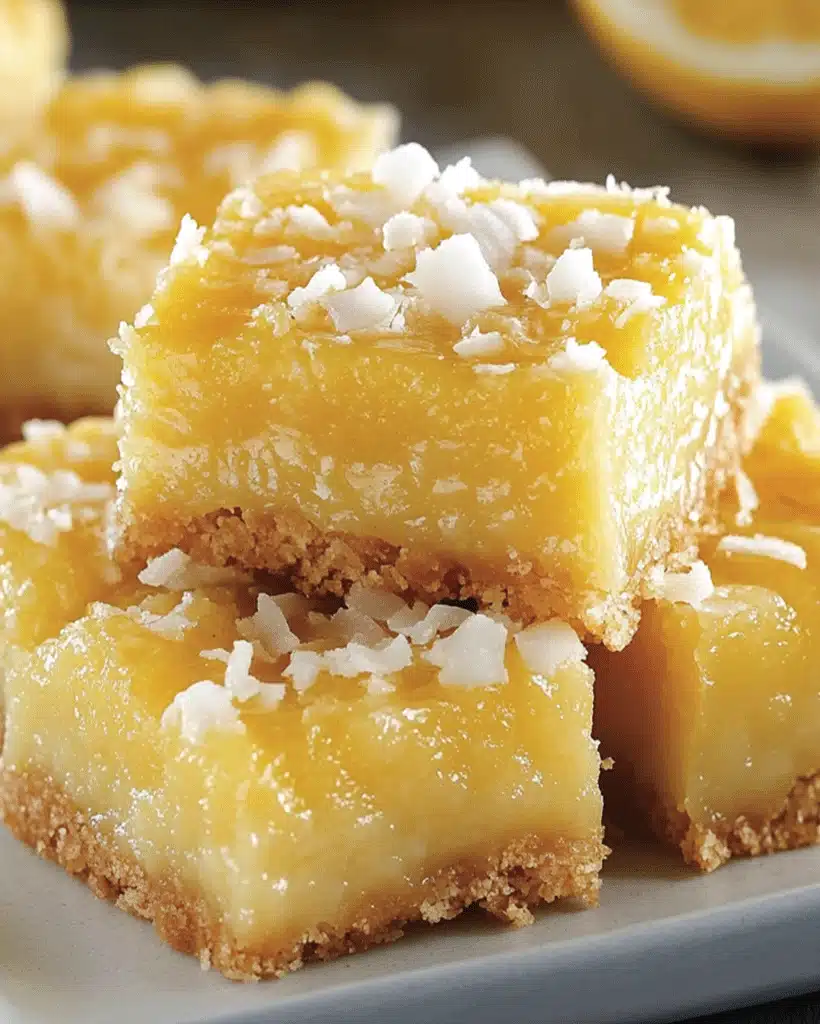
Lemon Coconut Dream Bars: A Tropical No-Bake Dessert Recipe
Imagine a dessert that instantly transports you to a sun-drenched beach. These Lemon Coconut Dream Bars are exactly that kind of culinary escape. Furthermore, they combine the bright, zesty punch of fresh lemon with the sweet, creamy richness of coconut. Consequently, every bite delivers a perfect harmony of tart and tropical flavors. This no-bake dessert recipe is a true lifesaver for busy home cooks. Ultimately, it requires minimal effort for a maximum payoff in taste and presentation.
The beauty of this Lemon Coconut Dream Bars recipe lies in its simplicity and elegance. For instance, you only need a handful of pantry-friendly ingredients. Moreover, the process involves no oven time, making it ideal for hot summer days. The resulting bars feature a buttery graham cracker crust, a luscious lemon coconut filling, and a fluffy whipped topping. As a result, they offer a delightful contrast of textures from crunchy to creamy. These bars are guaranteed to become a star at any potluck, picnic, or family gathering.
Creating this tropical no-bake dessert feels almost magical. First, you press the crust into the pan. Next, you whip up the dreamy filling that sets firm in the fridge. Finally, the wait is the hardest part, but it is absolutely worth it. When you slice into the chilled pan, you reveal perfectly layered bars that look professionally made. Therefore, this recipe proves you do not need complex techniques to create an impressive and delicious treat. Let us dive into how to make these irresistible Lemon Coconut Dream Bars.
Quick Recipe Highlights
- Flavor Profile: These bars masterfully balance vibrant, tangy lemon curd with the mellow, tropical sweetness of coconut cream. The graham cracker crust adds a hint of honey and cinnamon, which complements the citrus filling perfectly. Consequently, the overall taste is refreshing yet indulgent.
- Texture: You experience a delightful journey from a firm, crumbly crust to a smooth, dense, and creamy lemon coconut layer. The optional whipped topping adds a final cloud-like, airy finish. Altogether, this creates a wonderfully complex mouthfeel in every single bite.
- Aroma: As soon as you open the refrigerator, the bright, zesty scent of fresh lemon zest greets you. This citrus fragrance is beautifully underpinned by the warm, nutty, and sweet aroma of toasted coconut and graham crackers.
- Visual Appeal: The bars showcase beautiful, clean layers in shades of golden brown, sunny yellow, and snowy white. A sprinkle of toasted coconut or lemon zest on top adds a professional, finished look that is incredibly inviting.
- Skill Level Needed: This is a beginner-friendly recipe requiring no special pastry skills. Basically, you need to be able to mix, press, and whisk. There is no baking involved, so you eliminate the risk of over-browning or undercooking.
- Special Equipment: You only require a standard 9×9 inch baking pan, a mixing bowl, and a hand mixer or whisk. A microplane zester is helpful for the lemon, but a fine grater works too. No stand mixer or food processor is necessary.
Recipe Overview
- Difficulty Level: We rate this recipe as “Easy” because it has straightforward, sequential steps. There is no intricate technique like tempering eggs or rolling pastry. The primary skill is patience while the bars chill and set firmly. Even a first-time baker can achieve excellent results by following the instructions carefully.
- Category: This dish falls squarely into the dessert category, specifically bar cookies or no-bake treats. It is perfect for casual snacking, formal entertaining, or as a sweet ending to a meal. Additionally, it fits into the potluck and picnic food categories due to its portability.
- Cuisine: While not tied to one specific tradition, the recipe draws inspiration from American retro desserts and tropical flavor profiles. The use of sweetened condensed milk and graham crackers is classic in American no-bake treats. The lemon and coconut pairing evokes a general island or tropical vibe.
- Cost: This is a very cost-effective dessert. Ingredients like graham crackers, sweetened condensed milk, and shredded coconut are pantry staples and budget-friendly. Fresh lemons are the only potentially variable cost, but you only need a few. Overall, the recipe yields 16 generous servings for just a few dollars.
- Season: These Lemon Coconut Dream Bars are truly a year-round delight. However, they shine brightest in spring and summer when you crave lighter, citrus-forward desserts that do not require heating the oven. They are also a fantastic holiday dessert during Christmas for a bright, non-chocolate option.
- Occasion: These bars are incredibly versatile for events. They are ideal for baby showers, bridal luncheons, summer barbecues, and holiday parties. Their make-ahead nature and elegant appearance make them a stress-free choice for hosting. They also work wonderfully as a homemade gift packaged in a cute box.
Why You’ll Love This Recipe
You will adore the taste and texture of these Lemon Coconut Dream Bars. The flavor is an unforgettable combination of bright, puckery lemon and rich, creamy coconut. Each layer contributes something special, from the spiced crunch of the crust to the smooth, tangy filling. The experience is both refreshing and satisfyingly sweet. This balance ensures you can enjoy more than one piece without feeling overwhelmed by sugar. It is a dessert that feels sophisticated yet comforting at the very same time.
The convenience factor of this no-bake dessert recipe is a massive win. Since you do not need to turn on your oven, you keep your kitchen cool. This is a game-changer during heatwaves or when your oven is occupied with other dishes. The active preparation time is under 30 minutes. After that, the refrigerator does all the work of setting the bars. This makes it perfect for busy schedules, allowing you to prep a dessert days in advance or in the morning for an evening event.
Nutritionally, while still a treat, these bars offer a few advantages over many baked desserts. The lemon provides a dose of vitamin C and antioxidants. Using coconut can offer medium-chain triglycerides (MCTs), which are a unique type of fat. Because the recipe is no-bake, you avoid potential carcinogens that can form during high-heat baking or browning. You can also easily adapt the recipe to use low-fat sweetened condensed milk or reduced-sugar graham crackers for a slightly lighter version.
The social and entertaining value of this dessert is incredibly high. Visually, the layered bars look like you spent hours in a professional bakery. Guests are always impressed by the clean lines and beautiful presentation. Because they are pre-sliced and handheld, they are mess-free for parties and potlucks. The flavor profile is universally appealing, pleasing both citrus lovers and those who prefer creamy, coconut-based desserts. It is a guaranteed conversation starter and crowd-pleaser.
Finally, the cost-effectiveness and accessibility of the ingredients make this recipe a keeper. You likely have many of the components in your pantry already. The few items you need to buy, like lemons and sweetened condensed milk, are inexpensive and available at any grocery store. There are no rare or expensive specialty ingredients. This means you can whip up an impressive dessert on a tight budget, which is always a wonderful feeling.
Historical Background and Cultural Significance
The origin of bar cookies, in general, is deeply rooted in American home baking traditions of the mid-20th century. During this time, convenience foods like sweetened condensed milk and pre-packaged graham crackers became pantry staples. Home cooks, particularly, sought efficient ways to create satisfying desserts without lengthy processes. The “magic bar” or “seven-layer bar,” which often includes coconut and condensed milk, is a famous relative. Our Lemon Coconut Dream Bars recipe is a elegant, citrus-focused evolution of that beloved, simple concept.
Culturally, the pairing of lemon and coconut evokes a sense of tropical escape. While not authentic to any single Pacific island cuisine, the combination has been popularized in Western cooking as a symbol of vacation and relaxation. Desserts featuring these flavors often appear in resort menus and cruise ship buffets. Consequently, they carry a connotation of indulgence and leisure. In American potluck culture, no-bake bars are a cornerstone because they travel well, serve many, and are easy for the cook.
The evolution of this specific recipe follows the broader trend of “no-bake” desserts gaining popularity. Initially, many no-bake treats relied heavily on processed ingredients. Modern versions, however, often incorporate fresh elements like real lemon juice and zest to brighten the flavor profile. The structure has been refined to create distinct, clean layers for visual appeal. Today’s home bakers value both ease and the appearance of artisan quality, which this recipe delivers perfectly.
Regional variations of lemon and coconut desserts exist worldwide. In Australia and New Zealand, a similar flavor profile appears in a baked lemon coconut slice. In the Southern United States, key lime pie with a coconut crust is a classic. Some Caribbean desserts combine lime and coconut in sweet, creamy puddings. Our no-bake bar format is a distinctly North American contribution, merging the portability of a cookie with the creamy richness of a pie. It is a testament to the innovative, practical spirit of home baking.
Ingredient Deep Dive
Graham Crackers: Invented in the 19th century as part of a health-focused diet, graham crackers are now a beloved dessert base. They provide complex carbohydrates and a small amount of fiber. For the best crust, use plain honey graham crackers. Crush them finely for a cohesive base that holds together when sliced. Store boxes in a cool, dry pantry to maintain crispness. For a gluten-free version, use certified gluten-free graham-style crackers.
Sweetened Condensed Milk: This shelf-stable milk product, invented for long preservation, is the magical binder in many no-bake desserts. It is a source of calcium and protein but is high in sugar. Do not confuse it with evaporated milk, which is unsweetened and thinner. For this recipe, use full-fat for the creamiest texture. Once opened, transfer unused milk to an airtight container and refrigerate for up to two weeks.
Fresh Lemons: You will need both the zest and juice. The zest contains potent citrus oils where the brightest flavor lives. Always zest lemons before juicing them. Choose lemons that are heavy for their size with smooth, vibrant yellow skin, as they will be juicier. Roll them on the counter under your palm before cutting to maximize juice yield. Fresh lemon is non-negotiable for the best flavor; bottled juice lacks the necessary brightness.
Shredded Coconut: We recommend using sweetened, medium-shred coconut for the ideal texture and sweetness. Unsweetened coconut will make the filling less sweet and slightly drier. Toasting a portion of the coconut for garnish enhances its nutty flavor and adds visual appeal. Store unused coconut in an airtight container in the freezer to prevent it from drying out or becoming rancid. For a chewier texture, use flaked coconut.
Cream Cheese: This ingredient adds tang, structure, and a luxurious creaminess to the filling. Use full-fat, brick-style cream cheese for the best setting power and flavor. Ensure it is fully softened to room temperature to avoid lumps in your filling. Low-fat or whipped varieties contain more water and may prevent the bars from setting firmly. Always check the date, as fresh cream cheese is crucial for food safety and taste.
Common Mistakes to Avoid
- Not Crushing the Graham Crackers Finely Enough: Large crumbs create a crust that is crumbly and falls apart when you slice the bars. Always process or crush the crackers until they resemble coarse sand. This ensures the butter binds them into a solid, sliceable base.
- Using Cold Cream Cheese: Adding cold, hard cream cheese to the filling will result in a lumpy, uneven texture. You must let the cream cheese soften at room temperature for at least 30 minutes. Then, beat it alone until completely smooth before adding other ingredients.
- Neglecting to Toast the Coconut for Garnish: While untoasted coconut is fine in the filling, toasted coconut on top adds immense flavor and visual contrast. It only takes a few minutes in a dry skillet. This simple step elevates the bars from good to exceptional.
- Under-Zesting the Lemons: The zest is where the powerful lemon oil resides. If you only use juice, the flavor will be one-dimensional and lack that vibrant, aromatic punch. Use a microplane to zest the yellow skin only, avoiding the bitter white pith beneath.
- Rushing the Chilling Time: Impatience is the enemy of no-bake desserts. If you try to slice the bars before they are fully set, the layers will smear and the crust may crumble. The four-hour minimum, or preferably overnight, chill is essential for perfect, clean slices.
- Overmixing the Whipped Topping (if using): If you are adding a whipped cream layer, stop beating as soon as stiff peaks form. Overbeating will turn the cream grainy and eventually into butter. Gently fold it over the filling to maintain its light, airy texture.
- Using a Different Pan Size: A 9×9 inch pan gives the perfect bar thickness. Using a larger 9×13 pan will make the layers too thin and they may not set properly. Using a smaller pan will make them too thick and difficult to slice neatly.
- Not Lining the Pan with Parchment: Skipping the parchment paper or foil liner makes removing the entire slab of bars nearly impossible. The liner with overhanging edges acts as a sling, allowing you to lift the bars out for easy, crumb-free slicing on a cutting board.
Essential Techniques
Creating a Perfect No-Bake Crust: The goal is a crust that holds together like a cookie but requires no baking. The key is the ratio of crumbs to melted butter. You want the mixture to look like wet sand and hold its shape when pinched. Press it firmly and evenly into the pan using the bottom of a measuring cup. This compression is what gives the crust its structural integrity. A properly made crust will be firm and release cleanly from the liner when chilled.
Zesting Citrus Effectively: Zesting is crucial for capturing the essential oils in the lemon peel. Use a fine microplane zester and gently drag the lemon across it, rotating as you go. Apply only light pressure to avoid grating into the bitter white pith. Always zest the lemon before juicing it, as it is very difficult to zest a juiced half. The zest should be fluffy and fragrant, not wet or chunky.
Achieving a Lump-Free Cream Cheese Filling: This technique ensures a silky-smooth texture. Start with room temperature cream cheese. Beat it in a bowl with a hand mixer on medium speed for a full minute until it is completely smooth and creamy. Scrape down the bowl. Only then should you add the sweetened condensed milk and lemon juice. This step-by-step incorporation prevents stubborn lumps from forming.
Folding in Ingredients Gently: When adding shredded coconut or whipped cream to a mixture, use a folding technique. Use a rubber spatula to cut down through the center of the bowl, scoop along the bottom, and fold the mixture over on top. Rotate the bowl and repeat. This method incorporates ingredients while preserving air and preventing deflation. It is the opposite of vigorous stirring or beating.
Pro Tips for Perfect Lemon Coconut Dream Bars
For an extra-sturdy crust, bake it at 350°F for 8 minutes before adding the filling. Let it cool completely. This step toasts the crumbs and sets the butter, guaranteeing a crisp base that will not get soggy.
Use a citrus juicer to get every last drop of juice from your lemons without seeds. You typically need 2-3 medium lemons for this recipe. Strain the juice to catch any pulp or seeds before adding it to the filling.
To create flawlessly clean slices, dip a sharp knife in hot water and wipe it dry between each cut. The heat helps the knife glide through the creamy layers without dragging or smearing them.
For a more intense coconut flavor, substitute 1-2 tablespoons of the lemon juice with coconut cream. Be mindful that this will slightly reduce the tartness, so balance it with a bit of extra lemon zest.
If your kitchen is very warm, chill the mixing bowl and beaters before making the whipped topping. Cold equipment helps the cream whip faster and gain more volume, leading to a lighter texture.
After sprinkling on the toasted coconut garnish, gently press it into the top layer with your fingertips. This ensures it adheres and will not fall off when the bars are sliced and served.
For a neater presentation, use a bench scraper or offset spatula to clean the edges of the pan after adding each layer. This keeps the sides of the final bars looking sharp and professional.
Label and date your bars if storing them in the freezer. They will keep for up to 2 months. Thaw them overnight in the refrigerator for the best texture and flavor upon serving.
Variations and Adaptations
Regional Variations: For a Key West twist, use key lime juice instead of lemon juice. In the South, add a half cup of chopped pecans to the graham cracker crust. For a taste of the tropics, mix a quarter cup of crushed pineapple, well-drained, into the lemon coconut filling.
Seasonal Adaptations: In spring, garnish with edible flowers like pansies or violets. For summer, add a layer of fresh berry compote between the crust and filling. During the winter holidays, mix a teaspoon of ground ginger into the crust and garnish with candied lemon peel.
Dietary Modifications: For gluten-free bars, use certified gluten-free graham crackers. To make them dairy-free, use vegan cream cheese, coconut oil in the crust, and a dairy-free sweetened condensed milk alternative. A sugar-free version can use sugar-free graham crackers and a sugar-free condensed milk substitute.
Flavor Variations: Infuse the crust with a tablespoon of poppy seeds for a lemon-poppy seed effect. Replace half the lemon juice with passionfruit puree for a tropical tang. Add a teaspoon of vanilla bean paste or almond extract to the filling for a more complex flavor base.
Texture Modifications: For a crunchier element, layer a thin spread of lemon curd over the set filling before adding whipped cream. To make the bars richer, use a shortbread cookie crust instead of graham crackers. For a lighter feel, fold an extra cup of whipped cream into the lemon coconut filling itself.
Presentation Alternatives: Instead of bars, press the crust into a tart pan for an elegant round dessert. For individual servings, layer the components in small glasses or mason jars. You can also skip the whipped topping and simply dust the set bars with powdered sugar before slicing.
Serving and Presentation Guide
Plating Techniques: For a casual gathering, serve the bars directly from the pan. For a more formal event, arrange the slices on a tiered cake stand or a large platter. Place a doily or a piece of parchment under the bars to catch any crumbs and add a decorative touch. Space the bars slightly apart to showcase their layered sides.
Garnishing Ideas: A light dusting of toasted coconut is classic. For extra color and flavor, add thin twists of fresh lemon zest or small mint leaves. A drizzle of white chocolate or a simple lemon glaze can add sweetness and shine. A tiny sprinkle of flaky sea salt on top enhances all the flavors beautifully.
Traditional Accompaniments: These bars are rich and stand well on their own. However, a dollop of extra whipped cream on the side is always welcome. A small scoop of vanilla bean ice cream or a berry sorbet creates a delightful dessert duo. For a brunch setting, pair with fresh berries or a fruit salad.
Modern Serving Suggestions: Crumble a bar over Greek yogurt for a decadent breakfast or parfait. Serve mini bar bites on skewers as part of a dessert charcuterie board. For a dinner party, plate a single bar with a swoosh of raspberry coulis and a quenelle of coconut sorbet for a restaurant-style presentation.
Temperature Considerations: These bars must be served chilled. If left out for more than 30 minutes, the layers can soften and become messy. For outdoor events, keep the serving platter on a bed of ice or only put out a few bars at a time, replenishing from the fridge as needed.
Portion Control Tips: The recipe yields 16 generous bars. For a larger crowd, you can cut them into 32 smaller, two-bite squares. This is ideal for cocktail parties or buffets where guests sample multiple desserts. Use a ruler and toothpicks to mark even cutting lines before you make the first slice.
Wine and Beverage Pairing
Wine Pairings: The bright acidity of these bars pairs wonderfully with off-dry and sparkling wines. A Moscato d’Asti or a German Riesling (Kabinett style) complements the sweetness and citrus. For a more sophisticated pairing, try a demi-sec Champagne or sparkling Vouvray. The bubbles and slight sweetness cut through the richness perfectly. Avoid heavy, tannic red wines, as they will clash with the citrus flavors.
Non-Alcoholic Alternatives: Iced herbal teas are an excellent match. Brew a pot of lemon verbena or mint tea, sweeten it lightly, and serve over ice. Sparkling water with a squeeze of lemon or lime keeps the palate refreshed. For a creamy option, a glass of cold vanilla almond milk or coconut water provides a nice contrast.
Coffee and Tea Pairings: A medium-roast coffee with low acidity, like a Brazilian or Sumatran blend, works well as it will not compete with the lemon’s tartness. For tea, choose a black tea with citrus notes, such as Earl Grey. A white tea or a delicate green tea like Jasmine can also be a lovely, subtle companion to the dessert’s flavors.
Temperature Considerations: Always serve paired beverages at their proper temperature. White wines and sparklings should be well-chilled. Iced teas and non-alcoholic drinks should be cold but not watered down—use large ice cubes. Coffee and hot tea should be freshly brewed and served piping hot to contrast the cold dessert.
Serving Suggestions: When hosting, offer a choice of two beverages: one sparkling and one still. For example, set out a chilled bottle of Riesling and a pitcher of homemade lemonade. This ensures all guests find a pairing they enjoy. Always provide water as well to cleanse the palate between bites.
Storage and Shelf Life
Storage Methods: Keep the Lemon Coconut Dream Bars covered tightly in their baking pan or transferred to an airtight container. Always separate layers with parchment paper to prevent them from sticking together. The refrigerator is the only suitable place for medium-term storage due to the dairy content.
Temperature Requirements: These bars must be stored at or below 40°F (4°C) at all times. Never leave them at room temperature for more than two hours to prevent bacterial growth. If traveling, transport them in a cooler with ice packs to maintain a safe, chilled environment.
Container Recommendations: A glass or plastic storage container with a tight-fitting lid is ideal. If keeping them in the original pan, seal the top tightly with plastic wrap, pressing it directly onto the surface of the bars to prevent them from absorbing other fridge odors.
Signs of Spoilage: Discard the bars if you notice an off or sour smell, significant discoloration (like darkening or pink spots), or a slimy texture on the surface. If the crust becomes uncharacteristically soggy or the filling weeps excessive liquid, it is best to err on the side of caution and not consume them.
Reheating Instructions: Reheating is not recommended, as the bars are designed to be served cold. The heat would melt the layers and ruin the texture. If a bar has been frozen, the only “reheating” needed is thawing it slowly in the refrigerator.
Freezing Guidelines: These bars freeze exceptionally well for up to 2 months. Freeze the whole slab or individual bars on a parchment-lined baking sheet until solid (about 2 hours). Then, wrap each bar tightly in plastic wrap and place them all in a heavy-duty freezer bag. Thaw overnight in the fridge before serving.
Make Ahead Strategies
Prep Timeline: You can make these bars completely 2-3 days in advance. The flavor often improves as the layers meld. For the best texture, add any fresh whipped cream topping only on the day you plan to serve. The crust and filling can be made and assembled up to 72 hours ahead.
Storage Between Steps: If preparing components separately, the crumb crust mixture can be made and stored in a bag at room temperature for a day. The lemon coconut filling can be mixed, covered, and refrigerated for up to 24 hours before spreading over the crust. Let it sit at room temperature for 15 minutes to soften slightly for easy spreading.
Quality Impact Assessment: Making ahead has a positive impact. The chilling time allows the crust to fully set and the flavors to deepen. The lemon’s acidity will mellow slightly, creating a more rounded taste. The texture becomes perfectly firm, making for cleaner slices when you cut the bars.
Assembly Tips for Make-Ahead: Assemble the crust and filling as directed. Cover the pan tightly after the filling has set (about 2 hours in the fridge). Wait to add any whipped cream or delicate garnishes like fresh zest or toasted coconut until just before serving to maintain their texture and appearance.
Reheating Guidelines: As a no-bake dessert, reheating is not applicable. The only preparation needed on serving day is to remove the pan from the refrigerator, add final garnishes, and slice. Let the pan sit on the counter for 5-10 minutes for slightly easier slicing if the bars are very firm.
Fresh Element Additions: To maximize make-ahead convenience while keeping a fresh taste, prepare and store the base bars. Then, whip the cream, garnish with toasted coconut and lemon zest, and slice just before your guests arrive. This takes only 10 minutes but makes the dessert look freshly made.
Scaling Instructions
Halving the Recipe: To make an 8×8 pan, simply divide all ingredients by two. Use a standard 8×8 inch square pan. The prep time remains the same, but the chilling time may be reduced by about an hour since the slab is thinner. This is perfect for smaller households or testing the recipe.
Doubling or Tripling: For a crowd, double the ingredients for a 9×13 pan or triple for a large sheet pan (approx 12×18). When doubling, mix the crust and filling in separate, larger bowls. The chilling time will increase; allow at least 6 hours or overnight for a doubled batch to set completely throughout.
Equipment Adjustments: Scaling up requires a larger pan, obviously, but also a more powerful hand mixer or a stand mixer to handle the increased volume of filling. For a tripled batch, you may need to mix the filling in two batches to avoid overloading your mixer motor.
Timing Modifications: Active prep time scales linearly—doubling the recipe will roughly double your mixing and assembly time. The passive chilling time does not double but does increase. A double batch in a 9×13 pan needs at least 6 hours. A triple batch in a sheet pan needs a full 8 hours or overnight.
Storage Considerations: Larger batches take up significant refrigerator space. Plan ahead to clear a flat shelf. When transporting a large batch, a sheet pan with a lid or a large, flat storage container is necessary. Slicing is best done on-site for large events to keep the bars looking pristine.
Nutritional Deep Dive
Macro Breakdown: A typical bar is rich in carbohydrates from the graham crackers, sweetened condensed milk, and coconut. It provides a moderate amount of fat from the butter, cream cheese, and coconut, contributing to the creamy texture and satiety. Protein content is relatively low, coming mainly from the dairy ingredients. This is an energy-dense dessert best enjoyed in moderation as part of a balanced diet.
Micronutrient Analysis: The primary micronutrient contribution comes from the lemon, which provides vitamin C and small amounts of potassium and vitamin B6. Coconut offers manganese and copper. Dairy ingredients contribute calcium and vitamin A. The graham crackers may provide small amounts of iron and B vitamins, depending on their fortification.
Health Benefits: The vitamin C from the lemon supports immune function and acts as an antioxidant. The medium-chain triglycerides (MCTs) in coconut may be more easily used for energy by the body compared to other fats. The calcium from dairy supports bone health. Enjoying this dessert mindfully can contribute to a positive relationship with food and social well-being.
Dietary Considerations: This standard recipe contains gluten (graham crackers), dairy (butter, cream cheese, condensed milk), and added sugars. It is not suitable for vegan, gluten-free, or low-carb diets without significant modifications. Those with lactose intolerance should note the high dairy content. Always check with guests about dietary restrictions before serving.
Portion Analysis: One bar from a 16-serving pan is a satisfying portion. Cutting the pan into 32 smaller squares is an excellent strategy for portion control, allowing for a taste of dessert without overindulgence. Pairing a bar with a source of protein or fiber, like a handful of nuts, can help balance the blood sugar response.
Weight Management Tips: If managing weight, enjoy one bar as a planned treat rather than an impulsive snack. Savor it slowly to maximize satisfaction. You can also create a lighter version using low-fat dairy products and reducing the sugar in the crust. Remember, no single food determines weight; overall dietary patterns and lifestyle are key.
Dietary Adaptations
Gluten-Free: Replace the graham crackers with an equal weight of certified gluten-free graham-style crackers or gluten-free shortbread cookies. Ensure all other ingredients, like sweetened condensed milk, are certified gluten-free, as cross-contamination can occur. The method remains exactly the same.
Dairy-Free: Use vegan butter in the crust. For the filling, use dairy-free cream cheese and a dairy-free sweetened condensed milk alternative (often made from coconut or oat milk). Check that the shredded coconut is processed in a dairy-free facility. The result will be slightly less tangy but still delicious.
Vegan: Follow the dairy-free adaptations and also ensure the graham crackers are vegan (many contain honey). Use a plant-based butter. The filling will rely on vegan cream cheese and condensed coconut milk. Agar-agar can be added to the filling (blended with the lemon juice) to help it set more firmly if needed.
Low-Carb/Keto: This is a significant adaptation. Create a crust from almond flour, melted butter, and a keto-friendly sweetener. For the filling, use a combination of full-fat coconut cream, keto cream cheese, lemon juice, and a powdered erythritol/monk fruit blend. Use unsweetened shredded coconut. Calculate net carbs per serving carefully.
Paleo: Make a crust from almond flour, coconut flour, and coconut oil. For the filling, blend cashews (soaked and drained) with coconut cream, lemon juice, and dates or a touch of raw honey for sweetness. This creates a “cheesecake” style bar that is grain-free, dairy-free, and refined-sugar-free.
Low-FODMAP: Use gluten-free graham crackers, as wheat is high in FODMAPs. Ensure the sweetened condensed milk does not contain high-FODMAP additives. Limit the serving size, as large amounts of sweetened condensed milk and cream cheese can be problematic for some individuals on this diet. A single small bar is often tolerated.
Reduced-Sugar: Use reduced-sugar or sugar-free graham crackers. Look for a “no sugar added” sweetened condensed milk alternative. You can also reduce the amount of sweetened condensed milk by a quarter cup and add a quarter cup of plain Greek yogurt for tang and creaminess, though this may soften the set slightly.
Troubleshooting Guide
Filling is Too Runny/Not Setting: This usually means the cream cheese was too warm or the bars did not chill long enough. Ensure your cream cheese was cool, not overly soft, when mixed. Return the pan to the fridge for several more hours, or even overnight. If it still will not set, you can try spreading the mixture into a pie crust and serving it as a chilled pie instead.
Crust is Too Crumbly and Falls Apart: You likely did not use enough butter or did not press the crust firmly enough. Next time, add an extra tablespoon of melted butter to the crumbs. When pressing, use the bottom of a flat glass or measuring cup and apply even, firm pressure across the entire pan.
Filling Tastes Too Tart or Too Sweet: Taste is subjective. If too tart, add a tablespoon more of sweetened condensed milk or a pinch Print
Lemon Coconut Dream Bars
- Total Time: 45 minutes
- Yield: 12
Description
A delightful dessert bar with a buttery crust, tangy lemon filling, and a sweet coconut topping.
Ingredients
- 1 cup all-purpose flour
- 1/2 cup unsalted butter, softened
- 1/4 cup powdered sugar
- 2 large eggs
- 1 cup granulated sugar
- 2 tablespoons lemon zest
- 1/4 cup fresh lemon juice
- 1/2 teaspoon baking powder
- 1/4 teaspoon salt
- 1 cup shredded coconut
Instructions
- Preheat oven to 350°F (175°C). Grease an 8×8-inch baking pan.
- Mix flour, butter, and powdered sugar until crumbly. Press into the pan to form a crust.
- Bake crust for 15 minutes until lightly golden.
- Whisk eggs, granulated sugar, lemon zest, lemon juice, baking powder, and salt until smooth.
- Pour lemon mixture over the baked crust, then sprinkle coconut evenly on top.
- Bake for 25-30 minutes until set and coconut is toasted. Cool completely before cutting into bars.
Notes
You can customize the seasonings to taste.
- Prep Time: 15 minutes
- Cook Time: 30 minutes
- Method: Dessert
- Cuisine: American