Easy Sourdough Bread Recipe for Beginners: An Artisan Loaf at Home
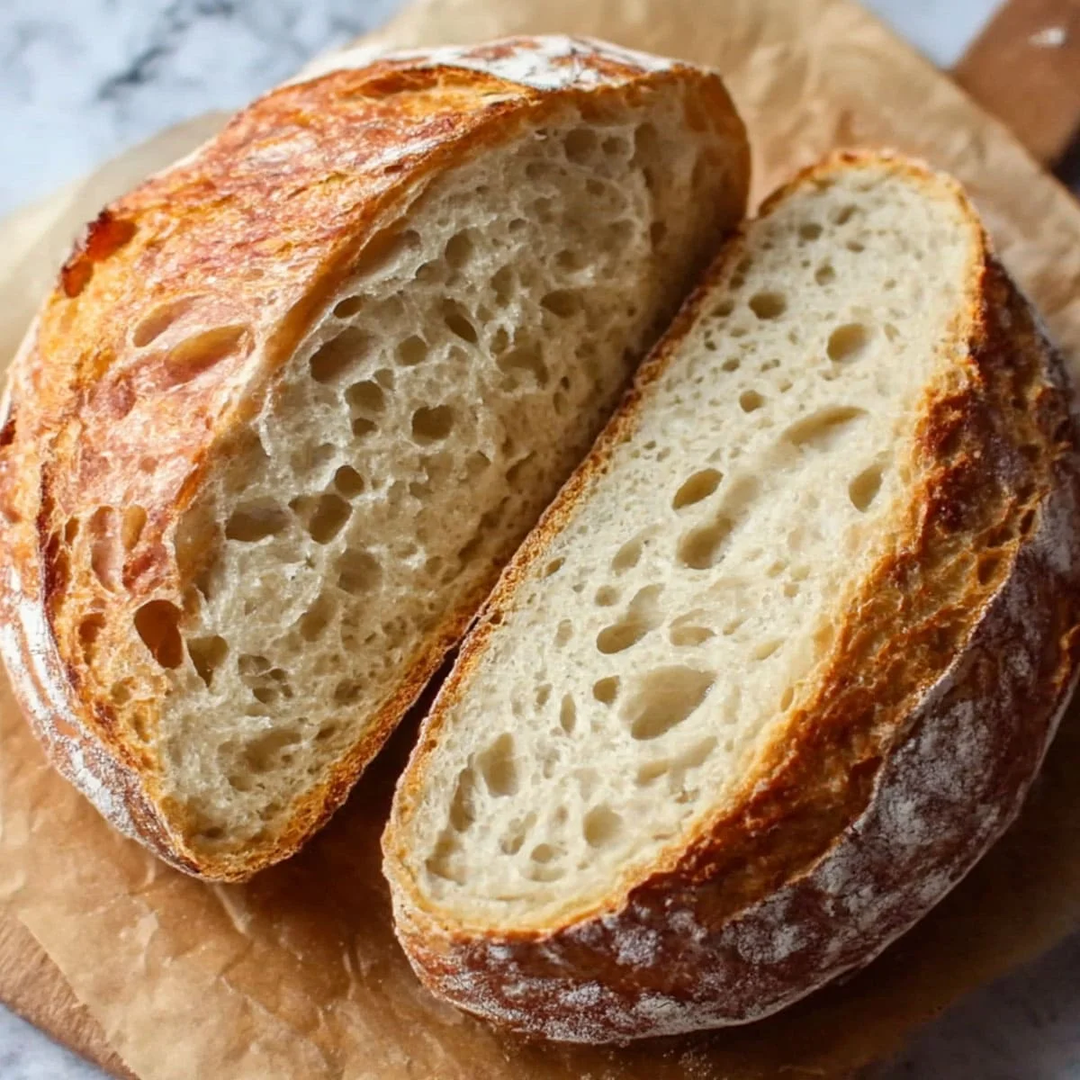
Imagine pulling a golden, crackling loaf of sourdough bread from your own oven. For instance, the crust shatters under your touch, revealing a soft, airy interior with those beautiful, irregular holes. This easy sourdough bread recipe for beginners demystifies the process, transforming simple flour, water, and salt into a masterpiece. Consequently, you can achieve bakery-quality results without any commercial yeast or complex techniques.
Many aspiring bakers feel intimidated by sourdough, but this guide breaks it down into manageable steps. Fundamentally, this method relies on a vibrant sourdough starter, a living culture that naturally leavens your dough. Moreover, the long, slow fermentation not only develops incredible flavor but also makes the bread easier to digest. Ultimately, this easy sourdough bread recipe for beginners is your gateway to the rewarding world of artisan baking at home.
The aroma of baking sourdough is unforgettable, filling your kitchen with warm, tangy, and comforting notes. As a result, the first slice, slathered with good butter, is a revelation of complex taste and satisfying texture. This easy sourdough bread recipe for beginners proves that you don’t need professional training to create something extraordinary. Therefore, gather your ingredients and prepare to bake the most rewarding loaf of your life.
Quick Recipe Highlights
- Flavor Profile: This loaf boasts a balanced, tangy flavor with subtle wheaty sweetness and nutty undertones. The slow fermentation creates a depth of taste that is complex yet incredibly satisfying.
- Texture: Expect a crisp, shattering crust that gives way to a tender, moist crumb. The interior is chewy and elastic, filled with an open, irregular structure known as the “crumb.”
- Aroma: The baking process releases a warm, toasty, and slightly tangy scent that is the hallmark of true artisan bread. It smells like a professional bakery right in your kitchen.
- Visual Appeal: The loaf achieves a deep, mahogany-brown crust with a beautiful, ear-shaped split from scoring. Inside, the contrast between the golden crust and the creamy, hole-riddled crumb is stunning.
- Skill Level Needed: This recipe is designed for first-time sourdough bakers. It requires patience and attention to timing more than advanced culinary skill, making it perfect for anyone ready to learn.
- Special Equipment: A digital kitchen scale is essential for accuracy. Additionally, a Dutch oven is highly recommended to create the perfect steamy baking environment for a professional crust.
Recipe Overview
- Difficulty Level: This easy sourdough bread recipe for beginners is rated beginner-friendly because it uses a simple schedule and clear instructions. While the process spans a day, the active hands-on time is minimal. The key is understanding the fermentation cues rather than mastering difficult techniques.
- Category: This recipe falls squarely into the category of artisan breads and homemade staples. It’s a foundational baking project that yields a versatile loaf perfect for sandwiches, toast, or simply eating with soup.
- Cuisine: Sourdough bread has roots in ancient baking traditions across the globe, from the San Francisco sourdough to European peasant loaves. This recipe follows a modern, no-knead approach inspired by these timeless methods.
- Cost: Baking this loaf at home is remarkably cost-effective. A single loaf costs a fraction of a store-bought artisan sourdough. The main investment is in the initial creation of your sourdough starter, which then costs pennies to maintain.
- Season: Sourdough baking is a year-round activity. However, fermentation times will vary with your kitchen’s temperature. In warmer months, the process accelerates, while cooler kitchens require more patience.
- Occasion: A homemade sourdough loaf elevates any meal, from a simple weekday breakfast to a festive holiday dinner. It also makes a heartfelt, impressive gift for friends and family.
Why You’ll Love This Easy Sourdough Bread Recipe for Beginners
First, the taste and texture are incomparable to most store-bought bread. The natural fermentation develops a tangy, nuanced flavor that commercial yeast cannot replicate. Furthermore, the chewy crumb and crackling crust provide a sensory experience that is deeply satisfying. Each bite has a substance and character that makes even plain butter taste extraordinary. Ultimately, this easy sourdough bread recipe for beginners delivers a loaf that feels both rustic and refined.
Next, consider the convenience and health benefits. You control every ingredient, ensuring there are no unnecessary additives or preservatives. The slow fermentation process also pre-digests some of the grains, making the bread easier on the stomach for many people. Moreover, the schedule is flexible; much of the time is passive fermentation, allowing you to fit baking into a busy life. Therefore, this process is as convenient as it is rewarding.
From a nutritional standpoint, this bread is a wholesome choice. It typically has a lower glycemic index than quick-rise breads, leading to a more steady energy release. The fermentation can also increase the availability of certain nutrients and may reduce phytic acid, which can inhibit mineral absorption. Consequently, you are nourishing your body with a living food full of natural wild yeast and bacteria.
The social and entertaining value of a homemade sourdough loaf is immense. Serving bread you baked yourself is a gesture of care that guests always notice and appreciate. It becomes a centerpiece of the table and a conversation starter about your baking journey. Additionally, sharing a piece of your starter with a friend is a wonderful way to spread the joy of baking. In short, this easy sourdough bread recipe for beginners builds community along with delicious bread.
Finally, the cost-effectiveness and accessibility are major wins. With just flour, water, salt, and a maintained starter, you can produce endless loaves of premium bread. This dramatically reduces your grocery bill while drastically improving quality. The ingredients are simple and accessible to almost everyone. Thus, this easy sourdough bread recipe for beginners is an empowering skill that saves money and enhances daily life.
Historical Background and Cultural Significance
Sourdough is arguably the oldest form of leavened bread, with evidence dating back thousands of years to ancient Egypt. Before commercial yeast, bakers relied on wild yeast and bacteria naturally present in flour and the environment. These cultures, captured and maintained in a “starter,” were precious heirlooms. Pioneers and gold miners famously carried their starters with them, leading to iconic regional breads like San Francisco sourdough. This easy sourdough bread recipe for beginners connects you directly to this ancient, global tradition.
The cultural significance of sourdough is profound. In many cultures, a sourdough starter was a living heirloom, passed down through generations and shared among communities. It represented sustenance, resilience, and shared knowledge. The bread itself was a daily staple, a symbol of home and hearth. Baking with a wild starter was less a recipe and more a rhythm of life, tied to observation and feel rather than strict timers.
The recipe evolved significantly with the industrialization of baking and the introduction of commercial yeast in the 19th century. This allowed for faster, more predictable production but often at the cost of flavor and nutritional complexity. However, the late 20th and early 21st centuries saw a massive artisanal bread revival. Bakers and home cooks rediscovered the superior flavor and texture of long-fermented sourdough. This easy sourdough bread recipe for beginners is a product of that modern revival, simplifying traditional methods for today’s kitchen.
Regional variations are fascinating. San Francisco sourdough is famous for its distinct, tangy flavor profile attributed to local Lactobacillus bacteria. Meanwhile, European countries have their own traditions, like the dense, dark German Vollkornbrot or the Italian Pane Toscano, which is famously unsalted. Each variation reflects local ingredients, climate, and taste. This recipe provides a foundational, versatile white sourdough that you can adapt with different flours to explore these global traditions.
Ingredient Deep Dive
Bread Flour: Bread flour has a higher protein content (typically 12-14%) than all-purpose flour. This protein, primarily glutenin and gliadin, forms gluten when hydrated and kneaded. Gluten is the elastic network that traps the carbon dioxide produced by your starter, allowing the bread to rise and creating its chewy texture. For this easy sourdough bread recipe for beginners, bread flour provides the strong structure needed for an open crumb. Look for unbleached flour for the best flavor and performance. Store it in a cool, dry place in an airtight container to prevent it from absorbing moisture and odors.
Active Sourdough Starter: This is the heart of your bread, a symbiotic culture of wild yeast and lactic acid bacteria. The yeast produces gas for rise, while the bacteria produce lactic and acetic acids, giving sourdough its characteristic tang and preserving it. For success, your starter must be active, bubbly, and recently fed—it should roughly double in size 4-8 hours after feeding. A healthy starter smells fruity and yeasty, not like acetone or rotten cheese. Maintain it with equal parts flour and water by weight. If you don’t have a starter, you’ll need to create or acquire one about a week before baking.
Water: Water hydrates the flour, activates the gluten, and dissolves the salt. Its temperature is a critical tool for controlling fermentation. For this easy sourdough bread recipe for beginners, using lukewarm water (about 85°F/30°C) helps kickstart the activity of your starter in the dough. Filtered or bottled water is ideal if your tap water is heavily chlorinated, as chlorine can inhibit the wild yeast. The mineral content of water can also subtly affect fermentation and crust color.
Salt: Salt does far more than just add flavor. It strengthens the gluten network, regulates yeast activity for a slower, more controlled rise, and enhances the crust’s color. Without salt, your bread would taste flat and rise too quickly, then likely collapse. Use fine sea salt or kosher salt for even distribution. Avoid iodized table salt if possible, as the iodine can impart a slight chemical flavor. Add the salt after the flour and water have initially mixed to avoid it directly contacting and potentially harming the fresh starter.
Common Mistakes to Avoid
- Using an Inactive Starter: This is the number one reason for dense bread. Your starter must be bubbly, active, and pass the float test (a small spoonful should float in water) before you begin. An unfed, sluggish starter won’t have the power to leaven the dough.
- Inaccurate Measuring: Baking is a science, especially with sourdough. Using cups for flour is highly inconsistent. Instead, always use a digital kitchen scale for precise measurements by weight (grams). This ensures the correct hydration ratio, which is crucial for dough structure.
- Over-fermenting the Dough (Letting it Overproof): If the dough rises too much during bulk fermentation or final proof, the gluten structure overstretches and weakens. The loaf will then collapse in the oven or bake up dense. Learn to judge readiness by volume increase and a slight jiggle, not just by the clock.
- Under-fermenting the Dough: Conversely, not allowing enough time for fermentation results in poor flavor development and a tight crumb. The dough needs sufficient time for the microbes to work. Cold kitchens significantly slow this down, so be patient and watch for a 50-75% increase in size.
- Neglecting the Autolyse Rest: Skipping the initial rest period where just flour and water mix allows the flour to fully hydrate before adding salt and starter. This simple step improves gluten development with less kneading and results in a better texture and higher rise.
- Scoring Too Shallow or Not at All: Scoring the loaf with a lame or razor blade isn’t just decorative. It controls where the bread expands in the oven’s intense heat. A shallow score will seal shut, causing the bread to burst at weak points and creating an uneven shape. Score confidently, about 1/4 inch deep.
- Baking Without Steam: Steam in the initial stage of baking keeps the dough surface supple, allowing for maximum oven spring (the final rapid rise). It also catalyzes starch gelatinization, which is essential for a shiny, crisp crust. A Dutch oven perfectly traps natural steam from the dough.
- Cutting the Bread While Hot: The temptation is immense, but cutting into a hot loaf stops the carryover cooking process and releases too much steam, leaving the crumb gummy. You must let it cool completely on a wire rack for at least 2-3 hours for the texture to fully set.
Essential Techniques
Autolyse: This technique involves mixing just the flour and water and letting the mixture rest before adding the salt and starter. During this rest, the flour fully hydrates, and enzymes begin breaking down starches and proteins. This naturally initiates gluten formation with no kneading effort. For this easy sourdough bread recipe for beginners, a 30-minute autolyse makes the dough smoother, easier to handle, and improves the final crumb structure. The key is ensuring no salt or starter is present yet, as they would interfere with this enzymatic process.
Stretch and Folds: Instead of traditional kneading, this no-knead method uses a series of gentle stretch and folds during the bulk fermentation. You wet your hand, grab under one side of the dough, stretch it upward, and fold it over the center. You repeat this around the dough’s circumference. This action gently develops the gluten network without tearing it, incorporates air, and helps regulate temperature. It’s a forgiving technique perfect for beginners that builds strength over time.
Bulk Fermentation: This is the first, and arguably most important, rise after all ingredients are combined. During this period, the wild yeast and bacteria become active, producing gas and acids. The dough will increase in volume by about 50-75% and become bubbly and airy. The duration depends entirely on room temperature. Mastering this easy sourdough bread recipe for beginners means learning to judge fermentation by look and feel, not just time. An under-fermented dough will be dense; an over-fermented one will be slack and sour.
Shaping: Shaping transforms a loose, fermented dough into a tight, smooth ball (a boule) or oval (a batard) with surface tension. This tension is like putting the dough into a supportive “skin,” which helps it hold its structure during the final proof and rise vertically in the oven. Proper shaping creates a tighter crumb near the crust and guides the direction of oven spring. It requires confidence and a light touch—too rough, and you degas the dough; too loose, and it spreads flat.
Pro Tips for Perfect Easy Sourdough Bread
First, maintain a consistent feeding schedule for your starter. Feed it at roughly the same time each day if kept at room temperature, or establish a weekly rhythm if refrigerated. A predictable starter is the foundation of predictable bread. Second, use an aliquot jar. When you mix your final dough, pinch off a small piece and place it in a small, straight-sided jar. Mark its starting height. This mini-dough will rise at the same rate as your main batch, giving you a clear visual guide for when bulk fermentation is complete without disturbing the main dough.
Third, control temperature deliberately. Fermentation is driven by heat. For a slower, more flavorful rise (especially in summer), you can use cooler water or place the dough in a cooler spot. If your kitchen is cold, use slightly warmer water or let the dough rise in a turned-off oven with the light on. Fourth, develop a feel for the dough. It should start sticky and shaggy, then become smoother, stronger, and more elastic with each set of stretch and folds. It will feel alive, bubbly, and jiggly when ready.
Fifth, preheat your Dutch oven thoroughly. Place the empty Dutch oven with its lid on in the oven for a full hour of preheating. This ensures the cast iron is blazing hot, which delivers the intense initial heat shock necessary for maximum oven spring. Sixth, create steam safely. If not using a Dutch oven, add a pan of boiling water to the bottom rack of your oven just as you load the bread. Alternatively, spray the oven walls with water quickly, being careful to avoid the light bulb and heating elements.
Seventh, listen to your bread. A properly baked loaf will sound hollow when tapped on the bottom. This is a reliable test for doneness beyond just crust color. Eighth, invest in a lame (pronounced “lahm”) or a fresh single-edge razor blade for scoring. A sharp blade makes a clean cut that opens beautifully. A dull knife will drag and tear the dough’s surface.
Variations and Adaptations
For regional variations, you can incorporate different grains. Try substituting 20-30% of the bread flour with whole wheat, rye, or spelt flour for a heartier, more complex flavor reminiscent of European country loaves. For a “country blonde” loaf, use 10% whole wheat. For seasonal adaptations, in warmer months, you may need to reduce fermentation times significantly or perform bulk fermentation in the refrigerator (a “cold ferment”) for 12-18 hours to develop flavor without over-proofing.
Dietary modifications are straightforward for some needs. While a classic sourdough is not gluten-free, you can explore gluten-free sourdough starters made with rice or buckwheat flour and corresponding gluten-free flour blends. For a vegan version, this recipe is already perfect—it contains no animal products. For flavor variations, mix in ingredients during the final set of stretch and folds. Try roasted garlic and rosemary, sun-dried tomatoes and olives, or a cup of shredded sharp cheddar cheese.
Texture modifications often involve changing the hydration. A slightly wetter dough (increasing water by 10-20 grams) will yield a more open, irregular crumb but can be trickier to handle. A slightly drier dough will be easier to shape and yield a tighter, more uniform crumb ideal for sandwiches. For presentation alternatives, experiment with different scoring patterns. A single, deep slash down the center creates an “ear.” A hashtag pattern (#) or a series of leaf-like slashes can be stunning. You can also bake the loaf seam-side up for a more rustic, natural burst.
Serving and Presentation Guide
Plating a sourdough loaf is beautifully simple. Place the whole loaf on a wooden cutting board or in a bread basket lined with a linen napkin. Use a sharp serrated bread knife to slice it, using a gentle sawing motion to avoid crushing the crumb. For a more formal presentation, pre-slice half the loaf and fan it out on the board, leaving the other half whole to showcase the crust. Always provide a small dish of high-quality olive oil, flaky sea salt, or a butter dish for spreading.
Garnishing can elevate the simplest serving. Sprinkle the cutting board with a few sprigs of fresh thyme or rosemary. Scatter some flaky Maldon salt over a pat of butter. For a festive touch, serve alongside small bowls of infused oils, balsamic glaze, or a homemade tapenade. Traditional accompaniments include soups, stews, cheese plates, and charcuterie. A thick slice is perfect for sopping up the last bits of a hearty minestrone or bean soup.
Modern serving suggestions include using thick slices for gourmet avocado toast, as the base for a tartine piled with ricotta and honey, or for a next-level grilled cheese sandwich. Temperature considerations are key. Sourdough is best served at room temperature the day it’s baked. For toast, of course, warm it up. If you must reheat a whole loaf, do so in a 350°F oven for 10 minutes to re-crisp the crust. Portion control is easy with a large loaf; a standard slice is about 1-1.5 inches thick, making it simple to gauge servings.
Wine and Beverage Pairing
Wine pairings with sourdough bread are delightful because the bread itself is a neutral, tangy canvas. For a classic pairing, try a buttery Chardonnay; its richness complements the bread’s tang and stands up to the crust. A crisp Sauvignon Blanc or a dry Riesling also works beautifully, especially if serving the bread with goat cheese or a light vegetable soup. For red wine lovers, a medium-bodied Pinot Noir with its earthy notes is an excellent match, particularly with a mushroom-based dish.
Non-alcoholic alternatives are plentiful. A sparkling water with a squeeze of lemon or lime cleanses the palate between bites. For something richer, a creamy oat milk latte or a chai tea pairs wonderfully with buttered sourdough toast at breakfast. Iced herbal teas, like mint or hibiscus, offer a refreshing contrast. Coffee is a natural partner, especially a medium-roast brewed coffee or a cappuccino. The bitterness of coffee balances the sourdough’s acidity and the fat from butter or cheese.
Temperature considerations matter for beverages. Generally, serve white wines chilled (45-50°F), red wines slightly below room temperature (55-65°F), and non-alcoholic drinks according to preference. A cold glass of milk is a surprisingly comforting pairing with warm bread. Serving suggestions include offering a selection. Place a bottle of wine, a carafe of water, and a pot of tea on the table so guests can choose what best suits their meal and the moment.
Storage and Shelf Life
Storage methods depend on the timeline. For the first day, store the completely cooled loaf cut-side down on a cutting board or in a paper bag at room temperature. This preserves the crust’s crispness. After the first day, to prevent staling, place it in a reusable bread bag or a loosely closed plastic bag. The crust will soften, but the interior will stay moist. Never store fresh bread in the refrigerator, as this accelerates staling through a process called retrogradation.
Temperature requirements are simple: room temperature (68-72°F) is ideal for short-term storage. Container recommendations include bread boxes, which regulate humidity, or the paper/plastic bag method. A linen bread bag is also excellent for breathability. Signs of spoilage are typically mold, which appears as fuzzy blue, green, or white spots. If you see mold, discard the entire loaf, as spores can penetrate throughout. Sour smell or excessive hardness is staling, not spoilage.
Reheating instructions are best for reviving the crust. Preheat your oven to 350°F. Sprinkle the loaf or slices lightly with water and heat for 5-10 minutes (less for slices). This re-gelatinizes the starches, making the bread seem fresh again. Freezing guidelines are excellent for long-term storage. Wrap the completely cooled loaf tightly in plastic wrap, then in foil or a freezer bag. It will keep for up to 3 months. Thaw at room temperature in its wrapping, then reheat as above.
Make Ahead Strategies
The prep timeline for sourdough is inherently a make-ahead process. The entire fermentation is a slow preparation. You can easily adjust the schedule to fit your life. For instance, mix your dough in the evening, let it undergo bulk fermentation at room temperature for a few hours, then place it in the refrigerator to slow down. The next morning, shape it, let it proof, and bake. This is an excellent overnight strategy for fresh bread at lunchtime.
Storage between steps is common. After bulk fermentation, you can refrigerate the dough for up to 24-48 hours (this is a “cold bulk ferment”) to develop more sour flavor. After shaping, the shaped loaf can undergo its final proof in the refrigerator for 12-18 hours (a “cold proof”). This allows you to bake directly from the fridge, which can even make scoring easier. The quality impact of cold fermentation is positive, often enhancing flavor complexity.
Assembly tips for a make-ahead schedule are about planning backward. Decide when you want to eat the bread, then count back the hours for final proof, shaping, and bulk fermentation. Use the refrigerator as a pause button at almost any stage. When ready to bake from the fridge, you may need to add 15-20 minutes to the baking time if the dough is cold. Fresh element additions, like herbs or cheese, are best added during the last set of stretch and folds, even if you then refrigerate the dough.
Scaling Instructions
Halving the recipe is straightforward for a smaller loaf. Simply divide all ingredient weights by two. For example, 500g flour becomes 250g. The fermentation times may be slightly shorter due to the smaller dough mass, so watch for visual cues closely. Use a smaller Dutch oven or baking vessel if you have one. Doubling or tripling the recipe is possible, but mix and handle the dough in separate batches if your bowl isn’t large enough. It’s easier to manage two separate loaves than one gigantic mass of dough.
Equipment adjustments are necessary when scaling. A standard 5-quart Dutch oven is perfect for a single 500g-flour loaf. For a double batch, you must bake two loaves separately or use a much larger cloche or baking stone setup. Timing modifications are minimal for scaling up or down. The fermentation rate is more dependent on temperature and starter activity than dough quantity. However, a larger single mass of dough may retain heat slightly longer, potentially fermenting a bit faster in the center.
Storage considerations change with scale. Baking multiple loaves means you’ll have more bread to store. Freezing becomes a very practical option. Cool the extra loaves completely, wrap them well, and freeze immediately for best quality. When you want a loaf, thaw it as described earlier. This allows you to bake in efficient batches while always having artisan bread on hand.
Nutritional Deep Dive
The macro breakdown of a typical slice of this sourdough is primarily carbohydrates from the flour, with a modest amount of protein from the gluten and a very low fat content. The exact numbers depend on slice thickness, but it’s a good source of complex carbs for sustained energy. The micronutrient analysis reveals B vitamins from the flour and the fermentation process can increase the bioavailability of minerals like iron, zinc, and magnesium by reducing phytic acid.
Health benefits of sourdough are linked to its fermentation. The lactic acid bacteria produce organic acids and may help moderate blood sugar response after eating compared to some other breads. The prebiotics and probiotics (from the starter, though most are baked out) in the process can contribute to gut health. The long fermentation also breaks down some of the gluten proteins, which some people with sensitivities find easier to tolerate, though it is not gluten-free.
Dietary considerations include that this bread is vegan, dairy-free, and contains no added sugar. It is not suitable for a gluten-free or low-carb/keto diet in its standard form. Portion analysis is simple: a reasonable serving is one to two 1-ounce slices (about 28-56g). For weight management tips, pair a slice with protein and healthy fats (like eggs and avocado) to create a balanced meal that promotes satiety and prevents blood sugar spikes. Enjoy it as part of a mindful diet, savoring the quality over quantity.
Dietary Adaptations
For a gluten-free adaptation, you cannot simply substitute gluten-free flour. You must maintain a gluten-free sourdough starter (using rice, buckwheat, or sorghum flour) and use a proven gluten-free flour blend designed for bread. The dough will be more like a thick batter and require a loaf pan for baking. Expect a denser, moister crumb without the classic gluten structure.
For a dairy-free version, this recipe is already perfect, as it contains no dairy products. For a vegan version, it is also already compliant. For low-carb or keto diets, traditional sourdough made with wheat flour is not suitable due to its high net carb count. Some bakers experiment with nut and seed flour blends, but replicating the texture and rise of true sourdough is extremely challenging without gluten and standard carbohydrates.
For a Paleo adaptation, grains are excluded, so wheat-based sourdough is not Paleo. Paleo “breads” often use almond or coconut flour and eggs, which is a completely different product. For a Low-FODMAP diet, sourdough can be problematic due to the fermentable carbohydrates in wheat. However, a long, slow fermentation (24+ hours) using specific techniques can reduce FODMAPs significantly. It’s best to consult a Monash University FODMAP diet app or a dietitian for guidance if this is a medical need.
Troubleshooting Guide
If your bread is dense and gummy, the most likely cause is under-fermentation (the dough didn’t rise enough before baking) or an inactive starter. Ensure your starter is bubbly and passes the float test. Allow the dough to increase by 50-75% during bulk fermentation, even if it takes longer than the recipe suggests. Also, make sure the bread cools completely before slicing.
If the flavor is too sour or not sour enough, you can control this with fermentation time and temperature. A longer, cooler fermentation (e.g., in the fridge) produces more acetic acid, resulting in a sharper tang. A shorter, warmer fermentation produces milder lactic acid. Experiment to find your preference. If the crust is too pale or too dark, adjust your oven temperature. Ovens vary. If pale, increase temperature by 25°F next time. If too dark, decrease it. You can also tent the loaf with foil halfway through baking if it’s browning too quickly.
If the loaf spreads flat and doesn’t hold its shape, the dough may be over-hydrated, under-strengthened (needed more stretch and folds), or, most commonly, over-proofed. An over-proofed dough loses its structural integrity. Next time, watch the dough volume more closely during bulk fermentation and final proof. If you have equipment challenges like no Dutch oven, use a baking stone or steel preheated for an hour. Place the dough on parchment, then slide it onto the stone. Add a pan of boiling water to the oven floor for steam.
If timing concerns arise because your dough is rising too fast, don’t be afraid to use the refrigerator to slow it down. This is a tool, not a failure. Place the dough in the fridge during bulk or final proof to pause the process until you are ready. For ingredient substitutions, stick close to the recipe weights. Different flours absorb water differently. If you substitute whole wheat or rye, you may need to adjust hydration slightly, adding a bit more water if the dough feels too stiff.
Recipe Success Stories
Community feedback on this easy sourdough bread recipe for beginners has been overwhelmingly positive. New bakers frequently share their “first loaf” photos with pride, amazed that they created something so beautiful. Many note that the clear instructions on fermentation cues, rather than strict timers, gave them the confidence to succeed. One common success story is the “I finally got an ear!” celebration, where bakers achieve that perfect, crispy flap from expert scoring.
Variation successes are fun to hear about. Readers have added everything from roasted garlic and jalapeños to cinnamon and raisins for a breakfast loaf. One baker successfully adapted it to 50% whole wheat, creating a hearty daily loaf for their family. Another uses the same schedule to make four smaller boules, perfect for gifting to neighbors. The recipe’s framework proves robust and adaptable to personal creativity.
Adaptation stories often involve schedule tweaks. A shift worker shared how they adjusted the timings to mix dough before a night shift, let it bulk ferment in the fridge while sleeping, and bake upon waking. Parents have used the overnight cold proof to have fresh bread ready for weekend breakfast without morning fuss. These stories highlight that sourdough can fit into any lifestyle with a little planning. Reader suggestions have also improved the recipe, such as the aliquot jar tip, which many now swear by for perfect fermentation judgment.
Frequently Asked Questions
Q: Do I have to use a Dutch oven?
A: While highly recommended for the best crust and oven spring, it’s not absolutely mandatory. You can bake on a preheated pizza stone or baking steel. The key is creating steam. Place a pan of boiling water on the oven’s bottom rack when you load the bread to mimic the Dutch oven’s steamy environment.
Q: My starter is only a few days old. Can I use it?
A: No. A new starter needs about 7-10 days of regular feedings to establish a robust, stable population of yeast and bacteria. It should reliably double in size 4-8 hours after feeding and have a pleasant, tangy aroma. Using a young, weak starter is the most common reason for dense, flat loaves.
Q: Can I use all-purpose flour instead of bread flour?
A: Yes, but the results will differ. Bread flour’s higher protein content creates stronger gluten, leading to a better rise and chewier texture. With all-purpose flour, the crumb may be slightly more tender and the loaf a bit less tall. It will still be delicious, just a different texture.
Q: How do I know when bulk fermentation is done?
A: Look for a 50-75% increase in volume. The dough should look bubbly and puffy. When you gently shake the bowl, the whole mass should jiggle like Jell-O. It should feel airy and full of gas. The aliquot jar method is the most foolproof way for beginners to learn this visual cue.
Q: Why is my dough so sticky and hard to handle?
A: High-hydration doughs are sticky, especially at the beginning. Wet your hands with water (not flour) before handling it. As you perform stretch and
Print
Sourdough Bread Recipe for Beginners (Easy Artisan Loaf)
- Total Time: 45 minutes
- Yield: 4
Description
A simple, no-knead sourdough bread recipe perfect for beginners, yielding a crusty, flavorful artisan loaf with minimal effort.
Ingredients
- 500g bread flour
- 350g water
- 100g active sourdough starter
- 10g salt
- Rice flour for dusting (optional)
Instructions
- In a large bowl, mix the bread flour, water, and sourdough starter until no dry flour remains. Cover and let rest for 30 minutes.
- Add the salt and mix until fully incorporated. Stretch and fold the dough every 30 minutes for 2 hours, then let it rise at room temperature for 8-12 hours until doubled in size.
- Shape the dough into a round loaf, place it seam-side up in a floured banneton or bowl, and refrigerate for 1-2 hours. Preheat a Dutch oven at 450°F (230°C) for 30 minutes. Bake covered for 20 minutes, then uncovered for 25-30 minutes until golden brown.
Notes
You can customize the seasonings to taste.
- Prep Time: 15 minutes
- Cook Time: 30 minutes
- Method: Main
- Cuisine: American