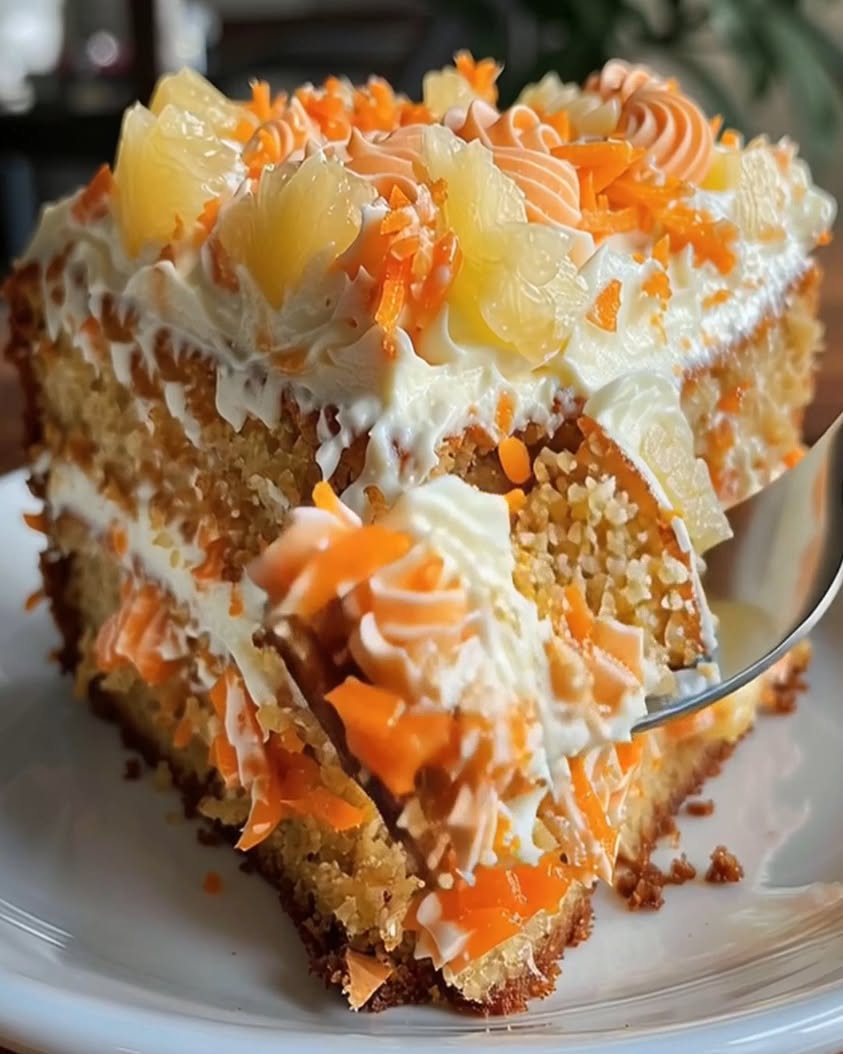
Hawaiian Pineapple Carrot Cream Cake Recipe: Tropical Paradise Dessert
Imagine a dessert that captures the essence of a sunny island getaway. This Hawaiian Pineapple Carrot Cream Cake recipe does exactly that. It combines the familiar, comforting spice of a classic carrot cake with the bright, tropical sweetness of pineapple. Consequently, every bite feels like a mini vacation. The result is a moist, flavorful cake that is both nostalgic and excitingly new. Moreover, the luscious cream cheese frosting ties everything together with a tangy richness. Ultimately, this cake is perfect for anyone seeking a show-stopping dessert with a unique twist.
The magic of this Hawaiian Pineapple Carrot Cream Cake lies in its harmonious balance. Freshly grated carrots provide natural sweetness and a beautiful moist crumb. Meanwhile, crushed pineapple adds juicy bursts of flavor and keeps the texture incredibly tender. Additionally, warm spices like cinnamon and nutmeg create a cozy depth. The cream cheese frosting, however, is the crowning glory. It is luxuriously smooth and provides the perfect counterpoint to the spiced cake. Therefore, this dessert is guaranteed to impress at any gathering, from a casual potluck to a special celebration.
Creating this tropical masterpiece is surprisingly straightforward. First, you will mix the simple wet and dry ingredients. Next, you fold in the carrots, pineapple, and nuts. After that, you bake the layers to golden perfection. Finally, you whip up the creamy frosting and assemble your creation. Throughout the process, your kitchen will fill with an irresistible aroma. In essence, this Hawaiian Pineapple Carrot Cream Cake is a rewarding baking project with a spectacular payoff. So, gather your ingredients and get ready to bake a taste of paradise.
Quick Recipe Highlights
- Flavor Profile: This Hawaiian Pineapple Carrot Cream Cake delivers a complex symphony of tastes. The earthy sweetness of carrots meets the vibrant tang of pineapple. Furthermore, warm baking spices and a rich cream cheese frosting complete the experience.
- Texture: Expect an exceptionally moist and tender crumb from the carrots and pineapple. The chopped nuts add a delightful crunch for contrast. Meanwhile, the frosting is velvety smooth and luxuriously thick.
- Aroma: As this cake bakes, it fills your home with an inviting fragrance. Notes of cinnamon and nutmeg mingle with the sweet scent of caramelizing pineapple and brown sugar. It is truly mouthwatering.
- Visual Appeal: This cake is a stunner with its golden-brown layers and snowy white frosting. You can garnish it with toasted coconut, extra nuts, or even dried pineapple flowers for a professional, tropical finish.
- Skill Level Needed: This recipe is ideal for bakers with some experience, but determined beginners can succeed. Key skills include properly grating carrots, draining pineapple, and creaming butter and sugar. Additionally, layering and frosting a cake neatly requires a bit of practice.
- Special Equipment: You will need basic baking tools like mixing bowls, a hand or stand mixer, and round cake pans. A box grater for the carrots and a fine-mesh strainer for the pineapple are also essential. Finally, an offset spatula makes frosting the cake much easier.
Recipe Overview
- Difficulty Level: We rate this Hawaiian Pineapple Carrot Cream Cake as intermediate. The process involves multiple steps like preparing fruits, mixing batter, baking layers, and making frosting. However, each step is clearly explained and manageable. The main challenge for new bakers is achieving perfectly flat cake layers and a smooth frosting finish. With patience and our tips, anyone can master this beautiful dessert.
- Category: This recipe falls squarely into the dessert category, specifically cakes. It is a fantastic choice for birthdays, holidays, and dinner parties. Moreover, it can also be served as a special sweet treat for afternoon tea or coffee. Its impressive appearance makes it suitable for any celebratory meal.
- Cuisine: This cake is a fusion dessert with roots in American baking and tropical Hawaiian influences. The carrot cake component is a classic American treat. The addition of pineapple and coconut, however, directly evokes the flavors of the Hawaiian islands. Therefore, it represents a delicious blend of culinary traditions.
- Cost: Making this Hawaiian Pineapple Carrot Cream Cake is moderately affordable. Staples like flour, sugar, and spices are inexpensive. Fresh carrots and canned pineapple are also budget-friendly. The primary costs come from cream cheese, butter, and nuts. Overall, it is far more cost-effective than buying a specialty cake from a bakery.
- Season: While delicious year-round, this cake truly shines in the spring and summer. The bright pineapple flavor feels refreshing and festive during warmer months. It is a perfect dessert for Easter, Mother’s Day, or summer barbecues. Conversely, its warm spices also make it comforting during the fall.
- Occasion: This versatile cake suits numerous occasions. It is elegant enough for weddings and anniversaries. Simultaneously, it is homey enough for a family Sunday dinner. It travels well for potlucks and is always a hit at office parties. Essentially, it is a crowd-pleaser for any event.
Why You’ll Love This Recipe
First and foremost, the taste and texture of this Hawaiian Pineapple Carrot Cream Cake are unforgettable. The cake itself is incredibly moist, thanks to the natural juices from the carrots and pineapple. Every forkful offers a perfect balance: the earthy sweetness of carrot, the tropical zing of pineapple, and the warm embrace of cinnamon. Furthermore, the creamy, tangy frosting cuts through the richness beautifully. The optional crunch from walnuts or pecans adds a final layer of satisfaction. Consequently, this dessert satisfies multiple cravings in one elegant package.
From a convenience standpoint, this recipe is wonderfully reliable. Many of the ingredients are pantry staples or easy to find year-round. The steps, while involved, are logical and build upon basic baking techniques. Moreover, you can prepare components in advance. For instance, you can bake the cake layers a day ahead and frost them the next day. This make-ahead flexibility is a huge advantage when planning for a party or special event. Therefore, you can create an impressive dessert without last-minute stress.
Nutritionally, this cake has some surprising advantages over other desserts. Carrots are packed with beta-carotene, which is great for eye health. Pineapple provides vitamin C and the digestive enzyme bromelain. Using vegetable oil instead of butter in the cake batter also contributes to its exceptionally moist texture. Of course, this is still a treat to be enjoyed in moderation. However, knowing it contains real fruit and vegetables can make indulging feel a little more justified. It is a dessert you can feel good about serving.
The social and entertaining value of this Hawaiian Pineapple Carrot Cream Cake cannot be overstated. Its stunning appearance immediately signals that a celebration is underway. It serves a crowd, making it perfect for gatherings. Additionally, its unique flavor profile is a fantastic conversation starter. Guests will be intrigued by the combination of carrot and pineapple. They will be delighted by the delicious result. Baking and sharing this cake creates wonderful memories and shows your guests you care.
Finally, this recipe is cost-effective and accessible. Creating a bakery-quality cake at home saves a significant amount of money. You control the quality of every ingredient, from the freshness of the carrots to the brand of cream cheese. There are no artificial preservatives or unseen costs. Furthermore, the recipe is adaptable. If you are missing an ingredient, there are often simple substitutions. This accessibility empowers home bakers to create something extraordinary without special trips or excessive expense. It is a rewarding investment in your culinary skills.
Historical Background and Cultural Significance
The story of carrot cake itself has deep roots, dating back to medieval times when sweeteners were scarce and expensive. Cooks would use sweet vegetables like carrots to add sweetness and moisture to puddings and cakes. The modern version of carrot cake, however, gained popularity in the United States during the 1960s and 1970s. It was often promoted as a “healthier” dessert option, capitalizing on the nutritional value of carrots. The addition of cream cheese frosting became standard, creating the iconic pairing we know today. This classic dessert has remained a beloved staple in American baking for decades.
The cultural significance of incorporating pineapple into desserts is strongly tied to Hawaii. Pineapple became a symbol of Hawaiian hospitality and tropical luxury after it was established as a major crop on the islands in the late 19th and early 20th centuries. Dishes like pineapple upside-down cake became immensely popular. Combining pineapple with other ingredients, like carrot, represents a fusion of mainland American traditions with tropical island flavors. This Hawaiian Pineapple Carrot Cream Cake recipe is a direct descendant of that culinary fusion movement. It embodies a sense of celebration and escape.
The evolution of this specific recipe likely followed the general trend of “tropicalizing” classic dishes. As travel to Hawaii became more common, home cooks sought to recreate the flavors of their vacations. Adding crushed pineapple to a standard carrot cake batter was a natural and delicious innovation. The pineapple not only contributes flavor but also ensures an even moister crumb than carrot cake alone. Over time, other tropical touches like coconut in the frosting or as garnish became common variations. Thus, this cake evolved from a simple carrot cake into a more complex, vacation-inspired treat.
Regional variations of this concept abound. In the Southern United States, you might find a similar cake with pecans and a hint of bourbon in the frosting. In Australia and New Zealand, carrot cake often includes pineapple as a standard ingredient, sometimes with a passionfruit icing. Some bakers add raisins or currants, while others insist on only nuts. The cream cheese frosting is nearly universal, but its consistency and flavor (more tangy, more sweet) can vary by region. This Hawaiian Pineapple Carrot Cream Cake sits at the intersection of these global interpretations, offering a balanced and crowd-pleasing version of a world-traveled dessert.
Ingredient Deep Dive
Carrots: Carrots are the foundational vegetable in this cake, providing natural sweetness, moisture, and a beautiful orange hue. Historically, their use in sweet cakes dates back centuries in Europe. Nutritionally, they are an excellent source of beta-carotene (which converts to Vitamin A), fiber, and antioxidants. For the best results, select firm, bright orange carrots without cracks. Wash and peel them before grating on the medium holes of a box grater. Avoid pre-shredded carrots, as they are often too dry and coarse. Store fresh carrots in the refrigerator’s crisper drawer. In a pinch, you could substitute with grated sweet potato or zucchini, though the flavor profile will change.
Crushed Pineapple: Canned crushed pineapple is the star that gives this cake its Hawaiian identity. Pineapple cultivation became central to Hawaii’s economy and cultural image. It adds vibrant acidity, tropical sweetness, and significant moisture. Be sure to drain it thoroughly in a fine-mesh strainer, pressing out excess juice. This juice can be reserved for a simple syrup or enjoyed as a cook’s treat. For a fresher taste, you can use fresh pineapple, but you must crush it finely and drain it well. The enzyme bromelain in fresh pineapple can also interfere with gelling, but in a baked cake, this is not an issue. Do not use pineapple packed in heavy syrup, as it will make the cake overly sweet and soggy.
Cream Cheese: Cream cheese frosting is the non-negotiable topping for a proper carrot cake. This soft, mild-tasting cheese originated in the United States in the late 19th century. It provides a tangy, rich contrast to the sweet, spiced cake. For frosting, always use full-fat, brick-style cream cheese, not the spreadable kind in a tub. The tub versions contain stabilizers that can make your frosting runny. Let the cream cheese soften to room temperature for easy blending. Combined with butter and powdered sugar, it creates a luscious, spreadable frosting that holds its shape. For a dairy-free version, use high-quality vegan cream cheese and butter alternatives.
Vegetable Oil: Unlike many cakes that use butter, this Hawaiian Pineapple Carrot Cream Cake relies on a neutral vegetable oil like canola or grapeseed. Oil creates a denser, moister crumb that stays tender for days. It also coats the flour proteins more thoroughly than butter, resulting in a softer texture. This is crucial for a cake loaded with hearty ingredients like carrots and nuts. Do not substitute with strongly flavored oils like olive oil. For a slightly different flavor, melted coconut oil can be used, which will enhance the tropical theme. The liquid state of the oil helps create the batter’s emulsified consistency, contributing to the cake’s signature moistness.
Common Mistakes to Avoid
- Not Draining the Pineapple Enough: This is the most critical error. Excess pineapple juice will make the batter too wet, leading to a dense, gummy cake that may sink in the center. Always drain crushed pineapple in a strainer and press firmly with the back of a spoon to remove as much liquid as possible. The reserved juice can be reduced into a syrup for brushing on the layers.
- Using Pre-Shredded Carrots: Bagged, pre-shredded carrots are often too thick and dry. They will not incorporate well or release enough moisture into the batter. For the best texture and sweetness, always grate whole, peeled carrots fresh using a box grater. The finer shreds blend seamlessly into the cake.
- Overmixing the Batter: Once you add the dry ingredients to the wet, mix just until the flour disappears. Overmixing develops the gluten in the flour, resulting in a tough, chewy cake instead of a tender crumb. Gently fold in the carrots, pineapple, and nuts at the end for the same reason.
- Using Cold Cream Cheese or Butter for Frosting: If your dairy ingredients are cold, your frosting will be lumpy no matter how long you mix. Ensure both cream cheese and butter are softened at room temperature for at least 30-60 minutes. This allows them to cream together smoothly with the powdered sugar.
- Frosting a Warm Cake: Applying cream cheese frosting to warm cake layers is a disaster. The heat will melt the frosting, causing it to slide off and become a runny mess. Always allow the cake layers to cool completely on a wire rack. You can even wrap and refrigerate them overnight for easier handling.
- Incorrect Oven Temperature: An oven that runs too hot or too cold will affect the cake’s rise and texture. Use an oven thermometer to verify accuracy. Baking at too high a temperature can cause the edges to burn before the center is done. Too low, and the cake may be overly dense.
- Not Greasing and Lining Pans: Simply greasing pans is often not enough for this moist cake. For guaranteed easy release, grease the pans, then line the bottoms with parchment paper rounds. This extra step ensures your beautiful layers come out intact every time.
- Adding Nuts or Raisins Without Coating: If you add mix-ins like nuts or raisins directly to the batter, they often sink to the bottom during baking. To prevent this, toss them in a tablespoon of the measured flour from the recipe before folding them in. The light coating helps suspend them throughout the batter.
Essential Techniques
Creaming Wet Ingredients: Although this recipe uses oil, properly combining the wet ingredients is still vital. You will whisk the oil, sugars, eggs, and vanilla until the mixture is smooth, emulsified, and slightly thickened. This step incorporates air and ensures the sugars are fully dissolved, which contributes to the cake’s structure and fine crumb. The goal is a homogeneous, well-blended base. Do not rush this step; a thorough mix here sets the foundation for the entire cake.
Folding in Dry Ingredients and Mix-Ins: This is the technique that protects your cake’s tender texture. After adding the dry ingredients to the wet, use a spatula and a gentle folding motion. Mix just until the last streaks of flour disappear. Overmixing at this point activates gluten, leading to toughness. When adding the carrots, pineapple, and nuts, fold them in with the same light hand until evenly distributed. The batter will be thick, but that is normal and correct.
Testing for Doneness: Because this cake is so moist, visual cues alone are not reliable. Start checking a few minutes before the timer ends. Insert a toothpick or thin skewer into the center of the cake. It should come out with a few moist crumbs clinging to it, but not with wet batter. The edges should also be pulling away slightly from the sides of the pan. Additionally, the top will spring back lightly when touched. If the toothpick is clean, the cake may be overbaked and dry.
Making Smooth Cream Cheese Frosting: The key is room-temperature ingredients and patient mixing. Beat the softened butter first until it is smooth and pale. Then add the softened cream cheese and beat just until combined. Over-beating the cream cheese can incorporate too much air and make the frosting runny. Gradually add the sifted powdered sugar and vanilla, mixing on low speed to avoid a sugar cloud. Once incorporated, beat on medium just until the frosting is smooth and spreadable. Stop as soon as it reaches the right consistency.
Pro Tips for Perfect Hawaiian Pineapple Carrot Cream Cake
Toast your nuts before adding them to the batter. Simply spread chopped walnuts or pecans on a baking sheet and toast in a 350°F oven for 5-8 minutes. This deepens their flavor and adds an extra layer of crunch that elevates the entire cake.
For ultra-flat cake layers that are easy to stack, use bake-even strips. These fabric strips soak in water and wrap around the outside of the cake pan, promoting even baking and preventing domed centers. Alternatively, you can gently press down on any dome with a clean towel while the cake is still warm.
Enhance the tropical flavor by adding ½ cup of finely shredded sweetened coconut to the batter along with the carrots and pineapple. The coconut will toast slightly as the cake bakes, adding wonderful texture and aroma.
Create a simple syrup with the drained pineapple juice. Simmer the juice in a small saucepan until reduced by half and slightly thickened. Brush this syrup lightly onto the cooled cake layers before frosting. This adds an intense burst of pineapple flavor and ensures maximum moisture.
Chill your cake layers before frosting. Wrap the completely cooled layers in plastic wrap and refrigerate for at least an hour. A cold cake is much firmer and less likely to crumble when you apply the frosting, resulting in cleaner layers and fewer crumbs in your frosting.
For a professional finish, apply a thin “crumb coat” of frosting first. Spread a very thin layer over the entire cake to seal in crumbs. Refrigerate the cake for 15-20 minutes to set this coat, then apply the final, thick, beautiful layer of frosting. This technique guarantees a flawless exterior.
If your frosting seems too soft to hold its shape, do not add more powdered sugar immediately. Instead, place the entire mixing bowl in the refrigerator for 15-20 minutes to firm up the fats. Then re-whip briefly. This often fixes the consistency without making the frosting overly sweet.
Garnish thoughtfully. Toasted coconut flakes, whole or chopped toasted nuts, or thin slices of dried pineapple make elegant garnishes. Add them just before serving to maintain their texture and visual appeal.
Variations and Adaptations
Regional Variations: Across different areas, this cake takes on local character. In the American South, add a handful of toasted pecans and a tablespoon of bourbon to the frosting. In the UK, you might find sultanas or raisins added to the batter. Australian versions sometimes top the cake with a passionfruit glaze instead of, or in addition to, the cream cheese frosting. Embracing these regional twists can make the recipe feel new and exciting.
Seasonal Adaptations: While perfect for summer, you can adapt this cake for fall and winter. Incorporate warm winter spices like ginger, allspice, or cardamom into the batter. For a festive winter holiday version, garnish with sugared cranberries and rosemary sprigs instead of coconut. In the fall, consider folding in a small amount of finely chopped crystallized ginger for a spicy kick.
Dietary Modifications: This cake is highly adaptable for various diets. For a gluten-free version, use a high-quality 1:1 gluten-free flour blend. To make it dairy-free, use plant-based cream cheese and butter alternatives for the frosting, and ensure your sugar is vegan-certified. For a nut-free cake, simply omit the nuts or replace them with seeds like sunflower or pumpkin seeds.
Flavor Variations: Experiment with different flavor infusions in the frosting. Add the zest of one lime or orange for a citrusy note. Mix in a tablespoon of rum extract or coconut extract to reinforce the tropical theme. For a deeper flavor, use brown butter in the frosting instead of regular softened butter. You can also add a pinch of salt to the frosting to enhance its tanginess.
Texture Modifications: If you prefer a cake with more textural contrast, use grated carrots on the large holes of the box grater. You can also use chunkier crushed pineapple. For a smoother, more uniform cake, pulse the grated carrots in a food processor a few times, and use finely crushed pineapple. Adding a cup of rolled oats to the batter will create a heartier, more rustic texture.
Presentation Alternatives: Instead of a layered round cake, bake the batter in a 9×13-inch pan for a simple sheet cake. For individual servings, make cupcakes; they will bake for about 18-22 minutes. You can also create a stunning “naked” cake by applying a very thin layer of frosting so the cake layers peek through, then decorating the top generously with tropical fruits and nuts.
Serving and Presentation Guide
Plating this cake begins with a sharp, thin-bladed knife dipped in hot water. Wipe the blade clean between each cut to create pristine, beautiful slices. Serve each slice on a simple white plate to let the colors of the cake and garnish shine. For a restaurant-style touch, you can drizzle a thin line of caramel sauce or pineapple reduction on the plate before placing the slice.
Garnishing is where you can express creativity. A classic choice is a ring of toasted coconut around the top edge and a sprinkle in the center. Fresh edible flowers, like orchids or hibiscus, make a stunning but temporary garnish. For a simple look, a dusting of ground cinnamon or a few strategically placed pecan halves is elegant. Always add fresh garnishes right before serving.
Traditional accompaniments are simple. A cup of strong coffee or black tea is the perfect beverage to balance the cake’s sweetness. For a more decadent experience, a scoop of vanilla bean ice cream or a dollop of lightly sweetened whipped cream alongside the cake is heavenly. The cool creaminess complements the spiced cake beautifully.
Modern serving suggestions include deconstructing the cake. Crumble a slice into a glass, layer it with whipped cream cheese mousse and pineapple compote for a parfait. Alternatively, serve small, square portions as part of a dessert tasting menu with a tropical fruit salsa. For a brunch item, bake the batter in a loaf pan and serve thick slices with morning coffee.
Temperature considerations are important. Cream cheese frosting is perishable, so the cake should not sit out at room temperature for more than two hours. For the best texture and flavor, serve the cake slightly cool. Store it in the refrigerator, but remove it about 30 minutes before serving to take the chill off the frosting, allowing its full flavor to emerge.
Portion control is easy with this rich cake. A standard 9-inch layer cake yields 12 generous slices. For larger gatherings, you can cut it into 16 smaller, but still satisfying, slices. Using a cake server helps lift clean pieces from the plate. Remember, a little goes a long way with this moist, flavorful dessert.
Wine and Beverage Pairing
Wine pairings for this cake should complement its sweetness and spice without overpowering it. A late-harvest Riesling or Gewürztraminer with their notes of apricot and lychee are excellent choices. Their natural sweetness and acidity cut through the richness of the cream cheese. A lightly oaked Chardonnay can also work well, as its buttery notes harmonize with the frosting. For red wine lovers, a light-bodied, fruity Pinot Noir with low tannins can be a surprising and successful match.
Non-alcoholic alternatives are abundant. Sparkling water with a wedge of lime or a splash of pineapple juice keeps the palate refreshed. A tropical fruit smoothie made with mango, pineapple, and coconut milk echoes the cake’s flavors. Chai tea or spiced apple cider are wonderful warm options, especially in cooler weather, as their spices mirror those in the cake.
Coffee and tea are classic pairings. A medium-roast coffee with low acidity is ideal. For a special treat, serve it with coconut-flavored coffee or a Hawaiian Kona blend. In terms of tea, a strong black tea like English Breakfast holds its own. Chai tea is a fantastic match, and herbal options like ginger-turmeric or rooibos with vanilla provide a caffeine-free, flavorful companion.
Temperature considerations for beverages depend on the setting. Iced coffee or cold-brew coffee is superb for a summer party. Hot coffee or tea is better for a cozy indoor gathering. Champagne or sparkling wine should be served well-chilled. Always offer a variety to cater to different guest preferences, ensuring there is a perfect drink for every slice of cake.
Serving suggestions include setting up a small beverage station near the dessert table. Provide carafes of coffee and hot water for tea, along with an assortment of sweeteners and milk. For alcoholic pairings, a simple note on a card suggesting “Pair with a sweet Riesling” can guide your guests and enhance their tasting experience.
Storage and Shelf Life
Proper storage is crucial for maintaining the quality and safety of your Hawaiian Pineapple Carrot Cream Cake. Due to the perishable cream cheese frosting, the cake must be refrigerated. Store it in a cake carrier or loosely covered with plastic wrap or a dome. Ensure the covering does not touch the frosting, as it can stick and ruin the smooth surface. A toothpick tent can help prevent this.
Temperature requirements are strict. The cake should not be left at room temperature for more than two hours total. After serving, promptly return any leftovers to the refrigerator. The ideal storage temperature is below 40°F. This keeps the frosting firm and prevents bacterial growth. For the best texture, let the refrigerated cake sit out for 20-30 minutes before serving again to soften slightly.
Container recommendations include a dedicated cake carrier with a lid, which offers the best protection. If using a plate and plastic wrap, first chill the cake uncovered for 15 minutes to set the frosting, then wrap it loosely. You can also store individual slices in airtight containers for easy grab-and-go portions. Always label the container with the date it was made.
Signs of spoilage include an off smell, especially a sour or cheesy odor beyond the normal tang of cream cheese. Visible mold, which may appear as fuzzy spots, is a definite sign to discard the cake. If the frosting becomes excessively watery or the cake develops an unusual slimy texture, it is no longer safe to eat. When in doubt, throw it out.
Reheating instructions are generally not needed, as this cake is served cool. However, if you prefer a slightly warm slice, you can microwave a single portion for 5-10 seconds. Be very careful, as overheating will melt the frosting into a puddle. It is best enjoyed at its intended cool temperature.
Freezing guidelines are straightforward. You can freeze unfrosted cake layers tightly wrapped in plastic wrap and then foil for up to 3 months. Thaw overnight in the refrigerator. Cream cheese frosting does not freeze well, as it can become grainy when thawed. It is best to make the frosting fresh when you are ready to assemble the cake.
Make Ahead Strategies
Creating a prep timeline reduces day-of stress. You can bake the cake layers up to two days in advance. Once completely cool, wrap them tightly in plastic wrap and store at room temperature. Alternatively, for longer storage, freeze the layers. The frosting can be made 1-2 days ahead and stored in an airtight container in the refrigerator. Let it come to room temperature and re-whip briefly before using.
Storage between steps is simple. If storing baked layers at room temperature, keep them in a cool, dry place. Frosting must always be refrigerated. If you need to store a partially assembled cake (e.g., with a crumb coat), refrigerate it uncovered for 15 minutes to set, then cover loosely with plastic wrap. Bring it back to a cool room temperature before applying the final frosting layer.
Assessing quality impact is important. Cake layers actually taste better after resting for a day, as the flavors meld and the texture becomes even more moist. Frosting may separate slightly after refrigeration; a quick re-whipping restores its smooth texture. Assembling the cake a day before serving is perfectly fine and allows the flavors to marry. Just add any fresh garnishes right before serving.
Assembly tips for make-ahead include doing a simple crumb coat the day before. Apply the thin crumb coat, refrigerate the cake, then apply the final, beautiful layer of frosting the next day. This two-day process results in the cleanest, most professional-looking cake. It also breaks the work into manageable sessions.
Reheating guidelines are not typically needed for this cold dessert. However, if the cake is very cold from the fridge, the texture of the cake itself can be a bit firm. Allowing it to temper at room temperature for 20-30 minutes before slicing ensures the perfect, tender bite. Do not use a microwave to warm the whole cake.
Fresh element additions should always be done at the last minute. Any toasted coconut, nut garnishes, or fresh fruit should be added just before the cake is presented. This prevents garnishes from becoming soggy or losing their crisp texture. It also gives the cake a freshly finished, vibrant appearance.
Scaling Instructions
Halving the recipe is straightforward for a smaller household. Simply divide all ingredient quantities by two. Use two 6-inch round cake pans instead of 9-inch pans. The baking time will be slightly less, so start checking for doneness at around 25 minutes. The frosting recipe can also be halved, though having a little extra is never a bad thing. This yields a perfect 6-inch layer cake for more intimate gatherings.
Doubling or tripling the recipe is ideal for baking for a crowd or making multiple cakes. Double all ingredients precisely. You will need to bake in batches unless you have multiple ovens and enough pans. Ensure your mixing bowl is large enough to handle the increased volume. For frosting, it is often easier to make two separate batches rather than one enormous one, to ensure proper consistency.
Equipment adjustments are necessary when scaling. For a larger batch, you may need to use a stand mixer instead of a hand mixer. Ensure your oven racks are positioned to allow for proper air circulation if baking multiple layers at once. Rotate the pans halfway through baking for even cooking. For a halved recipe, smaller pans are essential to maintain the proper cake height.
Timing modifications are crucial. When baking multiple layers, the total time in the oven may increase slightly due to the oven being more full. However, individual pan bake times should remain similar. Always rely on the toothpick test rather than the clock. For a halved recipe, reduce the initial check time by 5-7 minutes. Cakes in smaller pans bake faster.
Storage considerations change with scale. A larger cake will take up more space in your refrigerator. Plan ahead for where you will store it. Leftovers from a doubled recipe will last the same amount of time, so be prepared to share or freeze unfrosted layers. A halved cake will be consumed more quickly, which is an advantage for freshness.
Nutritional Deep Dive
A macro breakdown of this cake shows it is an energy-dense dessert. A typical slice provides carbohydrates from flour, sugars, carrots, and pineapple, which supply quick energy. Fats come from the vegetable oil, nuts, and the butter and cream cheese in the frosting, contributing to satiety and mouthfeel. Protein is present in smaller amounts from the eggs, nuts, and dairy. While it is a treat, being aware of the macronutrient profile can help with mindful enjoyment and portion control.
The micronutrient analysis reveals some benefits amidst the indulgence. Carrots are an excellent source of Vitamin A (from beta-carotene), crucial for vision and immune function. Pineapple provides a notable amount of Vitamin C and manganese. Eggs contribute choline, important for brain health, and nuts offer Vitamin E and magnesium. These nutrients are a bonus in a delicious dessert, though they do not offset the sugar and fat content entirely.
Health benefits are linked to the whole-food ingredients. The fiber from carrots, pineapple, and nuts aids digestion and can help moderate blood sugar spikes compared to desserts made with only refined flour and sugar. The monounsaturated fats from vegetable oil and nuts are heart-healthier than saturated fats. Enjoying a slice as part of a balanced diet allows you to benefit from these components while satisfying your sweet tooth.
Dietary considerations are important for those with specific needs. This cake contains gluten (flour), dairy (cream cheese, butter), eggs, and nuts, which are common allergens. It is also high in sugars. Individuals managing diabetes, heart conditions, or food sensitivities should enjoy it sparingly or seek the adapted versions provided in the Dietary Adaptations section. Always check with guests about allergies before serving.
Portion analysis is key to enjoyment. One standard slice of this rich cake is very satisfying. Cutting the cake into 12 servings, rather than 8 or 10, creates a reasonable portion size that allows for enjoyment without overindulgence. Using a smaller plate for dessert can also help with visual satisfaction. Remember, you can always have a small second piece if you are still craving more after the first.
Weight management tips include savoring each bite slowly to increase satisfaction. Pair a slice with a Print
Hawaiian Pineapple Carrot Cream Cake
- Total Time: 45 minutes
- Yield: 12
Description
A tropical twist on classic carrot cake, featuring sweet pineapple chunks and a creamy frosting for a moist, flavorful dessert.
Ingredients
- 2 cups grated carrots
- 1 cup crushed pineapple, drained
- 2 cups all-purpose flour
- 1 cup granulated sugar
- 3 large eggs
- 1/2 cup vegetable oil
- 1 teaspoon vanilla extract
- 1 teaspoon baking soda
- 1 teaspoon ground cinnamon
- 1/2 teaspoon salt
- 8 oz cream cheese, softened
- 1/2 cup unsalted butter, softened
- 2 cups powdered sugar
- 1 teaspoon pineapple juice
Instructions
- Preheat oven to 350°F (175°C). Grease and flour a 9×13 inch baking pan.
- In a large bowl, mix flour, sugar, baking soda, cinnamon, and salt. Add eggs, oil, and vanilla, stirring until combined.
- Fold in grated carrots and crushed pineapple. Pour batter into prepared pan and bake for 30-35 minutes, until a toothpick inserted comes out clean. Let cool completely.
- For frosting, beat cream cheese and butter until smooth. Gradually add powdered sugar and pineapple juice, mixing until creamy. Spread over cooled cake.
Notes
You can customize the seasonings to taste.
- Prep Time: 15 minutes
- Cook Time: 30 minutes
- Method: Dessert
- Cuisine: American