Mini Crème Brûlée Cheesecakes: An Elegant Dessert Mashup Recipe
Imagine the moment your spoon cracks through a perfectly torched sugar crust. Now, picture that same delightful sensation paired with the rich, creamy heart of a classic cheesecake. This recipe for Mini Crème Brûlée Cheesecakes delivers exactly that magical combination. Consequently, you get two beloved desserts in one elegant, individual-sized package. These little pots of joy are perfect for anyone who adores the contrast of textures and the sophisticated flavor of vanilla and caramelized sugar.
Creating these Mini Crème Brûlée Cheesecakes is a rewarding project for any home baker looking to impress. The process involves a simple graham cracker crust, a smooth vanilla bean cheesecake filling, and that iconic glass-like sugar topping. Moreover, the individual portions make serving a breeze, whether for a dinner party or a special family treat. Ultimately, the final result is a stunning dessert that looks as incredible as it tastes, promising to be the star of any dessert table.
Quick Recipe Highlights
- Flavor Profile: These Mini Crème Brûlée Cheesecakes offer a beautiful harmony of sweet, creamy, and slightly tangy notes. The vanilla bean paste infuses the filling with a warm, aromatic depth. Meanwhile, the torched sugar topping adds a sophisticated burnt caramel flavor that perfectly complements the rich cheesecake base.
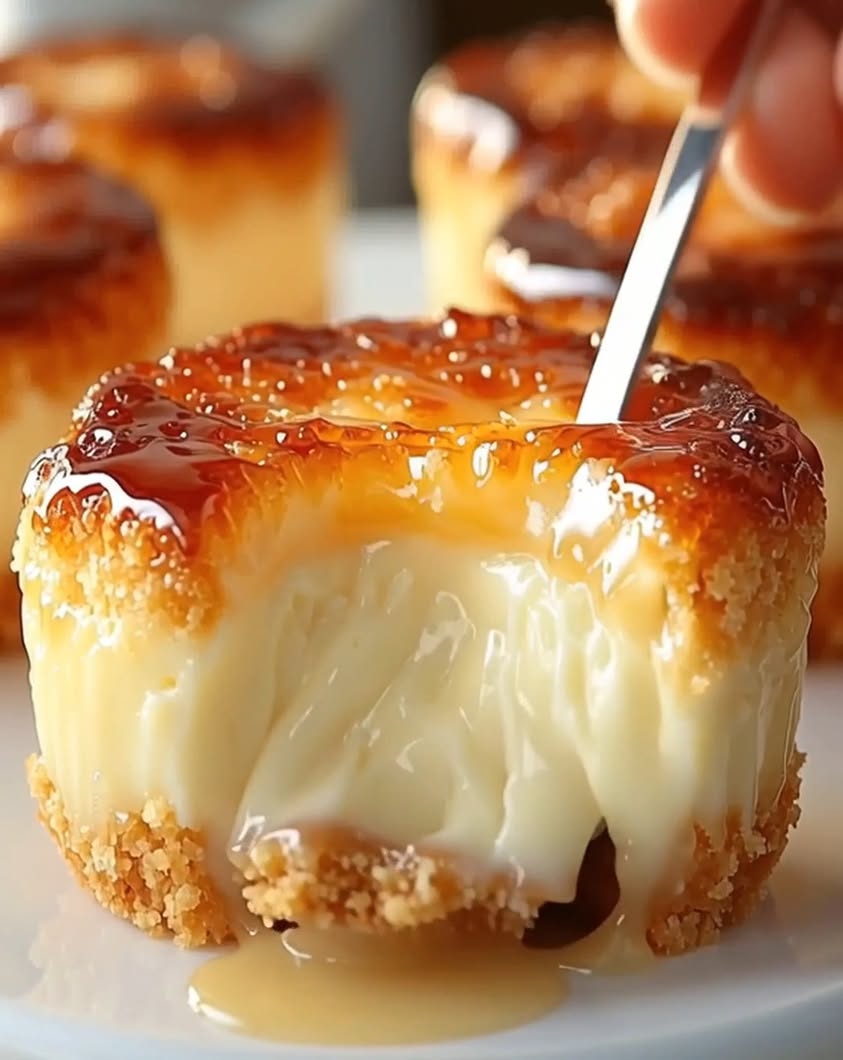
- Texture: The experience begins with the satisfying snap of the caramelized sugar crust. Next, your spoon glides into the ultra-smooth, dense, and velvety cheesecake filling. Finally, you reach the buttery, crumbly graham cracker base, creating a perfect textural journey from top to bottom.
- Aroma: As you torch the sugar, the kitchen fills with the irresistible scent of caramelizing sugar. Upon serving, the fragrance of pure vanilla and sweet cream cheese wafts up, promising a decadent treat. This aromatic profile is both comforting and luxuriously enticing.
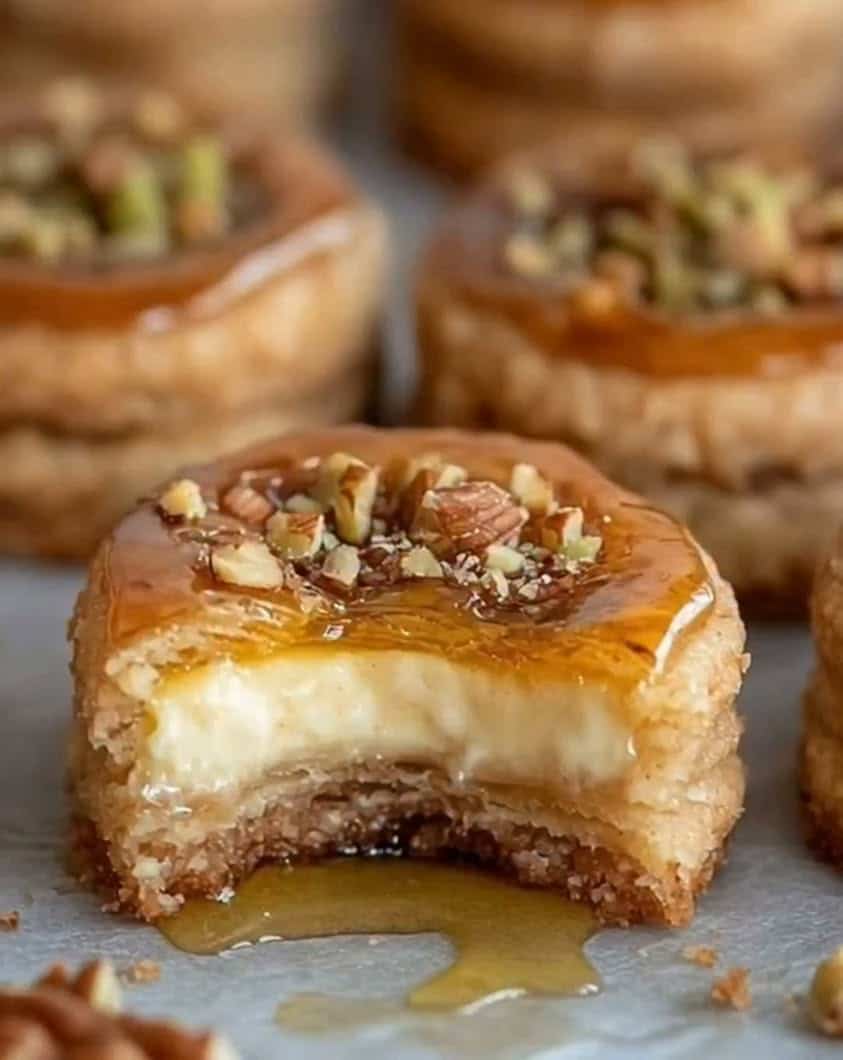
- Visual Appeal: These individual desserts are miniature works of art. The glossy, amber-hued sugar crust creates a dramatic, reflective surface. Furthermore, serving them in clear ramekins showcases the beautiful layers, making for an impressive and professional presentation.
- Skill Level Needed: This recipe is ideal for bakers with some intermediate experience. While the steps are straightforward, achieving the perfect set on the cheesecake and mastering the sugar torching technique requires patience and attention. However, with careful following of instructions, success is very achievable.
- Special Equipment: You will need a standard muffin tin, 12 foil liners, and a kitchen torch for the signature finish. A fine-mesh sieve is helpful for ensuring a lump-free filling. Additionally, an electric mixer is essential for creating the light and creamy cheesecake batter.
Recipe Overview
- Difficulty Level: We classify these Mini Crème Brûlée Cheesecakes as intermediate due to the multi-step process and specific techniques involved. The cheesecake filling requires proper mixing and baking to set without cracking. Additionally, the sugar torching step demands a careful hand to caramelize the sugar evenly without burning it.
- Category: This dessert falls squarely into the category of special occasion treats and elegant baked goods. It is perfect for holiday gatherings, celebratory dinners, or as a show-stopping finale to a meal. These are not your everyday cookies; they are a purposeful, impressive creation.
- Cuisine: The recipe is a fusion of French and American dessert traditions. The crème brûlée component hails from French culinary history. Conversely, the cheesecake, particularly the graham cracker crust version, is a classic of American diners and bakeries. This mashup is a modern, creative take on both.
- Cost: Making these Mini Crème Brûlée Cheesecakes at home is surprisingly cost-effective compared to ordering them in a restaurant. The primary expenses are full-fat cream cheese, vanilla bean paste, and fresh eggs. Importantly, a small kitchen torch is a one-time investment that pays for itself over many desserts.
- Season: This dessert is wonderfully versatile across seasons. Its rich profile makes it a cozy choice for fall and winter holidays. However, the individual servings and bright vanilla flavor also make it feel light and appropriate for spring bridal showers or summer dinner parties.
- Occasion: These mini desserts are tailor-made for occasions where presentation matters. They are ideal for dinner parties, Valentine’s Day, Thanksgiving, Christmas, or anniversary celebrations. Moreover, they make a fantastic project for a baking date or a fun way to elevate a weekend family meal.
Why You’ll Love This Recipe
First and foremost, the taste and texture of these Mini Crème Brûlée Cheesecakes are utterly divine. The initial crack of the sugar shell gives way to the cool, impossibly smooth cheesecake filling. Each bite delivers a complex symphony of flavors: the deep vanilla, the tangy cream cheese, the buttery crust, and the bittersweet caramel notes from the torched top. This combination is far greater than the sum of its parts, creating a memorable dessert experience that feels both familiar and excitingly new.
From a convenience standpoint, this recipe offers significant benefits. Preparing desserts in individual portions eliminates the hassle of slicing and plating a large cake. Everyone gets their own perfectly presented treat. Furthermore, you can bake the cheesecake components a day ahead, allowing you to focus on the fun torching step just before serving. This make-ahead flexibility is a huge advantage when entertaining.
While undoubtedly a treat, you control the ingredients in these Mini Crème Brûlée Cheesecakes. You can choose high-quality vanilla and real cream cheese without artificial additives. By managing portion size through the individual servings, you also naturally assist with portion control. Consequently, you can enjoy a truly decadent dessert without overindulging, as one mini cheesecake is a perfectly satisfying serving.
The social and entertaining value of this dessert cannot be overstated. These Mini Crème Brûlée Cheesecakes look like they came from a high-end patisserie. Serving them instantly elevates any gathering and sparks conversation. Often, guests are delighted by the interactive spectacle of torching the sugar tops right at the table. This creates a memorable, engaging dining experience that your friends and family will talk about long after the meal.
Finally, creating these restaurant-quality Mini Crème Brûlée Cheesecakes at home is remarkably cost-effective. The ingredient list is simple and accessible. Compared to the price of a single crème brûlée or slice of gourmet cheesecake at a restaurant, you can make a dozen impressive desserts for a fraction of the cost. This accessibility allows you to practice and perfect the recipe, turning a special-occasion treat into a reliable signature dish in your repertoire.
Historical Background and Cultural Significance
The story of crème brûlée, meaning “burnt cream” in French, is shrouded in delicious debate. While France fiercely claims it, historical records show similar desserts in Spain and England centuries prior. The earliest known recipe appears in a French cookbook from 1691. The dessert’s hallmark, the hard caramelized sugar top, was originally achieved with a red-hot iron, a dramatic technique that evolved into the modern kitchen torch. This simple yet ingenious method of sealing a custard with sugar created a textural revolution.
Conversely, cheesecake boasts an even older lineage, dating back to ancient Greece. Athletes were served a simple form of it at the first Olympic Games. The recipe evolved through Rome and eventually spread across Europe. However, the creamy, rich dessert we know today is distinctly American, pioneered in New York City. The addition of cream cheese in the late 19th century, specifically Philadelphia brand, transformed it into the dense, smooth treat we adore. The graham cracker crust is another purely American innovation.
The evolution of the mashup recipe, like these Mini Crème Brûlée Cheesecakes, is a testament to modern culinary creativity. Chefs and home bakers constantly seek to combine classic flavors and textures in new ways. This particular fusion likely emerged from the popular dessert trend of “deconstructing” and recombining elements. By taking the torched sugar technique from crème brûlée and applying it to the sturdy, flavorful canvas of cheesecake, a new classic was born. It satisfies the craving for both desserts simultaneously.
Regional variations on this concept abound. In some interpretations, the cheesecake filling is baked directly on top of the crust, as in our recipe. Other versions might layer a baked cheesecake with a soft crème brûlée custard on top before torching. Flavor variations are endless: adding citrus zest to the filling, infusing the cream with lavender or espresso, or incorporating a fruit compote layer between the crust and filling. This adaptability ensures the Mini Crème Brûlée Cheesecake concept can be personalized to any taste.
Ingredient Deep Dive
Graham Cracker Crumbs: Graham crackers were invented in the 19th century by Sylvester Graham as part of a vegetarian, anti-indulgence diet. Ironically, they became a staple of one of America’s most indulgent desserts: cheesecake. They provide a sweet, slightly honeyed, and wonderfully crumbly base that contrasts with the smooth filling. For the best flavor, use name-brand graham crackers and crush them finely for a cohesive crust that holds its shape when sliced. Store crumbs in an airtight container to prevent them from becoming stale.
Cream Cheese: This is the non-negotiable star of the filling. Use full-fat, brick-style cream cheese for the proper rich texture and structure. Low-fat varieties contain more water and stabilizers, which can lead to a runny filling or undesirable texture. Always bring cream cheese to full room temperature before mixing; this is the single most important step for a smooth, lump-free batter. Cold cream cheese will create lumps that are nearly impossible to remove, compromising the velvety mouthfeel of your Mini Crème Brûlée Cheesecakes.
Granulated Sugar (for torching): This is not just any sugar. A fine, white granulated sugar is mandatory for creating the perfect brûlée crust. Its small crystals melt and caramelize evenly under the torch. Coarse sugars will not melt uniformly, leaving unpleasant granules. Some bakers use a superfine or caster sugar for an even more consistent glass-like finish. The sugar must be sprinkled in a thin, even layer; too much will create a thick, difficult-to-crack shell that can overwhelm the delicate cheesecake beneath.
Vanilla Bean Paste: While extract works, vanilla bean paste is the secret weapon for exceptional flavor and visual appeal. It contains the tiny, flavorful seeds from the vanilla pod, suspended in a thick syrup. These seeds provide an intense, pure vanilla aroma and create beautiful speckles throughout the filling, signaling high quality. It offers a more robust flavor than extract without the hassle of scraping a whole bean. Store it in a cool, dark place to preserve its potency for all your baking projects.
Sour Cream: This ingredient is the unsung hero of creamy cheesecake texture. It adds a subtle tang that balances the sweetness and richness of the cream cheese. More importantly, its acidity and fat content help tenderize the proteins in the cheese, resulting in a smoother, more luxurious filling. It also adds moisture, helping to prevent the dreaded cheesecake cracks. Always use full-fat sour cream for the best results, and ensure it is also at room temperature before incorporating it into the batter.
Common Mistakes to Avoid
- Using Cold Ingredients: This is the most common pitfall. Cream cheese, eggs, and sour cream must be at room temperature to emulsify properly. Cold ingredients lead to a lumpy batter that may bake unevenly. Plan ahead and let everything sit out for at least 60-90 minutes before you start mixing.
- Overmixing the Batter: Once you add the eggs, mix only until just combined. Overbeating incorporates too much air, which expands during baking and then collapses as the cheesecakes cool. This causes sinking in the center and a higher risk of cracking. Mix on low speed and stop as soon as no streaks remain.
- Overbaking the Cheesecakes: Cheesecake is done when the edges are set but the center still has a slight jiggle, like Jell-O. It will continue to set as it cools. Baking until the center is completely firm will result in a dry, crumbly texture. Start checking a few minutes before the timer goes off.
- Skipping the Water Bath (or its alternative): A water bath provides gentle, even heat crucial for preventing cracks. If not using one, placing a pan of hot water on the oven rack below the cheesecakes creates a steamy environment. Baking without any steam leads to rapid, uneven heating and a guaranteed cracked surface.
- Torching Sugar on Warm Cheesecakes: The cheesecakes must be completely chilled, preferably overnight, before adding the sugar layer. If they are even slightly warm, the sugar will dissolve into the filling instead of forming a crisp shell. Patience here is non-negotiable for the signature brûlée effect.
- Applying an Uneven Sugar Layer: Sprinkling sugar too thickly or unevenly will cause some spots to burn while others remain uncaramelized. Use a small sieve to dust a fine, uniform layer over each cheesecake. Gently tilt the ramekin to tap off any excess sugar before torching.
- Using the Wrong Torch Technique: Hold the torch 4-6 inches away and keep it moving in slow, circular motions. Holding it too close or focusing on one spot will burn the sugar, creating a bitter flavor. The goal is an even, amber color, not a blackened crust.
- Not Using Foil Liners: Paper liners can stick to the cheesecake and make unmolding messy. Foil liners are sturdier, provide better structure, and release cleanly. They also help protect the crust from any potential moisture if you use a water bath technique.
Essential Techniques
Creating the Perfect Crust: The crust is the foundation. Combine the graham cracker crumbs, melted butter, and sugar thoroughly until the mixture resembles wet sand. Press it firmly and evenly into the bottom of each liner using a small glass or measuring cup. A firm pack ensures the crust holds together when bitten. Bake it for just 5 minutes before adding the filling; this pre-baking step helps set the crust, preventing it from becoming soggy from the wet filling. A properly prepared crust should be golden and fragrant.
Achieving a Smooth, Lump-Free Filling: Start with room-temperature cream cheese. Beat it alone on medium speed until it is completely smooth and creamy, scraping down the bowl several times. This initial step is crucial for breaking down any lumps. Next, add the sugar and vanilla, beating until combined. Finally, add the eggs one at a time, mixing on low speed and only until each is incorporated. Overbeating after adding the eggs is a primary cause of cracks. The final batter should be glossy, thick, and completely homogeneous.
The Baking Method for Crack-Free Tops: Even, gentle heat is the enemy of cracks. The best method is a simple water bath: place the muffin tin inside a larger roasting pan, then pour hot water into the larger pan until it comes halfway up the sides of the muffin tin. Alternatively, place a pan of hot water on the rack below the cheesecakes. This steam moderates the oven temperature. Bake until the edges are puffed and set but the center still jiggles slightly. The residual heat will finish the cooking as they cool slowly in the turned-off oven with the door ajar.
Mastering the Sugar Torch: This is the dramatic finale. Ensure the cheesecakes are ice-cold. Sprinkle a thin, even layer of granulated sugar over each. Ignite your kitchen torch and hold it 4-6 inches away. Move the flame in constant, slow circles, watching as the sugar melts, bubbles, and then turns a deep amber color. The entire surface should be caramelized. Let them sit for 1-2 minutes to allow the sugar to harden into the classic glass-like shell. The sound of a spoon cracking through it is your reward.
Pro Tips for Perfect Mini Crème Brûlée Cheesecakes
- For an extra-flavorful crust, add a pinch of cinnamon or a tablespoon of finely chopped nuts to the graham cracker mixture.
- Run a thin knife around the edge of each cheesecake after baking and while still warm. This helps them contract evenly from the liner as they cool, minimizing cracks.
- If you see small bubbles on the surface of the filled cheesecakes before baking, gently tap the entire muffin tin on the counter a few times to pop them and ensure a smooth top.
- Chill the baked and cooled cheesecakes, uncovered, for at least 4 hours, but overnight is ideal. This allows the flavors to meld and the texture to firm up perfectly for torching.
- When torching, work on a heat-safe surface like a baking sheet. Torch one cheesecake at a time for maximum control over the caramelization process.
- For a deeper vanilla flavor without seeds, steep a split vanilla bean in the warm cream (if your recipe uses it) for 30 minutes before straining and proceeding.
- If you don’t have a kitchen torch, you can use your oven’s broiler. Place the sugared cheesecakes on a baking sheet and watch them closely, rotating the sheet for even color. This method is less precise but works in a pinch.
- Serve the cheesecakes within 30 minutes of torching. The sugar shell will eventually start to soften and lose its signature snap from the moisture in the filling.
Variations and Adaptations
Flavor Variations: The basic recipe is a perfect canvas for creativity. Infuse the cream cheese filling with citrus zest from lemon, orange, or lime. For a chocolate version, add 1/4 cup of sifted cocoa powder to the filling and use chocolate wafer cookies for the crust. Incorporate a tablespoon of instant espresso powder for a coffee-infused delight. Alternatively, fold in a swirl of fruit puree like raspberry or mango just before filling the liners.
Dietary Modifications: For a gluten-free adaptation, use certified gluten-free graham crackers or gluten-free cookie crumbs. A dairy-free version is possible using high-quality vegan cream cheese and coconut-based sour cream. For a lower-sugar option, reduce the sugar in the filling slightly and use a sugar substitute in the crust; note that only real granulated sugar will properly caramelize for the brûlée top.
Seasonal Adaptations: Embrace the seasons by adding complementary flavors. In fall, mix a teaspoon of pumpkin pie spice into the filling and top with a tiny dollop of whipped cream and a cinnamon stick. For winter holidays, add a hint of peppermint extract. In spring, top with fresh edible flowers after torching. During summer, serve with a side of macerated berries or a drizzle of fruit coulis.
Presentation Alternatives: While ramekins or muffin tins are standard, consider using wide, shallow dishes for a greater ratio of brûlée topping to cheesecake. You can also bake one large cheesecake in a springform pan and torch the entire surface for a dramatic presentation. For a deconstructed version, serve the cheesecake filling in a glass, topped with crumbled graham crust and a separate disc of hardened caramel sugar on the side.
Serving and Presentation Guide
Plating is key to showcasing these elegant Mini Crème Brûlée Cheesecakes. Serve them directly in their foil liners placed on individual dessert plates. Alternatively, for a more polished look, you can gently peel away the foil liner and place the naked cheesecake on the plate. Use a thin offset spatula to assist with this transfer if the crust is firm. Arrange the plates on a decorative tray for easy serving to guests.
Garnishing should be minimal to highlight the dessert’s own beauty. A single fresh berry, a mint leaf, or a delicate edible gold leaf flake placed off-center adds a touch of color and sophistication. A light dusting of powdered sugar around the plate’s rim creates a professional frame. Avoid heavy sauces or large garnishes that obscure the gorgeous caramelized top.
Traditional accompaniments are simple. A small spoonful of lightly sweetened whipped cream on the side is always welcome. For a textural contrast, offer a small ramekin of fresh berries or a fruit compote. If serving coffee, consider a dark roast or espresso to cut through the richness. For a truly classic pairing, a glass of dessert wine like a Sauternes or a late-harvest Riesling complements the caramel notes beautifully.
Temperature considerations are crucial. The cheesecake itself must be served chilled, straight from the refrigerator. However, the torched sugar topping should be at room temperature for the perfect snap. Therefore, torch the cheesecakes, let the sugar harden for 1-2 minutes, and then serve immediately. This ensures the ideal contrast between the cool, creamy interior and the crisp, room-temperature top.
Wine and Beverage Pairing
Wine pairings for these rich Mini Crème Brûlée Cheesecakes should focus on balancing sweetness and acidity. A classic French Sauternes, with its honeyed apricot notes and bright acidity, is a sublime match. Alternatively, a Late Harvest Riesling or a Moscato d’Asti offers a lighter, effervescent contrast. For red wine lovers, a glass of Banyuls, a fortified Grenache from France, has notes of dark fruit and nuts that harmonize with the caramelized sugar. The key is to choose a wine that is as sweet as or slightly sweeter than the dessert to avoid a bitter taste.
Non-alcoholic alternatives can be just as thoughtful. A sparkling apple cider provides a festive fizz and apple-cinnamon notes that pair wonderfully. Chai tea, with its warm spices of cardamom and cinnamon, mirrors the vanilla’s warmth. For a cool contrast, a glass of cold milk or a vanilla cream soda is a nostalgic and delicious choice. Iced coffee, slightly sweetened, also cuts through the richness perfectly.
Coffee and tea pairings are a natural fit. A medium-roast coffee with chocolate or nutty notes complements the dessert without overpowering it. Espresso served alongside is a classic Italian finish. For tea, consider an Earl Grey for its bergamot citrus notes, a vanilla rooibos for harmony, or a simple chamomile for a light, floral end to the meal. Serve coffee hot and tea according to its type, allowing guests to add sweetener as they prefer.
Storage and Shelf Life
Storage methods depend on whether the sugar has been torched. Untorched cheesecakes can be stored airtight in the refrigerator for up to 5 days. Once torched, they are best consumed within a few hours, as the sugar shell will gradually absorb moisture from the filling and soften. If you have leftovers with torched tops, store them uncovered in the fridge to minimize condensation on the sugar, though the snap will diminish.
Freezing is an excellent option for the baked but untorched cheesecakes. Wrap each chilled cheesecake tightly in plastic wrap, then place them in a single layer in a freezer-safe container. They will keep for up to 2 months. To serve, thaw overnight in the refrigerator. Add the sugar topping and torch just before serving. Do not freeze cheesecakes with the torched sugar topping, as the texture will become unpleasantly soggy upon thawing.
Signs of spoilage are typical for dairy-based desserts. Look for any off smells, such as a sour or unpleasant odor. Visible mold, which may appear as fuzzy spots, is a definite sign to discard. If the texture becomes excessively watery or separates, it has likely gone bad. Always adhere to the 5-day refrigeration rule for untorched cheesecakes to ensure safety and quality.
Make Ahead Strategies
These Mini Crème Brûlée Cheesecakes are ideal for advanced preparation. The full bake-and-chill process can be completed up to two days before your event. Simply bake the cheesecakes as directed, cool completely, and store them tightly covered in the refrigerator. This extended chilling time actually improves the flavor and texture, allowing it to set fully and the flavors to deepen. This strategy removes all day-of stress.
For optimal freshness, add the sugar and torch the tops no more than 30 minutes before serving. You can even prepare the sugar layer in advance by measuring out the exact amount of granulated sugar needed for each cheesecake into small containers. When ready to serve, all you need to do is sprinkle and torch. This makes final assembly incredibly quick and easy, even with guests present.
If you need to prepare components even further ahead, the graham cracker crust mixture can be made and stored at room temperature for a day. The filling can be mixed, covered, and refrigerated for a few hours before baking, though it may thicken; let it come back to near room temperature and give it a brief stir before filling the liners. The most important rule is to always torch the sugar at the last possible moment for that perfect, glass-like finish.
Scaling Instructions
Halving the recipe is straightforward for smaller batches. Simply divide all ingredient quantities by two. Use a 6-cup muffin tin. Baking time may be slightly reduced, so start checking for doneness around the 25-minute mark. All other techniques and chilling requirements remain the same. This is perfect for a small family dessert or a romantic dinner for two.
Doubling or tripling the recipe for a crowd is easy, but requires equipment planning. You will need multiple muffin tins or to bake in batches. Do not overcrowd the oven racks; bake one tin at a time on the center rack for even heat circulation. If using the water bath method, you may need larger pans to accommodate multiple tins. The total baking time per batch should remain consistent. Ensure all your ingredients are fully at room temperature before mixing large quantities to avoid overmixing.
When scaling up, mixing the filling in batches is often wiser than one huge batch to maintain control and avoid over-aeration. Store any prepared batter in the refrigerator while the first batch bakes, then give it a gentle stir before filling the next set of liners. Remember that chilling space in your refrigerator is also a consideration; make sure you have room for all the baked cheesecakes to cool properly before your event.
Nutritional Deep Dive
A single Mini Crème Brûlée Cheesecake is a rich, energy-dense dessert. The primary macros come from fats and carbohydrates. The cream cheese, sour cream, and butter contribute significant saturated fat, which provides the luxurious mouthfeel and flavor. The carbohydrates come from the graham cracker crust and the granulated sugar in both the filling and topping. The eggs and dairy offer a modest amount of protein. This is a treat designed for enjoyment in moderation.
Micronutrient analysis reveals some benefits alongside the indulgence. Dairy-based ingredients provide calcium, which is essential for bone health. Eggs contribute choline and vitamin D. Using real vanilla bean paste may offer trace amounts of antioxidants. However, this dessert is not a significant source of vitamins or fiber. Its value lies in its sensory pleasure and role in celebratory meals rather than as a nutritional staple.
For those mindful of intake, portion control is built right in. One mini cheesecake is a defined serving. To further moderate impact, consider enjoying it as part of a balanced meal. Pair it with a fresh fruit salad to add fiber and vitamins. Most importantly, savor it slowly and mindfully, appreciating the craftsmanship and flavors, which can lead to greater satisfaction from a single serving.
Dietary Adaptations
Gluten-Free: Adapting this recipe for a gluten-free diet is simple. Use certified gluten-free graham crackers or any gluten-free cookie of choice, such as shortbread or ginger snaps, to make the crumb crust. Ensure all other ingredients, like vanilla extract, are certified gluten-free. The filling is naturally gluten-free. The technique and baking times remain identical.
Dairy-Free/Vegan: Creating a vegan version requires specific substitutes. Use a high-quality, firm vegan cream cheese and vegan sour cream. For the crust, use vegan graham crackers or cookies and vegan butter or coconut oil. Agar-agar or a vegan gelatin substitute can help set the filling, as eggs are not used. The torched sugar topping is naturally vegan. Be aware that the texture will be different but can still be delicious.
Low-Carb/Keto: A keto adaptation involves significant changes. For the crust, use a mixture of almond flour, melted butter, and a keto-friendly sweetener like erythritol. The filling would use full-fat cream cheese, a keto sweetener, and extra egg yolks for richness. The major challenge is the brûlée top, as sugar substitutes like allulose or monk fruit can caramelize but behave differently. Experimentation is needed to perfect a keto-friendly shell.
Refined Sugar-Free: To avoid refined sugar, use coconut sugar or a granulated maple sugar in the filling and crust. However, these alternative sugars will not caramelize in the same way for the brûlée top. They may burn or melt unevenly. A possible solution is to create a separate caramel sauce using dates or coconut sugar and drizzle it over the top just before serving instead of torching.
Troubleshooting Guide
Lumpy Filling: If your filling is lumpy after mixing, the cream cheese was likely too cold. Solution: Strain the entire batter through a fine-mesh sieve into a clean bowl. This will catch most lumps. For future batches, ensure cream cheese is soft to the touch and beat it alone until perfectly smooth before adding any other ingredients.
Soggy or Crumbly Crust: A soggy crust means it wasn’t packed firmly enough or wasn’t pre-baked. A crumbly crust means there wasn’t enough butter binder. Solution: For next time, ensure the crumb mixture holds together when pinched. Pack it down very firmly. Bake the empty crust for the full 5 minutes to set it before adding the wet filling.
Cheesecakes Sinking or Cracking: This is usually caused by overmixing (incorporating too much air) or overbaking. Solution: Mix eggs on low speed and only until just combined. Use the water bath method for even heat. Bake until the center has a slight jiggle. If cracks do appear, don’t worry—the sugar topping will cover them beautifully.
Sugar Topping Won’t Harden: If the torched sugar remains sticky or tacky, the cheesecakes were not cold enough, the sugar layer was too thick, or it wasn’t caramelized fully. Solution: Ensure cheesecakes are chilled for hours. Use a thin, even sugar layer. Torch until the sugar is completely melted and has turned a uniform amber color, then let it sit undisturbed for 2 full minutes to harden.
Recipe Success Stories
Community feedback on this Mini Crème Brûlée Cheesecakes recipe has been overwhelmingly positive. Many home bakers report that these became the star of their holiday table, with guests requesting the recipe. A common theme is the surprise at how achievable they are, despite their impressive appearance. Several readers have mentioned that the detailed instructions on avoiding cracks and achieving the perfect torch were game-changers for their cheesecake baking confidence.
Variation successes abound. One baker added a layer of lemon curd between the crust and filling for a bright twist. Another successfully made a chocolate version for a birthday party, using a chocolate cookie crust and adding melted chocolate to the batter. A reader hosting a gluten-free guest used gluten-free ginger snaps for the crust with great success. These adaptations show the recipe’s wonderful flexibility and how it can be personalized for any event.
Photography tips from successful bakers emphasize natural light. Shooting the moment a spoon cracks through the glossy sugar top makes for a dynamic image. Using a dark, neutral plate helps the golden cheesecake stand out. Some suggest a slight drizzle of caramel or a sprinkle of sea salt on the plate for added visual interest. The key is to photograph quickly after torching to capture the shell at its most pristine and reflective.
Frequently Asked Questions
Q: Can I make these without a kitchen torch?
A: Yes, you can use your oven’s broiler. Place the sugared cheesecakes on a baking sheet under the broiler, watching them constantly and rotating the pan for even color. This method is less precise and requires vigilance to prevent burning, but it works.
Q: How do I know when the cheesecakes are done baking?
A: The edges will be puffed and set, but the center should still have a slight jiggle, similar to Jell-O, when you gently shake the pan. The residual heat will finish setting the center as they cool. Overbaking leads to dryness and cracks.
Q: Can I use vanilla extract instead of vanilla bean paste?
A: Absolutely. Use an equal amount of high-quality pure vanilla extract. The flavor will be excellent, though you will miss the visual appeal of the vanilla bean specks. Do not use imitation vanilla, as the flavor will be artificial and less complex.
Q: Why do my cheesecakes have cracks on top?
A: Cracks are typically caused by overmixing the batter (adding too much air), overbaking, or cooling too quickly. Using a water bath and avoiding overmixing after adding the eggs are the best preventative measures. Remember, a cracked cheesecake still tastes delicious.