Healthy No Sugar Cottage Cheese Carrot Cake Bars Recipe: A Guilt-Free Treat
Imagine a classic carrot cake transformed into a wholesome, protein-packed snack bar. These healthy no sugar cottage cheese carrot cake bars deliver that exact experience. They perfectly capture the warm, spiced essence of a traditional dessert without any refined sugar or heavy oils. Consequently, you can enjoy a satisfying treat that aligns with your wellness goals. The bars are moist, flavorful, and incredibly satisfying. Ultimately, they prove that healthy eating does not require sacrificing flavor or indulgence.
The secret lies in a clever combination of simple, whole-food ingredients. Grated carrots provide natural sweetness and moisture. Meanwhile, creamy cottage cheese adds a significant protein boost and creates a wonderfully tender crumb. Aromatic spices like cinnamon and nutmeg evoke the familiar comfort of carrot cake. Additionally, a touch of vanilla extract rounds out the flavor profile beautifully. These bars are a testament to smart ingredient swaps creating delicious results. They are ideal for meal prep, afternoon snacks, or a quick breakfast on the go.
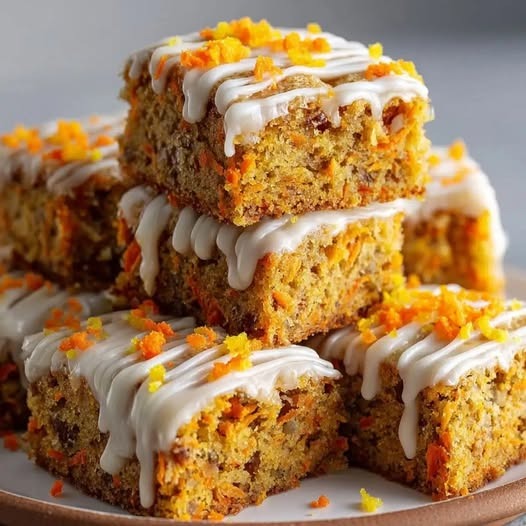
Visually, these bars are inviting with specks of orange carrot and warm brown spices throughout. They bake to a perfect golden-brown on the edges while staying soft in the center. The texture is dense yet soft, similar to a baked oatmeal bar or a moist muffin. The aroma that fills your kitchen while they bake is absolutely heavenly. It is a scent that promises a cozy and nutritious treat. This recipe is a fantastic way to enjoy a classic flavor in a brand new, health-conscious format.
Quick Recipe Highlights
- Flavor Profile: These bars taste warmly spiced with prominent notes of cinnamon and nutmeg. The natural sweetness from carrots and a touch of maple syrup shines through. There is no artificial aftertaste, just pure, comforting carrot cake flavor.
- Texture: The texture is moist, dense, and satisfyingly soft, thanks to the grated carrots and cottage cheese. It holds together perfectly for a neat bar but melts pleasantly in your mouth. There is no crumbly or dry texture to be found.
- Aroma: While baking, your kitchen will fill with the nostalgic, comforting scent of baking spices and sweet carrots. The finished bars have a subtle, inviting aroma that hints at their wholesome ingredients. It is a fragrance that immediately feels like home.
- Visual Appeal: The bars have a rustic, homemade look with visible shreds of carrot and a golden-brown top. Their simple, square shape makes them easy to serve and pack. The natural colors from the ingredients make them look both appetizing and nutritious.
- Skill Level Needed: This recipe is beginner-friendly and requires only basic mixing and baking skills. There is no need for special decorating techniques or complex steps. Simply mix the wet and dry ingredients, fold in the carrots, and bake.
- Special Equipment: You will need a standard 8×8 inch baking pan, mixing bowls, a box grater for the carrots, and a spatula. A food processor can optionally blend the cottage cheese for a smoother batter. No stand mixer or unusual tools are required.
Recipe Overview
- Difficulty Level: This recipe is rated easy because it involves straightforward mixing techniques. There is no creaming of butter and sugar, no separating eggs, and no intricate decorating. The steps are simple and forgiving, making it perfect for novice bakers and busy cooks alike.
- Category: These bars comfortably fit into multiple categories: healthy snacks, meal prep breakfasts, and guilt-free desserts. They are also excellent for post-workout fuel due to their protein content. This versatility makes them a staple recipe for any health-conscious household.
- Cuisine: While carrot cake has roots in European and American baking traditions, this recipe is a modern, health-focused adaptation. It draws inspiration from classic baking but uses contemporary ingredient swaps. The result is a treat that feels familiar yet aligns with modern nutritional preferences.
- Cost: This recipe is very cost-effective, utilizing affordable pantry staples like oats, spices, and carrots. Cottage cheese and maple syrup might be the pricier items, but they are used in moderate amounts. Overall, a batch costs significantly less than store-bought protein bars or bakery items.
- Season: These bars are wonderful year-round but feel particularly comforting in the fall and winter. The warm spices pair perfectly with cooler weather. However, their fresh carrot element also makes them feel light and appropriate for spring and summer snacking.
- Occasion: They are perfect for casual gatherings, potlucks, or as a packed lunch treat. You can also serve them as a healthier dessert option at family dinners. Furthermore, they are an ideal make-ahead snack for busy weeks, school lunches, or hiking trips.
Why You’ll Love This Recipe
First and foremost, the taste and texture are utterly delightful. These healthy no sugar cottage cheese carrot cake bars deliver the nostalgic flavor of carrot cake in a convenient, handheld form. The moist crumb, speckled with sweet carrots and warm spices, is incredibly satisfying. You will not miss the sugar or heavy frosting because the natural flavors are so pronounced and balanced. Each bite is a comforting experience that feels both indulgent and nourishing. Ultimately, it is a treat you can feel genuinely good about eating regularly.
From a convenience standpoint, this recipe is a true winner. The preparation is quick, requiring only about fifteen minutes of hands-on time. Moreover, the bars bake in just half an hour and store beautifully for days. This makes them a phenomenal meal prep staple for busy mornings or afternoon slumps. You can grab one straight from the fridge for a instant protein boost. Their portability is another major advantage for on-the-go lifestyles. In short, they offer homemade quality with the convenience of a store-bought bar.
The nutritional advantages are significant and multifaceted. By using cottage cheese, these bars are packed with high-quality protein and calcium. Oats provide sustained energy from complex carbohydrates and valuable soluble fiber. Carrots contribute beta-carotene, vitamins, and additional fiber. Furthermore, the absence of refined sugar means no energy crashes. This combination supports muscle repair, digestive health, and steady blood sugar levels. It is a snack that truly fuels your body and mind.
For social and entertaining value, these bars are a fantastic offering. They cater to various dietary preferences, being naturally lower in sugar and higher in protein. When you bring them to a gathering, you provide a thoughtful option for health-conscious guests. They also serve as a great conversation starter about healthy baking. Children and adults alike enjoy their familiar flavor. Therefore, they bridge the gap between everyday healthy eating and social celebration perfectly.
Finally, the cost-effectiveness and accessibility of this recipe cannot be overstated. The ingredients are common, affordable, and easy to find in any standard grocery store. You likely have many of them in your pantry already. Making a batch at home is far cheaper than buying specialty protein bars or bakery items. This accessibility ensures you can enjoy a nutritious treat without straining your budget. It is a simple, sustainable approach to healthy snacking.
Historical Background and Cultural Significance
The origin story of carrot cake is somewhat debated among food historians. Many believe it dates back to medieval Europe when sugar and sweeteners were scarce and expensive. Cooks would use sweet vegetables, like carrots, to add sweetness and moisture to puddings and cakes. Consequently, carrot-based desserts were a practical solution for frugal households. The concept traveled to America with early settlers. However, the modern carrot cake, with cream cheese frosting, rose to widespread popularity in the United States during the 1960s and 1970s.
Carrot cake holds cultural importance as a dessert that cleverly disguises a vegetable as a treat. It often appears during Easter and spring celebrations, symbolizing the harvest and renewal. In many families, it is a cherished recipe passed down through generations. The cake represents resourcefulness and comfort in home baking. Its popularity endures because it feels hearty and satisfying. This recipe for healthy no sugar cottage cheese carrot cake bars is a direct descendant of that tradition, updating it for contemporary nutritional awareness.
The evolution of the carrot cake recipe has been fascinating. Early versions were simple, dense, and often steamed rather than baked. The addition of spices like cinnamon and nutmeg became standard to enhance the carrot’s natural flavor. The mid-20th century introduction of cream cheese frosting cemented its status as a classic American dessert. Recently, the evolution has shifted toward health-conscious adaptations. Bakers now incorporate whole grains, reduce sugar, and add protein sources. Our bar recipe is a prime example of this modern, nutritious evolution.
Regional variations of carrot cake abound across the globe. In the UK, it is often made as a traybake with a simple white icing. Some European versions include ingredients like almonds, raisins, or even pineapple. In the United States, the addition of crushed pineapple or coconut is common. Some bakers add walnuts or pecans for crunch. Our healthy no sugar cottage cheese carrot cake bars simplify these variations. They focus on the core flavors while boosting nutrition, creating a universal and adaptable snack.
Ingredient Deep Dive
Cottage Cheese: Cultured for centuries, cottage cheese is a fresh cheese curd product known for its mild flavor and high protein content. It is an excellent source of casein protein, which digests slowly, promoting satiety and muscle repair. Additionally, it provides calcium, phosphorus, and B vitamins. For this recipe, choose a small-curd, full-fat or low-fat variety based on your preference; avoid non-fat as it can affect texture. For a perfectly smooth batter, blend the cottage cheese in a food processor before adding it. Store it in its original container in the coldest part of your refrigerator and use it by the date on the package.
Grated Carrots: Carrots have a long history as a cultivated root vegetable, prized for their sweetness and storage longevity. They are incredibly rich in beta-carotene, which the body converts to vitamin A, essential for vision and immune health. They also provide fiber, vitamin K1, and potassium. For the best texture in your healthy no sugar cottage cheese carrot cake bars, use fresh carrots and grate them yourself using the fine side of a box grater; pre-shredded bags are often too dry and thick. Choose firm, bright orange carrots without cracks. Store whole, unpeeled carrots in the refrigerator’s crisper drawer in a plastic bag for several weeks.
Rolled Oats: Oats have been a staple grain in Scotland and Northern Europe for millennia, valued for their hardiness and nutrition. They are a fantastic source of soluble fiber, specifically beta-glucan, which helps lower cholesterol and stabilize blood sugar. Oats also provide manganese, phosphorus, and magnesium. In this recipe, they are blitzed into a coarse oat flour, adding structure and whole-grain benefits. Use old-fashioned rolled oats for the best texture; quick oats can be used but may result in a denser bar. Store oats in an airtight container in a cool, dark pantry to prevent rancidity.
Maple Syrup: Maple syrup is a natural sweetener with deep roots in Indigenous North American culinary traditions. It contains antioxidants and minerals like manganese and zinc, though it should still be used in moderation. Its complex flavor profile adds depth that plain sugar cannot match. For this recipe, use pure maple syrup, not pancake syrup, which contains artificial flavors and corn syrup. The grade (A or B) is a matter of flavor preference; darker syrups have a more robust taste. Store maple syrup in the refrigerator after opening to prevent mold. You can substitute with an equal amount of honey if desired.
Common Mistakes to Avoid
- Using Pre-Shredded Carrots: Pre-shredded carrots are often too dry and coarse, resulting in less moisture and visible stringy pieces in your bars. Always grate fresh carrots on the fine side of a box grater for the best integration and texture. This ensures they soften properly during baking and distribute evenly.
- Not Draining the Cottage Cheese: If your cottage cheese seems particularly watery, draining off excess liquid is a good idea. Excess moisture can make the batter too wet, leading to bars that do not set properly. Simply place the cottage cheese in a fine-mesh strainer for a few minutes before using.
- Overmixing the Batter: Once you combine the wet and dry ingredients, mix just until no dry streaks remain. Overmixing can develop the gluten in the oats, making the bars tough and chewy instead of tender. A few lumps in the batter are perfectly fine.
- Underbaking the Bars: Because these bars are moist, it can be tricky to tell when they are done. The edges should be lightly golden brown and pulling away from the pan, and a toothpick inserted in the center should come out clean or with a few moist crumbs, not wet batter.
- Cutting While Hot: Attempting to cut the bars immediately after baking will cause them to crumble and fall apart. They need time to set and cool completely in the pan. This allows the structure to firm up, yielding neat, clean-cut bars.
- Using Instant Oatmeal Packets: Flavored instant oatmeal packets contain added sugar, salt, and artificial flavors that will throw off the recipe. Always use plain, old-fashioned rolled oats that you can process into flour yourself for pure flavor and control.
- Skipping the Parchment Paper: Greasing the pan might seem sufficient, but parchment paper guarantees easy, clean removal of the entire slab of bars. It also makes cleanup effortless. Simply lift the cooled bars out by the parchment overhang.
- Storing While Still Warm: Placing warm bars in an airtight container creates steam, which leads to condensation and soggy bars. Always allow them to cool completely on a wire rack before transferring to a storage container.
Essential Techniques
Creating Oat Flour: Transforming rolled oats into a coarse flour is a key technique for gluten-free and whole-grain baking. Place your rolled oats in a blender or food processor and pulse until they resemble a coarse, sandy flour. This process is important because it breaks down the oat structure, allowing it to bind the ingredients together more effectively than whole oats would. A common pitfall is over-processing into a very fine powder, which can make the bars dense. The visual cue for success is a texture similar to whole wheat flour with some slightly larger oat bits remaining.
Properly Incorporating Wet Ingredients: The method of mixing wet ingredients influences the final texture. Start by whisking the eggs, maple syrup, and vanilla until well combined and slightly frothy. Then, stir in the cottage cheese. If you desire an ultra-smooth batter, blend the cottage cheese first. This technique ensures even distribution of the leavening agent (baking powder) later on. The importance lies in creating a homogeneous liquid base that will evenly hydrate the dry ingredients. The visual cue is a uniform, slightly lumpy (from the cottage cheese) pale mixture.
The Fold-In Method: Combining the wet and dry mixtures requires a gentle hand. Add the dry oat flour mixture to the wet ingredients. Then, use a spatula to “fold” them together by cutting down through the center and lifting up the bottom over the top. This technique is crucial to prevent overmixing, which develops toughness. Continue just until no dry pockets of flour remain; a few small lumps are acceptable. The batter will be thick and shaggy. This gentle approach guarantees a tender crumb in your finished healthy no sugar cottage cheese carrot cake bars.
Pro Tips for Perfect Healthy No Sugar Cottage Cheese Carrot Cake Bars
First, for the absolute smoothest batter without any curds, blend the cottage cheese in a food processor or high-speed blender until completely smooth before adding it to the other wet ingredients. This creates a seamless texture in the final bars.
Second, let the mixed batter sit for five minutes before pouring it into the pan. This brief rest allows the oat flour to fully absorb the liquid, resulting in a better texture and more evenly baked bars.
Third, use the back of a spoon or an offset spatula to press and smooth the batter firmly into the corners of the prepared pan. This prevents thin edges and ensures the bars bake uniformly with consistent thickness.
Fourth, for enhanced carrot cake flavor, consider adding a pinch of ground ginger or allspice along with the cinnamon and nutmeg. These warm spices complement the carrots beautifully and add complexity.
Fifth, if you enjoy texture, fold in two to three tablespoons of chopped walnuts, pecans, or raisins after mixing the batter. This adds a delightful contrast and makes the bars even more satisfying.
Sixth, always cool the bars completely in the pan on a wire rack. This step is non-negotiable for clean slicing and allows the flavors to settle and mature slightly.
Seventh, for picture-perfect squares, use a sharp chef’s knife and wipe it clean with a damp cloth between each cut. This prevents crumbs from dragging and keeps the edges looking neat.
Eighth, store the bars in a single layer separated by parchment paper if stacking them in a container. This prevents them from sticking together and preserves their perfect shape.
Variations and Adaptations
For delightful flavor variations, consider adding a handful of unsweetened shredded coconut or crushed pineapple (well-drained) to the batter. A teaspoon of orange zest can also brighten the flavor profile significantly. For a “carrot cake cookie” texture, add a quarter cup of chopped dried pineapple or apricots. If you love chocolate, a quarter cup of sugar-free chocolate chips makes a delicious addition. Experiment with different spice blends, such as pumpkin pie spice, for a quick and easy alternative.
Seasonal adaptations are simple and fun. In the fall, add a quarter cup of pure pumpkin puree (reduce cottage cheese slightly) and extra pumpkin spice. For a winter holiday version, add a tablespoon of molasses to the wet ingredients for a deeper flavor. In spring, fold in a handful of fresh blueberries just before baking for a carrot-blueberry twist. Summer adaptations might include a lemon glaze made from powdered erythritol and lemon juice for a fresher, brighter finish.
Dietary modifications are straightforward for this adaptable recipe. For a gluten-free version, ensure your oats are certified gluten-free. To make it dairy-free, substitute the cottage cheese with an equal amount of thick, unsweetened dairy-free yogurt or silken tofu blended until smooth. For a vegan adaptation, replace the eggs with two flax eggs (2 tbsp ground flaxseed mixed with 5 tbsp water, let sit 5 mins). A keto version would require substituting the oats with almond flour and the maple syrup with a keto-friendly syrup, adjusting quantities significantly.
Serving and Presentation Guide
Plating techniques for these humble bars can elevate them for any occasion. For a casual breakfast, simply place a bar on a small plate with a side of fresh berries. For a more elegant dessert presentation, cut the bars into smaller rectangles and dust lightly with cinnamon or a sprinkle of powdered erythritol. Place them on a decorative cake stand or a simple white plate for contrast. You can also warm individual bars slightly for a comforting, fresh-from-the-oven feel.
Garnishing ideas range from simple to sophisticated. A dollop of Greek yogurt or whipped coconut cream on the side adds a creamy element. A light drizzle of thinned nut butter or extra maple syrup enhances sweetness. For a festive touch, top with a single pecan half or a few carrot curls made with a vegetable peeler. A sprinkle of chopped fresh parsley or mint can add a surprising and fresh color contrast, though this is optional.
Traditional accompaniments for carrot cake include cream cheese frosting, which you can mimic with a healthy schmear of whipped cream cheese sweetened with a touch of vanilla and maple syrup. A side of vanilla Greek yogurt is a fantastic high-protein alternative. For beverages, a glass of cold milk, a cup of hot coffee, or spiced chai tea all pair wonderfully. These bars also stand alone perfectly as a self-contained snack needing no accompaniment.
Wine and Beverage Pairing
Wine pairings for these subtly sweet and spiced bars should complement, not overpower, their flavor. A lightly sweet Riesling or Gewürztraminer pairs beautifully, as their fruit notes harmonize with the carrot and spice. For a red wine option, a light-bodied Pinot Noir with its berry notes can be a lovely contrast. If you prefer dessert wines, a small glass of Moscato d’Asti or a late-harvest Riesling would enhance the sweetness without being cloying. Always serve wines slightly chilled according to their type.
Non-alcoholic alternatives provide endless pairing possibilities. A chai tea latte, either hot or iced, mirrors the warm spices in the bars perfectly. Cold brew coffee with a splash of cream offers a bitter contrast that highlights the bars’ sweetness. For a refreshing option, sparkling water with a twist of orange or lemon cleanses the palate. A glass of cold, whole milk is a classic and comforting pairing that never fails.
Coffee and tea pairings are a natural fit. A medium-roast coffee with notes of caramel or nut complements the oats and maple syrup. A cup of Earl Grey tea, with its bergamot citrus notes, provides a bright, elegant contrast. For an herbal option, a cinnamon-spiced rooibos tea doubles down on the cozy flavors. Serve coffee hot or as iced coffee in warmer months. The key is to choose beverages that either mirror or pleasantly contrast the primary flavors of cinnamon, carrot, and vanilla.
Storage and Shelf Life
Storage methods are crucial for maintaining freshness. Once completely cooled, store the healthy no sugar cottage cheese carrot cake bars in an airtight container. You can place them in a single layer or separate layers with parchment paper to prevent sticking. For best texture, store them in the refrigerator. The cool temperature helps preserve the moistness and prevents spoilage from the fresh dairy and eggs. They can also be kept at room temperature for up to one day if you plan to consume them quickly.
Container recommendations include glass food storage containers with tight-fitting lids or reusable silicone storage bags. Avoid storing them in metal tins, as they can impart a flavor. If using plastic containers, ensure they are food-grade and BPA-free. Labeling the container with the date baked helps you track freshness. For individual portions, you can wrap each bar tightly in beeswax wrap or parchment paper before placing them in a larger container.
Signs of spoilage are typically easy to detect. Look for any visible mold, which may appear as fuzzy spots in green, white, or blue. An off or sour smell is a clear indicator that the bars have gone bad. If the texture becomes excessively dry, hard, or slimy, it is best to discard them. Properly stored in the refrigerator, these bars maintain optimal quality for 4 to 5 days. Always use your best judgment and when in doubt, throw it out.
Make Ahead Strategies
Prep timeline for maximum efficiency is simple. You can grate the carrots and store them in an airtight container in the refrigerator up to two days in advance. You can also mix the dry ingredients (oat flour, baking powder, spices, salt) in a bowl and cover it at room temperature a day ahead. When ready to bake, simply combine your prepped wet and dry components. This cuts your active prep time to just about five minutes, making baking feel effortless.
Storage between steps is straightforward. If you prepare the complete batter ahead of time, you can cover the mixing bowl tightly with plastic wrap and refrigerate it for up to 12 hours. The oats will continue to absorb moisture, which may result in a slightly thicker batter. Let the batter sit at room temperature for 10-15 minutes before spreading it into the pan to bake. This make-ahead batter strategy is perfect for having fresh-baked bars in the morning with minimal morning effort.
Quality impact assessment for make-ahead components is generally positive. Pre-grating carrots may cause a minimal loss of moisture, but it is negligible for this recipe. Pre-mixing dry ingredients has no adverse effect. The batter can be refrigerated overnight without compromising rise or texture; in fact, it often yields a more uniform crumb. The key is to bake the bars when you need them for the freshest taste and optimal texture. Avoid freezing the unbaked batter, as the leavening agent may lose potency.
Scaling Instructions
Halving the recipe is simple if you need a smaller batch. Use an 8×4 inch loaf pan or a small square dish. Precisely halve all ingredient quantities. The bake time may be slightly reduced, so start checking for doneness at the 20-minute mark. All other instructions remain the same. This is perfect for smaller households or for testing the recipe before committing to a full batch.
Doubling or tripling the recipe is excellent for meal prep or gatherings. Double or triple all ingredients uniformly. For a double batch, use a 9×13 inch baking pan. For a triple batch, you may need to use two 9×13 pans or bake in consecutive batches. The bake time will increase slightly; for a double batch in a 9×13 pan, start checking at 35 minutes. Ensure your mixing bowl is large enough to accommodate the increased volume, and mix thoroughly to distribute all ingredients evenly.
Equipment adjustments are necessary when scaling. A larger batch requires a larger mixing bowl and a sturdy spatula. When doubling, your food processor or blender might need to process the oats in two batches to make the oat flour. Most importantly, ensure your baking pan is the correct size; an overfilled pan will lead to undercooked centers and overflow, while an underfilled pan will yield thin, over-baked bars. Always adjust your oven racks to the center position for even heat distribution when using larger pans.
Nutritional Deep Dive
Macro breakdown of these bars is favorable for a balanced snack. Each bar provides a good balance of complex carbohydrates from oats and carrots, high-quality protein from cottage cheese and eggs, and healthy fats primarily from the egg yolks and any added nuts. This macronutrient profile promotes sustained energy release, satiety, and muscle support. The fiber from oats and carrots aids digestion and helps manage hunger. Compared to traditional carrot cake or sugary granola bars, these offer a much more nutrient-dense profile with fewer empty calories.
Micronutrient analysis reveals a wealth of vitamins and minerals. Carrots are famously rich in beta-carotene (vitamin A), crucial for eye health and immunity. Cottage cheese and eggs contribute B vitamins, which support energy metabolism. Oats provide important minerals like manganese, phosphorus, and magnesium. Eggs also offer choline, essential for brain health. The cinnamon adds antioxidants. Together, these ingredients make the bars not just a tasty treat but a functional food that contributes meaningfully to your daily nutrient intake.
Health benefits extend across several systems in the body. The protein and fiber combination supports healthy weight management by promoting fullness. The soluble fiber in oats can help maintain healthy cholesterol levels. The antioxidants in carrots and spices combat oxidative stress. The calcium and phosphorus in cottage cheese support bone health. For individuals with blood sugar concerns, the low glycemic impact and lack of refined sugar make these bars a smarter choice. They are a snack that truly nourishes from the inside out.
Dietary Adaptations
For a gluten-free version, the primary concern is the oats. Ensure you purchase rolled oats that are certified gluten-free, as oats are often cross-contaminated with wheat during processing. All other ingredients are naturally gluten-free. Follow the recipe as written with your certified GF oats. This adaptation is simple and effective, allowing those with celiac disease or gluten sensitivity to enjoy these bars safely.
A dairy-free adaptation requires replacing the cottage cheese. The best substitute is an equal amount of thick, unsweetened dairy-free yogurt (like coconut or almond-based) or blended silken tofu. The yogurt will provide a similar tang and moisture. If using tofu, blend it until completely smooth. The texture may be slightly different but will still yield a delicious, moist bar. Be sure to check that your baking powder is also dairy-free, as some brands contain lactose.
Creating a vegan version involves two key swaps. Replace the eggs with flax eggs: mix 2 tablespoons of ground flaxseed with 5 tablespoons of water and let it gel for 5 minutes. Substitute the cottage cheese with a vegan yogurt or blended silken tofu as mentioned above. The maple syrup is already plant-based. These swaps work well, though the bars may be slightly more dense. They will still be flavorful, moist, and packed with plant-based nutrition.
Troubleshooting Guide
If your bars turn out too wet or mushy in the center, the likely cause is underbaking or excess moisture from the carrots or cottage cheese. Solution: Ensure you grate carrots finely and drain any liquid from the cottage cheese if it seems watery. Bake until a toothpick comes out completely clean, not just with moist crumbs. Next time, extend the bake time by 3-5 minutes. For the current batch, you can return underbaked bars to the oven for a few more minutes, though the texture may be compromised.
If the bars are too dry or crumbly, they may have been overbaked or the oat flour absorbed too much liquid. Solution: Check for doneness a few minutes before the timer goes off. Oven temperatures vary. Ensure you are measuring your oat flour correctly; spoon the ground oats into your measuring cup and level it off, don’t pack it. For rescue, serve the crumbly bars as a “carrot cake granola” over yogurt. Next time, consider adding an extra tablespoon of maple syrup or a splash of milk to the batter.
If the bars do not hold together when sliced, they may have been cut while still warm or the batter was undermixed. Solution: Always cool completely, preferably chilled, before slicing. Ensure you mix the batter thoroughly so the baking powder is evenly distributed and the oat flour is fully hydrated. Using a very sharp knife and wiping it clean between cuts helps. If they still fall apart, enjoy them as a delicious carrot cake crumble. They taste the same even if imperfectly shaped.
Recipe Success Stories
Community feedback on this recipe has been overwhelmingly positive. Many readers report that these bars have become a weekly staple in their homes, especially for children’s lunches. One frequent comment is how the bars satisfy a sweet tooth without causing a sugar crash, which office workers particularly appreciate. Parents love that they can sneak vegetables and protein into a snack their kids eagerly eat. The simplicity of the recipe is another common praise, with novice bakers expressing delight at their successful results.
Variation successes from readers are inspiring. One home cook added a swirl of almond butter to the batter for extra richness. Another successfully substituted half the carrots with grated zucchini for a garden vegetable bar. A reader following a low-FODMAP diet used lactose-free cottage cheese and omitted the high-FODMAP ingredients with great success. Many have added a protein powder scoop to boost the protein content further for post-workout recovery. These adaptations show the recipe’s fantastic flexibility and how it can be tailored to individual needs and preferences.
Frequently Asked Questions
Can I use a different sweetener instead of maple syrup? Yes, you can substitute the maple syrup with an equal amount of honey, agave nectar, or even a sugar-free maple-flavored syrup. The flavor will change slightly with each substitution. If using a granulated sweetener like coconut sugar, dissolve it in the wet ingredients first.
Can I make these bars nut-free? Absolutely. This recipe is naturally nut-free as written. Just be sure to check the labels on your oats and other ingredients to ensure they are processed in a nut-free facility if you have a severe allergy.
Why is there no sugar in these carrot cake bars? These bars rely on the natural sweetness of carrots and a modest amount of pure maple syrup for sweetness. There is no added refined white or brown sugar, making them a healthier alternative that doesn’t spike blood sugar like traditional desserts.
Can I freeze these cottage cheese carrot cake bars? Yes, they freeze very well. Wrap individual bars tightly in plastic wrap and then place them in a freezer bag or airtight container. Freeze for up to 3 months. Thaw overnight in the refrigerator or at room temperature for a few hours.
My batter seems very thick. Is that normal? Yes, the batter for these bars is meant to be quite thick, not pourable. It will be more like a dense, sticky dough that you need to press into the pan. This thickness is what gives the bars their satisfying, hearty texture.
Can I use a different pan size? For best results, use an 8×8 inch pan. A 9×9 inch pan will yield thinner bars and require less baking time. A loaf pan will result in a thicker bake that needs longer in the oven; adjust accordingly and watch for doneness.
What can I use if I don’t have a food processor to make oat flour? You can use a high-speed blender, a coffee grinder, or even purchase pre-made oat flour from the store. If you have none of these, you can try using whole rolled oats, but the texture will be much more coarse and the bars may not hold together as well.
Are these bars suitable for diabetics? While they contain no refined sugar and have fiber and protein to slow sugar absorption, they still contain carbohydrates from oats, carrots, and maple syrup. Individuals with diabetes should consult their healthcare provider and monitor their blood sugar response, considering these bars as part of their overall meal plan.
Can I add raisins or other dried fruit? Certainly. Add up to 1/4 cup of raisins, chopped dates, or dried cranberries. If using sweetened dried fruit, be aware it will increase the sugar content. You may want to slightly reduce the maple syrup if adding a lot of sweet dried fruit.
How do I know when the bars are done baking? The edges will be golden brown and will have started to pull away slightly from the sides of the pan. The top will be set and spring back lightly when touched. The most reliable test is inserting a toothpick into the center; it should come out clean or with a few dry crumbs.
PrintNo Sugar Cottage Cheese Carrot Cake Bars
-
Total Time: 45 minutes
-
Yield: 4
Description
A healthy, protein-packed twist on carrot cake, naturally sweetened with ripe bananas and dates, and made moist with cottage cheese.
Ingredients
- 1 cup cottage cheese
- 2 ripe bananas, mashed
- 1 cup grated carrots
- 1/2 cup pitted dates, chopped
- 1 cup rolled oats
- 2 eggs
- 1 tsp cinnamon
- 1/2 tsp nutmeg
- 1 tsp vanilla extract
- 1/2 tsp baking powder
- 1/4 cup chopped walnuts (optional)
Instructions
- Preheat oven to 350°F (175°C) and line an 8×8 inch baking pan with parchment paper.
- In a blender or food processor, combine cottage cheese, mashed bananas, eggs, and vanilla until smooth.
- In a large bowl, mix grated carrots, chopped dates, rolled oats, cinnamon, nutmeg, and baking powder.
- Pour the wet mixture into the dry ingredients and stir until well combined. Fold in walnuts if using.
- Spread batter evenly into the prepared pan and bake for 25-30 minutes, or until a toothpick inserted comes out clean.
- Let cool completely before slicing into bars.
Notes
You can customize the seasonings to taste.
- Prep Time: 15 minutes
- Cook Time: 30 minutes
- Method: Main
- Cuisine: American
No Sugar Cottage Cheese Carrot Cake Bars
- Total Time: 45 minutes
- Yield: 4
Description
A healthy, protein-packed twist on carrot cake, naturally sweetened with ripe bananas and dates, and made moist with cottage cheese.
Ingredients
- 1 cup cottage cheese
- 2 ripe bananas, mashed
- 1 cup grated carrots
- 1/2 cup pitted dates, chopped
- 1 cup rolled oats
- 2 eggs
- 1 tsp cinnamon
- 1/2 tsp nutmeg
- 1 tsp vanilla extract
- 1/2 tsp baking powder
- 1/4 cup chopped walnuts (optional)
Instructions
- Preheat oven to 350°F (175°C) and line an 8×8 inch baking pan with parchment paper.
- In a blender or food processor, combine cottage cheese, mashed bananas, eggs, and vanilla until smooth.
- In a large bowl, mix grated carrots, chopped dates, rolled oats, cinnamon, nutmeg, and baking powder.
- Pour the wet mixture into the dry ingredients and stir until well combined. Fold in walnuts if using.
- Spread batter evenly into the prepared pan and bake for 25-30 minutes, or until a toothpick inserted comes out clean.
- Let cool completely before slicing into bars.
Notes
You can customize the seasonings to taste.
- Prep Time: 15 minutes
- Cook Time: 30 minutes
- Method: Main
- Cuisine: American