Vanilla Bean Crème Brûlée Cheesecake Cupcakes: The Ultimate Dessert Mashup
Imagine the rich, tangy creaminess of a classic New York cheesecake meeting the elegant, crackly-topped luxury of a French crème brûlée. Now, picture that heavenly fusion baked into a perfectly portioned, single-serving cupcake. This is the magic of Vanilla Bean Crème Brûlée Cheesecake Cupcakes. Consequently, you get a dessert that feels incredibly sophisticated yet is surprisingly approachable to make at home. Each bite delivers a symphony of textures, from the crisp caramelized sugar crust to the velvety smooth cheesecake filling resting on a buttery graham cracker base.
These Vanilla Bean Crème Brûlée Cheesecake Cupcakes are a showstopper for any occasion. They are perfect for dinner parties, holiday gatherings, or when you simply crave a decadent treat. Moreover, the use of real vanilla bean paste infuses the filling with those beautiful, fragrant black specks and an unparalleled depth of flavor that vanilla extract simply cannot match. Ultimately, this recipe transforms humble ingredients into an extraordinary dessert experience that will have everyone asking for the recipe.
Furthermore, the individual portioning makes these cupcakes ideal for serving. There is no messy slicing required. Additionally, the water bath baking technique, adapted for a standard muffin tin, ensures the cheesecake filling bakes evenly without cracking. This method guarantees that luxurious, melt-in-your-mouth texture we all love. In short, these Vanilla Bean Crème Brûlée Cheesecake Cupcakes are a testament to the beauty of combining two iconic desserts into one unforgettable creation.
Quick Recipe Highlights
- Flavor Profile: These cupcakes boast a profound vanilla bean flavor that is both aromatic and rich. The tangy cream cheese filling is perfectly balanced by the sweet, slightly bitter caramelized sugar topping. Ultimately, it is a complex yet harmonious taste experience.
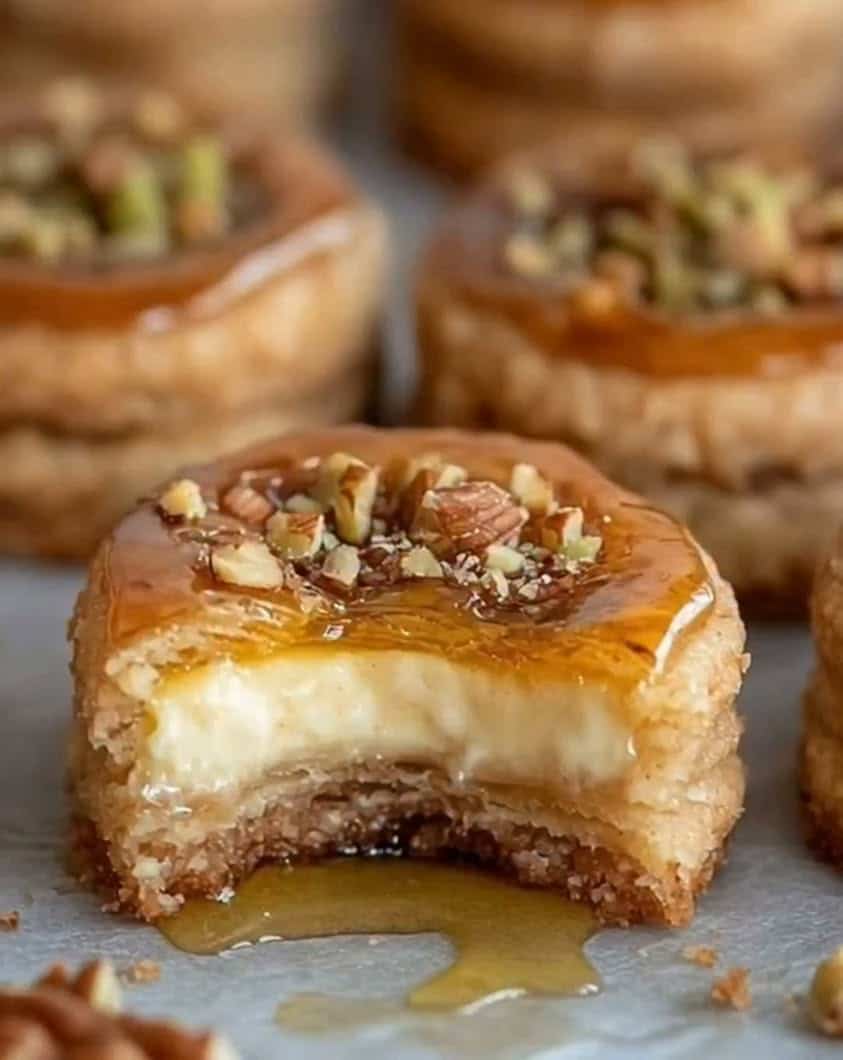
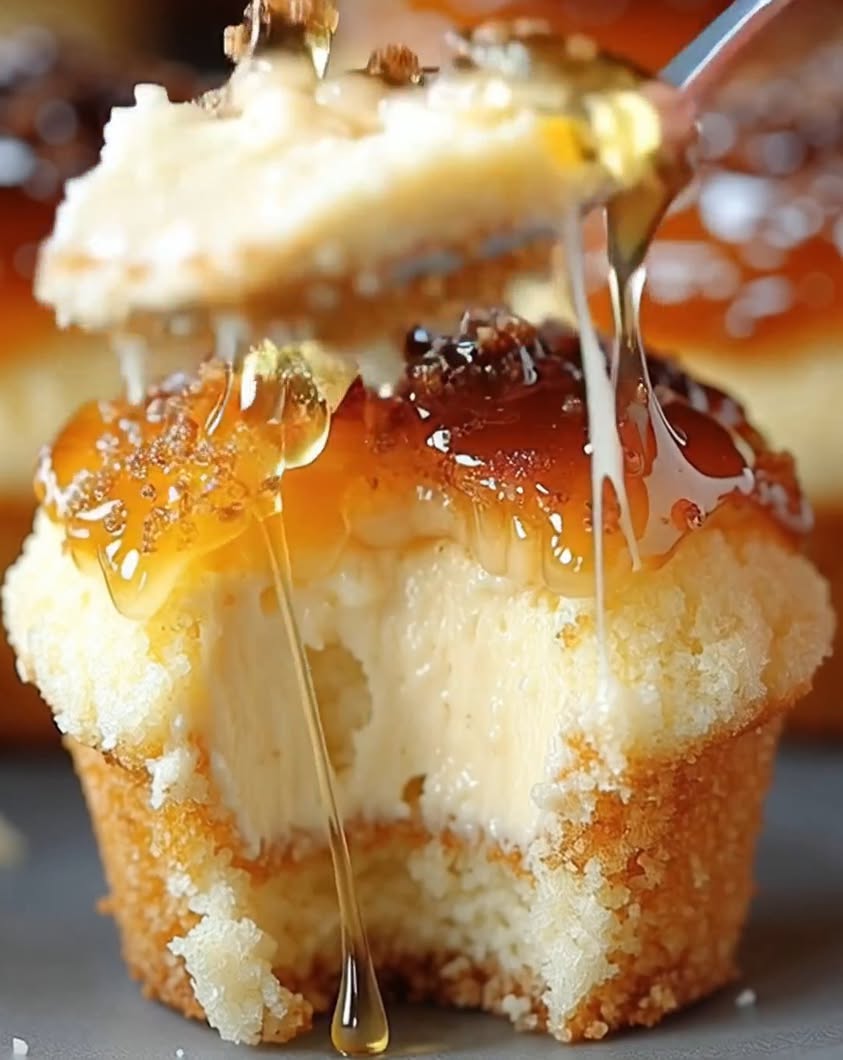
- Texture: You experience a delightful contrast in every bite. First, your spoon cracks through the glass-like caramelized sugar shell. Then, it sinks into the impossibly creamy, dense-yet-light cheesecake filling, which sits atop a crunchy graham cracker crust.
- Aroma: As they bake, the kitchen fills with the warm, comforting scent of vanilla and cream cheese. After torching, the unmistakable aroma of caramelized sugar adds a final, enticing note that promises a delicious treat.
- Visual Appeal: These individual desserts are stunning. The golden-brown, jewel-like sugar tops shimmer and catch the light, while the speckled vanilla bean filling peeks through from below. They look professionally made yet wonderfully rustic.
- Skill Level Needed: This recipe is ideal for bakers with some experience who are comfortable with techniques like a water bath. However, clear instructions make it achievable for confident beginners willing to follow steps carefully for perfect results.
- Special Equipment: You will need a standard muffin tin, a kitchen torch for brûléeing, and potentially a blender or food processor for the crust. Aluminum foil and a roasting pan create the improvised water bath for baking.
Recipe Overview
- Difficulty Level: We classify these Vanilla Bean Crème Brûlée Cheesecake Cupcakes as intermediate. The process involves multiple components: making the crust, preparing the filling, executing a water bath, and finally, the caramelizing step. Each stage is straightforward, but attention to detail is key for the signature texture and presentation.
- Category: This dessert falls squarely into the special occasion and baking projects category. It is a celebratory treat, perfect for impressing guests or enjoying as a weekend baking challenge. Furthermore, it combines elements of custards, cheesecakes, and candy-making.
- Cuisine: The recipe is a beautiful fusion of French and American dessert traditions. It borrows the caramelized sugar technique from the classic French crème brûlée and marries it with the rich, creamy structure of an American-style cheesecake. The result is a modern, hybrid dessert.
- Cost: The cost is moderate, primarily due to the cream cheese and real vanilla bean paste. Using high-quality vanilla is a worthwhile investment here for authentic flavor. Other ingredients like graham crackers, sugar, and eggs are typically pantry staples, keeping overall expense manageable.
- Season: These cupcakes are truly a year-round delight. They feel light enough for spring and summer gatherings yet rich and comforting for fall and winter holidays. The vanilla flavor is universally appealing and never feels out of season.
- Occasion: They are perfect for dinner parties, birthdays, Valentine’s Day, Mother’s Day, or Thanksgiving. Their individual serving size makes them excellent for potlucks or buffets. Ultimately, they turn any meal into a special event.
Why You’ll Love This Recipe
First and foremost, the taste and texture of these Vanilla Bean Crème Brûlée Cheesecake Cupcakes are utterly divine. The flavor is deeply vanilla-forward, thanks to the real bean paste, which provides a floral, complex note that artificial extracts lack. Meanwhile, the texture journey is what dreams are made of. You get the immense satisfaction of tapping through that brittle sugar canopy into the cloud-like, tangy cheesecake below, all anchored by a buttery, sandy crust. Every element complements the others perfectly, creating a dessert that feels both familiar and excitingly new.
From a convenience standpoint, these individual desserts offer significant benefits. Unlike a large cheesecake that requires careful slicing and plating, these are already perfectly portioned. This makes serving a crowd incredibly easy and elegant. Moreover, the bake time is significantly shorter than a full-sized cheesecake, getting you to dessert faster. The make-ahead potential is another huge advantage; you can bake and chill them a day or two in advance, then simply torch the tops just before serving for that spectacular fresh, warm caramelized finish.
While not a health food, this recipe does allow for control over ingredients. You can choose full-fat or reduced-fat cream cheese based on preference. Using real vanilla bean paste means you are avoiding artificial flavors. Furthermore, because they are portion-controlled, it is easier to enjoy a single, satisfying treat without the temptation of a whole cake sitting on the counter. The protein from the cream cheese and eggs also provides a more satiating dessert compared to one based solely on sugar and flour.
The social and entertaining value of these cupcakes cannot be overstated. They are an undeniable showstopper. The dramatic act of torching the sugar tops right before serving adds a fantastic interactive element to any dinner party. Guests are always amazed and delighted by the professional presentation. Consequently, these Vanilla Bean Crème Brûlée Cheesecake Cupcakes become a talking point and a memorable highlight of the meal, showcasing your skill and care as a host.
Finally, considering the cost-effectiveness, making these at home is far more economical than ordering a similar dessert from a high-end bakery. While vanilla bean paste is an investment, a little goes a long way. The rest of the ingredients are affordable and accessible at any grocery store. By preparing these Vanilla Bean Crème Brûlée Cheesecake Cupcakes yourself, you achieve a luxurious, restaurant-quality dessert for a fraction of the price, making it an accessible treat for special moments at home.
Historical Background and Cultural Significance
The story of this dessert is a modern tale of culinary fusion. Individually, both cheesecake and crème brûlée boast long and storied histories. Cheesecake, in various forms, dates back to ancient Greece, where it was served to athletes at the first Olympic Games. The modern, creamy version we know today, made with cream cheese, is a distinctly American innovation from the 19th century. Crème brûlée, meaning “burnt cream” in French, has contested origins between France, England, and Spain, but its iconic hard caramelized sugar top has made it a symbol of refined European dessert cuisine for centuries.
Combining these two classics into a cupcake format is a brilliant example of contemporary baking trends. It reflects a desire for individual servings, textural contrast, and the blending of global culinary ideas. The Vanilla Bean Crème Brûlée Cheesecake Cupcake is a product of the food blogging and social media era, where creative bakers constantly seek to innovate and combine beloved flavors in new formats. It honors tradition while embracing a modern, accessible presentation.
The evolution of this specific recipe hinges on technique adaptation. The traditional crème brûlée is a baked custard, while cheesecake is a set custard with a cream cheese base. Merging them required adjusting ratios and baking methods. The key innovation was applying the water bath technique, typically used for full cheesecakes and crème brûlées, to a muffin tin. This ensures the delicate filling sets gently without curdling or cracking, which is essential for that signature creamy texture in the final Vanilla Bean Crème Brûlée Cheesecake Cupcakes.
Regional variations of this concept are already emerging. Some bakers might infuse the cheesecake layer with citrus zest, matcha, or chocolate. Others might alter the crust, using crushed gingersnaps, vanilla wafers, or even nut-based gluten-free alternatives. The brûlée topping itself can be varied with different sugars, like turbinado or coconut sugar, which impart subtle flavor and color differences. This adaptability ensures the core concept of the Vanilla Bean Crème Brûlée Cheesecake Cupcake can be personalized endlessly while maintaining its delightful structural and textural premise.
Ingredient Deep Dive
Cream Cheese: This is the undisputed star of the filling, providing the tangy, rich base that defines cheesecake. Culturally, cream cheese is a relatively young ingredient, invented in New York in the 1870s. For nutritional benefits, it offers protein and calcium, though it is also high in fat. Always use full-fat, brick-style cream cheese at room temperature for a smooth, lump-free filling. Low-fat varieties contain more water and stabilizers, which can affect texture and cause weeping. Store unopened packages in the fridge and use within two weeks of opening for best results.
Vanilla Bean Paste: This ingredient elevates the flavor from simple to sublime. Vanilla originates from Mexico, with a complex history of cultivation. The paste contains the seeds scraped from vanilla pods suspended in a thick syrup, delivering intense flavor and those desirable black specks. It provides a more robust and authentic taste than extract. When selecting it, look for a paste with a high concentration of seed specks. Store it in a cool, dark place. If you must substitute, use an equal amount of pure vanilla extract, though the visual speckles will be absent.
Graham Crackers: They form the classic American cheesecake crust, offering a sweet, slightly honeyed, and crunchy foundation. Graham crackers were originally created in the 19th century as part of a vegetarian diet movement. For the crust, you will pulse them into fine crumbs. You can use store-bought crumbs for convenience. For a gluten-free version, certified gluten-free graham crackers or other gluten-free cookies work perfectly. To enhance flavor, you can toast the crumbs lightly in the oven before mixing with butter. Store unused crackers in an airtight container to maintain crispness.
Granulated Sugar: Sugar plays two critical roles. First, it sweetens the cheesecake filling. Second, it is sprinkled on top and caramelized to create the brûlée crust. Sugar has a long global history tied to trade and colonialism. In the filling, it balances the tang of the cream cheese. For the topping, a thin, even layer is crucial for a proper crack. Superfine sugar can caramelize more evenly. Always ensure the cheesecake surface is completely dry before sprinkling the sugar for torching. Store sugar in an airtight container in a dry place to prevent clumping.
Eggs: Eggs are the binding agent that gives the cheesecake its structure and smooth, custardy texture. They provide protein and essential nutrients. Use large eggs at room temperature to ensure they incorporate smoothly into the cream cheese mixture without overbeating, which can incorporate too much air and cause cracking. The eggs cook gently in the water bath, setting the filling. For storage, always keep eggs refrigerated. There is no direct substitute for eggs in this recipe, as they are essential for setting. However, for a denser texture, some recipes use only egg yolks.
Common Mistakes to Avoid
- Using Cold Ingredients: Never use cold cream cheese or eggs. Cold cream cheese will never become smooth; it will leave lumps in your batter. Similarly, cold eggs can cause the mixture to break or curdle. Always plan ahead to bring these ingredients to room temperature for at least an hour.
- Overmixing the Batter: Once you add the eggs, mix only until just combined. Overbeating incorporates excess air, which expands during baking and then collapses as the cupcakes cool. This leads to cracks, sinking centers, and a less dense, creamy texture.
- Skipping the Water Bath: The water bath is non-negotiable. It creates a humid, gentle baking environment that cooks the eggs slowly and evenly. Without it, the edges will overcook and puff up while the center remains underdone, almost certainly resulting in major cracks across the top.
- Improper Sealing for the Water Bath: If you do not wrap your muffin tin securely in foil, water will seep into the cupcake liners, making the crust soggy. Use heavy-duty foil and wrap the entire bottom and sides of the tin tightly to create a waterproof seal.
- Overbaking: Cheesecake is done when the edges are set but the center still has a slight jiggle, like Jell-O. It will continue to set as it cools. Overbaking leads to a dry, grainy texture and increases the chance of cracking. Set a timer and check early.
- Torching Wet Tops: Attempting to caramelize sugar on a damp cheesecake surface is a recipe for disaster. The sugar will dissolve into a sticky syrup instead of forming a hard shell. After chilling, gently blot any condensation on the surface with a paper towel before sprinkling sugar.
- Using the Wrong Sugar for Brûlée: While regular granulated sugar works, superfine or caster sugar has smaller crystals that melt and caramelize more evenly and quickly. Avoid using brown sugar or powdered sugar, as they contain moisture or other ingredients that will burn or melt poorly.
- Not Chilling Long Enough: Rushing the chilling process means the cheesecake will not be fully set. This makes it difficult to torch and can cause the topping to sink. For best results, chill the baked and cooled Vanilla Bean Crème Brûlée Cheesecake Cupcakes for at least 4 hours, preferably overnight.
- Uneven Sugar Layer: Sprinkling a thick, uneven layer of sugar will result in some spots burning before others melt. Aim for a very thin, even coating. A fine-mesh sieve is the perfect tool for dusting on an even, controlled layer of sugar.
- Storing with the Brûlée Topping On: Once torched, the sugar topping will begin to soften and dissolve from ambient humidity after a few hours. For the best texture, always torch the sugar just before you plan to serve the cupcakes.
Essential Techniques
Room Temperature Ingredients: This is the foundational technique for a smooth batter. Room temperature cream cheese blends seamlessly with sugar, creating a silky base without lumps. Cold cream cheese forces you to overmix, incorporating unwanted air. Similarly, room-temperature eggs integrate more readily, preventing the batter from breaking. To master this, simply take the cream cheese, eggs, and sour cream out of the refrigerator 60-90 minutes before you start baking. The visual cue for success is cream cheese that is soft to the touch but not greasy or melted.
Creating a Water Bath for a Muffin Tin: The water bath is critical for gentle, even heat. First, you wrap the entire muffin tin tightly in heavy-duty aluminum foil to prevent leaks. Then, place the foil-wrapped tin inside a larger roasting pan. Finally, you pour hot water into the roasting pan until it comes about halfway up the sides of the muffin tin. The common pitfall is a poor foil seal, which lets water in and ruins the crust. The visual cue for success is steam rising gently in the oven, creating a humid environment without any water sloshing into the cupcake wells.
The Jiggle Test for Doneness: Unlike cakes, cheesecakes are done when the center is still slightly wobbly. At the end of the bake time, gently shake the muffin tin. The edges should look set and slightly puffed, but the center of each cupcake should have a distinct, small jiggle—like Jell-O. If the center is liquid and sloshes, it needs more time. If the entire surface is firm and does not move, it is overbaked. This technique prevents a dry, cracked result and ensures the creamy texture of your Vanilla Bean Crème Brûlée Cheesecake Cupcakes.
Caramelizing with a Kitchen Torch: This technique creates the signature crackly top. Use a handheld culinary torch. Hold the flame about 2 inches from the sugar surface and move it constantly in small, slow circles. Do not hold it in one spot, or you will burn the sugar. The sugar will first melt, then bubble, and finally turn a deep amber color. The common pitfall is impatience, leading to uneven caramelization or blackened spots. The visual cue for success is a uniformly golden-brown, glossy surface that hardens almost immediately as it cools.
Pro Tips for Perfect Vanilla Bean Crème Brûlée Cheesecake Cupcakes
For an extra-crisp crust, mix your graham cracker crumbs with the melted butter and a pinch of salt, then press firmly into the liners using a small glass or tamper. Pre-bake this crust for 5 minutes before adding the filling to prevent sogginess.
Ensure your cream cheese is truly room temperature. If you are short on time, you can cut the brick into small cubes and let them sit on a plate for 20-30 minutes; they will warm up much faster than a whole block.
When making the filling, scrape down the bowl and beaters thoroughly several times. Hidden pockets of unmixed cream cheese are the main cause of lumps in the final baked product.
To prevent cracks, after baking, turn off the oven and prop the door open with a wooden spoon. Let the cupcakes cool in the turned-off, cracked-open oven for about an hour. This gradual temperature change minimizes shrinkage and cracking.
For the cleanest sugar torching, chill the baked cupcakes thoroughly, then pop them in the freezer for 15-20 minutes before adding sugar. The very cold surface helps the sugar caramelize quickly without melting into the cheesecake.
If you do not own a kitchen torch, you can use your oven’s broiler. Place the sugared cupcakes on a baking sheet and watch them closely under the broiler for 1-3 minutes until caramelized. However, this method offers less control than a torch.
Invest in good-quality, grease-proof cupcake liners. Standard paper liners can stick to the caramelized sugar topping when peeled, ruining your presentation. Grease-proof or foil liners release much more cleanly.
For a professional flourish, garnish each torched Vanilla Bean Crème Brûlée Cheesecake Cupcake with a single fresh berry, a mint leaf, or a tiny sprinkle of flaky sea salt just before serving to enhance both flavor and visual appeal.
Variations and Adaptations
Regional Variations: Explore global flavors by altering the crust. Use crushed speculoos cookies for a Belgian twist, crushed digestive biscuits for a British flair, or even crushed *biscoff* cookies. For a tropical note, incorporate a tablespoon of rum or coconut cream into the cheesecake batter and use a toasted coconut crust.
Seasonal Adaptations: In the fall, add a teaspoon of pumpkin pie spice to the crust and a swirl of pumpkin puree into the filling. For winter, fold in crushed peppermint candies to the filling and garnish with a candy cane piece. In spring, top with a fresh strawberry slice after torching, or add lemon zest to the batter for a bright, sunny flavor.
Dietary Modifications: For a gluten-free version, use certified gluten-free graham crackers or almond flour mixed with a little sugar and butter for the crust. For a lower-sugar option, use a sugar substitute approved for baking in the filling, though note that the brûlée topping requires real sugar to caramelize properly.
Flavor Variations: Infuse the cream cheese mixture with other extracts like almond or coconut. Swirl in fruit purees like raspberry or mango before baking. For a chocolate version, add ¼ cup of sifted cocoa powder to the filling and use an Oreo cookie crust instead of graham cracker.
Texture Modifications: For an even creamier texture, use only egg yolks instead of whole eggs. For a firmer, more New York-style bite, add a tablespoon of all-purpose flour or cornstarch to the filling mixture to help stabilize it further.
Presentation Alternatives: Skip the cupcake liners and bake directly in greased ramekins for a more traditional crème brûlée look. You can also make a larger version in a springform pan, then use a large torch or broiler to caramelize the entire surface before slicing and serving.
Serving and Presentation Guide
Plating Techniques: Serve each Vanilla Bean Crème Brûlée Cheesecake Cupcake on a small dessert plate or in a shallow bowl. The contrast against a dark plate makes the golden sugar top truly pop. You can remove the paper liner for a cleaner look, but do this after torching and just before plating to maintain structural integrity.
Garnishing Ideas: A simple garnish adds color and flavor contrast. A single perfect raspberry, a blackberry, or a twist of lemon zest are elegant choices. A tiny mint leaf provides a fresh aroma. For a decadent touch, drizzle a thread of salted caramel or chocolate sauce on the plate beside the cupcake.
Traditional Accompaniments: These rich cupcakes often need little accompaniment. However, a dollop of lightly sweetened whipped cream or a spoonful of fresh berries on the side is a classic pairing. The tartness of the berries cuts through the richness beautifully.
Modern Serving Suggestions: For a dinner party, present them on a tiered dessert stand. Offer small spoons for the perfect bite. You can also create a dessert board with an assortment of torched cupcakes, fresh fruit, nuts, and sauces for a interactive, shareable sweet course.
Temperature Considerations: The ideal serving temperature is cool, not ice-cold. Take the chilled cupcakes out of the refrigerator about 10-15 minutes before you plan to torch and serve them. This allows the flavors to bloom and the texture to soften slightly. The sugar topping, however, should be freshly torched and served warm for the best crack.
Portion Control Tips: The beauty of this recipe is its built-in portion control. Each standard cupcake is a satisfying single serving. For a larger crowd, you can make mini versions using a mini muffin tin, adjusting the bake time downward. Conversely, for a more dramatic presentation, use jumbo muffin tins.
Wine and Beverage Pairing
Wine Pairings: The rich, creamy, and sweet profile of Vanilla Bean Crème Brûlée Cheesecake Cupcakes calls for wines with good acidity to cleanse the palate. A late-harvest Riesling or a Sauternes with their honeyed apricot notes are sublime matches. A demi-sec Champagne or sparkling wine provides a festive contrast with its bubbles and acidity. For red wine lovers, a light, fruity Beaujolais can work surprisingly well.
Non-Alcoholic Alternatives: Sparkling apple cider or a ginger beer offer effervescence and spice that cut through the richness. A cold glass of whole milk is a nostalgic and perfect pairing. For a more sophisticated option, try a vanilla cream soda or a homemade lavender lemonade to complement the floral vanilla notes in the dessert.
Coffee/Tea Pairings: Coffee is a classic partner. A medium-roast coffee or a espresso provides a bitter counterpoint to the sweet dessert. For tea, opt for a strong black tea like Earl Grey, whose bergamot notes are lovely with vanilla, or a smoky Lapsang Souchong for a bold contrast. Chai tea, with its warm spices, is another excellent companion.
Temperature Considerations: Serve your paired beverage at its ideal temperature—chilled for dessert wines and sparkling options, hot for coffee and tea. The contrast between the cool cheesecake and a warm drink, or the synergy between a chilled dessert and a chilled wine, is part of the sensory experience.
Serving Suggestions: Offer a selection of pairing options if serving a crowd. Place carafes of coffee and pots of tea on the table alongside the plated Vanilla Bean Crème Brûlée Cheesecake Cupcakes. For wine, a half-bottle of Sauternes or a few splits of Champagne allow guests to enjoy a perfect pairing without opening a full bottle.
Storage and Shelf Life
Storage Methods: Store un-torched Vanilla Bean Crème Brûlée Cheesecake Cupcakes in an airtight container in the refrigerator. Layer them between sheets of parchment paper if stacking is necessary. The sugar topping should only be added immediately before serving, as it will soften and dissolve in the fridge’s humidity.
Temperature Requirements: These cupcakes must be kept refrigerated at all times before serving due to the dairy and egg content. The ideal fridge temperature is 40°F (4°C) or below. They should not be left at room temperature for more than two hours total.
Container Recommendations: A large, shallow airtight container is best, as it minimizes movement and potential damage to the delicate tops. You can also store them on a plate tightly wrapped with plastic wrap, ensuring the wrap does not touch the surface of the cheesecakes.
Signs of Spoilage: Discard the cupcakes if you notice any off smells, such as sourness or fermentation. Visible mold, an excessively wet or slimy surface, or a significant change in texture are all clear indicators that the dessert is no longer safe to eat.
Reheating Instructions: Do not reheat the cheesecake component. However, if you have leftover torched cupcakes with softened tops, you can briefly re-crisp the sugar with your kitchen torch for a few seconds just before eating. Do not use a microwave, as it will make the cheesecake hot and the texture gummy.
Freezing Guidelines: You can freeze the baked and cooled (but un-torched) cupcakes for up to 1 month. Wrap each one individually in plastic wrap, then place them in a heavy-duty freezer bag or airtight container. Thaw overnight in the refrigerator before torching and serving. Note that the texture may be slightly denser after freezing.
Make Ahead Strategies
Prep Timeline: These cupcakes are an excellent make-ahead dessert. You can bake them up to 2 days in advance. After they cool completely, store them airtight in the refrigerator. The crust actually benefits from this time, becoming firmer. On the day of serving, simply torch the sugar tops 10-15 minutes before you plan to serve dessert.
Storage Between Steps: After baking and the initial cool-down in the oven, let the cupcakes come to room temperature on the counter (about 1 hour). Then, cover the muffin tin with plastic wrap and refrigerate for at least 4 hours, or overnight. Do not remove them from the tin until fully chilled, as they are too fragile when warm.
Quality Impact Assessment: Making them ahead has minimal negative impact and can even improve the texture, allowing the flavors to meld and the filling to set perfectly. The only element that cannot be made ahead is the caramelized sugar topping, which must be done fresh.
Assembly Tips: For a streamlined party plan, have your chilled cupcakes on a serving platter, a small bowl of sugar with a teaspoon ready, and your kitchen torch fueled and handy. This allows you to torch the entire batch quickly between dinner and dessert service.
Reheating Guidelines: There is no need to reheat the cheesecakes themselves. Serving them cool is ideal. The only “reheating” is the act of torching the cold sugar, which creates the warm, crisp topping against the cool, creamy base—the signature contrast of the dessert.
Fresh Element Additions: All garnishes like fresh berries, mint, or sauce drizzles should be added after torching and immediately before serving. This ensures the berries are bright, the mint is perky, and the sauces maintain their intended texture and appearance.
Scaling Instructions
Halving the Recipe: Halving this recipe for Vanilla Bean Crème Brûlée Cheesecake Cupcakes is straightforward. Simply divide all ingredient quantities by two. You will yield approximately 6 cupcakes. Use a standard 6-cup muffin tin. The bake time may be slightly reduced by 3-5 minutes, so rely on the jiggle test for doneness. All other techniques, including the water bath, remain the same.
Doubling or Tripling: Doubling or tripling is perfect for large events. Use multiple muffin tins and ensure you have a roasting pan large enough to accommodate them, or use separate pans. You may need to bake in batches if oven space is limited. Mix the filling in batches if your mixer bowl cannot comfortably hold a triple batch, as overfilling can lead to poor mixing. Increase the bake time slightly and watch carefully.
Equipment Adjustments: When scaling up, ensure you have enough cupcake liners, foil for wrapping, and a large enough roasting pan for the water bath. If using multiple tins, place them on the same oven rack if possible for even heating. If you must use two racks, rotate the tins front-to-back and top-to-bottom halfway through baking.
Timing Modifications: A larger batch of filling may mean your mixer runs longer to incorporate ingredients. Be vigilant not to overmix. The bake time will increase marginally with more tins in the oven, as it lowers the overall oven temperature slightly. Start checking for doneness at the original time, then add time in 3-minute increments.
Storage Considerations: Scaling up means you will have more leftovers. Ensure you have adequate airtight storage containers in the refrigerator. Remember, the torched topping is best done fresh, so only torch the number of Vanilla Bean Crème Brûlée Cheesecake Cupcakes you plan to serve immediately, storing the rest un-topped.
Nutritional Deep Dive
Macro Breakdown: A single Vanilla Bean Crème Brûlée Cheesecake Cupcake is a rich dessert. It is high in fats from the cream cheese, butter, and egg yolks, which provide the luxurious mouthfeel and satiety. Carbohydrates come primarily from the graham cracker crust and the granulated sugar in both the filling and topping. Protein is present from the cream cheese and eggs, making it more substantial than a dessert based solely on flour and sugar.
Micronutrient Analysis: This dessert provides calcium from the dairy, which is essential for bone health. Eggs contribute choline, important for brain function, and various B vitamins. Vanilla beans contain small amounts of minerals like potassium, magnesium, and manganese. However, it is important to view these cupcakes as an occasional treat rather than a significant source of micronutrients.
Health Benefits: When enjoyed in moderation as part of a balanced diet, desserts like this contribute to psychological well-being and the joy of eating. The protein and fat content can help stabilize blood sugar compared to a purely sugary treat, leading to a more sustained energy release rather than a sharp spike and crash.
Dietary Considerations: This standard recipe contains gluten (graham crackers), dairy (cream cheese, sour cream), and eggs. It is not suitable for those with allergies or intolerances to these ingredients without modification. The sugar content is also significant, so individuals monitoring blood sugar should be mindful of portion size.
Portion Analysis: The cupcake format provides natural portion control, which is a key advantage. One cupcake is a satisfying serving that fulfills a dessert craving without the open-ended temptation of a whole cake. This can help with mindful eating and preventing overconsumption.
Weight Management Tips: If you are watching your calorie intake, you can enjoy half a cupcake as a portion. Share the other half with someone. Furthermore, you can use reduced-fat cream cheese and sour cream, though the texture may be slightly less rich. Remember, the focus should be on savoring a high-quality, satisfying treat in moderation rather than daily consumption.
Dietary Adaptations
Gluten-free: To make gluten-free Vanilla Bean Crème Brûlée Cheesecake Cupcakes, simply replace the graham crackers with an equal amount of certified gluten-free graham crack Print
Vanilla Bean Crème Brûlée Cheesecake Cupcakes
- Total Time: 45 minutes
- Yield: 4
Description
A decadent fusion dessert combining creamy vanilla bean cheesecake with a caramelized crème brûlée topping, baked in individual cupcake portions for a perfect single-serve treat.
Ingredients
- 1 cup graham cracker crumbs
- 3 tablespoons unsalted butter, melted
- 16 ounces cream cheese, softened
- 1/2 cup granulated sugar
- 2 large eggs
- 1 vanilla bean, seeds scraped (or 2 teaspoons vanilla extract)
- 1/2 cup sour cream
- 1/4 cup heavy cream
- 1/4 cup turbinado sugar (for topping)
Instructions
- Preheat oven to 325°F (160°C). Line a muffin tin with 12 cupcake liners.
- Mix graham cracker crumbs with melted butter until combined. Press about 1 tablespoon into the bottom of each liner to form a crust.
- In a large bowl, beat cream cheese and granulated sugar until smooth. Add eggs one at a time, mixing well after each.
- Stir in vanilla bean seeds, sour cream, and heavy cream until fully incorporated and creamy.
- Divide the cheesecake batter evenly among the liners, filling each about 3/4 full.
- Bake for 20-25 minutes, or until the centers are set but still slightly jiggly. Let cool completely, then refrigerate for at least 4 hours or overnight.
- Before serving, sprinkle about 1 teaspoon of turbinado sugar evenly over each cupcake. Use a kitchen torch to caramelize the sugar until bubbly and golden. Let cool for 1 minute before serving.
Notes
You can customize the seasonings to taste.
- Prep Time: 15 minutes
- Cook Time: 30 minutes
- Method: Main
- Cuisine: American