Lemon Custard Cake Recipe: A Light, Creamy Dessert Dream
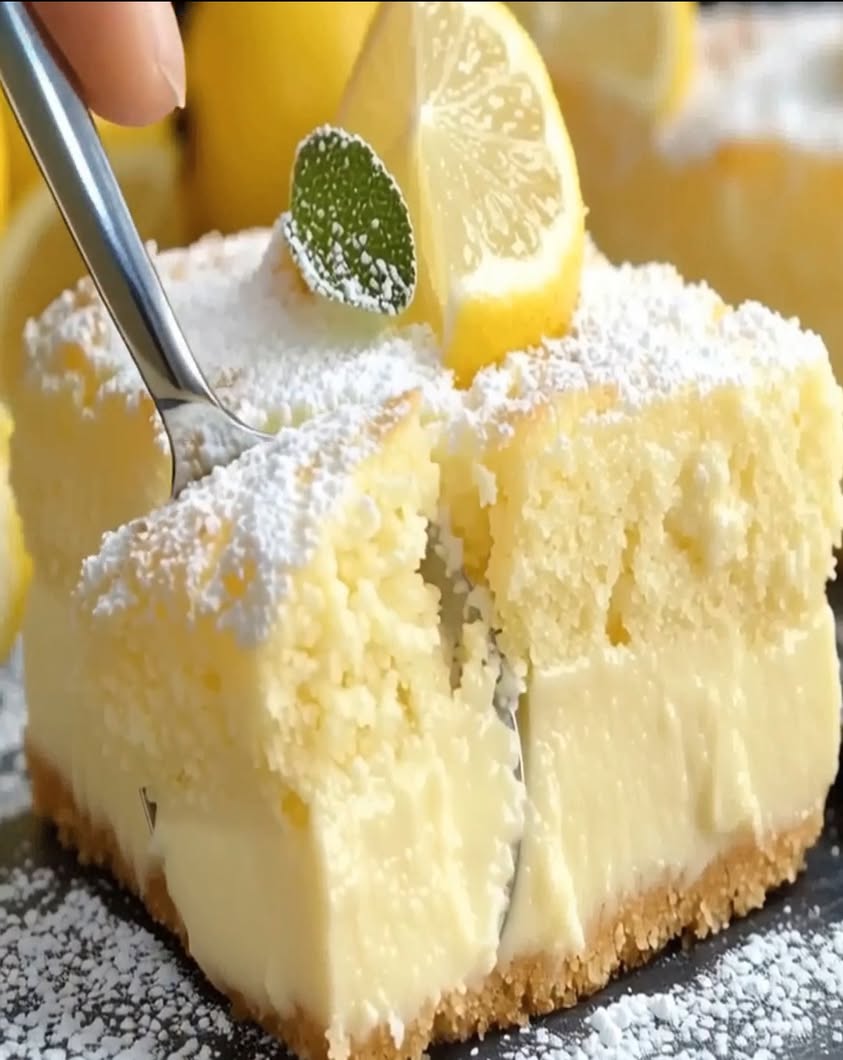
Imagine a dessert that magically separates into two perfect layers while baking. This incredible lemon custard cake recipe creates exactly that. Consequently, you get a light, creamy custard base crowned with a soft, airy sponge cake topping. Every bite delivers a burst of fresh lemon flavor that is both bright and comforting. Ultimately, this dessert feels elegant yet comes together with simple pantry staples.
This cake is a true conversation starter. Furthermore, its unique texture combination is a delightful surprise for anyone expecting a standard cake. The contrast between the rich, silky bottom and the fluffy top is simply magical. Importantly, it is not overly sweet, allowing the zesty lemon to shine through beautifully. As a result, it is the perfect finale for a spring brunch or a light summer dinner.
Many home bakers adore this recipe because it looks impressive but requires no fancy techniques. In fact, you only need a bowl, a whisk, and a basic baking dish. The oven does all the hard work, performing the culinary magic of layer separation. Therefore, if you are seeking a show-stopping dessert that is deceptively easy, this lemon custard cake recipe is your answer.
Quick Recipe Highlights
- Flavor Profile: This cake features a dominant, sunny lemon flavor that is both tart and sweet. Additionally, subtle vanilla notes provide a warm background that balances the citrus perfectly. The overall taste is refreshing and clean, never cloying.
- Texture: The magic lies in the dual textures. You get a luxurious, silky-smooth baked custard base. Meanwhile, the top bakes into a tender, cloud-like sponge cake that melts in your mouth.
- Aroma: While baking, your kitchen will fill with the irresistible scent of sweet citrus and vanilla. Subsequently, the fresh lemon aroma promises a bright, flavorful dessert that is hard to resist.
- Visual Appeal: The cake presents a beautiful golden-brown sponge top. Once sliced, the stunning contrast between the pale yellow custard and the airy cake layer is visually striking.
- Skill Level Needed: This is an ideal recipe for bakers of all levels, especially beginners. Importantly, it requires basic mixing skills and patience, not advanced pastry techniques.
- Special Equipment: You need only standard kitchen tools: a mixing bowl, whisk, 8×8 inch baking dish, and a fine mesh sieve. A hand mixer is helpful but not strictly necessary for success.
Recipe Overview
- Difficulty Level: We rate this lemon custard cake recipe as easy. The steps are straightforward, involving simple mixing and folding. However, achieving the perfect separation relies on precise ingredient temperatures and gentle folding, which requires a bit of care. Following the instructions closely guarantees a magical result every time.
- Category: This dessert falls squarely into the category of comforting baked custards and simple cakes. It is perfect for afternoon tea, a light dessert, or a special brunch offering. Moreover, its elegant presentation makes it suitable for celebratory meals as well.
- Cuisine: While the specific origins are debated, this style of magic cake or self-separating cake has roots in European home baking. The prominent use of lemon gives it a Mediterranean or American South flair, reminiscent of classic lemon bars and pudding cakes.
- Cost: This is a very budget-friendly dessert. The primary ingredients are eggs, sugar, flour, butter, milk, and lemons. All are inexpensive pantry staples. Consequently, you can create an impressive dessert for a crowd without straining your grocery budget.
- Season: Lemon custard cake is truly a year-round treat. However, it shines brightest in the spring and summer months. The bright citrus flavor pairs perfectly with warmer weather and seasonal berries. It also brings a ray of sunshine to gloomy winter days.
- Occasion: This versatile cake suits many occasions. Serve it at a casual family dinner, a festive potluck, or a more formal gathering. Its light nature makes it an excellent choice after a heavy meal. It is also a wonderful treat for Mother’s Day or Easter celebrations.
Why You’ll Love This Recipe
First and foremost, the taste and texture of this lemon custard cake are utterly divine. The vibrant lemon flavor wakes up your palate, while the creamy custard provides luxurious richness. Conversely, the sponge cake topping adds a delightful airy contrast. This combination creates a complex eating experience from a simple list of ingredients. Every forkful is a perfect balance of tart, sweet, and creamy sensations that will have you reaching for a second slice.
Furthermore, the convenience of this recipe is a major win. You can prepare the entire batter in about fifteen minutes with minimal cleanup. There is no need for layers, frosting, or complicated decorating. Simply mix, pour, and bake. The oven handles the transformation, leaving you free to prepare the rest of your meal or simply relax. This makes it an ideal last-minute dessert option when you need something impressive without hours of work.
From a nutritional perspective, this dessert offers some advantages over heavier alternatives. While it is still a treat, the prominent lemon provides a dose of vitamin C and antioxidants. The eggs contribute protein and essential nutrients. Because the cake is not overly sweet, it satisfies your dessert craving without the sugar crash often associated with richer confections. You can enjoy a reasonable portion feeling perfectly content.
For entertaining, this lemon custard cake recipe is a true gem. It consistently wows guests with its elegant appearance and surprising texture. People will ask how you made it, and you can proudly share the simple secret. It travels well for potlucks and can be made ahead of time, reducing party-day stress. Serving it with fresh berries or a dollop of whipped cream elevates it even further for special occasions.
Finally, the cost-effectiveness and accessibility seal the deal. You do not need expensive specialty ingredients or equipment. Everything required is likely already in your kitchen. This affordability means you can bake it often, turning a simple weeknight into something special. It is a dessert that feels indulgent and fancy but is wonderfully humble and approachable at its core.
Historical Background and Cultural Significance
The exact origin of the magic custard cake, or self-separating cake, is charmingly obscure. Many food historians trace similar concepts to Depression-era baking, where home cooks maximized simple ingredients. The technique likely evolved from older pudding cake recipes, where a wet batter creates its own sauce during baking. This particular lemon custard cake recipe represents a beautiful refinement of that thrifty, ingenious approach to dessert making.
Culturally, cakes that feature a pronounced separation of texture hold a special place in various culinary traditions. For instance, the Portuguese “Pudim Molotov” and the French “Flan Parisien” showcase similar principles of egg-based separation. The American version, often simply called “Magic Cake,” gained immense popularity through food blogs and social media in the 2010s. The lemon variation taps into a timeless love for citrus desserts across Mediterranean and American cuisines.
The evolution of this recipe is a testament to home baker innovation. Initially, basic vanilla was the standard flavor. Over time, creative bakers began incorporating different extracts, citrus zests, and even chocolate. The lemon variation became a standout favorite for its ability to cut through the richness with bright acidity. This adaptability shows how a great foundational recipe can inspire endless delicious variations, keeping it relevant for generations.
Regional variations of this concept are fascinating. In some European traditions, the cake might be baked in a water bath for an even more delicate custard. Other versions incorporate a dusting of powdered sugar or a fruit compote topping. The American iteration, including this lemon custard cake recipe, often prioritizes simplicity and ease, forgoing the water bath for a straightforward bake. This accessibility is key to its enduring and widespread appeal.
Ingredient Deep Dive
Fresh Lemons: The star of the show, fresh lemons are non-negotiable for the best flavor. Lemon juice and zest provide volatile oils and acids that bottled juice cannot replicate. Historically, lemons were a prized commodity traded along spice routes, valued for their ability to prevent scurvy. Nutritionally, they are packed with vitamin C and antioxidants. For this cake, choose firm, heavy lemons with vibrant yellow skin. Always zest them before juicing for the easiest workflow.
Eggs: Eggs are the architectural wonder of this lemon custard cake recipe. They perform three critical functions: the yolks enrich the custard layer, the whites, when whipped, provide lift for the sponge layer, and the whole eggs help bind the batter. Use large eggs at room temperature; this is crucial for proper emulsification and volume. They are a fantastic source of high-quality protein and choline. If needed, you can pasteurize eggs at home for safety without affecting the recipe’s outcome.
All-Purpose Flour: Flour provides the necessary structure for the sponge cake layer to form and set. A small amount is used, just enough to give the batter body without making it dense. It is important to sift the flour to prevent lumps in the thin batter. For a gluten-free adaptation, a 1:1 gluten-free flour blend typically works well. Store flour in a cool, dry place to maintain its quality and prevent any off-flavors from developing.
Whole Milk & Butter: Dairy adds essential richness and moisture. Whole milk contributes to the creamy custard texture, while melted butter provides flavor and fat for a tender crumb. Using full-fat dairy is recommended for the best mouthfeel and layer separation. For dietary adaptations, full-fat canned coconut milk can be a successful substitute for both, though it will impart a subtle coconut flavor. Ensure your milk and melted butter are not too hot when added to avoid cooking the eggs.
Granulated Sugar: Sugar sweetens the cake and also plays a functional role. It helps stabilize the whipped egg whites and contributes to the tender texture of the sponge. In the custard layer, it balances the sharp acidity of the lemon. You can adjust the quantity slightly based on your preference for tartness. For even distribution, always whisk the sugar thoroughly with the egg yolks at the beginning of the recipe.
Common Mistakes to Avoid
- Using Cold Ingredients: This is the most common pitfall. Cold egg whites will not whip to proper volume, and cold milk can cause the melted butter to solidify. Always bring eggs and milk to room temperature for a smooth, homogenous batter that separates correctly.
- Overmixing the Final Batter: After folding in the whipped egg whites, the batter will be thin and lumpy. That is perfectly normal. Overmixing at this stage deflates the egg whites and can prevent the distinct layers from forming. Fold gently until just combined.
- Not Sifting the Flour: Even a small amount of flour can create unpleasant lumps in the thin batter. Always sift your flour directly into the wet mixture. This extra step ensures a silky-smooth custard base without any floury pockets.
- Under-whipping or Over-whipping Egg Whites: Egg whites should be whipped to soft peaks that hold their shape but still have a slight curl. Stiff, dry peaks are difficult to fold in and may not integrate properly. Conversely, under-whipped whites will not provide enough lift for the sponge layer.
- Using the Wrong Pan Size: An 8×8 inch square pan is ideal. A larger pan will result in layers that are too thin and may overbake. A smaller, deeper pan may prevent proper cooking in the center and upset the baking time. Use the recommended size for guaranteed results.
- Opening the Oven Door Early: Patience is key. Opening the oven door during the first 40 minutes of baking can cause a draft that makes the delicate cake fall. Trust the process and use the light to check on color. The cake is done when the top is golden and the center barely jiggles.
- Skipping the Cooling Step: The custard layer continues to set as the cake cools. Cutting into it while hot will result in a runny mess. Allow it to cool completely in the pan, then chill it for the cleanest slices and perfect texture.
- Not Greasing the Pan: While the batter is wet, a properly greased pan ensures easy release and clean edges. Use butter or baking spray on the bottom and sides. Lining the bottom with parchment paper is an extra insurance policy for perfect removal.
Essential Techniques
Whipping Egg Whites to Soft Peaks: This technique is fundamental for creating the airy sponge topping. Start with a perfectly clean, grease-free bowl and room temperature egg whites. Whip on medium speed until foamy, then gradually increase speed. Soft peaks are achieved when the whites hold a shape that gently folds over when the whisk is lifted. This stage incorporates maximum air while retaining enough moisture for easy folding. The visual cue is a glossy, white foam that is not yet grainy or clumpy.
Tempering Eggs with Warm Liquid: Tempering prevents the eggs from scrambling when combined with warm milk and butter. Slowly drizzle the warm liquid into the egg yolk mixture while whisking constantly. This gradually raises the temperature of the eggs. The key is a slow, steady stream and vigorous whisking to create a smooth, emulsified base. The mixture should thicken slightly and become homogenous, with no streaks of cooked egg.
The Gentle Fold: Folding is the technique of incorporating whipped egg whites into a heavier batter without deflating them. Use a large silicone spatula and cut down through the center of the batter, sweep across the bottom, and fold over the top. Rotate the bowl as you work. The goal is not a perfectly smooth batter; it will be thin and a bit frothy with some streaks of white. This unevenness is what leads to the magical separation during baking.
Pro Tips for Perfect Lemon Custard Cake
First, zest your lemons directly over the bowl containing the sugar and egg yolks. The natural oils from the zest will infuse the sugar with incredible fragrance, amplifying the lemon flavor throughout the entire cake.
Second, use a light-colored metal baking pan. Dark pans can cause the bottom custard layer to overbake or brown too quickly, potentially affecting the delicate texture.
Third, place your baking dish on a sheet pan before putting it in the oven. This makes handling the thin, liquid batter much easier and prevents spills in your oven.
Fourth, test for doneness by giving the pan a gentle nudge. The center should have a slight, creamy jiggle, similar to a cheesecake, while the edges are set. The top will be a beautiful golden brown.
Fifth, for the cleanest slices, use a sharp knife dipped in hot water and wiped clean between each cut. This glides through the delicate layers without dragging or tearing the sponge.
Finally, garnish just before serving. A dusting of powdered sugar, fresh berries, or a mint leaf adds visual appeal and complementary flavors without making the cake soggy if stored.
Variations and Adaptations
Regional Variations: Explore global twists on the custard cake concept. For a tropical version, use lime zest and juice and add a tablespoon of toasted coconut to the batter. A Mediterranean adaptation could feature orange blossom water and a garnish of pistachios. These small changes transport the basic recipe to different culinary landscapes while maintaining its magical structure.
Seasonal Adaptations: Tailor your lemon custard cake recipe to the calendar. In fall, add a teaspoon of ground ginger or cardamom to the batter for warmth. For a winter holiday version, fold in a handful of fresh cranberries that will sink into the custard layer. Spring calls for a swirl of raspberry puree in the batter, and summer is perfect for a topping of macerated peaches or nectarines.
Dietary Modifications: This cake is wonderfully adaptable. For a gluten-free version, use a reliable cup-for-cup gluten-free flour blend. To make it dairy-free, substitute the milk with full-fat canned coconut milk and use a high-quality vegan butter. Note that these substitutions may slightly alter the texture but will still yield a delicious, layered dessert.
Flavor Variations: While lemon is classic, do not be afraid to experiment. Try using key lime juice for a sharper, more tropical profile. A vanilla bean or almond extract can create a different but equally delightful flavor base. For a rich twist, replace two tablespoons of flour with sifted cocoa powder for a chocolate custard cake variation.
Serving and Presentation Guide
Plating this cake is part of the fun. For a casual family style, serve it directly from the baking dish with a large spoon. For more formal presentation, run a knife around the edges, lift out using parchment paper, and place on a cake stand. Cut into neat squares or rectangles. The visual reveal of the dual layers is the star, so choose a plain, contrasting plate that makes the pale yellow custard and golden sponge stand out.
Garnishing adds the final touch of elegance. A simple dusting of confectioners’ sugar is timeless. Fresh berries—raspberries, blueberries, or strawberries—add color and a complementary tartness. A dollop of barely-sweetened whipped cream or a drizzle of lemon curd amplifies the citrus theme. For a herbaceous note, a tiny sprig of mint or lemon thyme looks beautiful and adds aroma.
Consider traditional and modern accompaniments. Traditionally, this cake needs nothing more than a cup of tea or coffee. For a modern twist, serve it with a scoop of vanilla bean ice cream or a berry sorbet for a temperature contrast. A small glass of dessert wine, like a Moscato d’Asti or a late-harvest Riesling, makes it a truly special occasion dessert.
Wine and Beverage Pairing
Choosing the right wine enhances the lemon custard cake experience. A sparkling wine like Prosecco or Champagne is a brilliant pairing. The bubbles cut through the richness of the custard and complement the citrus notes. Alternatively, a slightly sweet German Riesling or a French Vouvray with its honeyed apple flavors balances the cake’s tartness beautifully. The key is to select a wine that is as refreshing as the dessert itself.
For non-alcoholic alternatives, consider a sparkling lemonade or an herbal iced tea. A homemade lavender lemonade echoes the floral notes in the cake. Ginger beer provides a spicy kick that contrasts with the creamy texture. Iced mint tea is another refreshing option that cleanses the palate between bites, making each taste as bright as the first.
Coffee and tea pairings are classic for a reason. A medium-roast coffee with low acidity won’t compete with the lemon. For tea, Earl Grey is sublime—the bergamot complements the citrus perfectly. A delicate chamomile or peppermint tea offers a soothing, caffeine-free end to a meal. Always serve these beverages at their ideal temperature to contrast with the cool, creamy cake.
Storage and Shelf Life
Proper storage is essential for maintaining the perfect texture of your lemon custard cake. First, cool the cake completely in its pan. Then, cover it tightly with plastic wrap or transfer slices to an airtight container. Store it in the refrigerator. The cold environment helps the custard layer set firmly and prevents spoilage. Properly stored, the cake will remain fresh and delicious for up to 3-4 days.
Recognizing signs of spoilage is important for food safety. If the cake develops an off smell, a slimy surface texture, or visible mold, discard it immediately. The high dairy and egg content means it is perishable. Always keep it refrigerated and avoid leaving it at room temperature for more than two hours to prevent bacterial growth.
Freezing is possible but with caveats. The custard layer may undergo slight textural changes upon thawing, becoming a bit grainier. If you choose to freeze, wrap individual slices tightly in plastic wrap and then place them in a freezer bag. Thaw overnight in the refrigerator. We do not recommend reheating this cake, as heat will melt the delicate custard. Serve it chilled or at cool room temperature.
Make Ahead Strategies
This lemon custard cake recipe is an excellent candidate for make-ahead preparation. You can prepare the entire batter, pour it into the greased pan, cover it tightly with plastic wrap, and refrigerate it for up to 24 hours before baking. This allows the flavors to meld and can simplify your day-of entertaining schedule. Let the pan sit at room temperature for 20-30 minutes before baking as directed.
For the best quality, bake the cake the day you plan to serve it. After baking and cooling, you can store it, covered, in the refrigerator for up to a day. The flavors actually improve slightly after a rest. Add any fresh garnishes like berries, whipped cream, or powdered sugar just before serving to maintain their texture and visual appeal.
If you need to prepare components further in advance, you can pre-measure your dry ingredients and zest your lemons a day ahead. Store the flour mixture and lemon zest in separate containers at room temperature. Having everything ready streamlines the mixing process and gets your dessert in the oven faster when you are ready to bake.
Scaling Instructions
Halving this recipe is straightforward for a smaller household. Simply divide all ingredient quantities by two. Use a smaller baking dish, such as a 6×6 inch square pan or a standard loaf pan. The baking time may need to be reduced by 5-10 minutes; start checking for doneness early. The layers will still form beautifully, providing the same magical experience in a more intimate portion size.
Doubling or tripling the recipe for a crowd requires careful attention. Double all ingredients precisely. Do not attempt to mix a double batch in a standard mixer bowl; mix in two separate batches and combine them gently. You will need to use a larger baking vessel, like a 9×13 inch pan. The baking time will increase, potentially by 15-25 minutes. Monitor closely for the golden top and set yet jiggly center.
When scaling, consider your equipment capacity. A standard hand mixer may struggle with tripling egg whites; you may need to work in batches. Oven temperature and pan material become even more critical for even cooking. A light-colored pan is highly recommended to prevent over-browning on the bottom when using a deeper batter volume.
Nutritional Deep Dive
Understanding the nutritional profile helps you enjoy this dessert mindfully. A typical serving provides a balance of carbohydrates from sugar and flour, protein from eggs and milk, and fats from butter and egg yolks. The lemon contributes a small amount of vitamin C and antioxidants. This is an energy-dense food, so portion control is key. One square is a satisfying serving that fits into a balanced diet.
The cake’s macronutrient breakdown leans towards carbohydrates and fats, which provide the energy and rich mouthfeel. The protein content, primarily from eggs, helps with satiety. While it contains sugar, the prominent lemon flavor and lack of heavy frosting keep the overall sweetness in check compared to many other desserts. You can further reduce the sugar slightly if you prefer a more tart profile.
For those monitoring specific dietary goals, this cake can be part of a flexible plan. Its satisfying nature can prevent overindulgence in less nutritious sweets. Pairing a small slice with a serving of fresh fruit or a protein-rich beverage like a glass of milk can create a more balanced snack. Always remember, treats like this lemon custard cake recipe are about enjoyment and quality, not just quantity.
Dietary Adaptations
Gluten-Free: Adapting this recipe for a gluten-free diet is simple. Replace the all-purpose flour with an equal amount of a high-quality 1:1 gluten-free flour blend that contains xanthan gum. Brands like Bob’s Red Mill or King Arthur Measure for Measure work reliably. The texture may be slightly more delicate, but the magical separation will still occur. Ensure all other ingredients, like baking powder, are certified gluten-free.
Dairy-Free: To create a dairy-free lemon custard cake, use plant-based alternatives. Substitute the whole milk with full-fat, canned coconut milk for the best richness and fat content. Replace the butter with a vegan butter stick that bakes well, such as Miyoko’s or Earth Balance. The result will have a subtle coconut flavor that pairs wonderfully with lemon. The layers will form just as they do in the original version.
Vegan: A vegan adaptation is more challenging due to the critical role of eggs, but not impossible. Use a commercial egg replacer for the yolks and aquafaba (chickpea brine) whipped to soft peaks for the whites. Replace dairy with plant-based milk and butter. The separation may be less defined, and the texture will differ, but you can still achieve a delicious, lemony baked pudding cake. It is an experiment worth trying for those avoiding animal products.
Troubleshooting Guide
Texture Issues: If your cake did not separate into distinct layers, the most likely culprit is overmixing the final batter or ingredient temperatures. Next time, ensure all ingredients are room temperature and fold the egg whites very gently until just combined. A thin, lumpy batter is correct. If the custard is runny, the cake likely needed more baking time or more thorough chilling before serving.
Flavor Balance: If the cake tastes too eggy, you may have overcooked it or not used enough lemon. Always use both zest and juice for maximum flavor. If it is bland, consider adding a pinch of salt to the batter to enhance all the flavors. A teaspoon of high-quality vanilla extract can also round out the flavor profile and add depth beyond just lemon.
Equipment Challenges: If the bottom is over-browned or burned, your oven temperature may be too high, or you may be using a dark metal pan. Use an oven thermometer to verify accuracy and switch to a light-colored aluminum pan. If the top is pale, move the rack to a higher position for the last few minutes of baking, but watch it closely to prevent burning.
Recipe Success Stories
The community response to this lemon custard cake recipe has been overwhelmingly positive. Many home bakers report that it was their first “magic cake” attempt and they were thrilled with the stunning results. One reader shared how she now makes it for every family gathering, and it has become her signature dessert. Another mentioned that her children love the “science experiment” aspect of watching the single batter transform into two layers in the oven.
Readers have also shared brilliant adaptations. One person added a layer of fresh blueberries to the bottom of the pan before pouring in the batter, creating a lemon-blueberry custard cake. Another successfully made it with Meyer lemons for a sweeter, more floral twist. These stories highlight the recipe’s versatility and how it inspires creativity in the kitchen, building confidence for bakers at all levels.
Photography tips from successful bakers emphasize natural light. Shooting a slice on a simple plate with a drizzle of lemon curd and a fork beside it tells the story. The cross-section shot is the most important—it showcases the beautiful layers that make this dessert so special. Many find that a slightly underbaked center, which remains extra creamy, photographs even more enticingly.
Frequently Asked Questions
Q: Can I use bottled lemon juice instead of fresh?
A: We strongly recommend fresh lemons. Bottled juice lacks the bright, volatile oils and fresh acidity that zest and fresh juice provide. The flavor difference is noticeable. For the best lemon custard cake, fresh is non-negotiable.
Q: Why is my batter so thin and runny?
A: This is completely normal and correct! The batter should be very thin, almost like heavy cream. Do not be alarmed. This consistency is what allows the layers to separate during baking. A thick batter will not work for this magical recipe.
Q: How do I know when the cake is done baking?
A: The top will be a lovely golden brown, and the edges will be set. The center should have a slight, creamy jiggle when you gently shake the pan—similar to a cheesecake. It will firm up significantly as it cools and chills.
Q: Can I make this cake in a round pan?
A: Yes, an 8-inch or 9-inch round cake pan will work. Adjust the baking time slightly; a round pan may bake a few minutes faster due to different surface area. Still check for the golden top and jiggly center for doneness.
Q: My cake didn’t separate. What went wrong?
A: The most common reasons are overmixing the final batter or using ingredients that were not at room temperature. Ensure your eggs and milk are warm to the touch, and fold the egg whites gently until just combined, leaving some streaks.
Q: Is it necessary to chill the cake before serving?
A: Yes, chilling is crucial. It allows the custard layer to set completely, making it sliceable and giving it the perfect creamy, silky texture. Serving it warm will result in a runny custard. Patience is rewarded here.
Q: Can I add other flavors to the batter?
A: Absolutely. A teaspoon of vanilla extract, almond extract, or even a tablespoon of poppy seeds are wonderful additions. Just be cautious with adding wet ingredients, as they can alter the batter consistency and affect the layer separation.
Q: How should I store leftovers?
A: Cover the baking dish tightly with plastic wrap or transfer slices to an airtight container. Store in the refrigerator for up to 4 days. The texture remains excellent, though the sponge top may soften slightly from condensation.
Q: Can I freeze lemon custard cake?
A: You can, but with texture changes. The custard may become slightly grainy upon thawing. If freezing, wrap individual slices tightly and thaw in the refrigerator overnight. It will still taste good but may not be as perfectly silky.
Q: What’s the best way to zest a lemon?
A: Use a fine microplane zester. Gently rub the lemon against it, rotating to get only the bright yellow zest, not the bitter white pith underneath. Do this directly over your mixing bowl to capture all the fragrant oils.
Additional Resources
If you loved this lemon custard cake recipe, explore other recipes in our collection that feature similar techniques or flavors. Our classic vanilla magic cake is the foundational recipe that started it all. For more citrus delights, try our key lime pie bars or orange olive oil cake. Each recipe builds confidence with fundamental baking skills while delivering impressive, delicious results.
For mastering the techniques used here, we have detailed guides on how to whip egg whites to perfect peaks and the science of tempering eggs. Understanding these methods will improve all your baking projects, from soufflés to custards. We also recommend investing in a good digital oven thermometer and a fine mesh sieve—two tools that elevate baking precision and consistency.
Finally, consider seasonal variations. In winter, a cranberry-orange version of this cake is spectacular. For a summer party, a raspberry-lemon twist is always a hit. Baking is a journey of exploration, and this versatile recipe is a wonderful vehicle for your creativity. We encourage you to make it your own and share your delicious successes.
PrintLemon Custard Sponge Cake
- Total Time: 45 minutes
- Yield: 4
Description
Light, creamy, and bursting with fresh lemon flavor—this cake bakes into a silky custard base with a soft, airy sponge topping.
Ingredients
- 4 large eggs, separated
- 1 cup granulated sugar
- 1/2 cup all-purpose flour
- 1/4 cup unsalted butter, melted
- 1 cup whole milk
- 1/4 cup fresh lemon juice
- 2 tablespoons lemon zest
- 1 teaspoon vanilla extract
- Pinch of salt
- Powdered sugar for dusting
Instructions
- Preheat oven to 350°F (175°C). Grease a 9-inch round baking dish.
- In a large bowl, beat egg yolks and sugar until pale and creamy. Stir in flour, melted butter, milk, lemon juice, lemon zest, and vanilla until smooth.
- In a separate bowl, beat egg whites with a pinch of salt until stiff peaks form. Gently fold egg whites into the lemon mixture until just combined.
- Pour batter into prepared baking dish. Bake for 30-35 minutes, until top is golden and custard base is set.
- Let cake cool slightly, then dust with powdered sugar before serving warm or at room temperature.
Notes
You can customize the seasonings to taste.
- Prep Time: 15 minutes
- Cook Time: 30 minutes
- Method: Dessert
- Cuisine: American