The Perfect Avocado Tomato Onion Salad Recipe in 10 Minutes
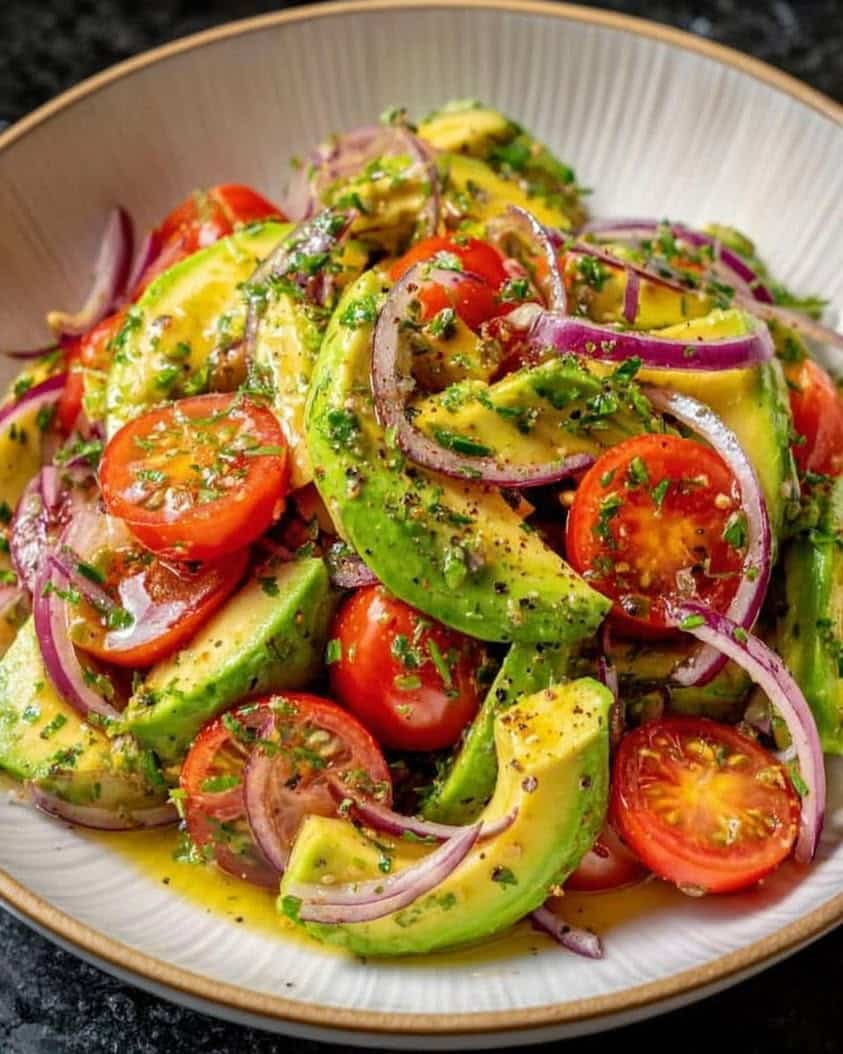
Looking for a quick, refreshing, and utterly delicious side dish that comes together in minutes? This Avocado Tomato Onion Salad recipe in 10 minutes is exactly what you need. It combines creamy avocado, juicy tomatoes, and sharp red onion with a simple lemon dressing. The result is a vibrant and satisfying salad that complements any meal. Moreover, this easy avocado tomato onion salad is packed with fresh flavors and healthy fats.
As a result, you get a dish that is both nutritious and incredibly flavorful. The creamy avocado pairs perfectly with the sweet burst of cherry tomatoes. Meanwhile, the red onion adds a pleasant bite that balances the richness. This combination creates a taste sensation that is hard to beat. I make this salad at least twice a week because it is so versatile. It goes with grilled chicken, fish, or even a simple bowl of soup. You will love how quickly it comes together without any cooking required.
Consequently, this avocado tomato onion salad recipe in 10 minutes has become a staple in my kitchen. The best part is that you can customize it based on what you have in your pantry. Add some fresh corn, black beans, or a sprinkle of cilantro for extra flavor. Because it requires no heat, it is perfect for hot summer days. It is also a fantastic way to use up ripe avocados and tomatoes. Truly, this is the ultimate no-cook recipe for busy weeknights.
Quick Recipe Highlights
- Flavor Profile: This salad offers a bright and zesty taste with creamy undertones from the avocado. The lemon juice adds acidity, while the red onion provides a sharp kick. It is a perfect balance of savory and fresh.
- Texture: You will experience a delightful contrast between the smooth, buttery avocado and the firm, juicy tomatoes. The onion adds a satisfying crunch. This mix of textures makes every bite interesting.
- Aroma: The dominant aromatic note is fresh citrus from the lemon dressing. You also get a subtle earthy scent from the avocado and a pungent hint from the red onion. These aromas promise a refreshing meal.
- Visual Appeal: The vibrant green of the avocado contrasts beautifully with the bright red tomatoes and the purple-white rings of onion. This colorful presentation makes the salad visually stunning. It looks as good as it tastes.
- Skill Level Needed: This recipe is perfect for absolute beginners. There is no cooking, no complex techniques, and no special skills required. If you can chop vegetables, you can make this salad.
- Special Equipment: You only need a sharp knife, a cutting board, and a mixing bowl. No blender, food processor, or stovetop is necessary. This makes cleanup incredibly easy.
Recipe Overview
- Difficulty Level: I chose an easy difficulty because the recipe involves only simple chopping and tossing. There are no intricate steps or timing concerns. Anyone can master this avocado tomato onion salad recipe in 10 minutes on their first try.
- Category: This dish fits perfectly as a side salad, a light lunch, or a topping for grilled proteins. It also works well as a chunky salsa for tacos or nachos. Its versatility makes it a go-to recipe.
- Cuisine: While inspired by fresh Mexican flavors, this salad has roots in simple American home cooking. The combination of avocado, tomato, and onion is universal. It echoes the freshness of Mediterranean and Latin American cuisines.
- Cost: The ingredients are very affordable. Avocados are reasonably priced, especially in season. Tomatoes and onions are among the cheapest vegetables. A single lemon costs only cents. This salad is a budget-friendly choice.
- Season: Summer is the absolute best season for this salad. Tomatoes are at their peak sweetness, and avocados are plentiful. However, you can make it year-round with consistently good results from supermarket produce.
- Occasion: This salad is perfect for backyard barbecues, potlucks, and family dinners. It also shines as a quick weekday lunch. Its vibrant appearance makes it suitable for more formal gatherings, too.
Why You will Love This Recipe
The taste and texture appeal of this avocado tomato onion salad recipe in 10 minutes is undeniable. The creamy avocado melts in your mouth, while the tomatoes burst with sweet juice. The red onion provides a sharp contrast that wakes up your palate. This combination creates a harmonious blend of flavors and textures. Every forkful delivers a satisfying experience. It is both light and indulgent at the same time. You will find yourself craving this salad often.
Convenience and preparation benefits are major reasons to love this recipe. It takes exactly ten minutes from start to finish. There is no cooking, no waiting for a marinade, and no complicated steps. You simply chop, mix, and serve. This makes it perfect for busy weeknights when you need a healthy side dish quickly. Additionally, it requires only one bowl and a knife. Cleanup is a breeze. You will appreciate how little effort it demands for such a delicious outcome.
Nutritional advantages are another compelling reason to make this salad. Avocados are packed with heart-healthy monounsaturated fats. Tomatoes are rich in lycopene and vitamin C. Red onions provide antioxidants and fiber. This combination creates a nutrient-dense dish that supports overall health. Moreover, it is naturally gluten-free, dairy-free, and vegan. You can enjoy it without worrying about dietary restrictions. It is a guilt-free indulgence that nourishes your body.
Social and entertaining value cannot be overstated. This avocado tomato onion salad recipe in 10 minutes is a crowd-pleaser. Its bright colors and fresh flavors impress guests immediately. You can serve it as a dip with tortilla chips or as a side dish alongside grilled meats. It also works beautifully as a topping for taco bars. Because it takes no time to prepare, you can make it while guests mingle. This leaves you free to enjoy the party too.
Cost-effectiveness and accessibility make this recipe a winner for any budget. Avocados are often on sale, and tomatoes are inexpensive year-round. Red onions and lemons are kitchen staples that cost very little. In fact, you can make this entire salad for under five dollars. It uses simple ingredients that are available at any grocery store. You do not need to visit a specialty market. This makes it an accessible recipe for everyone, regardless of location or budget.
Historical Background and Cultural Significance
The origin story of the avocado tomato onion combination traces back to ancient Mesoamerica. Avocados were first cultivated in Central America over 7,000 years ago. Tomatoes also originated in the same region. Onions have been grown worldwide for millennia. However, the specific combination of these three ingredients became popular in Mexican cuisine. It eventually made its way north into the United States through Tex-Mex cooking. This fusion created the base for many modern salads.
Cultural importance of this combination is significant in modern American cooking. It represents the blending of culinary traditions. Immigrants brought these fresh flavors to the United States. Over time, the avocado tomato onion salad became a staple in many households. It symbolizes fresh, healthy, and simple cooking. This recipe reflects our desire for meals that are both nutritious and delicious. It also highlights the importance of using fresh, seasonal ingredients.
Evolution of the recipe has seen many variations over the years. Originally, it might have included hot peppers and cilantro. Today, countless adaptations exist worldwide. Some versions use balsamic vinegar instead of lemon juice. Others add corn, black beans, or mango. The basic three-ingredient core remains the same. However, home cooks have made it their own. This evolution shows how a simple idea can grow into countless delicious possibilities.
Regional variations of this salad are fascinating. In the American Southwest, people often add cumin and lime juice. In California, they might include citrus segments or fresh herbs. In Mexico, it is often served as a pico de gallo with jalapenos. In Mediterranean countries, they use olive oil and feta cheese. Each region puts its own spin on the basic avocado tomato onion combination. This demonstrates the universal appeal of these fresh ingredients. No matter where you are, this salad is a celebration of summer flavors.
Ingredient Deep Dive
Avocados have a rich cultural significance dating back to the Aztecs. They considered the fruit a symbol of love and fertility. The name avocado comes from the Aztec word ahuacatl. Nutritionally, avocados are extremely beneficial. They are loaded with healthy monounsaturated fats that support heart health. They also contain potassium, vitamin K, folate, and vitamin C. These nutrients make avocados a superfood. For selection, look for avocados that yield slightly to gentle pressure. They should feel heavy for their size. Avoid ones with dark spots or overly soft spots. For storage, keep unripe avocados at room temperature. Once ripe, store them in the refrigerator for up to three days. Substitution options include using mango or cucumber for a different texture. However, the creamy richness of avocado is hard to replicate.
Tomatoes have a fascinating journey from the New World to global cuisine. They were originally thought to be poisonous in Europe. Today, they are essential in countless dishes. Tomatoes are an excellent source of vitamin C, potassium, and lycopene. Lycopene is a powerful antioxidant linked to reduced cancer risk. For selection, choose tomatoes that are firm but yield slightly to pressure. They should have a deep, rich color and a sweet aroma. Avoid tomatoes with blemishes or soft spots. For storage, keep tomatoes at room temperature away from direct sunlight. Refrigeration can ruin their texture and flavor. Substitution options include using roasted red peppers or sun-dried tomatoes. However, fresh tomatoes provide the best juicy burst for this salad.
Red onions are a staple in kitchens around the world for their mild flavor and vibrant color. They have been cultivated for over 5,000 years and were prized by ancient Egyptians. Nutritionally, red onions are rich in quercetin, a powerful antioxidant. They also provide vitamin C, fiber, and chromium. This makes them beneficial for heart health and blood sugar control. For selection, look for onions that are firm and have dry, papery skins. They should feel heavy and have no soft spots. For storage, keep red onions in a cool, dark, dry place. Do not store them near potatoes, as they cause each other to spoil faster. Substitution options include white onion, shallots, or green onions. Each variation changes the flavor profile slightly.
Lemons add brightness and acidity that elevates the entire salad. They originate from Asia and have been grown for over 2,500 years. Lemons are packed with vitamin C, which supports immune function. They also contain citric acid, which helps prevent avocado from browning. For selection, choose lemons that are bright yellow and feel heavy for their size. The skin should be smooth and thin. For storage, keep lemons at room temperature for up to a week, or refrigerate them for longer life. Substitution options include lime juice, white wine vinegar, or apple cider vinegar. However, fresh lemon juice provides the most vibrant flavor.
Common Mistakes to Avoid
- Using underripe avocados is a common mistake. They will be hard and lack the creamy texture needed. Always check for slight give when pressing gently.
- Using overripe avocados leads to a mushy salad. The avocado will not hold its shape. Look for avocados without dark spots or excessive softness.
- Chopping ingredients too large results in uneven bites. You want each forkful to contain a bit of everything. Aim for uniform, bite-sized pieces.
- Chopping ingredients too small makes the salad mushy. The avocado may break down completely. Keep pieces around half an inch for best results.
- Skipping the salt is a major flavor mistake. Salt enhances all the other flavors in the salad. Do not forget to season adequately.
- Adding the lemon juice too early causes the onion to become too harsh. Let the salad sit for a few minutes before serving. This allows the flavors to meld.
- Not tasting before serving is a missed opportunity. You might need more salt, pepper, or acid. Always adjust seasoning to your preference.
- Storing leftovers without lemon juice leads to browning avocado. Always toss with extra lemon juice if storing. This prevents discoloration.
- Using a metal bowl can react with the lemon juice and alter the taste. Use glass, ceramic, or plastic instead. This ensures the purest flavor.
- Adding warm ingredients like grilled corn can wilt the salad. Ensure all components are at room temperature or chilled. This maintains the fresh texture.
Essential Techniques
Mastering the avocado cutting technique is crucial for this avocado tomato onion salad recipe in 10 minutes. Start by slicing the avocado lengthwise around the pit. Twist the two halves apart. Remove the pit by tapping it with a knife and twisting. Then, slice the flesh into a grid pattern while still in the skin. Scoop out the cubes with a spoon. This technique ensures uniform pieces without mashing the avocado. Common pitfalls include cutting too aggressively or using a dull knife. Visual cues for success include clean, distinct cubes that hold their shape. Practice this technique a few times to build confidence.
Properly dicing the red onion prevents it from being too overpowering. Start by cutting the onion in half through the root end. Remove the skin and make horizontal cuts toward the root. Then, make vertical cuts, leaving the root intact. Finally, chop crosswise for fine dice. This technique creates consistent pieces that release flavor evenly. A common mistake is cutting too close to the root, which leads to larger pieces. Alternatively, you can soak the diced onion in cold water for ten minutes. This reduces the pungency and makes it milder. Visual cues for success include small, even cubes that are similar in size to the tomatoes.
Whisking the dressing correctly ensures even coating on all ingredients. Combine lemon juice, olive oil, salt, and pepper in a small bowl. Whisk vigorously until the mixture becomes slightly emulsified. This means the oil and lemon juice combine temporarily. Pour the dressing over the salad and toss gently. A common pitfall is adding the dressing too quickly, which causes pooling at the bottom. Instead, drizzle slowly while tossing. Visual cues for success include a light, even coating on every piece of avocado and tomato. The salad should look glossy but not wet.
Folding the ingredients together requires a gentle touch to avoid crushing the avocado. Use a rubber spatula or large spoon. Start by coming from the bottom of the bowl and lifting the mixture upward. Turn the bowl and repeat. Continue this motion until everything is evenly distributed. A common mistake is stirring too vigorously, which turns the salad into mush. Visual cues for success include seeing distinct pieces of each ingredient without any one ingredient dominating. The salad should look like a beautiful mosaic of colors.
Pro Tips for Perfect Avocado Tomato Onion Salad
Use ripe but firm avocados for the best texture. They should give slightly to pressure but not feel mushy. This ensures they hold their shape in the salad. Another tip is to cut the tomatoes into uniform pieces. This creates a more visually appealing dish and ensures even flavor distribution. Always taste your tomatoes before using them. If they are not sweet enough, add a pinch of sugar to the dressing. This balances acidity and enhances natural sweetness.
Let the salad sit for five minutes after mixing to allow flavors to meld. This short rest allows the onion to mellow and the dressing to penetrate. However, do not wait too long, or the avocado may begin to brown. Serve this avocado tomato onion salad recipe in 10 minutes immediately for the best texture. Another pro tip is to add fresh herbs like cilantro or parsley for extra flavor. They add a fresh, bright note that elevates the entire dish. You can also add a dash of cumin or chili powder for warmth.
For a creamier texture, mash half of the avocado and leave the rest chunky. This creates a slightly saucier salad that clings to ingredients better. It also adds visual interest with varied textures. If you want to make this salad ahead of time, prepare the ingredients separately. Store the dressing in a separate container and combine just before serving. This prevents the avocado from browning and maintains freshness. You can also add a layer of plastic wrap directly on the surface of the salad.
Use a serrated knife for cutting tomatoes to avoid crushing them. The sawing motion cuts cleanly through the skin without squishing the flesh. This keeps the tomato pieces intact and presentable. For the dressing, use extra-virgin olive oil for the best flavor. It adds a fruity, peppery note that complements the other ingredients. Finally, season generously with sea salt or kosher salt. Salt brings out the natural flavors of the avocado, tomato, and onion. It is the most important seasoning in this dish.
Variations and Adaptations
Regional variations of this salad are endless. For a Tex-Mex twist, add fresh corn kernels and black beans. Sprinkle with cumin and chili powder for a smoky flavor. You can also add diced jalapeno for heat. For a Mediterranean version, add crumbled feta cheese and Kalamata olives. Use red wine vinegar instead of lemon juice for a different acid. Add fresh oregano or basil for an herbal note. These variations keep the basic avocado tomato onion salad exciting and new.
Seasonal adaptations allow you to enjoy this salad year-round. In summer, use peak-season heirloom tomatoes for incredible flavor. Add fresh peaches or nectarines for a sweet twist. In fall, use roasted butternut squash cubes instead of tomatoes. In winter, use grapefruit or orange segments to brighten the dish. In spring, add fresh peas and mint for a fresh taste. Each season brings new possibilities for this versatile recipe.
Dietary modifications make this salad suitable for almost any eating plan. For a keto-friendly version, increase the avocado and decrease the tomatoes. Add more olive oil for extra healthy fats. For a low-FODMAP version, use the green parts of green onions instead of red onion. Omit the garlic and use only lemon juice. For a Whole30 compliant salad, use high-quality olive oil and fresh lemon juice. This salad is naturally vegan, gluten-free, and dairy-free. It fits perfectly into any diet.
Flavor variations can transform this dish completely. Add a tropical twist with mango and lime juice. The sweetness of mango balances the tangy dressing. For an Asian-inspired version, use rice vinegar, sesame oil, and soy sauce. Add fresh cilantro and sliced chili for heat. For a smoky variation, add grilled corn and chipotle powder. These changes create entirely new flavor profiles from the same base ingredients. Experiment to find your favorite combination.
Texture modifications can change the mouthfeel of the salad. For a chunkier texture, cut all ingredients into larger pieces. This makes the salad more substantial and filling. For a smoother texture, dice everything finely. You can also mash some of the avocado to create a creamier base. For added crunch, toss in toasted pumpkin seeds or pine nuts. For a softer texture, use roasted tomatoes instead of fresh. Each variation offers a different eating experience.
Presentation alternatives make this salad suitable for any occasion. Serve it in a hollowed-out avocado half for an impressive appetizer. Use individual martini glasses for a party appetizer. For a family-style meal, serve it on a large platter surrounded by tortilla chips. You can also layer it in a jar for a portable lunch. These presentation ideas make the salad feel special and elegant.
Serving and Presentation Guide
Plating techniques for this avocado tomato onion salad recipe in 10 minutes can elevate its visual appeal. Use a wide, shallow bowl to spread the salad evenly. This showcases the vibrant colors of all three ingredients. Alternatively, use a ring mold to create a neat, stacked presentation. Remove the mold carefully to reveal a perfect circle of salad. Garnish with a sprig of fresh herb on top for a professional look. This simple technique impresses guests without extra effort.
Garnishing ideas add the final touch to this beautiful salad. A sprinkle of flaky sea salt enhances flavor and appearance. Add fresh microgreens or edible flowers for a gourmet touch. A drizzle of high-quality balsamic glaze adds sweetness and visual contrast. You can also top with toasted pepitas or pine nuts for crunch. Freshly cracked black pepper adds a fragrant note. These garnishes turn a simple salad into a stunning dish.
Traditional accompaniments for this salad include grilled meats and seafood. It pairs perfectly with grilled chicken, steak, or fish. It also works well as a topping for tacos, burritos, or nachos. Serve it alongside rice and beans for a complete meal. For a lighter option, use it as a topping for mixed greens. It also makes an excellent dip with tortilla chips or crackers. These accompaniments make the salad versatile and satisfying.
Modern serving suggestions include using this salad as a topping for toast. Spread the avocado mixture over crusty bread for a quick breakfast or lunch. You can also use it as a filling for wraps or sandwiches. For a low-carb option, serve it in lettuce cups or collard green wraps. It also works beautifully as a topping for grilled fish or shrimp tacos. These modern ideas keep the salad relevant and exciting for contemporary palates.
Temperature considerations are important for the best eating experience. Serve this salad at room temperature for the most vibrant flavors. Cold ingredients can mute the taste of the avocado and tomato. If you need to make it ahead, keep all ingredients chilled separately. Allow them to come to room temperature for about 15 minutes before serving. This ensures the flavors are at their peak. Avoid serving the salad hot or warm, as this can wilt the ingredients.
Portion control tips help you serve the right amount. For a side dish, plan for about one cup of salad per person. For a light lunch, increase to one and a half cups. For a main course with protein, serve two cups with added chicken or shrimp. This recipe yields four side servings or two main servings. Adjust portion sizes based on your needs and appetite. Remember, this salad is nutrient-dense, so a little goes a long way.
Wine and Beverage Pairing
Wine pairings for this avocado tomato onion salad recipe in 10 minutes should complement its fresh flavors. A crisp Sauvignon Blanc is an excellent choice. Its herbal notes match the avocado and tomato perfectly. A dry rosé also works well, with its bright acidity cutting through the richness. For red wine lovers, a light Pinot Noir offers berry notes that pair nicely. Avoid heavy reds like Cabernet Sauvignon, which can overpower the delicate flavors. These wine choices enhance the salad without competing with it.
Non-alcoholic alternatives are plentiful for this salad. Sparkling water with a squeeze of lime is refreshing and neutral. Herbal iced tea, especially mint or lemon balm, complements the ingredients. A simple limeade or lemonade also works beautifully. For a more sophisticated option, try a cucumber and mint spritzer. These drinks cleanse the palate and highlight the fresh flavors. They are also perfect for serving to guests of all ages.
Coffee and tea pairings are less common but can work for brunch. A light, floral green tea like jasmine complements the salad. Its delicate flavor does not overwhelm the fresh ingredients. For an afternoon serving, consider an iced green tea with a hint of honey. A cold brew coffee with low acidity can also work if served with a brunch spread. However, hot black coffee is not recommended as it can clash with the citrus notes. These pairings create a unique and enjoyable experience.
Temperature considerations for beverages are straightforward. Serve all beverages well-chilled to contrast with the room-temperature salad. Cold drinks refresh the palate between bites. For white wine, serve it between 45 and 50 degrees Fahrenheit. Rosé is best at 45 to 55 degrees. Avoid serving wine too cold, as it can mute the flavors. For non-alcoholic drinks, serve them over ice for maximum refreshment. These temperature tips ensure the best pairing experience.
Serving suggestions for beverages include using glassware that enhances the experience. Use stemmed wine glasses for wine to keep your hands from warming the bowl. For non-alcoholic drinks, use highball glasses with plenty of ice. Garnish drinks with fresh herbs or fruit slices for visual appeal. This attention to detail elevates the entire meal. Remember, the goal is to create a cohesive dining experience where everything complements each other.
Storage and Shelf Life
Storage methods for leftover avocado tomato onion salad require careful attention. The primary concern is avocado browning due to oxidation. To minimize this, press plastic wrap directly onto the surface of the salad. This prevents air from reaching the avocado. Alternatively, transfer the salad to an airtight container. Squeeze extra lemon juice over the top before sealing. This added acid helps slow the browning process. Store the container in the refrigerator immediately.
Temperature requirements are critical for food safety. Keep the salad at or below 40 degrees Fahrenheit at all times. Do not leave it at room temperature for more than two hours. This recipe contains perishable ingredients like avocado and tomato. Bacteria can grow quickly in the danger zone between 40 and 140 degrees. If you are serving it outdoors, place the bowl on ice to keep it cool. These precautions ensure the salad remains safe to eat.
Container recommendations for storage focus on reducing air exposure. Use glass or plastic containers with tight-fitting lids. Avoid metal containers, as they can react with the lemon juice and alter the flavor. Mason jars are an excellent option for storing individual portions. They create an airtight seal that preserves freshness. For best results, fill the container completely to minimize air space. If there is extra room, add a layer of plastic wrap on top before sealing.
Signs of spoilage are easy to identify with this salad. The most obvious sign is browning of the avocado. While not harmful, it is unappetizing. A strong, sour smell indicates fermentation and spoilage. If the salad smells off or has visible mold, discard it immediately. Slimy texture on any ingredient is another red flag. The tomatoes should remain firm, not mushy. Always trust your senses when determining if leftovers are still good to eat.
Reheating instructions are not applicable for this salad. This is a no-cook recipe meant to be served fresh or cold. Heating will destroy the texture of the avocado and make the tomatoes mushy. If you prefer a warm salad, add the avocado and tomato to a warm dish at the last minute. Never microwave this salad, as it will ruin the delicate flavors. The best approach is to enjoy it fresh or within a few hours of preparation.
Freezing guidelines for this salad are not recommended. Avocado and tomato have high water content and will become mushy when thawed. The texture will be completely ruined. If you have leftover salad that you cannot eat, consider making avocado toast instead. Spread the mixture on toast and freeze the toast for a quick breakfast. However, for best quality, simply prepare only what you will eat. This avocado tomato onion salad recipe in 10 minutes is best enjoyed fresh.
Make Ahead Strategies
Prep timeline for this salad is straightforward with proper planning. You can chop the tomatoes and red onion up to six hours in advance. Store them together in an airtight container in the refrigerator. However, do not cut the avocado until just before serving. The avocado will begin to brown within an hour of being cut. If you prepare the dressing ahead of time, shake it well before use. This ensures the oil and lemon juice are properly combined.
Storage between steps is critical for maintaining freshness. Keep the chopped tomatoes and onion in a sealed container. Place a paper towel in the bottom to absorb excess moisture. This prevents the vegetables from becoming watery. Store the dressing in a separate jar with a tight lid. Keep the avocado whole at room temperature until you are ready to use it. This preparation saves time while ensuring the best quality
Quality impact assessment is important when making this salad ahead. The texture of the avocado will suffer if cut too far in advance. It will become mushy and brown. The tomatoes may release some liquid over time. This can make the salad watery. However, the flavor of the onion will mellow and become sweeter. Overall, the salad is best within two hours of assembly. Beyond that, quality declines noticeably. Plan accordingly for your serving time.
Assembly tips for make-ahead preparation include layering ingredients carefully. When ready to serve, add the dressing and avocado last. Toss gently to combine without crushing the avocado. If you need to transport the salad, keep the dressing separate. Add it only after you arrive at your destination. This prevents the salad from becoming soggy during travel. You can also pack the avocado whole and cut it at your destination for maximum freshness.
Reheating guidelines do not apply to this salad. Instead, if you made the salad ahead and it seems dry, add a drizzle of fresh lemon juice. This revitalizes the flavors and adds moisture. If the avocado has browned slightly, scrape off the top layer. The salad underneath may still be perfect. You can also use leftover salad as a spread for sandwiches. This repurposes it in a way that masks any texture changes. These tips help you make the most of your leftovers.
Fresh element additions can revive a make-ahead salad. Add fresh herbs like cilantro or basil just before serving. These add a burst of flavor that masks any staleness. You can also add fresh corn kernels or diced cucumber for crunch. A sprinkle of fresh black pepper or red pepper flakes adds excitement. These small additions make the salad feel new again. They are especially useful if the salad has been sitting for a few hours.
Scaling Instructions
Halving the recipe is simple and straightforward. Use one avocado, one medium tomato, and half a small red onion. Use half the amount of lemon juice and olive oil. The seasoning should also be halved. Keep the same ratio of ingredients to maintain the balance of flavors. The prep time remains around five minutes for a smaller batch. This is perfect for a single serving or a light lunch.
Doubling or tripling the recipe requires a bit more consideration. Use two or three ripe avocados, two or three tomatoes, and one or one and a half red onions. Double or triple the dressing ingredients accordingly. The most important factor is using a large enough bowl. You need room to toss the ingredients without spilling. A large mixing bowl is essential for even distribution. The prep time will increase slightly due to the extra chopping, but it is still under 15 minutes.
Equipment adjustments are necessary when scaling up. Use a larger cutting board to accommodate more vegetables. A sharp chef knife is essential for efficient chopping. For the dressing, use a blender or a jar with a tight lid to emulsify properly. You may need multiple bowls if you are preparing a very large batch. For quantities exceeding six servings, consider making the salad in two separate batches. This ensures even mixing and prevents crushing the avocado.
Timing modifications are minimal when scaling this recipe. The chopping will take longer, but the actual mixing remains quick. Plan for an additional five minutes for every doubling of the recipe. The salad should still rest for five minutes after mixing. However, with larger quantities, the resting time may need to increase slightly. Allow the salad to sit for up to 10 minutes so the flavors meld properly. This ensures a consistent result regardless of batch size.
Storage considerations become more important with larger batches. Store any leftovers in multiple smaller containers rather than one large one. This reduces air exposure for each portion. It also allows you to take out only what you need. If you are making a large batch for a party, keep the dressing separate. Only dress the amount you are serving at once. This prevents the remaining salad from becoming soggy. These strategies keep large batches fresh and delicious.
Nutritional Deep Dive
Macro breakdown of this avocado tomato onion salad recipe in 10 minutes is impressive. A serving contains approximately 200 to 250 calories. The majority of these calories come from healthy fats in the avocado. Each serving provides about 15 to 20 grams of fat. It also contains 10 to 12 grams of carbohydrates, mostly from fiber. The salad is low in protein, with only 2 to 3 grams per serving. This makes it an excellent side dish rather than a main course. Pair it with grilled chicken or fish for a complete meal.
Micronutrient analysis reveals a wealth of vitamins and minerals. The avocado provides potassium, vitamin K, vitamin E, and folate. Tomatoes contribute vitamin C, vitamin A, and lycopene. Red onions offer quercetin, chromium, and vitamin C. Together, these ingredients create a nutrient-dense dish. You get over 20 percent of your daily vitamin C needs in one serving. The potassium content rivals that of a banana. This salad is a powerhouse of essential nutrients.
Health benefits of this salad are numerous and well documented. The monounsaturated fats in avocado support heart health and reduce inflammation. Lycopene from tomatoes is linked to a lower risk of certain cancers. The fiber in all ingredients promotes digestive health and satiety. The antioxidants help combat oxidative stress in the body. Regular consumption of this salad can support weight management. It is a delicious way to nourish your body with whole foods.
Dietary considerations make this salad suitable for many lifestyles. It is naturally vegan, vegetarian, and gluten-free. It contains no dairy, nuts, or soy. This makes it safe for people with common food allergies. The salad is also low in sodium when you control the salt. It can fit into a heart-healthy diet with minimal modifications. For those watching their carbohydrate intake, this salad is low in net carbs. It is an excellent choice for many dietary patterns.
Portion analysis helps you incorporate this salad into your diet wisely. A standard serving of one cup is reasonable for a side dish. The calorie count is moderate, but the fat content is high due to avocado. If you are watching your fat intake, reduce the avocado by half. Use more tomatoes and onion to keep the volume similar. Alternatively, use a lighter dressing with less olive oil. These adjustments make the salad suitable for any calorie goal.
Weight management tips include using this salad as a replacement for heavier sides. It is filling due to its fiber and Print
Avocado Tomato Onion Salad
- Total Time: 15 minutes
- Yield: 4
Description
A fresh and simple salad with creamy avocado, juicy tomatoes, and crisp red onion, tossed in a light lime vinaigrette.
Ingredients
- 2 ripe avocados, diced
- 3 medium tomatoes, diced
- 1 small red onion, thinly sliced
- 2 tablespoons fresh lime juice
- 2 tablespoons olive oil
- 1/4 teaspoon salt
- 1/8 teaspoon black pepper
- 2 tablespoons chopped fresh cilantro (optional)
Instructions
- In a large bowl, combine the diced avocados, tomatoes, and sliced red onion.
- In a small bowl, whisk together lime juice, olive oil, salt, and pepper until emulsified.
- Pour the dressing over the avocado mixture and gently toss to coat.
- If using, sprinkle with cilantro and serve immediately.
Notes
You can customize the seasonings to taste. For extra heat, add a pinch of chili flakes.
- Prep Time: 15 minutes
- Cook Time: 0 minutes
- Method: Salad
- Cuisine: American