Baltimore Crab Cakes: An Authentic Chesapeake Bay Recipe
Imagine biting into a golden-brown patty where the star is unmistakably sweet, succulent crab meat, held together with just the lightest touch of seasoning. This is the essence of authentic Baltimore crab cakes. Unlike their heavily breaded counterparts, a true Chesapeake Bay crab cake celebrates the crab itself, offering a taste of the Atlantic with every forkful. Consequently, this recipe focuses on simplicity and quality, allowing the natural flavors to shine through brilliantly.
Creating perfect Baltimore crab cakes at home is an achievable culinary triumph. This guide walks you through every step, from selecting the best jumbo lump crab meat to mastering the gentle pan-fry that creates a crisp exterior. Moreover, we will explore the rich history of this iconic dish and provide pro tips to ensure your crab cakes are restaurant-quality. Ultimately, you will learn why this beloved seafood classic has remained a staple of Maryland cuisine for generations.
The journey to perfect crab cakes begins with understanding balance. You need just enough binder to keep the delicate lumps intact without masking their sweet flavor. Additionally, the right blend of Old Bay seasoning, a touch of mustard, and fresh parsley elevates the crab without overwhelming it. Therefore, this recipe is designed for both novice cooks and seasoned chefs who appreciate authentic, flavor-forward seafood. Let’s dive into the world of Baltimore crab cakes and bring a taste of the Chesapeake to your table.
Quick Recipe Highlights
- Flavor Profile: These Baltimore crab cakes deliver a perfect harmony of sweet, briny crab meat accentuated by the warm, celery-salt notes of Old Bay seasoning. A subtle tang from Dijon mustard and Worcestershire sauce adds depth, while fresh parsley provides a bright, herbal finish that cuts through the richness beautifully.
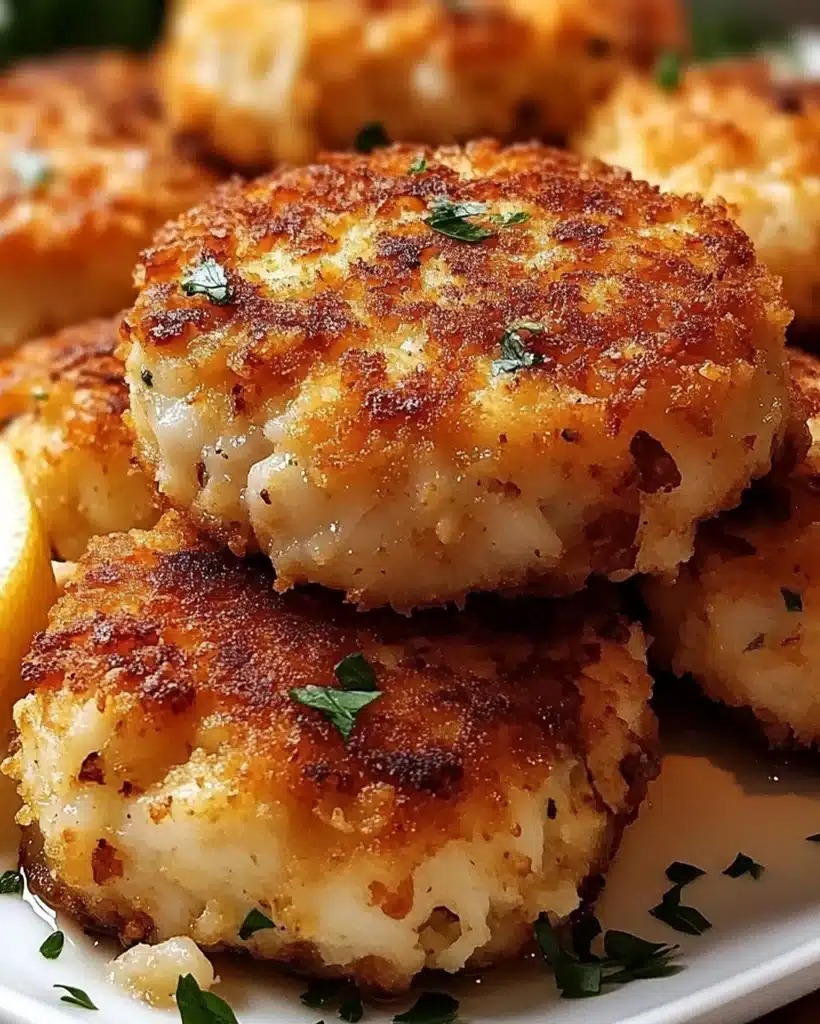
- Texture: Expect a delightful contrast between the crisp, golden-brown panko crust and the tender, juicy lumps of crab meat inside. The interior should be moist and flaky, holding together firmly yet crumbling delicately with each bite, offering a truly satisfying mouthfeel.
- Aroma: As the crab cakes sizzle in the pan, the kitchen fills with the irresistible scent of toasting breadcrumbs and the iconic, peppery aroma of Old Bay. Underneath, the sweet, oceanic fragrance of fresh crab promises a delicious seafood experience.
- Visual Appeal: These patties boast a gorgeous, even golden-brown sear on all sides. When broken open, they reveal generous, pearly-white chunks of lump crab meat, making them as beautiful on the plate as they are on the palate.
- Skill Level Needed: This recipe is approachable for intermediate home cooks. The key skills involve gentle mixing to preserve crab lumps and confident pan-frying to achieve a perfect crust. With careful attention to technique, anyone can master these iconic crab cakes.
- Special Equipment: You need only basic kitchen tools: a large mixing bowl, a baking sheet for chilling, and a good quality non-stick or cast-iron skillet. A wide spatula is essential for flipping the delicate cakes without breaking them.
Recipe Overview
- Difficulty Level: We rate these Baltimore crab cakes as medium difficulty. The process is straightforward, but success hinges on a delicate touch. You must mix the ingredients gently to avoid breaking up the precious lump crab meat. Furthermore, achieving the perfect sear without overcooking the interior requires attentive heat management and timing.
- Category: This dish fits wonderfully as a luxurious main course for a special dinner or a standout appetizer for entertaining. It also makes for an impressive sandwich filling when served on a soft bun with lettuce and remoulade.
- Cuisine: This recipe is firmly rooted in the Mid-Atlantic culinary tradition, specifically Maryland’s Chesapeake Bay cuisine. It embodies the region’s pride in its blue crab harvest and relies on iconic local seasonings like Old Bay, a blend created in Baltimore in 1939.
- Cost: The primary cost driver is high-quality jumbo lump crab meat, which can be a splurge. However, other ingredients like breadcrumbs, egg, and common condiments are very affordable. Overall, making crab cakes at home is often more cost-effective than ordering them at a seafood restaurant, especially for a special occasion.
- Season: While available year-round, fresh blue crab from the Chesapeake Bay is traditionally at its peak from late spring through early fall. Therefore, summer is the ideal season for the most authentic and flavorful Baltimore crab cakes, though high-quality pasteurized crab meat makes them a treat any time.
- Occasion: These crab cakes are perfect for celebratory meals like birthdays, anniversaries, or Father’s Day. They also make an elegant centerpiece for a dinner party or a festive addition to a summer seafood boil or picnic spread.
Why You’ll Love This Recipe
First and foremost, the taste and texture of a well-made Baltimore crab cake are simply unparalleled. The sweet, delicate flavor of the crab takes center stage, supported by a chorus of savory, tangy, and herbal notes from the minimal seasoning. Each bite offers a satisfying contrast between the crispy exterior and the tender, flaky interior. Consequently, you experience a symphony of textures and flavors that is both luxurious and comforting, making it a dish you will crave again and again.
From a convenience standpoint, this recipe is remarkably efficient. With only 20 minutes of hands-on prep time, you can have these gourmet-quality crab cakes ready for the pan. The ingredient list is short and focused, and the steps are logical and easy to follow. Moreover, the mixture can be prepared ahead of time and chilled, allowing you to cook them just before serving for the freshest possible result. This makes entertaining stress-free and impressive.
Nutritionally, crab meat is a fantastic source of high-quality, lean protein and is rich in essential vitamins and minerals like vitamin B12, selenium, and zinc. By using a light hand with the binders and opting for pan-frying with just a bit of oil, you keep the dish focused on its wholesome main ingredient. Therefore, you can enjoy a decadent-tasting meal that also provides substantial nutritional benefits, which is a win-win for any health-conscious food lover.
The social and entertaining value of serving homemade Baltimore crab cakes cannot be overstated. This dish carries an aura of special occasion dining and regional pride. Presenting a platter of golden-brown crab cakes instantly elevates a casual gathering into a memorable event. Furthermore, the process of sharing this iconic food often sparks conversations about travel, family traditions, and culinary heritage, making the meal an experience that goes far beyond just eating.
Finally, this recipe is cost-effective and accessible when compared to dining out. While premium crab meat is an investment, you control the quality and quantity. You avoid restaurant markups and can ensure every cake is packed with generous lumps of crab. Additionally, with this reliable recipe in your arsenal, you can recreate a beloved restaurant classic in your own kitchen anytime the craving strikes, saving both money and a trip to the shore.
Historical Background and Cultural Significance
The story of the Baltimore crab cake is inextricably linked to the Chesapeake Bay and its abundant blue crab population. Native American tribes in the region harvested blue crabs for centuries, but the crab cake as we know it began to take shape with the arrival of European settlers. Initially, crab meat was often mixed into fried cakes or used as a stuffing, but the emphasis on the crab itself as the main event grew stronger in the bustling port city of Baltimore throughout the 19th and early 20th centuries.
Culturally, the crab cake is a symbol of Maryland’s identity and a point of immense local pride. The dish represents the state’s maritime heritage and its thriving seafood industry. Restaurants along the Inner Harbor and throughout Maryland have built their reputations on their signature crab cake recipes, often engaging in friendly rivalry over who makes the best one. Consequently, for Marylanders, a proper crab cake is not just food; it is a taste of home and a connection to the waters of the Chesapeake.
The evolution of the recipe has been a move toward purity. Early versions often used more filler like cracker meal or bread to stretch the expensive crab meat. Over time, especially in finer dining establishments, the preference shifted toward the “lump” or “jumbo lump” style, where the binder is minimal and the crab pieces are kept as large and intact as possible. This evolution reflects both increasing availability and a desire to highlight the premium ingredient, solidifying the Baltimore-style cake as the gold standard.
Regional variations are fascinating. While Baltimore crab cakes are known for minimal filler and pan-frying, other areas have their own takes. For instance, some Southern versions include bell pepper and onion, and some are even deep-fried. However, the Maryland purist will argue that anything beyond a whisper of binder, egg, mustard, and Old Bay is a different dish altogether. This insistence on simplicity is what guards the tradition and defines the authentic Baltimore crab cake experience.
Ingredient Deep Dive
Jumbo Lump Crab Meat: This is the non-negotiable star. Sourced from the blue crab’s backfin, jumbo lump consists of the largest, sweetest pieces. Culturally, the blue crab fishery is central to Chesapeake Bay life. Nutritionally, it’s low in fat and high in protein, vitamin B12, and phosphorus. When selecting, look for pasteurized refrigerated cans or containers from a reputable seafood counter; avoid anything with a strong fishy smell. For storage, keep it refrigerated and use by the date. For substitution, regular lump or backfin meat works but yields smaller pieces.
Old Bay Seasoning: More than a spice blend, Old Bay is an icon. Created in Baltimore by Gustav Brunn, its unique mix of celery salt, paprika, and other spices is synonymous with Chesapeake seafood. It provides the essential savory, slightly peppery flavor profile. There is no true substitute for its distinct taste, though you can mix celery salt, paprika, and black pepper in a pinch. Store it in a cool, dry place to maintain its potency. A little goes a long way in enhancing the crab without masking it.
Panko Breadcrumbs: These Japanese-style breadcrumbs are crucial for texture. They are larger and flakier than traditional breadcrumbs, creating a lighter, crispier crust that doesn’t become soggy. They act as both a binder in the mixture and a coating for the exterior. For a gluten-free adaptation, use gluten-free panko. You can store an open bag in the pantry for several months. While regular breadcrumbs can be used, panko’s superior crunch is worth seeking out for the perfect textural contrast.
Dijon Mustard & Worcestershire Sauce: These are the flavor amplifiers. Dijon adds a sharp, tangy complexity that cuts through the richness of the crab and egg. Worcestershire sauce, with its fermented blend of vinegar, molasses, and anchovies, contributes umami depth and savoriness. Together, they create a flavor base that supports the crab without sweetness. Use high-quality versions of both for the best result. They are pantry staples with long shelf lives. Vegan Worcestershire can be used if needed.
Common Mistakes to Avoid
- Overmixing the Crab Meat: This is the most common error. Stirring the mixture aggressively breaks the delicate lump crab meat into shreds. Instead, use a gentle folding motion with a spatula just until the ingredients are combined. The goal is to keep those beautiful, large lumps intact for the best texture.
- Using Too Much Binder: Adding extra egg, mayo, or breadcrumbs to make the mixture “stick better” results in a dense, bready cake that tastes more of filler than crab. Trust the recipe ratios; the chilled mixture will bind together during cooking.
- Skipping the Chill Time: Forming the cakes and immediately frying them leads to falling apart. Chilling for at least 30 minutes is non-negotiable. This step firms up the binder, allowing the cakes to hold their shape when they hit the hot pan.
- Incorrect Pan Temperature: A pan that’s not hot enough will cause the cakes to soak up oil and become greasy. Conversely, a pan that’s too hot will burn the exterior before the inside is warmed through. Aim for medium-high heat so they sizzle upon contact and form a quick crust.
- Flipping Too Early or Too Often: Impatience is the enemy. If you try to flip a crab cake before a solid crust has formed, it will stick and break. Let them cook undisturbed for 3-4 minutes per side, flipping only once with a confident, wide spatula motion.
- Overcrowding the Pan: Adding too many cakes at once drops the pan temperature dramatically, leading to steaming instead of searing. Cook in batches to ensure each cake has plenty of space for proper browning and crispiness.
- Using Low-Quality Crab Meat: The dish is only as good as its main ingredient. Avoid canned crab packed in water or any product with a metallic or overly salty taste. Invest in good-quality pasteurized lump crab meat for authentic flavor.
- Seasoning After Cooking: All seasoning, especially the Old Bay, must be mixed into the crab cake mixture. Sprinkling seasoning on the outside after cooking will not flavor the interior and can create an overly salty, gritty crust.
Essential Techniques
Gentle Folding: This technique is paramount for perfect Baltimore crab cakes. Instead of stirring, use a rubber spatula to cut down through the mixture, lift from the bottom, and fold over the top. Repeat just until the wet and dry ingredients are incorporated and the crab is evenly distributed. This method preserves the size and texture of the lump crab meat. The common pitfall is being too vigorous. Visual success is seeing distinct, whole lumps of crab in the mixed bowl.
Proper Chilling: Chilling the formed cakes is a critical step that should never be rushed. It allows the egg and breadcrumb binder to hydrate and set, which acts like a culinary glue. This process ensures the cakes maintain their shape during the stressful transition to the hot pan. A minimum of 30 minutes is essential, but an hour is even better. The visual cue for readiness is a firm, cohesive patty that doesn’t feel sticky or loose when you gently press it.
Achieving the Perfect Sear: The goal is a deep golden-brown crust that seals in moisture. Start with a preheated pan and a thin layer of neutral oil with a high smoke point, like canola or avocado oil. The oil should shimmer but not smoke. Carefully place the chilled cake in the pan and do not move it. A proper sear is achieved when the edges look set and the bottom releases easily from the pan, showing a uniform brown color, usually after 3-4 minutes.
Pro Tips for Perfect Baltimore Crab Cakes
First, always pick through the crab meat for any bits of shell or cartilage, even if the container says “ready to use.” Your fingers are the best tool for this delicate task. Secondly, use a light touch when forming the cakes. Gently pack the mixture into a measuring cup or your hands, then pat it into a patty without compressing it tightly. This prevents a dense, hockey-puck texture.
For an extra-crispy exterior, lightly dredge the formed and chilled cakes in a shallow dish of additional panko breadcrumbs just before frying. Additionally, consider adding a tablespoon of melted butter to your frying oil. This combination creates a richer, more flavorful crust with beautiful color. Always let the cooked crab cakes rest on a wire rack for a couple of minutes before serving. This allows the crust to set and prevents sogginess on the bottom.
If you’re unsure about doneness, use an instant-read thermometer. The internal temperature should reach 145°F. Finally, serve with classic accompaniments like lemon wedges, tartar sauce, or a simple remoulade to complement the cakes without competing with their delicate flavor.
Variations and Adaptations
For regional variations, some Maryland chefs add a touch of mayonnaise for extra moisture and richness, though purists may debate this. A Eastern Shore influence might include a dash of hot sauce in the mix. For a different presentation, try making mini crab cakes as elegant passed appetizers, adjusting the cook time accordingly.
Seasonal adaptations are simple. In summer, serve them with a fresh corn and tomato relish. For a fall twist, pair with a apple-fennel slaw. You can also bake the cakes at 400°F for about 12-15 minutes for a slightly lighter option, though you’ll sacrifice some of the signature crisp crust.
Dietary modifications are straightforward. For gluten-free Baltimore crab cakes, substitute gluten-free panko breadcrumbs. For a dairy-free version, ensure your Worcestershire sauce is anchovy-based (most are) and doesn’t contain dairy derivatives. To reduce carbs, you can slightly increase the amount of crab and use crushed pork rinds or almond flour in place of panko, though the texture will differ.
Serving and Presentation Guide
Plating is key for visual appeal. Place one or two crab cakes slightly off-center on a warm plate. Drizzle a zigzag of remoulade or squeeze a wedge of lemon beside them, not on top, to keep the crust crisp. Scatter a few microgreens or a small parsley sprig for a touch of color. For a more rustic presentation, serve on a bed of shredded lettuce with lemon wedges on the side.
Traditional accompaniments include classic tartar sauce, cocktail sauce, or simply melted butter for dipping. Modern sides might include a crisp Asian-inspired slaw, garlicky sautéed spinach, or sweet potato fries. Always consider temperature: serve the crab cakes immediately after cooking while the exterior is still crisp and the interior is hot and tender.
Wine and Beverage Pairing
Wine pairings should complement the sweet crab and savory seasoning without overpowering it. A crisp, unoaked Chardonnay with good acidity is a classic choice. Alternatively, a dry Riesling or a Provençal Rosé with its bright berry notes works beautifully. For beer lovers, a cold, clean pilsner or a hoppy IPA from a local Maryland brewery cuts through the richness perfectly.
For non-alcoholic alternatives, consider sparkling water with a twist of lemon or a ginger beer for a spicy kick. Iced tea, either sweetened or unsweetened, is a traditional Southern pairing that works well. The key is to choose beverages that cleanse the palate between bites, allowing you to fully appreciate the flavor of the crab cakes each time.
Storage and Shelf Life
Cooked Baltimore crab cakes are best enjoyed immediately. However, you can store leftovers in an airtight container in the refrigerator for up to 2 days. To reheat, avoid the microwave, which will make them soggy. Instead, re-crisp them in a 350°F oven on a baking sheet for about 10 minutes, or in a skillet over medium-low heat until warmed through.
You can freeze uncooked, formed crab cakes for up to 1 month. Place them on a parchment-lined baking sheet, freeze until solid, then transfer to a freezer bag. Cook from frozen, adding a few extra minutes to the cooking time. Do not refreeze cooked crab cakes. Signs of spoilage include a sour or off smell, slimy texture, or any discoloration.
Make Ahead Strategies
You can prepare the crab cake mixture up to a day in advance. Simply mix all ingredients gently, cover the bowl tightly with plastic wrap, and refrigerate. The chilling time actually benefits the flavor and binding. When ready to cook, form the chilled mixture into patties. You can also form the patties a few hours ahead, place them on a parchment-lined tray, cover, and refrigerate until cooking time. This is perfect for stress-free entertaining.
For the freshest result, add any fresh herbs like parsley at the last minute if pre-mixing a day ahead. When reheating pre-cooked cakes, the oven method is superior to the stovetop for even warming without burning. Always add fresh lemon juice or a new garnish after reheating to brighten the dish.
Scaling Instructions
This recipe scales beautifully. To halve it, simply divide all ingredient quantities by two. Use a medium egg or beat a large egg and use half. For doubling or tripling, use a very large bowl for mixing and be extra gentle to avoid overworking the increased volume of crab. Cook in more batches to avoid overcrowding the pan; keep finished cakes warm in a 200°F oven on a wire rack.
Timing remains largely the same per batch. The main adjustment is mixing time—take care to fold thoroughly but gently when scaling up. Storage considerations are similar; just ensure you have enough container space in the refrigerator for chilling all the formed patties without stacking them.
Nutritional Deep Dive
Baltimore crab cakes are a protein powerhouse, primarily from the crab meat. A serving provides high-quality protein essential for muscle repair and satiety. Crab is also an excellent source of vitamin B12, crucial for nerve function, and selenium, a powerful antioxidant. The use of panko adds some carbohydrates, but the amount is minimal compared to the protein focus.
From a health perspective, crab is low in saturated fat. Pan-frying adds some fat, but using a quality oil in moderation keeps it reasonable. The dish is naturally low in sugar. For weight management, pay attention to portion size (one large or two smaller cakes) and pair with a large portion of non-starchy vegetables like a green salad or roasted asparagus to create a balanced, satisfying meal.
Dietary Adaptations
For gluten-free Baltimore crab cakes, substitute the panko with an equal amount of gluten-free panko breadcrumbs or crushed gluten-free crackers. Ensure your Worcestershire sauce is gluten-free (Lea & Perrins is not, but several brands offer GF versions).
For dairy-free, the standard recipe is already dairy-free as written. Just confirm your chosen brands of mustard and Worcestershire sauce do not contain dairy derivatives. For a keto or low-carb version, replace the panko with finely crushed pork rinds or almond flour. Note that this will change the binding properties slightly, so an extra egg white may be needed, and the texture will be denser.
A paleo adaptation would use almond flour and ensure all other ingredients are paleo-compliant (check Worcestershire carefully). For a low-FODMAP version, use gluten-free panko and ensure the garlic and onion in the Old Bay seasoning are within your tolerance limits; you may need to use a simple blend of celery salt, paprika, and pepper instead.
Troubleshooting Guide
If your crab cakes are falling apart, the most likely culprit is insufficient chilling time. Ensure they chill for at least 30 minutes. Also, check that you used the correct amount of egg and breadcrumbs as a binder; too little won’t hold the moisture. Finally, make sure your pan is hot enough before adding them to form an instant sear that locks in structure.
If the flavor is bland, you may have underseasoned. Old Bay is key, but also ensure your Dijon and Worcestershire are fresh and potent. Taste a tiny bit of the mixture before forming (it’s safe, as the crab is pasteurized) and adjust seasoning. If the cakes are greasy, your oil temperature was too low, causing them to absorb oil instead of searing. Use a thermometer to aim for 350-375°F oil temperature.
Recipe Success Stories
Readers consistently report that this method of gentle folding and proper chilling is a game-changer. Many have shared that they finally achieved the restaurant-quality texture they’d been chasing. One home cook used the recipe for her Maryland-native father’s birthday, and he declared them better than any he’d had back home—the ultimate compliment!
Adaptation successes include using the gluten-free variation for a family gathering, pleasing guests with diverse dietary needs. Others have successfully made mini versions for wedding appetizers, baking them ahead and reheating perfectly. The common thread in feedback is that respecting the crab as the star ingredient, and having the patience for the chill, leads to undeniable success.
Frequently Asked Questions
Q: Can I use canned crab meat for Baltimore crab cakes?
A: For the best flavor and texture, we highly recommend pasteurized refrigerated lump crab meat, not canned crab packed in water. The refrigerated product is far superior in taste and maintains a much better texture, which is crucial for authentic cakes.
Q: What’s the best oil for frying crab cakes?
A: Use a neutral oil with a high smoke point, such as canola, vegetable, or avocado oil. These oils can get hot enough to create a crisp sear without burning or imparting their own flavor onto the delicate crab.
Q: Can I bake the crab cakes instead of pan-frying?
A: Yes, you can bake them at 400°F on a parchment-lined, lightly oiled baking sheet for about 12-15 minutes, flipping halfway. However, baking will not produce the same golden, crispy crust as pan-frying. For the classic texture, pan-frying is recommended.
Q: How do I know when the crab cakes are done cooking?
A: They should be a deep golden brown on both sides. The most reliable method is to use an instant-read thermometer inserted into the center; it should read 145°F. The interior will be hot and opaque.
Q: Can I make the mixture a day ahead?
A: Absolutely. In fact, making the mixture a day ahead and letting it chill overnight allows the flavors to meld and the binder to set perfectly, often resulting in cakes that hold together even better.
Q: What’s a good substitute for Old Bay seasoning?
A: While there’s no perfect substitute, you can make a blend using 1 tsp celery salt, 1/4 tsp paprika, a pinch of black pepper, and a pinch of dry mustard. For authenticity, it’s worth finding real Old Bay.
Q: My cakes are browning too fast. What should I do?
A: If the exterior is browning before the inside is hot, your heat is too high. Reduce the burner to medium. The ideal cook time is 3-4 minutes per side for a perfect sear and heated center.
Q: Are Baltimore crab cakes spicy?
A: Not typically. Old Bay seasoning has a complex flavor with notes of celery, paprika, and pepper, but it is not “hot” spicy. The dish is savory, slightly tangy, and highlights the sweet crab.
Additional Resources
To expand your seafood repertoire, explore other Chesapeake classics like Maryland Crab Soup or a traditional shrimp salad. For technique guides, look into how to properly pick fresh blue crab meat or master the art of pan-searing delicate proteins. Understanding the different grades of crab meat (jumbo lump, lump, backfin, claw) will help you make informed purchases for any recipe.
For equipment, a good quality non-stick or well-seasoned cast iron skillet is your best friend for this recipe. A flexible fish spatula is also excellent for flipping. Finally, consider seasonal variations by pairing your crab cakes with different seasonal salads or salsas—a mango avocado salsa in summer, or a citrus salad in winter—to keep this timeless dish feeling fresh and exciting all year round.
PrintDelicious Baltimore Crab Cakes
- Total Time: 45 minutes
- Yield: 4
Description
Classic Maryland-style crab cakes made with lump crab meat, minimal filler, and Old Bay seasoning for a crispy, flavorful seafood dish.
Ingredients
- 1 lb lump crab meat, picked over for shells
- 1/4 cup mayonnaise
- 1 large egg, lightly beaten
- 1 tbsp Dijon mustard
- 1 tsp Worcestershire sauce
- 1 tsp Old Bay seasoning
- 1/2 cup breadcrumbs
- 2 tbsp chopped fresh parsley
- 2 tbsp vegetable oil for frying
- Lemon wedges for serving
Instructions
- In a large bowl, combine mayonnaise, egg, Dijon mustard, Worcestershire sauce, Old Bay seasoning, breadcrumbs, and parsley. Mix gently.
- Add the crab meat to the bowl and fold gently until just combined, being careful not to break up the crab lumps.
- Form the mixture into 4-6 patties, about 1/2 inch thick, and place on a plate. Refrigerate for 30 minutes to firm up.
- Heat vegetable oil in a large skillet over medium-high heat. Add crab cakes and cook for 3-4 minutes per side, until golden brown and crispy.
- Serve hot with lemon wedges and your choice of tartar sauce or remoulade.
Notes
You can customize the seasonings to taste.
- Prep Time: 15 minutes
- Cook Time: 30 minutes
- Method: Main
- Cuisine: American