Zesty Lemon Ricotta Pasta with Spinach: A Bright Weeknight Dinner
Imagine a dinner that feels like a burst of sunshine on your plate. This Zesty Lemon Ricotta Pasta with Spinach delivers exactly that. It combines creamy ricotta cheese with the vibrant, fresh flavor of lemon. Meanwhile, tender spinach adds a nutritious pop of green. Consequently, this dish comes together in under thirty minutes. Ultimately, it is the perfect solution for busy weeknights when you crave something special.
The beauty of this Zesty Lemon Ricotta Pasta lies in its simplicity. You only need a handful of fresh ingredients. First, the pasta cooks to al dente perfection. Next, you create a luxuriously creamy sauce directly in the pan. The magic happens when you combine the starchy pasta water with rich ricotta. As a result, you get a silky, clingy sauce that coats every strand of pasta beautifully. Finally, a generous squeeze of fresh lemon juice brightens the entire dish.
This recipe is more than just a quick meal. It is a celebration of fresh, clean flavors. The creamy ricotta provides a mild, comforting base. Simultaneously, the lemon zest and juice cut through the richness with their citrusy spark. Furthermore, the fresh spinach wilts gently into the warm sauce. Therefore, it adds color, texture, and a wealth of nutrients. This Zesty Lemon Ricotta Pasta is a guaranteed crowd-pleaser for the whole family.
Quick Recipe Highlights
- Flavor Profile: This dish offers a masterful balance of creamy, tangy, and fresh. The mild, milky ricotta forms a perfect canvas for the bright, aromatic lemon. Additionally, garlic and red pepper flakes add a subtle savory warmth. Consequently, every bite is a harmonious blend of comforting and invigorating flavors.
- Texture: The texture is wonderfully complex and satisfying. You get the firm, al dente bite of the pasta strands. They are then enveloped in a velvety, creamy sauce that clings without being heavy. The wilted spinach contributes a tender, almost silky mouthfeel. Finally, a sprinkle of Parmesan adds a delightful salty, granular finish.
- Aroma: The aroma is instantly inviting and fresh. As you sauté the garlic, its warm, nutty scent fills the kitchen. Then, the bright, citrusy perfume of fresh lemon zest takes over. Finally, the grassy note of fresh spinach and the savory scent of Parmesan cheese complete the olfactory experience. It truly smells like a restaurant-quality meal.
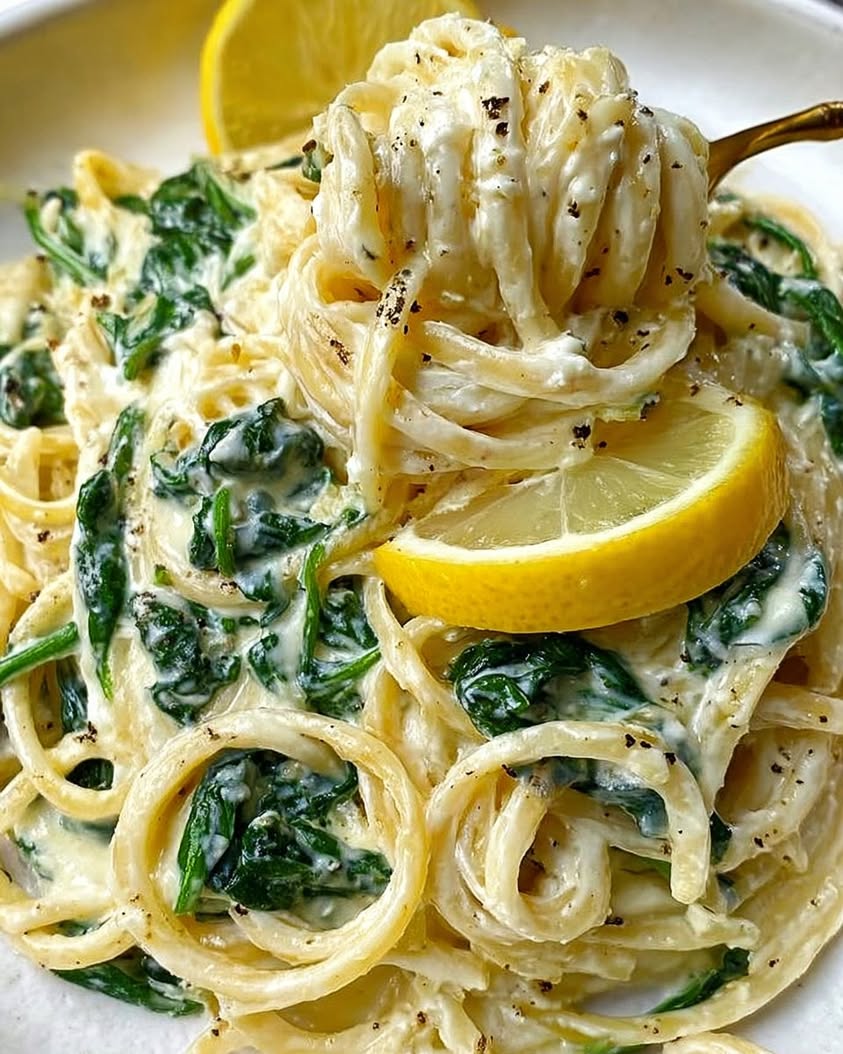
- Visual Appeal: This pasta is a feast for the eyes with its beautiful color contrast. The pale, creamy sauce showcases the vibrant green of the wilted spinach perfectly. Yellow flecks of lemon zest add sunny highlights. Served in a shallow bowl, it looks elegant, fresh, and incredibly appetizing. It is a dish you will be proud to photograph and share.
- Skill Level Needed: This is a fantastic recipe for cooks of all levels, especially beginners. The techniques are fundamental: boiling pasta, sautéing garlic, and whisking a simple sauce. There are no complicated steps or fancy equipment required. Therefore, even a novice cook can achieve impressive, delicious results with confidence.
- Special Equipment: You only need basic kitchen tools. A large pot for boiling pasta and a large skillet or sauté pan are essential. Additionally, a fine grater or zester for the lemon, a citrus juicer, and a set of tongs are very helpful. Ultimately, no special or expensive equipment is necessary to make this wonderful meal.
Recipe Overview
- Difficulty Level: We rate this Zesty Lemon Ricotta Pasta as “Easy” for several clear reasons. The process involves straightforward, sequential steps without any complex techniques. Furthermore, the ingredient list is short and forgiving. There is no precise baking or finicky sauce emulsification required. Consequently, it is nearly impossible to mess up, making it perfect for a stress-free dinner.
- Category: This versatile dish fits multiple meal categories beautifully. Primarily, it is a fantastic main course for a vegetarian dinner. It also works wonderfully as a substantial side dish alongside grilled chicken or fish. Additionally, it can be a featured pasta course in a larger Italian-inspired feast. Its flexibility is one of its greatest strengths.
- Cuisine: This recipe draws direct inspiration from the rustic, ingredient-focused cooking of Southern Italy. It embodies the Italian “cucina povera” philosophy of creating luxurious textures from simple, humble ingredients. While not a traditional historic dish, it uses classic Italian components—ricotta, pasta, lemon, garlic—in a modern, quick-cooking format. The result is a fresh take on Italian-American weeknight cooking.
- Cost: This is an incredibly cost-effective meal to prepare. Ingredients like ricotta, pasta, and lemons are budget-friendly staples. A single bag of fresh spinach stretches across four servings. The only potential splurge is a block of good Parmesan cheese, but a little goes a long way. Overall, you can create a restaurant-quality dish for just a few dollars per serving.
- Season: While truly a year-round favorite, this Zesty Lemon Ricotta Pasta shines brightest in the spring and summer. The bright lemon flavor pairs perfectly with the season’s fresh produce and lighter appetites. It feels refreshing on a warm evening. However, its creamy comfort also makes it a welcome ray of sunshine during the darker, colder winter months.
- Occasion: This pasta is ideal for countless occasions. It is the ultimate quick and elegant weeknight dinner after a long day. It is impressive enough for a casual date night at home. Furthermore, it doubles easily to feed a crowd at a potluck or family gathering. Simply put, it is a reliable, delicious recipe for any day that ends in “y.”
Why You’ll Love This Recipe
First and foremost, you will adore the spectacular taste and texture of this Zesty Lemon Ricotta Pasta. The sauce is miraculously creamy without using any heavy cream. Instead, the ricotta cheese, when thinned with starchy pasta water, creates a luxurious, velvety coating. Each forkful delivers the perfect contrast between the tangy lemon, mild cheese, and savory garlic. Consequently, your taste buds experience a delightful party of flavors that is both comforting and exciting.
Next, the sheer convenience of this recipe is a major win. From start to finish, you can have dinner on the table in about twenty-five minutes. The preparation is minimal, involving mostly zesting, juicing, and measuring. Furthermore, the cooking process is mostly hands-off once the pasta is boiling. Therefore, you can multitask, tidy the kitchen, or simply relax for a few minutes. This efficiency makes it a lifesaver on hectic evenings.
Moreover, this dish packs a powerful nutritional punch disguised as decadent comfort food. Fresh spinach is a superstar, loaded with iron, vitamins A, C, and K. Ricotta cheese provides a good source of protein and calcium. Using whole wheat or legume-based pasta can further boost the fiber and protein content. So, you can feel good about serving a meal that is as wholesome as it is delicious. It is a smart choice for health-conscious families.
Additionally, this Zesty Lemon Ricotta Pasta has incredible social and entertaining value. It looks and tastes far more impressive than the minimal effort suggests. Guests will assume you spent much longer in the kitchen. The bright, fresh flavors are universally appealing, pleasing both adults and children. Because it is so easy to scale up, you can effortlessly host a dinner party without stress. It is a recipe that makes you look like a culinary rock star.
Finally, the cost-effectiveness and accessibility of the ingredients cannot be overstated. You likely have many of the core items—garlic, pasta, red pepper flakes—in your pantry already. Ricotta, lemons, and spinach are affordable and available at any grocery store. There is no need for expensive specialty ingredients. This accessibility means you can enjoy a gourmet-tasting meal any night of the week without breaking the bank. It is luxury dining on a very realistic budget.
Historical Background and Cultural Significance
The story of this Zesty Lemon Ricotta Pasta is a modern tale rooted in ancient traditions. While not a documented historic recipe, its soul belongs to Southern Italy, particularly Sicily. This region is famous for its abundant citrus groves and sheep’s milk ricotta. For centuries, Italian cooks have practiced “cucina povera,” or “poor kitchen,” creating magnificent meals from scant ingredients. This philosophy of resourcefulness is the true ancestor of our quick, creamy pasta dish.
Culturally, pasta with fresh cheese and greens is a cornerstone of Italian home cooking. Dishes like “pasta con ricotta e spinaci” have been nourishing families for generations. The addition of lemon reflects the Southern Italian and Sicilian love for balancing rich dairy with bright acidity. This combination showcases a deep understanding of flavor harmony. Therefore, our recipe is a direct descendant of this timeless culinary wisdom, adapted for the modern, fast-paced kitchen.
The evolution of this specific recipe is a product of contemporary cooking trends. In recent decades, the desire for quick, “one-pot” meals that don’t sacrifice flavor has soared. Food writers and home cooks began experimenting with using ricotta as a quick sauce base. They discovered that pasta water could transform it into a creamy delight without cooking. This technique, a modern hack, revolutionized weeknight cooking and gave birth to recipes like this one.
Regional variations of this concept abound throughout Italy. In Rome, you might find “cacio e pepe” which uses Pecorino cheese and black pepper. In Liguria, “pasta al pesto” features basil and pine nuts. Our Zesty Lemon Ricotta Pasta with Spinach is a fusion-inspired variation. It combines the creamy cheese sauce of the North with the vibrant citrus of the South. This blending of regional ideas creates a uniquely delicious and globally appealing dish for today’s table.
Ingredient Deep Dive
Ricotta Cheese: Ricotta, meaning “recooked” in Italian, has a history dating back to the Bronze Age. Traditionally, it was made by reheating the whey leftover from cheesemaking. This resourceful process yielded a mild, creamy, and slightly grainy fresh cheese. Nutritionally, ricotta is a great source of protein, calcium, and vitamin A. It is also lower in fat and sodium than many hard cheeses. For the best results in your Zesty Lemon Ricotta Pasta, seek out whole-milk ricotta for superior creaminess and flavor. Avoid non-fat varieties, as they can be grainy and lack richness. Store ricotta in its original container in the coldest part of your refrigerator and use it within a week of opening.
Fresh Lemon: The lemon’s journey began in Northeast India and Burma, eventually spreading to the Mediterranean. It became a crucial staple for sailors to prevent scurvy, cementing its importance. In cooking, lemon juice and zest provide vital acidity and bright aromatic oils. They are packed with vitamin C and antioxidants. When selecting lemons for your pasta, choose fruits that are heavy for their size with smooth, vibrant yellow skin. These are signs of juiciness. Always zest your lemon before juicing it, as it is much easier. To maximize juice, roll the lemon firmly on the counter before cutting. For a stronger citrus punch, add the zest along with the juice.
Fresh Spinach: Spinach is believed to have originated in ancient Persia before traveling to China and Europe. It gained Western popularity in the 19th century for its nutritional profile. This leafy green is a powerhouse of iron, vitamins K, A, and C, and folate. For this recipe, tender baby spinach is ideal because it wilts quickly and has a sweeter, milder flavor. Look for crisp, dark green leaves without any sliminess or yellowing. Before using, give the spinach a good rinse to remove any grit. Since it wilts down dramatically, do not be intimidated by a large bag or bunch. You can substitute other hearty greens like kale or Swiss chard, but they will require a slightly longer cooking time.
Pasta (Long Strands like Linguine or Spaghetti): The history of pasta is complex and hotly debated, with evidence pointing to multiple ancient cultures. However, Italy perfected its production and countless shapes. The long, thin shape of linguine or spaghetti is perfect for creamy sauces, as it captures and holds the ricotta mixture beautifully. When cooked al dente, it provides a pleasing chew that contrasts the sauce’s creaminess. Always salt your pasta water generously—it should taste like the sea. This is your primary chance to season the pasta itself. Crucially, reserve at least one cup of the starchy cooking water before draining. This liquid is the key to creating a silky, emulsified sauce for your Zesty Lemon Ricotta Pasta.
Parmesan Cheese: True Parmigiano-Reggiano, from specific regions of Italy, is a cheese with a protected designation of origin (PDO). It is aged for a minimum of 12 months, developing complex, nutty, and salty flavors. It adds a crucial layer of umami depth to the dish. For the best flavor, always buy a block of Parmesan and grate it yourself. Pre-grated cheese contains anti-caking agents and loses its freshness quickly. A microplane grater will create a light, fluffy snow that melts seamlessly into the sauce. Store your Parmesan block wrapped in parchment paper inside a sealed bag in the refrigerator.
Common Mistakes to Avoid
- Not Salting the Pasta Water Enough: This is the biggest flavor mistake. Unsalted pasta is bland pasta. Your water should taste distinctly salty, like mild seawater. This seasons the pasta from the inside out. If you forget, your final dish will lack depth and require much more salt at the end.
- Forgetting to Reserve Pasta Water: Do not drain all your pasta water down the sink. The starchy, salty water is liquid gold. It helps loosen the ricotta into a sauce and helps it cling to the pasta. Always scoop out at least one cup before you drain the pasta.
- Overcooking the Pasta: Mushy pasta ruins the texture of the entire dish. Cook your pasta until it is al dente, meaning it still has a slight bite. Remember, it will continue to cook slightly when you toss it with the hot sauce in the pan.
- Using Cold Ricotta Straight from the Fridge: Very cold ricotta will not blend smoothly into the sauce and can cool the dish down. Let it sit on the counter for 10-15 minutes before you start cooking. Alternatively, you can temper it by whisking in a few spoonfuls of hot pasta water before adding it to the pan.
- Adding Lemon Juice Too Early or Overcooking It: The bright, fresh flavor of lemon is volatile. If you add the juice at the beginning of cooking and let it boil, it will turn bitter and lose its vibrant punch. Always add fresh lemon juice and zest at the very end, off the heat.
- Not Washing the Spinach: Bagged spinach can still harbor fine sand and grit. Always give it a quick rinse in a colander, even if the bag says “pre-washed.” Gritty spinach is an unpleasant surprise in an otherwise creamy, luxurious pasta dish.
- Using Pre-Grated Parmesan Cheese: Pre-grated Parmesan often contains cellulose to prevent clumping. This prevents it from melting smoothly into a sauce and can leave a gritty texture. The flavor is also inferior. For the best results, always grate your own Parmesan from a block.
- Rushing the Garlic Sauté: Garlic burns incredibly quickly and becomes bitter. Cook it over medium-low heat just until it becomes fragrant, about 30-60 seconds. Do not let it brown. If it starts to color, remove the pan from the heat immediately.
- Skipping the Red Pepper Flakes: Even if you do not like spicy food, a small pinch of red pepper flakes is essential. It does not make the dish hot; instead, it adds a subtle, warm background flavor that enhances the other ingredients. Think of it as a flavor enhancer, not just a heat source.
- Not Tossing the Pasta in the Sauce Pan: Do not just pour sauce over plated pasta. The final step of tossing the drained pasta in the skillet with the sauce, spinach, and cheese is crucial. This allows the pasta to absorb the flavors and ensures every strand is perfectly coated.
Essential Techniques
Creating an Al Dente Pasta: Achieving pasta that is “al dente,” or “to the tooth,” is fundamental. This means the pasta is cooked through but still offers a slight resistance when bitten. This texture is important because it provides a satisfying chew and prevents the pasta from becoming mushy when combined with the sauce. To master it, start tasting your pasta a minute or two before the package’s suggested cook time. Look for a pale core in the center of a strand when you bite it. A common pitfall is relying solely on the timer. Remember, the pasta will continue to cook slightly from residual heat after draining and when tossed with the hot sauce.
Emulsifying with Pasta Water: This is the secret technique that makes the sauce for your Zesty Lemon Ricotta Pasta so luxuriously creamy. The starchy pasta water acts as an emulsifier, binding the water, fats from the cheese, and other ingredients into a smooth, cohesive sauce. The starch molecules help the liquid thicken and cling to the pasta. To do it successfully, always add the pasta water a little at a time, tossing vigorously. The visual cue for success is a glossy, slightly thickened sauce that coats the back of a spoon. If you add too much water at once, the sauce can become thin and watery. Conversely, if you do not add enough, the sauce will be thick and clumpy.
Wilting Spinach Properly: Wilting spinach correctly preserves its vibrant color, tender texture, and nutrients. The goal is to just collapse the leaves without cooking them to a dark, slimy state. The technique is simple: add the fresh spinach to the hot pan off the direct heat. The residual warmth from the pasta, sauce, and pan is usually sufficient. Use tongs to gently toss and fold the spinach until it is uniformly wilted, which takes only about 60 seconds. The visual cue is the leaves turning a brighter, deeper green and losing their rigid structure. Overcooking is the main pitfall, which leads to a loss of flavor, color, and nutritional value.
Pro Tips for Perfect Zesty Lemon Ricotta Pasta
First, zest your lemon directly over the pasta bowl or pan. This captures all the precious aromatic citrus oils that would otherwise be lost on the cutting board. Those oils carry intense flavor.
Second, consider toasting your red pepper flakes. Add them to the oil with the garlic for just 10 seconds to bloom their flavor. This releases a deeper, more complex warmth into the oil.
Third, if your ricotta seems particularly thick or grainy, press it through a fine-mesh sieve before using. This will give you an impossibly smooth and creamy sauce texture.
Fourth, for an extra layer of flavor, use the spent lemon halves. After juicing, toss the halves into the pasta water as it boils. They will infuse the water and, consequently, the pasta with a subtle citrus essence.
Fifth, finish the dish with a high-quality finishing oil. A drizzle of good extra-virgin olive oil or a flavored lemon oil over the plated pasta adds a final touch of richness and aroma.
Sixth, let the pasta rest for one minute after tossing everything together. This allows the sauce to thicken slightly and the flavors to meld perfectly before serving.
Seventh, for a richer sauce, stir one tablespoon of unsalted butter into the ricotta mixture along with the pasta water. This adds a silky mouthfeel and rounds out the acidity beautifully.
Eighth, always taste and adjust seasoning at the very end. The saltiness of Parmesan and pasta water varies. You may need an extra pinch of salt or a final squeeze of lemon to achieve perfect balance.
Variations and Adaptations
Regional Variations: Travel through Italy with your taste buds by changing a few ingredients. For a Sicilian twist, add toasted pine nuts and raisins for a sweet-and-savory “alla Norma” vibe. A Roman-inspired version could use Pecorino Romano instead of Parmesan for a sharper, saltier kick. To channel Liguria, stir in a tablespoon of pesto at the end with the ricotta. For a touch of Calabria, use ‘nduja, a spicy, spreadable sausage, in place of the red pepper flakes.
Seasonal Adaptations: Make this Zesty Lemon Ricotta Pasta a canvas for the seasons. In spring, add fresh peas and asparagus tips with the spinach. Summer calls for halved cherry tomatoes and fresh basil. For autumn, incorporate roasted butternut squash cubes and sage. In winter, use hearty kale (massaged first) and top with roasted breadcrumbs for a comforting crunch.
Dietary Modifications: This recipe is wonderfully adaptable. For a gluten-free version, use your favorite gluten-free pasta; just be mindful of the starchy water, as GF pasta releases less starch. To make it dairy-free, substitute the ricotta with blended silken tofu or a high-quality vegan ricotta and use nutritional yeast instead of Parmesan. For a protein boost, add canned white beans or shredded rotisserie chicken when you toss the pasta.
Flavor Variations: Experiment with different herb and acid profiles. Substitute the lemon with lime for a more tropical note, or use orange zest and juice for a sweeter, milder citrus flavor. Stir in fresh herbs like dill, tarragon, or mint at the end for a completely different aromatic profile. A teaspoon of capers or chopped green olives can add a briny, savory punch.
Texture Modifications: Play with textures to keep the dish exciting. Top the finished pasta with toasted panko breadcrumbs or crushed croutons for a satisfying crunch. Add crispy pancetta or prosciutto as a garnish. For a creamier, more indulgent sauce, blend the ricotta with a quarter cup of heavy cream or mascarpone before adding it to the pan.
Presentation Alternatives: Serve the pasta in individual, warmed bowls for a restaurant-style presentation. For a family-style feast, present it in a large, shallow serving platter. Garnish with a mound of extra Parmesan, a twist of lemon zest, and a whole sprig of fresh basil in the center for visual drama. You can also serve it deconstructed, with the ricotta sauce in a bowl for dipping.
Serving and Presentation Guide
Plating Techniques: For the most appealing presentation, use tongs to twist a portion of pasta into a nest in the center of a warm, shallow bowl or plate. This technique lifts the pasta, allowing the sauce to pool attractively around it and showcasing the vibrant spinach. Avoid piling it high in a mound, which can look messy. Instead, aim for a loose, elegant swirl that looks effortless and inviting.
Garnishing Ideas: The right garnish adds the final touch of flavor and beauty. A final grating of Parmesan cheese is essential. Then, add a light sprinkle of freshly cracked black pepper. A few small, tender basil leaves or a chiffonade of fresh mint adds color and fragrance. A final, thin drizzle of high-quality extra-virgin olive oil or a flavored oil adds sheen. For a special touch, add a few thin shavings of lemon zest on top.
Traditional Accompaniments: In a traditional Italian meal, this pasta would be served as a “primo” (first course). It would be followed by a simple “secondo” like grilled fish or a chicken cutlet. A light, crisp green salad with a lemon vinaigrette makes a perfect side to refresh the palate. Crusty, warm bread is essential for scooping up every last bit of the delicious sauce from the plate.
Modern Serving Suggestions: For a modern, complete weeknight meal, serve the Zesty Lemon Ricotta Pasta as a hearty main. Pair it with a simple arugula salad dressed with lemon and olive oil. A glass of chilled Pinot Grigio or Sauvignon Blanc complements the citrus notes perfectly. For a non-alcoholic option, sparkling water with a slice of lemon or a citrus-infused iced tea is delightful.
Temperature Considerations: This dish is best served immediately, while it is still very hot. The creamy sauce will thicken as it cools. Warm your serving bowls by rinsing them with hot water and drying them just before plating. If you must hold the pasta for a few minutes, keep it in the warm (but off-heat) skillet with a lid loosely placed on top. Add a tiny splash of hot water when retossing to loosen the sauce.
Portion Control Tips: This rich-tasting pasta is surprisingly light. A standard serving is about one-quarter of the recipe, which is a satisfying portion for a main course. If serving as a side dish or part of a multi-course meal, plan for about one-sixth of the recipe per person. Using smaller plates can also help with portion perception, making a moderate serving look abundant and appealing.
Wine and Beverage Pairing
Wine Pairings: The bright acidity and creamy texture of this Zesty Lemon Ricotta Pasta call for wines with good acidity to match and cut through the richness. A crisp, unoaked Italian white like Pinot Grigio or Vermentino is a classic and perfect choice. Sauvignon Blanc, with its grassy and citrus notes, is another fantastic match. For a more aromatic option, a dry Riesling works beautifully. If you prefer red wine, choose a light-bodied, low-tannin red like a chilled Beaujolais or a Frappato from Sicily.
Non-Alcoholic Alternatives: You can create sophisticated non-alcoholic pairings that mirror the wine profiles. Sparkling water with a squeeze of lemon or lime is always refreshing. For something more complex, try a tart cherry or pomegranate juice spritzer. Iced herbal teas, like lemongrass or mint, complement the citrus and herbal notes in the dish. A high-quality lemonade or a citrus-infused kombucha can also be delightful.
Coffee/Tea Pairings: While not a traditional pasta pairing, if serving this for a lunch, a light roast coffee with citrusy notes (like an Ethiopian Yirgacheffe) can be a surprising and pleasant follow-up. For tea, a cup of green tea, such as Sencha or Dragonwell, cleanses the palate with its grassy, slightly astringent qualities. Avoid heavy, bold coffees or malty black teas immediately after, as they can clash with the dish’s delicate flavors.
Temperature Considerations: White wines and non-alcoholic spritzers should be served well-chilled, between 45-50°F (7-10°C). This cold temperature enhances their refreshing quality against the warm, creamy pasta. If you choose a light red, serve it slightly chilled, around 55°F (13°C). Iced beverages should be cold but not so icy that they numb the palate, allowing you to still taste the nuanced flavors of the food.
Serving Suggestions: Pour wine into appropriate glassware to enhance the experience—a standard white wine glass is perfect. For non-alcoholic options, use a nice tumbler or a wine glass to make the drink feel special. Always offer beverages in clear glassware to showcase their color, which adds to the visual appeal of the meal. Provide a carafe of water on the table to ensure guests stay hydrated.
Storage and Shelf Life
Storage Methods: Store leftover Zesty Lemon Ricotta Pasta in an airtight container in the refrigerator. It is best to portion it into individual servings for easy reheating. Because the pasta will continue to absorb the sauce, the texture will be thicker when cold. Do not leave the pasta at room temperature for more than two hours to prevent bacterial growth. Always use clean utensils to serve leftovers to avoid contamination.
Temperature Requirements: Refrigerate leftovers promptly at or below 40°F (4°C). This is the “danger zone” threshold where bacteria can multiply rapidly. The pasta will keep safely for 3-4 days when stored properly. For longer storage, freezing is an option, though the texture of the spinach and ricotta may change slightly upon thawing.
Container Recommendations: Glass containers with tight-sealing lids are ideal because they do not retain odors and are easy to clean. If using plastic, ensure it is BPA-free and designed for food storage. Avoid storing the pasta in the pan you cooked it in, as the acid from the lemon can react with certain metals over time.
Signs of Spoilage: Before eating leftovers, inspect the pasta carefully. Discard it if you notice an off or sour smell, which is a key indicator of spoilage. Visible mold, of any color, means the entire container should be thrown out. If the texture becomes slimy or the sauce separates irreversibly, it is best to err on the side of caution and not consume it.
Reheating Instructions: The best way to reheat this pasta is on the stovetop. Place it in a skillet or saucepan with a splash of water, milk, or broth. Gently heat over medium-low, stirring frequently, until warmed through. This method helps reconstitute the creamy sauce. You can also use a microwave: place in a microwave-safe dish, sprinkle with water, cover loosely, and heat in 30-second intervals, stirring in between.
Freezing Guidelines: You can freeze this pasta for up to 2 months. Cool it completely first, then transfer to a freezer-safe bag or container, pressing out as much air as possible. To thaw, place it in the refrigerator overnight. Reheat using the stovetop method, adding extra liquid as needed. Note that the spinach may become softer and the ricotta sauce may separate slightly, but vigorous stirring during reheating will help re-emulsify it.
Make Ahead Strategies
Prep Timeline: You can prepare several components up to two days in advance to streamline your weeknight cooking. Grate the Parmesan cheese and store it in a sealed container in the fridge. Wash and dry the spinach thoroughly, then store it in a salad spinner or a container lined with paper towels. Zest and juice the lemons, storing the juice and zest separately in the refrigerator. Measure out your ricotta and let it come to room temperature before you start cooking.
Storage Between Steps: Keep prepped ingredients in separate, clearly labeled containers. The lemon juice can be stored in a small jar; the zest should be kept in a separate small container or wrapped in plastic wrap to preserve its volatile oils. Pre-measured dry ingredients (like red pepper flakes) can be combined in a small bowl. Having everything “mise en place” turns the actual cooking into a quick, 15-minute assembly.
Quality Impact Assessment: Prepping the lemon juice and zest ahead has minimal impact on flavor, though fresh zest is always brightest. Pre-grated Parmesan will lose some freshness but is acceptable if done no more than a day ahead. Pre-washed spinach holds up very well. The key is to avoid cooking the pasta or making the sauce ahead of time, as these elements do not reheat well without becoming gummy or separated.
Assembly Tips: When ready to cook, simply boil your pasta. While it cooks, you can quickly sauté the garlic and red pepper flakes. Then, assembly is a matter of combining the hot pasta, reserved water, room-temperature ricotta, prepped lemon, spinach, and Parmesan in the pan. This streamlined process means dinner is ready in the time it takes to boil water and cook pasta.
Reheating Guidelines: This recipe is not ideal for making entirely ahead and reheating, as the pasta will overcook and the sauce can break. The make-ahead strategy focuses solely on ingredient prep, not on cooking the final dish. If you must fully prepare it ahead, undercook the pasta by 2-3 minutes and use a bit more reserved water when storing. Reheat very gently on the stovetop with added liquid.
Fresh Element Additions: Even with prepped ingredients, always add the fresh lemon juice and zest at the very end, off the heat. If you pre-juiced the lemon, consider adding an extra teaspoon of fresh zest right before serving to boost the aromatic punch. A final garnish of fresh herbs should also be added just before serving to maintain their color and fragrance.
Scaling Instructions
Halving the Recipe: Halving this Zesty Lemon Ricotta Pasta is straightforward for a meal for two. Simply divide all ingredient quantities by two. Use a medium saucepan instead of a large pot for the pasta. The cook times will remain essentially the same, but be extra vigilant when sautéing the garlic, as it will cook faster in a smaller pan. You will need less pasta water to emulsify the sauce—start with a quarter cup and add more as needed. All other techniques and steps remain identical.
Doubling or Tripling: Doubling or tripling the recipe is perfect for feeding a crowd. Multiply all ingredients accordingly. The main adjustment is equipment: you will need a very large pot or two separate pots to boil the increased amount of pasta. Use the largest skillet or Dutch oven you have, or cook the sauce in batches. You may need to sauté the garlic in two batches to avoid overcrowding. When combining everything, do it in the large pot used for pasta. Reserve more pasta water than the recipe suggests, as you will need it to achieve the right sauce consistency for the larger volume.
Equipment Adjustments: Scaling up requires forethought with equipment. For a double batch, a 6-8 quart Dutch oven can often be used to both boil the pasta and then combine the final dish. For Print
Zesty Lemon Ricotta and Spinach Pasta
- Total Time: 45 minutes
- Yield: 4
Description
A creamy, bright pasta dish featuring ricotta cheese, fresh spinach, and a zesty lemon kick, perfect for a quick and satisfying meal.
Ingredients
- 12 oz pasta (such as penne or fettuccine)
- 1 cup whole-milk ricotta cheese
- 2 cups fresh spinach, roughly chopped
- 2 cloves garlic, minced
- Zest and juice of 1 large lemon
- 1/4 cup grated Parmesan cheese
- 2 tbsp olive oil
- Salt and black pepper to taste
- Red pepper flakes (optional)
Instructions
- Cook the pasta according to package instructions until al dente, reserving 1/2 cup of pasta water before draining.
- In a large skillet, heat olive oil over medium heat. Add minced garlic and cook for 1-2 minutes until fragrant.
- Add the fresh spinach to the skillet and cook until wilted, about 2-3 minutes.
- Reduce heat to low and stir in ricotta cheese, lemon zest, lemon juice, and Parmesan until well combined and creamy.
- Add the drained pasta to the skillet, tossing to coat with the sauce. If needed, add reserved pasta water a little at a time to reach desired consistency.
- Season with salt, black pepper, and red pepper flakes if using. Serve immediately.
Notes
You can customize the seasonings to taste.
- Prep Time: 15 minutes
- Cook Time: 30 minutes
- Method: Main
- Cuisine: American