Vibrant Mediterranean Beef Stir-Fry with Feta and Fresh Vegetables: A 30-Minute Weeknight Wonder
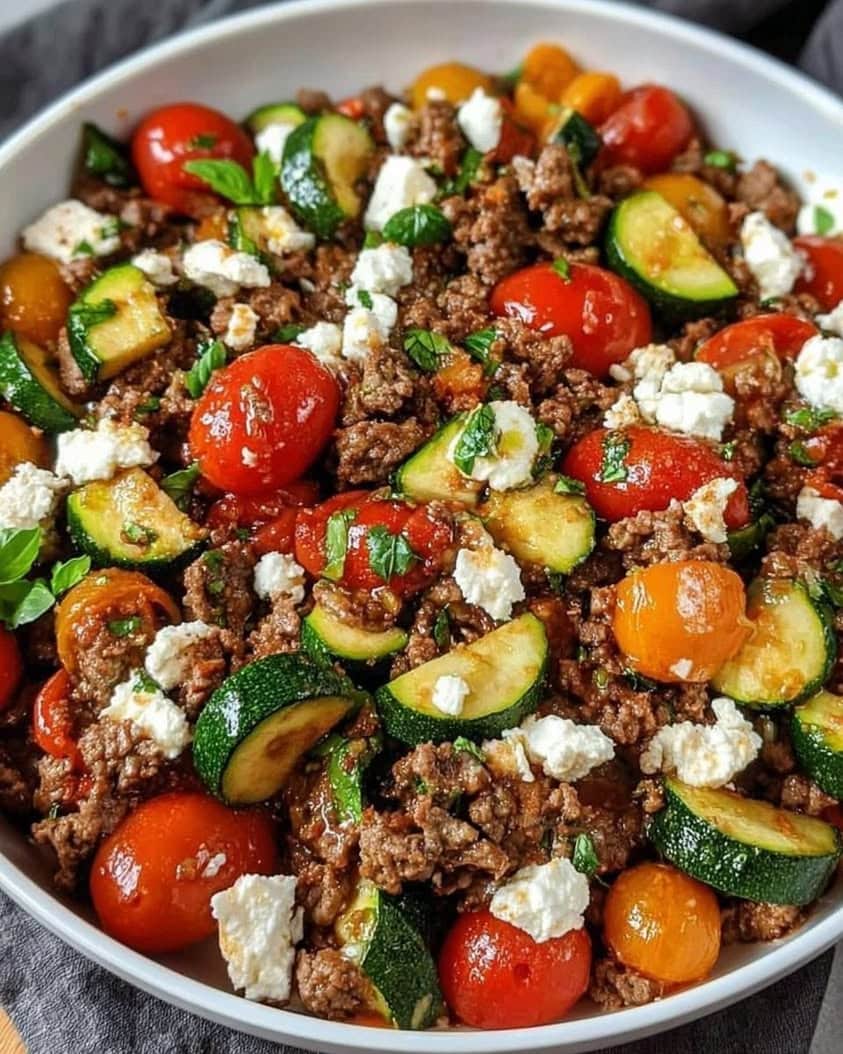
Craving a dinner that’s bursting with color, flavor, and healthy goodness without spending hours in the kitchen? This Vibrant Mediterranean Beef Stir-Fry with Feta and Fresh Vegetables is your perfect solution. This recipe masterfully combines lean ground beef with crisp zucchini, sweet cherry tomatoes, and salty feta cheese, all brought together with classic Mediterranean herbs. The result is a stunning one-pan meal that’s as beautiful on the plate as it is satisfying to eat.
Furthermore, this dish is a fantastic gateway to Mediterranean cooking. It captures the essence of the region’s cuisine—fresh, simple ingredients treated with respect and combined for maximum flavor. The savory beef, the bright vegetables, and the creamy, tangy feta create a harmony that feels both rustic and elegant. Ultimately, this Vibrant Mediterranean Beef Stir-Fry with Feta and Fresh Vegetables proves that eating well doesn’t have to be complicated or time-consuming.
Imagine the sizzle of beef browning with garlic, followed by the fresh scent of oregano and basil filling your kitchen. Picture the zucchini turning tender-crisp and the tomatoes just beginning to burst, releasing their sweet juices into the pan. Finally, envision crumbling a generous handful of feta cheese over the top, letting its salty creaminess melt slightly into the hot mixture. This is the sensory journey of making this incredible stir-fry, a journey that ends in a delicious, wholesome meal your whole family will love.
Quick Recipe Highlights
- Flavor Profile: This Vibrant Mediterranean Beef Stir-Fry with Feta and Fresh Vegetables delivers a robust savory base from the beef, balanced by the sweet acidity of burst tomatoes and the bright, herbal notes of oregano and basil. The salty, tangy punch from the feta cheese ties everything together perfectly.
- Texture: You get a wonderful contrast of textures: the tender crumble of the browned beef, the slight bite of sautéed zucchini, the juicy pop of cherry tomatoes, and the creamy, crumbly finish of feta cheese. Each forkful is a delightful mix.
- Aroma: As it cooks, the kitchen fills with the irresistible scent of garlic and onion sizzling, the earthy fragrance of dried oregano blooming in the oil, and the fresh, summery aroma of basil added at the end.
- Visual Appeal: The dish is a feast for the eyes with its vibrant color palette: the deep brown of the beef, the bright green of zucchini and basil, the red of tomatoes, and the white crumbles of feta cheese create a stunning, Instagram-worthy plate.
- Skill Level Needed: This is a beginner-friendly recipe. The techniques involve basic chopping, browning meat, and sautéing vegetables. If you can use a skillet and a spatula, you can absolutely master this Vibrant Mediterranean Beef Stir-Fry with Feta and Fresh Vegetables.
- Special Equipment: You only need one large skillet or frying pan (preferably 12-inch) with high sides to comfortably contain all the ingredients. A good chef’s knife and cutting board for prepping the vegetables are the only other essentials.
Recipe Overview
- Difficulty Level: We rate this Vibrant Mediterranean Beef Stir-Fry with Feta and Fresh Vegetables as “Easy” because it uses straightforward cooking techniques accessible to novices. The process is linear and forgiving. Additionally, ingredient prep is minimal, and the entire cook happens in one pan, simplifying both the process and the cleanup.
- Category: This recipe fits perfectly into several categories: a quick and easy weeknight dinner, a healthy one-pan meal, and a high-protein lunch option. It’s substantial enough to stand alone but also works beautifully as part of a larger Mediterranean-inspired feast.
- Cuisine: This dish is firmly rooted in the broader Mediterranean culinary tradition, drawing inspiration from Greek and Southern Italian flavors. The use of oregano, garlic, tomato, and feta cheese is classic. However, the stir-fry method adds a modern, quick-cooking twist to these timeless ingredients.
- Cost: This is a very cost-effective meal. Ground beef is typically affordable, and zucchini and cherry tomatoes are often reasonably priced, especially in season. Feta cheese is the “splurge” ingredient, but a little goes a long way in terms of flavor. Overall, you can feed a family of four for less than the cost of takeout.
- Season: This Vibrant Mediterranean Beef Stir-Fry with Feta and Fresh Vegetables shines brightest in late summer and early fall when zucchini and cherry tomatoes are at their peak sweetness and abundance. However, it’s a fantastic year-round recipe because these vegetables are reliably available in grocery stores.
- Occasion: It’s ideal for busy weeknights when you need dinner on the table fast. Conversely, it’s also impressive enough for casual weekend entertaining. Simply double the recipe, serve it with crusty bread and a simple salad, and you have a stress-free meal for guests.
Why You’ll Love This Recipe
First and foremost, the taste and texture of this Vibrant Mediterranean Beef Stir-Fry with Feta and Fresh Vegetables are utterly irresistible. The savory, umami-rich beef forms a perfect foundation. Meanwhile, the zucchini adds a fresh, slightly crisp element, and the cherry tomatoes provide little bursts of sweet acidity. Finally, the feta cheese introduces a creamy, salty tang that elevates every single bite. This combination is deeply satisfying and far more exciting than a standard weeknight meal.
From a convenience standpoint, this recipe is a true lifesaver. It comes together in one pan in about 30 minutes from start to finish. The prep work is minimal—just some simple chopping. Consequently, you spend less time cooking and cleaning, and more time enjoying your meal. This Vibrant Mediterranean Beef Stir-Fry with Feta and Fresh Vegetables is the definition of efficient, flavorful cooking for real life.
Nutritionally, this dish is a powerhouse. Lean ground beef provides high-quality protein and iron. Zucchini contributes vitamins A and C, along with fiber. Cherry tomatoes are loaded with antioxidants like lycopene. Using olive oil adds heart-healthy monounsaturated fats. Therefore, you’re serving a meal that fuels your body beautifully without any sense of deprivation. It’s healthy eating that feels indulgent.
For social and entertaining value, this stir-fry is a fantastic choice. It’s visually stunning, which makes it great for sharing on social media or impressing dinner guests. Moreover, the flavors are universally appealing—neither too spicy nor too exotic. You can easily adapt the portions for a crowd. Serving this Vibrant Mediterranean Beef Stir-Fry with Feta and Fresh Vegetables communicates care and culinary skill with minimal actual effort.
Finally, its cost-effectiveness and accessibility are major wins. The ingredients are common and easy to find at any standard supermarket. You likely have many of the pantry staples like garlic, onion, and oregano already. As a result, this recipe helps you create a restaurant-quality, globally-inspired meal without a special trip to a gourmet store or a blow to your grocery budget. It’s accessible gourmet at its finest.
Historical Background and Cultural Significance
The origins of this dish are a beautiful fusion of tradition and modern convenience. While the specific concept of a “Mediterranean beef stir-fry” is a contemporary invention, its soul is ancient. The core ingredients—olive oil, garlic, oregano, tomato, and cheese—have been staples around the Mediterranean Sea for millennia. Greek shepherds cooked with oregano and feta. Italian nonnas simmered tomatoes with garlic and basil. This recipe respectfully borrows these iconic flavors and reinterprets them through the quick, high-heat technique of stir-frying, a method more commonly associated with East Asian cuisine.
Culturally, this dish celebrates the Mediterranean dietary pattern, which UNESCO recognizes as an intangible cultural heritage of humanity. This pattern emphasizes fresh vegetables, lean proteins, healthy fats, and herbs. The Vibrant Mediterranean Beef Stir-Fry with Feta and Fresh Vegetables embodies these principles perfectly. It’s a direct reflection of a lifestyle that prioritizes simple, wholesome, and delicious food shared with family and friends. Eating this dish connects you to a centuries-old tradition of vibrant, health-conscious eating.
The evolution of this recipe is a story of global culinary exchange. The stir-fry technique, optimized for speed and efficiency, met the timeless, robust flavors of the Mediterranean. This fusion likely gained popularity as home cooks worldwide sought ways to incorporate healthier, globally-inspired meals into their busy schedules. The result is a hybrid dish that respects its cultural roots while fully embracing modern cooking needs. It’s a testament to how cuisine constantly adapts and evolves.
Regarding regional variations, the core concept is wonderfully flexible. In Greece, you might find a similar skillet dish called “yiouvetsi” but baked with orzo pasta. In Turkey, spices like cumin and mint might join the party. A Southern Italian version could include capers and olives. Our specific take with zucchini and cherry tomatoes leans into the Provençal or coastal Italian aesthetic. The beauty of this Vibrant Mediterranean Beef Stir-Fry with Feta and Fresh Vegetables framework is that you can tweak the vegetables, herbs, or cheese to mirror the sub-region of the Mediterranean that most calls to you.
Ingredient Deep Dive
Lean Ground Beef: Culturally, beef has been a prized protein in many Mediterranean regions, though often used more sparingly than in other cuisines. Nutritionally, lean ground beef (90/10 or 93/7) is an excellent source of complete protein, iron, zinc, and B vitamins, crucial for energy and muscle health. When selecting, look for bright red color with minimal liquid in the package. For storage, use within 1-2 days of purchase or freeze immediately. For a substitution, ground lamb is a fantastic authentic alternative, or use ground turkey or chicken for a lighter option.
Zucchini: This summer squash, known as courgette in many places, is native to the Americas but was embraced and cultivated extensively in the Mediterranean. It’s low in calories but high in water, fiber, vitamin C, vitamin A, and potassium, supporting hydration and heart health. Choose firm, glossy zucchini that feel heavy for their size, ideally small to medium (they are less seedy). Store them unwashed in a plastic bag in the fridge for up to a week. Yellow summer squash is a perfect visual and textural substitute.
Cherry Tomatoes: Tomatoes are central to Mediterranean cuisine, originating in South America and transforming European cooking after their introduction. Cherry tomatoes are particularly sweet and juicy. They are packed with vitamin C, potassium, and the antioxidant lycopene, which is enhanced by cooking. Select tomatoes that are plump, smooth, and deeply colored, still attached to the vine if possible for maximum flavor. Keep them at room temperature until ripe, then refrigerate. Grape tomatoes or diced Roma tomatoes can be used in their place.
Feta Cheese: A brined curd cheese with a history dating back to ancient Greece, feta is a Protected Designation of Origin (PDO) product, meaning true feta comes only from Greece. It’s made primarily from sheep’s milk or a sheep/goat blend. It provides calcium, protein, and probiotics, but it is also high in sodium. For the best flavor, buy a block of feta in brine rather than pre-crumbled. Store it submerged in its brine in the fridge. For substitutions, try crumbled goat cheese (chèvre) for a tangier profile or ricotta salata for a firmer, saltier bite.
Fresh Basil & Dried Oregano: These herbs define the aromatic profile of the Mediterranean. Oregano, meaning “joy of the mountain,” was used by ancient Greeks for both culinary and medicinal purposes. Dried oregano has a more concentrated, earthy flavor perfect for cooking. Basil, associated with love and devotion in Italy, offers a sweet, peppery freshness best added at the end. Both herbs contain antioxidants. Choose vibrant green basil without black spots. Store basil stems in water like flowers. Use high-quality dried oregano, not old and dusty. For substitutions, fresh oregano can replace dried (use triple the amount), and fresh parsley or mint can provide a different but lovely fresh finish.
Common Mistakes to Avoid
- Overcrowding the Pan: Adding all the beef at once can cause it to steam instead of brown. For proper browning, which builds foundational flavor, cook the beef in two batches if your pan is small. This ensures each piece gets direct contact with the hot surface.
- Using Wet Vegetables: If you wash your zucchini and don’t pat it dry, the excess water will steam the vegetables when they hit the hot pan. Always thoroughly dry chopped vegetables with a clean kitchen towel or paper towels to guarantee they sauté properly.
- Adding Garlic Too Early: Garlic burns incredibly quickly and turns bitter. Always add minced garlic to the pan after the onion has softened and the heat is manageable. Stir it constantly for just 30-60 seconds until fragrant before adding the next ingredients.
- Overcooking the Zucchini: Zucchini should be tender-crisp, not mushy. It continues to cook slightly from residual heat even after you turn off the stove. Therefore, aim to remove the pan from the heat when the zucchini is just pierced easily with a fork but still has a slight bite.
- Stirring Too Frequently: Constant stirring prevents the beef from forming a good sear and the vegetables from getting any slight caramelization. Let the ingredients sit undisturbed for a minute or two between stirs to develop deeper flavor and better texture.
- Using Pre-Crumbled Feta: Pre-crumbled feta is often drier, chalkier, and coated with anti-caking agents. For superior creamy texture and flavor, always buy a block of feta in brine and crumble it yourself just before serving. The difference is remarkable.
- Skipping the Herb Bloom: Adding dried oregano directly to liquid won’t unlock its full potential. Adding it to the hot oil with the onions for a brief moment “blooms” the herb, releasing its essential oils and deeply infusing the entire dish with its earthy aroma.
- Not Seasoning in Layers: Season only at the end, and the flavors won’t penetrate. Season the beef lightly as it browns, then adjust seasoning again after adding the vegetables and tomatoes. Finally, taste and adjust one last time before serving, remembering the feta will add saltiness.
- Adding Fresh Basil While Cooking: The delicate flavor of fresh basil is destroyed by prolonged heat. Always stir in torn or chopped fresh basil off the heat, just before serving. This preserves its bright color and fresh, aromatic punch.
- Using a Pan That’s Too Small: A crowded pan lowers the temperature and leads to steaming. For this recipe, a 12-inch skillet is ideal. It provides enough surface area for everything to cook properly without stewing in its own juices.
Essential Techniques
Browning Ground Beef (The Maillard Reaction): This is the most important step for building deep, savory flavor. Browning, scientifically known as the Maillard reaction, occurs when proteins and sugars in the meat react under high heat, creating hundreds of new flavor compounds. To master it, ensure your pan is hot before adding the beef. Use a spatula to break it up, but then let it sit undisturbed for a minute to develop a crust. Common pitfalls are adding meat to a cold pan or stirring it constantly. You’ll know it’s right when the beef is browned with crispy bits, not gray and steamed.
Sautéing Vegetables to Tender-Crisp: This technique preserves the vegetables’ vibrant color, fresh flavor, and pleasant texture. The goal is to cook them quickly over medium-high heat so they soften slightly but retain a bit of crunch. The key is uniform cutting—ensure your zucchini pieces are similar in size for even cooking. Add them to the hot pan in a single layer if possible. Stir occasionally, but don’t overcrowd. The visual cue for success is zucchini that has turned a brighter green and is just fork-tender, not translucent or mushy.
Blooming Dried Herbs: Blooming is the process of briefly cooking dried herbs in hot oil to awaken their dormant essential oils. This simple step transforms dusty oregano into a fragrant, potent flavor base. After sautéing the onion, push it to the side and add the dried oregano directly to the hot oil in the pan. Let it sizzle for 15-30 seconds, stirring constantly, until you smell its aroma intensify. Then, mix it with the onions. This technique ensures the herb’s flavor permeates the entire dish, not just sits on top.
Pro Tips for Perfect Vibrant Mediterranean Beef Stir-Fry with Feta and Fresh Vegetables
Mise en Place: Have all your ingredients chopped, measured, and ready to go before you turn on the stove. Stir-frying moves quickly, and having everything prepared prevents burning while you scramble to prep the next item.
Press Your Beef Dry: Pat the ground beef dry with a paper towel before adding it to the pan. Excess moisture is the enemy of browning, and this simple trick promotes a better sear.
Deglaze Fond: After browning the beef, if there are delicious browned bits (fond) stuck to the pan, add a splash of red wine vinegar, white wine, or even water before adding the vegetables. Scrape it up to incorporate that concentrated flavor back into the dish.
Halve the Tomatoes: For more integrated tomato flavor, halve your cherry tomatoes before adding them. This allows their sweet juices to release directly into the sauce, creating a more cohesive dish.
Finish with Good Oil: After plating, drizzle a tiny amount of high-quality extra virgin olive oil over each serving. The fresh, fruity notes of the oil will shine and add a luxurious finish.
Let it Rest: After combining everything, turn off the heat, add the basil and feta, cover the pan loosely, and let it sit for 2-3 minutes. This allows the flavors to meld and the feta to soften perfectly without melting completely.
Acid is Key: Always have a lemon wedge on the side for serving. A final squeeze of bright lemon juice just before eating can elevate and balance the entire dish, cutting through the richness.
Toast Your Pita: If serving with pita, lightly toast or warm it. The contrast of warm, soft (or slightly crispy) bread with the savory stir-fry is far superior to cold, straight-from-the-bag pita.
Variations and Adaptations
Regional Variations: Travel the Mediterranean from your kitchen. For a Greek twist, add a pinch of cinnamon to the beef and substitute Kalamata olives for some of the tomatoes. For an Italian version, use fresh mozzarella (bocconcini) instead of feta and add a handful of fresh spinach at the end. A Turkish adaptation might include a teaspoon of tomato paste and a sprinkle of pul biber (Aleppo pepper) for warmth.
Seasonal Adaptations: Embrace what’s fresh. In spring, use asparagus and peas. In fall, swap zucchini for cubed eggplant and add roasted red peppers. In winter, use hearty kale or Swiss chard (add stems with onions, leaves at the end) and canned diced tomatoes instead of cherry tomatoes.
Dietary Modifications: This framework is highly adaptable. For a gluten-free meal, serve over quinoa or rice. To make it dairy-free, omit the feta or use a vegan feta alternative and add a handful of toasted pine nuts for richness. For a lower-carb or keto version, simply serve it in a bowl on its own or over cauliflower rice.
Flavor Variations: Change the profile easily. Add a tablespoon of harissa paste with the garlic for a North African kick. Stir in a tablespoon of sun-dried tomato pesto at the end for intense tomato flavor. For an herby green version, use a mix of fresh dill, mint, and parsley instead of just basil.
Texture Modifications: Play with mouthfeel. Add a can of drained chickpeas with the zucchini for extra fiber and a pleasant bite. For a creamier texture, stir in a quarter cup of plain Greek yogurt off the heat. Top with toasted slivered almonds or walnuts for added crunch.
Presentation Alternatives: Think beyond the bowl. Serve the stir-fry stuffed inside hollowed-out bell peppers or zucchini boats and bake briefly. Use it as a hearty filling for whole-wheat wraps or pita pockets. Or, spoon it over creamy polenta or mashed potatoes for ultimate comfort food.
Serving and Presentation Guide
Plating Techniques: For a restaurant-style look, use a wide, shallow bowl. First, create a base with your chosen grain or simply leave it as is. Use a large spoon to place a generous mound in the center. Avoid spreading it flat. Let the ingredients mound naturally to show off their height and variety. Gently press down the center slightly to create a stable base for garnishes.
Garnishing Ideas: Garnishes add the final touch of color and flavor. Beyond the crumbled feta and basil, consider a light sprinkle of smoked paprika or sumac for color. A few whole basil leaves placed artfully on top look beautiful. A drizzle of high-quality olive oil or a balsamic glaze in a zigzag pattern adds sophistication. A few reserved cherry tomato halves or a twist of lemon on the side completes the picture.
Traditional Accompaniments: In the Mediterranean, this type of dish is often served with bread to soak up the delicious juices. Warm pita bread or a crusty baguette is classic and essential. A simple side of olives, marinated artichoke hearts, or a tangy pepperoncini adds to the mezze-style experience. A dollop of tzatziki or hummus on the side provides a cool, creamy contrast.
Modern Serving Suggestions: For a complete, balanced plate, pair it with a simple arugula salad dressed with lemon juice and olive oil. Alternatively, serve it over a bed of couscous, quinoa, or orzo pasta to make it more substantial. For a low-carb option, cauliflower rice is perfect. You can also serve it in individual cast iron skillets for a rustic, family-style presentation.
Temperature Considerations: This dish is best served hot or very warm. The feta should be slightly softened from the residual heat but not fully melted. Ensure your serving bowls or plates are warmed to prevent the food from cooling too quickly. If serving with bread, have it warm and ready at the same time.
Portion Control Tips: A standard serving is about 1.5 to 2 cups of the stir-fry mixture. Using a measuring cup to portion can help with consistency, especially for meal prep. If serving with a grain, aim for a 2:1 ratio of stir-fry to grain for a balanced meal. Remember, the vegetables add volume and nutrients without excessive calories.
Wine and Beverage Pairing
Wine Pairings: The savory beef, acidic tomatoes, and salty feta call for a wine with good acidity and fruit. A Greek Agiorgitiko or a medium-bodied Italian Chianti Classico pairs beautifully, cutting through the richness. For a white option, a crisp Assyrtiko from Santorini or a Vermentino from Sardinia complements the herbal notes without overpowering the dish. A dry rosé from Provence is also a fantastic, versatile choice that bridges all the flavors.
Non-Alcoholic Alternatives: Sparkling water with a squeeze of lemon or lime is always refreshing. For something more special, try a homemade basil lemonade—the herbal note echoes the dish. Iced mint tea or a pomegranate spritzer (pomegranate juice mixed with club soda) also provides a sweet-tart balance that works well with the Mediterranean flavors.
Coffee/Tea Pairings: After the meal, a cup of strong Greek coffee or Turkish coffee would be a culturally authentic finish. For tea, a mint tea is classic across the Mediterranean region. Alternatively, a light, floral herbal tea like chamomile would be a soothing end to the meal without conflicting with the dinner’s flavors.
Temperature Considerations: Wines should be served slightly cooler than room temperature: reds around 60-65°F, whites and rosés around 50-55°F. Non-alcoholic sparkling drinks should be well-chilled. Iced teas and lemonades are best served over ice. The contrast of a cool beverage with the warm, savory food is part of the pleasure.
Serving Suggestions: Always offer water as the primary beverage to cleanse the palate. If serving wine, pour a modest initial portion to allow guests to taste the pairing. For non-alcoholic options, consider serving them in a nice pitcher with glasses garnished with herb sprigs or citrus slices to make them feel special.
Storage and Shelf Life
Storage Methods: Allow the stir-fry to cool completely to room temperature before storing, but do not leave it out for more than two hours. Transfer it to an airtight container. It’s best to store the components separately if possible: the beef and vegetable mixture in one container and fresh feta and basil separately. This preserves the best texture upon reheating.
Temperature Requirements: Refrigerate promptly. The stored stir-fry (without fresh garnishes) will keep safely in the refrigerator for 3-4 days. For longer storage, freezing is an option (see below). Always reheat leftovers to an internal temperature of 165°F.
Container Recommendations: Use glass containers with tight-sealing lids, as they won’t absorb odors or stains. For portion control, divide the mixture into single-serving containers for easy grab-and-go lunches. If storing with feta mixed in, note that the cheese will soften further upon reheating.
Signs of Spoilage: Discard the food if you notice an off or sour smell, significant discoloration (like a grayish cast), or visible mold. If the texture becomes slimy or excessively watery, it’s best to err on the side of caution and not consume it.
Reheating Instructions: The best method is on the stovetop. Reheat gently in a skillet over medium-low heat, adding a tablespoon of water or broth to prevent drying out. You can also use a microwave: place in a microwave-safe dish, cover loosely, and heat in 60-second intervals, stirring in between, until hot throughout.
Freezing Guidelines: Freeze the cooled beef and vegetable mixture (without feta or basil) in a freezer-safe bag or container for up to 2-3 months. Thaw overnight in the refrigerator before reheating. Note that the zucchini may become softer upon thawing and reheating, but the flavor will remain excellent. Add fresh feta and basil after reheating.
Make Ahead Strategies
Prep Timeline: You can do most of the prep 1-2 days in advance. Chop the onion, zucchini, and garlic. Store them separately in airtight containers in the refrigerator. Measure out your dried herbs and spices into a small bowl. Halve the cherry tomatoes and store them in a container as well. This cuts your active cook time on the day of serving to just 15 minutes.
Storage Between Steps: Keep pre-chopped vegetables in the fridge. The onion and garlic can be stored together. Keep the zucchini separate, as it releases moisture. Store cherry tomatoes at room temperature if using within a day, otherwise in the fridge. Keep the ground beef in its original packaging in the fridge until ready to cook.
Quality Impact Assessment: Pre-chopping onions and garlic has minimal impact on flavor. Zucchini may release a little moisture after being cut, so pat it dry before cooking. Pre-cut tomatoes are fine but may lose a bit of juiciness. The overall time savings far outweighs these negligible quality differences for a weeknight meal.
Assembly Tips: On cooking day, simply pull your prepped containers from the fridge. Have your measured spices and canned goods ready. Cook the recipe as directed, but you’ll skip all the chopping steps. The process becomes simply: heat oil, cook onion, add beef, add garlic and spices, add prepped zucchini and tomatoes, finish.
Reheating Guidelines: If you fully cook the dish ahead, follow the reheating instructions above. For the best texture, consider slightly undercooking the zucchini by a minute if you know you’ll be reheating it. This prevents it from becoming mushy when warmed a second time.
Fresh Element Additions: This is crucial. No matter how far ahead you prep or cook, always add the fresh basil and crumble the feta cheese just before serving. These elements do not hold up to storage or reheating and are essential for the bright, fresh finish that defines the dish.
Scaling Instructions
Halving the Recipe: Halving is straightforward for smaller households. Simply divide all ingredient quantities by two. Use a 10-inch skillet instead of a 12-inch. Cooking times will be slightly shorter, so watch closely: the beef may brown in 4-5 minutes, and the vegetables may be done in 5-6 minutes. Taste and adjust seasoning at the end, as salt perception can change with volume.
Doubling or Tripling: For a crowd, doubling or tripling works well. Multiply all ingredients accordingly. The key is to not crowd the pan—cook the beef in multiple batches to ensure proper browning. You may also need to sauté the vegetables in two batches. Alternatively, use a very large Dutch oven or a wide braising pan to increase surface area. Total cook time will increase slightly due to batch cooking.
Equipment Adjustments: Scale your pan size with the recipe. For a single batch, a 12-inch skillet is ideal. For a double batch, use a 14-inch skillet or a large Dutch oven. If you only have a standard skillet, commit to cooking in multiple batches to maintain quality. Ensure you have a large enough mixing bowl to combine everything at the end if cooking in batches.
Timing Modifications: When scaling up, prep time increases linearly. Cooking time increases moderately, primarily due to batch cooking the beef and vegetables. Allow an extra 10-15 minutes for a double batch. Keep cooked batches warm in a low oven (200°F) covered with foil while you finish the rest.
Storage Considerations: Larger batches mean more leftovers. Plan your storage containers in advance. Consider freezing portions of a large batch immediately after cooling for future quick meals. Label containers with the date and contents. Remember that the quality of the zucchini is best when freshly cooked, so freezing is better for longer-term storage of big batches.
Nutritional Deep Dive
Macro Breakdown: A serving of this Vibrant Mediterranean Beef Stir-Fry with Feta and Fresh Vegetables (without added grains) is a well-balanced meal. It provides approximately 25-30 grams of high-quality protein from the beef and feta, supporting muscle maintenance. It contains 15-20 grams of primarily healthy fats from the olive oil and feta. The carbohydrate content is relatively low (around 10-15 grams per serving), coming mainly from the vegetables, making it suitable for lower-carb eating plans.
Micronutrient Analysis: This dish is a micronutrient powerhouse. Zucchini and tomatoes contribute vitamins A and C, potassium, and antioxidants. The lycopene in tomatoes is more bioavailable when cooked. Lean beef is an excellent source of highly absorbable heme iron, zinc, and B vitamins like B12. Olive oil provides vitamin E. Feta cheese adds calcium and phosphorus for bone health.
Health Benefits: The combination of ingredients supports heart health through lean protein, healthy fats, and potassium-rich vegetables. The fiber from the vegetables aids digestion. The antioxidants combat oxidative stress. The high protein and fiber content promote satiety, which can help with weight management. Overall, it aligns perfectly with the well-researched health benefits of the Mediterranean diet.
Dietary Considerations: This recipe is naturally gluten-free. It can be adapted to be dairy-free by omitting the feta. It is not suitable for vegetarians or vegans as-is due to the beef. For those monitoring sodium, you can control salt during cooking and use a lighter hand with the feta, or seek out a lower-sodium feta variety.
Portion Analysis: A standard serving is satisfying and nutrient-dense. If weight management is a goal, this dish is excellent because it’s high in volume and low in calorie density due to the vegetables. You can increase the portion of vegetables and slightly decrease the portion of beef to further lower the calorie count while still feeling full.
Weight Management Tips: This stir-fry is a weight-loss friendly meal. Serve it in a bowl on its own to keep carbs in check. Use a spray of olive oil instead of a pour to slightly reduce fat calories. Load up on extra non-starchy Print
Vibrant Mediterranean Beef Stir-Fry with Feta, Zucchini & Cherry Tomatoes
- Total Time: 45 minutes
- Yield: 4
Description
A quick, colorful stir-fry featuring tender beef, fresh zucchini, and sweet cherry tomatoes, all tossed in a zesty Mediterranean-inspired sauce and topped with crumbled feta cheese.
Ingredients
- 1 lb sirloin steak, thinly sliced
- 2 medium zucchinis, sliced into half-moons
- 1 pint cherry tomatoes, halved
- 1 red onion, thinly sliced
- 3 cloves garlic, minced
- 2 tbsp olive oil
- 1 tsp dried oregano
- 1/2 tsp smoked paprika
- Salt and black pepper to taste
- 1/4 cup crumbled feta cheese
- Fresh parsley for garnish
Instructions
- Heat olive oil in a large skillet or wok over medium-high heat. Add the sliced beef and cook until browned, about 4-5 minutes. Remove from skillet and set aside.
- In the same skillet, add the red onion and zucchini. Stir-fry for 5-6 minutes until slightly softened. Add garlic, oregano, smoked paprika, salt, and pepper, cooking for 1 more minute until fragrant.
- Add the cherry tomatoes and cook for 2-3 minutes until they begin to soften. Return the beef to the skillet, toss everything together, and cook for another 2 minutes to heat through.
- Remove from heat and sprinkle with crumbled feta cheese and fresh parsley. Serve immediately over rice or with crusty bread.
Notes
You can customize the seasonings to taste.
- Prep Time: 15 minutes
- Cook Time: 30 minutes
- Method: Main
- Cuisine: Mediterranean