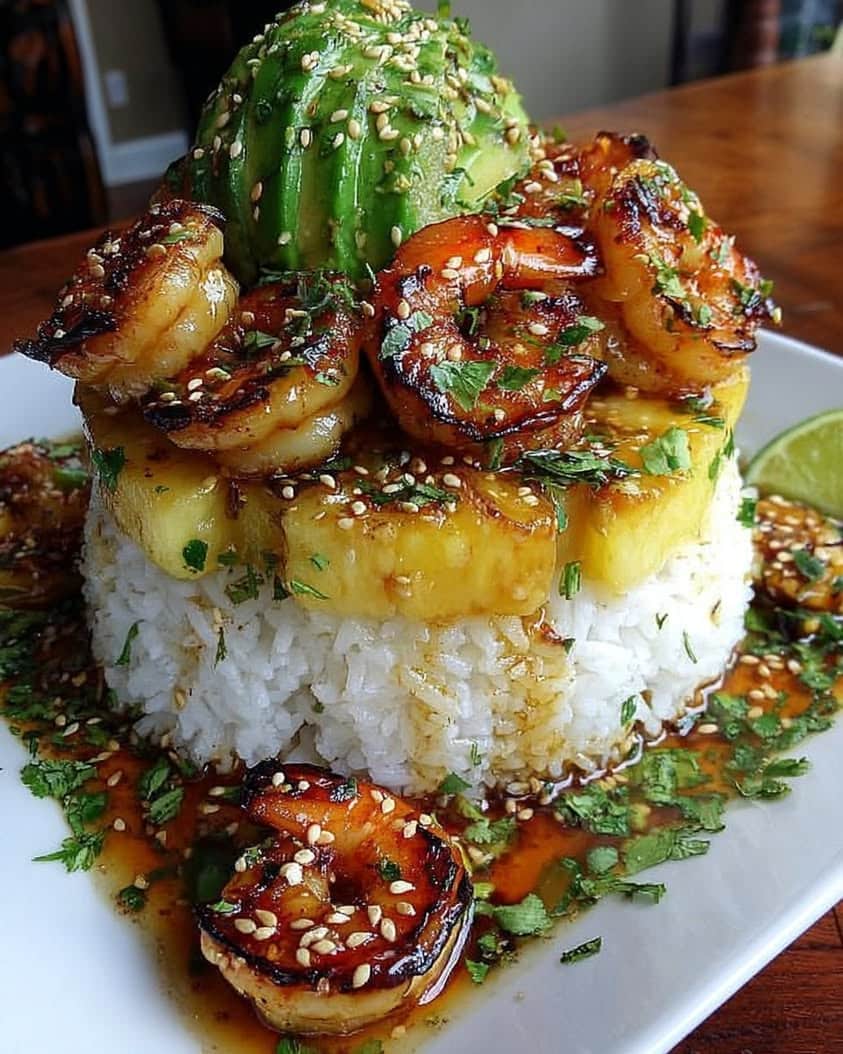
Honey Lime Shrimp with Pineapple Rice: A Tropical Weeknight Dinner
Imagine a dinner that whisks you away to a sun-drenched beach with every bite. This honey lime shrimp with pineapple rice delivers exactly that experience. The dish combines succulent, quickly-seared shrimp coated in a sticky-sweet and tangy glaze with a vibrant bed of fluffy rice studded with juicy pineapple. Consequently, it creates a perfect harmony of flavors that feels both indulgent and refreshingly light. Moreover, it’s a fantastic way to bring a taste of the tropics to your table any night of the week.
This recipe is a celebration of simple, fresh ingredients coming together in a spectacular way. The key lies in the balance: the floral sweetness of honey, the bright acidity of fresh lime, the savory depth of garlic and soy, and the tropical burst of pineapple. Additionally, the entire meal comes together in about thirty minutes, making it an ideal solution for busy evenings. Ultimately, this honey lime shrimp with pineapple rice is more than just a meal; it’s a mini-vacation on a plate that will have everyone asking for seconds.
The visual appeal is equally stunning. Picture golden-brown shrimp glistening with a caramelized glaze, piled atop a mound of yellow rice flecked with green scallions and red bell pepper. It’s a colorful, restaurant-quality presentation that’s surprisingly easy to achieve at home. Therefore, whether you’re cooking for a casual family dinner or impressing guests, this dish is guaranteed to be a showstopper.
Quick Recipe Highlights
- Flavor Profile: This dish masterfully balances sweet, savory, tangy, and umami notes. The honey provides a rich, floral sweetness that caramelizes beautifully on the shrimp, while the fresh lime juice and zest cut through with a vibrant acidity. Furthermore, ingredients like soy sauce and garlic add a crucial savory depth that prevents the dish from being cloying.
- Texture: You’ll experience a wonderful contrast of textures. The shrimp should be cooked just until firm and slightly springy, with a deliciously sticky exterior from the reduced glaze. Conversely, the pineapple rice offers a fluffy, slightly sticky base with pops of juicy, tender pineapple and a subtle crunch from sautéed vegetables.
- Aroma: As it cooks, your kitchen will fill with an irresistible fragrance. Initially, you’ll smell the savory scent of garlic and ginger sizzling. Then, the sweet, tropical aroma of pineapple and honey will mingle with the bright, citrusy notes of lime, creating an olfactory promise of the delicious meal to come.
- Visual Appeal: This is a feast for the eyes. The golden-brown shrimp have a gorgeous caramelized sheen, creating a beautiful contrast against the bright yellow rice. Additionally, colorful specks of red bell pepper, green scallions, and fresh cilantro make the plate look vibrant, fresh, and incredibly appetizing.
- Skill Level Needed: This is a beginner-friendly recipe that teaches foundational skills. You’ll practice making a simple marinade, cooking rice, and mastering the quick sear for shrimp. Importantly, the techniques are straightforward, and the recipe is forgiving, making it perfect for building kitchen confidence.
- Special Equipment: You need only basic kitchen tools. A sharp knife, cutting board, mixing bowls, a skillet or wok for the shrimp, and a saucepan with a lid for the rice are essential. A microplane for zesting the lime is helpful but not mandatory; you can use a fine grater instead.
Recipe Overview
- Difficulty Level: We rate this honey lime shrimp with pineapple rice as “Easy.” The steps are sequential and simple: prepare a marinade, cook the rice, and quickly sauté the shrimp. There are no complex techniques like braising or baking required. However, success depends on organization and paying attention to cooking times, especially for the shrimp to avoid overcooking.
- Category: This dish fits beautifully into several meal categories. Primarily, it’s a fantastic main course for a weeknight dinner or a special weekend meal. Alternatively, you can serve the components separately as part of a larger buffet or meal-prep the elements for healthy, flavorful lunches throughout the week.
- Cuisine: While not strictly authentic to one region, the recipe draws inspiration from various tropical and Asian-Pacific culinary traditions. The use of soy sauce and ginger nods to Asian flavors, while the honey-lime glaze and pineapple are staples in Caribbean and Hawaiian cooking. Ultimately, it’s a delicious fusion dish that celebrates bright, sunny flavors.
- Cost: This is a moderately priced meal that feels luxurious. Shrimp is typically the most expensive component, but you can often find good deals on frozen, peeled, and deveined shrimp. The remaining ingredients—rice, pineapple, lime, honey, and common pantry spices—are very affordable. Overall, it delivers restaurant-quality taste for a fraction of the cost.
- Season: This recipe shines brightest in the spring and summer months when you crave lighter, brighter meals. The tropical flavors are perfect for warm-weather dining, whether indoors or out. Nevertheless, it’s also a wonderful way to combat winter blues, bringing a much-needed burst of sunshine and color to the dinner table during colder months.
- Occasion: Its versatility makes it suitable for many occasions. It’s quick enough for a hectic Tuesday, yet elegant enough for a casual dinner party with friends. You can also easily scale it up for a potluck or a festive gathering. Simply put, it’s a reliable crowd-pleaser for almost any event.
Why You’ll Love This Recipe
First and foremost, the taste and texture combination is utterly addictive. Each forkful delivers a perfect bite: the sticky, sweet-tangy shrimp paired with the fluffy, savory-sweet rice creates a symphony in your mouth. The pineapple adds a juicy burst that cuts through the richness, while aromatics like ginger and garlic provide a warm, savory foundation. Consequently, every element complements the others, resulting in a dish that is complex yet harmoniously balanced. You’ll find it hard to believe something this flavorful comes together so quickly.
From a practical standpoint, the convenience factor is a major win. This honey lime shrimp with pineapple rice is a true 30-minute meal, making it a lifesaver on busy weeknights. The prep work is minimal—mostly just chopping a few vegetables and mixing a simple marinade. Furthermore, the cooking process is fast and uses only two main pans. You can have a stunning, healthy dinner on the table in the time it would take to wait for delivery, and the result will be far fresher and more satisfying.
Nutritionally, this meal is a powerhouse. Shrimp is an excellent source of lean protein and important nutrients like selenium and iodine. Meanwhile, the pineapple provides a healthy dose of vitamin C, manganese, and bromelain, an enzyme that aids digestion. Using whole grain rice instead of white adds fiber and complex carbohydrates for sustained energy. Therefore, you’re enjoying a meal that is as good for your body as it is for your taste buds, without any sense of deprivation.
For entertaining, this dish offers incredible social value. It’s visually impressive and feels special, making your guests feel pampered. The flavors are universally appealing, yet interesting enough to spark conversation. Moreover, because much of the work can be done ahead of time, you won’t be stuck in the kitchen while your company is in the other room. You can simply give the shrimp a quick sear at the last minute and assemble the beautiful stacks tableside.
Finally, it’s remarkably cost-effective and accessible. As mentioned, shrimp is the main splurge, but the rest of the ingredients are pantry staples or inexpensive fresh produce. You can easily adapt the recipe based on what’s on sale or what you have on hand. For instance, use frozen mixed vegetables in the rice or swap the fresh pineapple for canned (in juice, not syrup) in a pinch. This flexibility makes the honey lime shrimp with pineapple rice a practical and budget-friendly choice for families.
Historical Background and Cultural Significance
The concept of pairing sweet and savory flavors with seafood has ancient roots in many coastal cultures. While this specific recipe is a modern fusion creation, its components tell a global story. For centuries, cultures living near tropical waters have utilized local citrus and sweeteners like honey or sugar cane to create glazes and sauces for fish and shellfish. The technique of quickly cooking shrimp over high heat is prevalent across Asian and Latin American cuisines, highlighting the ingredient’s delicate texture.
Culturally, pineapple has long been a symbol of hospitality and welcome, a tradition dating back to colonial America when the fruit was a rare and expensive luxury. Incorporating it into a savory rice dish reflects a more modern, global approach to cooking, where tropical fruits are celebrated as integral components of a main course rather than just dessert. This dish embodies a contemporary culinary spirit that freely blends traditions to create something new and exciting.
The evolution of this recipe likely follows the trajectory of “weeknight gourmet” cooking trends. As home cooks sought to recreate the vibrant flavors of restaurant-style Asian and tropical fusion dishes at home, simplified versions emerged. The honey-lime-soy marinade is a classic example of a “cheat’s sauce” that delivers maximum flavor with minimal effort, using ingredients commonly found in modern pantries. It represents a democratization of complex flavors for the everyday kitchen.
Regional variations of this concept abound. In the Caribbean, you might find shrimp marinated in a similar citrus-soy blend with Scotch bonnet peppers for heat. In Thailand, a sweet-tangy tamarind sauce might replace the honey-lime combo. In the American South, a barbecue glaze with pineapple could be used. Our version sits comfortably in the middle, offering a accessible, crowd-pleasing balance that invites further experimentation based on personal taste and available ingredients.
Ingredient Deep Dive
Shrimp: Shrimp is one of the world’s most popular seafoods, farmed and fished globally for millennia. Nutritionally, it’s a powerhouse of lean protein, low in calories and fat but rich in selenium, iodine, and vitamin B12. When selecting shrimp, look for firm, translucent flesh with a mild sea smell. Avoid any with black spots or a strong ammonia odor. For best results, buy frozen, peeled, and deveined shrimp; they are often fresher than “fresh” shrimp at the counter, which may have been previously frozen and thawed. Thaw them overnight in the fridge or under cold running water. Pat them very dry before marinating to ensure a good sear.
Pineapple: Native to South America, pineapple symbolized wealth and hospitality by the 1700s. It’s rich in vitamin C, manganese, and bromelain, an enzyme with anti-inflammatory properties. Choose a pineapple that feels heavy for its size, has green, fresh-looking leaves, and gives slightly to pressure at the base. A sweet scent at the stem end is a good indicator of ripeness. Store whole pineapples at room temperature for 1-2 days, then refrigerate cut fruit in an airtight container for up to 4 days. For a quicker option, high-quality canned pineapple in 100% juice (drained) works perfectly in the rice.
Honey: Honey’s use dates back over 8,000 years, depicted in ancient cave paintings. Beyond its sweetening power, it contains antioxidants and has natural preservative qualities. In this marinade, honey caramelizes on the hot shrimp, creating a delicious sticky glaze and balancing the lime’s acidity. Use a mild, runny honey like clover or wildflower for best results. For a vegan adaptation, maple syrup or agave nectar can be substituted, though the flavor profile will shift slightly.
Lime: Limes originated in Southeast Asia and were carried across the world by traders and explorers, prized for preventing scurvy. They provide vital vitamin C and a bright, acidic punch that lifts the entire dish. Always use fresh lime juice; bottled juice lacks vibrancy and can have a bitter aftertaste. Zest the lime before juicing it to capture the fragrant essential oils in the zest, which pack immense flavor. Roll the lime firmly on the counter before cutting to help release more juice.
Jasmine Rice: This aromatic long-grain rice is native to Thailand and is known for its subtle floral scent and slightly sticky texture when cooked, which is perfect for holding the pineapple rice together. It provides a neutral base that carries the other flavors beautifully. Rinse the rice thoroughly in a fine-mesh strainer until the water runs clear to remove excess surface starch, preventing gumminess. For a whole-grain boost, you can substitute jasmine brown rice, but note it will require a longer cooking time and more liquid.
Common Mistakes to Avoid
- Overcooking the Shrimp: This is the most common pitfall. Shrimp cook incredibly fast and turn rubbery and tough when overdone. Cook them just until they turn opaque and pink, curling into a loose “C” shape. They will continue to cook slightly from residual heat after being removed from the pan.
- Not Drying the Shrimp: Adding wet shrimp to the marinade or, worse, to a hot pan, will cause them to steam instead of sear. Always pat shrimp thoroughly dry with paper towels before marinating. This step is crucial for achieving that beautiful caramelized glaze.
- Using Bottled Lime Juice: The fresh, bright acidity of real lime juice is irreplaceable in this recipe. Bottled juice often contains preservatives and lacks the vibrant flavor of fresh, resulting in a flat, sometimes metallic-tasting sauce. Always squeeze your limes fresh.
- Crowding the Pan: When searing the shrimp, give them space in the pan. If you add too many at once, they will release moisture and steam, preventing proper browning. Cook in batches if necessary to ensure each shrimp gets direct contact with the hot surface.
- Underseasoning the Rice: The pineapple rice should be flavorful on its own. Remember to salt the cooking water for the rice adequately. Additionally, sautéing the aromatics (garlic, ginger, bell pepper) in a little oil before adding the rice and liquid builds a critical flavor foundation.
- Adding Pineapple Too Early: If you add the pineapple pieces at the beginning of cooking the rice, they can become mushy and lose their bright flavor. Stir them in at the very end, just to heat through, so they retain their juicy texture and fresh taste.
- Neglecting the Marinade: Don’t just toss the shrimp and forget them. Even a brief 15-20 minute marinade makes a significant difference in flavor penetration. However, avoid marinating for more than 30 minutes, as the acid in the lime juice can start to “cook” the shrimp, giving them a chalky texture.
- Skipping the Garnish: Fresh herbs like cilantro or sliced scallions are not just decoration. They add a crucial layer of fresh aroma, a pop of color, and a final bright flavor note that completes the dish. Don’t leave them out.
Essential Techniques
Proper Searing: Achieving a good sear on the shrimp is essential for flavor and texture. First, ensure your pan is properly preheated over medium-high heat before adding oil. The oil should shimmer but not smoke. Then, add the dried shrimp in a single layer, leaving space between them. Let them cook undisturbed for about 1-2 minutes to develop a golden-brown crust before flipping. This technique, called the Maillard reaction, creates complex, savory flavors you can’t get from steaming or boiling.
Building Flavor in Rice: Transforming plain rice into flavorful pineapple rice involves a key technique: sautéing aromatics. Instead of just boiling rice in water, start by cooking minced garlic, ginger, and diced bell pepper in a little oil until fragrant. This step infuses the oil with their flavors. Then, add the rinsed rice and stir to coat each grain in the flavored oil before adding the liquid. This simple process ensures every bite of rice is seasoned from the inside out.
Reducing a Glaze: After removing the cooked shrimp, you’ll often have delicious browned bits and leftover marinade in the pan. Adding a splash of water or broth and scraping up those bits (deglazing) creates a flavor-packed base. Simmering this liquid for a minute or two allows it to reduce and thicken slightly into a glossy sauce. Pouring this reduction over the plated shrimp adds an extra layer of intense, concentrated flavor to the final dish.
Pro Tips for Perfect Honey Lime Shrimp with Pineapple Rice
- For the most flavorful rice, cook it in a mixture of half water and half canned coconut milk. The coconut milk adds a subtle creaminess and tropical nuance that pairs wonderfully with the pineapple and shrimp.
- Zest your lime directly into the shrimp marinade before juicing it. The zest contains potent essential oils that carry the true fragrance and flavor of the lime, boosting the citrus profile exponentially.
- If using frozen pineapple, thaw it completely and drain any excess liquid very well before adding it to the rice. Excess moisture can make the rice soggy.
- Let your cooked rice rest, covered, for 5-10 minutes after turning off the heat and before fluffing it with a fork. This allows the steam to redistribute, resulting in fluffier, more separate grains.
- Add a pinch of red pepper flakes or a small diced fresh chili (like jalapeño) to the shrimp marinade for a gentle kick of heat that balances the sweetness beautifully.
- Use a non-stick or well-seasoned cast iron skillet for the shrimp to prevent sticking and ensure easy release for that perfect sear without losing the precious glaze.
- Prep all your ingredients before you start cooking (mise en place). Since the cooking process moves quickly, having everything chopped, measured, and ready to go prevents burning and ensures a smooth, stress-free experience.
Variations and Adaptations
Regional Variations: To take this dish around the world, consider a few swaps. For a Thai-inspired version, replace the honey-lime glaze with a sauce of tamarind paste, fish sauce, and palm sugar. For a Caribbean twist, add a tablespoon of jerk seasoning to the shrimp marinade and use black beans in the rice. A Mediterranean adaptation could feature oregano and lemon with a rice pilaf studded with olives and artichokes.
Seasonal Adaptations: While pineapple is available year-round, you can adapt the fruit in the rice to the season. In summer, try diced mango or peach. In fall, roasted sweet potato cubes or sautéed apples work wonderfully. For winter, use citrus segments like orange or grapefruit, adding them at the very end to maintain their fresh texture.
Dietary Modifications: This recipe is naturally gluten-free if you use tamari or a certified gluten-free soy sauce. For a vegan version, substitute the shrimp with extra-firm tofu or king oyster mushroom slices, and use maple syrup instead of honey. To reduce carbs, serve the honey lime shrimp over cauliflower rice or a bed of sautéed zucchini noodles.
Flavor Variations: Experiment with the core flavor profile. Substitute the honey with pure maple syrup or orange marmalade for a different sweetness. Swap lime for lemon or even orange juice. Add a tablespoon of toasted sesame oil to the marinade for a nutty depth, or stir a tablespoon of curry powder into the rice while sautéing the aromatics.
Serving and Presentation Guide
Plating is key to maximizing the visual impact of this colorful dish. For the classic “stack,” pack the warm pineapple rice firmly into a small bowl or measuring cup. Invert it onto the center of a plate or shallow bowl to create a neat mound. Artfully arrange the glazed shrimp around the base or pile them on top. Drizzle any remaining pan sauce over the shrimp and rice. This method creates height and a restaurant-quality look.
Garnishing adds the final touch of freshness and color. A generous sprinkle of thinly sliced green scallions and fresh cilantro leaves is traditional. For added color and crunch, consider a sprinkle of toasted sesame seeds or chopped roasted peanuts. A final wedge of lime on the side allows guests to add an extra burst of acidity if desired. Serve immediately while the shrimp are hot and the rice is fluffy.
Wine and Beverage Pairing
The sweet, tangy, and savory notes of this dish pair beautifully with wines that have good acidity and a touch of sweetness. An off-dry Riesling or Gewürztraminer is a classic choice, as their floral notes and slight sweetness complement the honey and pineapple without overpowering the shrimp. For a red option, a light, fruity Beaujolais or Pinot Noir served slightly chilled works well. The low tannins and bright red fruit flavors won’t clash with the dish’s complexity.
For non-alcoholic pairings, consider beverages that mirror or contrast the dish’s flavors. A sparkling limeade or ginger beer provides effervescence and complementary citrus notes. Iced green tea with a hint of honey is another excellent choice, offering a refreshing, clean palate cleanser. For a tropical mocktail, blend pineapple juice with coconut water, a squeeze of lime, and fresh mint.
Storage and Shelf Life
Store leftover honey lime shrimp and pineapple rice separately in airtight containers in the refrigerator for up to 2 days. The shrimp are best reheated gently in a skillet over low heat with a tiny splash of water to prevent drying out. The rice can be reheated in the microwave, sprinkled with a tablespoon of water, and covered loosely to steam. Note that the texture of the shrimp may become slightly firmer upon reheating.
For longer storage, you can freeze the cooked shrimp (without garnishes) in a single layer on a baking sheet before transferring to a freezer bag for up to 1 month. The pineapple rice does not freeze well, as the rice grains can become hard and the pineapple texture suffers. Always thaw frozen shrimp overnight in the refrigerator before reheating.
Make Ahead Strategies
This recipe is ideal for partial make-ahead prep. The day before, you can cook the pineapple rice completely, let it cool, and store it covered in the fridge. You can also make the honey lime marinade and store it in a jar. Chop all vegetables (bell pepper, scallions) and store them in separate containers. When ready to cook, simply marinate the shrimp for 15 minutes while you gently reheat the rice in a skillet or microwave, then sear the shrimp. This strategy cuts active cooking time to under 10 minutes.
For meal prep, divide the cooled rice and cooked shrimp into individual portion-sized containers. Keep garnishes like fresh cilantro and lime wedges separate in small bags. Reheat the main components together, then add the fresh garnishes just before eating to maintain their vibrant color and flavor. This approach ensures a fresh-tasting lunch or dinner all week.
Scaling Instructions
This recipe scales up or down very easily. To halve it, simply divide all ingredient quantities by two. Use a smaller skillet for the shrimp to maintain proper searing heat. To double or triple for a crowd, use a very large skillet or cook the shrimp in multiple batches to avoid overcrowding. You may need to cook the rice in two separate pots or use a very large Dutch oven to ensure even cooking. Importantly, taste and adjust the seasoning of the marinade as you scale, as palates for salt and acid can vary.
Nutritional Deep Dive
A serving of this honey lime shrimp with pineapple rice provides a well-rounded mix of macronutrients. The shrimp offer high-quality, lean protein essential for muscle repair and satiety. The jasmine rice contributes complex carbohydrates for sustained energy. The small amount of oil used for cooking and the natural sugars from honey and pineapple provide the fat and simple carb components. Overall, it’s a balanced meal that can fit into various dietary plans when portion control is observed.
Micronutrient-wise, this dish is rich in several key vitamins and minerals. Shrimp provide selenium (important for thyroid function and antioxidant defense) and iodine. Pineapple is an excellent source of vitamin C and manganese. The lime juice boosts vitamin C further, while garlic and ginger contribute various bioactive compounds with anti-inflammatory properties. Using brown jasmine rice would additionally increase the fiber, magnesium, and B-vitamin content significantly.
Dietary Adaptations
Gluten-Free: This recipe is naturally gluten-free if you use tamari or a certified gluten-free soy sauce. Always check labels, as some soy sauce brands contain wheat. All other core ingredients—shrimp, rice, pineapple, honey, lime—are inherently gluten-free.
Dairy-Free: The recipe contains no dairy products whatsoever. It is completely dairy-free as written, making it suitable for those with lactose intolerance or a dairy allergy.
Vegan: To make a vegan version, replace the shrimp with pan-seared extra-firm tofu, tempeh, or thick slices of king oyster mushroom. Substitute the honey with an equal amount of maple syrup or agave nectar. Use vegetable broth instead of chicken broth if called for in the rice. The result is a flavorful, plant-based tropical bowl.
Low-Carb/Keto: Omit the rice and honey. For the shrimp, use a sugar-free sweetener like monk fruit or erythritol in place of honey, and thicken the sauce with a pinch of xanthan gum if desired. Serve the shrimp over cauliflower rice sautéed with the bell pepper and ginger, adding the pineapple sparingly as it is higher in natural sugars.
Troubleshooting Guide
Shrimp are Rubbery: This indicates overcooking. Shrimp cook in just 2-4 minutes total, depending on size. They are done when they turn opaque and form a loose “C” shape. Next time, reduce the cooking time and remove them from the pan the moment they are done, as they will continue to cook from residual heat.
Sauce is Too Thin/Not Sticky: If your glaze isn’t thickening, the heat may be too low, or there may be too much liquid. After removing the shrimp, increase the heat to medium-high and let the liquid in the pan simmer rapidly for 1-2 minutes to reduce and concentrate. You can also add a teaspoon of cornstarch slurry (equal parts cornstarch and cold water) to thicken it quickly.
Rice is Mushy or Gummy: This is usually caused by using too much water or not rinsing the rice before cooking. Jasmine rice typically uses a 1:1.25 rice-to-water ratio. Always rinse the rice until the water runs clear to remove excess starch. Let the cooked rice rest, covered, for 10 minutes off the heat before fluffing to allow steam to redistribute.
Frequently Asked Questions
Q: Can I use frozen shrimp?
A: Absolutely. Frozen shrimp are often the best quality choice. Thaw them overnight in the refrigerator or under cold running water. The most important step is to pat them completely dry with paper towels before marinating to ensure a good sear.
Q: Can I make this with chicken instead of shrimp?
A: Yes, chicken works well. Use boneless, skinless chicken breasts or thighs cut into bite-sized pieces. Marinate as directed, but note that chicken will require a slightly longer cooking time (5-7 minutes) to cook through completely. Ensure the internal temperature reaches 165°F.
Q: How do I know when the shrimp are cooked?
A: Cooked shrimp turn from gray and translucent to opaque and pinkish-white. Their shape will also change from straight to a loose “C” shape. An overcooked shrimp forms a tight “O” shape and becomes tough. Remove them from the pan as soon as they curl into a “C.”
Q: Is fresh pineapple necessary, or can I use canned?
A: Canned pineapple is a perfectly acceptable and convenient substitute. Be sure to buy pineapple canned in 100% juice, not heavy syrup, and drain it well before adding to the rice. The flavor will be slightly different but still delicious.
Q: Can I prepare the marinade ahead of time?
A> You can mix the honey, lime juice, soy sauce, garlic, and ginger together up to two days in advance and store it in the refrigerator. However, only marinate the raw shrimp for 15-30 minutes before cooking to prevent the acid from altering the shrimp’s texture.
Q: My rice is sticking to the bottom of the pot. What did I do wrong?
A> This usually means the heat was too high during the simmering stage. After bringing the rice and liquid to a boil, immediately reduce the heat to the lowest possible setting to maintain a gentle simmer. Using a heavy-bottomed pot with a tight-fitting lid also helps distribute heat evenly and prevent hot spots.
Additional Resources
If you loved the flavors in this honey lime shrimp with pineapple rice, you might enjoy exploring other tropical-inspired dishes. Consider trying a coconut curry shrimp, a mango avocado salsa to serve with grilled fish, or a teriyaki chicken bowl with pineapple. Each of these recipes plays with the sweet-savory balance that makes fusion cooking so exciting.
To master the techniques used here, practice is key. Work on your knife skills for uniform vegetable chopping, learn the visual cues for perfectly cooked rice, and experiment with different heat levels when searing proteins. Understanding these fundamentals will make you more confident and efficient in the kitchen, turning recipes like this into second nature.
PrintHoney Lime Shrimp & Pineapple Rice Stack
- Total Time: 30 minutes
- Yield: 4
Description
A vibrant, tropical-inspired dish featuring succulent shrimp glazed in a sweet-tangy honey lime sauce, layered over fluffy jasmine rice with caramelized pineapple and fresh herbs for a stunning, flavorful stack.
Ingredients
- 1 lb large shrimp, peeled and deveined
- 2 cups cooked jasmine rice
- 1 cup fresh pineapple chunks
- 3 tbsp honey
- Juice and zest of 2 limes
- 2 cloves garlic, minced
- 1 tbsp soy sauce
- 1 tbsp olive oil
- 1/4 cup chopped cilantro
- Salt and black pepper to taste
- 1 avocado, sliced (for garnish)
- 1 red chili, thinly sliced (optional for heat)
Instructions
- In a bowl, whisk together honey, lime juice, lime zest, minced garlic, and soy sauce to create the marinade. Reserve half for later.
- Toss shrimp in half of the marinade and let sit for 10 minutes. Heat olive oil in a skillet over medium-high heat, then cook shrimp for 2-3 minutes per side until pink and cooked through. Set aside.
- In the same skillet, add pineapple chunks and cook for 3-4 minutes until slightly caramelized. Gently fold pineapple into the cooked jasmine rice along with chopped cilantro.
- To assemble stacks, pack rice mixture into a round mold or cup on a plate, then top with shrimp. Drizzle reserved marinade over the stack and garnish with avocado slices and red chili if using.
Notes
You can customize the seasonings to taste.
- Prep Time: 15 minutes
- Cook Time: 15 minutes
- Method: Main
- Cuisine: Fusion