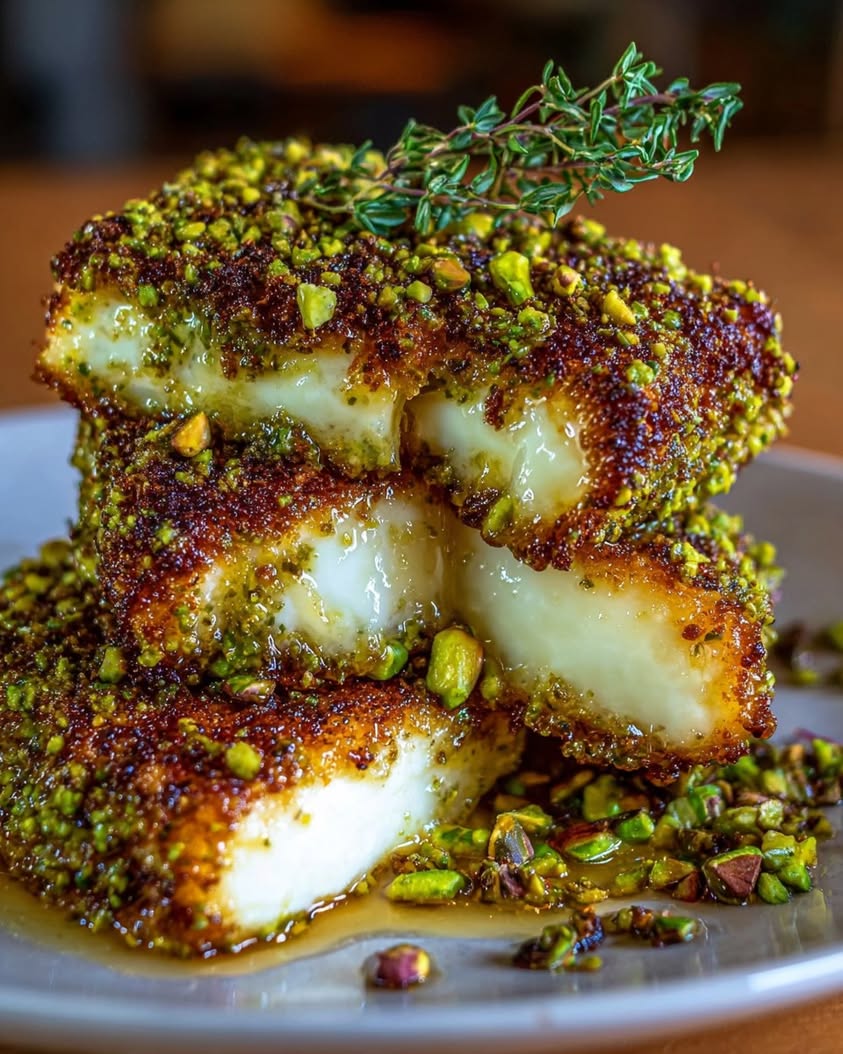
Pistachio-Crusted Halloumi with Honey and Thyme: A Crispy, Savory-Sweet Appetizer
Imagine a dish that sizzles with golden promise and delivers a symphony of textures and tastes in every single bite. This recipe for crispy pistachio-crusted halloumi with honey thyme glaze is exactly that kind of culinary magic. It transforms simple, accessible ingredients into an extraordinary appetizer or light meal that will impress any guest. The combination of salty, squeaky cheese with a crunchy nut crust and a fragrant, sweet drizzle is nothing short of addictive. Ultimately, this dish proves that gourmet flavor can come together in just twenty minutes with minimal fuss.
The beauty of this crispy pistachio-crusted halloumi lies in its perfect balance. Each component plays a crucial role in creating a harmonious final product. For instance, the halloumi provides a sturdy, savory base that holds its shape beautifully under heat. Meanwhile, the pistachios add a rich, buttery crunch that contrasts with the cheese’s soft interior. Finally, the warm honey and thyme glaze ties everything together with aromatic sweetness. This dish is a true celebration of contrasting flavors and textures that work in perfect unison.
Furthermore, this recipe offers incredible versatility for any home cook. You can serve it as a stunning starter for a dinner party, a luxurious addition to a brunch spread, or even a satisfying vegetarian main course. The process is straightforward, but the result looks and tastes like it came from a professional kitchen. Whether you are a seasoned chef or a kitchen novice, this guide will walk you through every step to achieve flawless results. Let’s dive into the world of this irresistible crispy pistachio-crusted halloumi with honey thyme glaze.
Quick Recipe Highlights
- Flavor Profile: This dish masterfully combines salty, savory, sweet, and herbal notes. The halloumi cheese offers a distinct saltiness, while the pistachios contribute a deep, nutty richness. Consequently, the honey provides a floral sweetness that the earthy thyme perfectly balances.
- Texture: You will experience a fantastic textural journey from the first bite. Expect a super-crisp, golden crust giving way to the uniquely firm yet yielding squeak of the pan-fried halloumi. The glaze adds a sticky, luxurious mouthfeel that coats everything beautifully.
- Aroma: As it cooks, your kitchen will fill with an irresistible fragrance. Specifically, the toasting pistachios release a warm, buttery scent. Simultaneously, the fresh thyme and honey simmer into a syrup that smells like a Mediterranean herb garden.
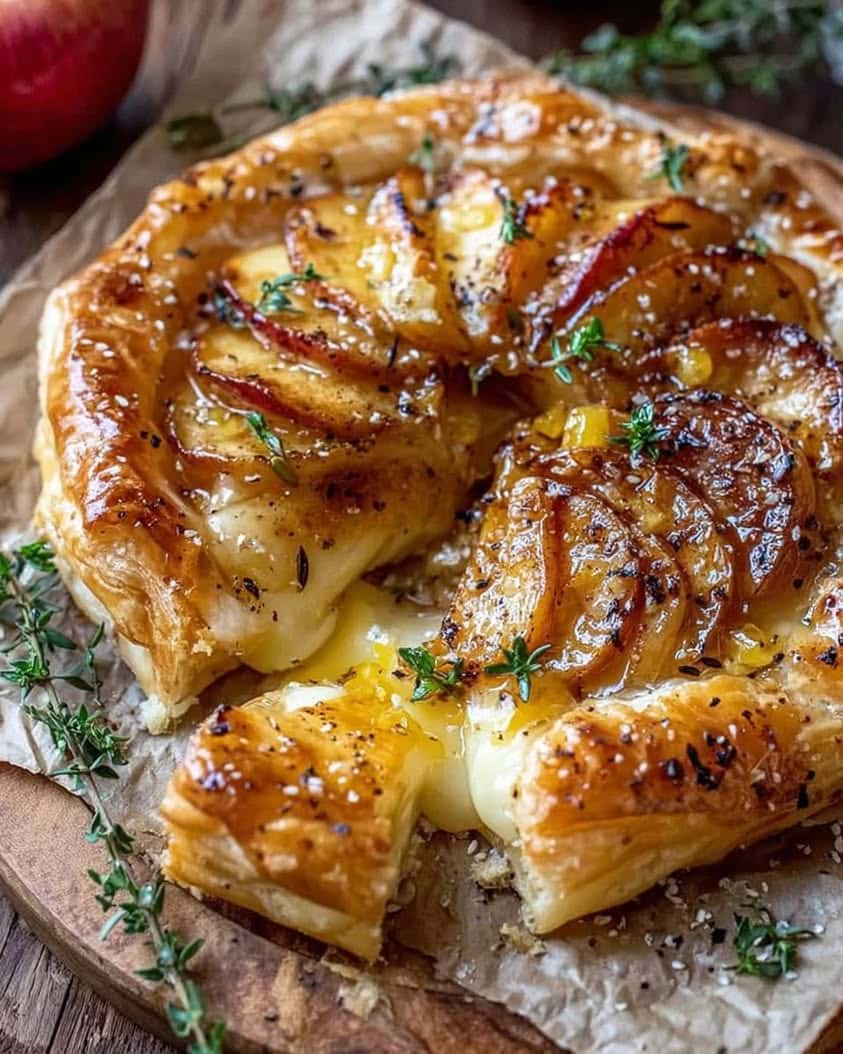
- Visual Appeal: The presentation is strikingly beautiful with vibrant green pistachio crumbs against the golden-brown seared cheese. A final drizzle of amber honey glaze makes the dish glisten invitingly on the plate, promising a delicious experience.
- Skill Level Needed: This is an accessible recipe for cooks of all levels. The techniques involve simple pan-frying and making a quick glaze. Therefore, even beginners can achieve impressive, restaurant-quality results with confidence.
- Special Equipment: You need only basic kitchen tools. A good non-stick or cast-iron skillet is essential for achieving the perfect crust without sticking. Additionally, a small saucepan for the glaze and a food processor for the nuts are helpful but not strictly mandatory.
Recipe Overview
- Difficulty Level: We rate this recipe as easy because it involves fundamental cooking techniques. The halloumi requires no special preparation like marinating, and the crust adheres naturally due to the cheese’s texture. Moreover, the glaze comes together in minutes while the cheese cooks, making the entire process efficient and manageable for a weeknight.
- Category: This dish fits wonderfully into multiple meal categories. Primarily, it shines as a standout appetizer or finger food for parties. Alternatively, it can serve as a light lunch or dinner when paired with a simple salad. It also makes an exceptional addition to a mezze or tapas-style spread.
- Cuisine: While halloumi is a Cypriot cheese, this preparation has a modern, fusion feel. It draws inspiration from Eastern Mediterranean and Middle Eastern flavors, where nuts, honey, and herbs are staple ingredients. The recipe respectfully borrows these elements to create something new and exciting.
- Cost: This is a moderately priced dish that feels luxurious. Halloumi cheese and shelled pistachios are the primary cost drivers, but a little goes a long way. You can expect to create this impressive appetizer for four people for a reasonable cost, especially compared to ordering similar dishes at a restaurant.
- Season: This recipe is truly versatile across seasons. It feels light and fresh for spring and summer gatherings. Conversely, the warm, nutty elements also make it comforting for fall and winter. You can find good quality halloumi and pistachios year-round, making it a reliable choice anytime.
- Occasion: It is perfect for both casual and formal events. Serve it at a game-day gathering, a holiday cocktail party, or a romantic date night at home. Its quick cooking time also makes it ideal for last-minute guests when you need to whip up something special fast.
Why You’ll Love This Recipe
First and foremost, the taste and texture appeal of this crispy pistachio-crusted halloumi is absolutely undeniable. Each bite delivers an immediate crunch followed by the satisfying, slightly salty chew of the cheese. The honey thyme glaze then melts over the warm crust, creating a sweet and savory coating that is utterly moreish. This combination of salty, crunchy, sticky, and herbal is complex enough to intrigue the palate yet familiar enough to please everyone. It is a guaranteed crowd-pleaser that will have people asking for the recipe after just one taste.
Next, consider the sheer convenience and preparation benefits. From start to finish, this dish takes only twenty minutes, with most of that time being hands-off cooking. You can prepare the pistachio crust and honey glaze while the skillet heats up. There is no need for complicated steps like battering or deep-frying. The halloumi fries beautifully in a single layer of oil, and the crust adheres easily. This makes it a fantastic “cheat” for creating a gourmet-looking appetizer without the stress or lengthy cleanup.
Additionally, this crispy pistachio-crusted halloumi offers some notable nutritional advantages compared to other fried appetizers. Halloumi is a good source of protein and calcium, helping you feel satisfied. Pistachios provide healthy fats, fiber, and essential nutrients like vitamin B6. Using honey as a natural sweetener is preferable to refined sugar. While it is still a rich dish best enjoyed in moderation, it is a more wholesome choice than many alternatives. You are indulging in flavor without completely abandoning nutritional value.
Furthermore, the social and entertaining value of this dish is incredibly high. It is visually stunning on a platter, encouraging guests to gather and dig in. The act of sharing these golden, glazed bites fosters conversation and a sense of communal eating. Because it is finger food, it is perfect for standing cocktail parties or relaxed grazing tables. Serving this dish shows thoughtfulness and culinary skill, making your guests feel specially treated. It elevates any gathering from ordinary to memorable.
Finally, the cost-effectiveness and accessibility of the ingredients make this recipe a keeper. While halloumi and pistachios might seem like specialty items, they are now widely available in most well-stocked supermarkets. You do not need a long list of exotic components. The recipe leverages a few high-impact ingredients to create maximum flavor. Compared to the cost of a similar appetizer at a restaurant, making it at home saves significant money. This allows you to enjoy a luxurious-tasting treat anytime the craving strikes.
Historical Background and Cultural Significance
The story of halloumi cheese itself is deeply rooted in the history of Cyprus, dating back to the Medieval Byzantine period. Traditionally, it was made from a mixture of sheep’s and goat’s milk, preserved in brine to last through the hot Mediterranean summers without refrigeration. This method of preservation was crucial for survival and created the cheese’s unique, firm texture that allows it to be grilled or fried without melting. Consequently, halloumi became a staple protein source and a symbol of Cypriot resourcefulness and culinary tradition, often referred to as the “grilling cheese.”
Halloumi holds significant cultural importance across the Eastern Mediterranean. In Cyprus, it is a point of national pride and has even received Protected Designation of Origin (PDO) status from the European Union. It features prominently in daily meals, from breakfast to dinner, and is central to festive occasions and religious celebrations. The act of frying or grilling halloumi is a familiar, comforting cooking practice that evokes family gatherings and shared meals. Its cultural journey from a humble preserved food to a globally celebrated ingredient is a testament to its unique qualities.
The evolution of recipes using halloumi, like this pistachio-crusted version, reflects modern global fusion cuisine. While traditional Cypriot halloumi is often served simply with a squeeze of lemon or a slice of watermelon, contemporary chefs have embraced its versatility. The idea of adding a nut crust likely draws inspiration from other crusted protein dishes, such as almond-crusted fish or pecan-crusted chicken. Applying this technique to halloumi is a natural and innovative step that respects the cheese’s integrity while introducing new layers of flavor and texture for the modern palate.
Regional variations on preparing halloumi are fascinating. In Greece, it is frequently paired with herbs like oregano. In Lebanon and Syria, it might be served with a drizzle of pomegranate molasses. The use of honey and thyme in this recipe nods to these Middle Eastern and Levantine flavor profiles, where sweet and savory combinations are celebrated. The inclusion of pistachios, a prized nut across the region from Iran to Turkey, further roots this dish in a broader Mediterranean and West Asian culinary context, even as it presents a new, creative take.
Ingredient Deep Dive
Let’s start with the star: halloumi cheese. This semi-hard, brined cheese originates from Cyprus and is traditionally made from a blend of sheep’s and goat’s milk, though cow’s milk versions are now common. Its high melting point is its defining superpower, allowing it to develop a gorgeous golden crust when pan-fried or grilled while maintaining a soft, slightly squeaky interior. Nutritionally, it is a good source of protein and calcium, though it is also high in sodium. When selecting halloumi, look for a firm block stored in brine. For storage, keep it submerged in its brine in the refrigerator for up to the date on the package. If you need a substitute, paneer or queso para freír are the best alternatives, though they may be slightly softer.
Pistachios are the second key player, providing the essential crunch and nutty depth. Historically, pistachios have been cultivated in the Middle East for thousands of years and were considered a symbol of wealth and wellness. They are nutritionally dense, packed with healthy fats, protein, fiber, and antioxidants like lutein. For this recipe, use unsalted, shelled pistachios to control the seasoning. The vibrant green color of the crumbs adds to the visual appeal. Store unused pistachios in an airtight container in a cool, dark place or the refrigerator to prevent their oils from going rancid. If you need to substitute them, almonds or walnuts can work, though they will impart a different flavor and color.
The honey thyme glaze is the flavor bridge that ties the dish together. Honey, one of humanity’s oldest sweeteners, carries the flavor of the local flora; a mild, floral honey like clover or orange blossom works beautifully here. Thyme, a hardy Mediterranean herb, has been used since ancient times for both culinary and medicinal purposes, valued for its earthy, slightly minty aroma. Together, they create a simple syrup with immense complexity. When making the glaze, warm the honey gently just until it becomes fluid enough to drizzle. Adding the fresh thyme off the heat preserves its delicate flavor. For a substitute, maple syrup could replace honey, and fresh oregano or rosemary could stand in for thyme, altering the profile but still being delicious.
Common Mistakes to Avoid
- Using a Cold Skillet: Adding halloumi to a cold pan is a primary error. Always ensure your skillet is properly preheated over medium heat before adding oil and cheese. A hot pan ensures immediate searing, which creates a crisp crust and prevents the cheese from sticking and becoming greasy.
- Overcrowding the Pan: Placing too many pieces in the skillet at once will cause the temperature to drop drastically. This leads to steaming instead of frying, resulting in a soggy, pale crust rather than a crispy, golden one. Cook in batches if necessary to give each piece ample space.
- Moving the Cheese Too Soon: The moment you place the halloumi in the pan, resist the urge to move it around. Let it cook undisturbed for at least 1-2 minutes to allow a proper crust to form. If you try to flip it too early, the crust will tear and stick to the pan.
- Overheating the Honey: When making the glaze, do not boil the honey vigorously. Excessive heat can destroy its delicate floral notes and even make it taste slightly bitter. Simply warm it gently until it is just runny enough to combine with the thyme and drizzle.
- Using Pre-Ground Pistachios: Avoid using store-bought pistachio meal or flour. The nuts can go stale quickly once ground. For the freshest flavor and best texture, always buy whole shelled pistachios and pulse them yourself in a food processor just until they resemble coarse crumbs.
- Skipping the Pat Dry Step: Halloumi comes packed in brine, so its surface is wet. Failing to pat it thoroughly dry with paper towels means the pistachio crust will not adhere properly. The moisture creates a barrier, causing the crumbs to slide off during cooking.
- Adding Salt Without Tasting: Halloumi is already quite salty from its brine, and pistachios may contain salt. Always taste a tiny piece of your crust mixture before adding any extra salt to the recipe. You will likely find that additional salt is completely unnecessary.
- Serving Immediately Without Resting: While you want to serve the dish warm, letting the crispy pistachio-crusted halloumi rest for just a minute after frying allows the crust to set slightly. This prevents the hot, steamy cheese from immediately softening the crunchy exterior when you take a bite.
Essential Techniques
Mastering the pan-fry is crucial for perfect crispy pistachio-crusted halloumi. The goal is to achieve a deep golden-brown crust while heating the cheese through without melting it. Use a consistent medium heat and a quality non-stick or well-seasoned cast-iron skillet. Add a thin layer of a high-smoke-point oil like avocado or grapeseed oil. The visual cue for success is when the edges of the cheese turn golden and you can easily slide a spatula underneath without resistance. A common pitfall is using heat that is too high, which burns the nut crust before the cheese warms, or heat that is too low, which makes the crust soggy.
Creating the pistachio crust involves a simple but important technique: achieving the right crumb size. Pulse the nuts in a food processor until they resemble coarse sand, with some slightly larger pieces for textural interest. If you process them into a fine powder, they can become pasty when cooked instead of crunchy. For those without a processor, placing the nuts in a sealed plastic bag and crushing them with a rolling pin works perfectly. The key is uniformity so each piece gets an even coating that toasts consistently in the pan.
The honey thyme glaze technique is about infusion, not reduction. Gently warm the honey in a small saucepan just until it becomes fluid and easy to drizzle. Remove it from the heat before stirring in the fresh thyme leaves. Allowing the thyme to steep in the warm honey for a few minutes releases its essential oils without cooking away its delicate flavor. If you boil the honey with the thyme, the herb can become bitter. The perfect glaze should be aromatic, slightly thickened from cooling, and coat the back of a spoon.
Pro Tips for Perfect Pistachio-Crusted Halloumi
For an extra-secure crust, try a double-dredge method. First, lightly press each dried halloumi slice into a little all-purpose flour, tapping off the excess. Next, dip it quickly in a beaten egg white or a thin layer of Dijon mustard. Finally, press it firmly into the pistachio crumbs. This creates a glue-like layer that guarantees the crust will stay put during frying.
Control your oil temperature carefully. Before adding the cheese, test the oil by dropping in a small pistachio crumb. If it sizzles gently, the oil is ready. If it burns immediately, the oil is too hot. If nothing happens, give it more time to heat. Maintaining the right temperature is the secret to a crisp, non-greasy crust.
Use a combination of butter and oil for frying. After heating the oil, add a small knob of unsalted butter to the skillet. The butter will brown slightly, adding a rich, nutty flavor to the crust that complements the pistachios beautifully. Just be careful not to let the butter burn, as it has a lower smoke point than oil.
Grate a tiny bit of lemon zest into your pistachio crumbs. The bright, citrusy note cuts through the richness of the cheese and honey, adding another layer of freshness that elevates the entire dish. About half a teaspoon of finely grated zest mixed with the nuts is perfect.
After frying, place the halloumi on a wire rack set over a baking sheet instead of on paper towels. This allows air to circulate around the entire piece, preventing the steam from the hot cheese from making the bottom crust soggy. It keeps the crunch intact on all sides until you are ready to serve.
Toast your pistachio crumbs lightly before crusting the cheese. Spread the processed crumbs in a dry skillet over low heat for 2-3 minutes, shaking often, until they become fragrant. This deepens their flavor and ensures they are fully crispy by the time the cheese is cooked through, eliminating any raw nut taste.
Slice your halloumi to the ideal thickness—about 1/2 inch thick. Slices that are too thin may overcook and become tough before the crust browns. Slices that are too thick might not heat through in the center by the time the crust is perfectly golden. The 1/2-inch benchmark provides the best textural contrast.
Variations and Adaptations
Explore regional variations by swapping the nuts and herbs. For a Middle Eastern twist, use crushed almonds and a glaze of pomegranate molasses mixed with a pinch of sumac. A Greek-inspired version could feature oregano and walnuts with a lemon-oregano honey. For a taste of Italy, try pine nuts and rosemary with a balsamic-honey reduction. These simple swaps transport the basic concept to different culinary landscapes while keeping the core technique identical.
Consider seasonal adaptations to keep the recipe exciting year-round. In summer, serve the crispy pistachio-crusted halloumi on a bed of peppery arugula with fresh peach slices. During fall, incorporate chopped pecans into the crust and add a pinch of cinnamon to the honey glaze. For a winter appetizer, pair it with a dollop of fig jam or a sprinkle of pomegranate arils. In spring, fresh mint or basil can replace or join the thyme for a brighter, greener flavor profile.
Dietary modifications are straightforward for this versatile dish. For a gluten-free version, ensure your halloumi is certified gluten-free and use almond flour or gluten-free breadcrumbs as a binder if using the double-dredge method. To make it vegan, seek out a plant-based “halloumi-style” cheese, which is increasingly available, and use agave syrup or maple syrup instead of honey. For a lower-carb or keto adaptation, simply enjoy the halloumi with the crust and glaze as-is, as it is naturally low in carbohydrates.
Experiment with flavor variations by adding spices to the pistachio crust. A pinch of smoked paprika, cumin, or za’atar adds a warm, earthy dimension. For a sweet and spicy kick, add a tiny amount of finely chopped Calabrian chili or a dash of cayenne pepper to the honey before warming it. You can also infuse the honey with other ingredients like a strip of lemon peel, a smashed garlic clove, or a slice of fresh ginger, straining them out before drizzling.
Serving and Presentation Guide
Plating techniques can elevate this dish from simple snack to restaurant-worthy presentation. Arrange the warm halloumi slices slightly overlapping on a long, rectangular platter or in a circular pattern on a round plate. Drizzle the honey thyme glaze in a zigzag or sweeping motion over the top, allowing some to pool attractively on the plate beneath. The goal is to create height and movement on the plate, making it look abundant and artful rather than just piled together.
Garnishing ideas add the final touch of color and freshness. A scattering of whole pistachios, extra fresh thyme sprigs, or delicate edible flowers makes the dish pop. A light dusting of finely chopped fresh parsley or mint adds a bright green contrast. For a touch of color and acidity, a few pomegranate arils or a very light sprinkle of flaky sea salt just before serving enhances both the visual and flavor profile dramatically.
Traditional accompaniments keep the theme cohesive. Serve your crispy pistachio-crusted halloumi with warm pita bread or flatbread for scooping up any extra glaze. A side of creamy tzatziki or hummus provides a cool, tangy contrast. A simple salad of chopped cucumber, tomato, and red onion with a lemon-olive oil dressing cuts through the richness perfectly. These sides create a complete, balanced Mediterranean-inspired meal or appetizer spread.
Modern serving suggestions offer a contemporary twist. Slice the halloumi into smaller cubes after frying and serve them on skewers as finger food, drizzling the glaze over the top. Crumble it over a grain bowl with quinoa, roasted vegetables, and a lemony vinaigrette. Alternatively, place a slice on top of a burger or a gourmet veggie patty for an unforgettable vegetarian sandwich experience. The possibilities are nearly endless.
Wine and Beverage Pairing
Choosing the right wine enhances the sweet, salty, and nutty flavors of this dish. A crisp, high-acid white wine like Sauvignon Blanc or Pinot Grigio cuts through the richness of the fried cheese beautifully. The wine’s citrus notes complement the lemon and thyme. For a more adventurous pairing, try an off-dry Riesling; its slight sweetness mirrors the honey glaze and balances the saltiness of the halloumi. If you prefer red, opt for a light, low-tannin red like a Beaujolais or Pinot Noir served slightly chilled, which won’t overpower the delicate flavors.
Non-alcoholic alternatives can be just as sophisticated. A sparkling lemonade or ginger beer provides effervescence and acidity that cleanses the palate between bites. For a more complex option, brew a strong iced tea infused with herbs like mint or basil and sweetened lightly with honey. A tart pomegranate juice spritzer with a squeeze of lime also pairs wonderfully, its fruity acidity standing up to the savory cheese and rich nuts.
Consider coffee or tea pairings for a brunch setting. A medium-roast coffee with nutty or citrusy notes can echo the flavors in the dish. A cup of Earl Grey tea, with its bergamot citrus aroma, complements the thyme and honey exceptionally well. Serve these beverages hot or iced depending on the season and setting. The key is to choose drinks that are refreshing and palate-cleansing to counterbalance the dish’s indulgent, sticky-sweet qualities.
Storage and Shelf Life
Storage methods for leftovers are simple but important for maintaining quality. Allow any uneaten crispy pistachio-crusted halloumi to cool completely to room temperature. Do not store it while it is still warm, as condensation will make the crust soggy. Place the pieces in a single layer in an airtight container, separating layers with parchment paper if stacking is necessary. Store the container in the refrigerator. The honey thyme glaze should be kept in a separate small jar or container.
Understanding shelf life helps prevent food waste. The refrigerated halloumi will keep for up to 2 days, but its crust will soften significantly. It is best enjoyed fresh. The honey thyme glaze can be stored in the refrigerator for up to one week. Always check for signs of spoilage before consuming leftovers, such as an off smell, visible mold, or a slimy texture on the cheese. When in doubt, it is safest to discard the item.
Reheating instructions are crucial for restoring some of the lost texture. The oven or toaster oven is your best friend here. Preheat to 350°F (175°C) and place the halloumi on a wire rack set over a baking sheet. Reheat for 5-8 minutes, until warmed through. This method will help re-crisp the exterior better than a microwave, which will turn it rubbery and soggy. Gently re-warm the honey glaze in a microwave for a few seconds or in a small saucepan over low heat until fluid again before drizzling.
Make Ahead Strategies
You can implement a prep timeline to streamline entertaining. The day before, shell and pulse your pistachios, storing them in an airtight container at room temperature. Pat your halloumi dry, slice it, and store it between layers of paper towels in a sealed container in the fridge. You can also make the honey thyme glaze ahead; gently warm it and let the thyme infuse, then store it in a jar in the refrigerator. Gently reheat the glaze to return it to a drizzling consistency before serving.
Understand the quality impact of preparing components in advance. The pistachio crumbs may lose a little fragrance but will be fine. The halloumi, once sliced and dried, is perfectly stable. The glaze actually benefits from time, as the thyme infuses more deeply into the honey. The only step that must be done at the last minute is the actual frying of the cheese. This division of labor means you can spend time with guests instead of being stuck in the kitchen during your event.
Assembly tips for last-minute cooking ensure everything comes together smoothly. Have your pre-sliced halloumi, crumb station, and hot skillet ready to go. Fry the cheese in batches just before you plan to serve. As each batch finishes, place it on a wire rack in a warm oven (about 200°F or 95°C) to keep it crisp. Once all pieces are fried, arrange them on your serving platter, drizzle with the warmed glaze, add your fresh garnishes, and serve immediately. This workflow guarantees hot, crispy results for your guests.
Scaling Instructions
Halving the recipe is simple for a smaller meal. Use half a block of halloumi (about 4-5 ounces), 1/4 cup of pistachios, and 2 tablespoons of honey. Keep the amount of fresh thyme roughly the same (a few sprigs), as herbs are flexible. Use a smaller skillet to maintain the proper oil depth for frying. The cooking time will remain roughly the same per batch, but you will only have one batch to cook, making the process even quicker.
Doubling or tripling the recipe for a crowd requires slight adjustments. Use multiple skillets on the stove or cook in more batches to avoid overcrowding a single pan. Keep finished batches warm on a wire rack set over a baking sheet in a low oven (200°F/95°C). You may need to make the honey thyme glaze in a larger saucepan and potentially in two separate batches to ensure the thyme infuses properly. Consider setting up a dedicated “frying station” to keep the workflow efficient.
Consider storage and timing when scaling up. If you are making a large quantity, remember that halloumi is best served immediately. Plan to fry in continuous batches just as guests arrive, rather than trying to fry everything hours ahead. Have all your components—sliced cheese, ground nuts, glaze—prepped and ready. Enlist a helper to manage plating and drizzling while you focus on the frying pan. This team approach ensures everyone gets to enjoy the crispy pistachio-crusted halloumi at its peak.
Nutritional Deep Dive
A macro breakdown of this dish reveals a balance of protein, fat, and carbohydrates. A serving provides a good amount of protein from the halloumi and pistachios, which helps with satiety. The fats come primarily from the cheese and nuts, including healthy monounsaturated and polyunsaturated fats from the pistachios. Carbohydrates are present in a moderate amount, mostly from the natural sugars in the honey and a small amount from the nuts. This makes it a satisfying, energy-dense appetizer rather than a light snack.
The micronutrient analysis highlights some valuable vitamins and minerals. Halloumi is an excellent source of calcium, crucial for bone health, and also provides phosphorus and vitamin B12. Pistachios contribute significant amounts of vitamin B6, thiamine, copper, and manganese, along with antioxidants like lutein and zeaxanthin. Honey contains small amounts of vitamins and minerals and beneficial plant compounds. While not a primary source of micronutrients, this dish adds more nutritional value than many other fried appetizers.
Consider dietary considerations when enjoying this dish. It is naturally vegetarian and can be adapted to be gluten-free and vegan. However, it is high in sodium due to the brined cheese, so those on sodium-restricted diets should consume it sparingly. The calorie density is also on the higher side, so portion control is key if you are managing your weight. Enjoying it as part of a balanced meal with plenty of vegetables can help mitigate this and create a more nutritionally complete plate.
Dietary Adaptations
For a gluten-free version, the recipe is almost inherently compliant. Simply ensure the halloumi brand you purchase is certified gluten-free, as some additives in cheaper brands may contain gluten. If using the double-dredge method with flour, substitute with a gluten-free all-purpose flour blend or almond flour. All other ingredients—pistachios, honey, thyme, oil—are naturally gluten-free, making this an easy adaptation.
Creating a dairy-free or vegan version requires finding the right cheese substitute. Look for a firm, plant-based cheese designed for frying or grilling, often made from coconut oil or tofu. Brands are improving all the time. Follow the same preparation steps. For the honey, substitute with an equal amount of agave nectar, maple syrup, or vegan “bee-free” honey. The pistachio crust and thyme will remain the same, delivering a very similar flavor and texture experience.
For low-carb or keto diets, this recipe is an excellent fit with minimal changes. Halloumi and pistachios are both low in net carbohydrates. The primary carb source is the honey. To adapt, replace the honey in the glaze with a keto-friendly sweetener syrup like monk fruit or allulose syrup that mimics the consistency of honey. Use the same amount and follow the infusion process with thyme. This simple swap makes the entire dish suitable for a strict low-carb lifestyle while preserving the essential sweet-and-savory balance.
Troubleshooting Guide
If your crust is falling off, the issue is likely adhesion. Ensure you pat the halloumi bone-dry before applying the crust. If you are not using an egg white or mustard binder, press the crumbs onto the cheese firmly with the palm of your hand. Let the crusted slices sit for 5 minutes before frying to allow the surface moisture of the cheese to slightly hydrate the nuts, helping them stick. Also, make sure your oil is hot enough before adding the cheese; a proper sear instantly sets the crust.
If the halloumi is oozing or melting too much, the heat may be too high. While halloumi has a high melting point, extreme heat can still cause it to lose its structure. Reduce the heat to medium and ensure you are not overcooking it. It only needs 1-2 minutes per side to become golden and warm through. Also, verify you are using authentic halloumi, as some “grilling cheese” substitutes may have a different composition and lower melting point.
If the nuts are burning before the cheese is cooked, your pan is too hot. Pistachios can burn quickly due to their oil content. Immediately lower the heat to medium-low. It is better to cook the cheese a little slower to allow the interior to warm while the crust toasts to a perfect golden brown, not black. Using a combination of oil and butter can also lower the overall smoke point, so be mindful of that if you added butter.
If the honey glaze is too thick or crystallized, gentle heat is the solution. Place the jar of honey in a bowl of warm water for 10-15 minutes, or microwave it in a microwave-safe container for 10-second intervals until it becomes fluid again. If it has thickened with thyme in it, you can gently re-warm it in a small saucepan over the lowest possible heat, adding a teaspoon of water if necessary to thin it to a drizzling consistency.
Frequently Asked Questions
Can I bake the pistachio-crusted halloumi instead of frying it? Yes, you can. Preheat your oven to 400°F (200°C). Place the crusted halloumi on a wire rack set over a baking sheet, spray lightly with oil, and bake for 10-12 minutes, flipping halfway, until golden and heated through. The crust will be slightly less crisp than pan-frying but still delicious and a bit lighter.
I can’t find halloumi. What’s the best substitute? The best alternatives are other cheeses that hold their shape when heated. Paneer (Indian cheese) is the closest in texture. Queso para freír (Spanish frying cheese) is also excellent. In a pinch, a very firm block of extra-firm tofu, pressed and salted, can work for a dairy-free version, though the flavor will be different.
Can I use a different type of nut? Absolutely. Almonds, walnuts, pecans, or hazelnuts all work wonderfully. Just pulse them to the same coarse crumb consistency. Each nut will impart its own unique Print
Pistachio-Crusted Halloumi with Honey and Thyme
- Total Time: 25 minutes
- Yield: 4
Description
A savory-sweet appetizer featuring crispy halloumi cheese coated in crushed pistachios, pan-fried until golden, and drizzled with warm honey infused with fresh thyme.
Ingredients
- 8 oz halloumi cheese, sliced into 1/2-inch thick pieces
- 1/2 cup shelled pistachios, finely chopped
- 1/4 cup all-purpose flour
- 1 large egg, beaten
- 2 tbsp olive oil
- 3 tbsp honey
- 1 tbsp fresh thyme leaves
- Salt and black pepper to taste
Instructions
- Pat the halloumi slices dry with a paper towel and season lightly with black pepper.
- Set up a breading station: place flour in one shallow dish, beaten egg in another, and chopped pistachios in a third.
- Dredge each halloumi slice in flour, dip in egg, then press firmly into pistachios to coat both sides.
- Heat olive oil in a non-stick skillet over medium heat. Fry halloumi for 2-3 minutes per side until golden and crispy.
- In a small saucepan, warm honey over low heat with thyme leaves for 1-2 minutes until fragrant.
- Arrange fried halloumi on a plate, drizzle with thyme-infused honey, and serve immediately.
Notes
You can customize the seasonings to taste.
- Prep Time: 15 minutes
- Cook Time: 10 minutes
- Method: Appetizer
- Cuisine: Mediterranean