Smoky White Bean Soup with Garlic and Herbs: A Cozy, Flavor-Packed Bowl
Imagine a bowl of pure comfort that warms you from the inside out. This Smoky White Bean Soup with Garlic and Herbs delivers exactly that experience. It combines creamy white beans with a deeply savory, smoky broth and a fragrant punch of fresh herbs. Ultimately, it is the kind of meal that feels both nourishing and deeply satisfying on a chilly evening.
Creating this smoky white bean soup is surprisingly simple. You start with a foundation of aromatic vegetables, then build layers of flavor with smoked paprika and a touch of tomato paste. The result is a rustic, hearty soup that is packed with plant-based protein and fiber. Furthermore, it is a versatile recipe that welcomes your own personal touches, making it a reliable staple in your weekly rotation.
The beauty of this garlic and herb white bean soup lies in its humble ingredients transforming into something extraordinary. As the soup simmers, the beans become tender and the flavors meld into a harmonious, cozy blend. It is a testament to how a few quality ingredients, treated with care, can create a meal that is both elegant in flavor and simple in execution.
Quick Recipe Highlights
- Flavor Profile: This smoky white bean soup features a robust, savory base with the warm, earthy notes of smoked paprika. The garlic and fresh herbs add a bright, aromatic finish that cuts through the richness beautifully. Additionally, a hint of acidity from tomatoes balances the creamy beans perfectly.
- Texture: The soup offers a wonderfully creamy and velvety texture, achieved by partially blending the beans. Meanwhile, you will find tender, whole beans that provide a pleasant, hearty bite in every spoonful. Consequently, it feels substantial and satisfying without being heavy.
- Aroma: As this garlic and herb white bean soup cooks, your kitchen will fill with an irresistible fragrance. The initial scent of sautéing garlic and onions gives way to the warm, smoky perfume of paprika. Finally, the fresh herbs added at the end release their bright, green aroma.
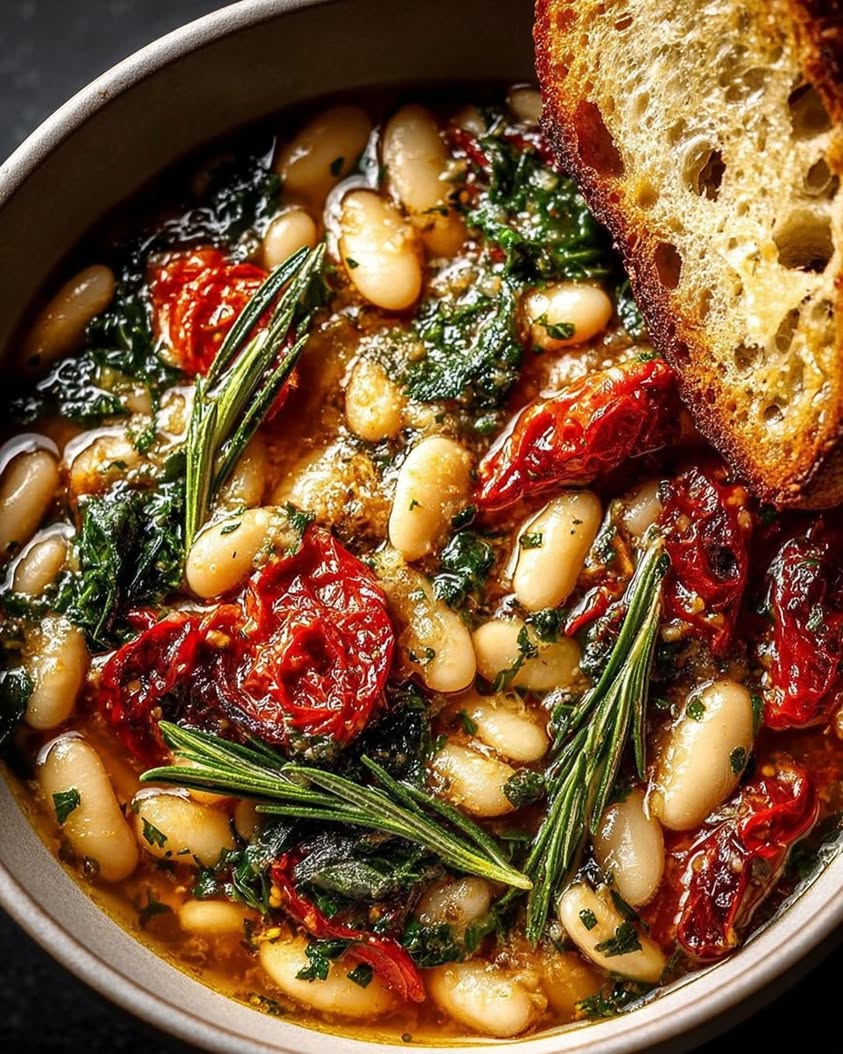
- Visual Appeal: This dish presents a beautiful, rustic appearance with a rich, reddish-brown broth from the smoked paprika and tomatoes. The creamy white beans peek through, and a vibrant garnish of fresh green herbs creates a stunning contrast. Therefore, it looks as inviting as it tastes.
- Skill Level Needed: This is a beginner-friendly recipe that requires only basic chopping and simmering skills. Importantly, there are no complicated techniques, making it perfect for novice cooks. However, it teaches foundational skills like building a flavor base and balancing seasonings.
- Special Equipment: You only need a large pot or Dutch oven and an immersion blender or standard blender. An immersion blender is convenient for pureeing directly in the pot. Otherwise, you can carefully transfer a portion of the soup to a countertop blender.
Recipe Overview
- Difficulty Level: We rate this smoky white bean soup as easy because it involves straightforward techniques like sautéing and simmering. The process is largely hands-off after the initial cooking, allowing flavors to develop with minimal effort. There is no precision baking or complex sauce-making required, making it very approachable.
- Category: This recipe falls perfectly into the categories of a hearty main course soup or a substantial starter. It is ideal for a light lunch, a cozy weeknight dinner, or a make-ahead meal for busy days. Moreover, it fits beautifully into a plant-based or vegetarian meal plan.
- Cuisine: This garlic and herb white bean soup draws inspiration from rustic Mediterranean and European peasant cooking traditions. It echoes the simple, bean-based stews found across Spain, Italy, and France, where humble ingredients are celebrated. The use of smoked paprika specifically nods to Spanish culinary influences.
- Cost: This is an incredibly budget-friendly meal, utilizing inexpensive pantry staples like dried or canned beans, onions, and garlic. Fresh herbs and smoked paprika are the only items you might need to purchase specifically. Overall, you can expect to feed a family for just a few dollars per serving.
- Season: This soup is a quintessential cold-weather dish, perfect for fall and winter. Its warming, smoky flavors and hearty texture provide comfort on dark, chilly nights. That said, it can also be enjoyed in lighter servings during spring with a brighter garnish of lemon.
- Occasion: Serve this smoky white bean soup for a casual family dinner, a cozy date night at home, or a simple gathering with friends. It is also excellent for meal prep, as the flavors improve over a couple of days. Consequently, it is a versatile dish for almost any informal occasion.
Why You’ll Love This Recipe
First and foremost, the taste and texture of this smoky white bean soup are utterly captivating. The creamy, velvety base from the blended beans provides a luxurious mouthfeel, while the whole beans offer a satisfying bite. The smoky paprika and savory broth create a deep, complex flavor that is both familiar and exciting. Each spoonful delivers the fragrant punch of fresh herbs and garlic, making it a truly multi-dimensional eating experience. You will find yourself going back for another bowl simply to enjoy the harmonious blend of rustic, comforting flavors.
From a practical standpoint, the convenience of this recipe is a major win. You can make this entire garlic and herb white bean soup in one pot, meaning minimal cleanup. The active prep time is short, and most of the cook time is unattended simmering. Therefore, you can prepare a side salad or slice some crusty bread while the soup works its magic. It is also incredibly forgiving; you can adjust herb levels, spice intensity, and texture to suit your exact preferences without risk of failure.
Nutritionally, this soup is a powerhouse. White beans are an excellent source of plant-based protein and fiber, which promote satiety and digestive health. They are also rich in essential minerals like iron, magnesium, and folate. The olive oil provides healthy fats, and the array of vegetables contributes vitamins and antioxidants. This makes the smoky white bean soup not just a comfort food, but a genuinely nourishing meal that supports your well-being. It is a perfect example of food that tastes indulgent while being genuinely good for you.
For entertaining, this soup offers tremendous social value. It is easy to double or triple the recipe to feed a crowd without much extra work. You can make it entirely ahead of time, freeing you to enjoy your guests. Serving a beautiful, steaming pot of garlic and herb white bean soup feels generous and welcoming. It encourages sharing and conversation, making it ideal for casual, communal meals where the focus is on connection rather than complicated plating.
Finally, the cost-effectiveness and accessibility of this dish cannot be overstated. The core ingredients are pantry staples that are affordable and widely available year-round. You can use dried beans for ultimate economy or canned beans for supreme convenience. This accessibility means you can whip up this satisfying, restaurant-quality smoky white bean soup anytime the craving strikes, without a special trip to the store or a hefty grocery bill. It democratizes delicious, healthy eating.
Historical Background and Cultural Significance
The tradition of cooking beans into a hearty soup or stew is ancient and spans nearly every culture. Beans were among the first cultivated crops, valued for their nutritional density and storage capability. Consequently, bean-based soups became a cornerstone of peasant cuisine across Europe and the Mediterranean. These dishes provided sustenance for families through lean times, transforming simple, stored ingredients into life-giving meals. The specific combination of beans with smoky flavors likely evolved in regions where paprika and other smoked peppers were prevalent.
Culturally, bean soups symbolize resourcefulness, comfort, and community. In many traditions, a pot of soup simmering on the stove represents home, warmth, and care. The act of sharing a simple, hearty soup is a gesture of hospitality. Our smoky white bean soup with garlic and herbs carries this legacy, embodying the principle that the best food often comes from humble beginnings. It connects us to generations of cooks who made delicious, nourishing meals from what they had on hand.
The recipe has evolved significantly with global trade and modern techniques. The introduction of smoked paprika from the New World to Europe added a new dimension to these traditional bean dishes. Similarly, the availability of canned beans and immersion blenders has streamlined the preparation process. Today’s version of garlic and herb white bean soup is a fusion of old-world sensibility and modern convenience. It respects the rustic roots of the dish while allowing for consistent, easy results in the contemporary home kitchen.
Regional variations of white bean soup are fascinating. In Spain, a similar soup might include chorizo for smokiness. In Italy, cannellini beans are often paired with rosemary and sage. The French version, like a potage, might be silkier and finished with cream. Our recipe takes inspiration from these traditions but focuses on achieving a deep smoky flavor and creamy texture through plant-based means. This makes it a versatile template that you can adapt with your own cultural or personal twists.
Ingredient Deep Dive
White Beans (Cannellini or Great Northern): These beans have been cultivated for thousands of years in the Americas and later in Europe. They are a nutritional powerhouse, packed with protein, fiber, iron, and folate. Their mild flavor and creamy texture make them ideal for soups. For best results, select beans that are uniform in size and free from cracks. If using dried beans, soak them overnight to reduce cooking time. You can substitute with navy beans or butter beans with minimal difference in the final smoky white bean soup.
Smoked Paprika: This spice is central to the dish’s character. True smoked paprika, or pimentón, comes from Spain, where peppers are smoke-dried over oak fires. It imparts a deep, woody aroma and rich color without heat. Nutritionally, paprika contains antioxidants like carotenoids. Always buy “smoked” paprika, not sweet or hot, for this recipe. Store it in a cool, dark place to preserve its potency. As a substitute in a pinch, you could use a mix of regular paprika and a tiny drop of liquid smoke, though the flavor will differ.
Garlic: Garlic’s use dates back to ancient Egypt and has been prized for both culinary and medicinal properties. It contains allicin, a compound with noted health benefits. For our garlic and herb white bean soup, fresh garlic is non-negotiable. Look for firm, plump heads with tight skin. Avoid any with green sprouts or a soft feel. To store, keep it in a cool, dry, well-ventilated place. Minced jarred garlic can work in an emergency, but fresh will provide a far superior, brighter flavor.
Fresh Herbs (like Rosemary, Thyme, or Sage): Herbs have been used since antiquity to flavor and preserve food. They are rich in essential oils and antioxidants. Rosemary, for instance, is linked to improved digestion and memory. For the soup, hardy herbs like rosemary and thyme are added early to infuse the oil, while softer herbs like parsley are added at the end for freshness. Choose herbs that look vibrant and smell strong. Store them stem-down in a glass of water in the fridge. Dried herbs can substitute at a ratio of 1:3, but add them earlier in the cooking process.
Vegetable Broth: A good broth forms the liquid foundation of the soup. Homemade broth is ideal, but a quality store-bought low-sodium version works perfectly. It allows you to control the salt level. Look for broths with recognizable ingredients and avoid those with MSG or excessive additives. You can substitute with chicken broth if not keeping the soup vegetarian. The broth’s quality directly impacts the depth of flavor in your final smoky white bean soup, so choose wisely.
Common Mistakes to Avoid
- Not Sautéing the Tomato Paste and Paprika: Adding tomato paste and smoked paprika directly to the liquid is a common error. Instead, you must cook them in the oil with the vegetables for a minute. This process, called “blooming,” deepens their flavors and removes any raw, bitter taste. It is a crucial step for building a rich, complex base for your garlic and herb white bean soup.
- Over-Blending the Soup: The goal is a creamy texture with some whole beans for contrast. Blending the entire pot will turn it into a uniform puree, losing the appealing rustic texture. Always blend only a portion—about one-third to one-half of the soup. Use an immersion blender directly in the pot for easiest control, or carefully pulse in a standard blender.
- Using Old, Stale Spices: Smoked paprika loses its potency over time. Using a jar that has been in your cupboard for years will result in a bland, lackluster smoky white bean soup. Always check the smell of your spices before use. They should be fragrant. For the best flavor, purchase spices from stores with high turnover and replace them annually.
- Adding Acid Too Early: If your recipe includes lemon juice or vinegar, add it at the very end of cooking. Adding acid early in the simmering process can prevent the beans from becoming tender. The acid interacts with the beans’ skin, making them tough. Therefore, stir in any brightening acidity just before serving to preserve both bean texture and the vibrant flavor.
- Underseasoning in Layers: Seasoning only at the end is a mistake. You should season at each major step: a pinch of salt when sautéing vegetables, another with the spices, and then finally to taste at the end. This builds a seasoned foundation throughout the soup. Remember, beans absorb a lot of salt, so final seasoning is always essential.
- Rushing the Vegetable Sauté: Do not rush the initial step of cooking the onions, carrots, and celery. They need time to soften and sweeten, which forms the flavor backbone. Cooking them just until translucent is not enough. Aim for them to be very soft and just beginning to caramelize, which may take 8-10 minutes over medium heat.
- Using the Wrong Type of Paprika: Confusing sweet paprika, hot paprika, and smoked paprika will drastically alter the dish. Sweet paprika lacks the smoky depth, and hot paprika adds unwanted heat. For the authentic flavor profile of this smoky white bean soup, you must use specifically labeled “smoked paprika” or Spanish “pimentón.”
- Neglecting to Garnish: Skipping the fresh herb garnish or a drizzle of good olive oil at the end misses a key opportunity. These finishing touches add a layer of fresh aroma, flavor, and visual appeal that elevates the entire dish. They provide a bright contrast to the deep, smoky, creamy soup beneath.
Essential Techniques
Sweating Aromatics: This technique involves cooking diced onions, carrots, and celery in oil over gentle heat until they become soft and release their moisture without browning. It is important because it develops the vegetables’ natural sugars, creating a sweet, savory foundation for the soup. To master it, use a moderate heat and stir occasionally. A common pitfall is having the heat too high, which causes browning and a different flavor profile. Success is visible when the vegetables are translucent, very soft, and have lost their raw edge.
Blooming Spices: Blooming refers to cooking ground spices like smoked paprika in hot oil. This technique is crucial because it unlocks the spices’ essential oils and deepens their flavors, moving them from raw and dusty to integrated and complex. To do it, add the spices to the cooked vegetables and oil, stirring constantly for about 60 seconds. The pitfall is burning them, which happens quickly over high heat. You will know it is working when the kitchen fills with a warm, fragrant aroma and the oil takes on the spice’s color.
Partial Pureeing: This method creates a creamy body while retaining textural interest from whole beans. It is important for achieving the perfect balance between a smooth soup and a hearty stew. To execute it, use an immersion blender to puree a portion of the soup directly in the pot until the desired creaminess is reached. Alternatively, carefully transfer 2-3 cups of soup to a standard blender, puree, and stir back in. The pitfall is over-blending. The visual cue for success is a broth that has thickened and turned creamy, with plenty of distinct beans still visible.
Pro Tips for Perfect Smoky White Bean Soup
For an extra layer of savory depth, add a Parmesan rind to the pot while the soup simmers. It will melt into the broth, adding a subtle umami richness that complements the smokiness beautifully. Remember to remove the tough rind before blending or serving.
If using canned beans, do not discard the liquid in the can. This aquafaba can be used as part of the broth. It contains starches that help thicken the soup naturally, contributing to a creamier texture without any added fat or flour.
Always taste and adjust seasoning after the soup has finished simmering. Beans absorb seasoning as they cook, so a soup that tasted perfect at the 15-minute mark may be underseasoned by the 30-minute mark. Final adjustment is the key to a perfectly balanced bowl.
For a brighter finish, add a squeeze of fresh lemon juice or a teaspoon of good quality red wine vinegar just before serving. The acidity will lift all the other flavors and cut through the creaminess, making the soup taste fresher and more dynamic.
When using dried herbs instead of fresh, add them when you bloom the smoked paprika. This gives them time to rehydrate and release their flavors into the oil. If you add dried herbs at the end like fresh ones, they will taste gritty and underdeveloped.
Let the soup rest for 10-15 minutes off the heat before serving. This short resting period allows the flavors to meld further and the soup to thicken slightly. It also brings the temperature to a perfect, spoon-ready warmth.
Variations and Adaptations
Regional Variations: For a Spanish twist, add diced chorizo when sautéing the vegetables. An Italian version might include a Parmesan rind, cannellini beans, and a finish of rosemary and extra virgin olive oil. A French potage style would involve blending the soup completely until silky and finishing with a swirl of cream. Each variation honors the core concept while reflecting local ingredients and tastes.
Seasonal Adaptations: In summer, make a lighter version by using fresh summer herbs like basil and chives as garnish. You can also serve it at room temperature as a hearty bean salad-thick soup hybrid. In the heart of winter, add diced potatoes or turnips with the carrots for extra heartiness. A spring adaptation could include fresh peas or asparagus tips added in the last few minutes of cooking.
Dietary Modifications: For a vegan smoky white bean soup, ensure your vegetable broth is vegan and use a touch of miso paste instead of Parmesan rind for umami. To make it gluten-free, simply confirm your broth and all other packaged ingredients are certified gluten-free—the recipe is naturally compliant. For a creamier version without dairy, blend in a quarter cup of raw cashews soaked in hot water.
Flavor Variations: Experiment with different smoked elements. Try adding a few drops of liquid smoke (use sparingly) or using chipotle powder instead of smoked paprika for a spicy kick. For a more herbal profile, double the fresh thyme and add a bay leaf. A sun-dried tomato paste can replace regular tomato paste for a more intense, fruity tomato flavor.
Serving and Presentation Guide
Plating this soup is about embracing its rustic charm. Ladle it into deep, wide bowls that show off its creamy texture and rich color. Avoid overfilling the bowls to leave room for garnishes and to prevent spills. For a more elegant presentation, you can wipe the rim of the bowl clean with a towel after ladling.
Garnishing is essential for visual and flavor contrast. A drizzle of high-quality extra virgin olive oil adds sheen and fruitiness. A sprinkle of chopped fresh parsley, chives, or thyme provides a pop of green. For texture, add homemade garlicky croutons, a sprinkle of smoked paprika, or crispy fried shallots. A final grind of black pepper completes the picture.
Traditional accompaniments include a thick slice of crusty, rustic bread for dipping. A simple green salad with a sharp vinaigrette balances the soup’s richness. For a more substantial meal, serve it alongside a grilled cheese sandwich or a slice of frittata. These pairings turn the smoky white bean soup into a complete and satisfying feast.
Wine and Beverage Pairing
Wine pairings for this soup should complement its smoky, earthy character without overpowering it. A medium-bodied red wine like a Grenache or a Spanish Garnacha works beautifully, as their berry notes and mild tannins harmonize with the paprika. A dry rosé with good acidity can also be a fantastic choice, especially if serving the soup in warmer weather. For white wine lovers, an oaked Chardonnay with a creamy texture can mirror the soup’s body.
Non-alcoholic alternatives are equally important. A sparkling water with a wedge of lemon cleanses the palate between bites. For something more special, try a tart cherry juice spritzer or a non-alcoholic ginger beer. The spice of ginger beer contrasts nicely with the soup’s smokiness. Iced herbal tea, like rosemary or lemon verbena, can also provide a refreshing, aromatic counterpoint.
If considering coffee or tea pairings, opt for lighter roasts and varieties. A medium-roast coffee with low acidity won’t clash with the soup’s flavors. For tea, a smoky Lapsang Souchong could be an adventurous match, amplifying the smoky notes, or a simple peppermint tea for a clean, refreshing finish after the meal. Serve these beverages hot to continue the cozy theme.
Storage and Shelf Life
Store cooled leftover smoky white bean soup in an airtight container in the refrigerator. It will keep well for 4 to 5 days. The flavors often improve on the second day as they continue to meld. For best quality, let the soup cool completely at room temperature for no more than two hours before transferring it to the fridge to prevent bacterial growth.
For freezing, this soup is an excellent candidate. Portion it into freezer-safe containers or bags, leaving about an inch of space for expansion. It can be frozen for up to 3 months. Thaw overnight in the refrigerator before reheating. Note that the texture of the beans may become slightly softer after freezing and thawing, but the flavor remains excellent.
Reheating instructions are simple. Gently warm the soup in a saucepan over medium-low heat, stirring occasionally. If it has thickened too much in the fridge, add a small splash of water or broth to loosen it. You can also reheat single portions in the microwave, stirring every 60 seconds until hot. Always bring the soup to a full simmer when reheating for food safety.
Make Ahead Strategies
You can fully prepare this garlic and herb white bean soup up to 3 days in advance. In fact, making it ahead often improves the flavor. After cooking, let it cool completely and store it in the refrigerator. When ready to serve, reheat it gently on the stove. This strategy is perfect for dinner parties or easy weekday lunches.
For component prep, chop all your vegetables (onions, carrots, celery, garlic) 1-2 days ahead. Store them in separate airtight containers in the refrigerator. Measure out your dry spices and have your canned beans ready. This “mise en place” reduces active cooking time to just 15-20 minutes when you are ready to cook, making weeknight dinner a breeze.
If you make the soup ahead, consider adding the final fresh herb garnish and any acidic component (lemon juice) only when reheating and serving. This preserves their bright, fresh flavors and vibrant color. Also, check the seasoning again after reheating, as flavors can mellow during storage.
Scaling Instructions
Halving the recipe is straightforward for smaller households. Simply divide all ingredient quantities by two. Use a medium-sized pot instead of a large Dutch oven. The cooking times will remain roughly the same, though you may need to reduce simmering time slightly since there is less volume to heat through. Keep a close eye on the vegetable sauté step, as a smaller amount may cook faster.
Doubling or tripling the recipe for a crowd is easy. Multiply all ingredients accordingly. You will need a very large stockpot. The sautéing step may take a few minutes longer as you are working with more vegetables. The simmering time should remain similar, but ensure the soup comes to a gentle bubble over the entire surface. Stir occasionally to prevent sticking on the bottom.
When scaling up, be mindful of blending. You may need to puree the soup in batches if using a countertop blender. With an immersion blender, simply blend directly in the large pot until you achieve the desired consistency. Remember to adjust seasoning in the scaled recipe carefully—taste and add salt incrementally, as the need does not always scale linearly.
Nutritional Deep Dive
This smoky white bean soup is a macronutrient-balanced meal. A serving provides a substantial amount of complex carbohydrates and fiber from the beans and vegetables, offering sustained energy release. The plant-based protein from the beans promotes muscle maintenance and satiety. The healthy fats primarily come from olive oil, contributing to heart health and aiding in the absorption of fat-soluble vitamins from the other ingredients.
Micronutrient analysis reveals a wealth of vitamins and minerals. White beans are an excellent source of iron, crucial for oxygen transport, and folate, important for cell function. The carrots provide beta-carotene (vitamin A), while the garlic and onions offer antioxidant and anti-inflammatory compounds. The herbs contribute trace minerals and phytonutrients. Together, they make this garlic and herb white bean soup a nutrient-dense choice that supports overall health.
Specific health benefits include improved digestive health due to high fiber content, which aids regularity and feeds beneficial gut bacteria. The soup’s ingredients may support heart health by helping to manage cholesterol levels and blood pressure. Its anti-inflammatory properties can contribute to reduced risk of chronic disease. Furthermore, its high water and fiber content promotes hydration and fullness, which can aid in weight management as part of a balanced diet.
Dietary Adaptations
Gluten-Free: This recipe is naturally gluten-free as written. The only potential sources of gluten would be in a pre-made vegetable broth or any added thickeners. To ensure compliance, use a broth that is certified gluten-free. All other core ingredients—beans, vegetables, spices, herbs—are inherently gluten-free.
Dairy-Free & Vegan: The base recipe is already dairy-free and vegan. To enhance creaminess without dairy, blend a portion of the soup with a quarter cup of soaked raw cashews or a splash of canned coconut milk. For umami depth in place of Parmesan rind, add a tablespoon of white miso paste or a splash of soy sauce or tamari at the end of cooking.
Low-Carb & Keto: A traditional bean soup is not suitable for strict keto due to the carbohydrate content of beans. For a low-carb adaptation, replace the white beans with diced cauliflower and increase the amount of celery and mushrooms. Use a high-fat broth and increase the olive oil. The result will be a smoky vegetable soup with a similar flavor profile but significantly fewer net carbs.
Low-FODMAP: Beans are high in FODMAPs and can trigger IBS symptoms. For a low-FODMAP version, use canned lentils (drained and rinsed well), as they are lower in certain FODMAPs when portioned correctly. Replace onion and garlic with the green tops of spring onions (scallions) and use garlic-infused oil (with solids strained out). Ensure your broth is onion- and garlic-free.
Troubleshooting Guide
Soup is Too Thin: If your smoky white bean soup lacks body, there are several fixes. First, simmer it uncovered for an additional 10-15 minutes to allow evaporation to thicken it. Second, blend another portion of the beans and broth. As a last resort, make a slurry with 1 tablespoon of cornstarch and 2 tablespoons of cold water, then stir it into the simmering soup until thickened.
Soup is Too Thick: A soup that has become too thick or pasty is easily remedied. Simply stir in additional vegetable broth, water, or even a bit of unsweetened plant-based milk until it reaches your desired consistency. Reheat gently and re-season, as diluting it will also dilute the seasoning.
Lacking Flavor Depth: If the soup tastes bland or one-dimensional, try adding more layers of seasoning. A pinch of salt, a squeeze of lemon juice, or a dash of smoked paprika can help. For umami, stir in a teaspoon of tomato paste, a splash of soy sauce, or a tablespoon of nutritional yeast. Let it simmer for 5 more minutes after adding to integrate the new flavors.
Beans are Too Firm or Tough: If using canned beans, they should already be tender. If they are not, they may be old or undercooked from the can. Simmer the soup for an additional 10-15 minutes until they soften. If using dried beans you cooked yourself, they may not have been cooked fully before adding to the soup. Continue simmering until tender, adding more liquid if necessary.
Recipe Success Stories
Community feedback on this smoky white bean soup has been overwhelmingly positive. Many readers report it becoming a weekly staple in their homes, especially during fall and winter. One common theme is how the recipe successfully pleases both vegetarians and meat-eaters at the table, with the smoky depth satisfying cravings typically met by meat-based soups. Several have mentioned their children enjoy it, which is a win for any family cook.
Creative variations from readers are inspiring. One added roasted sweet potatoes for extra sweetness and body. Another used kale stirred in at the end for a pop of color and nutrition. A reader on a tight budget shared that they used all dried herbs and standard paprika, and still found the result delicious and comforting. These adaptations show the recipe’s fantastic flexibility and how it can be tailored to different pantries and preferences.
Photography tips from enthusiasts highlight the soup’s visual appeal. They recommend shooting in natural, indirect light to capture the creamy texture and rich color. Garnishing with a bright green herb and a drizzle of vibrant olive oil right before the photo makes the bowl look inviting and fresh. Using a simple, neutral-colored bowl allows the soup’s beautiful reddish-brown hue to stand out, making for stunning food photography.
Frequently Asked Questions
Q: Can I use dried beans instead of canned?
A: Absolutely. Use 1 cup of dried white beans. Soak them overnight, then drain and rinse. Simmer them in fresh water until tender (about 1-1.5 hours) before adding them to the soup as directed. You will need to adjust the broth amount slightly, using some of the bean cooking liquid for extra flavor.
Q: My soup tastes a bit bitter. What happened?
A: Bitterness often comes from burning the garlic or the smoked paprika. Garlic burns quickly, so add it last to the sauté and cook for only 30 seconds before adding liquid. Paprika can also burn if cooked over too high heat. Bloom it over medium heat for just 60 seconds, stirring constantly.
Q: Can I make this in a slow cooker?
A: Yes. Sauté the vegetables, garlic, tomato paste, and paprika in a skillet first (this step is crucial for flavor). Then transfer everything to the slow cooker with the beans and broth. Cook on low for 6-8 hours or high for 3-4 hours. Blend a portion before serving.
Q: Is smoked paprika spicy?
A: Not typically. Smoked paprika (pimentón) comes in sweet (dulce), bittersweet (agridulce), and hot (picante) varieties. For this recipe, you want the “sweet” or “dulce” variety, which provides smoky flavor without significant heat. Always check the label to ensure you have the right type.
Q: How can I make the soup creamier without dairy?
A: The partial blending of beans creates natural creaminess. For extra richness, blend in 2-3 tablespoons of raw cashews (soaked in hot water first) or a quarter cup of canned coconut milk. You can also stir in a tablespoon of tahini or almond butter at the end for a nutty, creamy depth.
Q: Can I freeze this soup?
A: Yes, it freezes very well. Cool completely, then portion into freezer-safe containers, leaving headspace. Thaw overnight in the refrigerator. The texture of the beans may soften slightly upon reheating, but the flavor remains excellent. Stir well when reheating.
Q: What’s the best way to reheat it?
A: Gently on the stovetop over medium-low heat, stirring occasionally. If it has thickened in the fridge, add a splash of broth or water. You can also use the microwave: heat in a microwave-safe bowl, covered, stirring every 60 seconds until hot throughout.