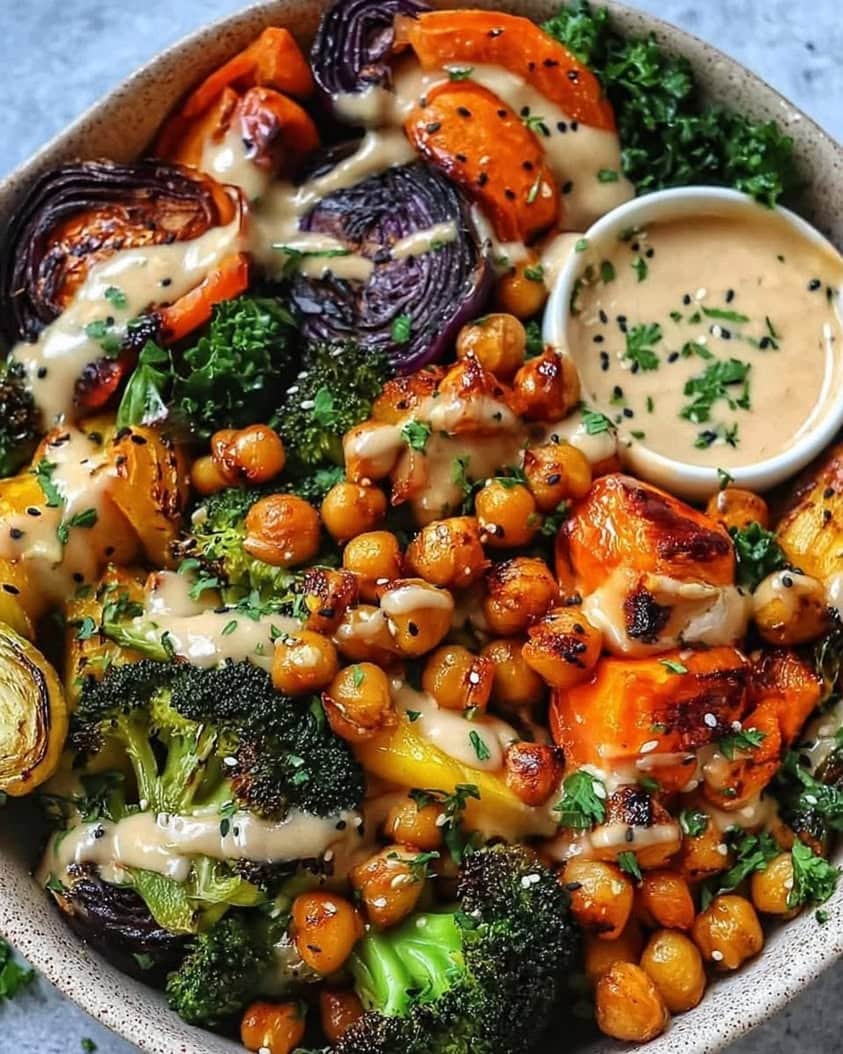
Roasted Veggie & Chickpea Bowls with Maple Dijon Tahini Dressing: A Vibrant Plant-Powered Feast
Imagine a dinner that bursts with color, flavor, and wholesome goodness. Consequently, these Roasted Veggie & Chickpea Bowls with Maple Dijon Tahini Dressing deliver exactly that. This recipe transforms simple, accessible ingredients into a stunning and satisfying meal. Ultimately, it is a celebration of plant-based eating at its most delicious and approachable.
The magic begins with a sheet pan of vibrant vegetables and protein-packed chickpeas, all roasted to caramelized perfection. Meanwhile, you whisk together a creamy, dreamy dressing that perfectly balances sweet, tangy, and savory notes. The final assembly is a joyful layering of textures and tastes, creating a bowl that is as nourishing for the soul as it is for the body. This Roasted Veggie & Chickpea Bowls with Maple Dijon Tahini Dressing recipe is your new go-to for a quick, healthy, and utterly delicious weeknight dinner.
Furthermore, this dish is incredibly versatile and forgiving. You can easily swap vegetables based on the season or what you have in your crisper. Additionally, the components store beautifully, making it an ideal candidate for meal prep. Whether you are a dedicated vegan, a flexitarian, or simply someone seeking a flavorful meatless meal, these bowls are guaranteed to become a regular in your rotation. Let’s dive into how to create this culinary masterpiece.
Quick Recipe Highlights
- Flavor Profile: These Roasted Veggie & Chickpea Bowls with Maple Dijon Tahini Dressing offer a complex symphony of tastes. Savory, caramelized roasted vegetables and chickpeas meet a dressing that is subtly sweet from maple syrup, tangy from Dijon and lemon, and rich from nutty tahini. The result is a perfectly balanced, crave-worthy dish.
- Texture: Expect a delightful contrast in every bite. Tender-crisp roasted vegetables, creamy chickpeas with a slight crisp from roasting, and fluffy quinoa create a satisfying mouthfeel. The smooth, velvety dressing coats everything beautifully, tying all the textures together into a cohesive and enjoyable experience.
- Aroma: As the vegetables roast, your kitchen will fill with the warm, sweet scent of caramelizing onions and sweet potatoes, underscored by earthy herbs. The dressing adds a bright, lemony fragrance that cuts through the richness, making the entire meal smell as incredible as it tastes.
- Visual Appeal: This bowl is a feast for the eyes with its rainbow of colors. Deep orange sweet potatoes, vibrant red bell peppers, green broccoli, and golden chickpeas create a stunning presentation. Drizzled with the pale, creamy dressing and fresh herbs, it is a dish you will be proud to serve and share.
- Skill Level Needed: This recipe is perfect for beginners and seasoned cooks alike. It requires only basic knife skills for chopping and simple techniques like roasting and whisking. There is no fussy timing or complicated steps, making it a stress-free and rewarding cooking project for anyone.
- Special Equipment: You need only standard kitchen tools. A large baking sheet, a good chef’s knife, a cutting board, and a mixing bowl for the dressing are essential. Parchment paper is highly recommended for easy cleanup and to prevent sticking, but it is not strictly required.
Recipe Overview
- Difficulty Level: We classify this Roasted Veggie & Chickpea Bowls with Maple Dijon Tahini Dressing recipe as “Easy” for several reasons. The steps are straightforward: chop, toss, roast, and whisk. There is no intricate technique or precision required. The roasting process is forgiving, and the dressing comes together in minutes. It is an ideal recipe for building confidence in the kitchen.
- Category: This dish fits beautifully into multiple meal categories. Primarily, it is a hearty and complete main course for lunch or dinner. It also works wonderfully as a substantial side dish for a larger gathering. The components can even be served separately as part of a buffet or potluck spread.
- Cuisine: While not tied to one specific tradition, these bowls draw inspiration from Mediterranean and Middle Eastern culinary styles. The use of chickpeas, tahini, and lemon is classic to Levantine cuisine. The roasting technique and grain bowl presentation, however, give it a modern, globally-inspired feel that is both familiar and exciting.
- Cost: This is an exceptionally budget-friendly meal. The base ingredients like sweet potatoes, onions, and chickpeas are inexpensive pantry staples. Bell peppers and broccoli are affordable, especially when in season. Tahini and maple syrup are the only potential splurges, but a little goes a long way, and they last for many recipes.
- Season: This recipe is fantastic year-round, but it truly shines in the fall and winter. The hearty roasted vegetables and warm spices like paprika are comforting during cooler months. That said, you can adapt it for spring and summer by using seasonal produce like zucchini, asparagus, or cherry tomatoes for a lighter feel.
- Occasion: These bowls are incredibly versatile for any occasion. They are perfect for a simple, healthy family weeknight dinner. They are impressive and colorful enough for casual entertaining with friends. Moreover, they are a superstar for meal prep, providing ready-to-eat, nutritious lunches for several days.
Why You’ll Love This Recipe
First and foremost, the taste and texture appeal is undeniable. Each component of these Roasted Veggie & Chickpea Bowls with Maple Dijon Tahini Dressing brings its own unique character to the table. The roasted vegetables develop a deep, caramelized sweetness that is utterly addictive. The chickpeas become crispy little flavor bombs. Then, the creamy, tangy-sweet dressing wraps everything in a velvety blanket of flavor. Every forkful offers a new combination, ensuring you never get bored. It is a dish that satisfies cravings for something savory, hearty, and deeply flavorful without feeling heavy or greasy.
Next, consider the sheer convenience and preparation benefits. This is a one-pan wonder for the roasting component, meaning minimal cleanup. The active prep time is short, mostly involving chopping vegetables. Once everything is in the oven, you have time to prepare the dressing, set the table, or simply relax. The recipe is also incredibly forgiving. You do not need to babysit the oven; just give the pan a shake halfway through. This hands-off approach makes it perfect for busy evenings when you want a wholesome meal without a huge time investment.
From a nutritional standpoint, these bowls are a powerhouse. They are packed with fiber from the vegetables, chickpeas, and quinoa, which aids digestion and promotes long-lasting fullness. Chickpeas provide a great source of plant-based protein. The vegetables deliver a wide spectrum of vitamins, minerals, and antioxidants. The tahini dressing adds healthy fats, which help your body absorb the fat-soluble vitamins from the veggies. It is a complete, balanced meal that fuels your body with clean, energizing ingredients, making you feel great from the inside out.
Furthermore, this recipe holds significant social and entertaining value. Its vibrant, colorful presentation is guaranteed to impress guests. It is naturally vegan and gluten-free, making it an inclusive option for diverse dietary needs at a dinner party. You can easily scale the recipe up to feed a crowd. Setting up a “bowl bar” with all the components and letting guests build their own creations is a fun, interactive way to serve it. It sparks conversation about healthy eating and proves that plant-based food can be the star of the show.
Finally, the cost-effectiveness and accessibility are major wins. You can create four generous, restaurant-quality servings for a fraction of the price of takeout. The ingredients are easy to find at any standard grocery store. Moreover, the recipe encourages improvisation. Do not have sweet potato? Use butternut squash. Out of broccoli? Try cauliflower. This flexibility means you can often make it with what you already have on hand, reducing food waste and saving money. It is a practical, delicious, and repeatable formula for healthy eating.
Historical Background and Cultural Significance
The concept of the grain bowl, or “Buddha bowl,” has roots in various global food traditions, though its modern popularity is a recent phenomenon. Essentially, these Roasted Veggie & Chickpea Bowls with Maple Dijon Tahini Dressing are a contemporary iteration of this idea. The practice of combining grains, vegetables, and a protein source in one vessel is ancient and practical. Cultures worldwide have versions of hearty, mixed dishes that provide complete nutrition from readily available, local ingredients. Our bowl taps into this timeless, universal approach to wholesome eating.
Specifically, key ingredients carry deep cultural significance. Chickpeas are one of the earliest cultivated legumes, with a history spanning over 7,000 years in the Middle East. They are a cornerstone of cuisines from India to the Mediterranean, appearing in iconic dishes like hummus, falafel, and chana masala. Tahini, a paste made from sesame seeds, is equally ancient and central to Levantine and North African cooking. Including these elements connects our modern recipe to a rich culinary heritage of simple, nourishing, and flavorful food.
The recipe has evolved significantly with modern cooking techniques and global ingredient availability. Roasting vegetables at high heat to caramelize their natural sugars became a widespread home cooking technique more recently, popularized by food media for its ability to maximize flavor. The addition of maple syrup, a North American ingredient, to a tahini-based dressing is a beautiful example of fusion cuisine. It marries the earthy, savory notes of traditional Middle Eastern flavors with a subtle, woodsy sweetness, creating a dressing that feels both familiar and novel.
Regional variations of this concept are endless. In the Mediterranean, you might find a similar bowl with oregano, olives, and feta. In Southeast Asia, the dressing could shift to a peanut-lime sauce with quick-pickled veggies. The beauty of the grain bowl formula is its adaptability. Our specific combination of roasted roots, cruciferous vegetables, chickpeas, and a sweet-tangy tahini sauce represents a modern, health-conscious, and globally-inspired approach. It respects tradition while embracing the creativity and cross-cultural exchange that defines contemporary home cooking.
Ingredient Deep Dive
Sweet Potato: This vibrant root vegetable is native to Central and South America and has been cultivated for thousands of years. Nutritionally, it is a superstar, packed with beta-carotene (which converts to Vitamin A), fiber, and Vitamin C. When selecting sweet potatoes, look for firm specimens with smooth, unblemished skin. Store them in a cool, dark, well-ventilated place—not the refrigerator. For a variation, you can substitute with cubed butternut squash, carrots, or even parsnips for a different flavor profile.
Chickpeas (Garbanzo Beans): As mentioned, chickpeas have an ancient history. They are a fantastic source of plant-based protein, fiber, iron, and folate. Using canned chickpeas is a major time-saver. For the best texture in this Roasted Veggie & Chickpea Bowls recipe, drain and rinse them thoroughly, then pat them very dry with a clean kitchen towel. This helps them crisp up in the oven. You can substitute with another sturdy bean like cannellini, though the flavor and texture will differ.
Tahini: Tahini is simply ground sesame seeds. High-quality tahini should be pourable and smooth, with a rich, nutty flavor and no bitterness. Stir the jar well before using, as the oil naturally separates. It is a great source of healthy fats, calcium, and phosphorus. If you need a substitute due to a sesame allergy, sunflower seed butter or a thinned-out cashew butter can work in the dressing, though the flavor will change distinctively.
Maple Syrup: Use pure maple syrup for the best flavor in your Maple Dijon Tahini Dressing. It provides a complex, caramel-like sweetness that balances the tang and salt. In a pinch, you can substitute with honey (not vegan) or agave nectar. The syrup is not just for sweetness; it also helps emulsify the dressing, creating a smooth, cohesive texture that clings to the vegetables and grains.
Dijon Mustard: This French mustard from the town of Dijon adds a sharp, tangy, and slightly spicy note that is crucial for cutting through the richness of the tahini. It also acts as an emulsifier, helping to bind the oil and lemon juice with the tahini. Do not substitute with yellow mustard, as the flavor is too harsh and acidic. A whole-grain mustard could be used for a different texture with visible seeds.
Common Mistakes to Avoid
- Crowding the Pan: Overfilling your baking sheet is the top mistake. When vegetables are piled on top of each other, they steam instead of roast. Consequently, you will get soggy, steamed veggies instead of caramelized, crispy ones. Always use two pans if necessary to ensure everything is in a single layer.
- Not Drying the Chickpeas: Skipping the step of rinsing and thoroughly drying the canned chickpeas leads to a mushy, not crispy, result. The excess moisture prevents proper roasting. Take a minute to pat them completely dry with a towel for the best texture.
- Underseasoning the Vegetables: Vegetables need ample seasoning before roasting. Do not be shy with the salt, pepper, and paprika. Seasoning before cooking draws out moisture and allows the flavors to penetrate, creating a deeply seasoned dish rather than a bland one that relies solely on the dressing.
- Using Old or Poor-Quality Tahini: Tahini can go rancid or become bitter over time. Always taste your tahini before using it. If it smells off or tastes unpleasantly bitter, it will ruin your Maple Dijon Tahini Dressing. Invest in a good-quality brand from a store with high turnover.
- Over-blending the Dressing: The dressing should be whisked or stirred until smooth, but over-processing it in a high-speed blender can sometimes make it too thick or even cause it to seize. A simple whisk or a small food processor pulse is all you need for a perfect, creamy consistency.
- Skipping the Acid: The fresh lemon juice in the dressing is non-negotiable. It provides the essential bright acidity that balances the fat and sweetness. Do not substitute with bottled lemon juice, as it has a flat, chemical taste. Fresh juice makes all the difference.
- Forgetting to Adjust for Oven Variance: All ovens have hot spots and can run hot or cold. Do not just set a timer and walk away. Start checking your vegetables at the 20-minute mark. Some pieces may cook faster than others, so be prepared to stir and remove smaller pieces if they are done early.
- Serving Immediately Without Resting: Letting the roasted components cool for just 5 minutes before assembling your bowls allows their flavors to settle and meld slightly. It also prevents the heat from wilting any fresh greens you might add, like spinach or arugula.
Essential Techniques
Uniform Chopping: Cutting your vegetables into similar-sized pieces is critical for even cooking. If your sweet potato chunks are much larger than your broccoli florets, one will be undercooked while the other burns. Aim for 1-inch pieces across all vegetables. This technique ensures everything roasts at the same rate, giving you a perfect texture in every bite of your Roasted Veggie & Chickpea Bowls.
High-Heat Roasting: Roasting at 425°F (220°C) is intentional. This high heat quickly caramelizes the natural sugars on the surface of the vegetables, creating complex, sweet, and savory flavors and a desirable browned exterior. The key is to preheat your oven fully so the vegetables start cooking immediately upon entering. This technique, known as the Maillard reaction, is what transforms simple veggies into something extraordinary.
Emulsifying a Dressing: Creating the Maple Dijon Tahini Dressing involves emulsification—combining liquids that normally do not mix (like oil and lemon juice). The tahini paste and Dijon mustard act as emulsifiers. The proper technique is to start by whisking the tahini with the lemon juice and maple syrup first. This initial paste helps the oil incorporate slowly, creating a stable, creamy emulsion. Adding the oil too quickly can cause the dressing to break and become greasy.
Testing for Doneness: Do not rely solely on time. The visual and tactile cues are essential. Perfectly roasted vegetables should be tender enough to easily pierce with a fork, with browned, slightly crispy edges. The chickpeas should be golden and crisp on the outside but still soft inside. Learning to recognize these cues will make you a more confident and adaptable cook for any roasting recipe.
Pro Tips for Perfect Roasted Veggie & Chickpea Bowls
First, for extra-crispy chickpeas, toss them in a separate, smaller bowl with a teaspoon of oil and the spices before adding them to the pan. This ensures each chickpea is evenly coated and will crisp up beautifully without getting lost among the vegetables.
Second, if you have time, soak your chopped sweet potatoes in cold water for 10 minutes before drying and roasting. This removes excess surface starch, which can help them achieve a crispier exterior and prevent them from sticking to the pan.
Third, make a double batch of the Maple Dijon Tahini Dressing. It stores wonderfully in the fridge for up to a week and is fantastic on salads, as a veggie dip, or drizzled over grilled fish or chicken.
Fourth, add a pinch of smoked paprika to the vegetable seasoning mix. It imparts a subtle, smoky depth that complements the sweetness of the vegetables and the earthiness of the chickpeas perfectly.
Fifth, for a flavor boost, toss a few whole, unpeeled garlic cloves onto the roasting pan. They will become soft, sweet, and spreadable. You can squeeze the roasted garlic into the dressing or mash it onto your bowl for an incredible burst of flavor.
Sixth, finish your assembled bowls with a variety of textures. A sprinkle of toasted nuts or seeds (like pepitas or slivered almonds), a handful of fresh herbs (parsley or cilantro), or a dash of something crunchy like vegan “Parmesan” or breadcrumbs elevates the dish immensely.
Variations and Adaptations
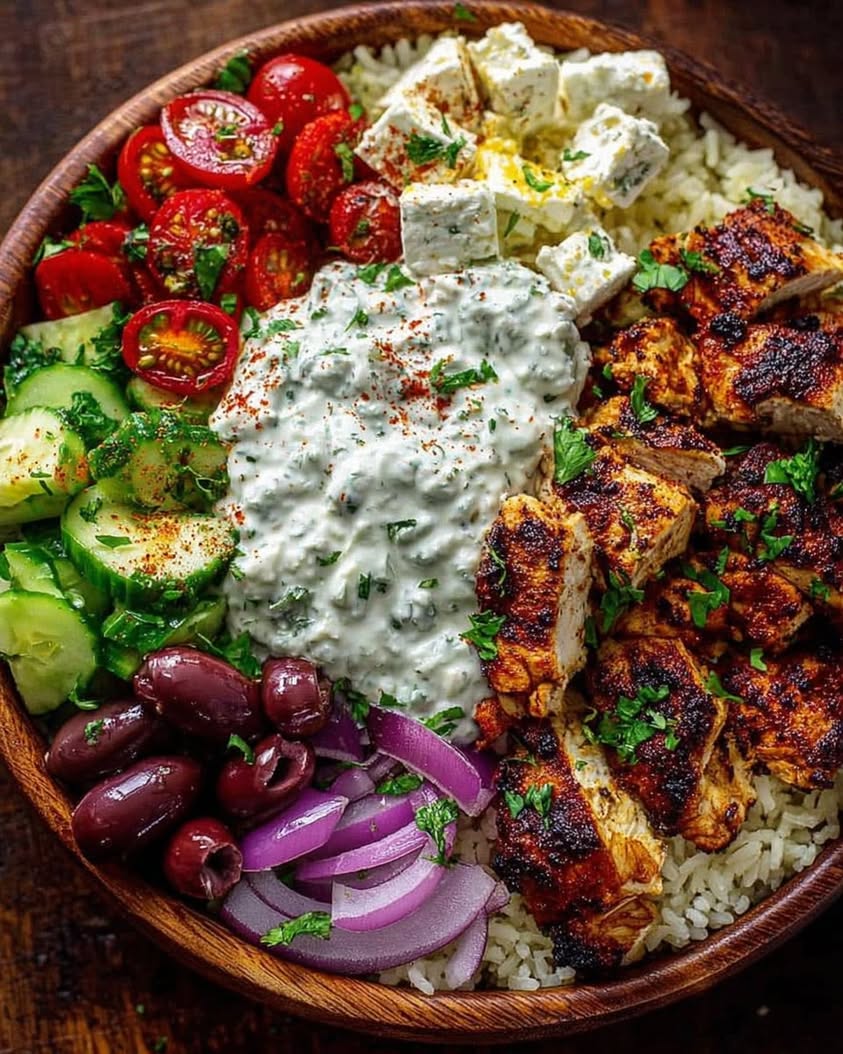
For regional variations, take inspiration from global pantries. Give your bowls a Mexican twist by using chili powder and cumin on the veggies, swapping the dressing for a lime-cilantro crema, and adding avocado and corn. For a Greek-inspired version, season with oregano and lemon zest, use a lemon-oregano vinaigrette, and top with kalamata olives and vegan feta.
Seasonal adaptations keep this recipe exciting all year. In spring, use asparagus, snap peas, and radishes with a lighter roast. Summer calls for zucchini, eggplant, and cherry tomatoes. In fall, stick with the recipe’s roots—sweet potato, Brussels sprouts, and red onion. Winter is perfect for hardy squash, carrots, and parsnips. The dressing and base formula remain wonderfully constant.
Dietary modifications are straightforward. For a gluten-free bowl, ensure your quinoa is certified GF and that all other ingredients are pure. The recipe is naturally vegan. To add more protein for athletes, include a scoop of cooked lentils or edamame. For a lower-carb option, replace the quinoa with a base of cauliflower rice or massaged kale.
Flavor variations can come from the spice blend or dressing. Experiment with different dried herbs like herbes de Provence, za’atar, or curry powder on the vegetables. For the dressing, try substituting the maple syrup with a date paste or using whole-grain mustard for texture. A spoonful of miso paste blended into the dressing adds incredible umami depth.
Serving and Presentation Guide
Plating techniques matter for visual appeal. Start with a warm, shallow bowl. Create a base layer of fluffy quinoa, then artfully arrange the different roasted vegetables in small piles or sections around the bowl, rather than dumping them all in a heap. Place the chickpeas in the center or scatter them throughout. This method showcases each beautiful component.
Garnishing is the final, crucial step. A generous drizzle of the creamy Maple Dijon Tahini Dressing should be applied just before serving. Then, add fresh, colorful elements: a sprinkle of chopped fresh parsley, cilantro, or dill; a handful of microgreens or arugula for peppery freshness; and a scattering of toasted sesame seeds or crushed red pepper flakes for color and a slight kick.
Consider traditional accompaniments. While the bowl is a complete meal, it pairs wonderfully with a side of warm pita bread or naan for scooping. A simple side salad of cucumber and tomato with lemon can lighten the meal further. For a more substantial spread, serve it alongside other Middle Eastern dips like baba ganoush or muhammara.
Modern serving suggestions include deconstructing the meal for interactive fun. Set up a “bowl bar” with separate containers of roasted veggies, chickpeas, quinoa, dressing, and all the garnishes. Let family or guests build their own masterpiece. This is especially great for parties or families with picky eaters, as everyone can customize to their taste.
Wine and Beverage Pairing
Choosing the right wine can elevate your Roasted Veggie & Chickpea Bowls experience. A crisp, dry white wine like Sauvignon Blanc or Pinot Grigio works beautifully. Their high acidity cuts through the richness of the tahini dressing and complements the lemon juice. Alternatively, a light-bodied, fruity red with low tannins, such as a Beaujolais or Pinot Noir, can pair nicely with the earthy, caramelized flavors of the roasted vegetables without overwhelming the dish.
For non-alcoholic alternatives, consider beverages that offer refreshment or complement the earthy flavors. Sparkling water with a wedge of lemon or lime is always a classic, clean choice. A tart cherry juice or pomegranate juice provides a sweet-tart counterpoint that mirrors the dressing’s profile. For something warmer, a lightly sweetened mint tea or a ginger-lemon herbal tea can be very soothing and complementary.
If you prefer coffee or tea with your meal, opt for lighter roasts and varieties. A bright, citrusy Ethiopian coffee or a green tea would not clash with the dish’s flavors. Avoid very dark, bitter roasts or heavily tannic black teas, as they might compete with the savory and sweet notes of the bowl. Ultimately, the goal is to choose a drink that cleanses the palate and refreshes between bites.
Storage and Shelf Life
Proper storage is key to enjoying leftovers. Store all components separately for the best results. Place cooled roasted vegetables and chickpeas in an airtight container in the refrigerator. They will keep for 3-4 days. The Maple Dijon Tahini Dressing should be stored in a sealed jar or container in the fridge for up to 1 week. Cooked quinoa can be refrigerated separately for 4-5 days.
Signs of spoilage are easy to spot. Discard any components that develop an off smell, visible mold, or a slimy texture. The dressing may thicken in the fridge; this is normal. Simply let it sit at room temperature for 10 minutes and whisk in a teaspoon of warm water to loosen it back to a drizzling consistency.
Reheating instructions are simple. Reheat the roasted vegetables and chickpeas in a 350°F oven for about 10 minutes, or in a skillet over medium heat until warmed through. This method helps restore some of their crispness. The microwave can be used for speed but will make them softer. Always add the cold, fresh dressing and garnishes after reheating the warm components.
Make Ahead Strategies
This recipe is a meal prep champion. You can prep all components 3-4 days in advance. Chop all the vegetables and store them in a large container or bag in the fridge. Rinse and drain the chickpeas, then store them covered in water in the fridge (drain and dry before roasting). Make the dressing and cook the quinoa. Store everything separately.
For assembly, keep everything divided. The quality remains highest when you assemble bowls just before eating. This prevents the quinoa from getting soggy and the roasted veggies from losing their ideal texture. If you must pre-assemble for grab-and-go lunches, keep the dressing in a small separate container and add it at the last minute.
When ready to serve, simply roast your pre-chopped veggies and chickpeas (remember to pat the chickpeas dry!). Since the veg is already cut, your active time is nearly zero. Reheat the quinoa gently with a splash of water. Then, assemble your bowls with the fresh, hot components and your pre-made dressing. This strategy turns a 45-minute recipe into a 20-minute weeknight miracle.
Scaling Instructions
Halving the recipe is simple for one or two servings. Use one standard baking sheet. Reduce all ingredient quantities by half. The cook time may decrease slightly, so start checking for doneness around 20 minutes. The dressing can be halved, but consider making a full batch anyway, as it keeps well and is useful for other meals.
Doubling or tripling for a crowd requires planning. You will need multiple baking sheets. Do not overcrowd them; use as many as needed to keep veggies in a single layer. Rotate the pans in the oven (top to bottom, front to back) halfway through cooking to ensure even browning. The dressing scales up easily in a larger bowl. Cook quinoa in batches or use a rice cooker with a larger capacity.
Consider equipment adjustments when scaling up. Ensure you have enough large mixing bowls for tossing the vegetables. A large, rimmed baking sheet (half-sheet pan) is ideal. If you only have smaller pans, you may need to cook in batches, which will increase total cook time. Keep the first batches warm in a low oven (200°F) while subsequent batches roast.
Nutritional Deep Dive
This meal offers an excellent macro balance. The quinoa and sweet potatoes provide complex carbohydrates for sustained energy. The chickpeas and quinoa together deliver a complete plant-based protein profile. The tahini and olive oil contribute healthy monounsaturated and polyunsaturated fats, which are essential for nutrient absorption and satiety. One serving is likely to keep you full for hours due to this powerful combination of fiber, protein, and good fats.
The micronutrient profile is incredibly diverse. Sweet potatoes are loaded with Vitamin A (as beta-carotene), vital for vision and immunity. Broccoli and bell peppers offer a huge dose of Vitamin C. Chickpeas provide iron and folate. Tahini is a surprising source of calcium. Together, these ingredients create a bowl that supports overall health, from bone strength to immune function and cellular repair.
From a dietary perspective, this recipe is naturally vegan, gluten-free, and dairy-free, making it inclusive for many dietary needs. It is high in fiber, which promotes digestive health. The low glycemic index of the complex carbs helps regulate blood sugar. For those managing weight, the high fiber and protein content promotes feelings of fullness, which can help with portion control and reduce the urge to snack later.
Dietary Adaptations
Gluten-Free: This recipe is naturally gluten-free. Simply ensure your quinoa is certified gluten-free, as cross-contamination can sometimes occur during processing. All other ingredients—vegetables, chickpeas, tahini, and spices—are inherently gluten-free.
Dairy-Free & Vegan: The recipe is already completely dairy-free and vegan as written. The creamy texture comes solely from plant-based tahini, making it a rich and satisfying option without any animal products.
Low-Carb/Keto: For a keto adaptation, replace the sweet potato with low-carb vegetables like cauliflower, broccoli, and bell peppers only. Omit the quinoa entirely or use a small base of cauliflower rice. The maple syrup in the dressing must be replaced with a keto-friendly sweetener like monk fruit or erythritol, adjusted to taste.
Paleo: To make this Paleo, omit the chickpeas and quinoa. Increase the volume of roasted vegetables. For protein, add roasted chicken or salmon to the bowl. Replace the maple syrup in the dressing with raw honey, though note this is a debated ingredient in strict Paleo circles.
Low-FODMAP: For a Low-FODMAP version, replace the onion with the green tops of spring onions (scallions) only. Use canned chickpeas that have been well-rinsed, and limit the portion to 1/4 cup per serving, as they are moderate in FODMAPs. Ensure the garlic is omitted entirely from the seasoning; use garlic-infused oil instead for flavor.
Troubleshooting Guide
Vegetables are Soggy: This is almost always due to overcrowding the pan. The vegetables release steam, which has nowhere to go, so they steam in their own moisture. The solution is to use a larger pan or two pans to ensure a single, uncrowded layer. Also, ensure your oven is fully preheated before the pan goes in.
Dressing is Too Thick: If your Maple Dijon Tahini Dressing is pasty or too thick to drizzle, it simply needs more liquid. Whisk in warm water, one teaspoon at a time, until it reaches your desired consistency. You can also add a touch more lemon juice for extra tang.
Dressing is Too Thin or Separated: If the dressing is runny or the oil has separated, it likely wasn’t emulsified properly. Pour it into a small jar, seal tightly, and shake vigorously for 30 seconds. If it’s still thin, whisk in an extra half-teaspoon of tahini to help thicken and re-bind it.
Chickpeas are Not Crispy: The culprits are moisture and lack of space. Ensure you pat the chickpeas bone-dry after rinsing. Toss them in a bit of oil separately before adding to the pan. Make sure they are not buried under vegetables; they need contact with the hot pan to crisp up.
Dressing Tastes Bitter: Bitterness usually comes from old tahini or over-toasted sesame seeds in the tahini-making process. Taste your tahini before using it. To rescue a bitter dressing, try balancing it with a bit more maple syrup or a pinch of salt. Starting with a fresh, high-quality tahini brand is the best prevention.
Recipe Success Stories
Community feedback on this Roasted Veggie & Chickpea Bowls recipe has been overwhelmingly positive. Many readers report it has become a weekly “must-make” in their homes, often referred to as their “back-pocket” healthy dinner. Parents love that they can get their kids to eat a wider variety of vegetables because the roasting process brings out such appealing sweetness. The common thread in success stories is the dressing—people are amazed at how a few simple ingredients whisked together can create something so transformative and delicious.
Variation successes are frequently shared. One reader added cubed halloumi cheese to the roasting pan for the last 10 minutes, creating a salty, squeaky addition that was a huge hit. Another blended a roasted red pepper into the dressing for a vibrant pink hue and smoky flavor. A family with a nut allergy successfully used sunflower seed butter in place of tahini and loved the result. These adaptations show the recipe’s fantastic flexibility and inspire others to get creative.
Photography tips from readers who have shared stunning images often highlight natural light. They suggest assembling the bowl near a window and using a shallow, neutral-colored bowl to make the colors of the vegetables pop. Overhead shots work beautifully to show all the components. A final drizzle of dressing and a sprinkle of fresh herbs right before the photo adds life and texture. The visual appeal of this dish makes it a favorite for food bloggers and home cooks alike to share online.
Frequently Asked Questions
Can I use different vegetables? Absolutely. The recipe is very flexible. Good options include cauliflower, Brussels sprouts, zucchini, eggplant, or carrots. Just try to cut them to a similar size for even cooking and adjust roasting time slightly if needed for denser or more delicate veggies.
Can I make this without tahini? Yes, though the flavor will change. For a nutty alternative, try using smooth, runny almond butter or cashew butter. For a sesame-free option due to allergy, sunflower seed butter is a good choice. You may need to adjust the lemon or maple to balance the different flavor profiles.
Is this recipe good for meal prep? It is excellent for meal prep. Store the roasted veggies/chickpeas, quinoa, and dressing separately in the fridge for up to 4 days. Assemble bowls fresh each day or keep pre-assembled bowls (without dressing) for easy grab-and-go lunches. Add the dressing just before eating.
Can I freeze these bowls? I do not recommend freezing the assembled bowls, as the texture of the roasted vegetables and quinoa becomes mushy upon thawing. The dressing may also separate. It is best enjoyed fresh or refrigerated for a few days.
My dressing is too thick. How do I fix it? Simply whisk in warm water, one teaspoon at a time, until it reaches a smooth, drizzle-able consistency. You can also add a little more lemon juice or even a splash of olive oil while whisking to thin it out.
Can I use dried chickpeas instead of canned? Yes, but it requires planning. Cook 1 cup of dried chickpeas according to package directions until tender. Drain, dry thoroughly, and then use as directed. This yields about 3 cups cooked, which Print
Roasted Veggie & Chickpea Bowls with Maple Dijon Tahini Dressing
- Total Time: 45 minutes
- Yield: 4
Description
A hearty and healthy bowl featuring roasted seasonal vegetables and crispy chickpeas, topped with a creamy, tangy-sweet maple Dijon tahini dressing.
Ingredients
- 1 large sweet potato, peeled and cubed
- 2 cups broccoli florets
- 1 red bell pepper, sliced
- 1 can (15 oz) chickpeas, rinsed and patted dry
- 2 tbsp olive oil
- 1 tsp smoked paprika
- 1/2 tsp garlic powder
- Salt and black pepper to taste
- 1/4 cup tahini
- 2 tbsp maple syrup
- 1 tbsp Dijon mustard
- 2 tbsp lemon juice
- 2-3 tbsp water, as needed
- Cooked quinoa or rice for serving
- Fresh parsley or cilantro for garnish
Instructions
- Preheat oven to 400°F (200°C). Line two baking sheets with parchment paper.
- In a large bowl, toss sweet potato, broccoli, bell pepper, and chickpeas with olive oil, smoked paprika, garlic powder, salt, and pepper until evenly coated.
- Spread vegetables and chickpeas in a single layer on the baking sheets. Roast for 25-30 minutes, flipping halfway, until tender and slightly crispy.
- While roasting, make the dressing: In a small bowl, whisk together tahini, maple syrup, Dijon mustard, and lemon juice until smooth. Add water 1 tbsp at a time until desired consistency is reached.
- Assemble bowls: Divide cooked quinoa or rice among bowls, top with roasted veggies and chickpeas, drizzle with dressing, and garnish with fresh herbs.
Notes
You can customize the seasonings to taste.
- Prep Time: 15 minutes
- Cook Time: 30 minutes
- Method: Main
- Cuisine: American