Creamy Ravioli with Spinach, Sun-Dried Tomatoes, and Artichokes: A Restaurant-Quality Pasta in 30 Minutes
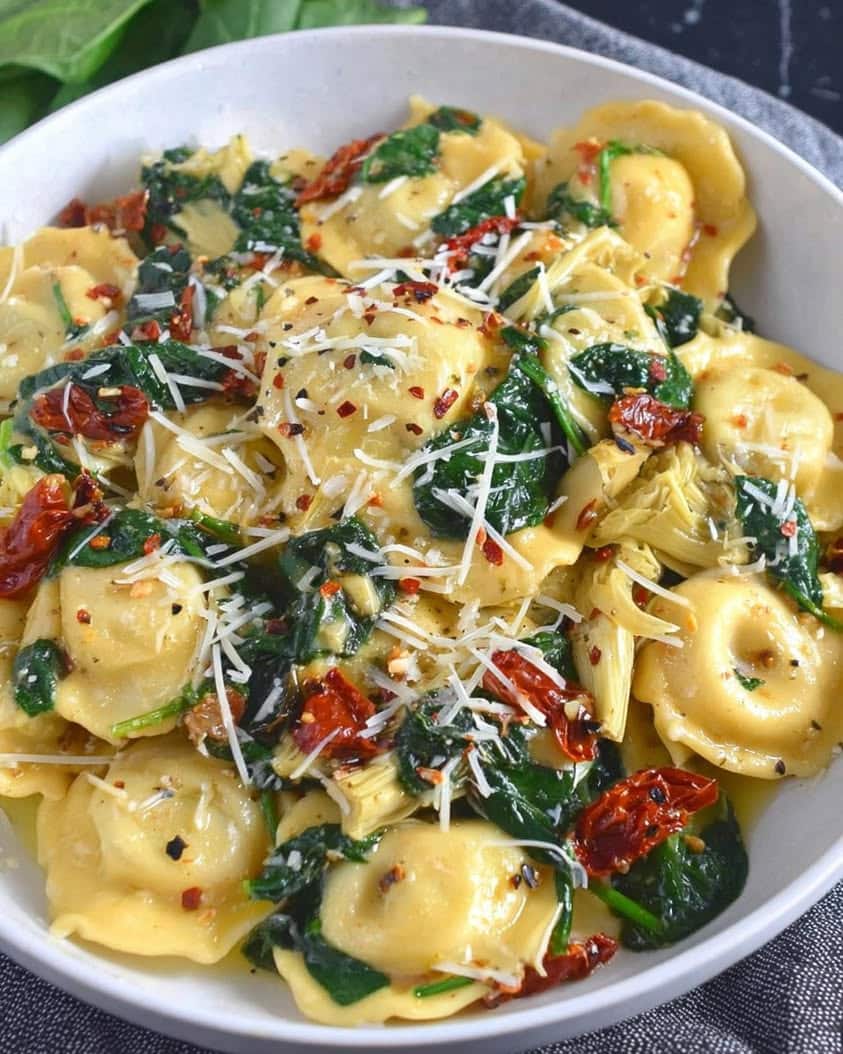
Imagine a dish that delivers the elegance of a fine Italian restaurant but lands on your dinner table in less time than it takes to watch a sitcom. This Creamy Ravioli with Spinach, Sun-Dried Tomatoes, and Artichokes is exactly that. It’s a symphony of textures and flavors, featuring plump cheese ravioli swirled in a velvety, garlic-infused cream sauce. Meanwhile, the vibrant spinach, tangy sun-dried tomatoes, and tender artichoke hearts create a beautiful, colorful medley. Consequently, this recipe is a weeknight lifesaver that feels anything but ordinary.
The beauty of this creamy ravioli recipe lies in its perfect balance. The rich, decadent sauce is expertly cut by the bright acidity of the tomatoes and the subtle brininess of the artichokes. Each forkful offers a delightful contrast: the soft, yielding pasta, the creamy sauce, and the tender yet distinct vegetables. Ultimately, this dish is a testament to how a few high-quality, flavorful ingredients can come together to create something truly spectacular with minimal effort.
Furthermore, this recipe is incredibly versatile. You can easily adapt it based on what you have in your pantry or to suit different dietary needs. Whether you’re cooking a romantic dinner for two or need a reliable, impressive meal for a family gathering, this creamy ravioli with spinach, sun-dried tomatoes, and artichokes is guaranteed to be a crowd-pleaser. Let’s dive into why this dish will become a permanent fixture in your recipe rotation.
Quick Recipe Highlights
- Flavor Profile: This dish masterfully balances rich, creamy, savory, and tangy notes. The garlic and Parmesan create a deep umami base, while the sun-dried tomatoes add a sweet-tart punch that cuts through the richness perfectly.
- Texture: You’ll experience a wonderful play of textures. The cheese-filled ravioli is soft and pillowy, the spinach wilts into silkiness, and the artichokes and sun-dried tomatoes provide pleasant, meaty bites throughout the luxurious sauce.
- Aroma: As it cooks, your kitchen will fill with the irresistible scent of sautéed garlic and onions, followed by the nutty aroma of toasting Parmesan cheese melding with the herbal notes of spinach and basil.
- Visual Appeal: This dish is a feast for the eyes with its stunning color contrast. The vibrant green spinach, deep red sun-dried tomatoes, and pale green artichokes peek through the creamy white sauce, making for a restaurant-worthy plate.
- Skill Level Needed: This is a beginner-friendly recipe. The techniques are straightforward—sautéing, simmering, and combining. If you can boil pasta and stir a sauce, you can absolutely master this creamy ravioli dish.
- Special Equipment: No special tools are required. You just need a large pot for boiling the ravioli and a large, deep skillet or sauté pan to build the creamy sauce and combine everything at the end.
Recipe Overview
- Difficulty Level: We’ve rated this recipe as “Easy” because it uses mostly pre-prepped ingredients like cheese ravioli, jarred artichokes, and sun-dried tomatoes. The cooking process involves simple, sequential steps without any advanced techniques like making pasta from scratch. Essentially, it’s a one-pan sauce with boiled pasta stirred in.
- Category: This dish fits perfectly into several categories: a quick and easy weeknight dinner, a luxurious vegetarian main course, or an impressive dish for casual entertaining. It’s a complete meal in one bowl, requiring only perhaps a simple side salad or some crusty bread.
- Cuisine: The recipe is firmly rooted in Italian-American cuisine. It takes inspiration from classic Italian flavors—garlic, Parmesan, basil—and combines them in a creamy, comforting way that is popular in modern home cooking. It’s a delicious interpretation, not a traditional regional dish.
- Cost: This is a moderately priced meal. The main costs come from the fresh cheese ravioli and the heavy cream. However, using frozen spinach and jarred vegetables keeps it affordable. You can expect to feed a family of four for less than the cost of a single restaurant pasta dish.
- Season: This creamy ravioli is truly a year-round recipe. It’s comforting and hearty enough for a cold winter night, yet the bright, tangy vegetables make it feel fresh and appropriate for spring or summer, especially when served with a crisp white wine.
- Occasion: It’s incredibly versatile for different occasions. Whip it up for a stress-free Tuesday family dinner, present it as the star of a date night in, or double the batch for a low-fuss but high-impact potluck contribution. It always feels special.
Why You’ll Love This Recipe
First and foremost, the taste and texture are simply divine. This creamy ravioli with spinach, sun-dried tomatoes, and artichokes delivers a restaurant-quality experience in your own home. The sauce is luxuriously smooth and clings to every nook of the pasta, while the vegetables provide bursts of flavor and varied textures. Every bite is a harmonious blend of creamy, tangy, and savory notes that will have everyone at the table asking for seconds. It’s the kind of comfort food that also feels refined and thoughtfully prepared.
From a practical standpoint, the convenience is unbeatable. This entire meal comes together in about 30 minutes, making it a perfect solution for busy weeknights. Moreover, most of the ingredients are pantry or freezer staples, or they have a long shelf life. You can keep ravioli in the freezer, sun-dried tomatoes and artichokes in the pantry, and spinach in the freezer. Therefore, you can often make this impressive dish without a special trip to the grocery store.
Nutritionally, this dish offers more than your average creamy pasta. By incorporating a generous amount of spinach, you’re adding a powerhouse of vitamins A, C, K, and iron. Artichokes are a great source of fiber and antioxidants. While it is a rich dish, you are getting valuable nutrients alongside the indulgence. You can easily boost the nutritional profile further by using whole-wheat or protein-packed ravioli.
For social and entertaining value, this recipe is a true winner. It looks gorgeous on the plate, making it perfect for dinner parties or holiday meals like Christmas Eve. It’s also largely a one-pan dish, meaning less cleanup for you and more time with your guests. You can prepare the sauce components ahead of time, then simply cook the ravioli and combine everything at the last minute for a stress-free hosting experience.
Finally, it’s cost-effective and accessible. Creating this creamy ravioli with spinach, sun-dried tomatoes, and artichokes at home costs a fraction of what you’d pay at a restaurant for a similar dish. The ingredients are readily available at any standard supermarket. You have full control over the quality, and you can easily adjust the recipe to feed more people or to use up ingredients you already have on hand.
Historical Background and Cultural Significance
Ravioli, of course, has a long and storied history in Italian cuisine, with mentions dating back to the 14th century in various regions. Traditionally, ravioli were a way to use up leftovers—bits of meat, cheese, or greens—enclosed in simple pasta dough. The concept of serving ravioli in a creamy sauce, however, is a more modern, likely Italian-American, innovation. This particular recipe, featuring spinach, sun-dried tomatoes, and artichokes, reflects a contemporary, fusion-style approach to pasta that prioritizes vibrant flavors and quick preparation.
The cultural significance of this dish lies in its embodiment of “cucina povera” or “poor kitchen” philosophy, albeit with a modern twist. Originally, meals were built around inexpensive, preserved, and foraged ingredients. Here, we see echoes of that: sun-dried tomatoes are a preservation method, artichoke hearts are often jarred, and spinach is an affordable green. Combining them with fresh pasta and cream creates a dish that feels luxurious but is rooted in practical, accessible cooking.
The evolution of this recipe is tied to global trade and modern food availability. Artichokes, native to the Mediterranean, and sun-dried tomatoes, a Southern Italian specialty, were once regional ingredients. Now, thanks to global distribution, they are pantry staples worldwide. The use of heavy cream in pasta sauces became more prevalent in the 20th century, particularly outside of Italy. This recipe represents a delicious fusion of traditional Italian components with a modern, creamy preparation style popularized in American kitchens.
Regional variations of ravioli fillings and sauces are endless across Italy. In the North, you might find ravioli in a butter and sage sauce. In the South, a simple tomato sauce is more common. This creamy ravioli with spinach, sun-dried tomatoes, and artichokes doesn’t hail from one specific region but instead borrows flavors from across the country—the greens from the North, the tomatoes from the South—and presents them in a style that appeals to the international palate for rich, comforting pasta dishes.
Ingredient Deep Dive
Cheese Ravioli: The foundation of the dish. Fresh or frozen cheese ravioli provides pockets of creamy, melty goodness that pair perfectly with the sauce. Typically filled with ricotta, Parmesan, and sometimes mozzarella, they add protein and richness. For the best texture, avoid overcooking; cook just until they float. Look for high-quality brands with simple ingredients. You can substitute with tortellini, meat-filled ravioli, or even plain cheese tortellini for a different twist.
Fresh Spinach: This leafy green adds vibrant color, essential nutrients, and a mild, slightly earthy flavor that balances the richness of the sauce. Spinach is packed with iron, calcium, and vitamins A and K. It wilts dramatically, so a large bag cooks down to the perfect amount. Always use fresh for this recipe for the best texture and color. For selection, choose bright green, crisp leaves without yellowing or sliminess.
Sun-Dried Tomatoes: These are the flavor powerhouses, offering an intense sweet-tart umami punch. Traditionally, tomatoes were dried in the sun to preserve summer’s bounty. They are rich in lycopene and flavor. You can use either oil-packed or dry-packed; if using dry-packed, rehydrate them in hot water first. Their chewy texture and concentrated flavor cut through the creamy sauce beautifully. Chop them finely for even distribution throughout the dish.
Artichoke Hearts: Canned or jarred marinated artichoke hearts bring a tender, meaty texture and a subtle, nutty-briny flavor. They are a good source of fiber and antioxidants. For this recipe, the marinated kind (in oil and herbs) adds extra flavor. Be sure to drain them well and give them a rough chop. You can use frozen artichoke hearts as well; just thaw and pat dry before using.
Heavy Cream & Parmesan: This duo creates the luxurious, velvety sauce. Heavy cream (or whipping cream) provides the rich base, while freshly grated Parmesan cheese melts into it, adding saltiness, umami, and body. Always grate your own Parmesan from a block; pre-grated cheese contains anti-caking agents that can make your sauce grainy. The quality of your Parmesan directly impacts the depth of flavor in your creamy ravioli.
Common Mistakes to Avoid
- Overcooking the Ravioli: This is the most common error. Cook ravioli just until they float to the top of the boiling water, usually 3-4 minutes for fresh. Overcooked ravioli becomes mushy and can burst, losing their filling into the water. They will continue to warm through when tossed in the hot sauce.
- Using Pre-Grated Parmesan: Pre-grated cheese contains cellulose to prevent clumping, which can prevent it from melting smoothly into the cream. This often results in a grainy or slightly gritty sauce. For a perfectly silky sauce, always buy a block of Parmigiano-Reggiano or Grana Padano and grate it fresh.
- Not Draining Vegetables Properly: If your sun-dried tomatoes (if oil-packed) or artichoke hearts are too oily, or if frozen spinach isn’t squeezed dry, that excess moisture will dilute your creamy sauce, making it thin and oily. Always drain well and pat ingredients dry with a paper towel.
- Adding Cheese to Boiling Cream: If you add the grated Parmesan to the cream while it’s at a rolling boil, the dairy can separate, causing a greasy, broken sauce. Remove the pan from heat or turn it to very low before stirring in the cheese until it’s just melted.
- Crowding the Pan: When sautéing the garlic and onion, if the pan is too crowded, the vegetables will steam instead of sauté, missing out on that foundational flavor development. Use a large, wide skillet to give everything space.
- Using Old, Stale Spices: Dried basil and oregano lose their potency over time. If your spices are more than a year old, their flavor will be muted. For the best flavor, buy small quantities and replace them annually, or use fresh herbs at the end for garnish.
- Skipping the Pasta Water: The starchy water left from cooking the ravioli is liquid gold. It helps the creamy sauce adhere to the pasta and can be used to thin the sauce if it becomes too thick after adding the cheese. Always reserve a cup before draining.
- Underseasoning the Sauce: Cream-based sauces need ample seasoning. Taste the sauce after adding the Parmesan, but before adding the ravioli. It should taste slightly saltier than perfect on its own, as the pasta and vegetables will balance it out.
Essential Techniques
Sautéing Aromatics: This is the first and most crucial step for building flavor. Cooking the onion and garlic in olive oil over medium heat softens them and releases their sweet, aromatic compounds without burning. Burnt garlic turns bitter and will ruin the sauce. The visual cue for success is translucent, softened onions and fragrant garlic that is pale gold, not brown.
Wilting Spinach: Adding a large volume of fresh spinach to the hot pan may seem daunting, but it wilts down quickly. Use tongs to constantly toss and turn the leaves, exposing them all to the heat. The technique is complete when the spinach is fully wilted, dark green, and reduced in volume by about 90%. This process only takes a minute or two.
Creating a Cream Sauce: After adding the cream to the sautéed vegetables, bring it to a gentle simmer. This allows the cream to reduce slightly and thicken, and it helps the flavors meld. The key is to keep the heat medium-low to prevent scorching on the bottom of the pan. Stir frequently. The sauce is ready for cheese when it coats the back of a spoon.
Melting Cheese into Sauce: To avoid a grainy sauce, always remove the pan from direct heat before adding the grated Parmesan. The residual heat is enough to melt it. Add the cheese in handfuls, stirring constantly until each addition is fully incorporated and smooth before adding the next. This gradual process ensures a velvety, emulsified sauce.
Pro Tips for Perfect Creamy Ravioli
First, for maximum flavor, use the oil from the jar of sun-dried tomatoes to sauté your garlic and onion. This infused oil adds an incredible depth of tomato flavor to the base of your sauce.
Second, if you want a thicker sauce without reducing the cream for longer, create a quick slurry. Mix a teaspoon of cornstarch with a tablespoon of cold water and whisk it into the simmering cream before adding the cheese.
Third, to make this dish ahead, prepare the entire sauce with the vegetables, but hold the Parmesan. Cool the sauce, then store it. Reheat gently, then stir in the fresh Parmesan just before combining with the freshly cooked ravioli.
Fourth, for a flavor boost, add a splash of white wine or dry vermouth to the pan after sautéing the garlic. Let it simmer and reduce by half before adding the cream. This adds a wonderful layer of acidity and complexity.
Fifth, always undercook your ravioli by about 30 seconds according to the package directions. They will finish cooking when you toss them in the hot sauce, ensuring they remain al dente and don’t become mushy.
Sixth, garnish with texture. Right before serving, sprinkle with toasted pine nuts or chopped walnuts for a delightful crunch that contrasts the creamy pasta beautifully.
Seventh, if using frozen ravioli, do not thaw it first. Add it directly to the boiling water; just add a minute or two to the cooking time and stir gently to prevent sticking.
Eighth, for a fresher finish, stir in half of your fresh herbs (like basil or parsley) into the sauce at the end, and use the other half as a bright, colorful garnish on top of each served plate.
Variations and Adaptations
For regional variations, you can take this creamy ravioli in many directions. Give it a Tuscan flair by adding cannellini beans and chopped rosemary. Alternatively, for a richer version, incorporate crispy pancetta or prosciutto with the onions. You can also swap the spinach for Swiss chard or kale, remembering to remove tough stems and cook kale a bit longer to tenderize.
Seasonal adaptations are simple. In spring, use fresh peas and asparagus tips instead of artichokes. In summer, add fresh, chopped tomatoes and basil. For autumn, incorporate roasted butternut squash cubes and sage. In winter, mushrooms and thyme make a hearty, earthy combination that pairs wonderfully with the creamy sauce.
Dietary modifications are straightforward. For a gluten-free version, use certified gluten-free cheese ravioli. To make it dairy-free, use a rich, unsweetened plant-based cream (like cashew or oat) and a vegan Parmesan alternative. For a protein boost, add grilled chicken strips or shrimp in the last minute of cooking to warm through.
Flavor variations can keep this recipe exciting. Add a pinch of red pepper flakes with the garlic for heat. Stir in a tablespoon of pesto at the end for an herby twist. Alternatively, use a different cheese in the sauce, such as creamy Gorgonzola for a bold, tangy flavor or Fontina for exceptional meltability.
Texture modifications can cater to personal preference. For a smoother sauce, blend half of the cooked spinach and artichokes into the cream before adding the pasta. For more chew, use sliced mushrooms or roasted red peppers. To add a crispy element, top the finished dish with buttery, homemade garlic breadcrumbs.
Presentation alternatives can elevate the dish for guests. Instead of mixing everything in the pan, plate the ravioli neatly, then spoon the creamy vegetable medley over the top. Serve in individual, shallow bowls rather than on plates. Alternatively, for a family-style centerpiece, present it in a large, warm serving platter garnished generously with fresh herbs.
Serving and Presentation Guide
Plating techniques matter for visual appeal. Use tongs or a large serving spoon to lift the ravioli and place them in the center of a warm, shallow bowl. Then, spoon the creamy sauce and vegetables over and around them, ensuring some colorful bits of tomato, artichoke, and spinach are visible on top. Avoid just dumping everything from the pan.
Garnishing ideas add the final touch of freshness and texture. A sprinkle of freshly chopped basil or flat-leaf parsley is classic. Additionally, a light dusting of extra grated Parmesan, a twist of black pepper, or a drizzle of high-quality extra virgin olive oil adds sophistication. For crunch, toasted pine nuts or breadcrumbs are excellent.
Traditional accompaniments are simple. A crisp, green side salad with a lemony vinaigrette cuts through the richness perfectly. Warm, crusty bread like a baguette or focaccia is essential for soaking up every last drop of the delicious creamy sauce. You don’t need much more for a complete, satisfying meal.
Modern serving suggestions might include pairing it with roasted vegetables like broccolini or serving it as a smaller primo piatto (first course) before a simple grilled fish or chicken. For a fun twist, serve the creamy ravioli in individual, edible bowls made from baked Parmesan crisps.
Temperature considerations are key. Serve the dish immediately after combining. Pasta continues to absorb sauce as it sits, which can lead to a dry result. Ensure your serving bowls are warm to keep the pasta hot longer. Conversely, your side salad should be chilled for a pleasant contrast.
Portion control tips are helpful since this is a rich dish. A standard serving is about 6-8 large ravioli per person with a generous amount of sauce. Remember, you can always serve smaller portions and offer a second helping, which prevents waste and keeps the pasta from getting cold on the plate.
Wine and Beverage Pairing
Wine pairings should complement the creamy, tangy, and savory notes. A crisp, acidic white wine like Pinot Grigio or Sauvignon Blanc cuts through the richness beautifully. Alternatively, a light-bodied Chardonnay (unoaked or lightly oaked) with notes of citrus and apple works well. For red wine lovers, a fruity, low-tannin red like a Valpolicella or a Beaujolais Nouveau won’t overpower the dish.
Non-alcoholic alternatives are just as important. Sparkling water with a squeeze of lemon or lime provides a palate-cleansing effervescence. For a more crafted option, try a tart cherry or pomegranate spritzer. Iced herbal tea, like lemon verbena or mint, also pairs nicely by offering a refreshing contrast to the creamy pasta.
Coffee and tea pairings are best considered for after the meal. A medium-roast coffee or an espresso can help digest the rich meal. For tea, a cup of peppermint or ginger tea is soothing and aids digestion. Avoid serving strong, bitter coffee or tea alongside the pasta, as they can clash with the delicate flavors.
Temperature considerations for beverages are straightforward. White wines and non-alcoholic spritzers should be served well-chilled. Red wines should be served slightly cooler than room temperature, around 60-65°F. Always have chilled water on the table to cleanse the palate between bites.
Serving suggestions include offering both a white and a red wine option if you’re hosting guests. Place a carafe of chilled water with lemon slices on the table. For a special touch, create a signature non-alcoholic “Italian Cream Soda” with club soda, a splash of blood orange syrup, and a sprig of rosemary.
Storage and Shelf Life
Storage methods for leftovers are simple but important. Allow the creamy ravioli to cool completely to room temperature before storing. Do not leave it out for more than two hours. Transfer it to an airtight container. You can store the pasta and sauce together, though the ravioli will continue to absorb liquid.
Temperature requirements are strict for food safety. Refrigerate leftovers promptly. The dish will keep safely in the refrigerator for 3-4 days. For longer storage, freezing is an option, though the texture of the cream sauce and pasta may change upon thawing.
Container recommendations include glass containers with tight-fitting lids, which are best for preventing odor transfer and for reheating. If using plastic, ensure it is BPA-free and designed for food storage. For freezing, use heavy-duty freezer bags, pressing out as much air as possible, or airtight freezer-safe containers.
Signs of spoilage are easy to spot. Look for an off or sour smell, a significant change in texture (excessive sogginess or separation), or any visible mold. If the sauce appears curdled or has a lot of liquid separated from it, it’s best to discard it. When in doubt, throw it out.
Reheating instructions are crucial for best results. The best method is on the stovetop. Add a splash of milk, cream, or broth to a saucepan with the leftovers and warm over low heat, stirring gently to avoid breaking the ravioli. You can use a microwave, but heat in short 30-second bursts, stirring in between, to prevent the sauce from separating.
Freezing guidelines come with a caveat. Cream-based sauces can separate and become grainy when frozen and thawed. If you must freeze, expect some texture change. Thaw overnight in the refrigerator before reheating gently on the stovetop with added liquid. For best quality, consume frozen leftovers within 2 months.
Make Ahead Strategies
A prep timeline can turn this 30-minute meal into a 15-minute miracle. The day before, you can chop the onion, mince the garlic, drain and chop the sun-dried tomatoes and artichokes, and grate the Parmesan cheese. Store each component in separate airtight containers in the refrigerator.
Storage between steps is simple. Prepped vegetables can be stored for 1-2 days. The grated cheese should be kept in the fridge. You can even measure out your cream and spices. Having everything ready, or “mise en place,” turns the cooking process into a simple, stress-free assembly.
Quality impact assessment is positive for most components. Pre-chopping onions and garlic has no negative effect. However, grating the Parmesan a day ahead is fine, but it may dry out slightly on the surface. For absolute best flavor, grate the cheese just before using, but pre-grated is still a huge time-saver.
Assembly tips for a make-ahead approach: You can fully prepare the creamy vegetable sauce (through adding the cream and simmering), then cool it and refrigerate it for up to two days. When ready to serve, reheat the sauce gently, stir in the fresh Parmesan until melted, then toss with freshly boiled ravioli.
Reheating guidelines for a pre-made sauce are gentle but important. Reheat the sauce over low to medium-low heat, stirring frequently. If it seems too thick, thin it with a little milk, cream, or reserved pasta water. Always bring the sauce to a gentle simmer before adding the cheese off the heat.
Fresh element additions are the final touch. Even if you make the sauce ahead, add a handful of fresh spinach to the reheated sauce just before serving to wilt it, preserving its bright color and fresh taste. Similarly, garnish with freshly chopped herbs, not herbs that were cooked in and then reheated.
Scaling Instructions
Halving the recipe is easy for smaller households. Simply divide all ingredient quantities by two. Use a medium skillet instead of a large one. The cooking times will remain roughly the same, but keep a close eye on the sauce reduction as a smaller volume will thicken slightly faster.
Doubling or tripling the recipe for a crowd requires some adjustments. Use your largest pot or Dutch oven for the sauce. You may need to cook the ravioli in two separate batches to avoid overcrowding the pot, which leads to sticky, undercooked pasta. Keep the first batch warm by tossing it with a little olive oil.
Equipment adjustments are necessary when scaling up. For a double batch, a 5-quart Dutch oven is ideal. For a triple batch, consider using two large skillets for the sauce or cooking in sequential batches. Ensure you have a colander large enough to drain all the pasta at once if cooking it together.
Timing modifications are minimal when scaling. The sauce may take a few extra minutes to come to a simmer when doubled due to the larger volume. The vegetable wilting and cooking times remain similar. The most important timing factor is coordinating the ravioli cooking so it finishes just as the sauce is ready.
Storage considerations for large batches are important. If you don’t plan to serve it all immediately, cool the extra portion completely before refrigerating. For best results, store the sauce and cooked ravioli separately if possible, then combine when reheating to prevent the pasta from becoming overly soft and absorbing all the sauce.
Nutritional Deep Dive
A macro breakdown for a typical serving reveals a balanced profile for a comfort food dish. You’ll get a good amount of carbohydrates from the pasta, a moderate amount of protein from the cheese filling and Parmesan, and a higher amount of fat, primarily from the cream and cheese, which provides the rich, satisfying mouthfeel. It’s an energy-dense meal.
The micronutrient analysis is surprisingly positive thanks to the vegetables. Spinach contributes significant amounts of Vitamin K, Vitamin A, folate, and iron. Artichokes are a source of fiber, Vitamin C, and folate. Sun-dried tomatoes provide lycopene, an important antioxidant. The dairy components offer calcium and Vitamin B12.
Health benefits include bone support from calcium, improved vision and immune function from Vitamins A and C, and antioxidant protection from the lycopene and phytonutrients in the vegetables. The fiber from the artichokes and spinach aids digestion. However, it is a high-calorie dish, so portion awareness is key.
Dietary considerations are important to note. This recipe is vegetarian but not vegan. It contains gluten (in standard pasta), dairy, and is relatively high in saturated fat and sodium (from cheese and canned vegetables). Those with lactose intolerance, gluten sensitivity, or on heart-healthy diets should consider the adaptations mentioned earlier.
Portion analysis shows that a serving of about 6-8 ravioli with sauce is satisfying. Visually, it should fill a shallow bowl without being piled high. Pairing it with a large side salad increases volume and nutrients without adding many calories, helping to create a more balanced plate and promoting satiety.
Weight management tips for enjoying this dish include being mindful of portion size, using a lighter cream alternative like half-and-half, increasing the ratio of vegetables to pasta, and ensuring you have an active day when you plan to eat it. It’s a dish to savor and enjoy as part of an overall balanced diet.
Dietary Adaptations
For a gluten-free version, the only change needed is the pasta. Seek out high-quality fresh or frozen gluten-free cheese ravioli, which are often made with rice or corn flour blends. Ensure all other packaged ingredients (like sun-dried tomatoes) are certified gluten-free, as cross-contamination can occur.
A dairy-free adaptation requires substitutions for the heavy cream and Parmesan. Use a rich, unsweetened plant-based cream like cashew, oat, or soy. For the cheesy flavor, use a store-bought vegan Parmesan or make your own from nutritional yeast, ground almonds, and salt. Vegan cheese ravioli are also available.
To make it vegan, follow the dairy-free steps above and ensure your ravioli is filled with vegan cheese (often made from cashews or tofu). Check that the pasta itself doesn’t contain egg. Many fresh pastas do, so look for specifically vegan ravioli or use a vegan stuffed pasta alternative.
A low-carb or keto adaptation involves ditching the traditional ravioli. Instead, serve the creamy spinach, sun-dried tomato, and artichoke sauce over spiralized zucchini noodles (zoodles), shirataki noodles, or roasted spaghetti squash. Be mindful of the carb count in sun-dried tomatoes and onions, using them sparingly.
For a Paleo version, which excludes grains, legumes, and dairy, use a similar approach to keto. Serve the sauce over spiralized vegetables or roasted squash. Substitute the cream with full-fat coconut milk and omit the cheese, relying on garlic, herbs, and the vegetables for flavor. Use ghee or avocado oil for sautéing.
A Low-FODMAP adaptation is for those sensitive to certain carbohydrates. Use only the green tops of spring onions (scallions) instead of regular onion. Omit garlic or use garlic-infused oil (where the fructans are not soluble in the oil). Limit artichoke hearts to a small amount, as they can be high in FODMAPs. Use lactose-free cream.
PrintRavioli with Spinach, Sun-Dried Tomatoes and Artichokes
- Total Time: 45 minutes
- Yield: 4
Description
A vibrant and flavorful pasta dish featuring cheese-filled ravioli tossed with sautéed spinach, tangy sun-dried tomatoes, and tender artichoke hearts in a light garlic-infused olive oil sauce.
Ingredients
- 1 package (20 oz) cheese ravioli
- 2 tablespoons olive oil
- 3 cloves garlic, minced
- 1 cup sun-dried tomatoes (packed in oil, drained and sliced)
- 1 can (14 oz) artichoke hearts, drained and quartered
- 4 cups fresh spinach
- 1/4 cup grated Parmesan cheese
- Salt and black pepper to taste
- Fresh basil leaves for garnish
Instructions
- Bring a large pot of salted water to a boil and cook the ravioli according to package instructions until al dente. Drain and set aside.
- While the ravioli cooks, heat olive oil in a large skillet over medium heat. Add minced garlic and sauté for 1-2 minutes until fragrant.
- Add sun-dried tomatoes and artichoke hearts to the skillet. Cook for 3-4 minutes, stirring occasionally, until heated through.
- Stir in fresh spinach and cook until wilted, about 2-3 minutes. Season with salt and black pepper.
- Add the cooked ravioli to the skillet and gently toss to combine with the vegetable mixture.
- Sprinkle with grated Parmesan cheese and garnish with fresh basil leaves before serving.
Notes
You can customize the seasonings to taste.
- Prep Time: 15 minutes
- Cook Time: 30 minutes
- Method: Main
- Cuisine: Italian-American