Ground Beef and Spinach Skillet with Creamy Feta: Your New Weeknight Hero
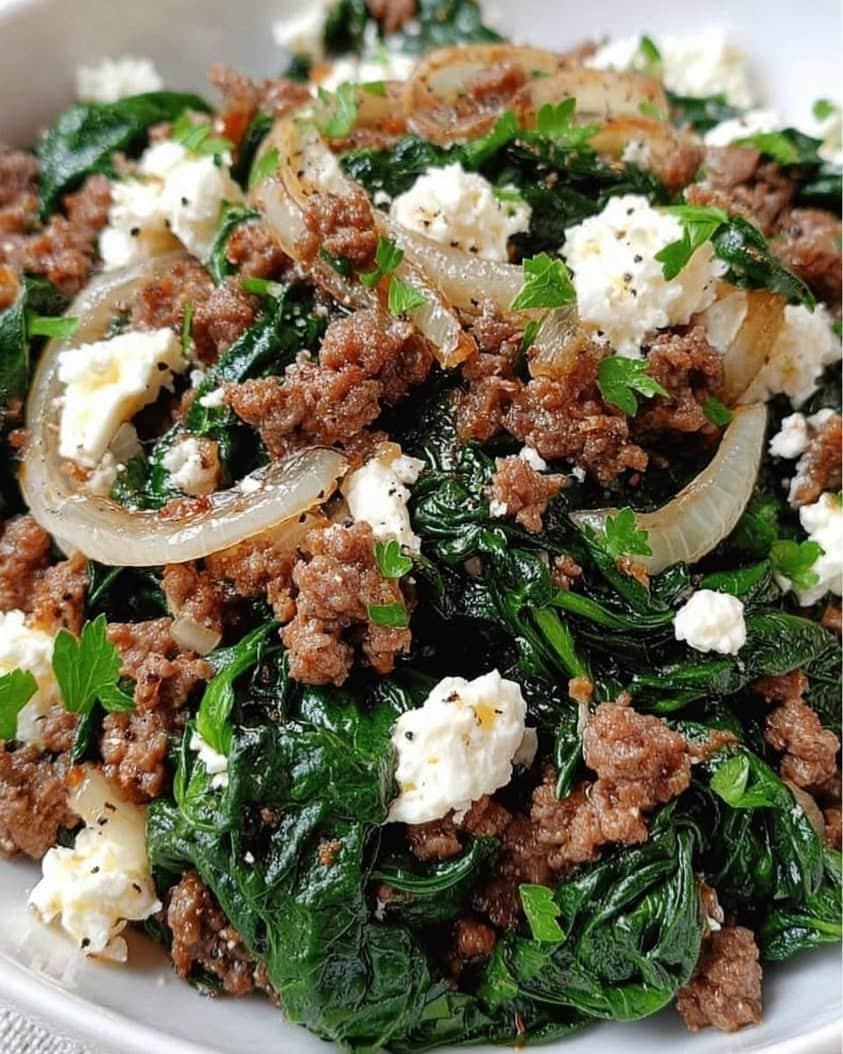
Imagine a dinner that delivers maximum flavor with minimal cleanup. This one-pan ground beef and spinach skillet with creamy feta does exactly that. It is a hearty, satisfying meal that transforms simple ingredients into a family favorite. The savory ground beef mingles with garlic and tomatoes, while fresh spinach wilts into the mix, creating a vibrant, nutritious base. Ultimately, the crowning glory is the creamy, tangy feta cheese that melts into the sauce, tying every element together in a deliciously cohesive dish.
Busy weeknights demand smart solutions, and this ground beef and spinach skillet recipe is the ultimate answer. You can prepare a wholesome, protein-packed dinner in about thirty minutes using just one pan. Consequently, you spend less time washing dishes and more time enjoying a meal that feels both comforting and fresh. The combination of lean protein, leafy greens, and rich cheese offers a balanced plate that pleases both adults and kids alike. Moreover, the aroma of garlic and herbs sautéing will draw everyone to the kitchen, promising a meal that is as enjoyable to make as it is to eat.
This dish excels in versatility. You can serve it straight from the skillet with crusty bread, over a bed of fluffy rice, or twirled with your favorite pasta. Each bite delivers a perfect harmony of textures and tastes, from the tender beef to the silky spinach and the creamy pockets of feta. It is a recipe that feels indulgent yet remains incredibly straightforward, making it a reliable staple for your regular meal rotation. In essence, this ground beef and spinach skillet with creamy feta proves that incredible dinners do not require complicated techniques or a mountain of ingredients.
Quick Recipe Highlights
- Flavor Profile: This ground beef and spinach skillet boasts a robust, savory foundation from the browned beef and aromatic garlic. The diced tomatoes add a touch of bright acidity, which perfectly balances the rich, salty creaminess of the feta cheese. Finally, dried oregano provides a classic herbal note that ties the entire flavor profile together.
- Texture: You will experience a delightful contrast of textures in every forkful. The ground beef offers a satisfying, meaty bite, while the spinach wilts into a tender, almost silky consistency. Meanwhile, the feta cheese softens but maintains its distinct crumbly texture, creating creamy pockets throughout the savory skillet mixture.
- Aroma: As the dish cooks, the kitchen fills with an irresistible fragrance. First, the scent of browning beef and sautéing onion creates a deeply savory base. Then, the garlic and oregano release their potent, aromatic oils, followed by the bright, tangy note of the tomatoes. Finally, the salty aroma of the feta cheese adds the final olfactory cue that dinner is ready.
- Visual Appeal: This skillet meal is a feast for the eyes with its vibrant color palette. The deep green of the fresh spinach pops against the rich brown of the beef and the red of the tomatoes. Subsequently, the white crumbles of feta cheese scattered on top provide a beautiful visual contrast, making the dish look as appetizing as it tastes.
- Skill Level Needed: This recipe is perfect for beginners or anyone seeking a stress-free dinner. It requires only fundamental skills like browning meat and sautéing vegetables. Furthermore, the one-pan method simplifies the process immensely, allowing you to focus on layering flavors without managing multiple pots and pans.
- Special Equipment: You need only a reliable large skillet or frying pan with a lid. A cast iron or stainless steel skillet works wonderfully for achieving a good sear on the beef. Additionally, a simple wooden spoon or spatula is the only other essential tool for stirring and combining the ingredients.
Recipe Overview
- Difficulty Level: We classify this ground beef and spinach skillet as an easy recipe. The steps are sequential and simple, involving basic techniques like chopping, browning, and simmering. There is no intricate knife work or advanced culinary methods required. Essentially, if you can cook ground meat and stir ingredients together, you can master this dish with excellent results on your first try.
- Category: This versatile dish fits multiple meal categories beautifully. It is a complete one-pan meal on its own, a hearty main course when paired with a side, and an excellent filling for wraps or stuffed peppers. Its balanced macros also make it suitable for a high-protein lunch or a quick dinner solution, proving its utility across different dining occasions.
- Cuisine: This recipe draws inspiration from Mediterranean and American home cooking traditions. The use of ingredients like spinach, tomato, garlic, oregano, and feta cheese nods to flavors common in Greek cuisine. However, the preparation method and use of ground beef anchor it firmly in the realm of accessible, family-friendly American skillet dinners, creating a delicious fusion of influences.
- Cost: This is an exceptionally budget-friendly meal. Ground beef is typically an affordable protein source, especially when purchased in larger quantities. Similarly, fresh spinach, canned tomatoes, and basic aromatics like onion and garlic are inexpensive pantry staples. Feta cheese is the potential splurge item, but a little goes a long way in terms of flavor impact, making the overall cost per serving very reasonable.
- Season: This ground beef and spinach skillet is truly a year-round recipe. It provides comforting warmth during the cooler fall and winter months. Conversely, its relatively light nature and fresh ingredients also make it suitable for spring and summer, especially when served with a crisp side salad. Ultimately, its versatility and reliance on readily available ingredients make it a seasonal chameleon.
- Occasion: This dish is ideal for casual weeknight family dinners, effortless weekend lunches, or even informal gatherings with friends. It is not a fussy recipe, so it is perfect for times when you want to serve something delicious without spending hours in the kitchen. Moreover, it scales easily to feed a crowd, making it a practical choice for potlucks or casual entertaining.
Why You’ll Love This Recipe
First and foremost, the taste and texture appeal of this ground beef and spinach skillet is undeniable. Each component brings something special to the table. The savory, umami-rich beef forms the hearty foundation. Then, the spinach adds a fresh, slightly earthy note and a wonderful tender texture. The tomatoes contribute a subtle sweetness and acidity that cuts through the richness. Finally, the feta cheese is the star, melting into creamy, tangy pockets that elevate the entire dish. Every bite is a satisfying balance of savory, tangy, and fresh flavors that will have everyone asking for seconds.
Furthermore, the convenience and preparation benefits are a major win for any home cook. This is a true one-pan wonder, meaning you can cook and serve from the same dish. This translates to minimal cleanup, which is a huge advantage on busy evenings. The entire process, from raw ingredients to dinner on the table, takes about thirty minutes. The steps are straightforward and logical, with no complicated techniques. You simply brown, sauté, and simmer. Consequently, this recipe reduces kitchen stress and maximizes your time enjoying the meal with family or relaxing after a long day.
From a health perspective, this ground beef and spinach skillet offers significant nutritional advantages. Lean ground beef is an excellent source of high-quality protein, iron, and B vitamins, essential for energy and muscle health. Spinach is a nutritional powerhouse, packed with vitamins A, C, and K, as well as iron, folate, and fiber. Using diced tomatoes adds a dose of antioxidants like lycopene. When you choose a lean beef and moderate the cheese, you create a balanced meal that supports your health goals without sacrificing flavor. It is a meal that truly nourishes the body.
This dish also holds tremendous social and entertaining value. It is incredibly easy to double or triple the recipe to feed a larger group, making it perfect for casual get-togethers or game day gatherings. You can serve it family-style right in the skillet for a rustic, inviting presentation. Guests can customize their plates by adding sides like rice, quinoa, or crusty bread. The familiar, comforting flavors are universally appealing, ensuring it will be a crowd-pleaser. It is the kind of hearty, satisfying food that brings people together and sparks conversation.
Finally, the cost-effectiveness and accessibility of this recipe cannot be overstated. It utilizes affordable, everyday ingredients that are easy to find at any grocery store. There is no need for special trips to gourmet markets. Ground beef, canned tomatoes, and frozen spinach are budget-friendly staples that keep well. You can also easily adapt the recipe based on what you have on hand, substituting different herbs or cheeses if needed. This makes it a reliable, economical choice for regular meal planning, helping you create delicious and nutritious dinners without straining your food budget.
Historical Background and Cultural Significance
The concept of cooking meat and greens together in a single vessel is ancient and spans countless cultures. While this specific ground beef and spinach skillet with feta is a modern, streamlined recipe, its roots lie in rustic, peasant-style cooking traditions from around the Mediterranean. Historically, families would combine available, affordable proteins like ground lamb or beef with foraged or cultivated greens and preserved ingredients like tomatoes. Cooking everything in one pot over a fire was not just convenient; it was a necessity, maximizing flavor and nutrition from simple ingredients. This method of efficient, one-pot cooking is the true ancestor of today’s skillet meals.
Culturally, the combination of spinach, tomato, and feta cheese strongly evokes the flavors of Greek cuisine. In Greece, spanakopita (spinach pie) and dishes like spanakorizo (spinach rice) celebrate spinach as a central ingredient. Feta cheese, a protected designation of origin (PDO) product from Greece, is a staple in salads, baked dishes, and as a table cheese. The American adaptation of these flavors into a quick skillet meal with ground beef represents a beautiful fusion. It takes the vibrant, healthy elements of the Mediterranean diet and combines them with the convenience and heartiness expected in American home cooking, creating a dish that is culturally resonant yet uniquely practical.
The evolution of this recipe mirrors the evolution of home cooking in the 20th and 21st centuries. As canned tomatoes became a pantry staple and pre-washed spinach became widely available, recipes that used them gained popularity for their convenience. The rise of “one-pan” or “skillet” meals as a defined category speaks to the modern desire for efficiency without compromising on homemade quality. This ground beef and spinach skillet is a perfect example of that evolution. It takes a classic, slow-cooked concept and adapts it for a fast-paced lifestyle, using time-saving ingredients while preserving the soul-warming essence of the original idea.
Regional variations of this concept are endless, showcasing its adaptability. In the American South, you might find a similar skillet with collard greens and a splash of vinegar. In Italy, a version might include ground pork, ricotta instead of feta, and a hint of red pepper flakes. Across the Middle East, spices like cumin and cinnamon might be added, with yogurt served on the side. This global tapestry of similar dishes highlights a universal truth: combining meat, greens, and a tangy dairy element is a timeless, cross-cultural formula for a satisfying meal. Our version with ground beef and feta is simply one delicious thread in that rich culinary fabric.
Ingredient Deep Dive
Ground Beef (90% lean): Choosing 90% lean ground beef provides the ideal balance of flavor and healthfulness. The slight fat content is crucial for browning, which develops deep, savory fond in the pan and keeps the meat juicy. Historically, ground meat has been a way to use less expensive cuts, making hearty meals accessible. Nutritionally, it is an excellent source of complete protein, iron, zinc, and B vitamins. For the best results, avoid overcrowding the pan when browning to ensure proper searing. You can substitute with ground turkey, chicken, or lamb for a different flavor profile, or use a plant-based ground “meat” for a vegetarian version.
Fresh Spinach: Spinach has a storied history, believed to have originated in Persia before spreading to Europe and Asia. It gained popularity in the United States in the 1920s thanks to Popeye. Nutritionally, it is a superstar, loaded with vitamins A, C, K1, iron, folate, and antioxidants. When selecting spinach, look for vibrant, deep green leaves without signs of wilting or yellowing. For this skillet, you can use either pre-washed bags or bunches; just ensure bunched spinach is thoroughly cleaned. Baby spinach is tender and wilts quickly, while mature spinach has a more robust flavor. If fresh is unavailable, frozen chopped spinach, thoroughly drained, is a perfect substitute.
Feta Cheese: Authentic Greek feta is a brined curd cheese made primarily from sheep’s milk or a blend with goat’s milk, granting it a distinctive tangy and salty flavor. Its crumbly yet creamy texture is perfect for melting into warm dishes. Feta is rich in calcium and protein but also high in sodium, so a little goes a long way. For the best quality, look for feta labeled “Made in Greece” and stored in brine. Pre-crumbled feta often contains anti-caking agents that can affect meltability; for superior creaminess, buy a block and crumble it yourself. If you need a substitute, ricotta salata, cotija, or a mild goat cheese can work, though the flavor profile will shift.
Canned Diced Tomatoes: Canned tomatoes are a modern pantry miracle, preserving summer’s peak flavor year-round. They were first commercially canned in the mid-19th century, revolutionizing home cooking. Nutritionally, they retain lycopene, an antioxidant even more bioavailable when cooked. For this recipe, they provide essential liquid and bright acidity. Choose no-salt-added versions to better control the dish’s seasoning. Fire-roasted diced tomatoes add a wonderful smoky depth. Always check the can for dents or damage before use. In a pinch, you can substitute with fresh, ripe diced tomatoes, but you may need to add a splash of broth or water to achieve the right sauciness.
Aromatics (Onion & Garlic): Onions and garlic form the essential flavor base, or sofrito, for countless global cuisines. Onions add a foundational sweetness when sautéed, while garlic provides pungent, aromatic depth. Both have been valued for millennia for their culinary and purported medicinal properties. They are low in calories but high in flavor and beneficial compounds like allicin in garlic. Use a yellow onion for its balanced sweetness, and mince the garlic finely to distribute its flavor evenly. Avoid burning the garlic, as it becomes bitter. If you are out of fresh, onion powder and garlic powder can work in a pinch, but add them with the dried spices, not at the sauté stage.
Common Mistakes to Avoid
- Overcrowding the Skillet with Beef: Adding all the ground beef at once to a cold or small skillet causes it to steam rather than brown. For a proper sear and flavorful fond, cook the beef in batches if necessary. This ensures each piece gets direct contact with the hot surface, creating those delicious browned bits essential for depth of flavor.
- Not Draining Excess Fat: While some fat is good for flavor, leaving too much from the beef can make the final dish greasy. After browning, tilt the skillet and spoon out all but about a tablespoon of the rendered fat. This simple step keeps the texture of your ground beef and spinach skillet light and appealing, not oily.
- Adding Garlic Too Early: Garlic burns quickly and turns bitter. Always add minced garlic after the onions have softened and the beef is browned. Cook it for just 30-60 seconds until fragrant. Adding it at the right moment preserves its aromatic sweetness and prevents a harsh, burnt taste that can ruin the entire dish.
- Using Pre-Crumbled Feta Exclusively: Pre-crumbled feta is convenient but often coated in anti-caking agents like cellulose. This coating can prevent it from melting properly into the creamy pockets you desire. For the best texture, purchase a block of feta in brine and crumble it yourself just before adding it to the skillet.
- Overcooking the Spinach: Fresh spinach wilts incredibly fast. If you add it too early or cook it for too long, it can become mushy and lose its vibrant color and nutritional value. Stir it in at the very end, just until it is wilted. The residual heat will continue to cook it slightly after you turn off the burner.
- Skipping the Seasoning Layers: Seasoning only at the end results in a flat-tasting dish. Build flavor by seasoning the beef with salt and pepper as it browns. Then, season again lightly when adding the tomatoes and spices. Finally, taste and adjust at the end, especially after adding the salty feta cheese, to achieve a perfectly balanced flavor.
- Using a Skillet That’s Too Small: A crowded skillet prevents proper evaporation and can lead to steaming instead of simmering. Use a large 12-inch skillet to give all the ingredients, especially the voluminous fresh spinach, enough room to cook evenly. This ensures everything combines properly and the sauce reduces to the ideal consistency.
- Not Letting it Rest Before Serving: Allowing the finished skillet to sit off the heat for 3-5 minutes before serving is crucial. This lets the flavors meld together more completely and allows the feta to soften further into the sauce. Serving immediately often results in a dish where the flavors feel separate rather than harmonized.
Essential Techniques
Browning the Ground Beef (The Maillard Reaction): This is the most critical technique for building flavor. Browning, scientifically known as the Maillard reaction, creates hundreds of new flavor compounds. To master it, ensure your skillet is hot before adding the beef. Break the beef into small crumbles but avoid constantly stirring; let it sit undisturbed for a minute to develop a sear. The goal is a deep brown color, not gray steam. Common pitfalls include adding meat to a cold pan or overcrowding, which lowers the temperature and causes steaming. Visual cues for success are browned bits stuck to the pan (fond) and meat that is caramelized, not boiled.
Sweating the Aromatics: Sweating onions and garlic means cooking them slowly in fat until they become soft and translucent without taking on color. This process gently releases their natural sugars and mellows their pungent raw flavors, creating a sweet, savory base. To do it correctly, cook them over medium heat after draining excess beef fat. Stir frequently to prevent burning. The common mistake is rushing this step over high heat, which can scorch the onions or garlic, introducing bitterness. Success is visible when the onions turn soft and shiny, and the garlic fills the kitchen with a sweet, nutty aroma.
Deglazing and Simmering: After browning the beef and sweating the aromatics, you add the diced tomatoes. The liquid from the tomatoes performs a deglazing action, loosening all the flavorful browned fond from the bottom of the skillet. This incorporates those complex flavors directly into the sauce. Letting the mixture simmer for a few minutes is essential. Simmering allows the tomatoes to break down slightly, the flavors to marry, and the sauce to reduce and thicken naturally. The pitfall is boiling too vigorously, which can make the beef tough and evaporate the sauce too quickly. Look for a gentle bubble and a slightly thickened consistency before proceeding.
Wilting Leafy Greens: Incorporating spinach at the end is a technique that preserves its color, texture, and nutrients. The key is using the residual heat and moisture in the skillet. Simply stir the fresh spinach into the hot beef and tomato mixture. The heat will cause the spinach to wilt rapidly within a minute or two. The mistake is adding it too early and cooking it for an extended time, which turns it into an unappealing, dark green mush. The visual cue for success is bright green, wilted leaves that still retain some structure and are evenly distributed throughout the skillet.
Pro Tips for Perfect Ground Beef and Spinach Skillet
- For an even deeper flavor, use a combination of ground beef and mild Italian sausage. The fennel and herbs in the sausage add a wonderful complexity that pairs beautifully with the feta and spinach.
- Toast your dried oregano in the skillet for about 30 seconds before adding the tomatoes. This quick bloom in the hot fat awakens the herb’s essential oils, releasing a much more potent and aromatic flavor into the entire dish.
- If you prefer a saucier consistency, add a quarter cup of beef or vegetable broth along with the diced tomatoes. This creates more liquid to soak into rice or pasta and makes the dish feel even more comforting.
- For a creamier texture without adding dairy, stir in a tablespoon of tomato paste after the onions are soft and cook it for a minute before adding the diced tomatoes. This concentrates the tomato flavor and helps thicken the sauce naturally.
- Let the skillet sit off the heat for a full five minutes after adding the feta and before serving. This allows the cheese to warm through gently and soften into creamy pockets rather than melting completely away.
- Add a finishing touch of brightness with a squeeze of fresh lemon juice or a drizzle of good quality extra virgin olive oil just before serving. This lifts all the rich, savory flavors and adds a layer of freshness.
- If using frozen spinach, be sure to thaw it completely and squeeze out every bit of excess water using a clean kitchen towel or your hands. Excess moisture will water down your sauce and make the skillet soggy.
Variations and Adaptations
Regional Variations: Travel the world from your skillet. For a Greek-inspired twist, add a teaspoon of dried mint and use ground lamb instead of beef. For an Italian flair, substitute the feta with dollops of ricotta cheese and add a pinch of red pepper flakes. To channel Tex-Mex, use taco seasoning in place of oregano, black beans instead of some beef, and top with Monterey Jack and avocado. A Middle Eastern version might include a teaspoon of ground cumin and a sprinkle of sumac, served with a side of warm pita bread.
Seasonal Adaptations: Make this dish a reflection of the seasons. In spring, use tender asparagus tips or fresh peas along with the spinach. Summer calls for adding fresh, sweet corn kernels or diced zucchini. For a hearty fall version, incorporate cubed sweet potatoes or butternut squash, allowing them to simmer until tender. In winter, swap spinach for heartier greens like chopped kale or Swiss chard, adding them a few minutes earlier to ensure they soften completely.
Dietary Modifications: This recipe is wonderfully adaptable. For a gluten-free meal, ensure all packaged ingredients (like canned tomatoes) are certified GF and serve with rice or quinoa. To make it dairy-free, omit the feta and use a sprinkle of nutritional yeast or a dollop of dairy-free yogurt for tang. For a low-carb or keto version, simply serve the skillet on its own or over cauliflower rice. To reduce the fat content, use extra-lean ground turkey and reduce the amount of feta, focusing on herbs for flavor.
Flavor Variations: Experiment with different flavor profiles easily. Add umami with a splash of Worcestershire sauce or soy sauce when browning the beef. For a smoky note, use fire-roasted diced tomatoes and a dash of smoked paprika. Introduce warmth with a pinch of ground cinnamon or nutmeg, which pairs surprisingly well with beef and spinach. For an herby fresh finish, stir in a handful of chopped fresh dill, parsley, or basil just before serving.
Serving and Presentation Guide
Plating Techniques: For a rustic, family-style presentation, bring the skillet directly to the table. This creates an inviting, communal feel. For individual plates, use a large spoon to create a generous mound in the center of a shallow bowl or plate. If serving over a base like rice or pasta, create a bed first, then spoon the skillet mixture on top, allowing some to spill over the sides for visual appeal. Avoid overfilling the plates; leaving a clean border makes the dish look more composed and appetizing.
Garnishing Ideas: A simple garnish elevates the dish from home-cooked to restaurant-worthy. A final sprinkle of freshly crumbled feta adds texture. A scattering of chopped fresh herbs like parsley, dill, or chives introduces color and freshness. A light drizzle of high-quality extra virgin olive oil adds sheen and flavor. For a bit of crunch, top with toasted pine nuts or slivered almonds. A light dusting of freshly cracked black pepper or a pinch of flaky sea salt on top makes the flavors pop.
Traditional Accompaniments: This skillet is incredibly versatile. The most classic pairing is with crusty bread, perfect for soaking up the savory juices. For a more substantial meal, serve it over a bed of fluffy white rice, nutty brown rice, or quinoa. It also makes an excellent pasta sauce; simply toss it with cooked penne, rigatoni, or orzo. For a low-carb option, cauliflower rice or zucchini noodles are excellent choices. A simple side salad with a lemony vinaigrette provides a crisp, refreshing contrast to the rich skillet.
Wine and Beverage Pairing
Wine Pairings: The savory beef, acidic tomatoes, and salty feta create a complex flavor profile that pairs beautifully with medium-bodied reds. A Greek Agiorgitiko or a Xinomavro offers a authentic regional match with good acidity to cut through the richness. A Chianti or Sangiovese from Italy, with their bright cherry notes and herbal undertones, complements the tomatoes and oregano perfectly. If you prefer white wine, choose a fuller-bodied option like an oak-aged Chardonnay or a Greek Assyrtiko, which have enough weight and acidity to stand up to the dish.
Non-Alcoholic Alternatives: For a refreshing non-alcoholic pairing, consider a sparkling water with a squeeze of lemon or lime to cleanse the palate. Iced herbal teas work wonderfully; a mint tea echoes potential herbal notes in the dish, while a slightly sweet hibiscus tea can balance the savoriness. A tart cherry juice or pomegranate juice spritzer (mixed with club soda) provides a fruity, acidic counterpoint that mirrors the function of a red wine pairing without the alcohol.
Storage and Shelf Life
Storage Methods: Allow the leftover ground beef and spinach skillet to cool completely to room temperature before storing. Do not leave it out for more than two hours. Transfer the cooled mixture to an airtight container. Glass containers are ideal as they do not absorb odors. You can store the entire batch in one large container or portion it into individual servings for easy grab-and-go lunches. Always place the container in the refrigerator promptly.
Shelf Life & Reheating: Properly stored in the refrigerator, this skillet will keep for 3 to 4 days. For longer storage, it freezes exceptionally well for up to 3 months. Store in freezer-safe bags or containers, leaving a little space for expansion. To reheat, thaw frozen portions overnight in the refrigerator. Reheat gently on the stovetop over medium-low heat, adding a splash of water or broth to loosen the sauce if it has thickened. You can also reheat in the microwave, stirring every 30 seconds until hot throughout. Always ensure leftovers reach an internal temperature of 165°F before consuming.
Make Ahead Strategies
This ground beef and spinach skillet is an excellent candidate for make-ahead meal prep. You can fully cook the dish 1-2 days in advance. After cooking, let it cool, then store it in the refrigerator. The flavors often meld and improve overnight. When ready to serve, reheat it gently on the stovetop. If you prefer to keep components fresh, you can use a partial make-ahead strategy. Brown the ground beef and chop the onions and garlic a day ahead, storing them separately in the fridge. When it’s time to cook, you simply sauté the prepped aromatics and proceed with the recipe, cutting your active cooking time in half. For the best texture, always add fresh spinach and crumble the feta cheese just before the final assembly and serving, even if the base is made ahead.
Scaling Instructions
Scaling this recipe is straightforward due to its simple ratios. To halve the recipe, simply divide all ingredient quantities by two. Use a medium 10-inch skillet to ensure proper evaporation and browning. Cooking times will remain roughly the same. To double or triple the recipe for a crowd, multiply all ingredients accordingly. The key adjustment is to use a very large pan, a Dutch oven, or cook in batches to avoid overcrowding when browning the beef. You may need to extend the simmering time by a few minutes to allow the increased volume of sauce to reduce properly. When scaling up, season in layers and taste carefully at the end, as the saltiness of the feta will scale linearly.
Nutritional Deep Dive
This ground beef and spinach skillet offers a robust nutritional profile. A typical serving provides a high amount of complete protein from the beef, essential for muscle repair and satiety. The spinach contributes a significant dose of Vitamin A (for vision and immunity), Vitamin K (for bone and blood health), and folate. The tomatoes add Vitamin C and the antioxidant lycopene. Using lean beef helps manage saturated fat content. The feta cheese provides calcium and protein but is also the primary source of sodium. For weight management, this dish is highly satiating due to its protein and fiber (from spinach and tomatoes) content, helping to control hunger. Paying attention to portion size and the amount of added cheese allows it to fit into various calorie-conscious plans.
Dietary Adaptations
Gluten-Free: This recipe is naturally gluten-free as written. Simply double-check that your canned diced tomatoes and any broth you use are certified gluten-free, as some brands may include additives or be processed in facilities with wheat. Serve with gluten-free grains like rice or quinoa.
Dairy-Free: Omit the feta cheese. To replicate the tangy, creamy element, stir in a few tablespoons of nutritional yeast at the end or add dollops of plain, unsweetened dairy-free yogurt or a vegan “feta” alternative made from tofu or almonds after heating.
Low-Carb/Keto: This dish is excellent for low-carb diets. Ensure you use no-sugar-added diced tomatoes. Serve it on its own, over cauliflower rice, or with zucchini noodles. The net carbs remain low, primarily coming from the tomatoes and onions.
Paleo: Omit the dairy (feta). Use ghee or avocado oil for cooking instead of olive oil if strict. Ensure the canned tomatoes contain no added sugars or citric acid from non-citrus sources, which some Paleo followers avoid.
Troubleshooting Guide
Issue: The dish is too watery. This usually happens if the tomatoes weren’t simmered long enough to reduce or if frozen spinach wasn’t thoroughly drained. Solution: Continue cooking the skillet uncovered over medium heat, stirring frequently, until the excess liquid evaporates. Alternatively, mix a teaspoon of cornstarch with a tablespoon of cold water and stir it into the bubbling sauce to thicken it quickly.
Issue: The flavors taste bland. This is typically a seasoning issue. Solution: Season in layers next time. For now, enhance the finished dish by adding more salt and black pepper incrementally. A splash of acid—like red wine vinegar or lemon juice—can brighten dull flavors. A pinch of red pepper flakes or a dash of Worcestershire sauce can also add depth and complexity.
Issue: The spinach is mushy and dark. You overcooked the spinach. Solution: Unfortunately, you cannot reverse this. Next time, add the spinach at the very end, just until wilted. For the current batch, try stirring in a handful of fresh spinach right before serving to add some texture and vibrant color back to the dish.
Issue: The feta melted completely and disappeared. The heat was too high when the feta was added, or it was stirred in too vigorously. Solution: Next time, crumble the feta over the top of the finished dish off the heat, then let it sit for 5 minutes to soften gently. For now, a fresh sprinkle on top of each serving will provide the intended flavor and texture.
Recipe Success Stories
Readers and home cooks consistently rave about this ground beef and spinach skillet becoming a weekly staple. Many report that it’s the recipe they turn to when they need to get dinner on the table fast without a trip to the store. One common piece of feedback is how kid-friendly it is, with parents noting that even picky eaters enjoy the flavors, especially when served over their favorite pasta. Several home cooks have shared their successful adaptations, like adding mushrooms, using ground venison, or swapping in kale with great results. The most frequent comment is about the minimal cleanup, with many expressing gratitude for a delicious meal that doesn’t leave a sink full of pots and pans. For photography, users find that natural light and garnishing with extra fresh herbs make the vibrant colors of the spinach and tomatoes truly pop in photos.
Ground Beef and Spinach Skillet with Feta
- Total Time: 45 minutes
- Yield: 4
Description
A quick and flavorful one-pan meal featuring seasoned ground beef, fresh spinach, and creamy feta cheese, perfect for a busy weeknight dinner.
Ingredients
- 1 lb ground beef
- 1 onion, diced
- 2 cloves garlic, minced
- 5 oz fresh spinach
- 1 cup cherry tomatoes, halved
- 1/2 cup crumbled feta cheese
- 1 tsp dried oregano
- Salt and pepper to taste
- 2 tbsp olive oil
Instructions
- Heat olive oil in a large skillet over medium heat. Add diced onion and cook until softened, about 5 minutes.
- Add ground beef to the skillet, breaking it up with a spoon. Cook until browned, then stir in minced garlic and oregano.
- Add cherry tomatoes and spinach to the skillet, cooking until spinach wilts and tomatoes soften, about 3-4 minutes.
- Season with salt and pepper to taste. Remove from heat and sprinkle crumbled feta cheese over the top before serving.
Notes
You can customize the seasonings to taste.
- Prep Time: 15 minutes
- Cook Time: 30 minutes
- Method: Main
- Cuisine: American