Cheesy Avocado Caprese Platter: A Creamy, Fresh Twist on a Classic
Imagine the classic Italian Caprese salad, a timeless combination of ripe tomatoes, fresh mozzarella, and fragrant basil. Now, picture elevating that beloved appetizer with a luxurious, creamy twist. This Cheesy Avocado Caprese Platter does exactly that, seamlessly blending the rich, buttery texture of avocado with the traditional flavors for a stunning no-cook dish. Consequently, you get a vibrant, shareable centerpiece that feels both familiar and excitingly new. Moreover, it is perfect for anyone seeking a quick, impressive, and healthy recipe that celebrates fresh ingredients.
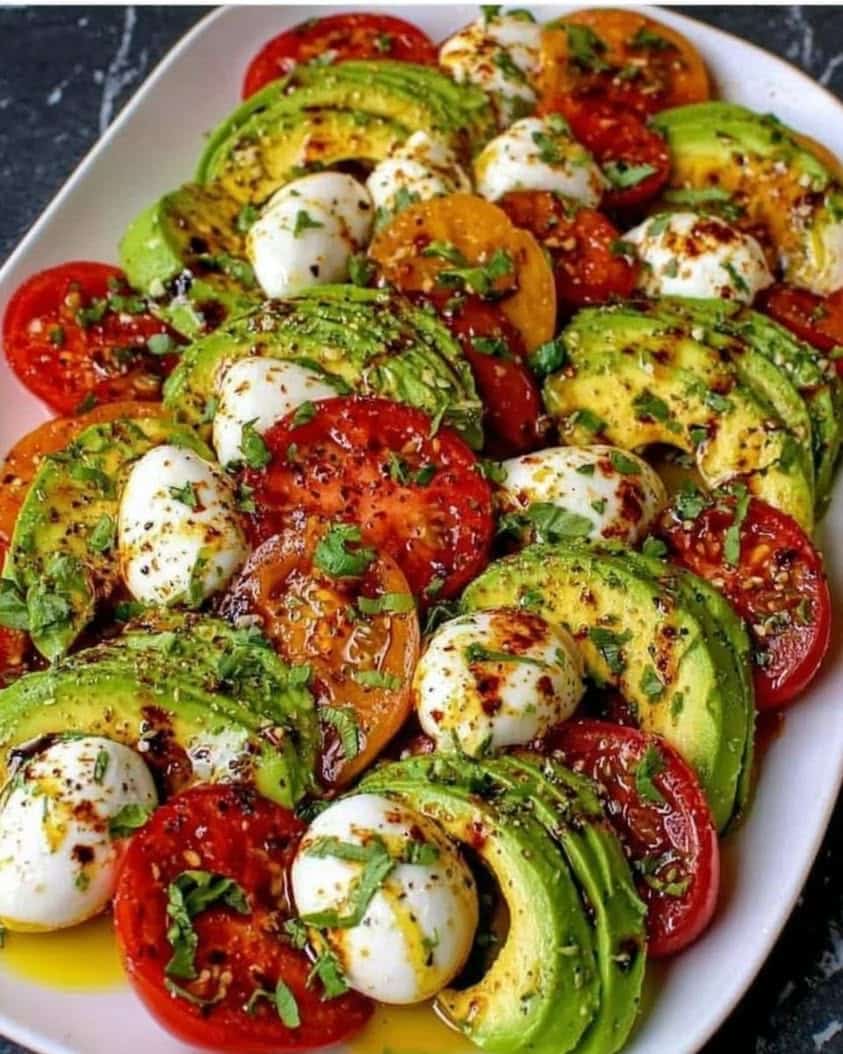
The beauty of this Cheesy Avocado Caprese Platter lies in its simplicity and stunning visual appeal. Picture slices of creamy avocado and milky mozzarella artfully arranged with juicy tomatoes on a large platter. A generous drizzle of balsamic glaze and extra virgin olive oil ties everything together, while fresh basil leaves add a pop of color and aroma. Ultimately, this dish is a celebration of texture and taste, offering a delightful contrast between soft, firm, and juicy elements in every single bite. It is an ideal choice for summer entertaining, light lunches, or a flavorful snack.
Furthermore, this recipe requires absolutely zero cooking, making it a lifesaver on busy days or hot evenings when you do not want to turn on the oven. You simply assemble high-quality ingredients with care and attention to presentation. The result is a restaurant-worthy platter that will have your guests thinking you spent hours in the kitchen. In essence, this Cheesy Avocado Caprese Platter proves that the most memorable dishes often come from the simplest preparations and the finest seasonal produce.
Quick Recipe Highlights
- Flavor Profile: This platter delivers a perfect harmony of creamy, tangy, and sweet notes. The rich avocado and mild mozzarella balance the bright acidity of the tomatoes, while the balsamic glaze adds a sweet and complex finish. Fresh basil provides an essential aromatic, peppery lift that defines the Caprese experience.
- Texture: You will enjoy a wonderful interplay of textures. The avocado offers a luxurious, buttery softness that contrasts beautifully with the firm-yet-yielding bite of fresh mozzarella. Meanwhile, the tomatoes contribute a juicy burst, creating a satisfying and multi-dimensional mouthfeel.
- Aroma: The dominant aroma is the unmistakable, fresh scent of basil, which is both herbaceous and slightly sweet. This is complemented by the fruity notes of high-quality olive oil and the subtle, tangy scent of the balsamic reduction, making the platter as fragrant as it is flavorful.
- Visual Appeal: This dish is a feast for the eyes with its vibrant green, white, and red color scheme—the colors of the Italian flag. Arranging the components in an alternating, overlapping pattern creates a stunning, professional presentation that is incredibly inviting and photogenic.
- Skill Level Needed: Absolutely no advanced culinary skills are required. This is a beginner-friendly recipe that relies on assembly rather than technique. The only crucial skill is using a sharp knife to create clean, even slices of the avocado, tomato, and cheese.
- Special Equipment: You need only a few basic tools: a large serving platter, a sharp chef’s knife, and a cutting board. A small spoon for drizzling the oils and glaze is helpful for presentation, but otherwise, no special equipment is necessary.
Recipe Overview
- Difficulty Level: We rate this Cheesy Avocado Caprese Platter as “Easy” because it involves no cooking, baking, or complex techniques. The entire process is straightforward assembly. The most challenging aspect is preventing the avocado from browning, which a simple squeeze of lemon juice easily solves. Therefore, it is accessible for cooks of all experience levels, from complete beginners to seasoned pros looking for a quick, elegant option.
- Category: This dish fits perfectly into multiple categories. Primarily, it serves as a spectacular appetizer or starter for a dinner party. Additionally, it can be a light main course for lunch, a standout side dish at a barbecue, or even a component of a larger grazing board. Its versatility is one of its greatest strengths.
- Cuisine: The recipe is firmly rooted in Italian culinary tradition, taking direct inspiration from the iconic Insalata Caprese originating from the island of Capri. However, the addition of avocado introduces a modern, Californian twist, creating a delicious fusion that respects the original while embracing contemporary tastes for creamy textures and healthy fats.
- Cost: This is a moderately priced dish that leverages a few high-impact ingredients. The cost hinges on the quality of the mozzarella (fresh is best), the avocado, and the tomatoes. Investing in a good bottle of extra virgin olive oil and balsamic glaze is worthwhile, as they are used sparingly but make a significant flavor difference. Overall, it delivers gourmet appeal without a gourmet price tag.
- Season: This platter shines brightest in the summer when tomatoes and basil are at their peak of flavor and abundance. However, thanks to year-round availability of avocados and decent greenhouse tomatoes, you can confidently make this Cheesy Avocado Caprese Platter any time you crave a taste of freshness. It is especially welcome as a bright spot during colder months.
- Occasion: It is ideal for casual gatherings, potlucks, holiday appetizer spreads (think Christmas or Thanksgiving starters), romantic picnics, or even a fancy solo lunch. Its no-cook nature makes it perfect for hot days, and its stunning looks make it worthy of any celebration.
Why You’ll Love This Recipe
First and foremost, you will adore the incredible taste and texture of this Cheesy Avocado Caprese Platter. Each bite delivers a symphony of flavors: the cool creaminess of avocado, the mild freshness of mozzarella, the sweet acidity of tomato, and the aromatic punch of basil. The balsamic glaze adds a touch of gourmet sweetness that ties everything together beautifully. Consequently, your palate experiences layers of delight that are both refreshing and satisfying. It is a familiar combination made extraordinary by one simple, brilliant addition.
Secondly, the convenience factor is unbeatable. Since there is zero cooking involved, you can prepare this stunning dish in about 15 minutes. This makes it an absolute lifesaver when you need an impressive appetizer in a pinch or when you want to avoid heating up the kitchen. Furthermore, the assembly process is almost meditative and allows for creative presentation. You can focus on arranging the components artfully, knowing the flavors will speak for themselves with minimal effort from you.
From a nutritional standpoint, this platter is a powerhouse of good fats, vitamins, and antioxidants. Avocados provide heart-healthy monounsaturated fats and fiber, while tomatoes are rich in lycopene. Fresh mozzarella offers a good source of protein and calcium. Olive oil contributes beneficial polyphenols. Therefore, you are serving a dish that is as nourishing as it is delicious. It is a guilt-free option that supports a balanced diet without sacrificing an ounce of flavor or satisfaction.
For entertaining, this Cheesy Avocado Caprese Platter is a true crowd-pleaser. Its vibrant, colorful presentation is instantly inviting and encourages sharing. Placed in the center of a table, it becomes a natural focal point for conversation. Moreover, it caters to various dietary preferences, being naturally gluten-free and vegetarian. You can easily adapt it for other needs, which we will discuss later. It is a recipe that makes you look like a hosting pro with minimal stress.
Finally, it is cost-effective and accessible. While it tastes luxurious, the ingredient list is short and simple. You likely have olive oil, salt, and pepper on hand already. The star ingredients—avocado, tomato, mozzarella, basil—are readily available at any grocery store. By choosing in-season produce, you can make it even more affordable. This Cheesy Avocado Caprese Platter proves that eating well does not require exotic ingredients or a large budget, just a little creativity with fresh, whole foods.
Historical Background and Cultural Significance
The story of this dish begins with its inspiration: the classic Insalata Caprese. This salad originated on the island of Capri, Italy, in the 1950s. Local lore suggests that it was created as a simple, patriotic dish to showcase the colors of the Italian flag: green (basil), white (mozzarella), and red (tomato). It was a celebration of fresh, local ingredients from the Campania region, particularly the buffalo mozzarella from nearby Naples. The salad quickly gained popularity for its elegant simplicity and became a symbol of Italian cuisine worldwide.
Culturally, the Caprese salad represents the heart of Italian cooking philosophy—letting high-quality, seasonal ingredients shine with minimal intervention. It is a testament to the concept of “cucina povera” or “poor kitchen,” which focuses on transforming humble, accessible ingredients into something extraordinary. The salad is deeply tied to summer and la dolce vita, often enjoyed al fresco with a glass of wine. It embodies a lifestyle centered on freshness, community, and savoring the moment.
The evolution to include avocado is a more recent, global adaptation. As avocados gained immense popularity for their health benefits and creamy texture, creative cooks began incorporating them into traditional dishes. This fusion respects the original Caprese structure while introducing a beloved modern ingredient. The avocado adds a luxurious mouthfeel and nutritional boost, making the salad even more substantial. This evolution reflects how cuisine is dynamic, constantly adapting to new tastes and available ingredients while honoring its roots.
Regional variations of the Caprese theme abound. Some versions use different types of tomatoes, like heirloom varieties or cherry tomatoes. Others might incorporate pesto instead of fresh basil leaves. The addition of avocado, as in this Cheesy Avocado Caprese Platter, is perhaps the most popular modern twist, particularly in North America. Other global spins include adding peaches, strawberries, or even a drizzle of pesto. Each variation maintains the core spirit of the dish: a fresh, simple, and beautiful arrangement of complementary flavors and colors.
Ingredient Deep Dive
Avocado: Native to south-central Mexico, the avocado has been cultivated for thousands of years. The Aztecs considered it a fertility fruit. Today, it is celebrated for its rich content of monounsaturated fats, potassium, fiber, and vitamins C, E, and K. These nutrients support heart health, digestion, and skin vitality. For this platter, select Hass avocados that yield slightly to gentle pressure but are not mushy. To prevent browning, add lemon juice immediately after slicing. Store uncut avocados at room temperature; once cut, sprinkle with lemon juice and wrap tightly in plastic wrap. For a substitution, try ripe mango for sweetness or grilled zucchini for a savory element, though the creamy texture will differ.
Fresh Mozzarella: Traditionally made from the milk of water buffalo (Mozzarella di Bufala) or cow’s milk (Fior di Latte), this cheese is a pillar of Italian cuisine. Its history dates back to the 12th century in the region of Campania. Nutritionally, it provides protein, calcium, and phosphorus. Unlike aged cheeses, it is lower in sodium and calories. For the best Cheesy Avocado Caprese Platter, seek out fresh mozzarella balls (bocconcini or ciliegine) stored in water for maximum softness and milky flavor. Avoid the low-moisture, pre-shredded variety. Store it in its original brine in the refrigerator and use within a few days of opening. If unavailable, burrata is a luxurious alternative, or for a vegan version, use firm tofu or a plant-based mozzarella.
Tomatoes: Tomatoes originated in western South America and were brought to Europe in the 16th century. They are now integral to global cuisines. They are an excellent source of vitamin C, potassium, and the antioxidant lycopene, which is linked to reduced risk of certain cancers. For this recipe, use ripe, in-season tomatoes like beefsteak, heirloom, or Campari for the best flavor and juiciness. Off-season, grape or cherry tomatoes are a reliable, sweeter choice. Store tomatoes at room temperature until ripe to preserve flavor and texture; refrigeration makes them mealy. There is no perfect substitute for tomato in a Caprese, but in a pinch, roasted red peppers could offer a sweet, soft alternative.
Fresh Basil: Basil, meaning “king” in Greek, has been revered for centuries for its culinary and medicinal properties. It is native to tropical regions from central Africa to Southeast Asia. It contains antioxidants and essential oils like eugenol, which have anti-inflammatory properties. The leaves provide vitamins A and K. For the brightest flavor, choose vibrant green leaves without dark spots. Tear the leaves just before serving to release their aromatic oils without bruising them too early. Store basil like a bouquet of flowers: stems in a glass of water at room temperature, loosely covered with a plastic bag. If basil is unavailable, fresh mint or arugula can provide a different but pleasant herbal note.
Extra Virgin Olive Oil & Balsamic Glaze: Extra virgin olive oil (EVOO) is the highest quality, unrefined oil, extracted mechanically without heat. It is central to the Mediterranean diet, rich in monounsaturated fats and antioxidants. A good EVOO will have a fruity, peppery flavor. Balsamic glaze is a reduction of balsamic vinegar, sweetened and thickened into a syrup. Authentic traditional balsamic comes from Modena, Italy, and is aged for years. For this platter, use a robust EVOO for drizzling. The balsamic glaze should be thick and sweet-tart. Store EVOO in a cool, dark place. For substitutions, a high-quality avocado oil or a flavored oil could work, and for the glaze, a reduction of pomegranate molasses offers a similar sweet-tart consistency.
Common Mistakes to Avoid
- Using Unripe Avocados: An unripe avocado will be hard, tasteless, and impossible to slice cleanly. Always choose avocados that yield to gentle pressure at the stem end. Conversely, an overripe avocado will be mushy and brown, ruining the platter’s texture and appearance.
- Choosing Low-Quality Mozzarella: The pre-shredded, low-moisture mozzarella found on pizza will not work here. It lacks the creamy, soft texture and mild, milky flavor essential to the dish. Always opt for fresh mozzarella stored in water for the authentic Caprese experience.
- Refrigerating Tomatoes: Storing tomatoes in the refrigerator destroys their texture and mutes their flavor. The cold causes the flesh to become mealy. Always keep tomatoes at room temperature until you are ready to slice and serve your Cheesy Avocado Caprese Platter.
- Slicing Ingredients Too Early: Preparing the avocado, tomato, and mozzarella hours in advance leads to oxidation (browning), moisture loss, and soggy tomatoes. For the freshest presentation, slice everything just before assembling and serving the platter.
- Neglecting to Season: This dish relies on proper seasoning to elevate the natural flavors. Do not forget a generous pinch of flaky sea salt and freshly cracked black pepper on each layer. Underseasoning will result in a bland platter, regardless of ingredient quality.
- Drizzling with Thin Balsamic Vinegar: Using regular, runny balsamic vinegar instead of a glaze will create a pool of liquid at the bottom of the platter, diluting flavors and making a mess. The thick consistency of a glaze allows it to cling beautifully to the ingredients.
- Cutting Basil with a Knife: Chopping basil with a knife bruises it excessively and can cause blackening. Instead, gently tear the leaves with your hands just before scattering them over the platter to preserve their color, aroma, and delicate structure.
- Overcrowding the Platter: Arranging the slices too tightly makes the platter look messy and prevents the drizzles from reaching all components. Allow some space between slices for an elegant, artful presentation that is easy to serve from.
Essential Techniques
Selecting and Slicing Avocado: Choosing a perfectly ripe avocado is the first critical technique. Apply gentle pressure near the stem; it should yield slightly. To slice, cut lengthwise around the seed, twist to separate, and carefully tap a knife into the seed to remove it. Use a spoon to scoop the flesh out in one piece, then place it cut-side down on a board for stable, even slices. This method prevents bruising and creates beautiful, intact slices for your Cheesy Avocado Caprese Platter.
Preventing Avocado Browning: Avocado oxidizes quickly when exposed to air. The essential technique to prevent this is immediate acidulation. Lightly brush or drizzle the sliced avocado with fresh lemon or lime juice. The citric acid creates a barrier against oxygen. For assembly, you can also place the avocado slices strategically under the tomato or cheese to minimize air exposure until serving time.
Artful Platter Assembly: Presentation is key. Start by visualizing your layout. A classic method is to create alternating, overlapping rows or a circular pattern of avocado, tomato, and mozzarella. This creates rhythm and showcases each ingredient. Leave intentional gaps for the basil and drizzles. The goal is a composition that looks abundant yet organized, inviting guests to serve themselves easily.
Seasoning in Layers: Do not wait until the end to season. Instead, sprinkle a little flaky sea salt and cracked pepper directly onto the tomato and avocado slices as you place them on the platter. This ensures seasoning penetrates each component rather than just sitting on the surface, resulting in a more balanced and flavorful Cheesy Avocado Caprese Platter in every bite.
Pro Tips for Perfect Cheesy Avocado Caprese Platter
Tip 1: Bring the mozzarella to room temperature for about 15 minutes before assembling. Cold cheese mutes its flavor and can make the fats seem waxy. Room-temperature mozzarella will be creamier and taste much more pronounced alongside the other ingredients.
Tip 2: Use a serrated knife to slice the tomatoes. A smooth blade can crush the delicate flesh, while a serrated knife glides through the skin and flesh cleanly, giving you perfect, intact slices without losing all the precious juices.
Tip 3: If your balsamic glaze is too thick to drizzle, place the bottle in a cup of warm water for a minute. This will slightly thin the consistency, making it easier to create elegant, controlled lines over your platter without globbing.
Tip 4: For an extra flavor dimension, lightly toast the pine nuts and sprinkle them over the finished platter. They add a delightful crunch and a nutty flavor that complements the creaminess of the avocado and cheese beautifully.
Tip 5: Invest in a good quality flaky sea salt, like Maldon or fleur de sel. The large, irregular crystals provide bursts of salinity and a satisfying crunch that enhances the textures and flavors far better than fine table salt.
Tip 6: To make the platter ahead, prep all components separately. Store sliced avocado with lemon juice in an airtight container, mozzarella in its brine, and tomatoes at room temperature. Assemble on the platter just before your guests arrive for peak freshness.
Tip 7: Consider adding a very light sprinkle of red pepper flakes or a grind of black pepper over the top just before serving. This adds a subtle heat that cuts through the richness and elevates the other flavors.
Tip 8: Use the leftover avocado pit. Place it in the center of any leftover assembled platter before covering and refrigerating. The pit releases enzymes that can help slow down the oxidation process on the surrounding avocado slices.
Variations and Adaptations
Regional Variations: Across Italy, you might find Caprese with different cheeses like burrata or stracciatella for an even creamier center. In other regions, it is served with arugula (rucola) underneath. For a Greek twist, substitute mozzarella with thick slices of feta cheese and add Kalamata olives. A Mexican-inspired version could use cotija cheese, cilantro instead of basil, and a lime-chili dressing.
Seasonal Adaptations: In summer, use heirloom tomatoes in various colors. For fall, incorporate roasted slices of delicata squash or persimmon alongside the tomato. In winter, use roasted beet slices for a vibrant, earthy variation. Spring might welcome the addition of fresh peas or asparagus tips scattered over the top.
Dietary Modifications: For a vegan Cheesy Avocado Caprese Platter, replace mozzarella with a plant-based alternative or thick slices of marinated tofu. Use a vegan balsamic glaze (check for no honey). For a dairy-free version, simply omit the cheese and double up on the avocado or add marinated artichoke hearts for substance.
Flavor Variations: Infuse your olive oil with garlic or chili flakes before drizzling. Add a spoonful of pesto between the layers or as a drizzle. Sprinkle with toasted sesame seeds or everything bagel seasoning for a different crunch. A few drops of white truffle oil can add an incredibly luxurious note.
Texture Modifications: For more crunch, add thinly sliced radishes or cucumber ribbons. For a smoother element, dollop small amounts of ricotta cheese between the slices. Grilling the tomato and avocado slices very briefly adds a smoky depth and slightly firmer texture.
Presentation Alternatives: Instead of a large platter, create individual stacks on small plates. Skewer cherry tomatoes, small mozzarella balls (ciliegine), and avocado cubes on toothpicks for easy, grab-and-go Caprese bites. Alternatively, chop all ingredients into a uniform dice and serve as a chunky bruschetta topping on crostini.
Serving and Presentation Guide
Plating Techniques: The classic presentation for a Cheesy Avocado Caprese Platter is on a large, flat platter or a rustic wooden board. Arrange the slices in a repeating, overlapping pattern—tomato, mozzarella, avocado—either in concentric circles from the outside in or in neat rows from one end to the other. This organized chaos looks abundant and intentional. Ensure each slice is visible and slightly fanned out for maximum visual impact.
Garnishing Ideas: Beyond fresh basil leaves, consider edible flowers like nasturtiums or pansies for a special occasion. Microgreens add a delicate, peppery touch. A final flourish of flaky sea salt and a twist of black pepper from a mill is essential. For color contrast, add a few pomegranate arils in the winter or edible purple basil leaves.
Traditional Accompaniments: In Italy, this salad is often served with nothing more than some crusty bread (like a ciabatta or baguette) to soak up the delicious juices and oils left on the plate. A side of mixed olives or a simple green salad dressed with lemon vinaigrette complements it perfectly without competing.
Modern Serving Suggestions: Serve the platter as the centerpiece of a grazing table alongside cured meats, marinated vegetables, and assorted crackers. For a main course, place a portion over a bed of mixed greens or arugula to make it more substantial. It also pairs wonderfully with grilled proteins like chicken, fish, or shrimp.
Temperature Considerations: All components should be served at cool room temperature. This allows the flavors and aromas to be at their peak. Avoid serving it ice-cold from the refrigerator, as this numbs the taste buds and hardens the fats in the cheese and avocado. Take it out about 10-15 minutes before serving.
Portion Control Tips: As an appetizer, plan for 2-3 slices of each component per person. As a light main, 4-5 slices per person is appropriate. If serving as part of a larger spread with other dishes, you can adjust accordingly. Remember, the visual appeal of an abundant platter is part of the experience, so it is better to have a little extra.
Wine and Beverage Pairing
Wine Pairings: The creamy avocado and fresh acidity in this dish call for wines with good acidity and crispness. A classic Italian pairing is a Pinot Grigio or Vermentino from Italy—their citrus and mineral notes cut through the richness. A New Zealand Sauvignon Blanc with its grassy, grapefruit character is another excellent match. For a rosé option, choose a dry Provençal style. If you prefer red, a light, low-tannin red like a chilled Beaujolais or a Valpolicella Classico can work surprisingly well.
Non-Alcoholic Alternatives: Sparkling water with a twist of lemon or lime is a timeless, refreshing choice. For something more crafted, try a basil-infused lemonade or a cucumber-mint cooler, which echo the herbal notes in the platter. A tart cherry or pomegranate spritzer can mirror the sweet-tartness of the balsamic glaze beautifully.
Coffee/Tea Pairings: While not a traditional pairing for this dish, if serving for a brunch or lunch, a light roast coffee with bright, fruity notes can complement the tomatoes. A cup of iced green tea or a herbal tea like lemon verbena or peppermint would be a clean, refreshing finish to the meal, cleansing the palate of the rich oils.
Temperature Considerations: White and rosé wines should be served well-chilled, between 45-50°F (7-10°C). If you are serving a light red, chill it slightly, to about 55°F (13°C). Non-alcoholic sparkling drinks should be ice-cold. The contrast between the cool beverage and the room-temperature platter is part of the sensory pleasure.
Serving Suggestions: Offer wine in large-bowled glasses to allow the aromas to develop. For non-alcoholic options, use tall, elegant glasses with plenty of ice. Always provide water on the table as well. When hosting, you can create a signature drink, like a basil-gin spritz for cocktail drinkers, with a matching mocktail version for others.
Storage and Shelf Life
Storage Methods: The assembled Cheesy Avocado Caprese Platter is best enjoyed immediately. However, if you have leftovers, carefully transfer them to an airtight container, separating layers with parchment paper if possible. Store the basil separately in a plastic bag with a damp paper towel. The balsamic glaze and oil will separate and pool, so it is best to store components apart if you anticipate leftovers.
Temperature Requirements: Always refrigerate leftovers promptly. The ideal refrigerator temperature is below 40°F (4°C). Do not leave the platter at room temperature for more than two hours, as the dairy and fresh produce can become a breeding ground for bacteria.
Container Recommendations: Use a shallow, airtight glass container. Glass is non-porous and will not absorb the flavors of the olive oil and balsamic. If you must store the assembled platter, cover it tightly with plastic wrap, pressing the wrap directly onto the surface of the food to minimize air exposure, especially on the avocado.
Signs of Spoilage: Discard the leftovers if the avocado has turned extensively brown and mushy, if the mozzarella develops a sour smell or slimy texture, or if the tomatoes become excessively watery and limp. Any off-odors are a clear sign the dish is past its prime.
Reheating Instructions: This dish is not meant to be reheated. The textures of avocado, tomato, and fresh mozzarella will be completely ruined by heat. Enjoy leftovers cold directly from the refrigerator, though the texture will be softer and the tomatoes less vibrant.
Freezing Guidelines: Freezing is not recommended for this Cheesy Avocado Caprese Platter. The high water content in the tomatoes and mozzarella will cause them to become mushy and separate upon thawing. The avocado will turn brown and develop an unpleasant texture. This is a strictly fresh, no-freeze recipe.
Make Ahead Strategies
Prep Timeline: You can prep almost all components 1-2 hours in advance. Slice the tomatoes and place them on a paper towel-lined plate to absorb excess moisture. Slice the mozzarella and keep it in a separate container. Prepare the avocado, toss the slices with lemon juice, and store in an airtight container. Keep the basil unwashed and whole. Have your oils and glaze ready to go.
Storage Between Steps: Store each prepped ingredient in its own dedicated container in the refrigerator, except for the tomatoes, which should stay at cool room temperature. This prevents cross-contamination of flavors and textures and allows you to control the assembly timing perfectly for your Cheesy Avocado Caprese Platter.
Quality Impact Assessment: Pre-slicing tomatoes may cause them to lose some firmness and release more juice. Avocado, even with lemon juice, will begin to oxidize at the edges. Mozzarella may weep a little water. These changes are minimal if done within a 2-hour window but become more pronounced the longer you wait. The flavor remains largely unaffected.
Assembly Tips: When ready to serve, pat the tomato and mozzarella slices dry with a fresh paper towel if they have released moisture. Arrange the platter directly from your prepped containers. This final assembly should take no more than 5 minutes, ensuring everything looks and tastes its absolute freshest.
Reheating Guidelines: As noted, no reheating is involved. The goal of make-ahead is to have everything cold or at room temperature and ready to assemble. If the mozzarella is too cold, let it sit out for 5-10 minutes during assembly to take the chill off.
Fresh Element Additions: Always add the fresh basil, final seasonings (salt and pepper), and the drizzles of olive oil and balsamic glaze at the very last moment before serving. These are the elements that provide the brightest pop of flavor, aroma, and visual gloss, and they degrade quickly if applied too early.
Scaling Instructions
Halving the Recipe: To serve two, use one large avocado, one medium tomato, and 4 ounces of fresh mozzarella. Adjust all other ingredients proportionally. A smaller platter or even two individual plates work well. The assembly technique remains the same; just create a smaller, more intimate presentation of your Cheesy Avocado Caprese Platter.
Doubling or Tripling: For a crowd, simply multiply the quantities. Use multiple large platters or one very long board to prevent overcrowding. Consider mixing up the presentation—one platter in rows, another in a circular pattern. When scaling up, enlist help for slicing to ensure everything is done quickly and uniformly before the avocado browns.
Equipment Adjustments: Scaling up requires a larger workspace and more containers for prepping ingredients separately. Ensure you have a knife sharp enough to handle the volume of slicing. For a very large event, you might pre-assemble components in batches, keeping them covered in the fridge, and do final plating in stages.
Timing Modifications: The prep time will increase linearly with the quantity. For a double batch, allocate 25-30 minutes for prepping instead of 15. The assembly time on the platter will also take longer. Factor this in so your finished Cheesy Avocado Caprese Platter is assembled close to serving time.
Storage Considerations: When making a large quantity, you are more likely to have leftovers. Plan for adequate storage containers. It is often better to store the components separately after the event rather than trying to save a giant, already-dressed platter, which will become soggy.
PrintCheesy Avocado Caprese Platter
- Total Time: 15 minutes
- Yield: 4
Description
A fresh and creamy twist on the classic Caprese salad, featuring ripe avocado slices, mozzarella, tomatoes, and a drizzle of balsamic glaze for a vibrant appetizer or light meal.
Ingredients
- 2 large ripe avocados, sliced
- 8 oz fresh mozzarella cheese, sliced
- 2 large heirloom tomatoes, sliced
- 1/4 cup fresh basil leaves
- 2 tbsp extra virgin olive oil
- 2 tbsp balsamic glaze
- Salt and black pepper to taste
Instructions
- Arrange alternating slices of avocado, mozzarella, and tomatoes on a large serving platter.
- Tuck fresh basil leaves between the slices and sprinkle with salt and black pepper.
- Drizzle evenly with olive oil and balsamic glaze just before serving.
Notes
You can customize the seasonings to taste.
- Prep Time: 15 minutes
- Cook Time: 0 minutes
- Method: Appetizer
- Cuisine: Italian-American