Zesty Lemon Ricotta and Spinach Pasta You’ll Love
This Zesty Lemon Ricotta and Spinach Pasta you’ll love brings bright Mediterranean flavors straight to your weeknight table. Therefore, you get a creamy, tangy, and fresh dish that feels restaurant worthy yet takes only 25 minutes from start to finish. Moreover, the combination of whipped ricotta, vivid lemon zest, and tender baby spinach creates a sauce that clings lovingly to every strand of pasta. Because the ingredients stay simple and affordable, this recipe quickly becomes a staple in busy households across the United States.
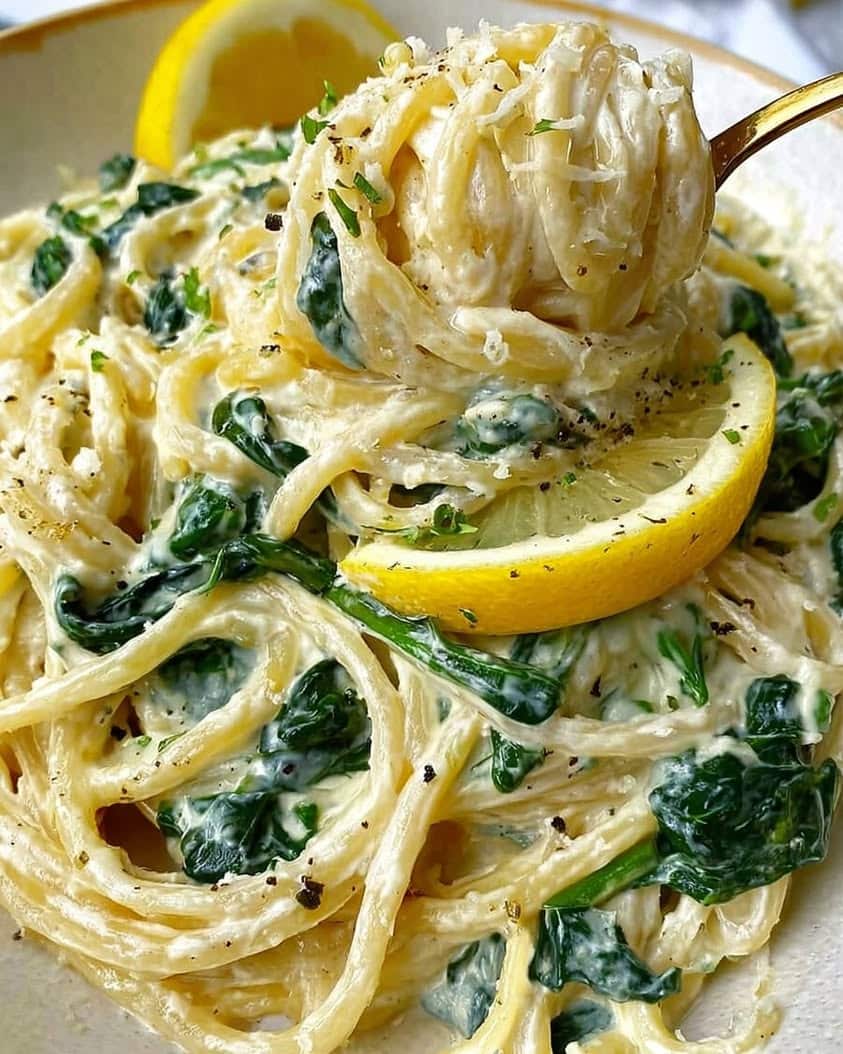
Picture this: al dente pasta tossed in a silky ricotta sauce, punctuated by bursts of lemon and wilted spinach. Consequently, each bite delivers creaminess balanced by citrus, while garlic and Parmesan add savory depth. Furthermore, the dish looks stunning on the plate thanks to the contrast of green spinach and pale golden sauce. As a result, you can serve it for a cozy family dinner or impress guests at a casual gathering. In addition, the recipe requires just one pot and one skillet, so cleanup stays minimal.
If you crave a meatless meal that satisfies even hearty appetites, this Zesty Lemon Ricotta and Spinach Pasta you’ll love delivers on every front. Meanwhile, home cooks of all skill levels can master it on the first try. Besides that, the dish adapts beautifully to dietary preferences and seasonal ingredients. Consequently, you gain a flexible recipe that shines in spring and summer yet works year round. Finally, the bright lemon ricotta and spinach pasta pairs wonderfully with crusty bread and a crisp white wine.
Quick Recipe Highlights
- Flavor Profile: Bright lemon zest cuts through the richness of creamy ricotta, while garlic and Parmesan add savory warmth. Moreover, a hint of black pepper ties everything together with gentle heat.
- Texture: Silky sauce coats tender pasta, and wilted spinach adds pleasant softness. Additionally, reserved pasta water ensures a glossy, never grainy consistency.
- Aroma: Fresh lemon and sautéed garlic fill the kitchen with an inviting fragrance. Furthermore, basil or parsley finishes the dish with a grassy, fresh note.
- Visual Appeal: Pale ivory sauce clings to pasta, dotted with vibrant green spinach and flecks of yellow zest. Consequently, the presentation looks elegant with almost no effort.
- Skill Level Needed: Beginners can succeed easily because the techniques stay simple. Moreover, the dish needs only basic knife skills and a willingness to stir.
- Special Equipment: You need a large pot, a skillet, a colander, and a microplane or fine grater. In addition, a wooden spoon and measuring cups cover everything else.
Recipe Overview
- Difficulty Level: This recipe rates easy because it uses one pot and one pan with straightforward steps. Furthermore, the sauce comes together off the heat, so it never breaks or curdles. As a result, new cooks gain confidence quickly. Meanwhile, experienced cooks appreciate the speed and simplicity.
- Category: This dish works as a main course for lunch or dinner, and smaller portions suit a side or starter. Additionally, it fits weeknight dinners and weekend entertaining alike.
- Cuisine: Italian American cooking inspires this recipe, drawing on the classic pairing of ricotta and lemon. Consequently, it echoes flavors from Sicily and southern Italy. Moreover, the spinach pasta format reflects modern American vegetable forward cooking.
- Cost: The ingredients cost roughly eight to eleven dollars total for four servings. Moreover, staples like pasta, garlic, and olive oil keep the budget low. In addition, ricotta and lemons remain affordable at most U.S. supermarkets.
- Season: Spring and summer highlight the dish thanks to fresh lemons and spinach. Nevertheless, you can make it year round because groceries stock these items constantly. Furthermore, warm weather makes the bright flavor especially refreshing.
- Occasion: This pasta suits weeknight dinners, potlucks, and casual dinner parties. Additionally, you can serve it for Mother’s Day lunch or a light Sunday supper. Besides that, it works beautifully as a meatless Monday centerpiece.
Why You’ll Love This Recipe
First, the taste and texture appeal of this Zesty Lemon Ricotta and Spinach Pasta you’ll love makes it an instant favorite. The ricotta whips into a cloudlike sauce that feels indulgent without heavy cream. Meanwhile, lemon zest and juice add brightness that keeps each bite lively. Furthermore, Parmesan contributes umami depth, so the dish never tastes flat. As a result, families and picky eaters clean their plates and ask for seconds.
Second, convenience and preparation benefits set this recipe apart. You boil pasta while you sauté garlic and spinach, so the timeline stays tight. Moreover, the sauce mixes off the heat in the same skillet, which saves a pan. Consequently, cleanup takes minutes. In addition, you probably already own most ingredients, so a quick pantry check covers the shopping list.
Third, nutritional advantages make this lemon ricotta and spinach pasta a smart choice. Spinach delivers iron, fiber, and vitamins, while ricotta adds protein and calcium. Furthermore, olive oil supplies heart healthy fats. Meanwhile, portion control stays easy because the sauce satisfies with richness rather than volume. Consequently, you enjoy a balanced meal that fuels your day.
Fourth, social and entertaining value runs high with this dish. The recipe scales easily for a crowd, and the presentation looks impressive. Moreover, guests love the bright flavor, and you can prep components ahead. Additionally, the pasta pairs with simple appetizers and desserts, so hosting feels effortless. As a result, it becomes your go to menu item for gatherings.
Fifth, cost effectiveness and accessibility make the recipe widely appealing. The ingredients remain budget friendly, and stores nationwide carry them. Furthermore, the technique needs no special equipment beyond basics. Meanwhile, leftovers reheat well, which stretches value further. Consequently, this spinach pasta fits tight budgets without sacrificing flavor or quality.
Historical Background and Cultural Significance
The origin story of this lemon ricotta and spinach pasta traces to Italian culinary traditions where ricotta appears in everything from lasagna to stuffed shells. Consequently, cooks in southern Italy long paired fresh sheep’s milk ricotta with pasta and vegetables. Moreover, lemon groves along the Amalfi Coast inspired citrus forward dishes. As a result, the combination of creamy cheese and bright lemon reflects a natural regional pairing that migrated to American kitchens.
Cultural importance links this dish to Italian American home cooking, where ricotta symbolizes abundance and comfort. Furthermore, immigrant families adapted old world recipes using local spinach and dairy. Meanwhile, lemon added freshness to rich sauces, and home cooks embraced the balance. Consequently, the pasta represents a fusion of tradition and practicality that still defines Italian American food culture.
The evolution of the recipe accelerated during the twentieth century as processed pasta and supermarket ricotta became widely available. Moreover, cookbooks and magazines popularized quick pasta dishes for busy households. Additionally, the meatless movement and Mediterranean diet trend boosted interest in spinach and ricotta combinations. As a result, modern versions appear in blogs, restaurants, and meal kits nationwide.
Regional variations abound because cooks adjust the dish to local tastes. In Sicily, variants sometimes add toasted breadcrumbs or raisins for sweetness. Meanwhile, northern Italian versions may lean on butter and sage instead of lemon. Furthermore, American adaptations add red pepper flakes, peas, or grilled chicken. Consequently, the recipe flourishes as a living tradition that welcomes creativity.
Ingredient Deep Dive
Ricotta holds cultural significance as a fresh cheese with ancient roots in Italy. Historically, shepherds made it from the whey left after cheesemaking, so it represents thrift and resourcefulness. Moreover, ricotta offers protein, calcium, and a mild sweetness that suits both savory and sweet dishes. When selecting ricotta, look for fresh, creamy texture and a clean dairy aroma. Additionally, check the sell by date and choose whole milk versions for the silkiest sauce. Store ricotta in the refrigerator and use it within a week of opening; moreover, you can freeze it for up to three months, though texture may change slightly. Substitutions include cottage cheese blended smooth, mascarpone for extra richness, or a tofu ricotta for vegan diets.
Spinach carries a storied history from Persian kitchens to European tables. Moreover, it gained fame as a nutrient powerhouse rich in iron, vitamin K, and folate. Consequently, cooks prize it for quick wilting and mild flavor. Choose spinach with crisp leaves and vivid color, and avoid yellowing or slimy spots. Store it in a sealed bag with a paper towel in the refrigerator crisper, and use it within a few days. Additionally, baby spinach works best here because it wilts fast and stays tender. Substitutions include kale, Swiss chard, or arugula, though tougher greens need extra cooking time.
Lemon delivers cultural significance across the Mediterranean, where it flavors everything from drinks to desserts. Furthermore, its zest contains aromatic oils that brighten rich sauces. Nutritionally, lemons supply vitamin C and antioxidants. When selecting lemons, pick firm fruit that feels heavy for its size, and prefer unwaxed varieties for zesting. Store lemons in the refrigerator for up to three weeks or at room temperature for a week. Substitutions include Meyer lemons for a sweeter note, lime for a sharper twist, or bottled juice in a pinch, though fresh zest remains essential for authentic flavor.
Garlic anchors countless cuisines with its pungent, savory character. Historically, it served as both food and medicine across Asia and Europe. Moreover, garlic provides antioxidants and intense flavor with minimal calories. Select firm, tight bulbs with no soft spots or sprouts. Store bulbs in a cool, dry, dark place with airflow, and keep them away from the refrigerator’s moisture. Substitutions include garlic powder in emergencies or shallots for a gentler bite. Fresh minced garlic, however, delivers the best aroma and depth for this pasta.
Common Mistakes to Avoid
- Overcooking the pasta creates mushy strands that break apart in the sauce. Therefore, set a timer and taste a minute before the package time ends.
- Skipping pasta water removes the starch that binds the sauce. Moreover, always reserve at least a cup before draining.
- Heating ricotta too aggressively causes grainy texture. Consequently, fold the ricotta off the heat to keep the sauce silky.
- Using bottled lemon juice alone misses the aromatic oils. Furthermore, zest the lemon directly into the sauce for full citrus impact.
- Crowding the skillet traps steam and wilts spinach unevenly. Additionally, cook in batches if your pan runs small.
- Burning the garlic turns the dish bitter. Therefore, sauté over medium low heat and stir constantly.
- Underseasoning the pasta water leaves the noodles bland. Moreover, salt the water generously like sea water.
- Adding cold ricotta straight from the fridge can seize the sauce. Consequently, let it sit at room temperature for ten minutes first.
- Draining pasta completely dry prevents the sauce from clinging. Furthermore, skip rinsing and toss immediately with the sauce.
- Ignoring residual heat causes overcooked spinach. Additionally, remove the skillet from the burner before folding in greens.
Essential Techniques
Whipping ricotta matters because it transforms dense cheese into a light, pourable sauce. To master it, whisk ricotta with a fork or spatula for two minutes until smooth. Furthermore, adding a splash of pasta water loosens the mixture. Common pitfalls include skipping the whisking step, which leaves lumps. Visual cues for success include a glossy, uniform texture that ribbons off the spoon. Consequently, your sauce coats pasta evenly and tastes luxurious.
Emulsifying with pasta water builds the final sauce because starch helps fat and liquid combine. Therefore, add reserved water one splash at a time while tossing. Moreover, the sauce should look slightly loose before serving since it thickens as it sits. Common pitfalls include adding too much water at once, which dilutes flavor. Visual cues include a creamy sheen and sauce that clings to each strand. As a result, you avoid greasy or watery pasta.
Wilting spinach properly preserves color and texture because gentle heat keeps leaves tender. Consequently, sauté spinach after the garlic turns fragrant, and stir just until leaves collapse. Furthermore, remove the pan from heat when leaves turn bright green. Common pitfalls include overcooking, which releases water and dulls color. Visual cues for success include glossy, vivid leaves with no slumping. Additionally, squeeze out excess moisture if the spinach releases liquid.
Zesting citrus carefully captures flavor because the yellow peel holds aromatic oils. To master it, use a microplane and press lightly, rotating the lemon as you go. Moreover, avoid the white pith, which tastes bitter. Common pitfalls include zesting deeply and dragging up pith. Visual cues include fine, fluffy curls of zest with no white patches. As a result, the lemon ricotta sauce gains bright fragrance without bitterness.
Pro Tips for Perfect Zesty Lemon Ricotta and Spinach Pasta
- Reserve more pasta water than you think you need because the sauce tightens quickly. Furthermore, a cup covers adjustments for thickness and seasoning.
- Warm the ricotta briefly at room temperature before mixing to prevent graininess. Moreover, a smooth start yields a smoother finish.
- Toss the pasta in the skillet with the spinach before folding in ricotta. Consequently, the residual heat warms everything evenly without curdling.
- Add lemon juice at the very end to preserve its bright edge. Furthermore, tasting after adding prevents over souring.
- Grate Parmesan finely so it melts into the sauce without clumps. Additionally, fresh grating beats pre shredded cheese every time.
- Finish with a drizzle of olive oil to round out flavors. Moreover, the fruity note complements the citrus beautifully.
- Use tongs to toss rather than a spoon, which aerates the sauce. Consequently, the pasta coats more uniformly.
- Season in layers with salt at the water, the skillet, and the finish. Furthermore, layered seasoning tastes more balanced than a single last minute addition.
Variations and Adaptations
Regional variations reflect local tastes and traditions around Italy and beyond. In southern Italian style, cooks might add toasted breadcrumbs for crunch and a nod to frugal cucina povera. Meanwhile, northern versions might swap lemon for sage browned butter. Furthermore, American adaptations fold in peas, cherry tomatoes, or grilled chicken. Consequently, the pasta flexes to whatever region and pantry supply.
Seasonal adaptations keep the dish fresh all year. In spring, add asparagus tips or fresh peas for sweetness. During summer, fold in blistered cherry tomatoes and basil. Moreover, autumn versions benefit from roasted squash or mushrooms. Consequently, winter calls for heartier greens like kale and a squeeze of preserved lemon.
Dietary modifications expand the recipe’s reach. For gluten free diets, use brown rice or chickpea pasta and check ricotta labels. Vegan cooks can substitute tofu ricotta and nutritional yeast for Parmesan. Additionally, lactose free ricotta now appears in many U.S. stores. Consequently, nearly everyone can enjoy a version of this bright pasta.
Flavor variations multiply with small tweaks. Add red pepper flakes for heat or smoked paprika for depth. Moreover, a teaspoon of Dijon mustard sharpens the lemon. Additionally, fresh herbs like dill or tarragon create unexpected and delightful twists. As a result, the recipe never grows boring.
Texture modifications suit different preferences. Add toasted pine nuts or almonds for crunch. Furthermore, crispy pancetta or prosciutto adds savory contrast if meat fits your diet. Meanwhile, a handful of torn croutons offers an easy, kid friendly crunch.
Presentation alternatives fit different occasions. Serve in shallow bowls for an elegant restaurant look, or family style on a platter. Moreover, individual ramekins with broiled Parmesan tops make adorable appetizers. Consequently, the pasta adapts to casual and formal settings alike.
Serving and Presentation Guide
Plating techniques elevate the simplest pasta. Twirl portions with tongs and release into warmed shallow bowls. Moreover, create a small well in the center and spoon extra sauce over the top. Consequently, the dish looks intentional and inviting. Additionally, wipe the bowl rims for a clean, professional finish.
Garnishing ideas add color and freshness. Use torn basil, parsley, or microgreens. Furthermore, a few curls of lemon zest and a dusting of Parmesan finish the plate. Meanwhile, a crack of black pepper adds contrast. Consequently, simple garnishes deliver a polished look with minimal effort.
Traditional accompaniments include crusty Italian bread and a simple green salad with vinaigrette. Moreover, garlic bread suits family dinners. Additionally, roasted vegetables round out the meal for larger appetites. As a result, the menu feels complete without extra work.
Modern serving suggestions include burrata on top, grilled shrimp, or a poached egg for brunch. Furthermore, serving the pasta at room temperature suits picnics and buffets. Meanwhile, chilled leftovers make a lovely pasta salad with added olives and tomatoes. Consequently, the dish crosses meal boundaries with ease.
Temperature considerations matter for the best experience. Serve the pasta hot but not scalding so the ricotta stays creamy. Moreover, warm the bowls under hot water and dry them before plating. Additionally, avoid reheating aggressively because high heat grays the sauce.
Portion control tips help manage servings. A standard serving measures roughly one and a half cups, while hearty appetites may want two. Furthermore, use smaller bowls to make portions look generous. Consequently, guests feel satisfied without overeating.
Wine and Beverage Pairing
Wine pairings favor bright whites that match the lemon. A crisp Pinot Grigio or Sauvignon Blanc cuts through the creaminess beautifully. Moreover, an Italian Vermentino brings citrus and saline notes that echo the Mediterranean spirit. Additionally, a dry rosé works well for warm evenings. Consequently, choose something with acidity rather than oak.
Non-alcoholic alternatives include sparkling water with lemon and basil, which refreshes between bites. Furthermore, an iced green tea with mint offers gentle bitterness that balances richness. Meanwhile, a peach or citrus shrub spritzer feels festive. Additionally, lemonade with sparkling water keeps kids happy at family dinners.
Coffee and tea pairings may seem unusual but work for brunch versions. A light green tea or chamomile contrasts dairy richness. Furthermore, an iced Americano complements the savory garlic notes. Moreover, black tea with lemon ties the citrus theme together. Consequently, brunch hosts can offer both coffee and sparkling water for variety.
Temperature considerations suggest serving whites well chilled but not icy. Furthermore, around forty five to fifty degrees keeps aromas vivid. Moreover, let sparkling options sit briefly after pouring to release bubbles. Additionally, pre chill glassware for a polished touch.
Storage and Shelf Life
Storage methods affect texture and flavor. Cool leftovers within two hours and transfer to shallow airtight containers. Moreover, press plastic wrap against the surface to limit drying. Furthermore, store sauce and pasta together because separating toughens noodles. Consequently, proper storage keeps the dish tasty for days.
Temperature requirements keep food safe. Refrigerate at forty degrees or below. Moreover, never leave the pasta at room temperature for more than two hours. Additionally, label containers with the date to track freshness.
Container recommendations include glass containers with tight lids, which resist stains and odors. Furthermore, divided containers prevent mixing with sides. Moreover, reusable silicone bags work for single portions. Consequently, containers stack neatly and reheat evenly.
Signs of spoilage include sour odors, slimy textures, and visible mold. Moreover, leftover pasta with dairy generally keeps three to four days. Furthermore, discard anything that smells off rather than risk illness. Additionally, when in doubt, throw it out.
Reheating instructions focus on gentle heat. Add a splash of water or broth, cover, and warm over medium low heat or in the microwave at seventy percent power. Moreover, stir halfway through for even warming. Furthermore, avoid boiling because it curdles ricotta. Consequently, the pasta returns to a creamy state.
Freezing guidelines: freeze sauce separately from pasta for best results. Furthermore, ricotta sauces tolerate freezing up to two months, though texture may loosen. Moreover, thaw overnight in the refrigerator. Additionally, add fresh lemon and herbs after reheating to restore brightness.
Make Ahead Strategies
Prep timeline planning saves weeknight stress. Wash and dry spinach, zest and juice lemons, and grate Parmesan up to two days ahead. Moreover, store each component separately in the refrigerator. Furthermore, measure spices into a small dish. Consequently, assembly takes minutes on the night you cook.
Storage between steps matters because prepared ingredients degrade differently. Keep spinach dry and chilled, and hold zest in a sealed container to preserve oils. Moreover, grate cheese fresh within a day for best melting. Furthermore, whisk ricotta with a splash of milk right before cooking.
Quality impact assessment helps set expectations. Prepped ingredients retain near fresh quality when stored well. Moreover, ricotta sauces taste best the day they are made, though leftovers hold reasonably. Furthermore, make ahead components rather than the finished dish for the best flavor.
Assembly tips streamline the final cook. Boil pasta while you sauté garlic and warm spinach. Moreover, whisk ricotta with pasta water during the final minutes. Furthermore, toss everything together off heat and finish with lemon and herbs. Consequently, the dish comes together in one smooth flow.
Reheating guidelines mirror the storage section: gentle heat, added moisture, and fresh finishing touches. Moreover, revive leftovers with a squeeze of lemon and torn basil. Furthermore, a drizzle of olive oil restores gloss. Additionally, taste and reseason before serving.
Scaling Instructions
Halving the recipe works easily for two servings. Use half the pasta and sauce ingredients while keeping the skillet size appropriate. Moreover, reduce cook times slightly and reserve a smaller amount of pasta water. Furthermore, watch the garlic closely because smaller quantities burn faster. Consequently, a scaled down version suits date nights and solo meals.
Doubling or tripling feeds crowds with modest adjustments. Use a large pot and a wide skillet or two pans. Moreover, boil pasta in batches to avoid crowding. Furthermore, increase sauce volume and reserve extra pasta water. Additionally, toss in batches so every strand coats evenly. Consequently, big batch cooking stays manageable.
Equipment adjustments prevent bottlenecks. A second skillet speeds spinach wilting. Moreover, a large colander handles bigger pasta volumes. Furthermore, preheat serving bowls to keep food hot. Additionally, borrow a second pot if your main pot runs small.
Timing modifications keep large batches on schedule. Start water boiling early and prep ingredients while it heats. Moreover, stagger pasta batches so nothing sits. Furthermore, hold finished pasta with a drizzle of oil and a splash of water. Consequently, everything lands on the table hot.
Nutritional Deep Dive
Macro breakdown per serving includes roughly eighteen grams of protein, sixty grams of carbohydrates, and eighteen grams of fat, depending on brands and portions. Moreover, ricotta and Parmesan supply most of the protein and fat. Furthermore, pasta delivers energizing carbohydrates. Consequently, the dish fits a balanced plate.
Micronutrient analysis highlights iron, calcium, and vitamin C from spinach, ricotta, and lemon. Moreover, vitamin K supports bone health, and folate aids cell function. Furthermore, garlic contributes antioxidants. Additionally, olive oil provides vitamin E.
Health benefits include a vegetarian protein source and fiber from spinach. Moreover, the Mediterranean style fat profile supports heart health. Furthermore, citrus adds vitamin C that aids iron absorption. Consequently, the meal supports overall wellness.
Dietary considerations ask cooks to watch sodium from Parmesan and pasta water. Moreover, portion awareness matters because pasta calories add up. Furthermore, lactose sensitive diners can use lactose free ricotta. Additionally, check labels for additives in some brands.
Portion analysis shows a cup and a half serving satisfies most adults. Moreover, add a side salad for volume and fiber. Furthermore, active individuals may prefer larger portions with extra protein. Consequently, adjust to appetite and goals.
Weight management tips include measuring pasta dry and loading half the bowl with spinach. Moreover, use part skim ricotta to trim fat. Furthermore, season boldly so smaller portions satisfy. Additionally, pair with sparkling water to slow eating.
Dietary Adaptations
Gluten free versions use rice, corn, or legume pasta. Moreover, cook these pastas carefully because they can turn gummy. Furthermore, reserve extra water since they absorb more. Additionally, verify ricotta and Parmesan labels for gluten additives.
Dairy free adaptations rely on cashew or tofu ricotta and nutritional yeast. Moreover, choose a nut based Parmesan alternative. Furthermore, finish with olive oil for richness. Additionally, taste and adjust salt since vegan cheeses vary widely.
Vegan versions follow the dairy free path and skip honey or dairy based broths. Moreover, boost umami with miso or extra nutritional yeast. Furthermore, add toasted nuts for texture. Consequently, the pasta stays satisfying without animal products.
Low carb options swap pasta for zucchini noodles, spaghetti squash, or hearts of palm noodles. Moreover, sauté briefly to avoid mushiness. Furthermore, reduce pasta water and use vegetable broth to loosen the sauce. Additionally, expect a lighter texture but full flavor.
Keto versions combine low carb noodles with full fat ricotta and olive oil. Moreover, watch carbohydrate counts from lemon juice and spinach. Furthermore, add extra Parmesan for richness. Consequently, the dish fits ketogenic macros with modest tweaks.
Paleo adaptations avoid dairy and grains entirely, so use cashew ricotta and vegetable noodles. Moreover, choose unprocessed ingredients and skip Parmesan. Furthermore, season generously with herbs and lemon. Additionally, add grilled protein for satiety.
Low FODMAP versions limit garlic and use garlic infused oil instead. Moreover, choose lactose free ricotta and moderate spinach portions. Furthermore, keep servings modest and monitor tolerance. Consequently, sensitive stomachs can enjoy the dish comfortably.
Troubleshooting Guide
Texture issues like grainy sauce usually come from heat. Moreover, fix them by folding ricotta off the heat and adding warm pasta water gradually. Furthermore, whisk until smooth. Additionally, prevent recurrence by warming ricotta at room temperature first.
Flavor balance problems stem from under seasoning or too much lemon. Moreover, taste and adjust with salt, Parmesan, or a pinch of sugar. Furthermore, add lemon in small increments. Consequently, balance creamy, salty, and bright notes.
Temperature problems include cold plates or scorching pans. Moreover, warm bowls and serve immediately after tossing. Furthermore, cook garlic over medium low heat. Additionally, remove the skillet from heat when folding ricotta.
Equipment challenges such as small skillets cause uneven wilting. Moreover, work in batches or use a wider pan. Furthermore, a colander that fits the pot speeds draining. Additionally, a microplane makes zesting quick and safe.
Ingredient substitutions sometimes change texture. Moreover, cottage cheese needs blending for smoothness. Furthermore, kale requires extra cooking time versus spinach. Additionally, tofu ricotta may need extra seasoning.
Timing concerns arise when pasta finishes before the sauce. Moreover, reserve pasta water and keep pasta warm with a drizzle of oil. Furthermore, start sautéing when pasta water boils. Consequently, both components finish together.
Recipe Success Stories
Community feedback highlights how often readers make this lemon ricotta and spinach pasta. Many report it became a weekly staple thanks to the short ingredient list. Moreover, parents praise how kids eat spinach without complaint. Furthermore, readers love the bright flavor in warmer months. Consequently, the recipe earns repeat visits and photo shares.
Variation successes include pea and asparagus versions in spring and roasted squash in fall. Moreover, one reader added grilled shrimp for a date night upgrade. Furthermore, another swapped in kale with excellent results. Additionally, several cooks folded in cherry tomatoes for sweetness.
Adaptation stories feature gluten free and vegan versions that readers customized. Moreover, lactose free ricotta earned praise for keeping the dish accessible. Furthermore, some cooks added pancetta for a hearty twist. Consequently, the recipe adapts to many kitchens and diets.
Reader suggestions include doubling the lemon zest for extra brightness and adding toasted pine nuts for crunch. Moreover, many recommend a final drizzle of peppery olive oil. Furthermore, some suggest a pinch of red pepper flakes. Additionally, a few readers serve it chilled as pasta salad.
Photography tips help readers capture the dish’s best angle. Moreover, shoot in natural light and highlight the green spinach against the pale sauce. Furthermore, twirl pasta with a fork for height. Additionally, add a lemon wedge and basil for color.
Frequently Asked Questions
Can I make this pasta ahead of time? You can prep ingredients up to two days ahead, but the finished dish tastes best fresh. Reheating leftovers works well with gentle heat and a splash of water, which restores creaminess.
What pasta shape works best? Short shapes like penne, rigatoni, or fusilli trap the creamy sauce. Long pasta like fettuccine also works nicely, but short shapes hold the ricotta mixture more effectively.
Can I use frozen spinach? Yes, thaw and squeeze it very dry before folding it in. Frozen spinach saves time, though fresh baby spinach delivers better color and texture in the final dish.
How do I keep the ricotta from curdling? Fold ricotta in off the heat and loosen it with warm pasta water. High heat causes graininess, so gentle mixing preserves a silky sauce every time.
Is this recipe suitable for vegetarians? Yes, the dish is fully vegetarian when you use vegetarian Parmesan. Many brands label rennet type, so check the packaging if strict vegetarian standards matter to you.
Can I add protein? Grilled chicken, shrimp, or white beans add protein and turn the pasta into a heartier meal. Add them at the end so the sauce stays balanced.
What can I use instead of ricotta? Cottage cheese blended smooth, mascarpone, or tofu ricotta substitute well. Each changes richness slightly, so taste and adjust lemon and salt accordingly.
How long do leftovers last? Leftovers keep three to four days in the refrigerator. Reheat gently with added moisture, and add fresh lemon or herbs to revive the flavor.
Can I freeze this pasta? Freeze the sauce separately for up to two months. Thaw overnight in the refrigerator and fold in fresh lemon and herbs after reheating for the best result.
Is this dish kid friendly? Yes, the mild, creamy flavor appeals to kids. You can reduce garlic or skip red pepper flakes, and the spinach wilts so subtly that picky eaters often accept it.
What wine pairs well? Crisp whites like Pinot Grigio, Sauvignon Blanc, or Vermentino pair beautifully. Sparkling water with lemon works for non-alcoholic options.
Can I make it dairy free? Use tofu or cashew ricotta and a dairy free Parmesan alternative. Olive oil and nutritional yeast restore richness, and the dish stays bright and satisfying.
Additional Resources
Related recipes to explore include classic lemon garlic pasta, spinach ricotta lasagna, and creamy mushroom pasta. Moreover, a simple tomato basil pasta balances your rotation. Furthermore, baked ricotta dishes use leftover cheese deliciously. Consequently, these recipes share ingredients and skills.
Technique guides on emulsifying pasta sauces and zesting citrus deepen your kitchen skills. Moreover, guides on wilting greens and cooking pasta al dente build confidence. Furthermore, tutorials on whipping ricotta help you nail the sauce texture. Additionally, knife skills guides speed up garlic and lemon prep.
Ingredient information hubs explain ricotta varieties and spinach types. Moreover, lemon buying guides help you pick the juiciest fruit. Furthermore, olive oil guides clarify which bottle suits finishing versus cooking. Consequently, informed shopping improves results.
Equipment recommendations include a sturdy colander, a wide skillet, and a microplane. Moreover, a digital scale improves pasta accuracy. Furthermore, glass storage containers keep leftovers fresh. Additionally, tongs make tossing easier and more even.
Seasonal variations inspire year round cooking. Spring favors peas and asparagus, summer loves tomatoes and basil, and autumn welcomes mushrooms and squash. Moreover, winter suits kale and preserved lemon. Consequently, the pasta stays exciting through every season.
PrintZesty Lemon Ricotta and Spinach Pasta
- Total Time: 25 minutes
- Yield: 4
Description
A light and creamy pasta dish featuring fresh spinach, tangy lemon, and creamy ricotta. Perfect for a quick weeknight dinner.
Ingredients
- 12 oz pasta (penne or fusilli)
- 1 cup ricotta cheese
- 2 cups fresh spinach, packed
- 1 lemon, zest and juice
- 2 tablespoons olive oil
- 2 cloves garlic, minced
- 1/4 cup grated Parmesan cheese
- Salt and black pepper to taste
- Red pepper flakes (optional)
Instructions
- Cook pasta according to package instructions until al dente. Reserve 1 cup pasta water before draining.
- In a large skillet, heat olive oil over medium heat. Add garlic and cook until fragrant, about 1 minute.
- Add spinach and cook until wilted, about 2-3 minutes.
- Reduce heat to low. Stir in ricotta, lemon zest, lemon juice, and Parmesan. Season with salt and pepper.
- Add drained pasta to the skillet and toss to combine, adding reserved pasta water as needed to create a creamy sauce.
- Serve immediately with additional Parmesan and red pepper flakes if desired.
Notes
You can customize the seasonings to taste.
- Prep Time: 10 minutes
- Cook Time: 15 minutes
- Method: Main
- Cuisine: Italian