Zesty Lemon Ricotta and Spinach Pasta: A Fresh Weeknight Delight
If you crave a bright, creamy pasta dish that comes together in under thirty minutes, this Zesty Lemon Ricotta and Spinach Pasta deserves a spot in your weekly rotation. The recipe pairs silky ricotta with fresh lemon zest and juice, then folds in tender baby spinach and al dente pasta. Moreover, every bite delivers a burst of citrus that lifts the richness of the cheese. Because the sauce comes together without any cooking, you avoid heavy cream altogether, and the result feels light yet satisfying. Consequently, this Zesty Lemon Ricotta and Spinach Pasta works beautifully for busy weeknights when you want something special without the fuss.
Furthermore, the ingredient list stays short and affordable, so you likely already have most items in your pantry. Fresh lemons, whole-milk ricotta, baby spinach, garlic, and a good-quality pasta form the backbone of the dish. In addition, a handful of Parmesan and a drizzle of olive oil round out the flavor profile. Meanwhile, the method relies on one pot and one mixing bowl, which means cleanup takes just minutes. Because the recipe avoids complicated techniques, even beginner cooks can nail it on the first try. As a result, this Zesty Lemon Ricotta and Spinach Pasta has become a go-to for home cooks who value both speed and flavor.
Additionally, the dish offers remarkable versatility. You can serve it warm as a comforting main, or chill it briefly and enjoy it as a pasta salad at a summer picnic. Because the lemon brightens the palate, the pasta pairs well with grilled chicken, crusty bread, or a simple green salad. Furthermore, the recipe scales easily, so you can feed a crowd or meal-prep for the week ahead. Above all, the Zesty Lemon Ricotta and Spinach Pasta celebrates fresh, simple ingredients and proves that great meals do not require hours in the kitchen.
Quick Recipe Highlights
- Flavor Profile: The dish balances creamy ricotta with punchy lemon zest and a subtle garlic note. Moreover, salty Parmesan adds depth, while black pepper ties everything together.
- Texture: Silky ricotta coats each strand of pasta, and wilted spinach adds a soft, tender bite. Furthermore, reserved pasta water creates a glossy, clingy sauce.
- Aroma: Fresh lemon zest releases a citrus perfume the moment you stir the sauce. In addition, garlic and Parmesan contribute warm, savory notes.
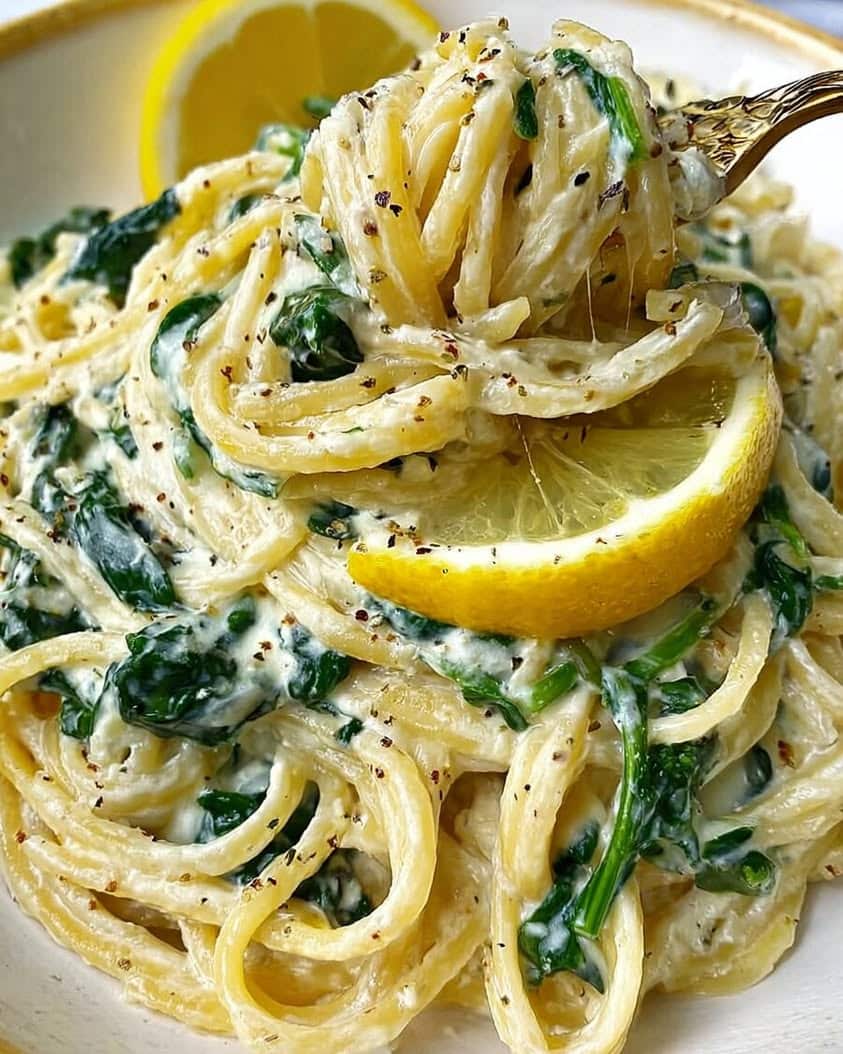
- Visual Appeal: Bright green spinach speckles the pale, creamy sauce, and lemon zest adds flecks of sunny yellow. Consequently, the dish looks fresh and inviting on any table.
- Skill Level Needed: This recipe suits beginners because it relies on stirring rather than advanced techniques. However, careful pasta cooking and tempering the ricotta help ensure success.
- Special Equipment: You need a large pot for pasta, a colander, a mixing bowl, and a fine grater for zest. Additionally, a microplane makes zesting effortless and fast.
Recipe Overview
- Difficulty Level: We rate this recipe easy because the sauce requires no cooking and the steps stay straightforward. Moreover, the entire process takes about twenty-five minutes from start to finish. Consequently, new cooks can build confidence while experienced cooks enjoy a quick win.
- Category: This dish works as a main course for lunch or dinner, and it also shines as a side dish alongside grilled proteins. Furthermore, it doubles as a potluck pasta salad when served chilled.
- Cuisine: The recipe draws inspiration from Italian cucina povera, where simple pantry staples create satisfying meals. In addition, lemon and ricotta reflect Southern Italian traditions, especially in Sicily and Campania. Meanwhile, the spinach nod to modern vegetable-forward cooking keeps the dish current.
- Cost: The total cost stays low because ricotta, pasta, and spinach rank among the most affordable grocery items. In fact, a family of four eats well for under fifteen dollars in most U.S. markets. Furthermore, seasonal lemon prices keep the dish budget-friendly year-round.
- Season: Spring and summer highlight the recipe best because fresh lemons and tender spinach peak during these months. However, the dish works year-round thanks to widely available ingredients. Consequently, you can enjoy it whenever a bright, fresh meal appeals.
- Occasion: Weeknight dinners, casual brunches, and holiday buffets all suit this pasta. Additionally, it makes a lovely meatless Monday option or a light Easter side. Meanwhile, its make-ahead nature helps with party planning.
Why You’ll Love This Recipe
First, the taste and texture appeal of the Zesty Lemon Ricotta and Spinach Pasta sets it apart from ordinary pasta dishes. Creamy ricotta delivers a rich mouthfeel, while lemon cuts through the fat with lively acidity. Furthermore, the spinach adds an earthy counterpoint that keeps each bite balanced. Because the sauce clings to the pasta thanks to reserved cooking water, you get consistent flavor in every forkful. Consequently, the dish satisfies comfort-food cravings without feeling heavy or overly rich.
Second, convenience and preparation benefits make this recipe a weeknight hero. The sauce comes together in a single bowl while the pasta boils, so you save time and effort. Moreover, the recipe uses one pot and minimal cleanup, which matters after a long day. In addition, the ingredients require little chopping, and the whole dish finishes in under thirty minutes. As a result, you can serve a restaurant-quality meal on even the busiest evenings.
Third, nutritional advantages give the dish extra appeal. Spinach delivers iron, vitamin K, and folate, while ricotta supplies calcium and protein. Furthermore, lemon adds vitamin C, which supports immune health and aids iron absorption. Because the recipe skips heavy cream, the fat content stays moderate compared with traditional Alfredo sauces. Meanwhile, portion control remains easy since the sauce coats rather than drowns the pasta. Consequently, the Zesty Lemon Ricotta and Spinach Pasta fits comfortably into a balanced eating pattern.
Fourth, social and entertaining value makes this recipe a crowd-pleaser. The bright colors and fresh flavors impress guests without demanding hours in the kitchen. Additionally, the dish accommodates last-minute additions like grilled shrimp or roasted vegetables. Because it serves four generously, you can easily double it for larger gatherings. Furthermore, the pasta travels well to potlucks when you toss it with a little extra olive oil. As a result, hosts can relax and enjoy their own parties.
Fifth, cost-effectiveness and accessibility round out the reasons to love this recipe. Every ingredient comes from standard grocery stores, and none requires a specialty shop. Moreover, the recipe avoids pricy items like saffron or truffle, keeping the total cost modest. In addition, pantry staples like garlic, olive oil, and black pepper carry most of the flavor load. Because the dish relies on technique rather than expensive components, it delivers excellent value. Consequently, families on tight budgets can still enjoy a vibrant, satisfying meal.
Historical Background and Cultural Significance
The origin story of this dish traces to Southern Italy, where ricotta and citrus have starred in regional cooking for centuries. Sicilian cooks famously fold ricotta into sweet cannoli and savory pasta alike. Furthermore, lemon groves dot the Amalfi Coast and Sicily, so locals learned to use every part of the fruit. Consequently, pairing lemon with ricotta became a natural expression of the land. Over time, home cooks added greens like spinach to stretch the dish and boost nutrition.
Cultural importance emerges through the Italian philosophy of simplicity. Traditional cooks believe that a few excellent ingredients outperform long lists of mediocre ones. Moreover, ricotta represents resourcefulness because shepherds made it from leftover whey. In addition, lemon symbolized hospitality and prosperity in many Mediterranean households. Because the dish celebrates frugality and flavor, it carries cultural weight beyond its humble components. Meanwhile, Italian-American cooks adapted the recipe to local tastes, and it spread through community cookbooks.
The evolution of the recipe reflects changing American kitchens. In the 1990s, food magazines popularized ricotta-based pasta sauces as lighter alternatives to cream sauces. Furthermore, food bloggers in the 2010s pushed the dish further with lemon zest and baby spinach. Additionally, meal-kit companies adopted similar flavor combinations, introducing the pairing to millions of home cooks. Because each generation tweaks the formula, the recipe stays relevant. Consequently, today’s version balances tradition with modern convenience.
Regional variations show how cooks around the world interpret the combination. In Greece, cooks use feta and dill in place of ricotta and basil. Meanwhile, French cooks might add herbes de Provence and crème fraîche. In California, chefs lean into citrus with Meyer lemon and arugula. Furthermore, vegan cooks swap ricotta for almond-based alternatives. Because the core idea remains flexible, the dish adapts beautifully across cuisines. As a result, the Zesty Lemon Ricotta and Spinach Pasta belongs to a global conversation about fresh, simple food.
Ingredient Deep Dive
Ricotta anchors the sauce with its creamy texture and mild sweetness. Historically, Italian shepherds made ricotta by reheating whey left from cheese production, which explains the name, meaning recooked. Furthermore, ricotta delivers calcium, protein, and vitamin A. When selecting ricotta, look for whole-milk versions with a fresh, clean smell and no watery pools. In addition, check the sell-by date and choose the freshest container available. Store ricotta in the coldest part of the refrigerator and use it within five to seven days of opening. Meanwhile, if you need a substitute, cottage cheese blended smooth works well, and so does mascarpone for a richer result.
Second, ricotta plays a starring role in texture and flavor balance. Because ricotta stays mild, it absorbs lemon, garlic, and Parmesan without competing. Moreover, whole-milk ricotta gives the sauce body, while part-skim versions lighten it. In addition, draining excess whey prevents a watery sauce. Consequently, take five minutes to drain ricotta in a fine-mesh strainer before mixing. Furthermore, bring ricotta to room temperature so it blends smoothly with the other ingredients.
Lemons provide the zesty backbone that defines the recipe. Citrus cultivation spread from Asia through the Mediterranean, and Italians embraced lemons in both sweet and savory dishes. Furthermore, lemons supply vitamin C, fiber, and antioxidants in the zest. When buying lemons, choose fruit that feels heavy for its size with firm, glossy skin. In addition, avoid lemons with soft spots or dull rinds. Store lemons in the refrigerator crisper drawer for up to two weeks. Meanwhile, if you lack fresh lemons, bottled juice works in a pinch, though fresh zest cannot be replaced.
Second, lemon usage requires attention to technique and balance. Because zest carries the essential oils, it delivers concentrated citrus flavor. Moreover, juice adds acidity that brightens the ricotta. In addition, add juice gradually, then taste, since lemons vary in strength. Consequently, start with half the juice, then adjust. Furthermore, grate only the yellow peel and avoid the bitter white pith.
Spinach contributes color, nutrients, and an earthy note. The leafy green originated in Persia and traveled along trade routes to Europe and beyond. Furthermore, spinach packs iron, vitamin K, folate, and lutein. When selecting spinach, choose baby leaves with bright color and no slime. In addition, avoid bags with excessive condensation. Store spinach in a breathable container lined with paper towels, and use it within three to five days. Meanwhile, frozen spinach works in a pinch, though you should squeeze it dry before use.
Second, spinach handling matters for texture and flavor. Because spinach wilts quickly, it needs only brief contact with heat. Moreover, folding raw spinach into hot pasta allows residual heat to wilt the leaves gently. In addition, baby spinach offers a milder taste and tender texture compared with mature leaves. Consequently, keep the leaves whole or tear them roughly for a rustic look. Furthermore, taste a raw leaf first to check for bitterness.
Garlic deepens the savory foundation of the dish. Cooks have used garlic for thousands of years across Mediterranean cultures, and it remains a cornerstone of Italian cooking. Furthermore, garlic offers allicin, a compound linked to potential health benefits. When selecting garlic, choose firm heads with tight, papery skin and no sprouts. In addition, store garlic in a cool, dry place away from sunlight. Meanwhile, fresh garlic outperforms jarred versions in this recipe, though garlic paste works as a backup.
Second, garlic preparation shapes the final flavor. Because raw garlic tastes sharp, a brief sauté mellows it. Moreover, mincing garlic finely distributes flavor evenly. In addition, watch the heat carefully, since garlic burns quickly and turns bitter. Consequently, cook garlic over medium-low heat until fragrant, about thirty seconds. Furthermore, if you prefer a milder bite, roast the garlic first.
Pasta forms the canvas for the sauce. Durum wheat pasta originated in Italy and remains a staple worldwide. Furthermore, pasta provides carbohydrates for energy plus some protein and fiber. When selecting pasta, choose bronze-die brands for better sauce adhesion. In addition, check cooking times on the package but start tasting two minutes early. Store dry pasta in an airtight container for up to two years. Meanwhile, gluten-free pasta works well, though cooking times vary by brand.
Second, pasta selection affects the final dish. Because short shapes like penne trap the sauce, they suit this recipe beautifully. Moreover, long shapes like linguine create elegant twirls. In addition, reserve at least one cup of pasta water before draining. Consequently, the starchy water loosens the sauce to the perfect consistency. Furthermore, salt the water generously, since it seasons the pasta from within.
Common Mistakes to Avoid
- Skipping the pasta water: Pasta water contains starch that helps the sauce cling. Consequently, skipping it leaves you with a dry, clumpy dish. Always reserve a cup before draining.
- Using cold ricotta: Cold ricotta clumps instead of blending smoothly. Moreover, room-temperature ricotta mixes easily with lemon and Parmesan. Take it out of the fridge thirty minutes ahead.
- Overcooking the pasta: Mushy pasta ruins the texture and absorbs too much sauce. Furthermore, al dente pasta holds up better when tossed. Start tasting two minutes before the package time.
- Adding too much lemon juice: Excess juice makes the sauce sour and watery. In addition, balance matters, so add juice gradually and taste as you go.
- Burning the garlic: Burnt garlic turns bitter and ruins the entire dish. Moreover, garlic cooks fast, so keep the heat moderate and stir constantly.
- Not draining ricotta: Watery ricotta thins the sauce and dilutes flavor. Furthermore, a quick drain in a strainer removes excess whey. Give it five minutes before mixing.
- Forgetting to season: Ricotta and pasta need salt to taste their best. In addition, black pepper adds necessary bite. Season the sauce and taste before serving.
- Clumping the spinach: Dropping wet spinach into the sauce adds unwanted water. Moreover, pat the leaves dry after washing. Alternatively, use pre-washed baby spinach.
- Overmixing the sauce: Aggressive stirring can break the ricotta and create a grainy texture. Furthermore, fold gently with a spatula or wooden spoon. Stop as soon as the sauce looks uniform.
- Serving immediately without resting: A one-minute rest lets flavors meld and the sauce thicken. In addition, the pasta absorbs seasoning during this brief pause. Use the time to garnish.
Essential Techniques
First, zesting citrus properly unlocks the recipe’s signature flavor. Zest contains essential oils that carry intense lemon aroma, so technique matters. Use a microplane or fine grater and press lightly to remove only the yellow layer. Moreover, rotate the fruit as you go to avoid the bitter white pith. Common pitfalls include grating too deeply and skipping the wash step. Consequently, rinse and dry lemons before zesting. Visual cues for success include fluffy, moist zest with no white flecks.
Second, tempering ricotta ensures a smooth, creamy sauce. Tempering means gradually warming a cold ingredient so it blends without clumping. Start by whisking ricotta with a spoonful of hot pasta water, then add more until silky. Furthermore, this step prevents the graininess that plagues rushed sauces. Common pitfalls include adding all the water at once, which can shock the mixture. Visual cues for success include a glossy, pourable consistency.
Third, emulsifying the sauce creates a cohesive coating for every strand. Emulsification binds fat and liquid so they do not separate. Whisk the ricotta mixture vigorously while adding olive oil slowly, then toss with pasta off the heat. Moreover, the starch in pasta water acts as a natural emulsifier. Common pitfalls include overheating, which breaks the emulsion. Visual cues for success include a smooth sauce that clings to the pasta rather than pooling at the bottom.
Fourth, wilting spinach correctly preserves color and texture. Spinach needs only gentle heat to soften without turning mushy. Fold the leaves into the hot pasta and sauce, then cover for one minute. Furthermore, residual heat wilts the spinach evenly. Common pitfalls include boiling spinach separately, which waters down flavor. Visual cues for success include vivid green leaves that look glossy and tender.
Pro Tips for Perfect Zesty Lemon Ricotta and Spinach Pasta
First, use fresh, high-quality ricotta from a reputable dairy. Fresh ricotta tastes sweeter and creamier than older containers. Moreover, check the ingredient list for simple components like milk, salt, and cultures. In addition, buy ricotta close to when you plan to cook.
Second, zest the lemon directly over the mixing bowl. This technique captures the essential oils as they spray from the fruit. Furthermore, the oils carry more aroma than the zest alone. In addition, zest before juicing, since soft lemons are harder to zest.
Third, salt the pasta water like the sea. Generous salt seasons the pasta from within and boosts overall flavor. Moreover, under-salted water leaves the dish flat no matter how much sauce you add. In addition, add salt after the water boils for faster heating.
Fourth, reserve more pasta water than you think you need. Two cups gives you plenty of insurance for adjusting the sauce. Furthermore, leftover pasta water freezes well for future recipes. In addition, the starchy liquid thickens soups and stews.
Fifth, toss the pasta and sauce off the heat. High heat can break the ricotta and create a grainy texture. Moreover, the residual warmth of the pasta is enough to meld everything. In addition, keep stirring gently until the sauce looks glossy.
Sixth, finish with a final flourish of lemon zest and black pepper. Fresh zest restores the bright aroma that heat can mute. Furthermore, cracked pepper adds texture and a gentle bite. In addition, a drizzle of extra-virgin olive oil adds richness.
Seventh, taste before serving and adjust boldly. Ricotta brands vary in salt and moisture, so adjust to your palate. Moreover, a squeeze of lemon or pinch of salt can transform the dish. In addition, taste the spinach to ensure it is tender.
Variations and Adaptations
Regional variations offer endless inspiration. In Sicily, cooks add toasted pine nuts and raisins for sweet-savory contrast. Furthermore, Neapolitan versions might include smoked mozzarella for a melty twist. In addition, Greek cooks swap in feta and dill for a briny profile. Meanwhile, California chefs lean on Meyer lemon and arugula for a peppery edge. Consequently, you can travel the Mediterranean without leaving your kitchen.
Seasonal adaptations keep the dish fresh all year. In spring, fold in blanched asparagus or peas for a garden feel. Moreover, summer welcomes cherry tomatoes and fresh basil. In addition, autumn pairs beautifully with roasted butternut squash. Meanwhile, winter calls for wilted kale or Swiss chard in place of spinach. Because the base sauce stays constant, seasonal swaps remain easy.
Dietary modifications expand the recipe’s reach. Gluten-free pasta works with a simple swap, and cooking times vary by brand. Furthermore, dairy-free cooks can use almond-based ricotta and nutritional yeast. In addition, vegan versions benefit from cashew cream and miso for umami. Meanwhile, low-carb eaters can serve the sauce over zucchini noodles. Consequently, nearly every diet finds a path to enjoy this dish.
Flavor variations let you personalize the profile. Add red pepper flakes for heat, or stir in pesto for herbal depth. Furthermore, smoked paprika lends a subtle warmth. In addition, preserved lemon intensifies the citrus note. Meanwhile, a splash of white wine adds acidity and complexity. Because the sauce is forgiving, experimentation rarely fails.
Texture modifications suit different preferences. Crushed pistachios add crunch, and toasted breadcrumbs deliver classic Italian texture. Furthermore, crisped prosciutto contributes salty shards. In addition, grated pecorino adds a sharper bite. Meanwhile, a dollop of whipped ricotta on top creates a luxurious finish.
Presentation alternatives keep the dish photo-ready. Serve it family-style in a wide bowl, or plate individual portions with a nest of pasta. Furthermore, a lemon wedge on the rim signals the flavor instantly. In addition, a scatter of microgreens adds height. Meanwhile, grilled lemon halves make a dramatic tableside squeeze.
Serving and Presentation Guide
Plating techniques elevate the dish from weeknight to company-worthy. Twirl long pasta with tongs into a neat nest in the center of a warm bowl. Moreover, leave a small well in the middle for extra sauce. Furthermore, wipe the rim clean for a polished look. In addition, warm bowls keep the pasta hot longer.
Garnishing ideas add color and texture. Fresh basil ribbons, lemon zest, and cracked pepper deliver instant visual appeal. Furthermore, toasted pine nuts or crushed pistachios add crunch. In addition, shaved Parmesan curls look elegant and taste rich. Meanwhile, a drizzle of olive oil adds shine.
Traditional accompaniments ground the dish in Italian tradition. Crusty bread mops up leftover sauce, and a simple green salad balances richness. Furthermore, roasted vegetables add substance. In addition, a glass of crisp white wine completes the meal. Meanwhile, espresso afterward nods to Italian dining customs.
Modern serving suggestions fit contemporary lifestyles. Grain bowls with farro or quinoa turn the sauce into a hearty lunch. Furthermore, stuffed portobello mushrooms make a low-carb vehicle. In addition, the pasta shines as a side for grilled salmon. Meanwhile, meal-prep containers portion the dish for busy weeks.
Temperature considerations matter for flavor. Serve the pasta hot for maximum aroma, but let it rest one minute so the sauce tightens. Furthermore, chilled leftovers make an excellent pasta salad. In addition, bring cold servings to room temperature for fifteen minutes before eating. Meanwhile, avoid reheating in a microwave on high, which can split the sauce.
Portion control tips help with balanced meals. A two-ounce serving of dry pasta suits most adults, and the ricotta adds satiety. Furthermore, fill half the plate with extra vegetables. In addition, use smaller bowls to make portions look generous. Meanwhile, save leftovers for lunch the next day.
Wine and Beverage Pairing
Wine pairings should match the dish’s bright acidity and creamy texture. A crisp Sauvignon Blanc cuts through ricotta beautifully. Furthermore, a dry Italian white like Vermentino echoes the Mediterranean roots. In addition, unoaked Chardonnay offers roundness without overwhelming the lemon. Meanwhile, a light Pinot Grigio works for casual evenings. Because the sauce is delicate, avoid heavily oaked wines that mask the citrus.
Non-alcoholic alternatives keep everyone at the table happy. Sparkling water with lemon and basil feels festive and refreshes the palate. Furthermore, an iced citrus tisane complements the lemon notes. In addition, a ginger ale with lime adds gentle spice. Meanwhile, a cucumber mint cooler delivers herbal brightness.
Coffee and tea pairings work surprisingly well for brunch servings. A light green tea with lemon complements the dish’s citrus profile. Furthermore, an iced hibiscus tea adds tart contrast. In addition, a mild black tea like Darjeeling offers structure. Meanwhile, espresso after the meal follows Italian tradition.
Temperature considerations affect enjoyment. Serve white wine well chilled, around forty-five to fifty degrees Fahrenheit. Moreover, non-alcoholic spritzers taste best over plenty of ice. In addition, warm drinks should stay just below boiling to avoid bitterness. Meanwhile, keep water glasses filled to cleanse the palate.
Serving suggestions complete the experience. Offer a small pitcher of the paired beverage so guests can refill themselves. Furthermore, garnish glasses with lemon twists for visual harmony. In addition, set out an ice bucket for white wine. Meanwhile, provide coasters and napkins near the table for easy access.
Storage and Shelf Life
Storage methods determine how well leftovers keep. Transfer cooled pasta to an airtight container within two hours of cooking. Moreover, press plastic wrap directly onto the surface to limit air exposure. Furthermore, store sauce separately if you plan to keep the pasta for more than two days. In addition, label the container with the date.
Temperature requirements keep food safe. Refrigerate leftovers at forty degrees Fahrenheit or below. Moreover, place containers in the coldest part of the fridge, not the door. Furthermore, avoid stacking warm containers, which slows cooling. In addition, check your fridge thermometer monthly.
Container recommendations improve quality. Glass containers resist staining and reheating odors. Furthermore, divided containers keep garnishes crisp. In addition, small containers cool faster than large ones. Meanwhile, reusable silicone bags save space.
Signs of spoilage protect your health. Sour smells, slimy textures, and visible mold mean it is time to discard. Moreover, spinach turns dark and mushy when past its prime. Furthermore, any off-color sauce warrants caution. In addition, when in doubt, throw it out.
Reheating instructions preserve texture. Warm leftovers gently on the stovetop with a splash of water or broth. Moreover, stir constantly to prevent scorching. Furthermore, microwave on medium power in short bursts. In addition, add fresh lemon zest after reheating to revive flavor.
Freezing guidelines extend shelf life. Freeze sauce alone for up to two months in portioned containers. Moreover, cooked pasta freezes well if slightly undercooked. Furthermore, thaw overnight in the refrigerator before reheating. In addition, avoid freezing spinach-heavy leftovers for more than a month.
Make Ahead Strategies
Prep timeline planning saves weeknight stress. Zest and juice lemons up to two days ahead and store them separately. Moreover, mince garlic in advance and refrigerate in a small jar. Furthermore, wash and dry spinach the day before. In addition, grate Parmesan ahead and store it airtight.
Storage between steps keeps components fresh. Keep the ricotta mixture covered and chilled for up to twenty-four hours. Moreover, hold cooked pasta tossed with a little oil for up to two days. Furthermore, store sauce and pasta separately until serving. In addition, refresh with pasta water when reheating.
Quality impact assessment guides expectations. The sauce tastes best fresh, but it holds well for a day. Moreover, spinach loses vibrancy over time, so add fresh leaves when reheating. Furthermore, pasta absorbs sauce as it sits, so plan to loosen leftovers. In addition, citrus flavor fades slightly, so finish with fresh zest.
Assembly tips streamline serving. Warm the sauce gently before tossing with hot pasta. Moreover, reserve extra pasta water for adjustments. Furthermore, fold in spinach last to preserve color. In addition, garnish right before serving.
Reheating guidelines protect texture. Reheat on the stovetop over low heat with a splash of water. Moreover, stir gently to avoid breaking the sauce. Furthermore, avoid boiling, which curdles ricotta. In addition, taste and adjust seasoning before plating.
Fresh element additions restore appeal. Add a squeeze of lemon, a handful of fresh spinach, or torn basil. Moreover, a drizzle of olive oil brings back shine. Furthermore, toasted nuts restore crunch. In addition, a final grind of pepper wakes up the flavors.
Scaling Instructions
Halving the recipe suits smaller households. Use two servings of pasta and half the ricotta, but keep the lemon flexible. Moreover, taste as you go, since citrus intensity varies. Furthermore, use a smaller pot to maintain water-to-pasta ratio. In addition, expect slightly faster cooking times.
Doubling or tripling feeds a crowd. Cook pasta in batches to avoid crowding the pot. Moreover, mix the sauce in a large bowl to accommodate volume. Furthermore, reserve extra pasta water for adjustments. In addition, season in stages rather than all at once.
Equipment adjustments matter at scale. Use the largest pot you own for big batches. Moreover, borrow a second colander or drain in stages. Furthermore, use a wide serving bowl for tossing. In addition, keep extra bowls warm for serving.
Timing modifications keep everything synchronized. Start the sauce while the first batch of pasta cooks. Moreover, stagger pasta batches to prevent sticking. Furthermore, keep finished pasta warm with a drizzle of oil. In addition, reheat sauce gently before the final toss.
Storage considerations change with volume. Cool large batches quickly by spreading them on sheet pans. Moreover, portion into smaller containers for faster chilling. Furthermore, label and date each container. In addition, plan freezer space ahead for big batches.
Nutritional Deep Dive
The macro breakdown reveals a balanced profile. A serving delivers roughly five hundred calories, twenty grams of protein, and fifty-five grams of carbohydrates. Moreover, fat clocks in around twenty grams, mostly from ricotta and olive oil. Furthermore, fiber reaches four grams thanks to spinach and pasta. In addition, sodium depends on seasoning and cheese.
Micronutrient analysis highlights key vitamins and minerals. Spinach contributes vitamin K, folate, and iron, while ricotta supplies calcium and vitamin A. Moreover, lemons add vitamin C, which enhances iron absorption. Furthermore, Parmesan brings zinc and phosphorus. In addition, garlic offers trace minerals like manganese.
Health benefits extend beyond basic nutrition. The combination of vitamin C and iron supports energy and immunity. Moreover, calcium and vitamin K contribute to bone health. Furthermore, fiber supports digestion and satiety. In addition, olive oil provides heart-healthy monounsaturated fats.
Dietary considerations help diners plan. The dish suits vegetarians and can adapt for gluten-free and dairy-free needs. Moreover, watch portion sizes if you monitor carbohydrates. Furthermore, choose part-skim ricotta to trim fat. In addition, reduce salt if you manage blood pressure.
Portion analysis guides realistic servings. A two-ounce dry pasta portion with sauce satisfies most adults. Moreover, active individuals may prefer three ounces. Furthermore, pair with a side salad to increase volume. In addition, save half for lunch the next day.
Weight management tips support health goals. Fill half your plate with vegetables and a quarter with pasta. Moreover, use a smaller bowl to control portions. Furthermore, savor each bite to slow eating. In addition, drink water before meals to support fullness.
Dietary Adaptations
Gluten-free versions require simple swaps. Choose certified gluten-free pasta made from rice, corn, or legumes. Moreover, cook it carefully, since gluten-free pasta overcooks quickly. Furthermore, reserve extra pasta water because gluten-free pasta releases less starch. In addition, check ricotta labels for hidden gluten.
Dairy-free adaptations rely on plant-based alternatives. Almond or cashew ricotta mimics texture well, and nutritional yeast adds cheesy flavor. Moreover, use a dairy-free Parmesan substitute or skip it. Furthermore, taste and adjust salt, since plant-based cheeses vary. In addition, finish with lemon zest for brightness.
Vegan versions need protein and umami. Cashew cream with miso replicates ricotta’s richness. Moreover, add white beans for protein and body. Furthermore, nutritional yeast delivers savory depth. In addition, use vegan pasta and check labels carefully.
Low-carb adaptations replace pasta entirely. Zucchini noodles or spaghetti squash stand in for pasta. Moreover, salt and drain zucchini noodles to remove excess water. Furthermore, reduce pasta water and use vegetable broth instead. In addition, expect a lighter, fresher texture.
Keto versions focus on fat and protein. Use zucchini noodles and full-fat ricotta, and add extra olive oil. Moreover, skip starchy pasta water and use warm broth. Furthermore, include pine nuts for healthy fats. In addition, watch lemon juice quantities to keep carbs low.
Paleo adaptations avoid grains and dairy. Swap pasta for spiralized vegetables and use cashew-based ricotta. Moreover, choose olive oil and fresh herbs for flavor. Furthermore, add grilled chicken for protein. In addition, keep portions of nuts moderate.
Low-FODMAP versions require careful choices. Use lactose-free ricotta and limit garlic to garlic-infused oil. Moreover, spinach suits most low-FODMAP plans in moderate portions. Furthermore, choose gluten-free pasta for safety. In addition, check all labels for hidden triggers.
Other diets find room to adapt. Mediterranean diets embrace the dish with whole-grain pasta and olive oil. Moreover, vegetarian plans enjoy it as written. Furthermore, heart-healthy plans benefit from part-skim ricotta. In addition, diabetes-friendly plans emphasize portion control and fiber.
Troubleshooting Guide
Texture issues often stem from temperature or mixing. If the sauce looks grainy, the ricotta overheated; whisk in a splash of warm pasta water off the heat. Moreover, if the sauce clumps, whisk vigorously before tossing. Furthermore, if the pasta sticks together, add a little olive oil Print
Zesty Lemon Ricotta and Spinach Pasta
- Total Time: 45 minutes
- Yield: 4
Description
A light and creamy pasta dish featuring ricotta, fresh spinach, and a bright lemon zest.
Ingredients
- 12 oz pasta (penne or fusilli)
- 1 cup ricotta cheese
- 2 cups fresh spinach
- 1 lemon (zest and juice)
- 2 cloves garlic, minced
- 2 tbsp olive oil
- 1/4 cup grated Parmesan cheese
- Salt and pepper to taste
Instructions
- Cook pasta according to package directions; reserve 1/2 cup pasta water.
- In a large skillet, heat olive oil over medium heat. Add garlic and cook until fragrant, about 1 minute.
- Add spinach and cook until wilted, about 2 minutes.
- Stir in ricotta, lemon zest, lemon juice, and Parmesan. Season with salt and pepper.
- Add cooked pasta and toss to coat, adding pasta water as needed to reach desired consistency.
- Serve immediately with additional Parmesan if desired.
Notes
You can customize the seasonings to taste.
- Prep Time: 15 minutes
- Cook Time: 30 minutes
- Method: Main
- Cuisine: American