Zesty Lemon Ricotta and Spinach Pasta: A Bright, Creamy, 20-Minute Dinner
Imagine a dinner that feels both indulgent and refreshingly light. This Zesty Lemon Ricotta and Spinach Pasta delivers exactly that. The creamy ricotta creates a luscious sauce without any heavy cream, while the bright lemon zest cuts through the richness perfectly. You get a bowl of pasta that feels like comfort food but tastes like springtime. The fresh spinach wilts into the warm pasta, adding color and a mild earthy note that balances the citrus. This recipe transforms simple ingredients into a memorable meal in just twenty minutes. It is the perfect solution for busy weeknights when you want something delicious without spending hours in the kitchen. The combination of creamy ricotta, tangy lemon, and tender spinach creates a harmony of flavors that satisfies every time.
This dish came to life during a particularly chaotic week when I needed dinner on the table fast. I had a container of ricotta in the fridge and a lemon on the counter. The result was so good that it became a regular rotation in our home. The sauce comes together in the time it takes to boil pasta. You simply stir everything together and watch the magic happen. The ricotta melts into a silky coating for the pasta, and the lemon adds a burst of freshness that wakes up your taste buds. A sprinkle of Parmesan cheese and some red pepper flakes finish the dish with savory depth and a gentle kick. This Zesty Lemon Ricotta and Spinach Pasta proves that quick cooking does not mean sacrificing flavor.
One of the best parts about this recipe is its versatility. You can serve it as a main course with a side salad or pair it with grilled chicken for extra protein. It works beautifully as a side dish for roasted fish or as a vegetarian main course. The leftovers are excellent cold the next day as a pasta salad. This recipe also adapts well to different dietary needs. You can use gluten-free pasta for a gluten-free version, or add more vegetables like cherry tomatoes or roasted asparagus. The creamy ricotta base provides a canvas for countless variations. Each time I make this pasta, I discover something new to love about it.
Quick Recipe Highlights
- Flavor Profile: The bright lemon zest provides a sharp citrus note that cuts through the creamy ricotta. The Parmesan adds a savory, nutty depth that rounds out the acidity. Fresh garlic and red pepper flakes give the dish a subtle warmth and complexity.
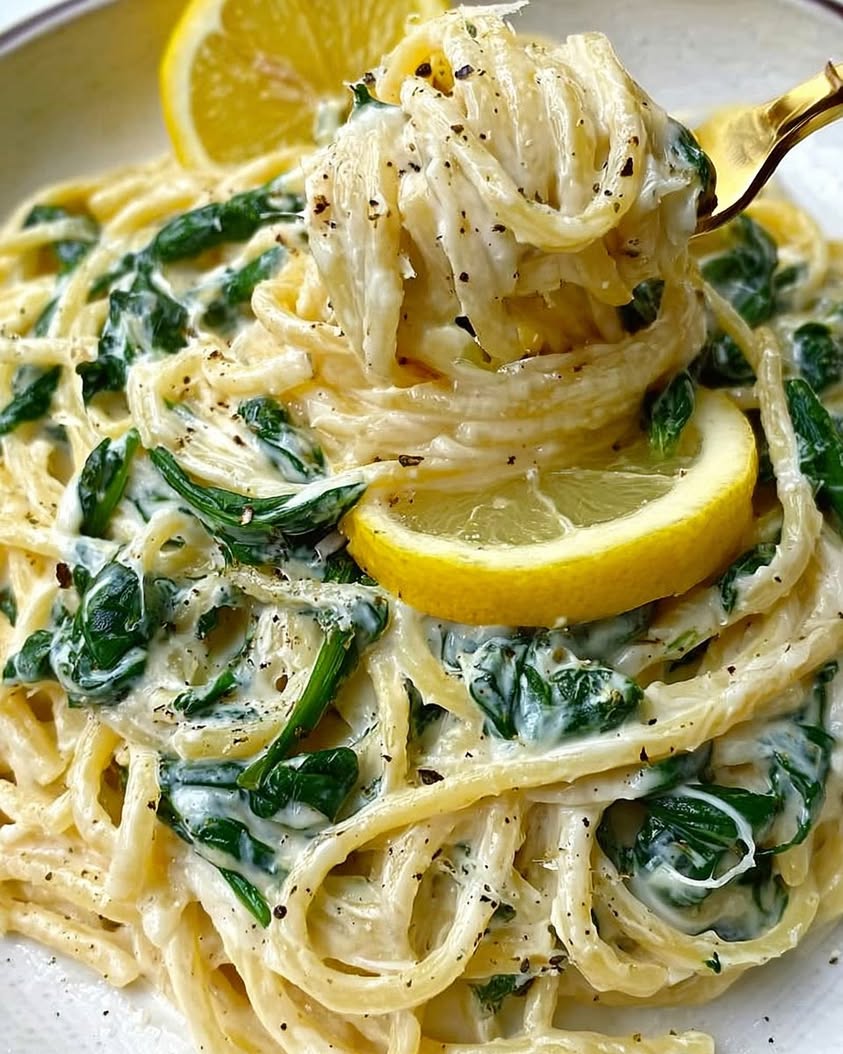
- Texture: The ricotta creates a velvety smooth sauce that clings beautifully to each strand of pasta. The wilted spinach adds a tender, slightly chewy texture that contrasts with the creamy coating. A final dusting of Parmesan provides a slightly granular finish on the tongue.
- Aroma: The moment you add the lemon zest to the hot pasta, the citrus oils release a bright, invigorating scent. The garlic sauteing in olive oil fills the kitchen with a warm, savory aroma. The Parmesan melts into the sauce, adding a subtle dairy fragrance.
- Visual Appeal: The pale green spinach contrasts beautifully with the creamy white ricotta sauce. The bright yellow lemon zest provides specks of color throughout the dish. A final sprinkle of red pepper flakes adds tiny red dots for visual interest.
- Skill Level Needed: This recipe requires basic cooking skills like boiling pasta and sauteing garlic. No special techniques or complicated steps are involved. Anyone comfortable in a kitchen can master this dish on their first attempt.
- Special Equipment: You need a large pot for boiling pasta and a colander for draining. A large skillet or saute pan works best for combining the sauce and pasta. A Microplane or zester helps create fine lemon zest, but a vegetable peeler and knife work as substitutes.
Recipe Overview
- Difficulty Level: This recipe earns an easy rating because the steps are straightforward and require no advanced techniques. The entire process involves boiling pasta, sauteing garlic, and stirring ingredients together. Even beginner cooks can achieve excellent results with this foolproof method.
- Category: This dish falls under quick and easy pasta dinners, perfect for weeknight meals. It also works well as a vegetarian main course or a side dish for protein. The light, fresh flavors make it suitable for spring and summer menus.
- Cuisine: This recipe draws inspiration from Italian cooking traditions that emphasize simple, high-quality ingredients. The combination of ricotta, lemon, and spinach appears in many regional Italian dishes. The technique of creating a creamy sauce with ricotta instead of cream reflects rustic Italian home cooking.
- Cost: This recipe costs approximately eight to ten dollars total when using standard grocery store ingredients. The ricotta cheese and Parmesan are the most expensive items, but you only need small amounts. Spinach and lemons are typically inexpensive, especially when purchased in season.
- Season: This pasta shines in spring when lemons are at their peak and fresh spinach is abundant. The bright citrus flavors feel refreshing when the weather warms up. However, the recipe works year-round since most ingredients are readily available in any season.
- Occasion: This dish suits casual weeknight dinners when you need something quick and satisfying. It also works for impromptu dinner parties because it looks impressive but requires minimal effort. The elegant presentation makes it appropriate for holiday meals or special occasions.
Why You Will Love This Recipe
The taste and texture of this dish are genuinely remarkable for such a simple recipe. The creamy ricotta creates a luxurious coating for the pasta without any heavy cream or butter. The lemon zest provides a bright, tangy counterpoint that prevents the dish from feeling heavy. Each bite offers a perfect balance between rich and fresh flavors. The wilted spinach adds a pleasant earthiness and a slight chew that contrasts with the creamy sauce. The Parmesan brings a savory, salty depth that ties everything together. This combination of flavors and textures makes every forkful interesting and satisfying. You get the comfort of a creamy pasta with the brightness of a citrus salad in one dish.
The convenience of this recipe makes it a lifesaver for busy schedules. You can have dinner on the table in exactly twenty minutes from start to finish. The active cooking time is minimal, with most of the work happening while the pasta boils. You only need one pot and one skillet, which means cleanup is quick and easy. The ingredient list is short and uses items you might already have in your kitchen. There is no chopping vegetables or making a complicated sauce. You simply cook the pasta, saute some garlic, and stir everything together. This recipe eliminates the stress of figuring out dinner after a long day.
This dish also offers significant nutritional advantages compared to cream-based pasta sauces. Ricotta cheese provides protein and calcium while being lower in fat than heavy cream. The spinach adds iron, vitamins A and K, and fiber to the meal. The lemon juice provides a boost of vitamin C that enhances iron absorption from the spinach. You get a balanced meal with carbohydrates for energy, protein for satiety, and vegetables for nutrients. This pasta feels indulgent but fits well into a health-conscious eating plan. The portion size is generous enough to satisfy hunger without leaving you feeling overly full.
This recipe has become my go-to choice when friends come over unexpectedly. The presentation looks elegant and restaurant-quality with minimal effort. The bright colors and fresh flavors impress guests who assume you spent much more time cooking. The recipe easily doubles or triples for larger groups without any additional complexity. I love serving this pasta with a simple green salad and some crusty bread for a complete meal. The conversation always turns to how something so simple can taste so good. This dish has earned a permanent spot in my entertaining repertoire because it consistently delivers compliments.
The cost-effectiveness of this recipe makes it accessible for any budget. The total ingredient cost is under ten dollars, which breaks down to less than three dollars per serving. The ricotta and Parmesan are the most expensive ingredients, but they have a long shelf life in the refrigerator. Spinach and lemons are among the most affordable produce items available. You likely already have olive oil, garlic, salt, and pasta in your pantry. This recipe proves that eating well does not require expensive ingredients or fancy techniques. You can create a memorable, satisfying meal with items that cost pennies per serving.
Historical Background and Cultural Significance
The combination of ricotta cheese, lemon, and spinach has deep roots in Italian culinary tradition. Ricotta itself dates back to ancient Roman times when shepherds discovered that heating whey produced a fresh, creamy cheese. The name ricotta means recooked in Italian, referring to the process of reheating whey from other cheese productions. Southern Italian regions like Sicily and Calabria have long used ricotta in both savory and sweet dishes. The addition of lemon reflects the abundant citrus groves that have flourished in southern Italy for centuries. Spinach became popular in Italian cuisine after being introduced from the Middle East during the Renaissance period. These three ingredients represent the Italian philosophy of using simple, fresh components to create extraordinary dishes.
In Italian home cooking, pasta with ricotta represents comfort and practicality for everyday meals. Many Italian families have their own version of this dish passed down through generations. The recipe traditionally uses whatever pasta shape is available and whatever greens are in season. Ricotta provides protein and creaminess without the expense of meat or the richness of cream. This dish became particularly popular during Lent when many Italians abstain from meat on Fridays. The combination of cheese and vegetables creates a satisfying meal that follows religious dietary restrictions. The tradition of using ricotta in pasta continues today in homes and restaurants throughout Italy.
The evolution of this recipe reflects changing tastes and ingredient availability over time. Early versions likely used only ricotta and pasta without the addition of lemon or spinach. Cooks began adding lemon zest as citrus became more widely available and affordable. The inclusion of spinach became common in the twentieth century as refrigeration made leafy greens more accessible. Modern versions might include additional ingredients like cherry tomatoes, pine nuts, or basil. The basic formula has remained the same for centuries: cook pasta, combine with ricotta, and add fresh ingredients for flavor and color. This recipe has adapted to different regions and time periods while maintaining its essential character.
Regional variations of ricotta pasta appear throughout Italy and the Mediterranean. In Sicily, cooks might add raisins and saffron for a sweet and savory combination. Campania versions often include cherry tomatoes and fresh basil for a brighter flavor profile. The Lazio region sometimes incorporates guanciale or pancetta for a meatier version. In Puglia, cooks use orecchiette pasta and add broccoli rabe instead of spinach. Greek cuisine has a similar dish called pastitsio that uses ricotta in a baked pasta preparation. Each region puts its own spin on the basic concept of creamy ricotta pasta with vegetables. These variations demonstrate the versatility of this simple combination and its ability to adapt to local ingredients and tastes.
Ingredient Deep Dive
Ricotta cheese has a rich history dating back to ancient Roman agriculture. Shepherds discovered that reheating the whey leftover from making other cheeses produced a soft, creamy curd. This process allowed them to use every part of the milk and reduce waste. Ricotta became a staple in Italian peasant cooking because it was affordable and versatile. Nutritionally, ricotta provides high-quality protein, calcium, and vitamin A. It contains less fat and calories than many other cheeses, making it a healthier option for cream sauces. When selecting ricotta, look for brands that list milk and whey as the primary ingredients. Avoid products with stabilizers or gums that affect the texture. Fresh ricotta should have a smooth, creamy consistency and a mild, slightly sweet flavor. Store ricotta in its original container in the refrigerator and use it within five days of opening. You can substitute cottage cheese that has been blended until smooth, or even silken tofu for a dairy-free option.
Lemons have been cultivated for thousands of years, originating in Southeast Asia before spreading to the Mediterranean. Italian cuisine particularly embraces lemons from the Amalfi Coast and Sicily, where the climate produces especially fragrant fruit. The zest contains essential oils that provide intense citrus flavor without the acidity of the juice. Nutritionally, lemons are an excellent source of vitamin C, which supports immune function and skin health. When selecting lemons, choose fruits that feel heavy for their size with smooth, bright yellow skin. Avoid lemons with soft spots or wrinkled skin, which indicate age. Store lemons at room temperature for up to a week or in the refrigerator for up to three weeks. For the best zest, use unwaxed organic lemons to avoid any chemical residue. You can substitute lime zest for a different citrus profile, or use bottled lemon juice in a pinch.
Fresh spinach provides the perfect green component for this dish. Spinach originated in ancient Persia and spread to Europe through trade routes in the Middle Ages. It became popular in Italian cooking during the Renaissance when Catherine de Medici brought it to France. Nutritionally, spinach is packed with iron, vitamin K, vitamin A, and folate. It also contains antioxidants that support overall health and reduce inflammation. When selecting spinach, look for crisp, dark green leaves without any yellowing or wilting. Avoid spinach that appears slimy or has a strong smell. Store fresh spinach in a plastic bag in the refrigerator and use it within three to four days. You can substitute baby kale, arugula, or Swiss chard for a different flavor profile. Frozen spinach works in a pinch when you thaw and squeeze out the excess moisture before adding it to the dish.
Pasta serves as the foundation for this recipe, and the shape affects how the sauce clings. Long, thin shapes like spaghetti or linguine work well because the creamy ricotta sauce coats each strand evenly. Short shapes like penne or fusilli catch the sauce in their ridges and curves. The type of pasta you choose changes the eating experience but not the basic flavor. When selecting pasta, look for bronze-die cut varieties that have a rough surface for better sauce adhesion. Store dried pasta in an airtight container in a cool, dark place for up to two years. Fresh pasta cooks faster but requires refrigeration and has a shorter shelf life. You can substitute any gluten-free pasta for a celiac-friendly version, or use zucchini noodles for a low-carb option.
Parmesan cheese adds a savory depth that completes this dish. True Parmigiano-Reggiano comes from specific regions in Italy and undergoes a strict aging process. The aging concentrates the flavor and creates a granular texture that melts beautifully. Nutritionally, Parmesan provides protein, calcium, and phosphorus. It is naturally low in lactose, making it digestible for some people with lactose sensitivity. When selecting Parmesan, look for pieces with a hard, dry rind and a crumbly interior. Avoid pre-grated cheese, which often contains anti-caking agents that prevent proper melting. Store Parmesan wrapped in wax paper in the refrigerator for up to two months. You can substitute Pecorino Romano for a saltier, more pungent flavor, or nutritional yeast for a dairy-free alternative.
Garlic provides aromatic depth that supports the other flavors in this dish. Garlic has been used in cooking and medicine for thousands of years, originating in Central Asia. It contains allicin, a compound with antimicrobial and anti-inflammatory properties. When selecting garlic, choose bulbs that feel firm with tight, unbroken skins. Avoid garlic that has begun to sprout or feels soft. Store garlic in a cool, dark place with good air circulation for up to three months. For the best flavor, use fresh garlic cloves rather than pre-minced products. You can substitute shallots for a milder flavor or garlic powder for convenience.
Olive oil serves as the cooking medium and adds fruity notes to the dish. Extra virgin olive oil comes from the first pressing of olives and retains the most flavor and antioxidants. It has been a cornerstone of Mediterranean cuisine for thousands of years. When selecting olive oil, look for bottles with a harvest date and a dark glass container that protects from light. Store olive oil in a cool, dark cabinet and use it within six months of opening. For this recipe, a good quality extra virgin olive oil enhances the flavor of the garlic and lemon. You can substitute avocado oil for a neutral flavor or butter for a richer taste.
Common Mistakes to Avoid
- Overcooking the pasta makes it mushy and unable to hold the sauce properly. Cook pasta until al dente according to package directions, then reserve some pasta water before draining.
- Using too much heat when sauteing the garlic causes it to burn and become bitter. Cook garlic over medium heat for about one minute until fragrant but not browned.
- Adding the ricotta directly to the hot pan without tempering it first can cause the cheese to separate. Remove the pan from heat before stirring in the ricotta to prevent curdling.
- Neglecting to reserve pasta water means you have no liquid to thin the sauce if it becomes too thick. Save at least one cup of the starchy pasta water before draining.
- Using cold ricotta straight from the refrigerator creates lumps in the sauce. Let the ricotta sit at room temperature for ten minutes before adding it to the pasta.
- Overloading the pasta with spinach causes the dish to become watery. Add spinach gradually and let it wilt before adding more to control the moisture content.
- Adding all the lemon juice at once can make the sauce too acidic. Start with half the lemon juice and taste before adding more to achieve balanced flavor.
- Skipping the salting of pasta water results in bland pasta that cannot be fixed later. Salt the pasta water generously until it tastes like sea water.
- Using pre-grated Parmesan cheese that contains anti-caking agents prevents smooth melting. Grate fresh Parmesan from a wedge for the best texture and flavor.
- Rinsing the pasta after draining removes the starch that helps the sauce cling. Never rinse pasta unless you are using it for a cold salad.
Essential Techniques
Mastering the perfect pasta cooking technique ensures your dish has the right texture. Fill a large pot with at least four quarts of water for every pound of pasta. Bring the water to a rolling boil and add a generous amount of salt until the water tastes like the sea. Add the pasta and stir immediately to prevent sticking. Cook according to package directions until al dente, which means the pasta is tender but still firm when bitten. Test the pasta about one minute before the recommended cooking time to avoid overcooking. Reserve at least one cup of pasta water before draining. The starchy water contains dissolved gluten that helps the sauce adhere to the pasta. This step is crucial for creating a creamy, cohesive dish.
The technique for creating a smooth ricotta sauce requires gentle handling and proper temperature. Remove the pan from heat before adding the ricotta to prevent the cheese from separating or becoming grainy. Stir the ricotta in slowly, using a wooden spoon or spatula to incorporate it evenly. The residual heat from the pan and pasta will warm the cheese without cooking it too aggressively. If the sauce seems too thick, add pasta water one tablespoon at a time until it reaches the desired consistency. The starch in the pasta water helps emulsify the sauce and creates a silky texture. Avoid stirring too vigorously, which can break down the ricotta curds and create a grainy sauce. The goal is a smooth, creamy coating that gently clings to each piece of pasta.
Wilted spinach adds color and nutrients, but the technique matters for the best results. Add the spinach to the hot pasta and sauce mixture in batches rather than all at once. The heat from the pasta will wilt the spinach quickly without overcooking it. Stir gently until the spinach reduces in volume and turns bright green, which takes about one to two minutes. Avoid cooking the spinach too long, which makes it mushy and causes it to release excess water. If you prefer a more structured texture, saute the spinach separately in a pan with garlic before adding it to the pasta. This method allows you to control the wilting process more precisely and removes some moisture before combining.
Properly incorporating the lemon zest ensures the citrus flavor distributes evenly throughout the dish. Use a Microplane or fine grater to remove only the yellow part of the peel, avoiding the white pith underneath. The pith tastes bitter and can ruin the delicate balance of flavors. Add the lemon zest at the very end of cooking, after removing the pan from heat. The residual heat releases the essential oils in the zest without cooking them away. Stir the zest in gently to distribute it evenly throughout the dish. For an even stronger lemon flavor, add a squeeze of fresh lemon juice at the same time. The combination of zest and juice provides both aromatic and acidic elements that brighten the entire dish.
Pro Tips for Perfect Zesty Lemon Ricotta and Spinach Pasta
Always reserve more pasta water than you think you need, as the sauce can thicken quickly. The starchy water is the key to achieving the perfect creamy consistency without adding extra fat. Start with a quarter cup and add more as needed until the sauce coats the pasta beautifully.
Use fresh, high-quality ricotta for the best flavor and texture. Look for ricotta that has a smooth, creamy consistency without any graininess. The quality of the cheese directly affects the final dish, so avoid bargain brands that contain thickeners or stabilizers.
Let the ricotta come to room temperature before adding it to the hot pasta. Cold ricotta can cause the sauce to seize up and become lumpy. Taking the cheese out of the refrigerator ten minutes before cooking makes a noticeable difference.
Toast some pine nuts or walnuts in a dry skillet for added crunch and nutty flavor. The textural contrast between the creamy sauce and the crunchy nuts elevates the dish significantly. Sprinkle them on top just before serving for the best crunch.
Add a pinch of red pepper flakes for gentle heat that complements the lemon and ricotta. The spice should be subtle enough that you feel a slight warmth without overpowering the other flavors. Adjust the amount based on your personal tolerance for heat.
Use a high-quality extra virgin olive oil for sauteing the garlic and finishing the dish. The fruity notes of good olive oil enhance the lemon and ricotta flavors beautifully. Drizzle a small amount over the finished dish just before serving for a restaurant-quality touch.
Grate your own Parmesan cheese from a wedge rather than using pre-shredded products. Freshly grated Parmesan melts more smoothly and has a more complex flavor. The pre-shredded versions often contain anti-caking agents that prevent proper melting.
Variations and Adaptations
Regional variations of this dish appear throughout Italy and the Mediterranean region. In Sicily, cooks add anchovies and breadcrumbs for a salty crunch that contrasts with the creamy ricotta. The Campania version incorporates cherry tomatoes and fresh basil for a brighter, more acidic flavor profile. In Lazio, the recipe sometimes includes guanciale or pancetta for a meaty depth that balances the lemon. The Greek adaptation adds fresh dill and a squeeze of lemon juice over the top for a Mediterranean twist. Each region puts its own stamp on the basic formula while maintaining the creamy, citrus-forward character.
Seasonal adaptations allow you to enjoy this dish year-round with different fresh ingredients. In spring, add fresh peas and asparagus for a vibrant green color and sweet flavor. Summer versions benefit from cherry tomatoes, zucchini, and fresh herbs like basil and mint. Fall adaptations might include roasted butternut squash and sage for a warmer, earthier profile. Winter versions can incorporate kale, roasted mushrooms, or caramelized onions for deeper flavors. The basic ricotta and lemon base adapts beautifully to whatever vegetables are in season.
Dietary modifications make this recipe accessible for various eating preferences. For a gluten-free version, substitute any gluten-free pasta shape and confirm your ingredients are certified gluten-free. A dairy-free adaptation requires using vegan ricotta made from cashews or tofu and nutritional yeast instead of Parmesan. The vegan version works surprisingly well, with the cashew ricotta providing a similar creamy texture. For a low-carb version, use spiralized zucchini or shirataki noodles instead of traditional pasta. Each adaptation maintains the bright lemon and creamy character of the original dish.
Flavor variations can transform this dish into something completely different with simple adjustments. For a more savory version, add roasted garlic instead of fresh and include sun-dried tomatoes. A spicy version incorporates Calabrian chili paste or additional red pepper flakes for heat. For an herby version, add fresh basil, parsley, and oregano for a garden-fresh flavor profile. A smoky version uses smoked paprika and roasted red peppers for depth. The possibilities for flavor variations are limited only by your imagination and pantry.
Texture modifications change the eating experience without altering the basic recipe. For a creamier version, add a splash of heavy cream or half-and-half along with the ricotta. A chunkier version includes sauteed mushrooms, artichoke hearts, or roasted vegetables for more texture. For a crunchier version, top the finished dish with toasted breadcrumbs or crushed croutons. A version with more sauce might include additional ricotta and pasta water for a soupier consistency. Each texture variation offers a different way to enjoy the same fundamental flavors.
Presentation alternatives allow you to serve this dish in different formats for various occasions. For a more elegant presentation, serve the pasta in individual bowls with a sprinkle of lemon zest on top. A family-style presentation places the entire dish in a large serving bowl for guests to help themselves. For individual servings, twirl the pasta into nests using tongs and place them in shallow bowls. A deconstructed version presents the components separately and allows guests to assemble their own plates. Each presentation style suits different occasions and personal preferences.
Serving and Presentation Guide
Plating this pasta properly enhances both the visual appeal and the eating experience. Use shallow bowls rather than deep ones to show off the creamy sauce and bright colors. Twirl the pasta using tongs to create a neat nest in the center of the bowl. Leave some space around the edges for the sauce to pool slightly. The goal is a professional-looking presentation that looks intentional and appetizing. A well-plated dish signals to guests that care went into the preparation, even though the recipe is simple.
Garnishing adds visual interest and complementary flavors to the finished dish. A light sprinkle of fresh lemon zest over the top provides bright color and a burst of citrus aroma. Freshly grated Parmesan adds a savory note and a contrast in texture. A few whole basil leaves or a sprinkle of fresh parsley add green color and freshness. A light drizzle of extra virgin olive oil creates a glossy finish and adds fruity flavor. Each garnish should enhance the dish without overwhelming the main flavors.
Traditional accompaniments complete the meal and balance the flavors of the pasta. A simple green salad with a lemon vinaigrette echoes the citrus notes in the pasta. Crusty bread is essential for sopping up any remaining sauce on the plate. A glass of crisp white wine like Pinot Grigio or Sauvignon Blanc complements the lemony flavors. For a more substantial meal, add grilled chicken or shrimp on the side. The accompaniments should support the pasta without competing with it.
Modern serving suggestions adapt this classic dish for contemporary tastes and presentations. Serve the pasta in individual cast-iron skillets for a rustic, Instagram-worthy presentation. Offer the dish as part of a pasta bar where guests can add their own toppings. Serve it cold as a pasta salad for summer picnics and barbecues. The versatile nature of this recipe allows for creativity in how you present and serve it.
Wine and Beverage Pairing
Wine pairing for this dish focuses on crisp, acidic whites that complement the lemon and ricotta. A Pinot Grigio from Italy offers clean citrus notes and a light body that matches the pasta. Sauvignon Blanc provides herbal undertones that work well with the spinach and garlic. For a more aromatic option, try a Vermentino or a Greco di Tufo from southern Italy. These wines have enough acidity to cut through the creamy ricotta without overwhelming the delicate flavors. Serve white wines chilled but not ice-cold to allow the flavors to develop.
Non-alcoholic alternatives provide refreshing options for those who do not drink wine. Sparkling water with a squeeze of fresh lemon mimics the citrus notes in the dish. A lemonade or limeade offers a sweet-tart counterpoint to the savory pasta. Iced tea with a sprig of mint provides a clean, refreshing palate cleanser between bites. For a more sophisticated option, try a non-alcoholic sparkling wine or a citrus-infused soda water. Each alternative complements the dish without competing with its flavors.
Temperature considerations matter when serving beverages alongside this dish. Serve white wines between 45 and 50 degrees Fahrenheit for the best flavor expression. Non-alcoholic beverages should be well-chilled but not icy to avoid numbing the taste buds. Room temperature water should always be available for guests who prefer it. The temperature of the beverage should balance the warm pasta without overwhelming it.
Storage and Shelf Life
Proper storage of leftover pasta ensures you can enjoy it again without quality loss. Transfer the pasta to an airtight container and press plastic wrap directly onto the surface to prevent a skin from forming. Refrigerate the container within two hours of cooking to prevent bacterial growth. The pasta will keep for three to four days in the refrigerator when stored properly. The ricotta sauce may thicken upon refrigeration, but this is normal and easily remedied during reheating.
Temperature requirements for storage are critical for food safety and quality. The refrigerator temperature should be at or below 40 degrees Fahrenheit to slow bacterial growth. Never leave the pasta at room temperature for more than two hours total. If you are serving the dish at a party, keep it hot using a chafing dish or slow cooker. When storing large quantities, divide the pasta into smaller containers so it cools faster and more evenly.
Container recommendations affect how well the pasta maintains its quality. Glass containers with tight-fitting lids work best because they do not absorb odors or stains. Plastic containers are acceptable but may retain odors from other foods in the refrigerator. Avoid using metal containers, which can react with the acidic lemon juice and affect the flavor. The container should be large enough to hold the pasta without crushing it against the lid.
Signs of spoilage indicate when the pasta is no longer safe to eat. Discard the pasta if you notice any off smells that indicate fermentation or bacterial growth. Mold growth on the surface is an obvious sign that the pasta has spoiled. If the sauce has separated into watery liquid and solid curds, the dish has likely gone bad. Any slimy texture on the pasta or a sour taste indicates spoilage and requires immediate disposal.
Reheating instructions help restore the pasta to its original creamy consistency. Add a tablespoon of water or milk per serving before reheating to loosen the thickened sauce. Reheat in a skillet over medium heat, stirring frequently, until the pasta is hot throughout. Microwave reheating works in a pinch but can dry out the pasta and cause uneven heating. Add a pat of butter or a splash of olive oil during reheating for extra richness and moisture.
Freezing guidelines allow you to preserve this dish for longer storage. The pasta freezes well for up to three months when stored in freezer-safe containers. Allow the pasta to cool completely before freezing to prevent ice crystal formation. Thaw the pasta overnight in the refrigerator before reheating. Note that the texture of the ricotta sauce may change slightly after freezing, becoming slightly grainy. For best results, prepare the sauce fresh and freeze only the cooked pasta without the sauce.
Make Ahead Strategies
Prep timeline planning makes assembling this dish even faster on busy nights. You can cook the pasta up to two days in advance and store it tossed with a little olive oil to prevent sticking. Grate the Parmesan cheese and store it in the refrigerator up to three days ahead. Wash and dry the spinach and store it in a sealed container with paper towels to absorb moisture. Measure out the ricotta and let it come to room temperature before using. These prep steps reduce the active cooking time to just five minutes.
Storage between steps requires careful handling to maintain quality. Cooked pasta should be stored separately from the sauce components to prevent sogginess. Keep the ricotta in its original container and bring it to room temperature before combining. Store the grated Parmesan in an airtight container to prevent it from drying out. The lemon zest should be prepared fresh just before cooking since it loses flavor quickly after grating.
Quality impact assessment helps you decide which components to prepare ahead and which to make fresh. The pasta and cheese components hold up well to advance preparation. The lemon zest and fresh spinach should be prepared just before cooking for the best flavor and texture. The garlic should be minced fresh rather than pre-minced, which has a milder flavor. The overall quality of the dish is best when prepared immediately, but advance preparation still produces good results.
Scaling Instructions
Halving the recipe works well for smaller households or single servings. Use half the amount of pasta, ricotta, spinach, and other ingredients listed. Reduce the salt in the pasta water proportionally but keep the same ratio. The cooking time for the pasta remains the same regardless of quantity. Use a smaller skillet for sauteing the garlic to prevent it from burning in a larger pan. The sauce ratios remain consistent when halving the recipe.
Doubling or tripling the recipe accommodates larger groups or meal prep needs. Use a larger pot for boiling the pasta to prevent overcrowding and ensure even cooking. Increase the pasta water accordingly, maintaining the same salt ratio. Use a larger skillet or cook the garlic in batches to prevent it from steaming instead of sauteing. The ricotta and lemon quantities double or triple proportionally. The cooking time for the pasta remains the same, but the sauce assembly takes slightly longer with larger quantities.
Equipment adjustments become necessary when scaling the recipe significantly. A twelve-inch skillet works for single batches, but you may need a larger saute pan for doubled quantities. Consider using a Dutch oven for very large batches that combine pasta and sauce. Have multiple serving bowls ready to hold the finished dish if you are making a large quantity. The equipment should be appropriately sized to prevent overcrowding and ensure even cooking.
Nutritional Deep Dive
Macro breakdown per serving of this pasta provides a balanced meal with carbohydrates, protein, and fat. Each serving contains approximately 450 to 500 calories depending on the specific ingredients used. The carbohydrate content comes primarily from the pasta, providing energy for your body. Protein from the ricotta, Parmesan, and spinach supports muscle maintenance and repair. The fat content is moderate, coming primarily from the ricotta and olive oil, which provide satiety and flavor. Print
Zesty Lemon Ricotta and Spinach Pasta
- Total Time: 25 minutes
- Yield: 4
Description
A light and fresh pasta dish with creamy ricotta, bright lemon, and tender spinach, perfect for a quick weeknight dinner.
Ingredients
- 12 oz pasta (such as penne or fettuccine)
- 2 tablespoons olive oil
- 3 cloves garlic, minced
- 5 oz fresh spinach
- 1 cup ricotta cheese
- 1 lemon, zested and juiced
- 1/2 cup grated Parmesan cheese
- Salt and black pepper to taste
- 1/4 cup reserved pasta water (as needed)
Instructions
- Cook the pasta according to package directions until al dente. Reserve 1/4 cup of pasta water before draining.
- While the pasta cooks, heat olive oil in a large skillet over medium heat. Add garlic and sauté for 1 minute until fragrant.
- Add fresh spinach to the skillet and cook until wilted, about 2-3 minutes.
- Reduce heat to low and stir in ricotta cheese, lemon zest, and lemon juice. Mix until creamy.
- Add the drained pasta to the skillet and toss gently to coat. If the sauce is too thick, add a splash of reserved pasta water until desired consistency.
- Stir in Parmesan cheese and season with salt and pepper to taste. Serve immediately.
Notes
You can customize the seasonings to taste. For extra zest, add red pepper flakes for a hint of heat or top with fresh basil.
- Prep Time: 10 minutes
- Cook Time: 15 minutes
- Method: Main
- Cuisine: Italian