Three-Cheese Tomato Bruschetta Dip: The Ultimate Party Appetizer
When you need a crowd-pleasing starter that comes together fast, this three-cheese tomato bruschetta dip delivers every single time. This three-cheese tomato bruschetta dip combines juicy ripe tomatoes, fragrant basil, and a molten blend of mozzarella, parmesan, and cream cheese into one irresistible skillet. Moreover, it captures everything you love about classic bruschetta without the fuss of toasting individual slices of bread. Because it bakes in one dish and pairs with crusty baguette, it works beautifully for game days, holiday gatherings, and casual weeknight dinners. The flavors stay bright and fresh, yet the melted cheese adds a cozy richness that keeps everyone coming back for more.
The first time you pull this three-cheese tomato bruschetta dip from the oven, the aroma alone will draw a crowd into the kitchen. Furthermore, the contrast between warm, creamy cheese and cool, vibrant tomato topping creates a texture that feels both comforting and refreshing. You get tangy balsamic notes, sweet garden tomatoes, and a hit of garlic in every bite. Meanwhile, the toasted bread provides the perfect crunchy vehicle for all that gooey goodness. Honestly, this three-cheese tomato bruschetta dip has become my go-to appetizer because it looks impressive yet requires almost no effort. Even picky eaters love it, and that alone makes it worth keeping in your rotation.
Beyond great taste, this three-cheese tomato bruschetta dip offers serious practical benefits for busy hosts. Specifically, you can assemble the cheese base ahead of time and pop it in the oven right before guests arrive. Additionally, the ingredient list stays short and budget-friendly, so you can feed a crowd without breaking the bank. The recipe also scales easily, which means you can double it for larger parties. Therefore, whether you host a Super Bowl party, a bridal shower, or a simple family dinner, this three-cheese tomato bruschetta dip fits the occasion perfectly. Keep reading to learn every tip and trick for making it flawless.
Quick Recipe Highlights
- Flavor Profile: Expect a bright, tangy tomato flavor balanced by creamy, savory cheese and a subtle kick of garlic. Balsamic vinegar and fresh basil add depth and freshness. Overall, the taste feels bold yet approachable.
- Texture: The melted cheese turns soft and scoopable, while the fresh tomato topping stays crisp and juicy. Toasted bread adds a satisfying crunch. Consequently, every bite offers a pleasant contrast of creamy and crunchy elements.
- Aroma: Garlic and basil dominate the nose, followed by warm, nutty parmesan notes. The smell fills the kitchen and signals comfort food. Furthermore, a hint of balsamic adds a sweet-tart edge to the aroma.
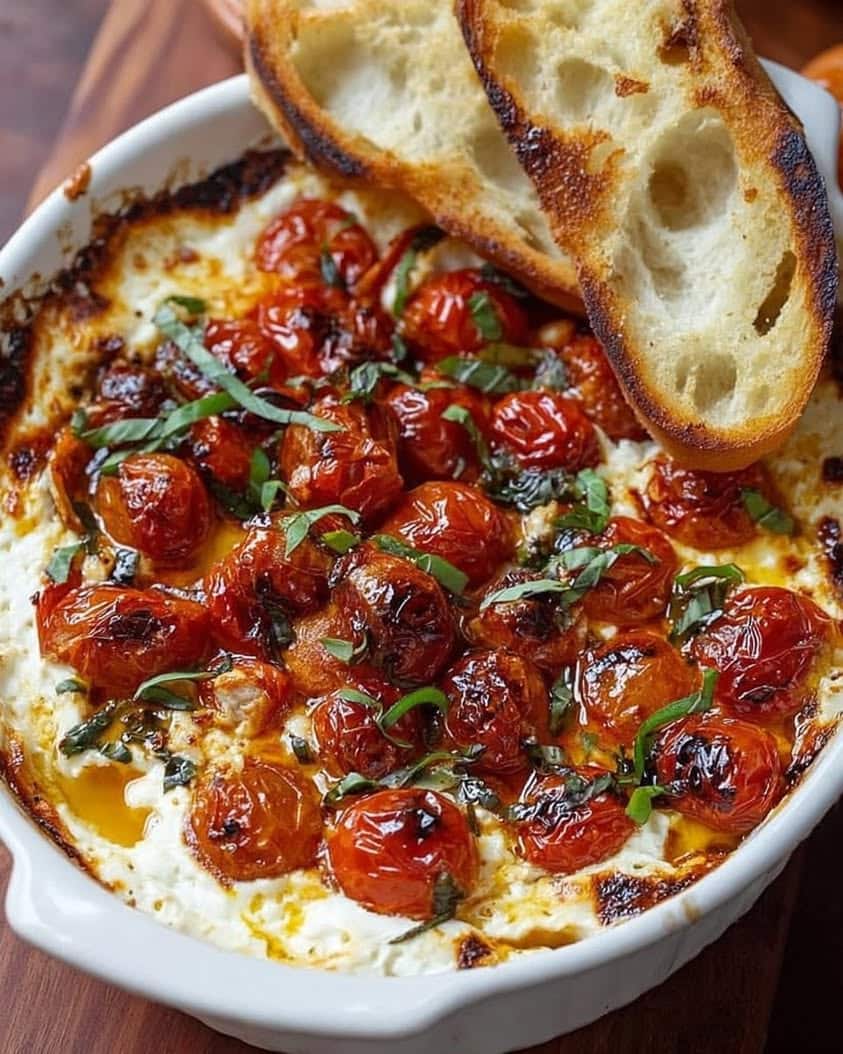
- Visual Appeal: Golden, bubbling cheese topped with ruby-red tomatoes and vivid green basil creates a stunning presentation. The colors pop against a cast iron skillet. Therefore, it photographs beautifully for social media or a party table.
- Skill Level Needed: This recipe suits beginners because it requires only basic mixing and baking skills. No advanced knife work or complicated techniques are involved. Even first-time cooks can nail it with ease.
- Special Equipment: You need a skillet or baking dish, a mixing bowl, and a cutting board. A cast iron skillet works best for even heating and rustic presentation. However, any oven-safe dish performs well too.
Recipe Overview
- Difficulty Level: I rate this recipe as easy because it involves simple stirring, layering, and baking. Moreover, no steps require precise timing or professional techniques. You simply mix the cheese base, bake it, and top it with fresh ingredients. As a result, anyone can make it successfully on the first try.
- Category: This dish works as an appetizer, a party snack, or a shareable starter. Additionally, it fits nicely into a tapas spread or a game-day buffet. Some people even serve it as a light main dish with a side salad.
- Cuisine: The recipe draws direct inspiration from Italian bruschetta, a traditional antipasto from central Italy. Consequently, it honors classic Italian flavors like tomato, basil, garlic, and olive oil. Meanwhile, the melted cheese blend adds an American comfort-food twist. This fusion makes it familiar yet exciting for U.S. audiences.
- Cost: Ingredients cost roughly $12 to $15 total, which feeds six to eight people. The cheese accounts for most of the budget, but sales and store brands lower the cost further. Therefore, it remains an affordable option compared to catering or takeout appetizers.
- Season: Summer offers peak tomatoes, so the flavor shines brightest from July through September. Furthermore, fresh basil grows abundantly in warm months. However, you can make it year-round with greenhouse tomatoes and still get great results.
- Occasion: This dip suits game days, holiday parties, potlucks, and casual get-togethers. Additionally, it works for date nights at home or family movie nights. Because it looks elegant, it also fits bridal showers and dinner parties.
Why You’ll Love This Recipe
Taste and texture make this three-cheese tomato bruschetta dip genuinely memorable. The mozzarella melts into stretchy strands, while parmesan adds a salty, nutty bite. Meanwhile, cream cheese brings a smooth, tangy richness that holds everything together. The tomatoes stay fresh and juicy because you add them after baking, so they never turn mushy. Consequently, each scoop delivers warm creaminess followed by cool, bright tomato flavor. Add toasted bread, and you get crunch, chew, and creaminess in one perfect bite. Frankly, few appetizers hit that many notes at once.
Convenience sets this three-cheese tomato bruschetta dip apart from fussier party foods. You need one skillet and one bowl, which means minimal cleanup afterward. Furthermore, the whole process takes about 30 minutes from start to finish. You can also assemble the cheese layer hours ahead and bake at the last minute. Therefore, you spend less time in the kitchen and more time with your guests. For busy hosts, that trade-off alone justifies making this recipe on repeat. It simply removes the stress from entertaining.
Nutritional advantages give this three-cheese tomato bruschetta dip some surprising upside. Tomatoes supply vitamin C, potassium, and lycopene, an antioxidant linked to heart health. Additionally, basil offers small amounts of vitamin K and antioxidants. The cheeses contribute calcium and protein, which help you feel satisfied. Because you control the ingredients, you can use part-skim cheese to cut calories. Portion control with bread keeps the balance reasonable. Therefore, it fits into a balanced lifestyle when enjoyed sensibly.
Social and entertaining value makes this three-cheese tomato bruschetta dip a true centerpiece. It arrives at the table bubbling and golden, which sparks conversation immediately. Guests serve themselves straight from the skillet, which encourages relaxed, communal eating. Moreover, the recipe doubles easily for bigger crowds without extra effort. It also accommodates dietary tweaks, so nearly everyone at the party can enjoy it. As a result, it earns a permanent spot on your party menu. Hosts love foods that bring people together, and this dip does exactly that.
Cost-effectiveness and accessibility round out the reasons to love this three-cheese tomato bruschetta dip. Every ingredient sits in the standard grocery aisle, so no specialty shopping trips are needed. The total cost stays well below typical catering prices. Additionally, pantry staples like garlic, olive oil, and balsamic vinegar do most of the flavor work. You can stretch the recipe with extra bread to feed more people affordably. Consequently, it delivers impressive results on a modest budget. That combination of value and quality keeps home cooks loyal.
Historical Background and Cultural Significance
Bruschetta originated in central Italy, where farmers toasted day-old bread over open fires. They rubbed the toast with garlic and drizzled it with fresh olive oil. Consequently, the practice turned stale bread into a satisfying, flavorful snack. The word bruschetta comes from the Italian verb bruscare, which means to roast over coals. Over time, cooks added tomatoes and basil, creating the classic version we know today. This dip adapts that tradition into a shareable, baked format.
Cultural importance ties bruschetta to Italian ideals of simplicity and hospitality. Italians serve antipasti to welcome guests and open the appetite. Furthermore, fresh, local ingredients take center stage in Italian cooking, and this recipe honors that philosophy. The tomato topping celebrates the summer harvest, a beloved ritual in Italian households. Serving bread with something delicious symbolizes generosity and warmth. Therefore, this dip carries that spirit of welcome to American tables.
The recipe evolved as Italian immigrants brought bruschetta to the United States. American cooks embraced the flavors but adapted them to local tastes and entertaining styles. Consequently, baked cheese dips became popular at parties and potlucks. Combining bruschetta toppings with a warm cheese base reflects that creative American spirit. Meanwhile, the core Italian ingredients stayed intact. This evolution shows how food traditions grow while keeping their roots.
Regional variations appear across Italy and beyond. In Tuscany, cooks favor unsalted bread and ripe summer tomatoes. Further south, spicy peppers sometimes join the mix. In the U.S., versions range from cold tomato salads on toast to warm, cheesy skillets like this one. Some cooks add olives, capers, or roasted peppers for extra depth. Regardless of the variation, the balance of tomato, basil, garlic, and bread remains the constant. This dip sits comfortably within that proud lineage.
Ingredient Deep Dive
Ripe tomatoes form the heart of this three-cheese tomato bruschetta dip. Historically, tomatoes arrived in Europe from the Americas and slowly won over Italian kitchens. Today, they symbolize Italian cooking worldwide. Nutritionally, tomatoes deliver lycopene, vitamin C, and potassium. When shopping, choose firm, fragrant, deeply colored tomatoes, and avoid any that feel soft or mealy. Store them at room temperature away from direct sun, never in the fridge, to preserve flavor. If tomatoes are out of season, use halved cherry tomatoes, which stay sweet year-round.
Fresh basil brings the signature aroma of classic bruschetta. The herb has deep roots in Mediterranean cooking and symbolizes hospitality in many cultures. Basil also provides antioxidants and small amounts of vitamin K. Select bright green leaves with no dark spots, and smell the bunch to confirm freshness. Store basil at room temperature in a glass of water, or wrap it loosely in a damp paper towel. If basil is unavailable, fresh parsley or a pinch of dried oregano works as a substitute.
Mozzarella creates the stretchy, melty backbone of the dip. This Italian cheese dates back centuries and remains a staple in Mediterranean cooking. It supplies calcium and protein, though whole-milk versions carry more fat. For shopping, choose low-moisture mozzarella for even melting, and shred it yourself for better texture. Keep it refrigerated and use within a few days of opening. In a pinch, provolone or Monterey Jack substitute well and still melt beautifully.
Parmesan adds salty, nutty depth that elevates the whole dish. Italians have aged this cheese for nearly a thousand years, and it remains a symbol of artisan food craft. It brings concentrated umami plus calcium and protein. Look for authentic Parmigiano-Reggiano with a clean, fruity smell, or choose a quality domestic parmesan. Store it wrapped in parchment inside the fridge. If needed, pecorino romano offers a sharper, saltier substitute.
Cream cheese provides the smooth, tangy base that binds the cheeses together. American cooks popularized cream cheese in the late 1800s, and it became a party-food staple. It contributes fat and a little protein, which add richness. Choose block cream cheese rather than spreadable tubs for better texture and flavor. Keep it refrigerated and use within a week of opening. For a lighter option, neufchatel cheese cuts fat without sacrificing creaminess.
Garlic and balsamic vinegar round out the flavor profile. Garlic has anchored Mediterranean cooking for millennia and adds pungent depth, while balsamic vinegar brings sweet-tart complexity. Both offer antioxidant benefits. Select firm garlic heads with tight skins, and choose a balsamic vinegar you would enjoy in dressings. Store garlic in a cool, dry spot and balsamic in the pantry. If you lack balsamic, red wine vinegar mixed with a pinch of sugar works fine.
Common Mistakes to Avoid
- Adding tomatoes before baking turns them mushy and watery. Instead, bake the cheese base first, then top with fresh tomatoes after it comes out of the oven. This step preserves bright flavor and firm texture.
- Using watery tomatoes creates a soggy dip. Therefore, seed and drain juicy tomatoes, or use cherry tomatoes, which hold their shape better. Pat them dry before mixing.
- Skipping the garlic rub on the bread loses a classic flavor layer. Rub toasted bread with a cut clove while warm. This small step adds authentic bruschetta character.
- Overbaking the cheese causes greasy separation and tough edges. Consequently, pull the skillet when the cheese bubbles and turns golden, usually around 15 minutes. Watch it closely near the end.
- Under-seasoning the cheese base leaves the dip flat. Season each layer with salt and pepper as you build it. Remember that parmesan adds salt too, so taste as you go.
- Serving cold bread ruins the experience. Toast the baguette right before serving, and keep slices warm in a basket lined with a towel. Warm bread contrasts beautifully with the dip.
- Dressing the tomatoes too early makes them weep. Therefore, toss the tomato topping just before serving. Any sooner and the salt draws out water.
- Using cold cream cheese leads to lumps. Soften it at room temperature for at least 30 minutes before mixing. Smooth cheese melts evenly.
- Crowding the skillet prevents even baking. Use a wide skillet or dish so the cheese layer stays shallow. Even thickness promotes uniform melting.
- Forgetting to rest the dip causes messy serving. Let it sit for five minutes after baking so the cheese sets slightly. Then top with tomatoes and basil.
Essential Techniques
Softening cream cheese properly sets the foundation for a smooth dip. This step matters because cold cream cheese resists blending and leaves lumps in the final texture. Let the block sit at room temperature for 30 to 45 minutes, or microwave it in short bursts at low power. You can also place the sealed block in warm water for a few minutes. Master this by testing softness with your finger; it should yield easily. A common pitfall is rushing with high heat, which melts edges unevenly. Look for a uniformly pliable block before mixing.
Layering flavors builds a dip that tastes complex rather than flat. Start by mixing the cheeses with garlic, salt, and pepper, then taste before baking. This matters because the oven dulls seasoning slightly, so a well-seasoned base carries through. Master the skill by tasting at each stage and adjusting. A common pitfall is over-salting early, especially with salty parmesan in the mix. Use visual and taste cues rather than strict measurements. If the raw mixture tastes bright and savory, you are on track.
Toasting bread correctly delivers the crunch that defines bruschetta. This technique matters because the bread acts as both utensil and flavor carrier. Slice the baguette on a bias, brush with olive oil, and toast under the broiler or on a grill pan until golden with light char marks. Watch closely because broilers burn quickly. A common pitfall is toasting too early, which lets slices go stale. Therefore, toast right before serving. Visual cues include a golden edge and a crisp tap sound when you knock the slice.
Pro Tips for Perfect Three-Cheese Tomato Bruschetta Dip
Use a cast iron skillet for the best bake. Cast iron heats evenly and retains warmth, so the dip stays hot through the party. Plus, it moves straight from oven to table for a rustic look.
Shred your own mozzarella instead of buying pre-shredded bags. Pre-shredded cheese contains anti-caking agents that hinder melting. Freshly shredded cheese melts into silky, stretchy perfection.
Toss tomatoes with a pinch of salt and let them drain in a colander for ten minutes. This step removes excess water so the topping stays vibrant. Discard the drained liquid or save it for vinaigrette.
Add a drizzle of olive oil over the tomatoes right before serving. The oil rounds out the acidity and adds a glossy finish. Use a fruity extra virgin oil for the best flavor.
Keep a spare baguette warm in a low oven. Guests tend to double-dip, so bread disappears fast. A backup loaf prevents mid-party scrambles.
Finish with flaky sea salt and cracked pepper just before serving. These final touches add texture and lift the flavors. Skip this step and the dip tastes noticeably flatter.
Serve the dip in the skillet with a small spoon for easy scooping. A spoon helps guests transfer tomatoes and cheese together. It also keeps the presentation tidy.
Variations and Adaptations
Regional variations let you explore different Italian flavors. For a southern Italian spin, add crushed red pepper and a sprinkle of oregano. A Tuscan version might swap in fontina for a nuttier melt. Sicilian cooks sometimes add chopped olives and capers for briny depth. Each region brings its own personality, yet the tomato-basil core stays constant. Try one variation per gathering to keep the dish exciting.
Seasonal adaptations keep this dip fresh all year. In summer, use heirloom tomatoes and opal basil for peak flavor. During fall, roasted cherry tomatoes add sweetness and depth. Winter calls for slow-roasted tomatoes or high-quality canned San Marzano tomatoes, well drained. Spring brings the option of adding chopped artichoke hearts. Consequently, the recipe never feels repetitive regardless of the calendar.
Dietary modifications make the dip accessible to more guests. Use gluten-free baguette or veggie dippers for gluten-free needs. For dairy-free guests, try plant-based cream cheese and a melt-friendly vegan mozzarella. Vegan versions work with cashew-based cheeses too. Low-carb eaters can scoop with cucumber rounds or bell pepper strips. Always label adaptations at parties so guests know what they are eating.
Flavor variations let you customize the profile. Add a teaspoon of honey to the balsamic for extra sweetness. Smoked paprika brings warmth and depth. A splash of hot sauce or Calabrian chili paste adds heat. For a richer taste, stir pesto into the cream cheese base. These small tweaks create entirely new experiences from one reliable recipe.
Texture modifications change how the dip eats. Add toasted pine nuts or panko breadcrumbs on top for crunch. A crumble of crispy prosciutto adds salty snap. Conversely, a drizzle of cream before baking yields a looser, dip-like consistency. Choose textures based on your crowd. Crunchy elements tend to please mixed audiences.
Presentation alternatives suit any table. Serve in small ramekins for individual portions at plated dinners. A shallow gratin dish spreads the dip for easy scooping. For a grazing board, place the dip in a bowl surrounded by bread, veggies, and cured meats. The skillet approach remains the most dramatic, but flexibility helps for different events.
Serving and Presentation Guide
Plating techniques start with the skillet as the centerpiece. Place it on a heatproof mat or wooden board to protect the table. Surround the skillet with overlapping baguette slices in a fan pattern for visual flow. Add small bowls of extra basil and parmesan nearby so guests can customize. Keep the arrangement simple, since the dip already draws the eye. A clean, uncluttered layout signals quality.
Garnishing ideas elevate the visual impact. Scatter whole basil leaves over the tomatoes for a fresh pop of green. A drizzle of balsamic glaze adds dark, glossy lines that look elegant. Shaved parmesan curls catch the light beautifully. For a rustic touch, tuck a few garlic cloves or a small olive oil bottle beside the skillet. These small details make the presentation feel intentional.
Traditional accompaniments honor the Italian roots. Crusty baguette, ciabatta, or focaccia all work perfectly. Add a plate of marinated olives and a small dish of olive oil for dipping. A simple arugula salad with lemon balances the richness. These classic pairings create a cohesive antipasto experience. Guests feel transported to a trattoria with minimal effort.
Modern serving suggestions suit contemporary tastes. Offer endive leaves, cucumber rounds, and bell pepper strips for lighter options. Crostini made from sourdough adds a trendy touch. Some hosts set up a build-your-own station with bread, dip, and toppings. This interactive approach sparks conversation and lets guests control portions.
Temperature considerations matter for safety and flavor. Serve the dip warm, ideally within 30 minutes of baking. Keep it on a warming tray at parties to maintain temperature. If it cools, the cheese firms up and loses its appeal. Reheat briefly at 350 degrees if needed. Always keep fresh toppings cool until serving.
Portion control tips help guests serve themselves sensibly. Provide small plates and a serving spoon for measured scoops. Cut bread slices modestly so guests take more, smaller portions. Arrange the spread so guests fill plates gradually. These cues keep the dip lasting longer and reduce waste.
Wine and Beverage Pairing
Wine pairings should balance acidity with the creamy, salty cheese. A crisp Sauvignon Blanc cuts through richness and echoes the tomato brightness. Sangiovese, with its earthy cherry notes, honors the Italian roots beautifully. For white wine fans, Pinot Grigio offers light, refreshing contrast. A dry rose also works well in warm weather. Avoid heavily oaked wines, which overpower the fresh flavors.
Non-alcoholic alternatives keep everyone included. Sparkling water with lemon and basil feels festive and cleanses the palate. A tomato-based virgin Mary nods to the recipe’s star ingredient. Iced herbal tea, such as hibiscus or mint, offers bright acidity without alcohol. For a fun twist, try a basil lemonade with soda water. These options pair just as thoughtfully as wine.
Coffee and tea pairings rarely fit this appetizer, yet some hosts enjoy contrast. A light, floral white tea can bridge the flavors between bites. Skip heavy coffee, which clashes with tomato and cheese. Instead, finish the meal with espresso after the main course. This sequencing keeps the palate fresh throughout the evening.
Temperature considerations affect how beverages taste alongside the dip. Serve white wines well chilled, around 45 to 50 degrees, for maximum refreshment. Sparkling drinks should be ice cold. Even red wines benefit from a slight chill in summer. Matching temperatures keeps each sip lively against the warm dip.
Serving suggestions complete the pairing experience. Set drinks in a separate station away from the food so lines do not form. Offer coupe glasses or stemless options for a modern feel. Label non-alcoholic choices clearly. A well-organized beverage station lets guests linger and enjoy.
Storage and Shelf Life
Storage methods determine how well leftovers keep. Cool the dip completely before refrigerating, and cover it tightly with foil or a lid. Use shallow containers so it cools fast and evenly. Proper storage preserves texture and prevents odor absorption. Always refrigerate within two hours of baking for food safety.
Temperature requirements keep the dip safe. Refrigerate at 40 degrees or below, and never leave the dip at room temperature for more than two hours. In warm weather, set a timer at parties to track time. Use a small ice pack under serving bowls during long events. These habits protect guests from foodborne illness.
Container recommendations improve freshness. Glass containers with airtight lids work best because they resist stains and odors. If using plastic, choose BPA-free options with tight seals. Press plastic wrap directly onto the surface to limit air exposure. Label containers with the date so you track freshness easily.
Signs of spoilage help you avoid serving unsafe food. Look for off smells, sliminess, or mold on the surface. Tomatoes may release water over time, which is normal, but cloudy liquid is not. When in doubt, throw it out. Freshness matters more than saving a few dollars.
Reheating instructions restore the dip’s appeal. Warm leftovers in a 350-degree oven for 10 to 15 minutes until bubbly. Microwave works in a pinch at 50 percent power, stirring once. For best results, reheat only the cheese base and add fresh tomatoes afterward. This method keeps the topping vibrant.
Freezing guidelines extend shelf life for months. Freeze the cheese base alone, since tomatoes turn watery when frozen. Wrap it tightly and freeze for up to two months. Thaw overnight in the fridge before baking. Add fresh topping after reheating. This approach preserves quality remarkably well.
Make Ahead Strategies
Prep timeline planning simplifies party day. Two days ahead, shred the cheeses and store them in airtight bags. The day before, soften and mix the cheese base, then refrigerate. On party day, toast the bread and chop the tomatoes an hour before guests arrive. Assemble and bake at the last minute. This schedule keeps the workload manageable.
Storage between steps protects freshness. Refrigerate the cheese mixture and keep tomatoes separate at room temperature. Keep basil wrapped and cool. Hold toasted bread in a paper bag at room temperature. Never assemble the whole dish early. Separation between steps is what makes ahead-of-time prep work.
Quality impact assessment guides smart prep choices. The cheese base holds beautifully because the flavors meld over time. Tomatoes stay best when chopped close to serving. Bread loses crispness quickly, so toast it fresh. These insights help you prioritize which steps to do early. Focus effort where it counts most.
Assembly tips speed up the final moments. Keep the skillet ready and preheated if baking immediately. Line up toppings in small bowls for fast finishing. Have garnishes prepped and ready. A tidy station turns the last five minutes into a breeze. Guests never see the scramble.
Reheating guidelines apply to make-ahead plans. If you bake early, hold the dip in a warm oven at 200 degrees covered with foil. Rewarm gently to avoid drying the edges. Add fresh tomatoes and basil just before serving. These steps preserve the just-baked experience.
Fresh element additions boost last-minute flavor. Squeeze lemon over the tomatoes for brightness. Add a handful of microgreens or extra basil. A final olive oil drizzle adds gloss. These quick finishes take seconds yet elevate the dish significantly.
Scaling Instructions
Halving the recipe works easily for smaller gatherings. Cut all ingredients in half and use a smaller skillet, such as an 8-inch cast iron pan. Reduce the baking time by a few minutes, checking for bubbling and golden edges. Keep the same temperature. Leftovers stay minimal with this approach.
Doubling or tripling suits big parties. Use two skillets rather than one deep dish so the cheese bakes evenly. Alternatively, use a large roasting pan for triple batches. Increase baking time slightly and rotate pans halfway through. Set up two serving stations to prevent bottlenecks. These adjustments keep quality high.
Equipment adjustments matter at scale. For large batches, use a stand mixer to combine the cheese base quickly. Multiple sheet pans handle toasted bread for crowds. Borrow extra cast iron skillets or borrow from neighbors. Prep bowls keep ingredients organized when multiplying recipes. Planning tools prevents chaos.
Timing modifications keep large batches on track. Bake skillets in batches if your oven cannot hold them all at once. Hold finished dips in a warm oven while the rest bake. Toast bread in waves. Stagger timing so everything lands fresh together.
Storage considerations change with volume. Large containers cool more slowly, so divide leftovers into smaller portions. Label and date every container. Share extras with guests, which reduces storage needs and spreads goodwill. Thoughtful storage keeps the party spirit alive.
Nutritional Deep Dive
Macro breakdown helps you understand the dish. Each serving delivers roughly 12 grams of protein, 10 grams of fat, and 8 grams of carbohydrates without bread. The cheeses supply most of the fat and protein. Tomatoes add modest carbs and fiber. These numbers vary with portion size and specific products.
Micronutrient analysis reveals hidden benefits. Tomatoes deliver vitamin C, potassium, folate, and lycopene. Parmesan and mozzarella contribute calcium and phosphorus. Basil adds vitamin K and antioxidants. Garlic offers trace minerals and beneficial compounds. Together, these ingredients support immune and bone health.
Health benefits extend beyond basic nutrition. Lycopene supports heart health, and calcium strengthens bones. Protein from cheese keeps you satisfied, which can prevent overeating at parties. Olive oil adds healthy monounsaturated fats. The fresh toppings increase vegetable intake. Balanced enjoyment is the goal.
Dietary considerations help you plan portions. Watch sodium if you manage blood pressure, since cheese and bread add salt. Mind portion sizes if you track calories. Choose part-skim cheeses to reduce saturated fat. These adjustments keep the recipe friendly to various health goals.
Portion analysis guides realistic serving sizes. A quarter-cup scoop of dip with two slices of baguette makes a sensible appetizer portion. That portion delivers moderate calories and fat. Guests often take more, so plan accordingly. Providing small plates naturally manages portions.
Weight management tips make indulgences smarter. Serve with extra veggie dippers to increase volume and fiber. Go lighter on bread and heavier on tomatoes. Make the dip a side rather than the main focus. These strategies let you enjoy the dish without overdoing it.
Dietary Adaptations
Gluten-free versions use gluten-free baguette or alternate dippers. Many stores carry quality gluten-free bread that toasts well. Veggie dippers like endive and cucumber remove gluten entirely. Verify that all packaged ingredients lack gluten cross-contact. Label clearly at parties for gluten-free guests.
Dairy-free modifications rely on plant-based cheeses. Choose a melt-friendly vegan mozzarella and a dairy-free cream cheese alternative. Nutritional yeast adds cheesy flavor. Taste the mixture and adjust salt, since vegan cheeses vary widely. Bake as directed but check earlier, as plant cheeses melt faster.
Vegan adaptations combine dairy-free cheeses with plant-based swaps. Replace parmesan with a nut-based version or nutritional yeast. Use olive oil in place of any butter. Confirm bread is vegan, since some baguettes contain milk or honey. These swaps create a fully plant-based appetizer.
Low-carb and keto versions skip the bread entirely. Serve with cucumber rounds, bell pepper strips, or cheese crisps. The dip itself fits low-carb macros well. Portion tomatoes moderately if you track strict carbs. This adaptation keeps the dip on plan.
Paleo versions require homemade or compliant cheeses, which can be tricky. Some paleo cooks use cashew-based cheese and skip dairy entirely. Serve with grain-free crackers or vegetable dippers. Check every packaged ingredient for compliant status. Plan ahead to avoid last-minute substitutions.
Low-FODMAP adaptations reduce garlic and onion content. Infuse olive oil with garlic and discard the solids, which lowers FODMAPs. Use lactose-free cream cheese if dairy causes issues. Portion tomatoes carefully, since large amounts affect some people. These tweaks keep the dip gentler on digestion.
Troubleshooting Guide
Texture issues usually trace back to watery tomatoes or overbaking. If the dip turns watery, drain the tomatoes longer and add them only after baking. Overbaked cheese turns greasy and tough, so pull the skillet as soon as it bubbles. For a looser dip, stir a spoonful of cream into the base. These fixes restore ideal texture.
Flavor balance problems include flatness or excessive salt. If the dip tastes flat, add a squeeze of lemon or a splash of balsamic. If it tastes too salty, reduce parmesan next time and add more tomatoes. A pinch of sugar tames excessive acidity. Taste and adjust before serving.
Temperature problems arise when the dip cools too fast. Keep the skillet on a warming tray or reheat briefly at 350 degrees. If the cheese firms up, cover with foil during reheating to trap steam. Avoid overheating, which dries the edges. Serve promptly for best results.
Equipment challenges include lacking a cast iron skillet. Any oven-safe pan or baking dish works fine. If your broiler runs hot, toast bread on a sheet pan instead. No stand mixer is fine too, because a sturdy spoon handles the mixing. Adapt tools rather than skipping the recipe.
Ingredient substitution questions come up often. No fresh basil? Use parsley or a pinch of dried oregano. No balsamic? Mix red wine vinegar with a little sugar. No mozzarella? Provolone melts well. These swaps keep the recipe flexible without major sacrifices.
Timing concerns usually involve party-day pressure. Prep components ahead to shrink the final window. Bake the dip during a guest arrival lull, and toast bread right after. Hold finished dip in a warm oven if needed. Smart sequencing keeps everything hot and fresh.
Recipe Success Stories
Community feedback confirms this three-cheese tomato bruschetta dip wins crowds again and again. Readers report empty skillets within minutes at potlucks. Many say guests ask for the recipe before dessert arrives. Several cooks praise how easily it doubles for large parties. These stories show the recipe’s consistent appeal.
Variation successes include spicy versions with Calabrian chili and briny versions with olives. One reader added crispy prosciutto and called it a game-changer. Another swirled pesto into the cheese base for a vibrant twist. These creative spins inspire others to experiment. The recipe welcomes personal touches.
Adaptation stories highlight flexibility for dietary needs. A gluten-free reader served it with rice crackers and loved the result. A dairy-free guest praised the vegan version’s creamy texture. Hosts appreciate knowing everyone can enjoy the dish. Inclusivity makes the recipe more valuable.
Reader suggestions often focus on bread pairings. Some swear by sourdough for its tang, while others prefer focaccia’s herby richness. A few readers brush bread with garlic butter before toasting. These refinements add personal flair. The community keeps improving the experience.
Photography tips from readers help the dish shine online. Natural light works best for capturing golden cheese and red tomatoes. Snap photos right after baking while the cheese bubbles. Garnish just before shooting for crisp colors. These suggestions produce share-worthy images.
Frequently Asked Questions
Can I make this three-cheese tomato bruschetta dip ahead of time? Yes, you can assemble the cheese base up to two days ahead and refrigerate it covered. Additionally, chop tomatoes and basil a few hours before serving. Bake the cheese just before guests arrive, then top with fresh ingredients. This method keeps every component at its best.
What type of tomatoes work best for this dip? Ripe Roma or cherry tomatoes offer excellent flavor and hold up well. Consequently, avoid overly watery varieties like beefsteak unless you drain them thoroughly. Heirloom tomatoes add stunning color for special occasions. Choose firm, fragrant tomatoes for the best results.
How do I prevent the dip from becoming watery? Seed and drain the tomatoes, and add them only after baking. Furthermore, toss them with salt in a colander for ten minutes before mixing. Pat dry before topping. These steps keep the dip creamy rather than soupy.
Can I use pre-shredded cheese for convenience? You can, but freshly shredded cheese melts much better. Pre-shredded bags contain anti-caking agents that hinder smooth melting. If time is tight, pre-shredded works in a pinch. For best texture, grate your own.
How long can leftovers stay in the fridge? Store leftovers in an airtight container for up to three days. Reheat gently and add fresh tomatoes afterward. Discard anything that smells off or shows mold. When in doubt, toss it.
Can I freeze this dip? Yes, freeze the cheese base alone for up to two months. Thaw it overnight in the refrigerator before reheating. Add fresh tomatoes and basil after warming. This method preserves quality well.
What bread pairs best with this dip? Crusty baguette, ciabatta, and focaccia all work beautifully. Sourdough adds tang and structure. For gluten-free needs, use a quality gluten-free loaf. Toast slices with olive oil for the best crunch.
Is this dip spicy? No, as written Print
Three-Cheese Tomato Bruschetta Dip
- Total Time: 45 minutes
- Yield: 4
Description
A warm, cheesy dip layered with fresh tomatoes, basil, and a blend of three cheeses, served with toasted baguette slices. Perfect for parties or a cozy appetizer.
Ingredients
- 8 oz cream cheese, softened
- 1 cup shredded mozzarella cheese
- 1/2 cup grated Parmesan cheese
- 1 cup diced fresh tomatoes
- 1/4 cup chopped fresh basil
- 2 cloves garlic, minced
- 1 tablespoon olive oil
- 1/2 teaspoon salt
- 1/4 teaspoon black pepper
- 1 baguette, sliced
Instructions
- Preheat oven to 350°F (175°C).
- In a mixing bowl, combine cream cheese, mozzarella, and Parmesan until well blended.
- Spread the cheese mixture evenly into a small baking dish.
- In another bowl, toss diced tomatoes with basil, garlic, olive oil, salt, and pepper.
- Spread the tomato mixture over the cheese layer.
- Bake for 20-25 minutes, until bubbly and heated through.
- Meanwhile, toast baguette slices until golden.
- Serve the dip warm with toasted baguette slices.
Notes
You can customize the seasonings to taste.
- Prep Time: 15 minutes
- Cook Time: 30 minutes
- Method: Main
- Cuisine: American