Savory Sweet Potato, Squash, and Carrot Lasagna with Cranberry Glaze: A Cozy Vegetarian Showstopper
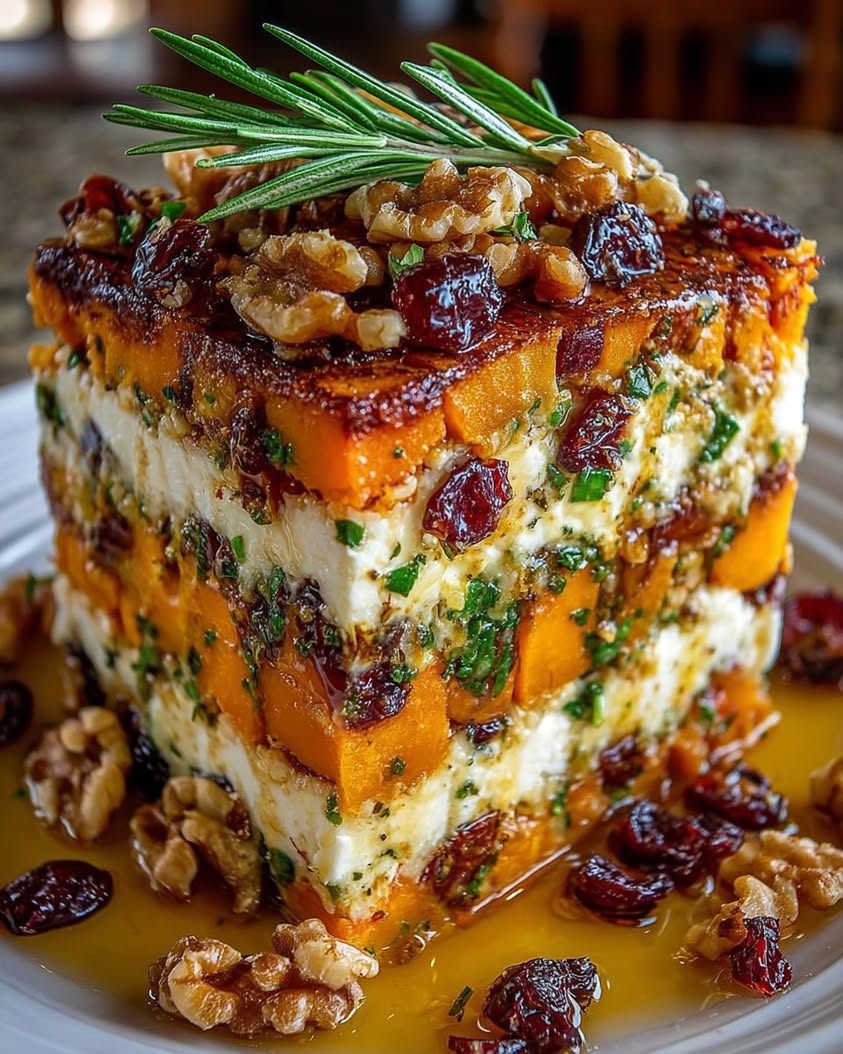
This savory sweet potato, squash, and carrot lasagna with cranberry glaze brings together the best flavors of autumn in one stunning baking dish. Imagine fork-tender ribbons of roasted sweet potato, butternut squash, and carrot layered between tender pasta sheets, creamy ricotta, and tangy feta cheese. Then picture a glossy cranberry glaze drizzled over the top, adding a bright tartness that cuts through the rich, earthy vegetables. This sweet potato, squash, and carrot lasagna with cranberry glaze delivers comfort food at its finest, and it happens to be completely meatless.
You might wonder whether a vegetable lasagna can truly satisfy a hungry crowd. The answer is a resounding yes. The natural sweetness of roasted root vegetables pairs beautifully with salty feta and crunchy walnuts. Meanwhile, the cranberry glaze adds a jewel-toned finish that looks impressive on any table. Whether you serve this dish for a holiday gathering, a Sunday family dinner, or a cozy weeknight meal, it earns rave reviews every single time. Even picky eaters who usually push vegetables aside tend to ask for seconds.
Furthermore, this recipe fits seamlessly into vegetarian meal plans without sacrificing flavor or heartiness. The walnuts add protein and crunch. The ricotta and feta deliver creaminess and tang. Additionally, the cranberry glaze introduces a sweet-tart element that elevates the entire dish from ordinary to unforgettable. If you love layered casseroles and seasonal produce, this sweet potato, squash, and carrot lasagna with cranberry glaze belongs in your regular rotation. Let us walk through every detail so you can make it confidently at home.
Quick Recipe Highlights
- Flavor Profile: Expect a harmony of earthy sweetness from roasted root vegetables, creamy tang from ricotta and feta, and a bright pop of tartness from the cranberry glaze. The walnuts add a subtle nutty depth that ties everything together.
- Texture: Each bite offers tender pasta, velvety ricotta, soft roasted vegetables, and crunchy toasted walnuts. The glaze adds a slight syrupy stickiness that contrasts nicely with the firmer layers.
- Aroma: Your kitchen will fill with the warm scent of roasting sweet potatoes and squash, mingled with sage, thyme, and the fruity fragrance of simmering cranberries.
- Visual Appeal: Deep orange, golden yellow, and vibrant cranberry red create a stunning color palette. Layers peek through the pasta, and the glossy glaze on top catches the light beautifully.
- Skill Level Needed: This recipe suits intermediate home cooks comfortable with layering and roasting. Beginners can succeed with patience and careful reading of the steps.
- Special Equipment: You need a 9×13 inch baking dish, a large skillet, a mixing bowl, and standard kitchen tools like a knife, cutting board, and whisk. A mandoline helps slice vegetables evenly but is optional.
Recipe Overview
- Difficulty Level: Intermediate is the right call here because the recipe involves roasting vegetables, making a glaze, and assembling multiple layers. None of these steps require advanced technique, but they do demand organization. If you can roast vegetables and boil pasta, you can absolutely make this dish.
- Category: This lasagna works as a main course for dinner, a hearty vegetarian entree, or a potluck contribution. It also shines as a holiday centerpiece alongside traditional sides.
- Cuisine: The dish draws from Italian lasagna traditions but incorporates distinctly American autumn flavors. Cranberries and sweet potatoes nod to New England harvest cooking, while feta and walnuts add Mediterranean touches.
- Cost: Expect to spend roughly 18 to 25 dollars depending on your region and whether you buy pre-cut squash. Root vegetables are affordable, and the cheese and walnuts make up most of the cost.
- Season: Fall and winter are ideal because sweet potatoes, butternut squash, and cranberries all reach peak flavor. However, you can make this year-round since most grocery stores stock these ingredients consistently.
- Occasion: Serve this lasagna for Thanksgiving, Christmas Eve, Friendsgiving, or any gathering where you want a wow-worthy vegetarian option. It also works beautifully for meal prep Sundays.
Why You Will Love This Recipe
First and foremost, the taste and texture of this sweet potato, squash, and carrot lasagna with cranberry glaze will win you over immediately. The roasted vegetables develop deep caramelized notes that taste almost luxurious. The creamy ricotta balances the earthy sweetness, while the feta adds salty pops that keep every bite interesting. The cranberry glaze ties everything together with its bright, tangy finish. Texturally, you get soft, creamy, crunchy, and chewy all in one forkful. It is the kind of dish that makes you close your eyes after the first bite.
Convenience also plays a big role in why home cooks return to this recipe. You can roast the vegetables and make the glaze a day ahead. Then assembly becomes a simple layering process that takes maybe fifteen minutes. The oven does the rest of the work. Furthermore, the lasagna reheats beautifully, so leftovers taste just as good on day two or three. For busy families, that kind of flexibility is priceless. You get a homemade, impressive meal without spending hours in the kitchen on serving day.
Nutritionally, this dish delivers far more than typical lasagna. Sweet potatoes load you up with beta-carotene and fiber. Butternut squash adds vitamin C and potassium. Carrots contribute antioxidants and crunch. Walnuts provide omega-3 fatty acids, and cranberries deliver a dose of vitamin C and polyphenols. Even the cheese offers calcium and protein. As a result, you feel satisfied and nourished rather than heavy and sluggish. This is comfort food that actually fuels your body.
Socially and for entertaining, this lasagna shines because it accommodates many dietary needs. Vegetarians can enjoy it without hesitation. You can easily make it gluten-free with GF pasta sheets. The colors and presentation impress guests, and the cranberry glaze gives it a festive look perfect for holidays. Additionally, it feeds a crowd without requiring you to stand at the stove while everyone else mingles. You can assemble it ahead and bake while guests arrive. That hostess-friendly quality makes it a go-to for parties and gatherings.
Finally, cost-effectiveness matters, and this recipe delivers excellent value. Root vegetables rank among the cheapest produce items at the grocery store. A bag of cranberries costs just a few dollars. Walnuts and feta are the priciest items, but you use modest amounts. Compared to a meat lasagna or a fancy restaurant entree, this dish feeds eight people for a fraction of the cost. Therefore, it works beautifully for budget-conscious households that still want a special meal.
Historical Background and Cultural Significance
Lasagna itself traces back to ancient Italy, where Romans baked layers of pasta-like dough with fillings. Over centuries, the dish evolved through regions like Emilia-Romagna and Campania. Traditional lasagna featured meat ragu and bechamel, but cooks eventually experimented with vegetables, cheeses, and seasonal ingredients. The concept of layering root vegetables in pasta is a more modern innovation rooted in farm-to-table cooking movements.
Sweet potatoes, butternut squash, and carrots hold deep cultural importance in American agriculture. Indigenous peoples cultivated squash and beans together for centuries. Sweet potatoes traveled from Central and South America to become a Southern staple. Carrots arrived with European settlers and thrived in home gardens. Combining these vegetables reflects a distinctly American melting pot approach to cooking, where diverse ingredients share one table.
Cranberries hold special significance in Native American culture and New England history. Indigenous tribes used cranberries for food, medicine, and dye. Pilgrims learned to cook with them, and cranberry sauce became a Thanksgiving tradition. The cranberry glaze in this recipe honors that heritage while giving the lasagna a modern twist. Additionally, the combination of sweet and tart mirrors classic American flavor pairings seen in dishes like cranberry-glazed turkey or sweet potato casserole with cranberry topping.
Regional variations of vegetable lasagna exist across Italy and the United States. In Italy, lasagna alla Norma features eggplant, while lasagna al pesto highlights basil and green beans. American cooks created pumpkin lasagna, zucchini lasagna, and butternut squash lasagna as seasonal alternatives. This sweet potato, squash, and carrot lasagna with cranberry glaze joins that proud tradition of adapting a classic to local, seasonal produce. It represents how recipes evolve when cooks honor both tradition and creativity.
Ingredient Deep Dive
Sweet Potatoes: Sweet potatoes originated in Central and South America and spread globally through trade routes. They carry cultural weight in Southern cooking, where they star in pies, casseroles, and candied dishes. Nutritionally, they deliver massive amounts of vitamin A, fiber, and potassium. When selecting, choose firm potatoes with smooth skin and no soft spots. Store them in a cool, dark pantry for up to two weeks. You can substitute regular potatoes, but the flavor changes significantly, so sweet potatoes remain the best choice.
Sweet potatoes also offer versatility in this recipe because roasting concentrates their natural sugars. That caramelization creates deep flavor that complements the feta and cranberry glaze. Additionally, they hold their shape after roasting, which matters when layering. If you want a slightly firmer texture, roast them a few minutes less. For a softer, almost mashed consistency, roast them longer.
Butternut Squash: Butternut squash belongs to the winter squash family and originated in North America. Indigenous peoples cultivated it long before European contact. Culturally, it symbolizes harvest abundance and appears in autumn festivals and holiday menus. Nutritionally, it provides vitamin A, vitamin C, and fiber with very few calories. Look for squash with a long neck and matte skin, which signals ripeness. Store whole squash in a cool, dry place for up to a month. Substitute acorn squash or delicata squash if needed.
Butternut squash brings a silky sweetness that melts into the lasagna layers. Its bright orange hue also adds visual warmth. When roasted, it develops a butter-like texture that pairs beautifully with creamy ricotta. Therefore, do not skip it or replace it with something bland. The squash is essential to the overall flavor profile.
Carrots: Carrots originated in Central Asia and traveled to Europe through trade. They became a staple in cuisines worldwide, from French mirepoix to Indian halwa. Nutritionally, carrots offer beta-carotene, fiber, and antioxidants. Choose firm carrots with bright color and crisp texture. Avoid rubbery or cracked ones. Store them in the refrigerator crisper drawer for up to three weeks. You can substitute parsnips for a different flavor twist.
Carrots add earthy sweetness and a slight bite that keeps the lasagna from tasting mushy. Their orange color blends with the sweet potato and squash, creating a cohesive palette. Additionally, they roast quickly, so slice them evenly for consistent cooking.
Feta Cheese: Feta originated in Greece and holds Protected Designation of Origin status. It appears in Mediterranean cuisine from salads to pastries. Culturally, it represents Greek culinary tradition and hospitality. Nutritionally, feta provides calcium, protein, and probiotics. Look for feta packed in brine for the best flavor and texture. Store it in its brine in the refrigerator for up to two weeks. Substitute goat cheese or ricotta salata if desired.
Feta delivers salty tang that cuts through the sweetness of the vegetables. It also adds creamy crumbles that contrast with the firm pasta. Without feta, the lasagna might taste flat. Therefore, use a good quality feta and crumble it fresh.
Walnuts: Walnuts trace their origins to Persia and spread through trade routes to Europe and North America. They hold cultural significance in many traditions, from Chinese medicine to French cuisine. Nutritionally, walnuts offer omega-3 fatty acids, protein, and antioxidants. Choose walnut halves that smell fresh and nutty, not bitter or rancid. Store them in the refrigerator or freezer for up to six months. Substitute pecans or almonds for variety.
Walnuts add crunch and richness that elevate the lasagna texture. Toasting them deepens their flavor and removes any raw bitterness. Therefore, always toast walnuts before adding them to the dish.
Cranberries: Cranberries are native to North America and hold deep cultural ties to Indigenous peoples and Thanksgiving traditions. Nutritionally, they provide vitamin C, fiber, and antioxidants. Choose firm, bright cranberries that bounce when dropped. Store fresh cranberries in the refrigerator for up to two weeks or freeze for up to a year. Substitute frozen cranberries or dried cranberries in a pinch.
Cranberries make the glaze tart and vibrant, balancing the rich cheeses and sweet vegetables. Their ruby color also beautifies the final dish. Without cranberries, the glaze loses its signature tang. Therefore, use fresh or frozen cranberries for the best results.
Common Mistakes to Avoid
- Not roasting the vegetables first: Raw root vegetables release too much water and turn mushy in the oven. Roasting concentrates flavor and removes excess moisture. Always roast before layering.
- Skipping the pasta rinse: If you use no-boil noodles, you can skip rinsing. However, if you boil regular noodles, rinse them under cold water to stop cooking and prevent sticking.
- Overloading the ricotta: Too much ricotta makes the lasagna heavy and wet. Use the measured amount and spread it thinly. A little goes a long way.
- Forgetting to toast the walnuts: Raw walnuts taste flat and slightly bitter. Toasting them for five minutes in a dry skillet unlocks their nutty flavor. Do not skip this step.
- Making the glaze too thick: The cranberry glaze should drizzle easily. If it thickens too much, add a splash of water or orange juice. Conversely, if it is too thin, simmer it longer.
- Under-seasoning the vegetables: Root vegetables need salt and pepper to shine. Season them before roasting and taste after. Under-seasoned vegetables make the whole dish taste bland.
- Assembling in the wrong order: Start with sauce, then pasta, then ricotta, then vegetables. Ending with pasta and sauce ensures even baking. Follow the layering order carefully.
- Not letting the lasagna rest: Cutting into a lasagna straight from the oven causes it to fall apart. Rest it for at least fifteen minutes. This allows the layers to set.
- Using cold ricotta: Cold ricotta does not spread easily. Let it come to room temperature for thirty minutes before assembling. This makes layering much smoother.
- Overbaking: Once the cheese melts and the edges bubble, the lasagna is done. Overbaking dries out the filling and toughens the pasta. Check at the fifty-minute mark.
Essential Techniques
Roasting Root Vegetables: Roasting is the most important technique in this recipe because it builds the foundational flavor. Chop vegetables into uniform pieces, toss with olive oil, salt, and pepper, and spread them in a single layer on a baking sheet. Do not crowd the pan, or they will steam instead of roast. Roast at 425 degrees Fahrenheit for twenty-five to thirty minutes, flipping halfway. You know they are done when the edges caramelize and a fork slides in easily. This technique matters because roasted vegetables taste sweeter and hold their shape better than boiled or steamed ones.
Making Cranberry Glaze: This technique transforms tart cranberries into a glossy, syrupy glaze. Combine cranberries, honey, orange juice, and a pinch of salt in a saucepan. Simmer over medium heat until the cranberries burst and the mixture thickens, about ten to twelve minutes. Stir frequently to prevent burning. Strain the glaze if you want a smooth finish, or leave it chunky for texture. The glaze should coat the back of a spoon without being too thick. This technique matters because the glaze provides the signature sweet-tart finish that defines the dish.
Layering Lasagna: Layering determines whether your lasagna holds together or turns into a pile. Start with a thin layer of sauce on the bottom of the baking dish. Add pasta sheets, then ricotta, then roasted vegetables, then feta and walnuts. Repeat the layers, finishing with pasta, sauce, and a final sprinkle of feta. Press gently between layers to remove air pockets. This technique matters because even distribution ensures every slice contains all the components. Do not rush the layering process.
Resting Before Slicing: Resting allows the lasagna to set so slices come out clean. After removing it from the oven, tent it loosely with foil and wait fifteen to twenty minutes. During this time, the cheeses firm up and the layers bind together. If you cut too early, the filling oozes out and the slices collapse. This technique matters because presentation affects how people perceive the dish. A clean slice looks appetizing and professional.
Pro Tips for Perfect Savory Sweet Potato, Squash, and Carrot Lasagna
- Roast the vegetables on separate baking sheets if your oven runs small. Overcrowding steams them, which ruins the caramelization.
- Use a mandoline to slice sweet potatoes and squash into thin, even planks. Uniform thickness ensures even cooking and easier layering.
- Warm the ricotta slightly and mix it with one egg and a pinch of nutmeg. This creates a creamier, more flavorful filling that holds together.
- Make the cranberry glaze a day ahead and refrigerate it. The flavors meld overnight, and you save time on assembly day.
- Toast the walnuts in a dry skillet over medium heat for five minutes. Shake the pan often to prevent burning.
- Grease the baking dish with butter or olive oil before layering. This prevents sticking and makes cleanup easier.
- Cover the lasagna with foil for the first thirty minutes of baking, then uncover. This prevents the top from over-browning while the center heats through.
- Let the lasagna rest for a full fifteen minutes before slicing. This step is non-negotiable if you want clean, beautiful portions.
Variations and Adaptations
Regional Variations: In the American South, cooks might add a layer of collard greens or swap feta for pimento cheese. In New England, maple syrup sometimes replaces honey in the glaze for a deeper, earthier sweetness. Italian cooks might use fontina or mozzarella instead of feta and add a sprinkle of nutmeg. Mediterranean versions could include pine nuts instead of walnuts and a touch of cinnamon. Each region brings its own pantry staples to the dish, which shows how versatile this recipe truly is.
Seasonal Adaptations: During fall, use fresh cranberries and local squash for peak flavor. In winter, rely on stored root vegetables and frozen cranberries. Spring might call for adding spinach or peas between the layers. Summer versions could substitute zucchini and yellow squash for the root vegetables, though the flavor changes dramatically. Therefore, embrace what is fresh and adjust the glaze accordingly.
Dietary Modifications: Make it gluten-free by using gluten-free lasagna noodles. For dairy-free, substitute vegan ricotta and omit the feta, or use a cashew-based feta alternative. Vegan versions can use nutritional yeast for tang and tapioca starch for binding. Low-carb eaters can replace pasta sheets with thin slices of zucchini or eggplant. Each modification changes the texture slightly, but the core flavors remain intact.
Flavor Variations: Add smoked paprika to the roasted vegetables for a smoky note. Infuse the ricotta with garlic and lemon zest for brightness. Swap the cranberry glaze for a balsamic reduction if you prefer less sweetness. Add fresh sage or thyme to the vegetable mix for an herbaceous twist. You can also sprinkle red pepper flakes for heat.
Texture Modifications: For a creamier lasagna, puree half the roasted vegetables and fold them into the ricotta. For a crunchier top, add extra walnuts and a sprinkle of panko breadcrumbs mixed with olive oil. If you prefer softer pasta, use regular boiled noodles rather than no-boil sheets. Each tweak tailors the dish to your preferences.
Presentation Alternatives: Instead of a large lasagna, make individual ramekins for personal portions. You can also roll the filling into lasagna roll-ups for a fancier look. Layer the ingredients in a springform pan for a towering presentation. Finally, serve the lasagna in shallow bowls with extra glaze drizzled tableside.
Serving and Presentation Guide
Plating Techniques: Use a sharp knife to cut clean squares, wiping the blade between slices for neat edges. Place each square slightly off-center on a warm plate. Spoon a pool of cranberry glaze beside the lasagna rather than over it, so guests control the amount. This technique keeps the presentation elegant and prevents the glaze from running everywhere.
Garnishing Ideas: Sprinkle fresh orange zest over the top for color and aroma. Add a few toasted walnut halves for height and texture. A sprig of fresh thyme or sage adds a green pop. You can also crumble extra feta over the top just before serving. These small touches make the dish look restaurant-quality.
Traditional Accompaniments: Serve with a simple green salad dressed in lemon vinaigrette. Crusty bread helps sop up extra glaze and sauce. Roasted Brussels sprouts or green beans round out the plate. A glass of dry white wine or sparkling cider completes the meal.
Modern Serving Suggestions: Pair the lasagna with a kale Caesar salad for a trendy twist. Offer a charcuterie board as an appetizer for a dinner party. Serve small squares as an appetizer at cocktail parties. You can also plate it with a dollop of whipped ricotta and a drizzle of honey for a modern look.
Temperature Considerations: Serve the lasagna hot, around 140 degrees Fahrenheit internal temperature. Let it rest so it cools slightly before serving, which prevents burning mouths. The glaze can be served warm or at room temperature. Cold leftover lasagna also tastes excellent, so temperature flexibility works in your favor.
Portion Control Tips: Cut eight generous squares for a main course. For a buffet, cut sixteen smaller squares. Use a spatula to lift portions gently. If serving children, cut smaller pieces and offer extra glaze on the side. Portion control helps the dish stretch further at gatherings.
Wine and Beverage Pairing
Wine Pairings: A dry Riesling pairs beautifully because its acidity cuts through the creamy ricotta and sweet vegetables. Chardonnay with light oak also works, offering buttery notes that complement the squash. For red wine lovers, a light Pinot Noir provides earthy undertones without overwhelming the dish. Avoid heavy tannic reds like Cabernet Sauvignon, which clash with the cranberry glaze. Sparkling wine adds festive effervescence that lifts the palate between bites.
Non-Alcoholic Alternatives: Sparkling apple cider echoes the autumn flavors and pairs wonderfully with the cranberry glaze. Cranberry juice spritzer with lime offers tart refreshment. Ginger ale provides a gentle spice that complements the roasted vegetables. Iced hibiscus tea adds a floral note that balances the richness. Therefore, non-drinkers have plenty of exciting options.
Coffee and Tea Pairings: A light roast coffee with citrus notes complements the glaze without overpowering. Chai tea brings warming spices that echo the autumn theme. Green tea with jasmine offers a clean finish that resets the palate. Herbal tea like rooibos adds natural sweetness. These pairings suit brunch or evening gatherings.
Temperature Considerations: Serve white wines well-chilled at around 45 to 50 degrees Fahrenheit. Red wines taste best slightly below room temperature, around 60 degrees. Sparkling wines need proper chilling to maintain bubbles. Non-alcoholic beverages should be served cold over ice unless they are hot teas. Temperature affects how flavors interact with the food.
Serving Suggestions: Offer a beverage station so guests can choose their own drinks. Provide wine glasses and water glasses side by side. Chill white wines in an ice bucket nearby. Label non-alcoholic options clearly. These small hosting details make gatherings smoother and more enjoyable.
Storage and Shelf Life
Storage Methods: Cool leftovers completely before storing. Cover the baking dish tightly with foil or transfer slices to airtight containers. You can also wrap individual portions in plastic wrap and then foil for extra protection. Store in the refrigerator for up to four days. Proper storage prevents the lasagna from drying out or absorbing fridge odors.
Temperature Requirements: Keep the lasagna at or below 40 degrees Fahrenheit in the refrigerator. Do not leave it at room temperature for more than two hours. If you plan to keep it longer than four days, freeze it instead. Temperature control is critical for food safety.
Container Recommendations: Use glass containers with tight-fitting lids for the best results. Plastic containers work but may stain from the cranberry glaze. Avoid storing in the original baking dish unless it has a lid. Individual portions store well in small containers for grab-and-go lunches.
Signs of Spoilage: Watch for off smells, mold growth, or slimy textures. The glaze may darken slightly, which is normal. However, if the cheese turns yellow or hard, discard the lasagna. When in doubt, throw it out. Food safety always comes first.
Reheating Instructions: Reheat individual portions in the microwave for two to three minutes on medium power. For larger portions, cover with foil and bake at 350 degrees for twenty minutes. Add a splash of water or extra glaze to prevent drying. Reheat until the internal temperature reaches 165 degrees Fahrenheit.
Freezing Guidelines: Freeze the lasagna before baking for the best results. Assemble it, cover tightly with foil, and freeze for up to three months. Bake from frozen at 375 degrees for ninety minutes, removing the foil for the last twenty minutes. You can also freeze baked leftovers, but the texture softens slightly upon reheating.
Make Ahead Strategies
Prep Timeline: Roast the vegetables and make the glaze two days ahead. Store them separately in the refrigerator. The day before serving, mix the ricotta filling and toast the walnuts. On serving day, assemble the lasagna in thirty minutes and bake. This timeline breaks the work into manageable chunks.
Storage Between Steps: Keep roasted vegetables in airtight containers for up to four days. Store the glaze in a glass jar for up to two weeks. Ricotta filling stays fresh for three days. Toasted walnuts keep at room temperature for a week. Label everything with dates to track freshness.
Quality Impact Assessment: Make-ahead preparation barely affects quality. Roasted vegetables actually taste better after a day as flavors meld. The glaze thickens slightly but thins when warmed. Ricotta filling stays creamy. Therefore, make-ahead strategies save time without sacrificing taste.
Assembly Tips: Assemble the lasagna up to twenty-four hours before baking. Cover tightly with foil and refrigerate. Add ten minutes to the baking time if baking from cold. This approach works perfectly for entertaining because you can assemble ahead and relax before guests arrive.
Reheating Guidelines: Reheat assembled unbaked lasagna at 375 degrees for sixty minutes covered, then fifteen minutes uncovered. For baked lasagna, reheat at 350 degrees for twenty-five minutes. Always check the center temperature reaches 165 degrees. Add extra glaze after reheating for freshness.
Fresh Element Additions: Add fresh herbs like basil or parsley after reheating. A squeeze of fresh orange juice brightens the glaze. Extra crumbled feta on top adds freshness. These small additions make leftovers taste newly made.
Scaling Instructions
Halving the Recipe: Use an 8×8 inch baking dish and reduce all ingredients by half. Cooking times stay similar, but check at twenty-five minutes. The glaze halves easily, though you may have extra. Halving works well for smaller households or couples.
Doubling or Tripling: Use two or three 9×13 inch dishes. Roast vegetables on multiple baking sheets to avoid crowding. Make extra glaze in a larger saucepan. Doubling takes about twenty extra minutes of prep but feeds a crowd. Tripling requires planning but works for large events.
Equipment Adjustments: For large batches, borrow extra baking dishes or use disposable aluminum pans. You may need to bake in batches if your oven cannot fit multiple dishes. Rotate pans halfway through baking for even cooking.
Timing Modifications: Larger batches take longer to roast and bake. Add five to ten minutes to roasting time for extra vegetables. Baked lasagna may need ten extra minutes. Always rely on visual cues rather than strict timing.
Storage Considerations: Large batches require more storage containers. Freeze extra portions in meal-sized containers. Share with neighbors or freeze for later. Proper planning prevents waste.
Nutritional Deep Dive
Macro Breakdown: Each serving provides approximately 420 calories, 18 grams of protein, 22 grams of fat, and 42 grams of carbohydrates. The ricotta and feta contribute most of the protein and fat. Sweet potatoes, squash, and pasta supply the carbohydrates. Walnuts add healthy fats. This balance makes the dish satisfying and energizing.
Micronutrient Analysis: Sweet potatoes deliver over 300 percent of your daily vitamin A needs. Butternut squash adds vitamin C and potassium. Carrots contribute beta-carotene and fiber. Cranberries provide antioxidants and vitamin C. Feta offers calcium and probiotics. Walnuts supply omega-3 fatty acids. This dish is a nutritional powerhouse.
Health Benefits: The fiber from root vegetables supports digestive health. Antioxidants from cranberries and carrots fight inflammation. Omega-3s from walnuts support heart and brain health. Probiotics from feta aid gut health. Therefore, this lasagna nourishes your body while pleasing your taste buds.
Dietary Considerations: This recipe is vegetarian but not vegan due to cheese and honey. It contains gluten from pasta and dairy from ricotta and feta. Walnuts are tree nuts. Review the ingredient list if you have allergies. Modifications exist for most dietary needs.
Portion Analysis: One eighth of the lasagna makes a generous main course serving. For lighter appetites, cut sixteenths. Pair with a side salad to round out the meal. Adjust portions based on activity level and hunger.
Weight Management Tips: Use part-skim ricotta and feta to reduce fat. Skip the pasta on top for fewer carbs. Add extra vegetables for volume. Serve with a large salad to fill up on fiber. These tweaks keep the dish satisfying but lighter.
Dietary Adaptations
Gluten-Free: Use gluten-free lasagna noodles, which are widely available. Ensure all other ingredients are certified gluten-free. The vegetables, cheese, and glaze are naturally gluten-free. Check labels on walnuts and any added ingredients. This adaptation works with no flavor loss.
Dairy-Free: Substitute vegan ricotta made from cashews or tofu. Omit feta or use a dairy-free feta alternative. Use olive oil instead of butter for greasing. The glaze remains dairy-free. This version tastes slightly different but still delicious.
Vegan: Combine dairy-free ricotta with nutritional yeast for tang. Skip honey in the glaze and use maple syrup instead. Omit feta entirely or use a cashew-based version. Add extra walnuts for protein. This vegan adaptation satisfies plant-based eaters.
Low-Carb: Replace pasta sheets with thin slices of zucchini or eggplant. Reduce the amount of sweet potato and squash. Increase the ricotta and walnuts for satiety. The carb count drops significantly. This version suits low-carb lifestyles.
Keto: Use zucchini noodles and omit sweet potatoes and carrots. Focus on squash, ricotta, feta, and walnuts. Skip the honey glaze or use a sugar-free sweetener. This keto version is much lower in carbs but still flavorful.
Paleo: Skip pasta and cheese entirely. Layer roasted vegetables with walnuts and a cashew-based cream. Use maple syrup in the glaze. This paleo version is grain-free and dairy-free.
Low-FODMAP: Use lactose-free ricotta and feta. Avoid garlic and onion in the ricotta. Sweet potatoes are high-FODMAP in large amounts, so reduce them. Butternut squash is moderate, so monitor portions. This adaptation requires care but is possible.
Other Specific Diets: For nut-free, omit walnuts and add sunflower seeds. For soy-free, check all packaged ingredients. For low-sodium, reduce salt and rinse feta. Most diets can accommodate this lasagna with minor tweaks.
Troubleshooting Guide
Texture Issues: If the lasagna turns out watery, the vegetables probably held too much moisture. Roast them longer next time or drain them on paper towels. If it seems dry, add extra sauce or glaze. If the pasta is tough, use more sauce or boil noodles before baking. Texture problems usually trace back to moisture balance.
Flavor Balance: If the lasagna tastes too sweet, add more feta or a squeeze of lemon. If it tastes bland, increase salt and pepper in the vegetables. If the glaze overwhelms, serve it on the side. Taste as you go and adjust before baking.
Temperature Problems: If the center stays cold while the edges burn, cover with foil and lower the temperature to 350 degrees. If the top browns too fast, tent with foil earlier. An oven thermometer helps ensure accurate temperatures. Always preheat fully before baking.
Equipment Challenges: If your baking dish is too small, use two smaller dishes. If you lack a mandoline, slice vegetables as thinly as possible with a sharp knife. If your skillet is small, make the glaze in batches. Adapt equipment to what you have.
Ingredient Substitutions: If you cannot find butternut squash, use acorn or delicata. If feta is unavailable, use goat cheese. If cranberries are out of season, use frozen or dried. Substitutions change the flavor slightly but keep the dish workable.
Timing Concerns: If guests arrive early, let the lasagna rest longer before baking. If you run short on time, bake at 400 degrees and check frequently. If the glaze thickens too much, thin it with water. Flexible timing reduces stress.
Recipe
PrintLayered Sweet Potato, Butternut Squash, Carrot Lasagna with Feta, Walnuts, and Cranberry-Honey Glaze
-
Total Time: 1 hour 30 minutes
-
Yield: 8
Description
A delightful vegetarian lasagna featuring layers of sweet potato, butternut squash, and carrot, complemented by creamy feta, crunchy walnuts, and a sweet-tart cranberry-honey glaze. Perfect for a cozy dinner.
Ingredients
- 2 large sweet potatoes, peeled and thinly sliced
- 1 medium butternut squash, peeled, seeded, and thinly sliced
- 3 large carrots, peeled and thinly sliced
- 12 lasagna noodles (oven-ready or cooked according to package)
- 2 cups crumbled feta cheese
- 1 cup chopped walnuts
- 1/2 cup dried cranberries
- 1/4 cup honey
- 2 tablespoons olive oil
- 1 teaspoon salt
- 1/2 teaspoon black pepper
- 1 teaspoon dried thyme
- 1/2 teaspoon ground nutmeg
- 2 cups vegetable broth
- 1 cup heavy cream (optional, for richness)
Instructions
- Preheat oven to 375°F (190°C). Grease a 9×13 inch baking dish.
- In a small bowl, whisk together honey, dried cranberries, and 2 tablespoons of warm water to make the glaze. Set aside.
- Layer the bottom of the baking dish with a thin layer of vegetable broth. Place a layer of lasagna noodles over it.
- Arrange a layer of sweet potato slices over the noodles, then a layer of butternut squash, then carrots. Sprinkle with some feta, walnuts, salt, pepper, thyme, and nutmeg. Drizzle with a little olive oil and some of the cranberry-honey glaze.
- Repeat layers (noodles, vegetables, feta, walnuts, seasonings, glaze) until all ingredients are used, finishing with a layer of noodles topped with remaining feta, walnuts, and glaze. Pour vegetable broth and heavy cream (if using) over the top.
- Cover with foil and bake for 45 minutes. Remove foil and bake for an additional 15-20 minutes, until vegetables are tender and top is golden brown.
- Let rest for 10 minutes before serving.
Notes
You can customize the seasonings to taste. For a vegan version, omit feta and heavy cream, and use maple syrup instead of honey.
- Prep Time: 30 minutes
- Cook Time: 1 hour
- Method: Main
- Cuisine: American
Layered Sweet Potato, Butternut Squash, Carrot Lasagna with Feta, Walnuts, and Cranberry-Honey Glaze
- Total Time: 1 hour 30 minutes
- Yield: 8
Description
A delightful vegetarian lasagna featuring layers of sweet potato, butternut squash, and carrot, complemented by creamy feta, crunchy walnuts, and a sweet-tart cranberry-honey glaze. Perfect for a cozy dinner.
Ingredients
- 2 large sweet potatoes, peeled and thinly sliced
- 1 medium butternut squash, peeled, seeded, and thinly sliced
- 3 large carrots, peeled and thinly sliced
- 12 lasagna noodles (oven-ready or cooked according to package)
- 2 cups crumbled feta cheese
- 1 cup chopped walnuts
- 1/2 cup dried cranberries
- 1/4 cup honey
- 2 tablespoons olive oil
- 1 teaspoon salt
- 1/2 teaspoon black pepper
- 1 teaspoon dried thyme
- 1/2 teaspoon ground nutmeg
- 2 cups vegetable broth
- 1 cup heavy cream (optional, for richness)
Instructions
- Preheat oven to 375°F (190°C). Grease a 9×13 inch baking dish.
- In a small bowl, whisk together honey, dried cranberries, and 2 tablespoons of warm water to make the glaze. Set aside.
- Layer the bottom of the baking dish with a thin layer of vegetable broth. Place a layer of lasagna noodles over it.
- Arrange a layer of sweet potato slices over the noodles, then a layer of butternut squash, then carrots. Sprinkle with some feta, walnuts, salt, pepper, thyme, and nutmeg. Drizzle with a little olive oil and some of the cranberry-honey glaze.
- Repeat layers (noodles, vegetables, feta, walnuts, seasonings, glaze) until all ingredients are used, finishing with a layer of noodles topped with remaining feta, walnuts, and glaze. Pour vegetable broth and heavy cream (if using) over the top.
- Cover with foil and bake for 45 minutes. Remove foil and bake for an additional 15-20 minutes, until vegetables are tender and top is golden brown.
- Let rest for 10 minutes before serving.
Notes
You can customize the seasonings to taste. For a vegan version, omit feta and heavy cream, and use maple syrup instead of honey.
- Prep Time: 30 minutes
- Cook Time: 1 hour
- Method: Main
- Cuisine: American