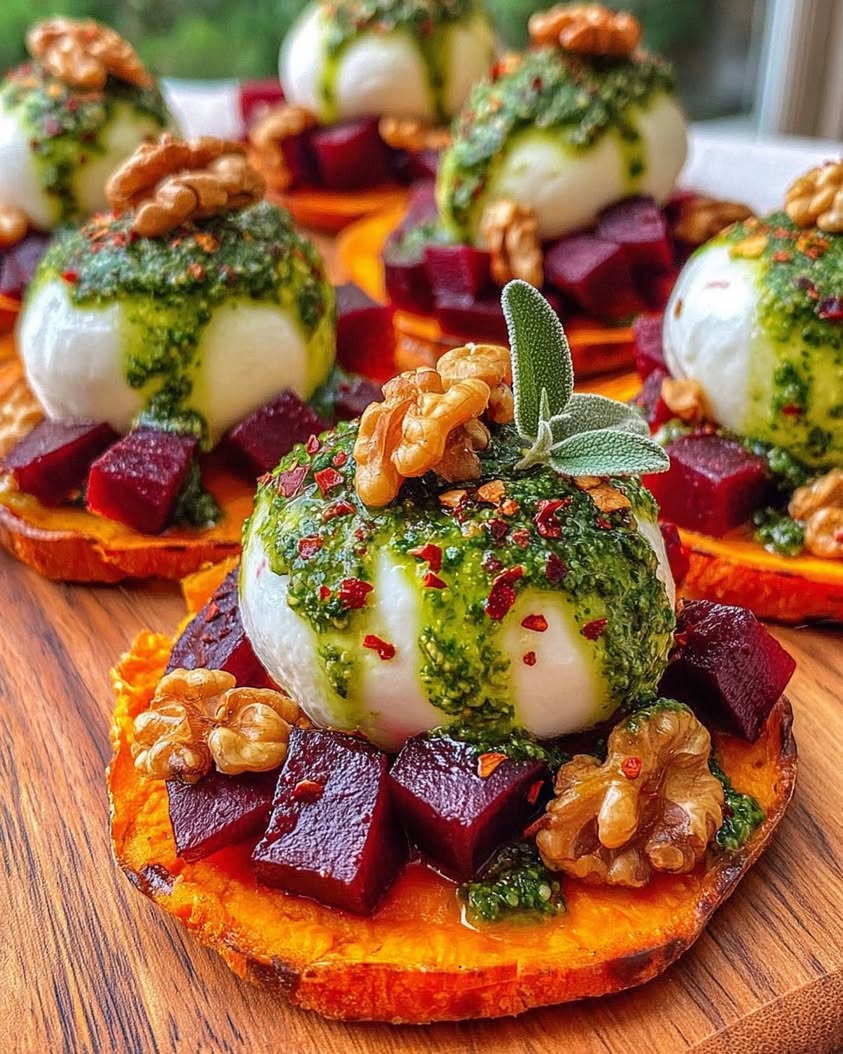
Sweet Potato Rounds with Burrata, Roasted Beets, and Walnut Sage Pesto: An Easy Elegant Appetizer
There is something magical about a dish that looks like it came from a high-end restaurant but actually comes together in your own kitchen without a lot of fuss. Sweet Potato Rounds with Burrata, Roasted Beets, and Walnut Sage Pesto is exactly that kind of recipe. It is the perfect appetizer for holiday gatherings, dinner parties, or even a quiet weekend treat. Each element brings a distinct texture and flavor, and when you combine them, you get a bite that is creamy, earthy, sweet, and herbaceous all at once.
You might think that a dish this elegant requires complicated techniques or hard-to-find ingredients. But that is not the case at all. You just need a few fresh items and a little bit of patience for roasting. The sweet potatoes become tender and caramelized in the oven. The beets turn deep red and sweet. The walnut sage pesto comes together in a food processor in under five minutes. And the burrata? That is the star. It is rich, milky, and soft. It ties everything together and makes every bite feel indulgent.
When you serve Sweet Potato Rounds with Burrata, Roasted Beets, and Walnut Sage Pesto, you are giving your guests something beautiful to look at and something delicious to eat. It is also a recipe that works well for different dietary needs. It is naturally gluten-free. You can adjust it to make it vegetarian or even vegan with a few swaps. So, whether you are hosting a Thanksgiving dinner or a casual get-together, this appetizer will earn you compliments and maybe even requests for the recipe.
Quick Recipe Highlights
- Flavor Profile: This dish balances sweet, savory, and earthy notes. The roasted sweet potatoes add natural caramel sweetness. The beets bring an earthy and slightly tangy flavor. The walnut sage pesto adds herbaceous and nutty depth. The burrata is rich and mild. Together, they create a harmonious bite that is complex but not overwhelming.
- Texture: You get a wonderful contrast in every mouthful. The sweet potato rounds are soft but hold their shape. The beets are tender but slightly firm. The pesto is smooth and silky. The burrata is creamy and almost liquid in the center. This variety of textures keeps each bite interesting.
- Aroma: The roasting process fills your kitchen with a warm, nutty scent. Walnuts and sage in the pesto add an aromatic, almost woodsy fragrance. The beets have a subtle earthiness that rounds out the smell. It is a comforting and inviting aroma that builds anticipation.
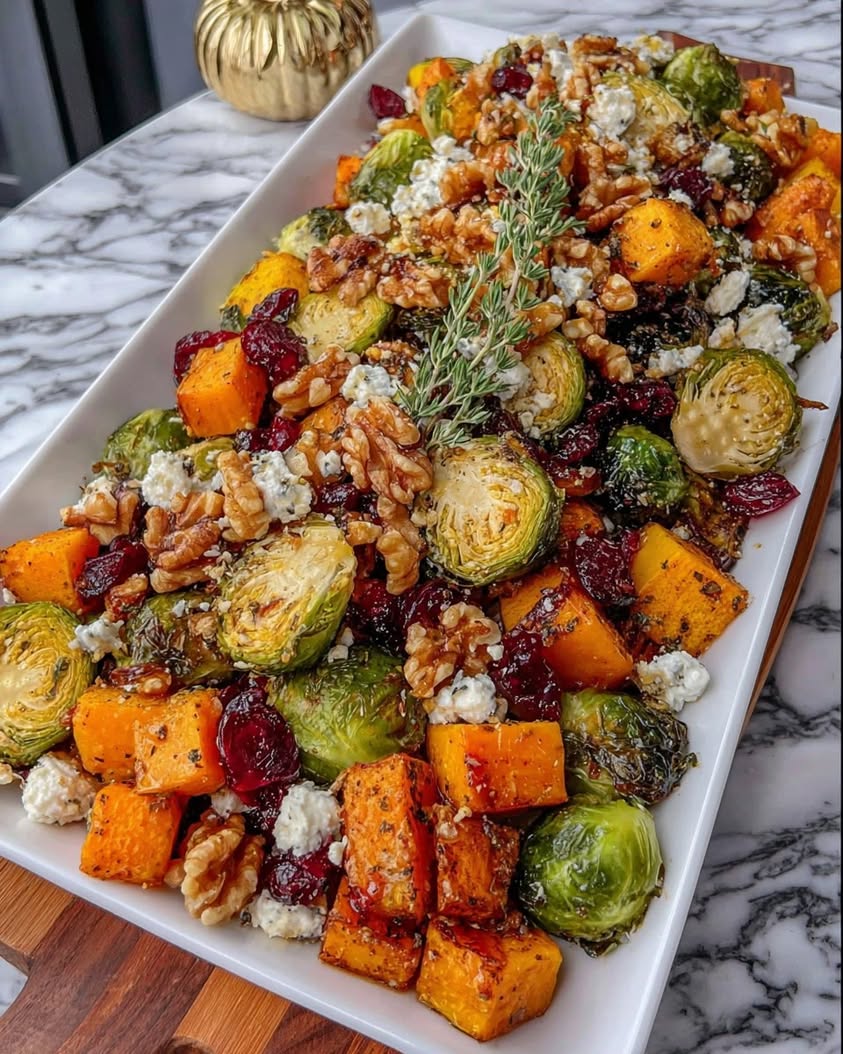
- Visual Appeal: This appetizer is a feast for the eyes. The orange sweet potatoes contrast beautifully with the deep red beets. The white burrata sits on top like a cloud. The green pesto adds a fresh pop of color. A sprinkle of black pepper and a few sage leaves finish the look. It is restaurant-quality plating at home.
- Skill Level Needed: You do not need to be a professional chef to make this dish. The techniques involved are basic roasting and blending. The only tricky part is handling the burrata without breaking it. But with a gentle hand, anyone can do it. This recipe is approachable for home cooks of all levels.
- Special Equipment: A food processor or high-speed blender is useful for the pesto. A baking sheet is needed for roasting. You will also want a sharp knife for slicing the sweet potatoes and beets. That is it. No special gadgets are required. Most kitchens already have everything you need.
Recipe Overview
- Difficulty Level: I rate this recipe as medium difficulty because it involves multiple components. You have to roast the sweet potatoes and beets separately. You also need to make the pesto from scratch. And you must assemble each round carefully. However, each step is straightforward and forgiving. Even if you are not an experienced cook, you can succeed with this recipe. The key is to read everything first and prepare your ingredients before you start.
- Category: This dish works well as an appetizer, a starter, or even a light lunch. It is substantial enough to stand on its own but elegant enough to precede a main course. It also fits into the category of vegetable-forward dishes. People who love roasted vegetables will enjoy this recipe. It is perfect for anyone looking for a creative way to serve root vegetables.
- Cuisine: This recipe draws inspiration from Italian and American cooking traditions. The burrata and pesto are Italian staples. The roasted sweet potatoes and beets feel very American, especially in fall and winter dishes. The combination of these elements creates a fusion that feels fresh and familiar. It is a modern take on classic flavors.
- Cost: The ingredients for Sweet Potato Rounds with Burrata, Roasted Beets, and Walnut Sage Pesto are relatively affordable. Sweet potatoes and beets are budget-friendly root vegetables. Walnuts and sage are also reasonably priced. Burrata can be a bit more expensive, but you only need one ball for this recipe. Overall, you can serve this appetizer for about three to four dollars per serving, which is great value for a dish that looks and tastes this impressive.
- Season: This recipe is best in the fall and winter months. Sweet potatoes and beets are in season during these colder times. They are also the star ingredients, and they taste their best when they are freshly harvested. The warm, earthy flavors are perfect for cool weather entertaining. However, you can enjoy this dish year-round if you can find good produce.
- Occasion: This appetizer is perfect for holidays, dinner parties, and special occasions. It looks impressive on a platter and feels festive. It is also a great choice for Thanksgiving, Christmas, or New Year celebrations. Because it is not too heavy, it works well as a starter before a big meal. It is also wonderful for brunch or a ladies lunch.
Why You Will Love This Recipe
You will love this recipe because it delivers an incredible taste and texture experience. The sweet potato rounds are roasted until they are tender and slightly caramelized on the edges. They have a natural sweetness that pairs perfectly with the creamy, rich burrata. The roasted beets add a deep, earthy flavor and a beautiful color. The walnut sage pesto brings a fresh, herbaceous note with a nutty finish. Every single bite offers a new combination of flavors and textures. It is a dish that feels special without being complicated.
Convenience is another major reason to love this recipe. Yes, it has multiple components, but you can prepare most of them ahead of time. You can roast the sweet potatoes and beets the day before and keep them in the refrigerator. You can also make the pesto in advance and store it in the fridge. When it is time to serve, you just need to assemble everything. That means less stress on the day of your event. You can spend more time with your guests and less time in the kitchen.
Nutritional advantages also make this recipe a winner. Sweet potatoes are packed with vitamin A, fiber, and antioxidants. Beets are rich in folate, potassium, and nitrates that support heart health. Walnuts are a great source of omega-3 fatty acids and protein. Sage has anti-inflammatory properties. Even the burrata provides calcium and protein. This appetizer is not just delicious. It is also nutrient-dense and satisfying. It will fill you up without weighing you down.
Social and entertaining value is another huge plus. When you bring a platter of Sweet Potato Rounds with Burrata, Roasted Beets, and Walnut Sage Pesto to the table, it becomes a conversation piece. Guests love the colors and the presentation. They ask questions about the ingredients and how you made it. It makes you look like a culinary wizard. It also encourages people to try something new. Many guests have never had roasted beets or burrata before, and this recipe introduces them to these delicious foods in a fun way.
Cost-effectiveness and accessibility are the final reasons to love this recipe. You do not need to spend a fortune to create an elegant appetizer. Sweet potatoes and beets are some of the most affordable vegetables you can buy. Walnuts and sage are also budget-friendly. The only splurge is burrata, but you only need one ball to serve eight people. This recipe proves that you do not need expensive ingredients to make something impressive. It is all about how you combine and present them.
Historical Background and Cultural Significance
Sweet potatoes have a long and fascinating history. They originated in Central and South America thousands of years ago. Indigenous peoples cultivated them before European contact. Spanish explorers brought sweet potatoes to Europe in the 15th century. From there, they spread to Asia and Africa. Today, sweet potatoes are a staple food in many cultures. They are prized for their sweetness, versatility, and nutritional value. In the United States, sweet potatoes are especially popular during the fall and winter holidays. They are a classic side dish for Thanksgiving and Christmas dinners.
Beets also have an ancient history. They were first cultivated in the Mediterranean region. The ancient Romans and Greeks used them for their leaves and roots. Beets were valued for their medicinal properties as well as their taste. Over time, different varieties of beets developed, including the red, golden, and striped Chioggia. Beets have become a staple in Eastern European cuisine, especially in soups like borscht. In recent years, they have gained popularity in the United States as a superfood. Their earthy flavor and vibrant color make them a favorite for salads and roasted dishes.
Burrata is a relatively modern invention compared to other cheeses. It was first created in the early 20th century in the Apulia region of Italy. The story goes that cheese makers wanted to use up leftover mozzarella curds. They stretched the curds into a pouch and filled it with cream and soft curds. The result was burrata, which means buttery in Italian. This cheese quickly became a delicacy in Italy. It is now enjoyed worldwide for its rich, creamy texture and mild flavor. Burrata is best eaten fresh, and it is often served with simple accompaniments like tomatoes, basil, and olive oil.
Walnut sage pesto is a variation of the classic basil pesto from Genoa, Italy. Traditional pesto is made with basil, garlic, pine nuts, Parmesan cheese, and olive oil. Over time, creative cooks started experimenting with different herbs and nuts. Walnuts are a common substitute for pine nuts because they are more affordable and have a similar richness. Sage adds a warm, earthy flavor that pairs beautifully with winter vegetables. This variation has become popular in modern Italian-American cooking. It is a way to use seasonal ingredients and create new flavor combinations while keeping the spirit of pesto alive.
Ingredient Deep Dive
Sweet potatoes are a nutritional powerhouse with a rich history. They have been cultivated for over 5,000 years in Central and South America. In many cultures, they are a symbol of abundance and good health. Sweet potatoes are packed with beta-carotene, which your body converts into vitamin A. One medium sweet potato provides over 400% of your daily vitamin A needs. They are also high in vitamin C, potassium, and fiber. Selecting the best sweet potatoes is important. Look for ones that are firm, smooth, and free of cracks or soft spots. They should feel heavy for their size. Store them in a cool, dark place like a pantry. Do not refrigerate them, as cold temperatures can alter their taste and texture. If you need a substitute, you can use regular potatoes, but the flavor will be less sweet.
Beets are another ancient vegetable with a deep red color and a sweet, earthy flavor. They are native to the Mediterranean region and have been used for food and medicine for centuries. Beets are a great source of folate, manganese, and potassium. They also contain nitrates, which can help lower blood pressure and improve athletic performance. When selecting beets, choose ones that are firm and smooth with fresh, green tops if possible. Avoid beets that are soft, wrinkled, or have spots. You can store beets in the refrigerator in a plastic bag for two to three weeks. Cut the greens off before storing because the leaves draw moisture from the root. If you prefer, you can substitute golden or Chioggia beets for a milder flavor and a different look. They roast just as well as red beets.
Burrata is a fresh Italian cheese that is a bit of a luxury. It was invented in the early 1900s in the Puglia region. The name means buttery in Italian, which describes its rich, creamy interior. Burrata is made from cow milk and consists of an outer shell of mozzarella and an inner filling of stracciatella and cream. Selecting good burrata is key to the dish. Look for a ball that feels plump and slightly springy to the touch. It should not be leaking liquid. Store burrata in its original liquid in the refrigerator and use it within a day or two of purchase for the best flavor and texture. You can substitute fresh mozzarella or even ricotta. But the creamy interior of burrata is what makes this dish special, so try to find it if you can.
Walnuts are an ancient nut with a rich, buttery flavor. They have been eaten for thousands of years in the Middle East and Europe. Walnuts are an excellent source of omega-3 fatty acids, which are important for heart and brain health. They also contain protein, fiber, and antioxidants. When selecting walnuts, look for ones that are plump and uniform in color. Avoid any that smell rancid or have a bitter taste. Store walnuts in an airtight container in a cool, dark place. They can also be refrigerated or frozen to extend their shelf life. In this pesto, walnuts provide a creamy texture and a nutty flavor that balances the sage. You can substitute pine nuts, almonds, or pecans if you prefer.
Sage is an aromatic herb with a long history in culinary and medicinal traditions. It is native to the Mediterranean region and has been used since ancient times. The name sage comes from the Latin word salvia, which means to heal. Sage has a warm, slightly peppery flavor with a hint of mint and eucalyptus. It pairs wonderfully with rich and savory foods. Fresh sage is preferred for this pesto because it has a more vibrant flavor. When selecting sage, look for leaves that are bright green and free of wilting or yellow spots. Store fresh sage in the refrigerator wrapped in a damp paper towel inside a plastic bag. It will last for about a week. Dried sage can be used in a pinch, but the flavor will be less intense.
Common Mistakes to Avoid
- Cutting the sweet potatoes too thin is a common error. If they are too thin, they will burn before the centers become tender. Aim for rounds that are about half an inch thick. This thickness ensures they cook evenly and stay soft inside.
- Overcooking the beets is another issue. Beets will become mushy and lose their texture if you leave them in the oven too long. Check them after 30 minutes with a fork. They should be tender but still hold their shape. Remove them immediately once they are done.
- Making the pesto too far in advance can cause it to lose its vibrant color and flavor. Sage and walnuts both oxidize over time. It is best to make the pesto on the same day you plan to serve the dish. If you must make it ahead, press plastic wrap directly onto the surface to minimize oxidation.
- Not draining the burrata properly can make the dish watery. Burrata has a lot of liquid inside and around it. Gently pat the burrata dry with a paper towel before placing it on the sweet potato rounds. This step prevents the other components from getting soggy.
- Assembling the rounds too early is a mistake you should avoid. The longer the dish sits, the more the pesto and beets will stain the sweet potatoes. It also softens the sweet potato rounds more than you want. Assemble just before serving for the best presentation and texture.
- Using raw beets instead of roasted is a big error. Raw beets are very hard and have an intense earthy flavor. Roasting them brings out their natural sweetness and makes them tender. Always roast the beets before adding them to the dish.
- Forgetting to season each component separately is a common oversight. The sweet potatoes need salt and pepper. The beets need a little salt. The pesto needs salt and maybe a pinch of red pepper flakes. Tasting each layer ensures that the finished dish is well-seasoned and not bland.
- Overcrowding the baking sheet when roasting the sweet potatoes and beets leads to steaming instead of roasting. The vegetables will be soft and pale instead of caramelized. Spread them out in a single layer on the baking sheet with space between each piece.
- Using a food processor to make the pesto for too long can turn it into a paste. You want the pesto to have some texture. Pulse the ingredients until they are combined but still coarse. Over-blending will make the pesto smooth and less interesting.
- Storing leftover components incorrectly can cause them to spoil. Keep the sweet potatoes and beets in separate airtight containers in the refrigerator. The pesto should be stored with a layer of olive oil on top to prevent browning. The burrata should be eaten the same day for the best quality.
Essential Techniques
Roasting sweet potatoes is a fundamental technique that brings out their natural sweetness. The process involves high heat, typically around 400 degrees Fahrenheit, which caramelizes the natural sugars. To master this technique, cut the sweet potatoes into uniform half-inch rounds. Toss them in olive oil and a generous pinch of salt. Spread them in a single layer on a baking sheet with space around each piece. Roast for 20 to 25 minutes, then flip them and roast for another 10 to 15 minutes. The visual cue for success is a golden-brown exterior and a tender interior that yields easily to a fork. Avoid opening the oven too often, as this lets out heat and slows down the caramelization process.
Roasting beets requires a slightly different approach because they are denser and have tough skins. Before roasting, trim the greens and roots, then scrub them clean. You can wrap each beet in aluminum foil with a drizzle of olive oil and a pinch of salt. Roast them at 400 degrees Fahrenheit for 45 to 60 minutes. The cooking time depends on the size of the beets. A visual cue for doneness is when a knife slides into the center with little resistance. Let them cool slightly, then rub off the skins with a paper towel. This method produces tender, sweet beets without any bitterness.
Making walnut sage pesto is a quick and rewarding technique. Start by toasting the walnuts in a dry skillet over medium heat for two to three minutes. This step enhances their nutty flavor. Then combine the walnuts, fresh sage leaves, garlic, grated Parmesan cheese, and a squeeze of lemon juice in a food processor. Pulse until everything is coarsely chopped. With the motor running, drizzle in olive oil until the pesto reaches your desired consistency. The key is to not over-process it. You want some texture from the walnuts and sage. Taste and adjust the seasoning with salt and pepper. For a dairy-free version, omit the Parmesan and add a little more salt.
Assembling the sweet potato rounds is the final technique that brings everything together. Start by laying the roasted sweet potato rounds on a serving platter. Spoon a small amount of the walnut sage pesto onto each round. Next, place a few slices of roasted beet on top of the pesto. Then, tear the burrata into small pieces and place a few pieces on each round. Finish with a tiny drizzle of pesto, a sprinkle of flaky sea salt, and a fresh sage leaf for garnish. The goal is to create a tower of flavors and textures. Serve immediately to enjoy the contrast between the warm sweet potatoes and the cool, creamy burrata.
Pro Tips for Perfect Sweet Potato Rounds with Burrata, Roasted Beets, and Walnut Sage Pesto
Always use a sharp chef knife to slice the sweet potatoes. A dull knife can crush the edges and create uneven slices that cook differently. A sharp knife makes clean cuts and helps the rounds cook evenly.
Roast the sweet potatoes and beets on separate baking sheets. They have different cooking times and different moisture content. Separating them ensures each one is roasted perfectly without stealing moisture from the other.
Use a microplane to grate the Parmesan cheese for the pesto. Pre-shredded cheese often has anti-caking agents that prevent it from blending smoothly. Freshly grated Parmesan melts better and gives a creamier texture to the pesto.
Let the beets cool completely before peeling and slicing them. Hot beets are slippery and hard to handle. Cooling them makes the skins slip off easily and allows for cleaner slices that do not fall apart.
Toast the walnuts before making the pesto. This step takes only a few minutes but makes a huge difference. Toasted walnuts have a deeper, nuttier flavor that adds complexity to the pesto. Watch them closely because they can burn quickly.
If you are short on time, you can use store-bought pesto. But look for a good-quality one made with real ingredients. Then just stir in some toasted walnuts and chopped fresh sage to mimic the flavors of the homemade version.
To prevent the sweet potato rounds from sticking to the baking sheet, line it with parchment paper. This also makes cleanup much easier. The parchment paper helps the rounds brown evenly without sticking.
Serve the dish on a large, flat platter instead of individual plates. The visual impact of a whole platter is more impressive. It also allows guests to help themselves and choose how many rounds they want.
Variations and Adaptations
Regional variations of this dish can be inspired by different cuisines. For a Mediterranean twist, add crumbled feta cheese instead of burrata and garnish with Kalamata olives. The salty feta and briny olives complement the sweet potatoes and beets beautifully. For a Middle Eastern variation, use labneh instead of burrata and sprinkle with sumac and zaatar. The tangy labneh and earthy spices create a unique flavor profile.
Seasonal adaptations are easy to make with this recipe. In the summer, substitute grilled peaches or nectarines for the roasted beets. The sweetness of grilled stone fruit pairs wonderfully with the creamy burrata and sage. In the spring, use roasted asparagus instead of beets. The bright green color and tender texture make for a lighter version of the dish. In the fall, add a sprinkle of roasted pumpkin seeds on top for extra crunch.
Dietary modifications are also possible. For a dairy-free version, use a dairy-free cream cheese or a thick cashew cream instead of burrata. The texture will be slightly different, but it still provides a creamy element. For a vegan version, use a nut-based cheese and omit the Parmesan from the pesto. You can also add a drizzle of balsamic reduction for acidity. For a low-carb version, substitute roasted eggplant slices for the sweet potatoes. The eggplant is tender and absorbs the flavors of the pesto well.
Flavor variations can change the character of the dish. Try using basil pesto instead of walnut sage pesto for a more traditional Italian flavor. Or use a cilantro-lime pesto for a fresh, zesty twist. Add a pinch of red pepper flakes to the pesto for a bit of heat. You can also incorporate a drizzle of honey or balsamic glaze on top for extra sweetness.
Texture modifications can make the dish even more interesting. Add a crunch element by topping the rounds with toasted breadcrumbs or crushed croutons. The texture of the rounds is already soft, so a crunchy topping adds contrast. You can also add some arugula or microgreens for a peppery bite and a fresh, green appearance.
Presentation alternatives can make the dish look different every time you serve it. Instead of serving the rounds on a platter, try serving them in a stack. Place one sweet potato round, then a slice of beet, then a piece of burrata, and then another round. It creates a small tower that looks very elegant. You can also serve the components deconstructed on a board so guests can build their own.
Serving and Presentation Guide
Plating techniques for this dish should focus on height and color. Start by arranging the sweet potato rounds in a spiral pattern on a large, flat platter. This arrangement gives the dish a beautiful, organic feel. Then place a small dollop of pesto on each round, followed by a slice of beet and a piece of burrata. The layers create a visual sense of depth and abundance. Using a white platter helps the colors of the ingredients stand out.
Garnishing ideas are simple but impactful. A few fresh sage leaves placed on top of the burrata add a pop of green and a hint of aroma. A sprinkle of flaky sea salt on top of the burrata provides a burst of saltiness against the creamy cheese. A drizzle of extra virgin olive oil over the entire platter adds shine and richness. A few crushed walnuts scattered around the plate add texture and visual interest.
Traditional accompaniments for this dish include crusty bread or crostini. The bread is perfect for soaking up any extra pesto or juices from the beets and burrata. It also adds a satisfying crunch. A simple green salad with a lemon vinaigrette is a nice side to balance the richness of the dish. The acidity of the vinaigrette cuts through the creaminess of the burrata.
Modern serving suggestions can include using the sweet potato rounds as a base for a larger meal. You can serve them as a main course salad component. Arrange the rounds over a bed of arugula with more beets, burrata, and pesto. This turns the appetizer into a full lunch or light dinner. For a party, you can serve the rounds on individual spoons as a one-bite appetizer.
Temperature considerations are important for the best experience. The sweet potatoes and beets should be warm or at room temperature when served. Serve the burrata chilled but not freezing cold. The contrast between the warm base and the cool cheese is a key part of the appeal. If you make the components ahead of time, reheat the sweet potatoes and beets gently in the oven before assembling.
Portion control tips depend on the context. As an appetizer for a dinner party, plan for two to three rounds per person. If you are serving a larger buffet, you might want to prepare about four to five rounds per person because people will likely go back for more. The rounds are rich, so a few pieces are usually enough to satisfy.
Wine and Beverage Pairing
Wine pairings for this dish should complement the earthy and creamy flavors. A light to medium white wine like Sauvignon Blanc works well. Its citrus and grassy notes cut through the richness of the burrata. A dry Riesling also pairs nicely because its slight sweetness mirrors the sweetness of the roasted sweet potatoes and beets. For red wine lovers, a light Pinot Noir is a good choice. It has earthy notes that match the beets and sage, and its low tannins do not overwhelm the dish.
Non-alcoholic alternatives are also wonderful. A sparkling water with a splash of pomegranate juice is refreshing and festive. The tartness of the pomegranate juice balances the creaminess of the burrata. A chilled herbal iced tea, like mint or chamomile, complements the sage in the pesto. It is also a good choice for guests who want something light and non-alcoholic.
Coffee and tea pairings are not typical for an appetizer, but they can work depending on the occasion. If you are serving this dish for brunch, a light coffee with a splash of milk is enjoyable. The coffee bitterness contrasts with the sweetness of the vegetables. A chai tea latte with its warm spices also pairs well with the sage and walnuts in the pesto.
Temperature considerations for beverages are simple. White wines and sparkling beverages should be served chilled. Red wines, like Pinot Noir, should be served slightly below room temperature. Non-alcoholic drinks are best served very cold. The cold beverages offer a refreshing contrast to the warm sweet potatoes and creamy burrata.
Serving suggestions for beverages include offering both a red and a white wine so guests can choose. Set out a pitcher of cucumber and mint water for hydration. This is especially important if you are serving alcohol. The water helps refresh the palate between bites.
Storage and Shelf Life
Storage methods for the components of this dish are important to maintain quality. The roasted sweet potatoes and beets can be stored in separate airtight containers in the refrigerator. They will stay fresh for up to four days. The walnut sage pesto should be stored in a jar with a layer of olive oil on top to prevent browning. Cover it tightly with a lid and refrigerate. It will keep for up to one week.
Temperature requirements are crucial for food safety. The cooked vegetables should be kept at 41 degrees Fahrenheit or below. The pesto also needs refrigeration because of the fresh garlic and Parmesan cheese. Always allow the vegetables to cool completely before storing them to prevent condensation and sogginess during storage.
Container recommendations are straightforward. Use glass containers for the pesto because plastic can sometimes absorb odors. For the vegetables, any airtight container will work. If you are storing the beets and sweet potatoes together, they will bleed color into each other. It is better to store them separately.
Signs of spoilage include a sour smell from the burrata or pesto, a slimy texture on the vegetables, or the presence of mold. If you notice any of these signs, discard the entire component. Do not risk eating spoiled food. Always trust your senses.
Reheating instructions for the vegetables are simple. Place the roasted sweet potatoes and beets on a baking sheet in a 350 degree Fahrenheit oven for about 10 minutes. This restores their warmth without drying them out. You can also reheat them in a microwave for 30 seconds, but the texture will be slightly less ideal.
Freezing guidelines are limited because of the burrata and pesto. The burrata does not freeze well because its creamy texture changes. The pesto can be frozen in ice cube trays for up to three months. The roasted sweet potatoes and beets can be frozen for up to two months. Allow them to cool completely, then place them in freezer bags. For best results, thaw them in the refrigerator before reheating.
Make Ahead Strategies
Prep timeline for this dish can make entertaining much less stressful. Two days before your event, you can roast the sweet potatoes and beets. Allow them to cool, then store them in separate containers in the refrigerator. One day before, you can make the walnut sage pesto. Store it in a jar with a layer of olive oil on top. On the day of your event, take the vegetables out of the refrigerator 30 minutes before serving to bring them to room temperature. Assemble the rounds just before your guests arrive.
Storage between steps is crucial to maintain quality. When you store the roasted vegetables, place a paper towel in the container to absorb extra moisture. Change the paper towel after one day to keep them from getting soggy. The pesto should be stored in a glass jar with an airtight lid. Press plastic wrap directly onto the surface of the pesto before putting on the lid. This limits exposure to air and prevents oxidation.
Quality impact assessment is positive for this recipe. The sweet potatoes and beets actually taste better after a day in the refrigerator because the flavors meld. The pesto develops a deeper flavor overnight. The only component that does not improve with time is the burrata. It is best used the same day you purchase it. Assemble the dish right before serving for the best texture.
Assembly tips include working quickly and gently. When you are ready to serve, place the sweet potato rounds on a platter. Spoon the pesto over each round. Add the beet slices. Finally, tear the burrata and place it on top. Use a gentle hand so the burrata stays intact. Garnish with fresh sage and a sprinkle of salt.
Reheating guidelines for the make-ahead components are simple. Preheat your oven to 350 degrees Fahrenheit. Spread the roasted sweet potatoes and beets on a baking sheet in a single layer. Warm them for 10 to 15 minutes. They do not need to be hot, just warm. Overheating can make them too soft.
Fresh element additions can brighten the dish before serving. Right before serving, add a squeeze of fresh lemon juice over the entire platter. The acidity brings all the flavors together. You can also add some fresh microgreens or arugula for extra color and texture.
Scaling Instructions
Halving the recipe is straightforward. Use one medium sweet potato instead of two. Use one medium beet instead of two. Use half the pesto ingredients. The cooking time remains the same. You will have about four servings instead of eight. This works well for a small family dinner or a romantic dinner at home.
Doubling or tripling the recipe requires a bit more planning. You will need more baking sheets to avoid overcrowding. Roast the vegetables in batches if necessary. The cooking time does not change significantly, but you might need to rotate the pans halfway through. The pesto can be doubled easily. Just use a larger food processor or make two batches.
Equipment adjustments are important when scaling up. A standard home oven can handle two baking sheets at once, but the heat may be less even. Rotate the pans from top to bottom and front to back halfway through cooking. If you are making a large batch for a party, you can roast the vegetables a day ahead to save time.
Timing modifications are minimal. The cooking time for the vegetables stays the same regardless of the quantity. The only variable is how quickly your oven recovers from the cold food. If you are roasting multiple pans, give the oven a few extra minutes to come back to temperature between batches.
Storage considerations increase with larger batches. Make sure you have enough containers to store the components separately. The sweet potatoes and be Print
Sweet Potato Rounds with Burrata, Roasted Beets, and Walnut Sage Pesto
- Total Time: 45 minutes
- Yield: 4
Description
A vibrant and elegant dish combining roasted sweet potato rounds with creamy burrata, earthy roasted beets, and a fragrant walnut sage pesto.
Ingredients
- 2 large sweet potatoes, sliced into 1/2-inch rounds
- 2 medium beets, peeled and cubed
- 3 tablespoons olive oil, divided
- Salt and black pepper to taste
- 8 ounces burrata cheese
- 1/2 cup walnuts
- 1/4 cup fresh sage leaves
- 1 clove garlic
- 1/4 cup grated Parmesan cheese
- 1/3 cup extra-virgin olive oil
- 1 tablespoon lemon juice
Instructions
- Preheat oven to 400°F (200°C). Toss sweet potato rounds with 1 tablespoon olive oil, salt, and pepper. Arrange on a baking sheet in a single layer.
- Toss beet cubes with 1 tablespoon olive oil, salt, and pepper. Place on another baking sheet.
- Roast sweet potatoes for 20-25 minutes, flipping halfway, until tender and lightly browned. Roast beets for 25-30 minutes until fork-tender.
- While vegetables roast, make the pesto: In a food processor, combine walnuts, sage, garlic, Parmesan, and lemon juice. Pulse until chopped. With motor running, slowly add extra-virgin olive oil until smooth. Season with salt and pepper.
- Arrange roasted sweet potato rounds on a serving platter. Place burrata in the center and tear it open slightly. Scatter roasted beets around.
- Drizzle walnut sage pesto over everything and serve warm or at room temperature.
Notes
You can customize the seasonings to taste. For a vegan version, omit the burrata and use nutritional yeast in the pesto.
- Prep Time: 15 minutes
- Cook Time: 30 minutes
- Method: Main
- Cuisine: American