Sweet Potato, Beet & Burrata Grain Bowl: A Wholesome and Flavorful Meal
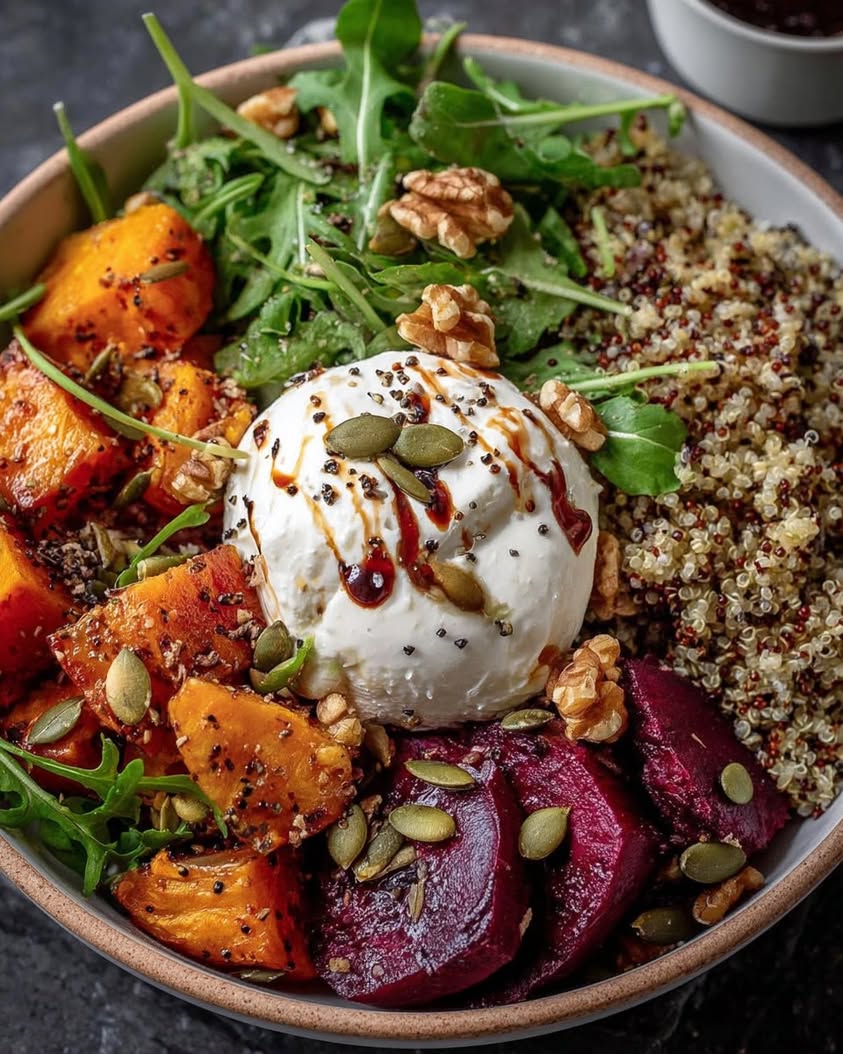
This Sweet Potato, Beet & Burrata Grain Bowl is the perfect harmony of earthy roasted vegetables, creamy cheese, and hearty grains. You will find that each bite offers a delightful contrast of textures and temperatures, making it a truly satisfying meal for any time of day. The natural sweetness of the roasted roots pairs beautifully with the rich, milky center of the burrata, while a simple vinaigrette ties all the elements together with brightness and tang. Moreover, this bowl is not only a feast for the palate but also a vibrant display of colors that makes eating well an enjoyable experience.
Furthermore, this recipe is designed for flexibility and ease, making it an ideal choice for busy weeknights or leisurely weekend lunches. You can prepare the components in advance and assemble the bowls when you are ready to serve, which is a tremendous advantage for those who like to meal prep. The combination of wholesome grains, nutrient-dense vegetables, and high-quality cheese creates a balanced meal that is both nourishing and deeply comforting. Consequently, this grain bowl has become a staple for anyone seeking a meal that is as healthy as it is delicious, proving that you do not have to sacrifice flavor for nutrition.
Additionally, the recipe welcomes personalization, allowing you to swap in what you have on hand or what is in season. For instance, you can easily substitute the grains with quinoa, farro, or brown rice, and the roasted vegetables can be adjusted to include carrots, parsnips, or any other root vegetable you prefer. The creamy burrata can even be replaced with feta or goat cheese for a different flavor profile. Ultimately, this grain bowl is more of a formula than a strict recipe, inviting you to create a meal that suits your taste and dietary preferences, and it will quickly become a favorite in your culinary rotation.
Quick Recipe Highlights
- Flavor Profile: This bowl delivers a delightful range of tastes, starting with the earthy sweetness of roasted beets and yams, which is complemented by the savory, milky richness of burrata cheese. The tangy vinaigrette adds a bright, acidic contrast, while the grains provide a subtle nutty backbone, resulting in a complex and satisfying flavor experience.
- Texture: Expect a medley of textures that makes every forkful interesting. The roasted vegetables are tender and slightly caramelized at the edges, the burrata offers a soft, creamy, and almost molten center that contrasts beautifully with the chewy grains, and any added greens or nuts bring a fresh crunch.
- Aroma: The aromatic profile of this dish is welcoming and earthy, dominated by the sweet, caramelized scent of roasting root vegetables. This is underscored by the fresh, slightly peppery aroma of the greens and the fragrant, herby notes from the vinaigrette, making the bowl smell as good as it tastes.
- Visual Appeal: The visual presentation is stunning, as the bowl features a spectrum of colors, including the deep magenta from the beets, the brilliant orange of the sweet potatoes, and the pure white of the burrata. The vibrant green of the salad greens and the neutral tones of the grains create a dish that is truly a feast for the eyes, making it perfect for a beautiful table setting.
- Skill Level Needed: This recipe is incredibly approachable and is perfect for beginner cooks, as it requires only basic knife skills and the ability to roast vegetables. The preparation is straightforward with no complicated techniques involved, and the assembly is simple, making it a great confidence-building dish for those new to cooking.
- Special Equipment: You will only need basic kitchen tools for this recipe, including a baking sheet for roasting the vegetables, a pot for cooking the grains, and a small bowl or jar for making the vinaigrette. No specialized equipment is required, which underscores the simplicity and convenience of this meal.
Recipe Overview
- Difficulty Level: The difficulty level for this Sweet Potato, Beet & Burrata Grain Bowl is admittedly easy, making it a fantastic option for any night of the week. Because the most involved steps are roasting vegetables and cooking grains, which are both hands-off processes, it allows for minimal active cooking time. With a little bit of prep work, you can have a restaurant-quality meal assembled in under an hour, regardless of your culinary skill level.
- Category: This dish is a versatile main course, though it can also be served as a substantial side dish. It holds its own as a complete meal, as it provides a good balance of complex carbohydrates, healthy fats, and protein. It fits perfectly into the categories of ‘bowl food’, ‘healthy lunch’, or ‘vegetarian dinner’, appealing to a wide range of dietary preferences.
- Cuisine: While this is a modern, creative dish, it draws inspiration from various culinary traditions. The concept of a grain bowl has its roots in Mediterranean and Middle Eastern cuisine, where grains and vegetables are central components of the meal. The use of burrata, an Italian cheese, adds a distinctly European touch, while the technique of roasting root vegetables is a universal method found across many cultures, creating a global yet cohesive flavor profile.
- Cost: The overall cost of this recipe is quite moderate, since it relies on inexpensive, pantry-stable grains and seasonal root vegetables. While burrata can be a premium ingredient, its rich flavor means you do not need to use a lot, making it a worthwhile indulgence. When compared to dining out or buying pre-made meals, this grain bowl proves to be an economical and budget-friendly choice that feels far more expensive than it is.
- Season: This recipe is particularly well-suited for the fall and winter months, when sweet potatoes and beets are at their peak flavor and abundance. During these seasons, the vegetables are sweeter, more nutritious, and more affordable. However, since these root vegetables are available year-round, you can easily adapt the bowl for spring and summer by incorporating lighter greens and herbs, or by grilling the vegetables instead of roasting them.
- Occasion: This dish is perfect for a wide range of occasions, from a simple weekday dinner to a more formal gathering. It is impressive enough to serve to guests at a dinner party, as the presentation is stunning, yet simple enough to throw together for a family meal. It is also an excellent choice for meal prepping for the work week, offering a delicious and healthy lunch option that can be packed and enjoyed on the go.
Why You’ll Love This Recipe
One of the most compelling reasons you will love this grain bowl is its perfect balance of taste and texture. The roasting process concentrates the natural sugars in the sweet potatoes and beets, creating a caramelized sweetness that is both deep and satisfying. This is then contrasted by the cool, creamy, and luxurious texture of the burrata, which adds a rich, milky flavor to every single forkful. Furthermore, the chewy grains and the crisp freshness of any added greens provide a wonderful textural counterpart, ensuring that your palate is constantly engaged and delighted.
Another significant advantage is the incredible convenience this recipe offers for those with a busy lifestyle. Most of the cooking time is hands-off, as the vegetables roast and the grains simmer without requiring constant attention. This allows you to multi-task, prepare other parts of the meal, or simply relax while dinner takes care of itself. The components can also be cooked in advance and stored in the fridge, making it simple to build a wholesome and satisfying bowl in mere minutes when you are ready to eat. Consequently, this recipe simplifies the challenge of creating a healthy and delicious meal after a long day.
From a nutritional standpoint, this bowl is a powerhouse of vitamins, minerals, and fiber. Sweet potatoes are loaded with beta-carotene and vitamin A, while beets are a great source of folate and antioxidants that support overall health. The grains provide sustained energy from complex carbohydrates and fiber, which is essential for digestive health. Healthy fats are present in the olive oil from the vinaigrette and in the creamy burrata, all of which work together to create a balanced meal that keeps you feeling full, satisfied, and energized for hours.
Moreover, this Sweet Potato, Beet & Burrata Grain Bowl is an excellent choice for entertaining, as its vibrant colors and beautiful presentation are sure to impress your guests. Because you can prepare all of the components ahead of time, you can spend more time socializing and less time in the kitchen when your guests arrive. The individual bowls are easy to assemble and can be customized to suit different preferences, making it a versatile and thoughtful option for hosting a casual get-together or an elegant dinner party without the added stress of a complex plated meal.
Finally, this recipe is incredibly cost-effective and accessible, using simple, whole-food ingredients that are easy to find. Root vegetables are generally some of the most affordable produce options, and grains are a budget-friendly pantry essential. While burrata is a more decadent ingredient, its strong presence means you only need a small amount to make a big impact, keeping the overall cost down. Therefore, this recipe makes eating healthy feel luxurious and special, without stretching your budget too thin, which is a win for any home cook.
Historical Background and Cultural Significance
The humble grain bowl, in its various forms, has been a cornerstone of human diets for millennia, with cultural roots that span the globe. From the rice bowls of East Asia to the couscous of North Africa and the grain salads of the Mediterranean, the concept of combining a staple carbohydrate with vegetables, proteins, and flavorful sauces is a universal culinary practice. This recipe specifically draws on this rich tradition, modernizing the idea by incorporating contemporary ingredients and flavor profiles that appeal to today’s health-conscious consumer.
Burrata, a key component of this dish, has a fascinating and relatively modern origin story compared to the ancient grains it accompanies. It was first created in the early 20th century in the Puglia region of southern Italy as a way to utilize leftover mozzarella curds. Cheesemakers would stretch the leftover curds into a pouch and fill it with fresh cream and scraps, resulting in a cheese that is prized for its intensely creamy, rich interior. Today, it represents a symbol of Italian culinary craftsmanship and has gained worldwide popularity for its decadent texture and mild, milky flavor.
The practice of roasting root vegetables is a culinary technique that dates back to the advent of fire, and it has been a method of preparation across countless cultures. Foods like sweet potatoes and beets have been cultivated for hundreds of years, first for their caloric sustenance and later for their unique flavors and health benefits. Roasting, in particular, is a time-honored method to enhance sweetness by initiating caramelization of sugars, making these vegetables not just nourishment but a truly delightful treat, a fact that this recipe celebrates and builds upon.
Furthermore, the rise of the modern grain bowl phenomenon can be seen as a direct response to contemporary dietary trends that emphasize whole foods, plant-forward eating, and convenience. This dish is a product of the 21st-century food movement that prizes customization, nutrition, and visual appeal. It reimagines traditional elements in a new format, creating a meal that is both familiar and novel, and its popularity highlights a collective shift towards more mindful and health-conscious eating habits that do not compromise on flavor or satisfaction.
Ingredient Deep Dive
Sweet potatoes are more than just a colorful side dish; they are a global staple with a rich cultural significance. Originating in Central and South America, they have been cultivated for over 5,000 years and were a vital food source for ancient civilizations. Spanish explorers introduced them to Europe and Asia in the 15th century, where they quickly became a dietary mainstay. Nutritionally, they are an exceptional source of beta-carotene, which the body converts to vitamin A, crucial for eye health and immune function. Additionally, they provide a hefty dose of fiber, potassium, and various antioxidants. When selecting sweet potatoes, you should look for firm, smooth-skinned roots without cracks or soft spots. They should feel heavy for their size, indicating good moisture content. To store them, keep them in a cool, dark, and well-ventilated place, where they can last for several weeks, though you should avoid refrigerating them, as the cold can alter their flavor and texture.
Beets, the other star root vegetable in this bowl, have a storied past that dates back to the Middle Ages, originally cultivated for their leaves and later for their root. They gained prominence in Eastern Europe as a source of sugar and as an integral ingredient in traditional dishes like borscht. Today, beets are highly nutritious, boasting a unique mix of phytonutrients called betalains, which act as powerful antioxidants and anti-inflammatory agents. They are also a great source of folate, manganese, and nitrates, which have been linked to improved blood flow and lower blood pressure. When choosing beets, opt for those that are firm, smooth, and heavy for their size, with crisp, un-wilted greens attached if available. For storage, remove the greens and store the roots in a plastic bag in the refrigerator, where they will keep for several weeks, preserving their earthy flavor and vibrant color.
Creamy, luxurious burrata is a fresh Italian cheese that is a true celebration of dairy craftsmanship. It essentially consists of an outer shell of solid mozzarella that is filled with stracciatella and cream, which are the soft, stringy scraps from making the cheese. This composition gives it a unique, decadent texture and a rich, mild, and milky flavor that is unlike any other cheese. Culturally, it represents the Italian philosophy of simplicity and high-quality ingredients, making a simple dish extraordinary. Nutritionally, it provides protein and calcium, as well as a good amount of saturated fat, which is part of what makes it so satisfying. To select the best burrata, it is crucial to check for a firm, slightly taut outer shell and a freshness date as it is highly perishable. It should be stored in its own liquid in the refrigerator and is best enjoyed at room temperature to fully appreciate its creamy texture and flavor.
The choice of grains is vital to the foundation of this bowl, and while a classic farro is suggested, the possibilities are endless. Farro, an ancient wheat grain from the Mediterranean, is prized for its nutty flavor and delightfully chewy texture. It is an excellent source of protein, fiber, and magnesium, and it does not get mushy when cooked, making it perfect for salads and bowls. You can easily substitute it with other hearty grains like barley or brown rice, or a gluten-free option like quinoa. Each grain will offer a slightly different flavor and texture profile, so you can choose based on your preference and dietary needs. Always check the packaging for specific cooking times, as they can vary significantly, and rinse your grains well before cooking to remove any excess starch.
Finally, a simple yet vibrant vinaigrette is the glue that brings all these components together. The most basic and classic version is a simple emulsion of extra virgin olive oil and a good quality vinegar, such as balsamic, red wine, or apple cider. This dressing provides a necessary acidity that cuts through the richness of the burrata and balances the sweetness of the roasted vegetables. For this recipe, a balsamic vinaigrette adds a touch of sweetness and depth that complements the root flavors perfectly. You can elevate it further by adding a little Dijon mustard to the vinegar which acts as an emulsifier and adds a slight tang. Always use high-quality, fresh ingredients for the dressing, as it truly can make or break the final dish, and adjust the oil-to-vinegar ratio to your own taste preference.
Common Mistakes to Avoid
- Not cutting the vegetables evenly: This is a common pitfall that will lead to uneven cooking, where smaller pieces become overly soft or burnt while larger pieces remain undercooked. To avoid this, take your time to chop the sweet potatoes and beets into consistently sized cubes, roughly one inch in size, ensuring that everything roasts evenly.
- Overcrowding the baking sheet: When you place too many vegetables on a single sheet pan, they will steam instead of roast, resulting in a soft, mushy texture rather than a caramelized, crispy one. You should use a large, rimmed baking sheet and spread the vegetables in a single, even layer with a little space between them, roasting in batches if necessary.
- Under-seasoning the cooking water for grains: This is a missed opportunity to build flavor from the very beginning of the process. Salting the water for your grains is crucial, as it infuses them with flavor that cannot be added at the end, making the entire dish taste more integrated and savory.
- Using cold burrata straight from the refrigerator: This is a critical mistake that detracts from its deliciousness. Cold burrata lacks the smooth, creamy, and flavorful mouthfeel it is famous for, and it can taste rubbery and bland. You should always take the burrata out of the fridge about 30 minutes before you plan to serve it, allowing it to come to room temperature.
- Overcooking the grains: It can be easy to walk away and let the pot boil for too long, turning perfectly textured grains into a pot of mush. The best approach is to set a timer and begin checking the grains a few minutes before the recommended cooking time, tasting them for doneness, as they should be tender yet still chewy.
- Adding dressing to all components prematurely: This will lead to a soggy bowl, because the grains and vegetables will absorb the vinaigrette and lose their distinct textures. You should dress the salad greens just before serving and lightly toss the grains separately, saving the vegetables to be showcased without heavy dressing.
- Skipping the taste test for the dressing: This is a simple yet significant error, as the dressing is a key component of the dish’s flavor. You should always taste your vinaigrette before adding it to the bowl and adjust the seasoning with salt, pepper, or a little more vinegar or oil to ensure the perfect balance of tangy and savory.
- Not allowing the roasted vegetables to cool slightly: Putting hot vegetables directly onto the greens will cause them to wilt and become limp. It is best to let your roasted sweet potatoes and beets cool for a few minutes on the baking sheet before assembling the bowl, so they are warm but not steaming hot.
- Forgetting to season each layer: Seasoning the vegetables, grains, and even the burrata with a pinch of flaky sea salt elevates the final dish, as each component needs its own flavor. You should be tasting as you go and seasoning each layer, rather than relying on the dressing to bring all the flavor to the party.
- Assembling the bowl too far in advance: The aesthetics and texture of the bowl will degrade if it sits for too long. The greens will wilt, the grains will dry out, and the burrata will lose its charm. For the best experience, you should assemble the bowls right before serving or store all components separately in the fridge and assemble it when you are ready to eat.
Essential Techniques
Mastering the art of roasting vegetables is fundamental to this dish, as it transforms the raw roots into sweet, caramelized gems. This technique involves cooking at a high temperature, typically between 400°F and 425°F, which triggers the Maillard reaction and caramelizes the natural sugars, creating a beautiful golden-brown crust. To ensure success, you must dry your vegetables thoroughly after washing, as excess moisture will create steam and hinder browning. A generous toss with good quality olive oil and a sprinkle of salt is also essential, as the oil helps conduct heat and the salt draws out moisture and seasons the vegetables. The visual cue for perfectly roasted beets and sweet potatoes is that they are easily pierced with a fork and have darkened, slightly crispy edges.
Another key technique you should master is the proper method for cooking grains, such as farro, to ensure a fluffy and chewy texture. This process is essentially a simple simmering method, where you combine the grains with a measured amount of liquid, typically a 1:2 or 1:3 ratio of grains to water or broth. You bring it to a boil, then immediately reduce the heat to a low simmer, cover the pot, and allow it to cook until the liquid is fully absorbed. A crucial pitfall to avoid is the urge to stir the grains frequently, as this can release too much starch and make the final result gummy. The key is to let the grains steam gently, and you will know they are ready when all the liquid is absorbed and the grains are tender to the bite but still have a pleasant chew.
Assembling the vinaigrette is a foundational cooking skill that involves creating a temporary emulsion. This means whisking together two liquids that normally don’t mix, like oil and vinegar, to create a stable mixture. The most effective way to do this is to start by whisking the vinegar with your seasonings, like salt and pepper, and maybe a bit of Dijon mustard, which helps stabilize the emulsion. Then, you slowly drizzle in the oil while whisking constantly, which forces the oil to break into tiny droplets that are suspended in the vinegar mixture. You will know you have been successful when the dressing looks cohesive and thickens slightly, rather than separating into two distinct layers, and it should coat the back of a spoon nicely.
Pro Tips for Perfect Sweet Potato, Beet & Burrata Grain Bowl
To achieve perfectly roasted vegetables, you should par-boil the beets before roasting them if you are short on time, as they take longer to soften than sweet potatoes. Alternatively, simply cut the beets into smaller cubes than the sweet potatoes so they cook at the same rate, ensuring everything is perfectly tender at the same time. This small detail will guarantee that no one component of your bowl is undercooked and hard while another is perfectly soft.
For the creamiest and most flavorful burrata experience, you should allow it to sit at room temperature for at least 30 minutes before serving. Also, you can enhance its flavor by drizzling it with a small amount of high-quality extra virgin olive oil and a sprinkle of flaky sea salt and cracked black pepper right before you serve the bowl. This simple seasoning will elevate the rich, milky flavor of the cheese, making it taste even more luxurious.
When it comes to the vinaigrette, you can make it in a small mason jar instead of a bowl, which makes the process incredibly easy and mess-free. Simply combine all the ingredients, secure the lid, and give it a vigorous shake until it is well emulsified. Any leftover dressing can be stored in the same jar in the refrigerator for up to a week, so you will have it ready for future salads and grain bowls.
Another great tip is to cook a large batch of grains at the beginning of the week, as they are fantastic to have on hand for quick lunches. Spread the cooked and cooled grains on a baking sheet in a thin layer and freeze them for an hour or two for fast, easy-to-grab portions. You can then store them in a freezer-safe bag or container, and they will last for several months, just reheat them in the microwave or in a hot pan.
Do not discard the beet greens when you are preparing your vegetables, as they are a nutritious and delicious bonus. You can sauté them with a little garlic and olive oil as a quick and healthy side dish, or you can add them raw to your salad mix for a slightly earthy flavor. This not only reduces food waste but also adds another layer of flavor and nutrition to your meal.
Moreover, to add a delightful textural crunch to your bowl, you should toast a handful of nuts or seeds, such as walnuts, pecans, or pumpkin seeds. Heat a dry skillet over medium heat, add the nuts, and toss them frequently for a few minutes until they become fragrant and golden brown. Be sure to watch them closely, as they can burn quickly, and then sprinkle them over the assembled bowl for a satisfying finish.
Finally, you should consider the order in which you build your bowl to achieve the best presentation and eating experience. Start by laying down a bed of fresh, seasoned greens to create a colorful base. Then, place a generous scoop of the warm grains on one side, and arrange the roasted sweet potatoes and beets next to it. Tear the burrata into pieces and place it in the center, and then finish with the toasted nuts and a final drizzle of the vinaigrette.
Variations and Adaptations
This recipe is endlessly adaptable, and one of the easiest ways to change it is by swapping in different grains. While farro offers a nutty chew, a fluffy bowl of quinoa or a bed of nutty brown rice can serve as a completely different yet equally satisfying base. A quick-cooking grain like couscous is also an excellent choice when you are short on time, bringing a lighter, fluffier texture to the dish, while you can also use pearled barley for a soup-like consistency that is hearty and filling.
Seasonal adaptations are a wonderful way to keep this bowl exciting all year round. During the summer, you might consider grilling the vegetables instead of roasting them, which imparts a delicious smoky flavor that pairs beautifully with the creamy burrata. Alternatively, you could add seasonal fruits like peaches or figs for a touch of sweetness and a different textural element. In the spring, incorporating fresh peas or asparagus would add a nice green freshness that contrasts well with the earthier root vegetables.
For those with specific dietary needs, this recipe is already a great starting point for many modifications. To make it gluten-free, simply substitute the farro with certified gluten-free whole grains like quinoa, amaranth, or brown rice. For a dairy-free version, the burrata can be replaced with a creamy, dairy-free cheese alternative, or you could use a simple avocado dressing to provide richness and creaminess without any dairy products, preserving the satisfying mouthfeel of the dish.
If you want to boost the protein content of this bowl, there are several easy ways to do so. You can add a handful of cooked chickpeas, some sautéed tofu, or a soft-boiled egg for an additional source of protein. Marinated and baked tempeh is another fantastic option that adds a meaty texture and satisfying flavor that works particularly well with the sweet roasted vegetables. You can also simply crumble some high-protein feta cheese over the top instead of the burrata for a different flavor and texture.
Finally, you can have fun experimenting with different flavor variations by changing the dressing or the herbs used in the bowl. Try a zesty lemon-herb vinaigrette with fresh dill and parsley for a brighter flavor, or a creamy tahini dressing for a nutty and savory twist. Adding fresh herbs like mint, basil, or cilantro to the top of the bowl will also brighten the overall dish, while a sprinkle of red pepper flakes can add a subtle kick for those who enjoy a little heat.
Serving and Presentation Guide
When it comes to plating this grain bowl, the best approach is to build it thoughtfully to create a stunning and inviting presentation. Instead of mixing everything together, you should arrange the ingredients in neat sections within a wide, shallow bowl. This not only showcases the vibrant colors of the individual components but also allows the person eating to enjoy each distinct flavor before they are combined in a single forkful.
For garnishing, a little goes a long way in adding the final touch of polish to this dish. A few leaves of fresh basil or parsley can add a beautiful burst of green and a subtle herbaceous aroma. A sprinkle of toasted pumpkin seeds or flaked almonds adds an elegant look as well as a great crunch. You can also finish the bowl with a light drizzle of high-quality extra virgin olive oil and a pinch of flaky sea salt over the burrata for both visual and flavor benefits.
As for traditional accompaniments, this grain bowl is a complete meal in itself, but it can also be served alongside some crusty bread to soak up any remaining vinaigrette and creamy cheese. For a more filling spread, you could serve it with a light soup or a simple side salad. In a more modern context, this bowl can be served as part of a “build-your-own-bowl” bar for a fun and interactive gathering, letting your guests customize their own meal with various toppings.
Texture is best experienced when the components are at their ideal temperatures. The roasted vegetables and grains should be served warm, providing a comforting, earthy base, while the creamy burrata should be at room temperature to allow its flavor and texture to truly shine. The crisp, fresh greens should be cold and crunchy, creating a delightful contrast. This combination of warm, room-temperature, and cool elements makes the bowl a dynamic and satisfying sensory experience.
Finally, portion control is important to ensure a balanced meal that leaves you feeling satisfied, not overly full. A typical serving would consist of about one cup of cooked grains, one cup of roasted vegetables, and half a ball of burrata per person. This provides a good balance of carbohydrates, fats, and proteins, making it a complete and nutritious meal that offers a generous yet appropriate serving size.
Wine and Beverage Pairing
When selecting a wine to accompany this Sweet Potato, Beet & Burrata Grain Bowl, you will want something that can handle the earthy sweetness of the vegetables and the creamy richness of the cheese. A crisp, unoaked white wine like a Sauvignon Blanc or Pinot Grigio makes for a fantastic pairing, as its high acidity and citrus notes can cut through the creaminess and refresh the palate between bites. Additionally, a dry Rosé with its light berry flavors and refreshing acidity is an incredibly versatile choice that complements the diverse flavors of the dish remarkably well.
For those who favor red wine, a light-bodied, low-tannin option is your best bet, as overly heavy reds can easily overpower the delicate flavors of the burrata and the sweetness of the vegetables. A chilled bottle of Pinot Noir is a beautiful choice, offering subtle red fruit notes and a smooth, elegant mouthfeel. Similarly, a lighter-style Gamay or a Valpolicella can work wonderfully, providing a fruity, earthy character without being too assertive, which makes them perfect for this vibrant and colorful bowl.
If you are looking for a non-alcoholic alternative, a well-made sparkling water with a squeeze of fresh lime or lemon is a wonderful palate cleanser that echoes the acidity of the vinaigrette. For a more complex beverage, you could try an iced herbal tea, such as a hibiscus or a mint tea, which offers a refreshing and aromatic complement. A unique and flavorful option would be a Kombucha in a flavor like ginger or citrus, as its natural effervescence and tangy profile can beautifully match the complex flavors in the grain bowl.
When considering the temperature of your beverages, aim to serve white wines and sparkling water well-chilled to provide a refreshing contrast. Light red wines like Pinot Noir are often served with a slight chill to enhance their refreshing qualities. For non-alcoholic options, serving them over ice is ideal, especially if you are enjoying the bowl as a light lunch. The temperature contrast between a cool beverage and the warm roasted vegetables is a pleasant experience that adds to the overall enjoyment of the meal.
Finally, the best advice is to consider the dressing and any other bold flavors in the bowl. The acidity of the vinaigrette is the guiding factor in your beverage choice, so a beverage with matching or higher acidity will always be a safe and successful pairing. When in doubt, a simple glass of sparkling water is always a wonderful choice, as it cleanses the palate and allows each distinct flavor of the delicious grain bowl to be savored properly.
Storage and Shelf Life
Proper storage is key to maintaining the quality and safety of your leftovers, and each component of this grain bowl has its own set of recommendations. The cooked grains and roasted vegetables are the most sturdy and can be stored in separate airtight containers in the refrigerator for up to five days. The burrata, however, is highly perishable and should ideally be consumed on the day it is prepared. If you have leftover burrata, it is best to store it in its original liquid in an airtight container and consume it within two days to ensure its freshness and creamy texture.
The temperature requirements for storing the components are consistent, as they all should be refrigerated at a temperature below 40°F to prevent bacterial growth. You must allow the grains and vegetables to cool to room temperature before covering and placing them in the refrigerator to avoid creating excess condensation. Additionally, you should never store your fresh salad greens in the same container as your warm ingredients, as this will cause them to wilt and become soggy, significantly reducing their shelf life and quality.
Container recommendations are also important to consider, as using the right type of container can extend the freshness of your food. For grains and roasted vegetables, you should use glass or BPA-free plastic containers with tight-fitting lids to maintain a proper level of moisture. For your greens, a container that allows for a little airflow is ideal, and placing a paper towel inside can absorb excess moisture, keeping them crisp for longer. For the vinaigrette, a small glass jar is always a safe and practical choice for storage.
Recognizing signs of spoilage is a critical skill to avoid foodborne illness, and there are a few things to look out for. For the vegetables and grains, you should discard them if they have developed a sour smell, a slimy texture, or visible mold. You should also check for an off-putting flavor, as a change in taste is a clear indicator that they have passed their prime. For the burrata, any discoloration or a watery, gritty texture in the surrounding cream is a sign that it has spoiled, and it should be immediately thrown away.
When it comes to reheating your leftovers, the best method for maintaining texture involves some care. You can reheat the grains and vegetables in a microwave or in a skillet with a splash of water or broth to add a little moisture back into the dish. You should never reheat the greens or the burrata, as they are intended to be served fresh and cold. You should reheat the grains and vegetables, assemble the warm base, and then add the fresh greens and creamy burrata, along with a fresh drizzle of the vinaigrette.
Freezing this dish has some limitations, primarily due to the ingredients, as freezing can degrade its overall quality. You can freeze the cooked grains and roasted vegetables in freezer-safe bags or containers for up to two months, and they will thaw and reheat perfectly well. However, freezing the burrata is not recommended, as it will drastically alter its creamy texture, making it crumbly and watery when thawed. Fresh greens also do not hold up well to freezing, so you should plan to make fresh additions if you choose to freeze the base components.
Make Ahead Strategies
Preparing this grain bowl in advance is a great strategy for saving time and ensuring you have a healthy meal ready at a moment’s notice. The key to successful meal prepping is to prepare the components that maintain their quality while storing them separately. You can cook the grains and roast the vegetables up to four days in advance, storing them in airtight containers in the refrigerator. Similarly, you can make the vinaigrette up to a week ahead, and thoroughly wash and dry your salad greens so they are ready to be used at any time.
Your prep timeline can be broken down into manageable steps. For a busy weekday, you might spend an hour on Sunday afternoon roasting a large batch of sweet potatoes and beets, cooking a pot of farro, and making the vinaigrette. You can then store all of these components separately, and each day you can simply assemble your bowl with the fresh greens, nuts, and burrata, which takes just a few minutes of effort. This system makes it remarkably easy to stick to your healthy eating goals throughout the week.
Storage between steps is a critical part of the make-ahead process, and maintaining proper separation is the key to preserving the quality of each element. Always store the grains, vegetables, and greens in separate containers to prevent sogginess and flavor transfer. The burrata should be stored in its own container in its brine, and it should not be cut or torn until you are ready to serve it. This careful approach ensures that each component will taste and feel as fresh as if you had just prepared it.
The quality impact of making this dish ahead is generally minimal, provided you store each element correctly. The grains and roasted vegetables actually benefit from being Print
Sweet Potato, Beet & Burrata Grain Bowl
- Total Time: 45 minutes
- Yield: 4
Description
A vibrant and hearty grain bowl featuring roasted sweet potatoes and beets, creamy burrata cheese, and a tangy balsamic glaze over nutty quinoa. Perfect for a satisfying lunch or light dinner.
Ingredients
- 1 large sweet potato, peeled and cubed
- 2 medium beets, peeled and cubed
- 2 tablespoons olive oil, divided
- 1 teaspoon smoked paprika
- 1/2 teaspoon salt, divided
- 1/4 teaspoon black pepper
- 1 cup quinoa, rinsed
- 2 cups vegetable broth or water
- 8 ounces burrata cheese
- 2 cups fresh baby spinach
- 1/4 cup balsamic glaze
- Optional: fresh basil or microgreens for garnish
Instructions
- Preheat oven to 400°F (200°C). On a large baking sheet, toss sweet potato cubes and beet cubes with 1 tablespoon olive oil, smoked paprika, 1/4 teaspoon salt, and black pepper. Roast for 25-30 minutes, or until tender and slightly caramelized, stirring halfway.
- While vegetables roast, prepare quinoa: In a medium saucepan, combine rinsed quinoa and vegetable broth (or water) and the remaining 1/4 teaspoon salt. Bring to a boil, then reduce heat to low, cover, and simmer for 15 minutes or until liquid is absorbed. Remove from heat, fluff with a fork, and let sit covered for 5 minutes.
- Divide the cooked quinoa among four bowls. Top evenly with roasted sweet potatoes and beets.
- Place fresh baby spinach on top of each bowl. Tear the burrata cheese and place a generous portion over the greens.
- Drizzle each bowl with balsamic glaze and add a final drizzle of remaining olive oil (about 1 tablespoon total). Garnish with basil or microgreens if desired. Serve immediately.
Notes
You can customize the seasonings to taste. To save time, use pre-cooked beets (steamed or vacuum-packed). For a vegan option, omit the burrata and add avocado or a tofu-based cheese.
- Prep Time: 15 minutes
- Cook Time: 30 minutes
- Method: Main
- Cuisine: American