Zesty Shrimp and Avocado Bowls with Mango Salsa: A Tropical Weeknight Wonder
Imagine a meal that tastes like a sunny vacation but comes together in your kitchen in under thirty minutes. This recipe for Zesty Shrimp and Avocado Bowls with Mango Salsa is exactly that. It is a vibrant, flavor-packed dish that masterfully balances sweet, spicy, savory, and tangy notes. Furthermore, it delivers a restaurant-quality presentation with minimal effort. Each bite offers a delightful contrast between the warm, garlicky shrimp and the cool, creamy avocado. Ultimately, it is a perfect solution for busy evenings when you crave something healthy and exciting.
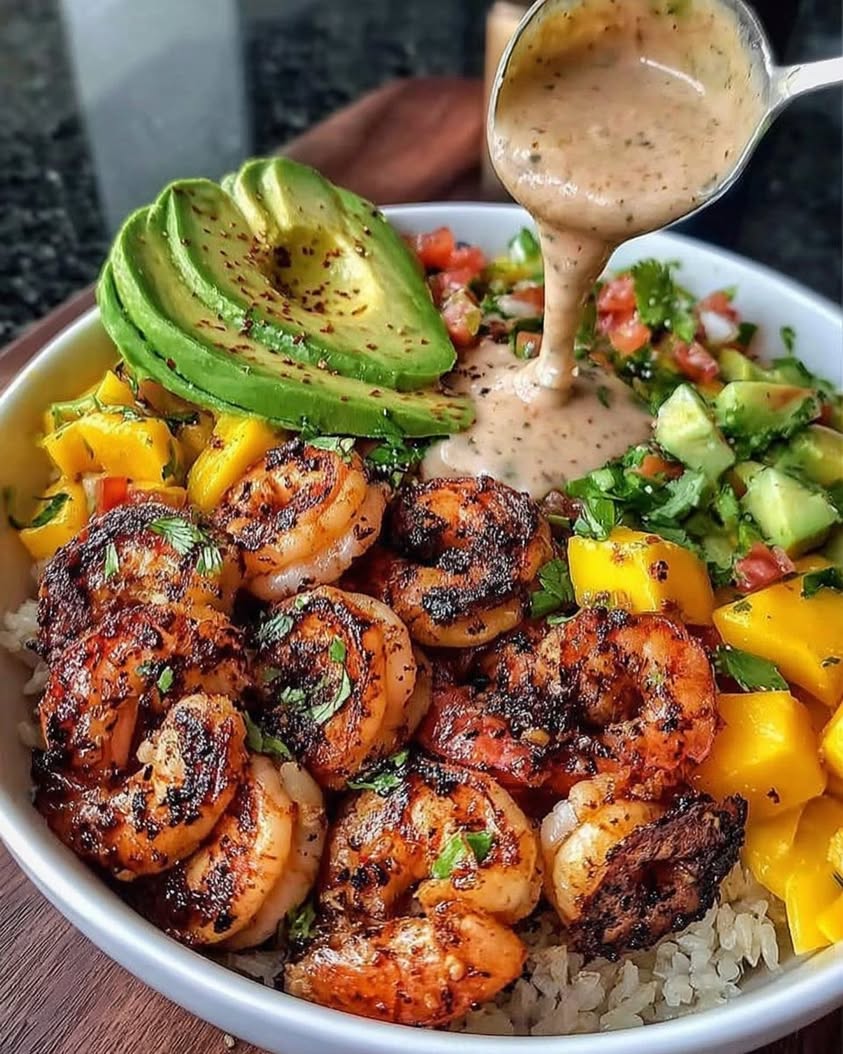
The magic of these Zesty Shrimp and Avocado Bowls lies in the harmony of its components. The succulent shrimp gets a quick sear with chili and lime. Meanwhile, the fresh mango salsa provides a juicy, sweet counterpoint with a hint of jalapeño heat. Additionally, the creamy avocado adds a rich, smooth texture that ties everything together. Drizzled with a simple lime-chili sauce, every element sings in perfect unison. Consequently, this dish is not just a meal; it is a sensory experience that will brighten your dinner table.
This recipe is incredibly versatile. For instance, you can serve it over cilantro-lime rice, quinoa, or a bed of crisp greens. It is a fantastic option for meal prep, as the components store beautifully. Moreover, it is naturally gluten-free and packed with lean protein and healthy fats. Whether you are cooking for a family dinner or impressing guests, these bowls are a guaranteed hit. They prove that eating well does not require hours in the kitchen.
Quick Recipe Highlights
- Flavor Profile: This dish is a fiesta of contrasting tastes. The shrimp is savory with a kick of chili and garlic, while the mango salsa brings a tropical sweetness. Finally, the lime-chili sauce adds a bright, tangy finish that elevates every component.
- Texture: You will enjoy a wonderful play of textures. The shrimp are tender and juicy, the avocado is luxuriously creamy, and the mango salsa offers a pleasant, chunky freshness. Additionally, serving it over rice provides a satisfying, fluffy base.
- Aroma: As you cook, your kitchen will fill with the irresistible scent of sizzling garlic and chili. The fresh aromas of chopped cilantro and lime zest immediately follow, creating an inviting and mouthwatering atmosphere.
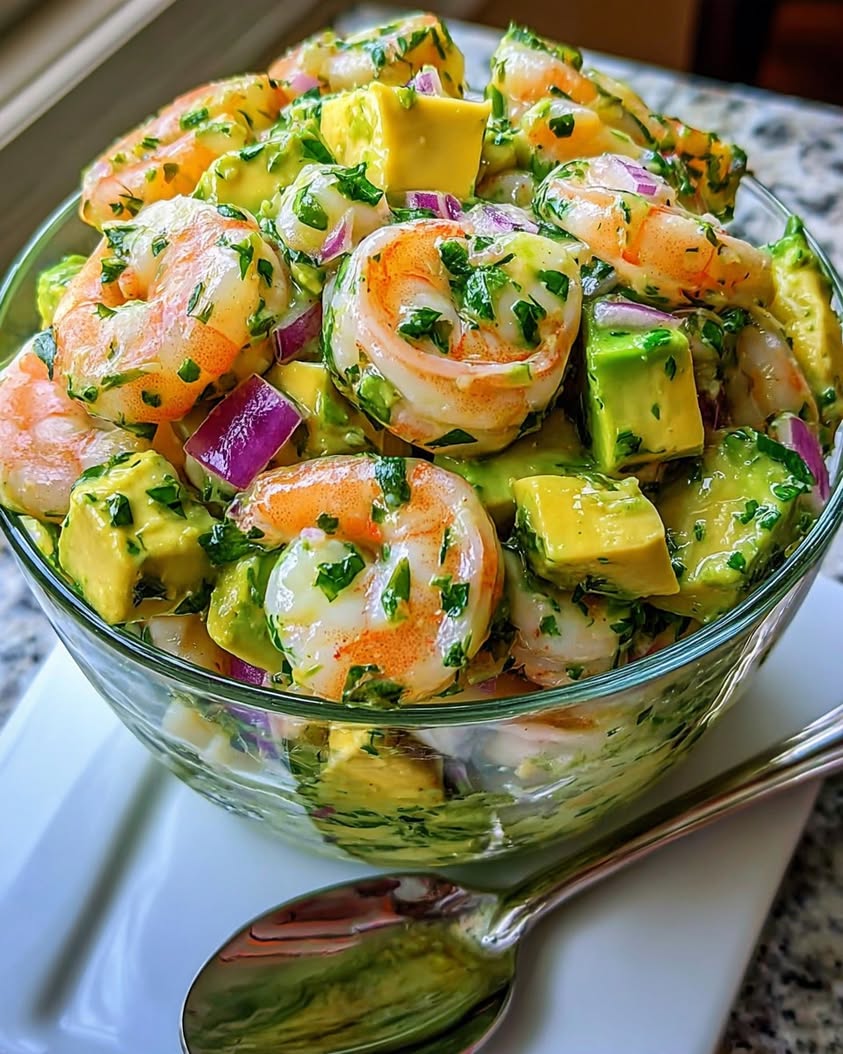
- Visual Appeal: These bowls are a feast for the eyes. They feature vibrant pink shrimp, sunny yellow mango, deep green avocado, and fresh red onion. The colorful presentation is stunning and appetizing on its own.
- Skill Level Needed: This is a beginner-friendly recipe. It requires basic knife skills for chopping and simple stovetop cooking for the shrimp. No advanced techniques are necessary, making it accessible for any home cook.
- Special Equipment: You only need standard kitchen tools. A good chef’s knife, a cutting board, a mixing bowl, and a large skillet are perfectly sufficient. No special appliances are required for this easy meal.
Recipe Overview
- Difficulty Level: We rate this recipe as easy for several reasons. First, the cooking process is straightforward with minimal steps. Second, most of the work involves simple chopping and mixing. Third, the shrimp cook in just a few minutes, reducing the chance of error. Finally, assembly is intuitive and forgiving.
- Category: This dish fits multiple meal categories beautifully. It is a complete, balanced main course for lunch or dinner. Alternatively, you can serve the components as a vibrant appetizer or a healthy salad. It is truly a versatile culinary creation.
- Cuisine: These bowls draw inspiration from coastal and tropical cuisines. They combine elements of Mexican-inspired salsa with a universally loved protein. The use of fresh lime, chili, and cilantro creates a flavor profile that feels both familiar and excitingly fresh.
- Cost: This is a moderately priced meal that delivers high value. Shrimp can be the most expensive ingredient, but buying frozen, peeled shrimp is cost-effective. Meanwhile, avocados, mango, and fresh produce are affordable, especially in season. Overall, it is cheaper than dining out.
- Season: This recipe shines brightest in late spring and summer. This is when mangoes are at their peak sweetness and avocados are plentiful. However, thanks to global markets, you can enjoy these Zesty Shrimp and Avocado Bowls year-round for a taste of sunshine.
- Occasion: It is perfect for casual weeknight dinners, healthy meal prep, or al fresco summer entertaining. The vibrant presentation also makes it excellent for a festive lunch or a light yet satisfying dinner party option.
Why You’ll Love This Recipe
You will adore the incredible taste and texture appeal of these Zesty Shrimp and Avocado Bowls. Each forkful delivers a complex symphony of flavors. The sweet mango salsa perfectly cuts through the rich, creamy avocado. Simultaneously, the spicy, garlicky shrimp provides a savory depth that is utterly satisfying. The contrasting temperatures and textures keep your palate engaged from the first bite to the last. It is a dish that feels indulgent yet is composed of wholesome, recognizable ingredients.
The convenience and preparation benefits are another major win. This entire meal comes together in about thirty minutes. Most of that time is passive prep work, like chopping vegetables for the salsa. The actual cooking time for the shrimp is less than five minutes. This makes it an ideal choice for hectic evenings when takeout is tempting. Moreover, the recipe uses one skillet for the shrimp, minimizing cleanup. You can easily delegate tasks, such as having one person cook the shrimp while another assembles the salsa and bowls.
From a nutritional standpoint, these bowls are a powerhouse. Shrimp provides lean, high-quality protein and important minerals like selenium. Avocado contributes heart-healthy monounsaturated fats and fiber. Meanwhile, mango is packed with vitamins A and C. Together, they create a balanced meal that supports energy levels and overall wellness. It is naturally gluten-free and can be adapted to fit low-carb or paleo diets with ease. You can feel good about serving this dish to your family.
The social and entertaining value of this recipe is exceptionally high. The colorful, restaurant-style presentation is guaranteed to impress guests. It is a fantastic interactive meal for gatherings, allowing everyone to build their own bowl. Furthermore, the flavors are universally appealing, pleasing both adventurous and cautious eaters. It is a conversation starter that feels special without requiring advanced culinary skills from the host. You will love the compliments that come your way.
Finally, this recipe is cost-effective and accessible. While shrimp may seem like a splurge, buying frozen, peeled, and deveined shrimp keeps costs reasonable. The remaining ingredients are common pantry staples or inexpensive fresh produce. Compared to ordering a similar dish at a restaurant, making it at home saves significant money. Additionally, you control the quality and freshness of every component. This recipe proves that eating vibrant, healthy food does not have to be complicated or expensive.
Historical Background and Cultural Significance
The concept of building a meal in a bowl has ancient roots across many cultures. However, the modern “bowl” trend, often called a Buddha bowl or power bowl, gained massive popularity in the 2010s. It emphasizes balanced nutrition and vibrant presentation. Our Zesty Shrimp and Avocado Bowls fit perfectly into this contemporary tradition. They take inspiration from coastal Latin American and Southeast Asian cuisines, where seafood, tropical fruit, and bright citrus are staples. This fusion creates a globally-inspired dish that feels both current and timeless.
Individually, the components have rich cultural histories. Shrimp has been a crucial protein source for coastal communities worldwide for millennia. Mango salsa is a direct descendant of pico de gallo, a fresh Mexican condiment. The addition of sweet fruit to savory salsas is common in regions where mangoes grow abundantly, like the Caribbean and coastal Mexico. The use of lime and chili as primary flavor agents is a hallmark of many warm-weather cuisines. These elements celebrate the bounty of the sea and the tropics.
The recipe has evolved to meet modern dietary preferences and cooking styles. Traditionally, similar flavors might be found in ceviche or shrimp tacos. The bowl format, however, offers a deconstructed, customizable approach that appeals to today’s eater. It allows for easy adaptation to various diets, such as gluten-free or low-carb. The focus on fresh, whole ingredients aligns perfectly with the contemporary movement towards clean, mindful eating. This evolution shows how classic flavor combinations can be repackaged for new generations.
Regional variations of this concept are endless. In Hawaii, you might find a similar dish served as a poke bowl with a soy-based sauce. In Thailand, the flavors might skew toward lemongrass and fish sauce. Our version uses a simple lime-chili sauce to bridge the elements, letting the natural flavors shine. You can easily adapt the recipe by changing the salsa ingredients or the protein. This adaptability is a testament to the foundational strength of the flavor profile. It is a template for creativity in your own kitchen.
Ingredient Deep Dive
Let us start with the star: shrimp. Shrimp have been harvested globally for thousands of years and are a cornerstone of many coastal diets. Nutritionally, they are an excellent source of lean protein, selenium, vitamin B12, and iodine. When selecting shrimp, look for firm, translucent flesh with a mild sea smell. Avoid any with black spots or a strong ammonia odor. For sustainability, choose wild-caught or responsibly farmed shrimp certified by organizations like the Marine Stewardship Council. Store them in the coldest part of your fridge and use within two days, or freeze immediately.
Next, consider the avocado. This creamy fruit originated in south-central Mexico and has been cultivated for over 5,000 years. It is rich in monounsaturated fats, potassium, fiber, and vitamins C, E, and K. To select a perfect avocado, gently press the stem end; it should yield slightly to gentle pressure. For immediate use, choose one that is slightly soft. To speed up ripening, place it in a paper bag with a banana. Once cut, store it with the pit and a squeeze of lime juice to prevent browning. Its creamy texture is irreplaceable, but in a pinch, a ripe, mashed chickpea mixture can provide body.
The mango brings essential sweetness and acidity. Native to South Asia, mangoes are now grown in tropical regions worldwide and are often called the “king of fruits.” They are packed with vitamins A and C, which support immune function and eye health. Choose a mango that is fragrant and yields slightly to pressure, similar to an avocado. Color is not always a ripeness indicator, as varieties differ. To store, keep unripe mangoes at room temperature and move ripe ones to the refrigerator. For a substitution, ripe peaches or nectarines work beautifully when mangoes are out of season.
The lime-chili sauce is the flavor conductor. Limes, likely originating in Southeast Asia, are valued for their intense acidity and aromatic zest. They are a fantastic source of vitamin C. Chili peppers, native to the Americas, contain capsaicin, which may boost metabolism. For the sauce, use fresh lime juice, not bottled, for the brightest flavor. You can adjust the type of chili based on your heat preference; a jalapeño offers moderate heat, while a serrano brings more fire. The sauce can be made ahead and stored in the fridge for up to a week, allowing the flavors to meld beautifully.
Common Mistakes to Avoid
- Overcooking the Shrimp: This is the most common error. Shrimp cook incredibly fast and become rubbery when overdone. Cook them just until they turn pink and opaque, which usually takes 2-3 minutes total. They will continue to cook slightly from residual heat after being removed from the pan.
- Using Unripe Avocado or Mango: The success of this dish relies on ripe, creamy avocado and sweet, juicy mango. An unripe avocado will be hard and flavorless, while an unripe mango will be tart and fibrous. Plan ahead and purchase your fruit a few days before you intend to make the recipe.
- Neglecting to Pat the Shrimp Dry: If you add wet shrimp to the hot skillet, they will steam instead of sear. This prevents the development of flavorful browning. Always pat shrimp thoroughly dry with paper towels before seasoning and cooking them.
- Dicing the Salsa Ingredients Too Large: The salsa should be a cohesive relish that easily scoops onto a fork with the shrimp and avocado. Dice the mango, onion, and jalapeño into small, uniform pieces. This ensures every bite gets a bit of everything.
- Forgetting to Season in Layers: Season each component individually. Season the shrimp before cooking, taste and season the salsa, and even add a pinch of salt to the avocado. This builds depth of flavor throughout the entire dish.
- Adding the Avocado Too Early: Avocado browns quickly once cut. To maintain its vibrant green color, slice or dice the avocado just before assembling the bowls. A squeeze of lime juice from the sauce recipe over the avocado also helps prevent oxidation.
- Using Bottled Lime Juice: The fresh, bright flavor of freshly squeezed lime juice is non-negotiable in this recipe. Bottled juice often has a metallic, stale taste that will dull the entire dish. Always use fresh citrus for the salsa and the sauce.
- Skipping the Resting Time for the Salsa: Allowing the mango salsa to sit for 10-15 minutes after mixing is crucial. This time lets the flavors marry and the juices from the mango and lime to create a delicious little sauce within the salsa itself.
Essential Techniques
Perfectly Searing Shrimp is the most important technique here. The goal is a quick, high-heat cook to develop flavor without overcooking. First, ensure your shrimp are dry. Next, heat your skillet until it is very hot before adding oil. Then, add the shrimp in a single layer without crowding the pan. Crowding causes steaming. Cook for about 1-2 minutes per side until just pink and opaque. The visual cue for success is a slight golden sear on the surface and a firm, C-shaped curl. Immediately remove them from the heat to stop the cooking process.
Creating a Balanced Salsa is about more than just chopping. The key is achieving a harmonious ratio of sweet (mango), sharp (onion), heat (jalapeño), and herb (cilantro). Dice everything to a similar size for consistent texture. After mixing, let the salsa rest. This resting period is essential because it allows the salt and lime juice to draw out the natural juices from the mango and onion, creating a flavorful syrup. Taste and adjust the seasoning before serving. A perfect salsa should make your taste buds dance with no single ingredient overpowering the others.
Mastering the Lime-Chili Sauce relies on emulsification and balance. Whisk the lime juice, chili, and honey or agave vigorously with the oil. This temporary emulsion helps the sauce coat the ingredients evenly. The balance between the sharp acidity of the lime, the heat of the chili, and the hint of sweetness is vital. Taste as you go. The sauce should be tangy first, with a slow-building heat and a slight sweetness to round it out. If it is too sharp, add a tiny bit more sweetener. If it is too bland, add a pinch more salt or chili.
Pro Tips for Perfect Zesty Shrimp and Avocado Bowls
Use frozen shrimp for convenience and often better quality. Most shrimp are frozen at sea immediately after catching, which locks in freshness. Thaw them overnight in the refrigerator in a colander to drain excess water. This method is far superior to quick-thawing under running water.
Make the mango salsa first. By the time you finish prepping the salsa and cooking the shrimp, the salsa’s flavors will have had time to meld beautifully. This simple timing trick elevates the entire dish with no extra effort.
Warm your serving bowls. Place empty bowls in a low oven (200°F) for a few minutes before assembling. This keeps the entire meal pleasantly warm, especially if you are serving it over room-temperature rice or grains.
Add a textural crunch. Sprinkle the assembled bowls with toasted pepitas (pumpkin seeds), crushed tortilla chips, or crispy fried shallots. This added crunch provides a wonderful contrast to the creamy avocado and tender shrimp.
Customize the heat level precisely. Remove the seeds and white membranes from the jalapeño for mild heat. For medium heat, leave some seeds in. For a real kick, use a serrano pepper instead. You control the spice level perfectly.
Double the lime-chili sauce. It is so delicious you will want extra for drizzling. Any leftover sauce makes a fantastic marinade for chicken or a dressing for a simple cabbage slaw later in the week.
Garnish with intention. A final sprinkle of flaky sea salt, a few extra cilantro leaves, or a lime wedge on the side makes the presentation look professional and finished. We eat with our eyes first.
Variations and Adaptations
For regional variations, consider a Hawaiian poke-style bowl. Swap the lime-chili sauce for a blend of soy sauce, sesame oil, and a touch of rice vinegar. Add diced cucumber and sprinkle with toasted sesame seeds. Alternatively, for a Mediterranean twist, replace the mango salsa with a chopped Greek salad (tomato, cucumber, red onion, kalamata olives, feta) and use a lemon-oregano sauce.
Seasonal adaptations are easy. In winter, use roasted sweet potato cubes instead of mango for sweetness. For a fall version, try a salsa with diced pear, pomegranate arils, and a hint of cinnamon in the sauce. The core formula of protein + creamy element + fresh salsa remains adaptable year-round.
Dietary modifications are straightforward. For a vegan version, use seasoned, roasted chickpeas or crispy tofu instead of shrimp. Ensure your sweetener in the sauce is agave to keep it vegan. For a stricter Paleo or Whole30 approach, omit the honey/agave from the sauce or use a compliant sweetener, and serve over cauliflower rice.
Experiment with flavor variations by changing the herb profile. Try mint or basil instead of cilantro for a different aromatic lift. Add a teaspoon of grated fresh ginger to the lime-chili sauce for a zingy kick. A dash of smoked paprika on the shrimp can introduce a subtle smoky depth.
Texture modifications can cater to personal preference. For more creaminess, add a dollop of Greek yogurt or sour cream on top. For extra crunch, include shredded red cabbage or jicama sticks in the bowl. You can also pulse the avocado briefly with lime juice to create a quick, chunky guacamole base.
Presentation alternatives include serving the components in a large, shareable platter for a family-style meal. Alternatively, serve the filling in butter lettuce cups or warm tortillas for a handheld option. Deconstructing the bowl into a layered salad in a mason jar is perfect for on-the-go lunches.
Serving and Presentation Guide
Start with a warm base in the bottom of your bowl. Fluffy cilantro-lime rice, quinoa, or mixed greens all work wonderfully. This base anchors the other ingredients and soaks up the delicious sauces. Then, arrange the components in distinct sections around the bowl rather than dumping everything in the center. This “sectioned” plating showcases each beautiful element and allows eaters to mix as they choose.
Garnishing is the final touch that elevates the dish. A generous drizzle of the lime-chili sauce over everything is essential. Then, add a final sprinkle of fresh, whole cilantro leaves. A wedge of lime on the side invites diners to add an extra squeeze. For color, a thin slice of red jalapeño or a sprinkle of red pepper flakes looks stunning.
Consider traditional accompaniments like warm corn tortillas or crispy plantain chips on the side. A light, crisp white wine or a sparkling agua fresca complements the meal perfectly. For a casual dinner, place all components in separate bowls on the table and let everyone build their own creation, which is especially fun for families or guests.
Temperature considerations are key for the best experience. The shrimp and rice (if using) should be warm or at room temperature. The mango salsa and avocado should be cool. This contrast is part of the magic. Avoid serving the shrimp piping hot directly onto cold avocado, as it can cause the avocado to become mushy.
Portion control is easy with this bowl format. A standard serving is about 6-8 large shrimp per person, half an avocado, and a generous scoop of salsa. The visual nature of the bowl helps you balance the portions naturally. It is a satisfying meal that feels abundant without being overly heavy.
Wine and Beverage Pairing
For wine pairings, a crisp, dry white wine is the ideal companion. A Sauvignon Blanc with its citrusy notes mirrors the lime in the dish beautifully. Alternatively, a Spanish Albariño or a Vinho Verde offers bright acidity and a slight effervescence that cuts through the richness of the avocado. If you prefer rosé, choose a dry Provençal style. Avoid heavily oaked Chardonnays, as their buttery notes can clash with the dish’s brightness.
Non-alcoholic alternatives can be just as sophisticated. A sparkling limeade or lemonade provides the necessary acidity. For a more complex option, try an iced hibiscus tea (agua de jamaica) which offers a tart, cranberry-like flavor that pairs wonderfully with the sweet mango. Cucumber-mint infused water is another refreshing choice that cleanses the palate between bites.
While not traditional pairings for this dish, certain coffees or teas could work if serving for lunch. A light, citrusy tea like Moroccan mint green tea would complement the flavors without overpowering them. Avoid heavy, bitter coffees or strongly spiced chai, as they would dominate the delicate balance of the bowl.
The serving temperature of your beverages is crucial. All suggested drinks should be served well-chilled. The cold temperature enhances refreshment, which is perfect alongside the spicy and tangy elements of the meal. Have plenty of ice on hand to keep glasses cold, especially if dining outdoors.
Finally, consider presentation. Serve wines in proper stemware to elevate the experience. For non-alcoholic options, use tall glasses with garnishes like a lime wheel or a sprig of mint. Matching the vibrancy of the food with attractive drink presentation completes the festive, feel-good meal atmosphere.
Storage and Shelf Life
Store all components separately for best results. Place cooked, cooled shrimp in an airtight container in the refrigerator for up to 2 days. The mango salsa can be stored in a separate container for 2-3 days; note that it will become more liquid as it sits. Store leftover lime-chili sauce in a jar in the fridge for up to a week. Do not slice the avocado until ready to serve.
Temperature requirements are standard refrigerator temperatures, at or below 40°F. Never leave assembled bowls or the shrimp at room temperature for more than two hours. If you are packing leftovers for lunch, include a cold pack in your lunch bag to keep everything safe and fresh.
Container recommendations are simple. Use glass or BPA-free plastic containers with tight-fitting lids. For the salsa, a container with a small vent or a piece of paper towel under the lid can help absorb excess moisture and keep the texture better.
Signs of spoilage include a sour or off smell from the shrimp, significant browning and mushiness in the avocado, or a fermented smell from the salsa. If the salsa develops bubbles or an alcoholic scent, it has begun to ferment and should be discarded. When in doubt, throw it out.
Reheating instructions apply only to the shrimp. Gently reheat them in a skillet over low heat for just a minute, or until barely warm. You can also eat them cold straight from the fridge. Do not microwave the shrimp, as they will become very rubbery. Never reheat the avocado or salsa.
Freezing is not recommended for the assembled dish or the avocado. However, you can freeze the cooked shrimp for up to 2 months. Thaw overnight in the refrigerator. The texture may be slightly softer after freezing and thawing, but they will still be acceptable for bowls or salads.
Make Ahead Strategies
You can prep almost every component ahead of time. The day before, cook the rice or grain base and let it cool before storing. Prepare the mango salsa (minus the cilantro if you are very particular) and store it in the fridge; the flavors will deepen. Make the lime-chili sauce and keep it in a jar. Thaw and peel your shrimp, then store them covered in the fridge.
Storage between steps is straightforward. Keep all prepped ingredients in separate, labeled containers. This modular approach lets you assemble fresh bowls quickly throughout the week. The salsa and sauce can sit for a day or two, but the shrimp should be cooked the day you plan to eat for the best texture.
Assess the quality impact. The salsa and sauce benefit from make-ahead time. The shrimp and avocado do not. Plan your prep so that you only cook the shrimp and slice the avocado just before final assembly. This ensures the peak texture and flavor of these delicate ingredients.
Assembly tips for make-ahead are easy. When ready to serve, reheat your grain base if desired. Give the salsa a stir and drain off any excess liquid if it seems too watery. Cook the shrimp quickly, slice the avocado, and assemble the bowls. The entire process will take less than 10 minutes with everything pre-prepped.
If you must reheat the shrimp, do so gently as described earlier. For the grain base, a splash of water and a quick steam in the microwave or on the stovetop will refresh it. Avoid reheating anything containing the avocado or fresh herbs.
The key to successful make-ahead is adding the fresh elements last. Stir the fresh cilantro into the salsa right before serving. Add the avocado at the absolute last moment. This preserves the vibrant colors, crisp textures, and fresh flavors that define this dish.
Scaling Instructions
Halving the recipe for two people is simple. Use half a pound of shrimp, one avocado, and one mango. Prepare the salsa and sauce as directed, but you may have a little leftover salsa, which is great on tacos the next day. Cooking time for the shrimp remains the same; just use a smaller skillet.
Doubling or tripling the recipe for a crowd requires slight adjustments. Cook the shrimp in multiple batches to avoid overcrowding the pan, which leads to steaming. You can keep cooked batches warm on a baking sheet in a low oven (175°F) while you finish the rest. For the salsa, mix it in a very large bowl.
Equipment adjustments may be necessary when scaling up. Use your largest skillet or a flat griddle to cook more shrimp at once. You will also need larger mixing bowls for the increased volume of salsa. Consider setting up an assembly line for building the bowls to streamline the process.
Timing modifications are minimal. The prep time will increase linearly with the quantity, as you have more chopping to do. The cook time for the shrimp will increase only if you have to cook in batches. Factor in an extra 5-10 minutes per batch of shrimp when planning your meal timeline.
Storage considerations for leftovers are more important when scaling up. If you are not serving everyone at once, store the components separately as described. This allows you to assemble fresh bowls over the next couple of days without everything becoming soggy or mixed together prematurely.
Nutritional Deep Dive
This dish offers an excellent macro breakdown. The shrimp provides high-quality, complete protein essential for muscle repair and satiety. The avocado contributes healthy monounsaturated fats, which support heart health and nutrient absorption. The mango and any grain base offer complex carbohydrates for sustained energy. This balance makes the meal satisfying without causing a blood sugar spike.
A micronutrient analysis reveals a wealth of vitamins and minerals. Shrimp are rich in selenium, a powerful antioxidant, and iodine, crucial for thyroid function. Avocados provide potassium, which helps regulate blood pressure, and vitamins K, C, and E. Mangoes are loaded with vitamins A and C, boosting immune health and vision. The lime juice adds a significant dose of vitamin C as well.
The combined health benefits are impressive. This meal supports cardiovascular health through its good fats and low saturated fat content. The high fiber from the avocado, mango, and any whole grain base promotes digestive health. The antioxidants from the colorful fruits and vegetables combat oxidative stress. It is an anti-inflammatory, nutrient-dense meal that fuels your body optimally.
For dietary considerations, the recipe is naturally gluten-free and dairy-free. It can be made low-carb or keto by omitting the mango and serving over a bed of greens or cauliflower rice. For a lower-fat version, you can reduce the amount of avocado, though its fats are beneficial. It is generally not suitable for a low-FODMAP diet due to the onion and avocado.
Portion analysis shows one serving is volumetrically large and visually satisfying, which can aid in weight management by promoting fullness. The high protein and fiber content are key for satiety. The healthy fats slow digestion, helping you stay full longer. It is a meal that nourishes without excessive calories.
Weight management tips include being mindful of the base. Choosing a large bed of leafy greens instead of rice significantly reduces the carbohydrate and calorie count. You can also increase the portion of shrimp and vegetables while using just a quarter of an avocado per bowl. The lime-chili sauce is very low in calories, so drizzle generously for flavor without guilt.
Dietary Adaptations
For a gluten-free adaptation, this recipe is already perfect. Simply ensure that any soy sauce used in a variation is a certified gluten-free tamari. Also, check labels on pre-cooked shrimp or chili pastes for hidden gluten. Serve with certified gluten-free grains like rice or quinoa.
A dairy-free adaptation requires no changes, as the original recipe contains no dairy. Be cautious with any store-bought sauces or marinades you might use for variations, as they can sometimes contain dairy derivatives like whey. The lime-chili sauce is inherently dairy-free.
Creating a vegan version is straightforward. Replace the shrimp with a plant-based protein like marinated and baked extra-firm tofu, tempeh, or seasoned black beans. Use agave nectar instead of honey in the lime-chili sauce to keep it vegan. The avocado and mango salsa remain the same, creating a delicious and satisfying plant-based bowl.
For a low-carb or keto adaptation, omit the mango from the salsa. Replace it with low-carb vegetables like diced bell peppers, cucumber, or a small amount of diced tomato. Serve the bowl over a base of cauliflower rice or simply on a bed of fresh spinach. Ensure the sweetener in the sauce is a keto-approved option like monk fruit or stevia.
A Paleo adaptation follows similar rules to keto. Omit the grain base and use cauliflower rice or serve as a salad. Replace the honey in the sauce with pure maple syrup (in strict moderation) or omit it entirely. Ensure all ingredients are whole, unprocessed foods.
For a low-FODMAP adaptation, this recipe is challenging due to the avocado and onion. You could use a small amount of the green tops of scallions instead of red onion in the salsa. Replace the avocado with a tolerated fat like a drizzle of olive oil. Use garlic-infused oil to cook the shrimp instead of fresh garlic to impart flavor without the FODMAPs.
Troubleshooting Guide
If your shrimp turned out rubbery, you likely overcooked them. Unfortunately, you cannot reverse this. For next time, remember they cook in just 2-3 minutes. If serving immediately, you can chop the overcooked shrimp and mix them into the salsa where the texture will be less noticeable. For future reference, remove shrimp from heat the moment they turn opaque.
If the dish tastes bland, you probably underseasoned. The fix is to season at the end. Add an extra pinch of salt and a squeeze of fresh lime juice to the assembled bowl. You can also drizzle with more of the lime-chili sauce. Remember to season each component individually during prep next time to build layers of flavor.
If the avocado turned brown before serving, it oxidized. You can scrape off the top browned layer if it is not too deep. For presentation, place the less-browned sides face up in the bowl. To prevent this next time, coat diced avocado in lime juice immediately after cutting and add it to the bowl at the very last second.
If the salsa is too watery, the mango was likely very ripe. Drain off the excess liquid in the bottom of the bowl before serving. You can also add a tablespoon of finely diced cucumber or jicama to absorb some juice. Next time, if your mango is very juicy, let the salsa drain in a fine-mesh strainer for a few minutes before assembling.
If the lime-chili sauce separated, it is natural as it is not a true emulsion. Simply whisk or shake it vigorously again right before drizzling. To help it emulsify better next time, slowly drizzle the oil into the other ingredients while whisking constantly, or use an immersion blender for a creamier, more stable sauce.
If you are out of a key ingredient, do not panic. No fresh mango? Use peaches, nectarines, or even pineapple. No fresh lime? Lemon juice can work in a pinch, though the flavor profile will change. No fresh cilantro? Try parsley, basil, or mint for a different but still delicious herbal note. Cooking is about adaptation.
Recipe Success Stories
Community feedback on this recipe has been overwhelmingly positive. Many home cooks report that it has become a weekly staple in their homes. One reader mentioned her teenage kids, who are typically picky eaters, now request these Zesty Shrimp and Avocado Bowls regularly. Another shared that the recipe gave her the confidence to cook shrimp for the first time, demystifying the process. The common theme is how such a impressive-looking meal can be so simple and fast to prepare.
Variation successes from readers are inspiring. One person made a “surf and turf” version by adding thinly sliced, seared steak alongside the shrimp. Another created a “breakfast bowl” by serving the shrimp Print
Shrimp and Avocado Bowls with Mango Salsa & Lime-Chili Sauce
- Total Time: 45 minutes
- Yield: 4
Description
A vibrant, healthy bowl featuring juicy shrimp, creamy avocado, fresh mango salsa, and a zesty lime-chili sauce, perfect for a quick and flavorful meal.
Ingredients
- 1 lb large shrimp, peeled and deveined
- 2 ripe avocados, sliced
- 1 cup cooked quinoa or rice
- 1 mango, diced
- 1/2 red onion, finely chopped
- 1 jalapeño, seeded and minced
- 1/4 cup fresh cilantro, chopped
- Juice of 2 limes
- 2 tbsp olive oil
- 1 tsp chili powder
- Salt and pepper to taste
Instructions
- In a bowl, combine mango, red onion, jalapeño, cilantro, and half the lime juice to make the salsa. Set aside.
- Season shrimp with chili powder, salt, and pepper. Heat olive oil in a pan over medium-high heat and cook shrimp for 2-3 minutes per side until pink.
- Whisk remaining lime juice with a pinch of chili powder and salt to make the lime-chili sauce.
- Assemble bowls with quinoa or rice, top with shrimp, avocado slices, mango salsa, and drizzle with lime-chili sauce.
Notes
You can customize the seasonings to taste.
- Prep Time: 15 minutes
- Cook Time: 30 minutes
- Method: Main
- Cuisine: American