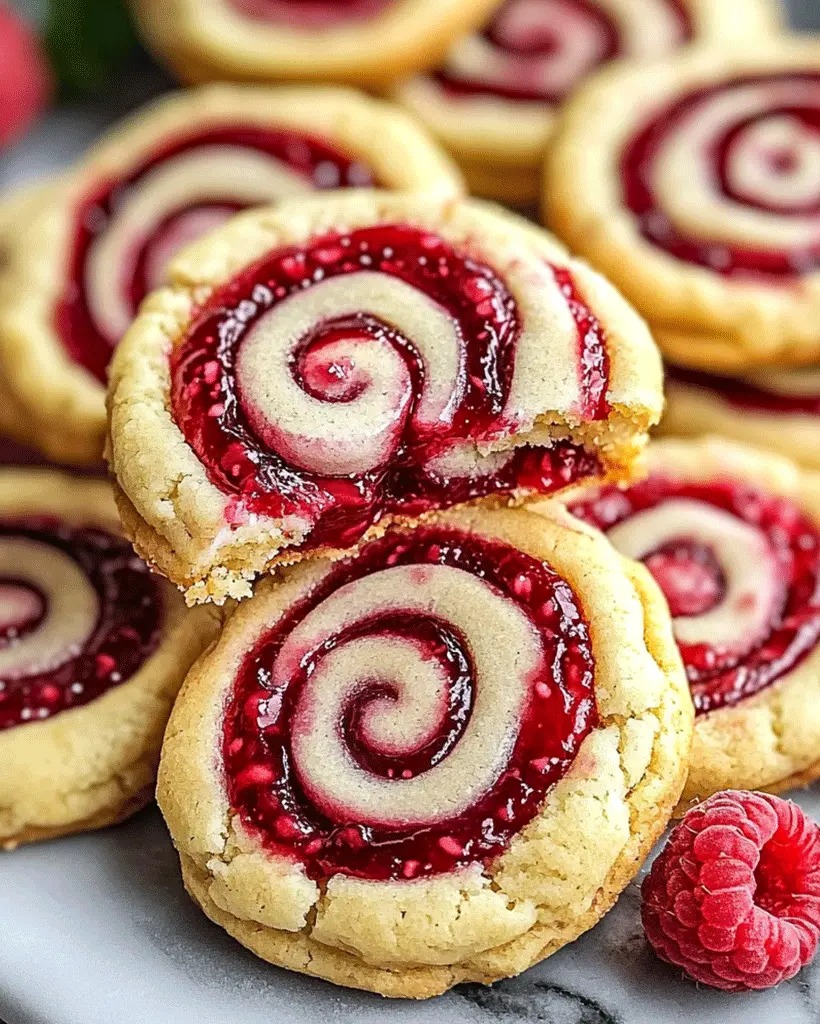
Raspberry Swirl Shortbread Cookies: An Elegant and Easy Recipe
Imagine a cookie that melts in your mouth with a buttery richness, perfectly balanced by the bright, tangy sweetness of raspberries. These raspberry swirl shortbread cookies deliver exactly that experience. They are the perfect union of a classic, crumbly shortbread and a vibrant fruit jam, creating a treat that is as beautiful to look at as it is delicious to eat. The marbled pink and golden dough bakes into elegant slices that look like they came from a professional bakery. Meanwhile, the process is surprisingly simple, making them an ideal project for bakers of any skill level.
These cookies are a fantastic upgrade from plain shortbread. The raspberry swirl adds a pop of flavor and color that transforms a simple staple into something truly special. They are perfect for afternoon tea, holiday cookie trays, or as a lovely homemade gift. The dough comes together quickly with just a few basic ingredients. Furthermore, the chilling step ensures clean, sharp slices and helps the flavors meld beautifully. Ultimately, this recipe proves that impressive baking does not require complicated techniques or obscure ingredients.
The sensory appeal of these raspberry swirl shortbread cookies is undeniable. As they bake, your kitchen fills with the warm, comforting aroma of butter and sugar, underscored by the fruity notes of raspberry. The finished cookie offers a satisfying snap when you bite into it, followed by that signature shortbread crumbliness. The raspberry jam provides little pockets of chewy, intense fruit flavor that cuts through the richness. This combination creates a delightful textural and flavor contrast in every single bite.
Quick Recipe Highlights
- Flavor Profile: These cookies feature a classic, supremely buttery shortbread base. The raspberry swirl introduces a tangy, sweet fruitiness that perfectly complements the richness. The flavor is sophisticated yet familiar, making them a crowd-pleaser for all ages.
- Texture: You get the perfect shortbread texture: crisp edges with a tender, melt-in-your-mouth crumb. The raspberry jam adds delightful chewy streaks. This contrast between the crumbly cookie and the sticky fruit swirl is a key part of their charm.
- Aroma: While baking, the scent of sweet butter and caramelizing sugar fills the air. The raspberry contributes a subtle, fruity perfume. This heavenly aroma is a promise of the delicious treat to come.
- Visual Appeal: The marbled pink and golden dough creates stunning, gallery-worthy slices. Each cookie is uniquely swirled, making your platter look artful and professional. The vibrant color makes them especially perfect for Valentine’s Day or spring celebrations.
- Skill Level Needed: This is an accessible recipe for beginners. The steps are straightforward: mix, swirl, chill, slice, and bake. No special decorating skills are required to achieve the beautiful swirl effect.
- Special Equipment: You only need basic kitchen tools: a mixing bowl, a rolling pin, and a sharp knife. Parchment paper is helpful for easy rolling and cleanup. A stand or hand mixer can speed up creaming the butter and sugar.
Recipe Overview
- Difficulty Level: We rate this recipe as easy. The techniques involved—creaming butter and sugar, rolling dough, and slicing—are fundamental. The chilling step is forgiving, and the beautiful marbled effect happens naturally as you fold the dough. Consequently, even novice bakers can achieve fantastic results.
- Category: This recipe falls squarely into the dessert and baked goods category. Specifically, they are a type of slice-and-bake cookie, which is a subset of drop cookies. They are perfect for snacking, gifting, or serving as part of a dessert spread.
- Cuisine: Shortbread has its roots in Scottish cuisine, known for its simple, butter-forward recipes. This version with a fruit swirl is a modern, Americanized adaptation that incorporates a popular fruit preserve. It blends traditional technique with contemporary flavor.
- Cost: This is a very cost-effective recipe. The base ingredients—butter, flour, sugar—are pantry staples. A small jar of quality raspberry jam provides the swirl without breaking the bank. Overall, you can make two dozen elegant cookies for just a few dollars.
- Season: These raspberry swirl shortbread cookies are wonderful year-round. However, they shine in winter for holiday trays and in spring and summer when berry flavors feel fresh and bright. The pink swirl makes them particularly fitting for Valentine’s Day.
- Occasion: They are versatile for many events: holiday parties, bridal or baby showers, afternoon tea, bake sales, or as a thoughtful homemade gift. Their elegant appearance makes them suitable for formal gatherings, while their delicious taste makes them a hit at casual potlucks.
Why You’ll Love This Recipe
First and foremost, the taste and texture of these raspberry swirl shortbread cookies are utterly irresistible. The buttery, not-too-sweet base provides a rich foundation. Meanwhile, the raspberry jam delivers bursts of bright, tangy fruit flavor. This combination creates a perfectly balanced cookie that is rich yet refreshing. The texture is equally compelling, with a satisfying snap giving way to a tender, crumbly interior. Every bite offers a delightful contrast that keeps you coming back for more.
From a convenience standpoint, this recipe is a dream. The dough comes together in one bowl with minimal cleanup. After a simple swirl and roll, it chills in the fridge or freezer, allowing you to break up the work. You can make the logs days in advance and simply slice and bake when needed. This make-ahead flexibility is a huge benefit for busy hosts. Additionally, the slice-and-bake method means every cookie is uniformly sized and bakes evenly, eliminating the guesswork of drop cookies.
While not a health food, these cookies do offer some nutritional considerations. Using real butter provides fat-soluble vitamins. Opting for a raspberry jam with less added sugar can increase the fruit content and reduce overall sweetness. Shortbread is typically less sugary than many other cookie types, allowing the natural flavors to shine. You can also use whole wheat pastry flour for a fiber boost without sacrificing texture. Ultimately, they are a treat to be enjoyed in moderation as part of a balanced diet.
The social and entertaining value of these cookies is incredibly high. Their stunning appearance immediately impresses guests and makes them a conversation starter. They elevate a simple cup of coffee or tea into a special occasion. Giving a tin of these homemade raspberry swirl shortbread cookies as a gift shows care and effort. They are a guaranteed hit at any potluck or party, often disappearing from the platter first. Baking them can also be a fun, simple activity to do with family or friends.
Finally, these cookies are remarkably cost-effective and accessible. The ingredient list is short and uses items you likely already have on hand. You do not need any expensive equipment or specialty tools. A single batch yields two dozen substantial cookies, making them perfect for feeding a crowd on a budget. Even with high-quality butter and jam, the cost per cookie is minimal. This accessibility means anyone can create a bakery-quality treat in their own kitchen.
Historical Background and Cultural Significance
Shortbread’s origin story begins in Scotland, with roots tracing back to medieval times. Originally, it was a luxury item made from leftover bread dough that was dried out into a “biscuit bread.” The refinement came in the 16th century when butter, thanks to French influence, replaced yeast as the leavening agent. Mary, Queen of Scots, is often credited with popularizing the petticoat tails shape during the Renaissance. This simple combination of one part sugar, two parts butter, and three parts flour became a Scottish culinary icon, traditionally reserved for holidays like Christmas and Hogmanay (New Year’s Eve).
The cultural importance of shortbread is deeply tied to Scottish tradition and hospitality. It was historically considered a symbol of prosperity and was used in celebrations like weddings and holidays. The classic shapes—large rounds divided into segments (petticoat tails), fingers, and rounds—each held significance. Giving shortbread as a gift was a gesture of goodwill. Over time, it transcended its Scottish origins to become a beloved teatime treat across the United Kingdom and eventually the world, synonymous with buttery richness and simple elegance.
The evolution of the shortbread recipe has been gradual but significant. While the classic triad of ingredients remains sacred, modern bakers have introduced countless variations. The addition of flavors like citrus zest, chocolate, or spices became common. The “swirl” technique, where a flavoring agent is marbled into the dough, is a more recent innovation that allows for visual drama and flavor pockets without over-mixing. This adaptation, like our raspberry swirl, represents the natural progression of a traditional recipe to suit contemporary tastes and aesthetics, while still honoring the essential shortbread texture.
Regional variations of shortbread abound. In Scotland, you might find “Aberdeen butteries,” which are richer and flakier. Some recipes include rice flour or cornstarch to achieve an even more tender, melt-in-the-mouth texture known as “sandy.” Around the world, different cultures have put their spin on it: Mexican wedding cookies add nuts, Russian tea cakes use powdered sugar. The fruit swirl concept, particularly with raspberry or strawberry jam, has become a popular American and British variation, adding a layer of fruitiness that complements the butter perfectly and creates a stunning visual effect.
Ingredient Deep Dive
Unsalted butter is the undisputed star of any shortbread, and these raspberry swirl shortbread cookies are no exception. Culturally, the use of high-quality butter is what distinguished wealthy households in historical Scotland. Nutritionally, butter provides fat-soluble vitamins A, D, E, and K. For selection, always choose unsalted butter so you control the salt content, and opt for a high-fat European-style butter if possible for unparalleled flavor and texture. Store butter in the fridge, but bring it to cool room temperature (about 65°F) for creaming. For a dairy-free version, a high-quality vegan butter designed for baking can work, though the flavor profile will change slightly.
Granulated sugar in shortbread serves two purposes: it sweetens and, when creamed with butter, helps create a delicate structure by incorporating tiny air bubbles. Historically, sugar was a precious commodity, making shortbread a special-occasion treat. In this recipe, it provides a clean sweetness that doesn’t compete with the raspberry. There are no significant nutritional benefits to refined sugar. For selection, standard white granulated sugar is perfect. You can store it indefinitely in an airtight container. For substitution, caster sugar (superfine sugar) will incorporate even more easily. Avoid brown sugar, as its moisture and molasses flavor will alter the classic shortbread texture and taste.
All-purpose flour provides the structure for our cookies. The classic Scottish ratio uses a portion of rice flour for a crumblier texture, but all-purpose works beautifully and is more accessible. Flour is a source of carbohydrates and some protein (gluten). When selecting flour, a reliable national brand works perfectly; there’s no need for specialty flour here. Store flour in a cool, dry place in a sealed container. For a gluten-free adaptation, use a 1:1 gluten-free all-purpose flour blend that contains a binder like xanthan gum. Do not substitute with almond or coconut flour, as they have completely different absorption properties.
Raspberry jam is the flavor and visual hero of the swirl. Raspberries have been cultivated since ancient times, and their preserves have long been a way to capture summer’s bounty. Nutritionally, raspberry jam provides some vitamins and antioxidants from the fruit, though sugar content is high. For selection, choose a good-quality seedless raspberry jam or preserves for a smooth swirl. A thicker jam works better than a runny jelly. Store opened jam in the refrigerator. For substitutions, any berry jam (strawberry, blackberry, blueberry) or even orange marmalade would create a delicious variation. Just ensure it’s thick enough not to make the dough soggy.
Salt is a critical but often overlooked ingredient in sweet baking. It enhances all the other flavors and balances the sweetness. In these raspberry swirl shortbread cookies, it makes the butter taste richer and the raspberry flavor pop. Use fine sea salt or table salt to ensure even distribution. If you only have kosher salt, use about 1.5 times the volume, as it’s less dense. There’s no real substitution for salt; omitting it will result in flat-tasting cookies. It’s a pantry staple with indefinite shelf life when kept dry. This tiny ingredient makes a monumental difference in achieving a perfectly balanced, professional-tasting cookie.
Common Mistakes to Avoid
- Using melted or too-warm butter: This is the most common error. Butter must be at cool room temperature for proper creaming. If it’s melted or too soft, the dough will be greasy and spread excessively during baking, losing the defined shortbread texture. Your butter should yield slightly to pressure but not feel oily.
- Over-mixing the dough after adding flour: Once the flour is incorporated, mix only until just combined. Over-mixing develops the gluten in the flour, leading to tough, dense cookies instead of the desired tender, crumbly texture. A few dry streaks are better than an overworked dough.
- Skipping the chilling step: Chilling the dough log is non-negotiable. It firms up the butter, solidifies the swirl pattern, and prevents the cookies from spreading into puddles in the oven. Attempting to slice soft dough will result in misshapen cookies and a messy jam swirl.
- Spreading the jam too thickly or evenly: The goal is a swirl, not a uniform layer. If you spread the jam too thick, it can make the dough sticky and difficult to roll. It may also cause the baked cookies to be overly wet in spots. Use a thin, uneven layer for the best marbled effect.
- Using a dull knife to slice: A dull knife will crush the beautiful swirl pattern and cause the dough log to crack. Use a very sharp chef’s knife or serrated knife, and wipe it clean between slices for the cleanest, most attractive cookies.
- Slicing cookies too thick or too thin: Aim for slices just under 1/2-inch thick. Thicker slices may not bake through properly in the center, while thinner slices can over-brown and become too crisp, losing the tender shortbread quality.
- Over-baking: Shortbread should be lightly golden around the edges, not deep brown. They continue to set as they cool on the baking sheet. Over-baking will make them hard and bitter. Set a timer and check them at the minimum bake time.
- Moving cookies immediately after baking: The cookies are very fragile when hot. Let them cool on the baking sheet for at least 10 minutes before transferring them to a wire rack. This allows them to firm up and prevents breakage.
- Using jelly instead of jam: Jelly is often too runny and sugary. It can seep out during baking and burn, or make the dough too wet. A thicker seedless raspberry jam or preserves has more body and fruit content, creating a better swirl and flavor.
- Not lining the baking sheet: Always use parchment paper or a silicone baking mat. This prevents sticking and makes cleanup effortless. It also ensures the bottoms of the cookies bake evenly without over-browning.
Essential Techniques
Creaming butter and sugar is the foundational technique for perfect raspberry swirl shortbread cookies. This process incorporates tiny air bubbles into the dough, which helps create a light, tender crumb. To master it, ensure your butter is at the ideal cool room temperature. Beat the butter alone for a minute first to soften it, then add the sugar and beat on medium speed for 2-3 minutes until the mixture is noticeably lighter in color and fluffy. A common pitfall is using butter that’s too warm, which will result in a greasy, dense dough. The visual cue for success is a pale, creamy mixture that holds its shape.
The swirl technique is what gives these cookies their signature look. After rolling the dough into a rectangle, you spread a thin, uneven layer of jam. The key is to leave bare patches of dough. When you roll it up, these patches will create the beautiful marbled effect. If you spread the jam evenly, you’ll get a uniform layer, not a swirl. A common mistake is using too much jam, which makes the dough soggy and difficult to handle. The goal is a rustic, streaky distribution. As you roll, the jam will naturally swirl and create those stunning pink ribbons throughout the golden dough.
Chilling the dough log is a critical step you cannot rush. This firms the butter back up, ensuring the cookies hold their shape during baking. It also sets the swirl pattern so it doesn’t smear when sliced. Wrap the log tightly in plastic wrap to prevent it from picking up fridge odors and to avoid a dry, crusty exterior. A common pitfall is not chilling long enough; the log should be firm to the touch. For the best results, chill for at least 2 hours, or overnight. You can even freeze the log for up to 3 months, making this a fantastic make-ahead recipe. The dough is ready to slice when a knife goes through it cleanly without deforming the shape.
Slicing the chilled log requires a sharp knife and a gentle touch. Use a smooth, sawing motion rather than pushing straight down, which can crack the dough. Wipe the knife blade clean after each slice to prevent jam buildup, which can drag and distort the swirl. Aim for uniform thickness (just under 1/2-inch) so all the cookies bake evenly. If the log cracks slightly, don’t worry; simply press it back together—the cracks will often bake out. The visual cue for perfect slices is a clear, defined marbling pattern on the face of each cookie. Arrange them on the baking sheet with a little space between, as they will spread slightly.
Pro Tips for Perfect Raspberry Swirl Shortbread Cookies
For the most defined swirl, slightly freeze your rolled dough rectangle for 10 minutes before spreading the jam. This firms up the surface, making it easier to spread a thin layer without tearing the dough.
If your jam is very thick or chunky, warm it gently for 5-10 seconds in the microwave. This makes it spreadable, but let it cool slightly so it doesn’t melt the butter in the dough.
For extra flavor, add a teaspoon of lemon or orange zest to the butter-sugar mixture. The citrus brightens the raspberry flavor and adds a lovely aromatic note.
Roll your dough log in coarse or sanding sugar before chilling. This adds a delightful crunch and sparkling appearance to the edges of each baked cookie.
Rotate your baking sheet halfway through the baking time. This ensures even browning, especially if your oven has hot spots, leading to a perfectly golden batch.
Let the cookies cool completely on a wire rack before storing. Trapped steam can make them soft. Proper cooling ensures they stay crisp and crumbly.
For gift-giving, layer the completely cooled cookies between sheets of parchment paper in a tin. This prevents them from sticking together and breaking during transport.
If your dough log becomes too hard to slice after prolonged chilling, let it sit at room temperature for 5-10 minutes. This prevents the dough from cracking under pressure from the knife.
Variations and Adaptations
For regional variations, consider the classic Scottish influence by replacing a quarter of the all-purpose flour with rice flour. This creates a more traditional, sandier texture. A Mexican-inspired version could incorporate a teaspoon of cinnamon into the dough and use a guava paste swirl. A Mediterranean twist might feature a swirl of fig jam with a pinch of black pepper in the shortbread for complexity. These adaptations show how the basic formula can travel across culinary traditions while maintaining its essential charm.
Seasonal adaptations make this recipe a year-round favorite. In fall, use spiced apple butter or pumpkin butter for the swirl, and add a pinch of pumpkin pie spice to the dough. For winter holidays, a cranberry-orange jam is spectacular. In spring, lemon curd creates a bright, sunny swirl. Summer invites a swirl of homemade blackberry or peach preserves. You can also tint the dough naturally: a bit of matcha powder for green, freeze-dried strawberry powder for pink, or cocoa for a chocolate shortbread base. This flexibility ensures your cookie jar is always seasonally appropriate.
Dietary modifications are straightforward. For gluten-free raspberry swirl shortbread cookies, use a reliable 1:1 gluten-free flour blend. For dairy-free, use a high-quality vegan butter stick. To make them vegan, use vegan butter and ensure your sugar is vegan (some white sugar is processed with bone char). For a lower-sugar option, reduce the granulated sugar slightly and use a no-sugar-added raspberry spread. While the texture may vary slightly with substitutions, you can still achieve delicious, inclusive cookies that accommodate various dietary needs without sacrificing the joyful eating experience.
Flavor variations are endless. Instead of raspberry, try other jams: apricot, blackberry, or even a spicy pepper jelly for a sweet-heat combination. Incorporate extracts: a 1/2 teaspoon of almond extract in the dough pairs beautifully with raspberry. For a nutty dimension, fold in 1/4 cup of finely chopped toasted pecans or almonds. A chocolate version can be made by replacing two tablespoons of flour with cocoa powder and using a chocolate-hazelnut spread for the swirl. These simple tweaks allow you to customize the recipe to your personal taste or to use what you have in your pantry.
Texture modifications can tailor the cookie to your preference. For a more delicate, melt-away texture, replace 1/4 cup of the all-purpose flour with cornstarch. For a heartier, nuttier cookie, substitute up to half the flour with whole wheat pastry flour. Adding 1/4 cup of rolled oats (pulsed in a food processor to a coarse flour) gives a pleasant chew. If you enjoy texture contrast, roll the finished dough log in finely chopped pistachios or pecans before chilling. Each modification changes the mouthfeel subtly, allowing you to create your perfect version of this classic treat.
Presentation alternatives can elevate your cookies for special events. Instead of slicing into rounds, slice the chilled log on a sharp diagonal for longer, elegant oval cookies. For uniform shapes, you can also press the dough into a square pan, chill, then cut into bars after baking. For a festive touch, dip half of each cooled cookie in melted white or dark chocolate. You can also drizzle a simple powdered sugar glaze over the top. For a tea party, use a smaller log to create bite-sized versions. These presentation tricks make the same delicious cookie feel new and specially crafted for any occasion.
Serving and Presentation Guide
Plating techniques can transform simple cookies into a stunning dessert. For a casual gathering, pile the raspberry swirl shortbread cookies high on a rustic wooden board or in a simple ceramic bowl. For a more formal tea or event, arrange them in a single layer on a elegant tiered stand or a vintage china plate. Consider color contrast: a white or dark slate plate makes the pink swirls pop. Space the cookies evenly rather than crowding them, allowing each one to be appreciated individually. This thoughtful presentation signals to your guests that these homemade treats are something special.
Garnishing ideas are minimal but effective, as the cookies are beautiful on their own. A light dusting of powdered sugar just before serving adds a snowy, elegant finish. You can place a single fresh raspberry or a tiny mint leaf next to each cookie on the plate. For a brunch or shower, edible flowers make a breathtaking garnish. If you’ve dipped the cookies in chocolate, a sprinkle of sea salt or crushed freeze-dried raspberries on the wet chocolate looks professional. Remember, the swirl is the star, so any garnish should complement, not cover, the marbled design.
Traditional accompaniments for shortbread are simple and elegant. A pot of hot tea—Earl Grey, English Breakfast, or a fruity herbal blend—is the classic pairing. Coffee, both hot and iced, also works wonderfully. For a dessert course, serve these cookies alongside a scoop of vanilla bean ice cream or a dollop of lightly sweetened whipped cream. A small glass of dessert wine like a Moscato d’Asti or a late-harvest Riesling can elevate an after-dinner offering. These pairings honor the cookie’s heritage while providing a complete sensory experience.
Modern serving suggestions play with temperature and texture contrast. Crumble a cookie over a bowl of lemon sorbet or Greek yogurt for a sophisticated parfait. Use them as a base for a mini cheesecake by topping with a spoonful of lemon curd and a berry. For a playful twist, sandwich a small scoop of raspberry sorbet between two cookies for an ice cream sandwich. Crush them to use as a crust for a fruit tart or a topping for a fruit crisp. These ideas extend the life of the cookies and integrate them into more complex desserts.
Temperature considerations are key for the best eating experience. These raspberry swirl shortbread cookies are best served at room temperature. This allows the butter’s flavor to be fully expressed and the texture to be perfectly crisp yet tender. If stored in the refrigerator, let them come to room temperature for about 30 minutes before serving. They should not be served warm from the oven, as they need time to set and develop their signature snap. In very humid weather, serve them immediately after placing on the platter to maintain their crispness.
Portion control tips are helpful, as these rich cookies are quite satisfying. One cookie per person is often sufficient with tea or coffee. For a dessert plate, one cookie alongside a small scoop of ice cream makes a perfect portion. If serving as part of a larger cookie assortment, you can slice the log slightly thinner to yield more, smaller pieces. When packing them for gifts, 4-6 cookies in a small cellophane bag or decorative tin is a generous yet manageable amount. Being mindful of portion size ensures everyone can enjoy this rich treat without feeling overwhelmed.
Wine and Beverage Pairing
Wine pairings for these cookies should complement both the buttery richness and the fruity tang. A classic pairing is a late-harvest Riesling or Gewürztraminer, whose natural sweetness and acidity mirror the raspberry jam. A sparkling wine like Prosecco or Champagne cuts through the butter with its bubbles and acidity, creating a refreshing contrast. For red wine lovers, a light-bodied, low-tannin Pinot Noir with red fruit notes can be surprisingly good. Avoid heavy, tannic reds or very dry whites, as they can clash with the sweetness. The goal is a beverage that cleanses the palate and enhances the cookie’s flavors, not competes with them.
Non-alcoholic alternatives offer delightful pairings for all ages. Sparkling water with a squeeze of lemon or a few fresh raspberries is crisp and cleansing. A tart lemonade or raspberry iced tea echoes the fruitiness. For a warm option, a pot of herbal tea like raspberry zinger, peppermint, or chamomile is soothing and complementary. Chai tea, with its warm spices, provides a beautiful contrast to the sweet fruit. Even a cold glass of milk is a timeless, comforting match for buttery cookies. These options ensure everyone at the table can enjoy a perfect sip alongside their treat.
Coffee and tea pairings are perhaps the most traditional and successful. For coffee, a medium-roast brew with low acidity and notes of caramel or nut pairs beautifully, as it doesn’t overpower the cookie’s subtlety. A cappuccino or latte provides a creamy counterpoint. In terms of tea, black teas are king: Earl Grey’s bergamot adds a floral note, English Breakfast is a sturdy classic, and Darjeeling offers a muscatel flavor that complements the fruit. Green teas like Sencha can be too grassy, but a jasmine green tea can work well. The ritual of cookie and hot drink is part of the charm, slowing down the moment for enjoyment.
Temperature considerations for beverages depend on the setting. Iced coffee or tea is wonderful for a summer afternoon, while hot drinks are cozy for cooler weather. If serving wine, white and sparkling should be well-chilled, while a light red like Pinot Noir is best slightly below room temperature. For non-alcoholic sparklers, keep them very cold. The temperature of the drink should provide a contrast or complement to the room-temperature cookie. A cold, fizzy drink can refresh the palate, while a hot drink can make the butter in the cookie feel even more luxurious and melting.
Serving suggestions for a pairing event can be simple yet impactful. Offer a choice of two teas or coffees in small pots. For a wine pairing, a small pour (2-3 ounces) is plenty alongside a cookie. Present the beverage in clear glassware or nice china to elevate the experience. Provide a small pitcher of cream and sugar for coffee and tea, allowing guests to customize. Most importantly, serve the cookies on a separate plate or board, allowing them to be the visual focal point. This thoughtful setup turns a simple snack into a curated tasting experience.
Storage and Shelf Life
Storage methods are crucial for maintaining the perfect texture of your raspberry swirl shortbread cookies. Once completely cooled, store them in an airtight container at room temperature. Layer them between sheets of parchment paper to prevent sticking and to protect the delicate surfaces. A cookie tin with a tight seal is ideal, as is a glass or plastic container. Do not store them in the refrigerator, as this can introduce moisture and cause them to become soft. If you must refrigerate due to high humidity, let them come to room temperature in the sealed container before serving to avoid condensation.
Temperature requirements are straightforward: a cool, dry pantry or cupboard is perfect. Avoid storing them near the stove, dishwasher, or any source of heat or steam. The ideal temperature range is between 60°F and 70°F. In very hot and humid climates, you might consider storing the airtight container in a cooler part of the house, but not the fridge. Heat will cause the butter to soften and the cookies to lose their crispness. Consistent, moderate temperature is the key to preserving that just-baked texture for as long as possible.
Container recommendations prioritize airtightness. Metal tins with tight-fitting lids are classic and effective. Glass jars with clamp lids or plastic containers with locking lids work very well. If using a plastic container, ensure it is completely odor-free. You can also use a gallon-size zip-top bag, pressing out all the air before sealing. Avoid storing in paper bags or cardboard boxes, as they allow air and moisture to pass through, making the cookies stale quickly. The goal is to create a sealed environment that locks in freshness and keeps ambient humidity out.
Signs of spoilage are usually related to texture and flavor rather than safety. The cookies are so low in moisture that microbial growth is unlikely. However, they will become stale—losing their crisp snap and developing a softer, chewier texture. The butter can also oxidize over time, leading to a slightly rancid or “off” flavor. If you see any mold (extremely rare), discard the entire batch. Typically, the cookies will simply become less enjoyable as they age, signaling it’s time to bake a fresh batch or properly freeze any leftovers.
Reheating instructions can revive day-old cookies. If they have softened, you can crisp them up in a 300°F oven for 3-5 minutes. Watch them closely to prevent browning. Let them cool on the sheet again before serving. This brief warming can also enhance the aroma. Do not use a microwave, as it will make them soft and potentially greasy. The gentle dry heat of an oven is the only recommended method for refreshing your shortbread. This trick can add a day or two of enjoyable life to your batch.
Freezing guidelines are excellent for long-term storage. You can freeze the baked, completely cooled cookies in an airtight, freezer-safe container or bag for up to 3 months. Separate layers with parchment paper. Thaw at room temperature in the sealed container to prevent condensation. You can also freeze the unbaked dough log for up to 3 months; wrap it tightly in plastic wrap and then foil. Slice and bake directly from the freezer, adding 1-2 minutes to the baking time. Freezing is a fantastic way to always have homemade cookies on hand for unexpected guests or cravings.
Make Ahead Strategies
The prep timeline for these cookies is very flexible, making them a fantastic make-ahead dessert. You can prepare the dough log up to 3 days in advance and keep it wrapped tightly in the refrigerator until you’re ready to slice and bake. For longer storage, freeze the log for up to 3 months. The baked cookies themselves keep well at room temperature for 5-7 days in an airtight container. This timeline means you can do the active work on a weekend and have fresh-baked cookies any day of the week, or even have dough ready for last-minute holiday baking.
Storage between steps is simple. After forming the dough log, wrap it tightly in plastic wrap, pressing the wrap directly onto the surface to prevent drying. You can then place this wrapped log in a zip-top bag for an extra layer of protection. Store it in the fridge (for days) or freezer (for months). If refrigerating for more than a day, you might see a little condensation on the plastic when you unwrap it; just pat the log dry with a paper towel before slicing. This method ensures the dough retains its moisture and flavor.
Quality impact assessment shows that make-ahead strategies often improve the cookies. Chilling the dough for an extended period (even overnight) allows the flour to fully hydrate and the flavors to meld, resulting in a more tender texture and richer taste. Freezing the unbaked log has minimal negative impact; some bakers argue it even improves the texture. Baked cookies stored properly retain their quality for nearly a week. The only step that should be done just before serving is slicing and baking (if using frozen dough) or presenting on a platter. Otherwise, planning ahead only enhances the final product.
Assembly tips for make-ahead baking focus on efficiency. If you’re making multiple logs for a big event, label them with the flavor and date using masking tape on the plastic wrap. When ready to bake, preheat your oven and line your sheets while the oven comes to temperature. Slice the log directly onto the parchment-lined sheet. If baking multiple sheets, rotate them top to bottom and front to back halfway through for even browning. Having everything measured and ready (parchment, baking sheets) turns the baking step into a quick, streamlined process.
Reheating guidelines for make-ahead cookies are only Print
Raspberry Swirl Shortbread Cookies
- Total Time: 45 minutes
- Yield: 4
Description
Buttery shortbread cookies swirled with sweet-tart raspberry jam for a delightful, melt-in-your-mouth treat.
Ingredients
- 1 cup unsalted butter, softened
- 1/2 cup granulated sugar
- 1 teaspoon vanilla extract
- 2 1/4 cups all-purpose flour
- 1/4 teaspoon salt
- 1/2 cup raspberry jam or preserves
Instructions
- In a large bowl, cream together the softened butter and sugar until light and fluffy. Mix in the vanilla extract.
- Gradually add the flour and salt, mixing until a soft dough forms. Do not overmix.
- Roll the dough into a log shape, then flatten slightly. Spread raspberry jam evenly over the surface, then roll up tightly into a log. Wrap in plastic wrap and chill for at least 1 hour.
- Preheat oven to 350°F (175°C). Slice the chilled dough into 1/4-inch rounds and place on a parchment-lined baking sheet.
- Bake for 12-15 minutes, or until the edges are lightly golden. Let cool on the baking sheet for 5 minutes before transferring to a wire rack.
Notes
You can customize the seasonings to taste.
- Prep Time: 15 minutes
- Cook Time: 30 minutes
- Method: Dessert
- Cuisine: American