How to Make Levain Bakery’s Famous NYC Chocolate Chip Cookies: A Copycat Recipe for Epic Cookies
Imagine pulling a cookie from your oven that rivals the legendary giants from Levain Bakery in New York City. This recipe unlocks the secrets to those famously thick, bakery-style chocolate chip cookies with a perfectly gooey center and crisp, golden edges. Moreover, you can recreate this iconic treat in your own kitchen with a handful of quality ingredients and a few key techniques. Ultimately, mastering this Levain Bakery NYC chocolate chip cookies recipe means never having to wait in that infamous line again.
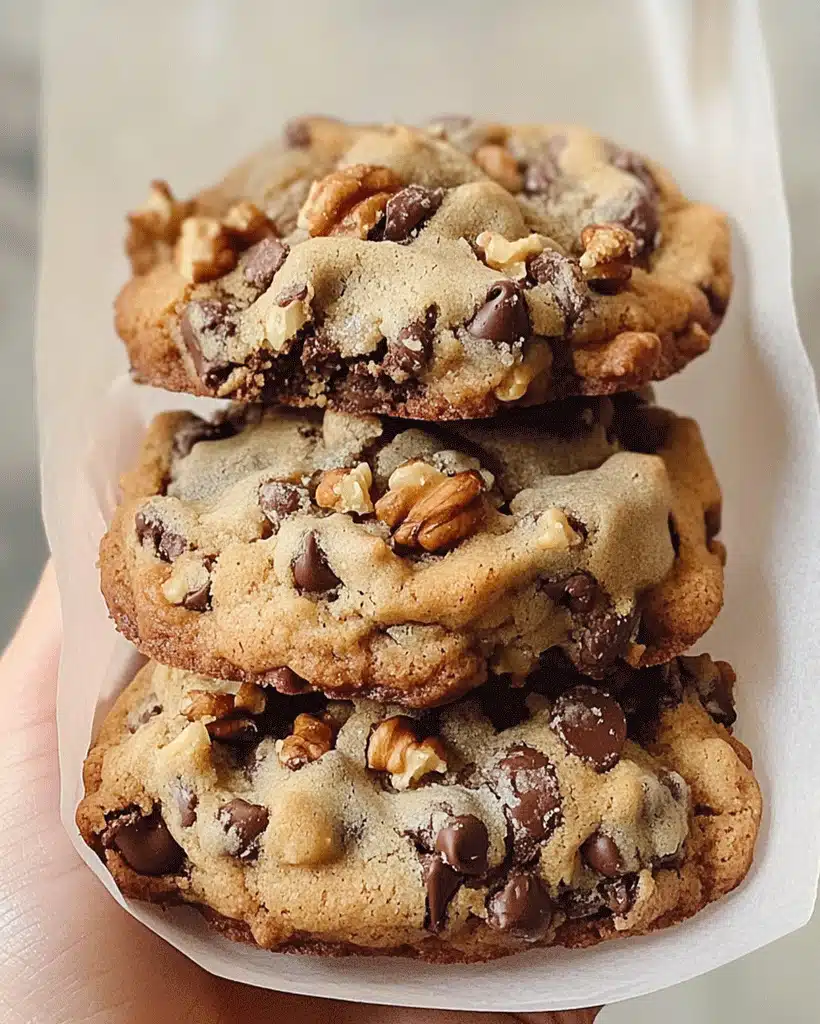
The magic of a true Levain cookie lies in its deceptive simplicity and massive appeal. Each cookie is a masterpiece of texture: a crackly, sugared exterior gives way to a dense, tender, and almost underbaked center packed with molten chocolate and crunchy walnuts. The aroma alone, a rich blend of browned butter, vanilla, and melting chocolate, is enough to draw a crowd. Consequently, this recipe focuses on replicating that specific sensory experience, from the substantial weight of the dough ball to the final glorious presentation.
Baking these cookies is a rewarding project for any home baker looking to level up their skills. While the ingredient list is familiar, the method and proportions are what set this chocolate chip cookie recipe apart. Specifically, we use cold butter, minimal flour, and an abundance of mix-ins to achieve that signature craggy top and soft interior. Therefore, follow each step closely, and you will be rewarded with the most decadent, shareable (or not!) cookies you have ever made.
Quick Recipe Highlights
- Flavor Profile: These cookies deliver a deep, complex sweetness from dark brown sugar, balanced by the richness of high-quality chocolate and the nutty, slightly bitter contrast of walnuts. The flavor is intensely buttery with warm vanilla notes.
- Texture: The hallmark of this cookie is its contrast: a crisp, fragile outer shell protects a dense, fudgy, and remarkably soft interior that stays gooey for days. Chunks of chocolate and walnuts provide satisfying crunch.
- Aroma: As they bake, your kitchen will fill with the scents of caramelizing sugar, toasting nuts, and melting chocolate. The dominant note is a warm, buttery caramel aroma from the dark brown sugar.
- Visual Appeal: These are intentionally rustic, massive cookies with a craggy, uneven top and a rough, golden-brown exterior. They look homemade in the best way, promising abundance and indulgence.
- Skill Level Needed: This is an intermediate recipe. Success requires comfort with creaming butter and sugar, handling a very thick dough, and using visual cues rather than just a timer for doneness.
- Special Equipment: A stand mixer is highly recommended to handle the stiff dough. You will also need a kitchen scale for accuracy, a heavy baking sheet, and a sturdy cookie scoop or ice cream scoop for portioning.
Recipe Overview
- Difficulty Level: We rate this recipe as intermediate. While the steps are straightforward, achieving the perfect texture relies on precise techniques like using cold butter, avoiding over-mixing, and understanding the unique look of a properly baked Levain-style cookie. The dough is also very thick and requires a powerful mixer.
- Category: This recipe falls squarely into the dessert category, specifically within the beloved realm of homemade cookies. It is a bakery-style treat meant for special occasions, gifting, or an extraordinary homemade snack.
- Cuisine: This is a distinctly American recipe, born from the New York City bakery scene. It represents the ultimate evolution of the classic American chocolate chip cookie, emphasizing size, richness, and textural drama over delicate refinement.
- Cost: The cost is moderate to high, primarily due to the large quantity of high-quality chocolate and nuts. Using store-brand butter and flour can offset costs, but splurging on good chocolate chips and fresh walnuts is recommended for authentic flavor.
- Season: These cookies are perfect year-round but feel especially comforting in fall and winter. Their warm, rich flavors pair wonderfully with cold weather. Conversely, they are a fantastic picnic or potluck dessert in the summer.
- Occasion: Ideal for potlucks, holiday cookie plates, birthday treats, or as a impressive homemade gift. Because of their size and richness, they make a statement at any gathering. They are also the ultimate project for a satisfying weekend baking session.
Why You’ll Love This Recipe
First and foremost, the taste and texture of these cookies are utterly transformative. Biting into one is an event: your teeth break through a delicate, sugary crust into a center that is somehow both cakey and fudgy. Meanwhile, rivers of melted chocolate and pockets of toasted walnut create a symphony of flavors and textures in every mouthful. Unlike thin, crispy cookies, these have a substantial, almost brownie-like quality that makes them deeply satisfying. Ultimately, this Levain Bakery NYC chocolate chip cookies recipe delivers a professional-level result that will make you feel like a master baker.
From a convenience standpoint, this recipe is remarkably straightforward despite its impressive outcome. You likely have most ingredients already, and the process involves classic cookie-making techniques. Furthermore, the dough requires no chilling time, meaning you can go from mixing bowl to warm cookie in under an hour. The recipe also yields a small batch of eight large cookies, which is perfect for avoiding waste while still having plenty to share. Therefore, it is an achievable project for a weeknight treat or a last-minute dessert.
While not a health food, these cookies do offer some nutritional advantages from their wholesome add-ins. Walnuts provide healthy fats, protein, and antioxidants, contributing to satiety. Using dark chocolate chips increases the antioxidant content compared to milk chocolate. Additionally, the substantial size encourages mindful eating; one cookie is often enough to share or savor slowly over time. Consequently, you can indulge in a truly decadent treat while incorporating beneficial ingredients.
The social and entertaining value of these cookies cannot be overstated. Presenting a plate of these homemade giants is guaranteed to elicit awe and delight from friends and family. They are a spectacular offering for parties, a thoughtful hostess gift, or a surefire way to become the favorite neighbor. Baking them can also be a fun family activity, especially the step of forming the massive dough balls. In short, this chocolate chip cookie recipe is as much about creating joy and connection as it is about creating dessert.
Finally, this recipe is cost-effective and accessible when compared to the real thing. A single cookie from Levain Bakery costs several dollars, plus travel to NYC. This copycat recipe allows you to make eight equally magnificent cookies for the price of basic baking staples and a bar of good chocolate. You also gain the ability to customize—use your favorite chocolate, adjust the nut ratio, or even add a sprinkle of sea salt. Thus, you achieve bakery-quality results with home kitchen convenience and budget.
Historical Background and Cultural Significance
The origin story of the Levain cookie is a classic tale of passion meeting opportunity. In 1995, friends Connie McDonald and Pam Weekes opened Levain Bakery on Manhattan’s Upper West Side, initially focusing on artisan breads. However, their now-legendary chocolate chip walnut cookie was created as a high-energy snack for the owners themselves during long training sessions for a triathlon. They wanted something indulgent yet sustaining. This personal recipe quickly captivated customers, and the cookie’s fame rapidly eclipsed the bakery’s original bread-focused menu, transforming the small shop into an international destination.
The cultural importance of the Levain cookie lies in its role as a symbol of New York City’s indulgent, larger-than-life food scene. It represents a specific early-2000s moment when gourmet, “messy” food became celebrated. The cookie itself, with its defiant size and unabashed richness, broke the mold of dainty, perfect pastries. It became an icon, featured in countless travel guides, TV shows, and food blogs as a quintessential NYC experience. Consequently, the cookie transcended its bakery origins to become a piece of edible pop culture.
The evolution of the recipe in the public sphere is fascinating. For years, the exact formula was a closely guarded secret, fueling endless attempts by home bakers and food writers to crack the code. This mystery created a community of enthusiasts dedicated to reverse-engineering the perfect copycat. Over time, through trial, error, and shared knowledge, a consensus on the key techniques emerged: high butter-to-flour ratio, cold butter, cornstarch for softness, and an abundance of mix-ins. This collective baking sleuthing is a testament to the cookie’s powerful appeal.
While the chocolate chip walnut remains the flagship, regional and personal variations have flourished. Some copycat recipes incorporate cake flour for tenderness, others use a blend of chocolate types, and many debate the ideal nut. Bakers across the country have adapted the formula to include local ingredients like pecans or macadamia nuts. Furthermore, the “Levain-style” has inspired a whole category of oversized, underbaked center cookies featuring other flavors like oatmeal raisin or dark chocolate peanut butter. Thus, the original recipe spawned an entire genre of home baking.
Ingredient Deep Dive
Cold Unsalted Butter: This is the non-negotiable cornerstone of the Levain cookie’s texture. Using butter straight from the refrigerator is crucial. When cold butter is creamed with sugar, it creates tiny air pockets that expand in the oven, contributing to a rise that then collapses slightly for that craggy top. It also melts more slowly, preventing the cookie from spreading too thin. Historically, butter’s role in baking transformed pastries, and here it provides both structure and that irreplaceable rich flavor. For best results, cut your cold butter into small cubes before creaming.
Dark Brown Sugar: Dark brown sugar, with its higher molasses content, is responsible for the cookie’s deep caramel flavor, moist texture, and beautiful crackled surface. The molasses adds acidity, which reacts with baking soda for lift, and hygroscopic properties, meaning it attracts and retains moisture from the air. This keeps the center soft for days. When selecting brown sugar, ensure it is fresh and soft; hard sugar will not incorporate properly. You can make your own by adding a tablespoon of molasses to a cup of white sugar if needed.
Bread Flour: The use of bread flour, with its higher protein content (typically 12-14%), is a secret weapon. The extra gluten provides more structure and chew, helping the massive cookie hold its shape without becoming cakey. It gives the interior a pleasant, substantial mouthfeel that contrasts with the gooey center. If you only have all-purpose flour, the cookies will still be delicious but may spread slightly more and have a slightly less robust chew. For the authentic Levain Bakery NYC chocolate chip cookies texture, bread flour is highly recommended.
Walnuts & Chocolate Chunks: The volume of mix-ins is staggering and intentional. Toasted walnuts add a necessary bitter crunch that balances the intense sweetness. Toasting is non-negotiable—it deepens their flavor and removes raw bitterness. Use a mix of chocolate chips and hand-chopped chocolate bars for varied texture; the chips hold shape, while the chunks create molten pools. This combination ensures chocolate in every single bite. Opt for a high-quality semi-sweet or dark chocolate (around 60% cacao) for the best flavor contrast against the sweet dough.
Common Mistakes to Avoid
- Using Room Temperature Butter: This is the most common error. Room temperature butter will cream too easily and create a dough that spreads excessively in the oven, resulting in a thin, crispy cookie instead of a thick, dense one. Always start with butter cold from the fridge.
- Over-Mixing the Dough: Once you add the dry ingredients, mix only until the flour disappears. Over-mixing develops the gluten in the bread flour too much, leading to tough, bread-like cookies rather than tender, crumbly ones.
- Skimping on Mix-Ins: The dough should be absolutely packed with chocolate and nuts. If it looks like there’s more dough than add-ins, you do not have enough. The abundance is key to the texture and prevents the cookie from baking into a solid cake.
- Not Toasting the Walnuts: Raw walnuts can have a slightly bitter, grassy flavor. Toasting them in a dry pan or oven for 5-7 minutes until fragrant unlocks their nutty sweetness and adds a crucial layer of flavor to the final cookie.
- Using Only Chocolate Chips: Chocolate chips are designed to hold their shape. For those iconic molten pockets, you must incorporate hand-chopped chocolate bars. The irregular pieces melt into glorious rivers of chocolate throughout the baked cookie.
- Over-Baking: These cookies are meant to look underbaked when you take them out. The centers should appear very soft and puffy. They will set as they cool on the baking sheet. A fully set center in the oven means a dry, over-baked cookie.
- Measuring Flour Incorrectly: Scooping flour directly from the bag packs it down, leading to excess flour and dry, crumbly cookies. Always spoon flour into your measuring cup and level it off, or better yet, use a kitchen scale for perfect accuracy.
- Placing Dough Balls Too Close Together: These cookies spread. Placing them at least 3 inches apart on the baking sheet is essential to prevent them from merging into one giant, misshapen cookie mass. Use a large sheet and bake in batches.
Essential Techniques
Creaming Cold Butter and Sugar: This technique is vital for incorporating air and creating structure. In your stand mixer, beat the cold butter cubes with both sugars on medium-high speed for a full 2-3 minutes. The mixture will become pale, fluffy, and noticeably increased in volume. It will not look like typical room-temperature creamed butter; it will be clumpy and thick. This is correct. The goal is to create those essential air pockets without warming the butter to a soft state.
Folding in Mix-Ins: After adding the dry ingredients, you will have an extremely thick dough. Switch to the paddle attachment or a sturdy wooden spoon for this step. Add the walnuts and all the chocolate at once. Mix on the lowest speed or fold by hand just until the ingredients are evenly distributed. The dough will be very stiff and challenging to mix, but this prevents over-working the gluten. Proper folding ensures every scoop is loaded with goodies.
Portioning the Dough: Accuracy here ensures even baking. Use a kitchen scale to weigh each dough ball to between 5.5 and 6 ounces. This is about the size of a large tennis ball or a generous scoop from an ice cream scoop. Roll them roughly between your palms—do not compress them tightly. The surface should be craggy and uneven. This irregular shape contributes to the rustic, bakery-style appearance and varied texture of the finished cookie.
Judging Doneness: This is the most critical visual skill. Bake until the cookies are puffed up, the tops are dry and set, and the edges are a deep golden brown. The centers will look profoundly soft, underbaked, and may even appear wet in the cracks. This is perfect. They should not be brown all over. When you gently press the edge, it should have slight resistance. The cookies will finish setting and collapsing into their signature shape as they cool on the hot baking sheet.
Pro Tips for Perfect Levain Bakery NYC Chocolate Chip Cookies
First, weigh your ingredients, especially the flour. A kitchen scale guarantees consistency and prevents dry dough from accidental over-measuring. This simple tool is the single biggest upgrade for any serious baker.
Second, always use a heavy, light-colored aluminum baking sheet. Dark sheets or thin pans conduct heat too aggressively and will burn the bottoms before the centers are set. If you only have dark sheets, reduce the oven temperature by 25 degrees Fahrenheit.
Third, let the cookies cool completely on the baking sheet. They continue to bake from residual heat, and moving them too soon can cause them to break apart. Patience here ensures they set into the perfect fudgy-yet-structured texture.
Fourth, for the ultimate flavor, use a combination of chocolate. Try 60% dark chocolate chunks and semi-sweet chips. The different melting points and cocoa intensities create a more complex chocolate experience in every bite.
Fifth, if your dough feels too soft after mixing, you can refrigerate it for 15-20 minutes to firm up slightly before portioning. This can help if your kitchen is very warm, but avoid a long chill, as it will change the baking dynamics.
Sixth, bake one test cookie first. This allows you to gauge your oven’s true temperature and see the spread, letting you adjust the baking time or dough ball size for the remaining batch without risk.
Seventh, sprinkle each dough ball with a few flakes of sea salt just before baking. This enhances all the flavors—the sweet, the bitter chocolate, the nutty walnuts—and adds a professional finishing touch.
Eighth, store baked cookies in an airtight container with a piece of bread. The bread releases moisture that the cookies absorb, keeping the centers phenomenally soft and gooey for up to five days.
Variations and Adaptations
For regional variations, consider swapping the walnuts for another local nut. Pecans create a classic southern twist, while macadamia nuts offer a rich, buttery Hawaiian flair. In the northeast, try adding dried cranberries for a tart contrast. Each adaptation maintains the cookie’s soul while reflecting local tastes.
Seasonal adaptations are fun and festive. In fall, add a teaspoon of pumpkin pie spice to the dry ingredients and use white chocolate chunks with dried cranberries. For winter, mix in crushed peppermint candies with dark chocolate. In spring, lemon zest and white chocolate provide a brighter flavor profile.
Dietary modifications are entirely possible. For a gluten-free version, use a 1:1 gluten-free flour blend that contains xanthan gum. For dairy-free cookies, use a high-quality vegan butter stick and dairy-free chocolate. Note that texture may vary slightly, but the result will still be delicious.
Flavor variations can take this template in new directions. Replace the vanilla with almond extract and use sliced almonds and white chocolate. For a s’mores version, add crushed graham crackers to the dough and use milk chocolate with mini marshmallows pressed on top halfway through baking.
Texture modifications can cater to personal preference. For a slightly cakier interior, replace one egg with an extra egg yolk. For a chewier edge, use all light brown sugar instead of dark. For extra crunch, add a quarter cup of rolled oats to the dry ingredients.
Presentation alternatives include making smaller, portion-controlled cookies by using a 2-ounce scoop. You can also press a whole walnut or a large chocolate piece onto the top of each dough ball before baking for a decorative, professional look.
Serving and Presentation Guide
Plating techniques for these cookies should embrace their rustic, generous nature. Serve them warm on a simple, large ceramic plate or a wooden board. Do not crowd them; give each cookie its own space to be admired. For a bakery-style touch, place a small pile of extra chocolate chunks or toasted walnuts in the center of the plate.
Garnishing ideas are minimal but effective. A light dusting of powdered sugar can look beautiful on the craggy surface. Alternatively, a drizzle of melted chocolate or a simple sprinkle of flaky sea salt after baking enhances both look and taste. A small scoop of vanilla ice cream melting over a warm cookie is the ultimate garnish and serving suggestion.
Traditional accompaniments are all about contrast. A cold glass of whole milk is the classic, perfect partner. For adults, a strong cup of black coffee or espresso cuts through the richness beautifully. The bitterness of the coffee highlights the sweetness of the chocolate and the savoriness of the nuts.
Modern serving suggestions include chopping a cooled cookie into chunks and using it as a mix-in for homemade ice cream or as a topping for a milkshake. You can also crumble it over a bowl of vanilla pudding or Greek yogurt for an indulgent parfait. Get creative with the leftovers!
Temperature considerations are key. These cookies are best served warm, when the chocolate is still gooey. Reheat a cooled cookie in the microwave for 10-15 seconds to restore that fresh-from-the-oven magic. However, they are also delicious at room temperature, as the flavors have had time to meld and develop.
Portion control tips are almost humorous given the size, but one cookie is incredibly rich. Consider cutting each warm cookie into quarters or halves for sharing. This allows everyone to sample without commitment and makes the treat last longer. It also creates more surface area for that perfect edge-to-center ratio in every bite.
Wine and Beverage Pairing
Wine pairings should complement the cookie’s sweetness and richness without overpowering it. A late-harvest Riesling or a Tawny Port are excellent choices, as their honeyed sweetness and nutty notes mirror the cookie’s flavors. For a red option, a Banyuls from France or a rich Zinfandel with dark fruit notes can stand up to the intense chocolate and butter.
Non-alcoholic alternatives provide wonderful pairing opportunities. A glass of cold, creamy oat milk or almond milk enhances the nutty flavors. Sparkling water with a twist of orange peel cleanses the palate between bites. For a special treat, a homemade salted caramel milkshake would be a decadent and perfect match.
Coffee and tea pairings are perhaps the most natural fit. A dark roast coffee or a single-origin espresso highlights the bitter notes in the dark chocolate and toasted walnuts. For tea, a strong Assam black tea or a smoky Lapsang Souchong can hold its own against the cookie’s bold flavors. Avoid delicate teas that will be overwhelmed.
Temperature considerations for beverages are straightforward: serve cold drinks very cold and hot drinks very hot. The contrast in temperature between a warm, gooey cookie and an icy cold glass of milk or a steaming hot coffee is a huge part of the sensory pleasure. This contrast heightens the experience of both the food and the drink.
Serving suggestions include presenting the beverage alongside the cookie on a small tray or board. For coffee, consider serving it in a large mug that allows the aroma to mingle with the scent of the cookie. For milk, a classic chilled glass tumbler is nostalgic and perfect. Ultimately, the goal is to create a complete, comforting experience.
Storage and Shelf Life
Storage methods are simple but important for preserving texture. Once completely cooled, store the cookies in an airtight container at room temperature. Place a piece of bread or a terra cotta biscotti stone in the container; this will release moisture that the cookies absorb, keeping the centers soft and fudgy for days. Do not refrigerate, as this will dry them out and harden the butter.
Temperature requirements are strictly room temperature, ideally between 65-72°F. Avoid storing them near the stove, oven, or in direct sunlight, as heat will cause the chocolate to melt and the cookies to become greasy. A cool, dark pantry or cupboard is the ideal spot.
Container recommendations include a traditional cookie tin with a tight seal, a glass container with a clamp lid, or even a large zip-top bag with the air pressed out. The key is preventing air exposure, which leads to staleness. If using a bag, be gentle to avoid crushing the craggy tops.
Signs of spoilage are rare but good to know. If the cookies develop an off smell, a change in color (like grayish spots), or visible mold, discard them. Typically, they will simply become stale (harder and less flavorful) before they ever spoil. Properly stored, they maintain peak quality for 4-5 days.
Reheating instructions are easy. To recapture the fresh-baked magic, place a cookie on a microwave-safe plate and heat for 10-15 seconds. Alternatively, warm it in a 300°F oven for 3-5 minutes. This will soften the chocolate and make the interior wonderfully gooey again.
Freezing guidelines are excellent for long-term storage. Place cooled cookies in a single layer on a baking sheet and freeze until solid (about 2 hours). Then, transfer them to a heavy-duty freezer bag or airtight container, separating layers with parchment paper. They will keep for up to 3 months. Thaw at room temperature or warm directly from frozen in a low oven.
Make Ahead Strategies
Prep timeline for maximum convenience involves making the dough ahead. You can prepare the full dough, portion it into balls, and freeze them unbaked. This allows you to bake cookies on demand, which is perfect for unexpected guests or sudden cravings. The frozen dough may need an extra minute or two in the oven.
Storage between steps is straightforward. After portioning the dough balls, place them on a parchment-lined baking sheet and freeze until rock hard. Once frozen, transfer the dough balls to a freezer bag. This “flash freezing” prevents them from sticking together into one giant lump, so you can pull out and bake exactly the number you need.
Quality impact assessment shows that frozen unbaked dough yields excellent results, often with slightly less spread and a wonderfully thick shape. Baked cookies can also be frozen, though they may lose a tiny bit of their initial crisp-edge texture upon thawing. The flavor remains impeccable either way.
Assembly tips for make-ahead involve labeling. Clearly mark your freezer bag with the date and baking instructions (e.g., “Bake from frozen at 375°F for 14-16 mins”). This saves you from guessing later. You can also pre-measure dry ingredients into one container and wet into another the night before for ultra-fast mixing in the morning.
Reheating guidelines for pre-baked frozen cookies are simple. Do not thaw. Place the frozen baked cookie directly on a baking sheet in a 325°F oven for 8-10 minutes, until warmed through. This method refreshes them beautifully without over-baking.
Fresh element additions can be done post-bake. If you want to add a garnish like a flake of sea salt or a drizzle of chocolate, do it after reheating a frozen baked cookie or just as a fresh-baked one comes out of the oven. This ensures the garnishes look and taste their best.
Scaling Instructions
Halving the recipe is simple for a smaller batch. Precisely halve all ingredients by weight using your kitchen scale. The mixing method remains identical. You will yield about 4 large cookies. Baking time may be reduced by 1-2 minutes, so keep a close eye on them, as smaller batches can bake faster.
Doubling or tripling the recipe is great for gifting or events. Use your stand mixer’s largest bowl, and you may need to mix in two batches if doubling beyond that to avoid straining your motor. When portioning, ensure your dough balls are still the correct 6-ounce weight; it’s easy to make them smaller when you have a huge amount of dough.
Equipment adjustments for scaling up are important. You will need multiple heavy baking sheets and likely to bake in several batches. Use oven racks in the upper and lower thirds, rotating the sheets front-to-back and top-to-bottom halfway through baking to ensure even browning. Allow sheets to cool completely between batches, as a hot sheet will cause the dough to start spreading immediately.
Timing modifications when scaling are mostly about the baking process itself. The dough does not require extra chilling time when scaled. However, your total active time will increase due to portioning more dough balls and baking in batches. Plan accordingly, and consider enlisting help for the portioning stage.
Storage considerations for large batches are key. If making a huge quantity, the freeze-ahead dough ball method is highly recommended. It prevents you from having dozens of cookies that need to be eaten within a week and gives you the flexibility to bake fresh cookies whenever you want them over the next few months.
Nutritional Deep Dive
Macro breakdown per large cookie is substantial, reflecting its size and indulgence. One cookie can contain approximately 500-600 calories, with a significant portion coming from fats (butter, nuts, chocolate) and carbohydrates (sugars, flour). It also provides a modest amount of protein from the eggs, nuts, and flour. This is a treat designed for energy and satisfaction, not a light snack.
Micronutrient analysis reveals some benefits amidst the indulgence. Walnuts contribute omega-3 fatty acids, magnesium, and antioxidants. Dark chocolate provides flavonoids, iron, and magnesium. Eggs offer choline and vitamin D. While not a significant source of vitamins, the cookie does include more than just “empty calories” due to its quality ingredients.
Health benefits, while not the primary focus, are present. The fats from nuts and dark chocolate are heart-healthy in moderation. The treat can provide a mental health boost by satisfying a craving and bringing joy, which is a valid part of a balanced diet. Enjoying one cookie mindfully can prevent overconsumption of less satisfying sweets.
Dietary considerations are important for those tracking intake. This cookie is high in sugar, saturated fat, and gluten. It is not suitable for those with nut or dairy allergies in its standard form. However, its substantial nature means one cookie can be a fulfilling dessert that may prevent the desire for additional sweets later.
Portion analysis is the most practical nutritional tool here. Recognizing that one cookie is essentially four standard cookie servings can help with mindful enjoyment. Savoring a quarter or half at a time, perhaps with a protein-rich snack like Greek yogurt, can help balance blood sugar and extend the pleasure of the treat.
Weight management tips involve integration, not deprivation. If you are baking these, plan for them. Adjust other meals that day to be lighter on sugars and fats. Share them immediately with friends or neighbors to remove temptation. Most importantly, eat one slowly and with full attention, which increases satisfaction and can reduce the likelihood of reaching for a second.
Dietary Adaptations
For a gluten-free version, substitute the bread flour with a 1:1 gluten-free baking blend that includes xanthan gum. Brands like Bob’s Red Mill or King Arthur work well. The texture will be slightly more crumbly but still delicious. Ensure your oats (if used) are certified gluten-free.
Dairy-free adaptation requires vegan butter sticks (not tub spread) and dairy-free chocolate chips. Look for butter substitutes made from oils like coconut or avocado that are designed for baking. The cookies will spread a touch more but will retain a wonderful flavor and gooey center.
Vegan cookies need the above dairy substitutions plus an egg replacer. For this dense dough, a “flax egg” (1 tbsp ground flax + 3 tbsp water per egg) works reasonably well, though the rise may be slightly less. Chickpea brine (aquafaba) is another option, though it can make the dough more delicate.
Low-carb or keto adaptations are challenging but possible. Use an almond flour and coconut flour blend, a sugar substitute like allulose or erythritol that browns well, sugar-free chocolate, and extra nuts. Expect a different texture—more nutty and less floury—and note that the dough will not spread in the same way.
Paleo adaptations align with gluten-free and dairy-free needs. Use almond or cassava flour, coconut sugar, ghee or coconut oil, and paleo-approved chocolate. The flavor profile will shift, taking on more of the alternative ingredients’ notes, but can yield a delicious, compliant treat.
Low-FODMAP adaptation is tricky due to the wheat flour and walnuts. A strict version would require gluten-free flour, elimination of walnuts (macadamia nuts are a low-FODMAP alternative in small servings), and careful measurement of chocolate. It is best to consult a Monash University app for current serving guidelines on ingredients.
Troubleshooting Guide
If your cookies spread too thin, the butter was likely too warm. Next time, ensure your butter is cold and your baking sheet is cool when you place dough on it. You can also try adding an extra tablespoon of bread flour to the dough to absorb more moisture and provide more structure.
If the centers are cakey or dry, you may have over-measured the flour or over-baked the cookies. Always spoon and level flour or use a scale. Remember, the cookies should look underdone when you take them out; they set as they cool. An extra egg yolk can also add moisture and richness to the batter.
If the cookies are too dark on the bottom, your baking sheet is likely too dark or thin. Invest in a light-colored, heavy aluminum sheet. You can also double-pan by placing one sheet inside another to insulate the bottom. Placing parchment paper directly on the rack is not recommended, as it affects air circulation.
If the dough is crumbly and won’t hold together, you may have over-measured the flour or under-measured the butter or sugar. The dough is very thick but should be pliable. If it’s truly dry, try adding a teaspoon of cold milk or water and mixing gently to bring it together.
If the flavor is bland, you may have used old baking soda or spices, or you skipped toasting the nuts. Always use fresh leavening agents and toast your nuts to deepen their flavor. A pinch more salt in the dough or a flaky salt garnish on top can also make flavors pop.
If the chocolate burns or seizes, you might be using chocolate with a low cocoa butter content or one that contains stabilizers. Use high-quality baking chocolate or chocolate bars meant for eating. Chopping it yourself ensures you know exactly what’s going into your Levain Bakery NYC chocolate chip cookies.
Recipe Success Stories
Community feedback on this copycat recipe is overwhelmingly positive. Many home bakers report that this was the first time they achieved a truly thick, bakery-style cookie at home. A common theme is the surprise at how the cold butter method works so effectively. Others love the flexibility, having successfully substituted different nuts and Print
Levain Bakery NYC Cookies
- Total Time: 45 minutes
- Yield: 8
Description
A copycat recipe for the famous Levain Bakery cookies from New York City, featuring thick, chewy, and gooey chocolate chip walnut cookies with a crispy exterior.
Ingredients
- 2 cups all-purpose flour
- 1/2 cup cake flour
- 1 teaspoon cornstarch
- 3/4 teaspoon baking soda
- 3/4 teaspoon salt
- 1 cup unsalted butter, cold and cubed
- 1 cup brown sugar, packed
- 1/2 cup granulated sugar
- 2 large eggs
- 1 teaspoon vanilla extract
- 2 cups semi-sweet chocolate chips
- 1 cup walnuts, roughly chopped
Instructions
- Preheat oven to 410°F (210°C) and line baking sheets with parchment paper.
- In a medium bowl, whisk together all-purpose flour, cake flour, cornstarch, baking soda, and salt. Set aside.
- In a large bowl, cream together cold cubed butter, brown sugar, and granulated sugar until just combined (do not overmix).
- Beat in eggs one at a time, then mix in vanilla extract until incorporated.
- Gradually add the dry ingredients to the wet ingredients, mixing until a thick dough forms.
- Fold in chocolate chips and walnuts until evenly distributed throughout the dough.
- Divide dough into 8 large portions (about 6 ounces each) and roll into rough balls. Do not flatten.
- Place dough balls on prepared baking sheets, spacing them at least 3 inches apart.
- Bake for 9-12 minutes, until edges are golden brown but centers are still soft and underbaked.
- Let cookies cool on baking sheets for 10 minutes before transferring to a wire rack to cool completely.
Notes
You can customize the seasonings to taste.
- Prep Time: 15 minutes
- Cook Time: 30 minutes
- Method: Dessert
- Cuisine: American