The Best Lemon Pecorino Crusted Chicken with Creamy Lemon Sauce
Welcome to the ultimate guide for crafting The Best Lemon Pecorino Crusted Chicken with Creamy Lemon Sauce, a dish that transforms simple ingredients into a memorable dining experience. This recipe stands out because it combines a crispy, golden crust with a velvety, tangy sauce that clings beautifully to every bite. You will love how the salty sharpness of Pecorino Romano cheese pairs with the bright acidity of fresh lemon, creating a flavor profile that feels both luxurious and comforting. Moreover, this dish comes together quickly on a weeknight yet presents elegantly enough for weekend entertaining, making it a versatile addition to your culinary repertoire.
When you first bite into this Lemon Pecorino Crusted Chicken, the crunch of the golden Parmesan and pecorino coating gives way to tender, juicy chicken beneath. The creamy lemon sauce then adds a silky, rich component that balances every forkful with its zesty brightness. Notably, the sauce uses pantry staples like heavy cream, chicken broth, and lemon juice, so you can whip it up without a special trip to the store. As you sear the chicken in a hot skillet, the kitchen fills with the nutty aroma of toasting cheese and the fresh scent of lemon zest, which immediately signals a delicious meal is on its way.
Consequently, this recipe for Lemon Pecorino Crusted Chicken with Creamy Lemon Sauce has become a favorite in countless home kitchens because it delivers restaurant-quality results with minimal fuss. The technique of pressing the chicken into a cheesy breadcrumb mixture creates a crust that stays crisp even after being bathed in the luscious sauce. Additionally, the entire process takes just thirty-five minutes from start to finish, making it an ideal choice for busy evenings when you crave something special. So, gather your ingredients and get ready to create a meal that will earn you requests for seconds and compliments from everyone at the table.
Quick Recipe Highlights
- Flavor Profile: This dish offers a delightful contrast between the salty, nutty crust from Pecorino Romano and the sharp, tangy notes of fresh lemon. The creamy sauce adds richness with a hint of garlic and herbs, while a subtle black pepper kick rounds out the flavor experience perfectly.
- Texture: You will appreciate the crispy, crunchy exterior of the chicken, which gives way to moist and tender meat inside. The velvety smooth sauce provides a luxurious mouthfeel that coats the palate, while a sprinkle of fresh parsley adds a pleasant, slight textural variation.
- Aroma: As the chicken sears, the air fills with the irresistible scent of toasting cheese and golden breadcrumbs. The lemon zest and juice release a fresh, citrusy fragrance, and the garlic in the sauce adds a savory, aromatic depth that makes your kitchen smell incredible.
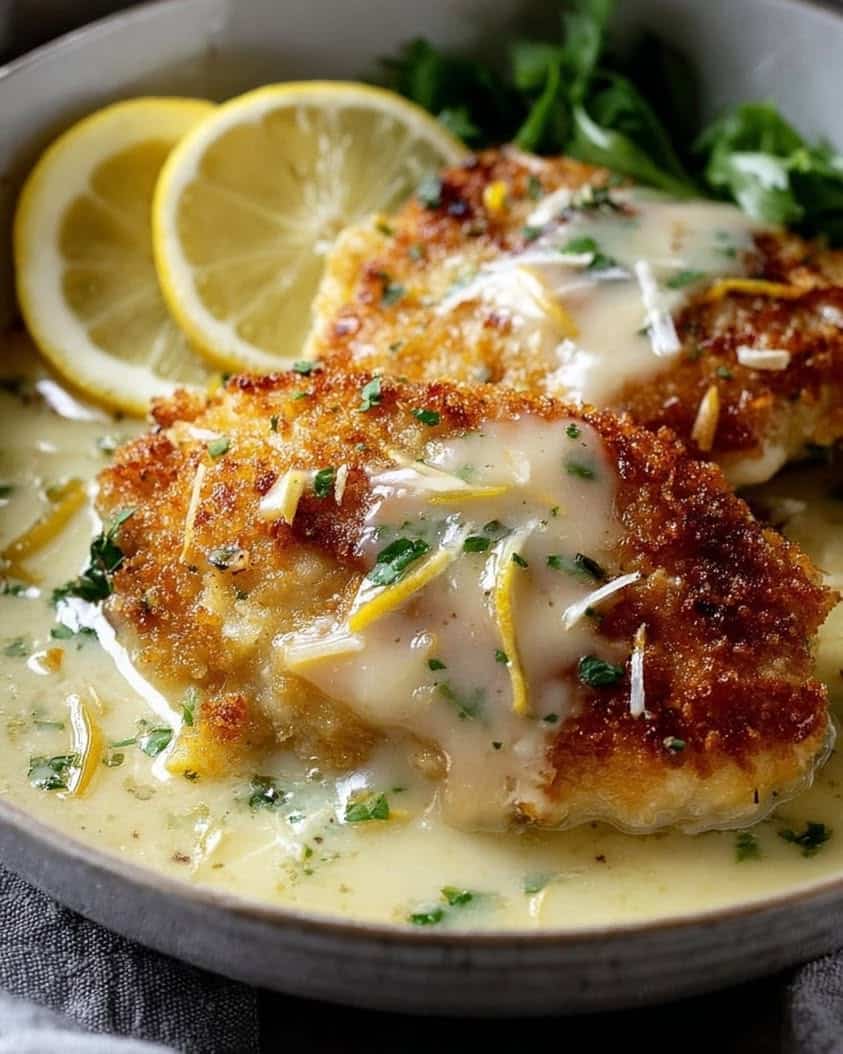
- Visual Appeal: The chicken presents beautifully with its deep golden-brown crust and speckled bits of herbs and cheese. When you pour the glossy, pale yellow sauce over the top and finish with bright green parsley, the dish looks vibrant and appetizing, reminiscent of a fine dining presentation.
- Skill Level Needed: This recipe suits cooks of all levels, from beginners to seasoned home chefs. The steps are straightforward and forgiving, requiring only basic techniques like mixing, coating, pan-searing, and simmering. With clear instructions and a reliable timeline, you will achieve great results on your first attempt.
- Special Equipment: You will need a large skillet with a heavy bottom for even heat distribution and a good sear. A citrus zester or fine grater helps capture lemon zest efficiently, and a whisk ensures your sauce becomes perfectly smooth without lumps. That is all you truly need for success.
Recipe Overview
- Difficulty Level: This Lemon Pecorino Crusted Chicken lands squarely in the easy category because it uses straightforward techniques that anyone can master quickly. The entire cooking process happens in one pan, which simplifies cleanup and reduces the chance of mistakes. Even novice cooks will find the steps intuitive, and the recipe offers plenty of visual cues to signal doneness, such as a golden-brown crust and a thickened sauce that coats a spoon.
- Category: This versatile dish works beautifully as a main course for dinner, but it can also shine at brunch alongside eggs or fresh greens. You can serve it over pasta, rice, or mashed potatoes to create a more substantial meal, or pair it with a simple salad for a lighter option. Its flexibility makes it appropriate for casual family meals and more formal gatherings alike.
- Cuisine: The culinary tradition behind this recipe draws heavily from Italian-American cooking, which emphasizes simple, high-quality ingredients prepared with care. Pecorino Romano, a sharp sheep’s milk cheese, has been a staple in Italian cooking for centuries, and its use in crusts and sauces is a hallmark of Roman cuisine. The bright lemon element reflects the southern Italian love of citrus to cut through rich flavors, creating a balanced and satisfying dish.
- Cost: On a budget, this recipe remains quite affordable because it calls for common ingredients that are inexpensive at most grocery stores. Boneless, skinless chicken breasts typically cost a few dollars per pound, and the cheese, cream, and produce add only a modest amount to your total. Compared to dining out, you will save significantly while enjoying a meal that tastes far superior to many restaurant versions.
- Season: While you can certainly enjoy this dish year-round, it truly shines in the spring and summer when lemons are at their peak and their flavor is most vibrant. During warmer months, the bright, citrusy sauce tastes refreshing and light, even though the cream adds richness. However, the comforting nature of the golden crust and creamy sauce also makes it a welcome winter meal that warms you from the inside out.
- Occasion: This recipe fits a wide range of occasions, from a quick Tuesday night dinner to a romantic Valentine’s Day meal at home. It also performs admirably for dinner parties because you can prepare components ahead of time and finish them quickly when guests arrive. Birthdays, anniversaries, holidays, or just a special weekend supper all provide perfect excuses to make this wonderful dish.
Why You Will Love This Recipe
The primary reason to adore this Lemon Pecorino Crusted Chicken lies in its remarkable taste and satisfying texture combination. You get a crispy, salty exterior that crackles with every bite, followed by juicy, tender chicken that remains moist without being greasy. Then, the creamy lemon sauce envelops everything with its bright, tangy richness, creating a symphony of flavors that dance on your tongue. This dish never fails to impress, making it a go-to option when you want to elevate an ordinary chicken dinner into something truly special and memorable.
Additionally, this recipe offers incredible convenience because it comes together in under forty minutes using a single skillet. You do not need to juggle multiple pots or dirty a dozen dishes, which makes cleanup a breeze even on the busiest weeknights. The ingredient list remains short and accessible, featuring items you likely already have in your pantry and refrigerator. With minimal active cooking time, you can have a gourmet dinner on the table quickly, and the straightforward steps mean you can even cook this while chatting with family or listening to music.
From a nutritional standpoint, this dish provides an excellent balance of protein, healthy fats, and essential vitamins. Chicken breast delivers lean protein that keeps you feeling satisfied and supports muscle health, while the olive oil and cheese contribute beneficial fats that aid nutrient absorption. Lemons offer a generous dose of vitamin C, which supports your immune system and promotes healthy skin. Even the cream provides calcium and fat-soluble vitamins, and you can easily adjust quantities to meet your dietary preferences without sacrificing flavor.
Moreover, this Lemon Pecorino Crusted Chicken holds outstanding social and entertaining value because it looks and tastes far more sophisticated than its effort level suggests. When guests see the golden-crusted chicken with a glossy sauce drizzled over the top, they will think you spent hours in the kitchen. The aroma alone draws people in, and the flavor confirms their first impression. You can confidently serve this to company, knowing it will generate compliments, requests for the recipe, and perhaps even invitations to your next dinner party.
Finally, this recipe proves remarkably cost-effective and accessible because it relies on budget-friendly ingredients that most grocery stores stock year-round. Chicken breast frequently goes on sale, and the dairy items are reasonably priced, especially when you buy store brands. With a total cost of around fifteen dollars for four generous servings, you will spend far less than you would at a restaurant for an equally delicious meal. This affordability means you can enjoy a decadent dinner without any guilt, making it a smart choice for feeding your family well on a budget.
Historical Background and Cultural Significance
The lineage of this Lemon Pecorino Crusted Chicken traces back to the rustic kitchens of central Italy, where cooks have long understood the magic of combining sharp cheese with citrus. Pecorino Romano itself boasts a history spanning over two thousand years, with ancient Romans relying on this hard, salty cheese as a staple ration for their legions. Shepherds in the Lazio region around Rome developed the technique of salting and aging sheep’s milk to create a cheese that could travel and last without refrigeration. This heritage of preserving and intensifying flavors forms the backbone of the dish you enjoy today.
Culturally, the pairing of lemon with rich, savory ingredients represents a fundamental principle in Italian cuisine that balances opposites to create harmony. Southern Italy, particularly the Amalfi Coast and Sicily, grows some of the world’s finest lemons, and their cuisine features them prominently in dishes ranging from seafood to desserts. This culinary philosophy values simplicity, letting each ingredient express its character while supporting the overall composition. Thus, the bright acidity of lemon cuts through the fat of the cheese and cream, resulting in a cohesive dish that feels complete.
Over generations, this recipe evolved as Italian immigrants brought their cooking traditions to America and adapted them to available ingredients. In the United States, cooks began using boneless, skinless chicken breasts, which were not traditional in Italy, and created the breaded cutlet style that became immensely popular. The addition of a creamy pan sauce represents an American twist that adds richness and helps the dish straddle the line between Italian authenticity and New World abundance. Therefore, this version of lemon chicken reflects a beautiful culinary fusion that honors its roots while embracing innovation.
Regional variations of this dish appear throughout Italy, with northern regions favoring lighter sauces and southern regions embracing more robust flavors. For instance, cooks in Tuscany might use olive oil and white wine for a leaner sauce, while those in Campania might add capers and olives for a briny punch. Some versions incorporate herbs like rosemary or thyme, while others keep things minimalist with just lemon and cheese. These variations demonstrate how a simple concept can adapt to local tastes, proving the recipe’s enduring flexibility and appeal across different culinary landscapes.
Ingredient Deep Dive
Chicken breast serves as the canvas for this dish, and its mild flavor and tender texture make it an ideal protein choice. Nutritionally, chicken breast provides high-quality protein with relatively low fat, supporting muscle growth and repair while keeping calories manageable. When selecting chicken, look for plump, firm breasts with a pinkish color and no off-putting odor. Store raw chicken in the coldest part of your refrigerator and use it within two days, or freeze it for up to six months in airtight packaging. For a substitution, chicken thighs work wonderfully since they offer more fat and flavor, though you will need to adjust cooking time slightly for the thicker cut.
Pecorino Romano cheese brings undeniable character to this Lemon Pecorino Crusted Chicken with Creamy Lemon Sauce, offering a sharp, salty flavor that cannot be replicated. This sheep’s milk cheese has been produced in Italy since ancient times and possesses a granular texture that grates beautifully. Beyond its taste, Pecorino provides calcium, protein, and healthy fats, along with probiotics that support gut health. Buy Pecorino Romano in a wedge and grate it fresh for the best flavor and melting properties, since pre-grated versions often contain anticaking agents. Store the wedge in wax paper in your refrigerator, and use it within three weeks. If you need an alternative, Parmesan Reggiano offers a similar nutty complexity, though it lacks some of the sharpness and salt that makes Pecorino unique.
Fresh lemons play a crucial supporting role, supplying bright acidity and aromatic oils that elevate every component of this recipe. Lemons originated in Asia and spread through the Mediterranean, where they became integral to countless dishes due to their versatility. Their vitamin C content bolsters the immune system, while citric acid aids digestion and enhances mineral absorption. Choose lemons that feel heavy for their size with smooth, thin skin and a fragrant aroma, avoiding those with soft spots or dull color. Store lemons at room temperature for about a week or in the refrigerator for up to a month, and roll them on the counter before juicing to maximize yield. If you are in a pinch, bottled lemon juice works in a pinch, but the fresh zest and juice make a significant difference in flavor intensity and overall brightness.
Heavy cream provides the luxurious base for the sauce, and its high butterfat content ensures a silky, velvety texture that clings to every surface. While cream adds calories, it also delivers fat-soluble vitamins and conjugated linoleic acid, which may offer health benefits. Select cream with at least 36 percent milk fat for the best results, since lower-fat versions may curdle when simmered. Always keep cream refrigerated and use it within a week of opening, checking for a clean, slightly sweet aroma. For a lighter option, half-and-half works but produces a thinner sauce, while full-fat coconut milk offers a dairy-free alternative with an intriguing tropical undertone.
Garlic adds a savory depth that grounds the bright lemon flavor, and its pungent bite mellows beautifully as it cooks. Garlic has been used for centuries not only for its taste but also for its medicinal properties, which include antimicrobial and heart-protective effects. When shopping, choose bulbs that feel firm and heavy with tight, papery skins, avoiding those with sprouting or soft spots. Store garlic in a cool, dark, dry place with good airflow, and it will keep for several months. Fresh garlic cloves are always preferable, but jarred minced garlic works in a pinch, using about half a teaspoon per clove called for in the recipe.
Chicken broth forms the flavorful base of the sauce, adding savory notes that complement the richness of cream and cheese. You will want a high-quality broth with a clean, chicken-forward flavor, since it contributes significantly to the final taste. Low-sodium versions offer better control over salt levels, allowing you to adjust seasoning at the end. Store unopened broth in your pantry for up to a year, then refrigerate after opening and use within five days. Alternatively, you can substitute white wine for part of the broth to add acidity, or use vegetable broth to make this dish more accessible to those who avoid meat products.
All-purpose flour serves a dual purpose in this recipe, both helping the breadcrumb mixture adhere to the chicken and thickening the sauce to a lovely consistency. Flour provides structure and absorbs moisture, creating the crispy texture that makes this crust so satisfying. Nutritionally, flour contributes carbohydrates for quick energy, along with small amounts of iron and B vitamins. Store flour in an airtight container in a cool, dry place to prevent pests and moisture absorption. For a gluten-free version, substitute a one-to-one gluten-free flour blend, which will perform similarly without compromising flavor.
Eggs act as the binding agent that helps the crust stick to the chicken and brown beautifully during the cooking process. When the egg wash hits the hot skillet, it creates a golden, flavorful exterior that locks in moisture. Eggs provide all nine essential amino acids, making them a complete protein source, plus choline for brain health. Choose fresh eggs with intact shells and store them in the refrigerator in their original carton. If you need to avoid eggs, a mixture of milk and flour or a commercial egg substitute makes an acceptable alternative, though the crust may be slightly less crisp.
Breadcrumbs, ideally panko, add texture and help create that satisfying crunch that defines this dish. Panko breadcrumbs originate from Japanese cuisine and produce a lighter, airier crust than traditional breadcrumbs because they are made from crustless bread. They contain simple carbohydrates and minimal fat, making them a neutral component that lets the cheese and lemon shine. Store breadcrumbs in a sealed container at room temperature for several months, or refrigerate them for even longer shelf life. For a gluten-free variation, use crushed rice crackers or gluten-free breadcrumbs, which toast up just as nicely with a similar texture.
Fresh parsley serves as a final garnish, adding a pop of color and a clean, herbaceous finish that lightens the dish. Parsley contains high levels of vitamins A, C, and K, along with antioxidants that support overall health. You should choose bright green, crisp leaves with no yellowing or wilting, and store them in the refrigerator with the stems in water and a plastic bag over the tops. Fresh herbs have a short shelf life, so use within a week or freeze them chopped in ice cube trays with olive oil. Cilantro or chives work as a substitute, or you can omit the garnish altogether without drastically changing the dish.
Common Mistakes to Avoid
- One frequent error involves using chicken breasts that are uneven in thickness, which leads to dry, overcooked edges and undercooked centers. To prevent this, you should pound the chicken to an even one-half inch thickness before coating, or use a meat mallet to flatten them gently. This simple step ensures that all pieces cook at the same rate, resulting in perfectly juicy meat throughout.
- Another mistake that ruins the crust is not patting the chicken completely dry before coating it with flour. Excess moisture on the surface creates steam when it hits the hot pan, which hinders browning and produces a soggy exterior. Therefore, you should thoroughly dry the chicken with paper towels, then proceed with the breading process to guarantee a crisp, golden crust.
- Failing to properly season the flour mixture stands as another common pitfall, as this layer provides essential flavor that cannot be added later. Seasoned flour should contain salt, pepper, and perhaps other spices, ensuring that every bite has a well-rounded taste. Without this foundational seasoning, even the best crust and sauce cannot fully compensate for bland chicken.
- Using a skillet that is not hot enough before adding the oil will result in sticking, uneven browning, and a crust that falls off the chicken. You should preheat the pan over medium to medium-high heat for several minutes and test it by adding a drop of water. When the water sizzles and evaporates immediately, the pan is ready for oil and then the chicken.
- Overcrowding the skillet represents a major error because it drops the pan temperature and steams the chicken rather than searing it. Always work in batches when necessary, giving each piece enough space for the crust to brown properly. If you need to cook more pieces, keep the finished chicken warm on a baking sheet in a low oven while finishing the rest.
- Another frequent issue happens when people move the chicken too early during the searing process, which causes the crust to stick to the pan and tear away. Patience is key, as the crust releases naturally once it has developed a proper sear. You should let the chicken cook undisturbed for three to four minutes before trying to flip it, and if it resists, give it more time.
- Adding the lemon juice too early or over high heat in the sauce can cause the cream to curdle, creating an unappealing, grainy texture. Always lower the heat before adding the juice and whisk it in gently, then allow the sauce to simmer rather than boil rapidly. This careful approach keeps the sauce smooth and silky, so you can enjoy that luxurious creaminess without any unpleasant lumps.
- Neglecting to taste the sauce before serving results in a dish that might be under-seasoned or overly salty, depending on your cheese and broth. You must taste the sauce at the end and adjust with salt, pepper, or extra lemon juice as needed. Seasoning evolves as ingredients combine, so a final adjustment ensures your Lemon Pecorino Crusted Chicken with Creamy Lemon Sauce always hits the mark.
- Using cold cream and broth straight from the refrigerator can cause the sauce to break or separate when poured into the hot pan. Let these liquids come to room temperature for about fifteen minutes before you need them, or warm them gently in the microwave. This temperature consistency allows for smooth incorporation and a perfectly emulsified sauce without any technical errors.
- Finally, skipping the resting period after cooking results in the juices running out and leaving the chicken dry, so you should always rest the meat. Transfer the chicken to a plate and loosely tent it with foil for about five minutes. This pause allows the internal juices to redistribute throughout the meat, ensuring every bite stays moist and flavorful.
Essential Techniques
Pounding the chicken to an even thickness is a foundational technique because it guarantees uniform cooking and prevents dry, overcooked portions. You should place each chicken breast between two sheets of plastic wrap or parchment paper and gently pound it with a meat mallet, rolling pin, or even a heavy skillet. Start from the center and work outward, striking with soft, even blows until the breast measures about one-half inch thick. The visual cue for success is a uniformly flat piece of meat with no thick spots or thin edges, which ensures everything cooks to perfection in the same amount of time.
The breading process, which involves dredging in flour, dipping in beaten eggs, and coating with the pecorino breadcrumb mixture, creates the signature crust on this chicken. Each step serves a distinct function that you should understand to execute this technique correctly. The flour provides a dry surface that helps the egg adhere, while the egg wash acts as glue for the breadcrumb mixture to stick firmly. Finally, the breadcrumb mixture, which includes cheese, creates the crispy, flavorful exterior. You should press the breadcrumbs gently onto the chicken to ensure even coverage, and then shake off any excess, so the coating remains light and crisp rather than heavy and doughy.
Getting a proper sear is essential for developing flavor and creating that beautiful golden-brown crust. The Maillard reaction, which occurs when proteins and sugars are exposed to high heat, produces hundreds of complex flavor compounds that make browned food taste delicious. To achieve a great sear, you should heat your skillet over medium-high heat for several minutes and add a thin layer of oil with a high smoke point. When you place the chicken in the pan, it should sizzle immediately, and you must resist the urge to move it for at least three or four minutes. The crust will release naturally when it has browned adequately, signaling that it is ready to flip.
Creating a smooth, velvety sauce involves managing heat carefully and incorporating ingredients in the proper order. You should start by melting the butter in the pan and cooking the garlic briefly, then sprinkle in the flour and whisk for about one minute to create a roux. Adding the broth and cream gradually while whisking continuously prevents lumps from forming, and then lowering the heat before adding lemon juice prevents the dairy from curdling. The sauce is ready when it coats the back of a spoon and has a silky sheen, indicating that the flour has fully cooked and the ingredients have emulsified into a unified mixture.
Finishing the dish with a pan sauce that has been deglazed with lemon juice captures all the browned bits from the chicken, which contain tremendous flavor. After removing the chicken, you should pour off excess oil but keep the brown bits in the pan, then add broth and scrape with a wooden spoon to release them. These caramelized residue bits dissolve into the sauce, adding a deep savory character that cannot be replicated with seasonings alone. Consequently, your sauce will have remarkable depth and complexity that makes this Lemon Pecorino Crusted Chicken taste like it came from a professional kitchen.
Pro Tips for Perfect Lemon Pecorino Crusted Chicken
For the best results, you should use freshly grated Pecorino Romano cheese rather than the pre-grated alternatives found in the baking aisle. Pre-grated cheese often contains anti-caking agents like cellulose, which prevent clumping but also inhibit melting and create a grainy texture. By grating the cheese yourself from a wedge, you get superior flavor and a smoother melt, so your crust and sauce will have that rich, creamy consistency that makes this dish special.
Seasoning the flour generously with salt, pepper, and perhaps a pinch of garlic powder adds a layer of flavor that directly enhances the chicken. The flour is the foundation of your breading, and if it is bland, the entire dish will lack depth and personality. Therefore, you should add about one teaspoon of salt and half a teaspoon of pepper for every cup of flour, adjusting based on your preference and the saltiness of your cheese.
When you dip the chicken in the egg wash, let any excess drip off before pressing it into the breadcrumb mixture, as too much egg leads to a gummy, thick coating. A thin, even layer of egg ensures the breadcrumbs adhere evenly without weighing down the crust. Consequently, you can achieve that delicate, crunchy texture that contrasts so beautifully with the juicy meat and creamy sauce.
Using a mixture of panko breadcrumbs and Pecorino cheese creates a lighter, airier crust than standard breadcrumbs, so you should always reach for panko when making this recipe. Panko creates a craggy texture that crisps up remarkably well, and it does not absorb as much oil as regular breadcrumbs, keeping the crust crisp longer. Moreover, the larger flakes of panko hold the cheesy flavor beautifully, enhancing the overall eating experience.
Do not discard the lemon after you juice it, because you can whisk the remaining pulp and a bit of zest into the sauce for extra flavor. The lemon pulp adds a slightly bitter, intensely citrusy note that brightens the sauce and makes it unmistakably lemony. You can also use the spent lemon halves to rub the chicken before breading, giving the meat a subtle citrus boost that complements the other elements.
For extra consistency, you should monitor the heat carefully and adjust it down if the crust begins to brown too quickly. If the pan gets too hot, the breadcrumbs will burn before the chicken cooks through, creating a bitter flavor and dark spots. A medium heat setting usually works best after you achieve the initial sear, allowing the chicken to cook through gently while the crust stays golden and delicious.
When you make the sauce, consider adding a splash of the pasta water if you plan to serve this with a starch alongside. The starch in the pasta water helps bind the sauce to the noodles and adds a silky texture that makes the dish feel more cohesive. Alternatively, you can add a pat of cold butter at the very end, swirling it in to emulsify the sauce and give it a beautiful, glossy finish.
Seasoning the sauce in stages is a professional technique that ensures balanced flavor, so you should add salt and pepper early, then adjust at the end after tasting. The cheese and chicken broth both contain salt, and you need to account for their contributions before adding more. A final squeeze of lemon juice or a pinch of salt made just before serving can elevate the entire dish and make the flavors pop in your mouth.
If you want to get ahead, you can bread the chicken in advance and refrigerate it for up to six hours before cooking, which helps the coating set firmly. When you are ready to cook, simply heat your skillet and proceed with the recipe as written, adding about a minute to the cooking time to account for the colder starting temperature. This make-ahead strategy makes weeknight cooking a breeze and ensures you can enjoy this meal even on the busiest days.
Variations and Adaptations
Regional variations of this dish reflect the diverse Italian culinary landscape, and you can explore them to discover new favorite versions. In southern Italy, home cooks often add capers and anchovies to a lemon-based sauce, creating a briny, savory counterpoint to the chicken. The northern regions might use a lighter sauce made with white wine and chicken stock, omitting the cream for a more delicate preparation. You can incorporate these regional touches by adding a tablespoon of capers and a minced anchovy fillet when you cook the garlic, giving your sauce an authentic Mediterranean depth.
Seasonal adaptations allow you to enjoy this recipe throughout the year by varying the fresh ingredients that accompany it. In the spring, consider adding a handful of fresh peas to the sauce for a touch of sweetness and a pop of green color. During the autumn, you might sauté some mushrooms and add them to the sauce for an earthy, savory note that pairs beautifully with the lemon and cheese. These seasonal touches maximize freshness and ensure your meal reflects the best produce available during each time of year.
Dietary modifications can make this Lemon Pecorino Crusted Chicken accessible to people with various food sensitivities, and you can achieve these changes with simple substitutions. For a gluten-free version, use certified gluten-free flour and breadcrumbs, and always check that your broth and spices are also gluten-free. For those avoiding dairy, nutritional yeast can substitute for Pecorino in the crust, while canned coconut milk creates a rich, dairy-free sauce. These adjustments maintain the essential character of the dish while accommodating dietary needs without compromising flavor.
Flavor variations let you put your personal stamp on this recipe by experimenting with different herbs, spices, and additional ingredients. Adding fresh thyme or rosemary to the breadcrumb mixture introduces an herbal note that pairs wonderfully with the lemon and pecorino. You might also add a teaspoon of Dijon mustard to the sauce for a subtle tang that deepens the flavor profile, or a pinch of red pepper flakes for gentle heat. Citrus lovers can innovate by using orange or lime zest instead of lemon, creating a unique twist on the classic recipe.
Texture modifications change the overall mouthfeel of the dish, making it suited to personal preferences or what you have on hand. If you prefer a thicker crust, you can press the breadcrumb mixture firmly onto the chicken and add an extra layer, though you will need to increase the cooking time. For a crunchier texture, toast the panko breadcrumbs in a dry skillet before mixing them with the cheese, adding two to three minutes of prep time. Alternatively, for a softer crust, you might reduce the cooking time and finish the chicken in the oven to ensure it stays moist and tender.
Presentation alternatives can transform this dish from a casual weeknight dinner into a stunning centerpiece for a dinner party. Instead of serving the chicken whole, you could cut it into strips and serve it as an appetizer with the creamy lemon sauce on the side for dipping. For a composed plate, place a mound of creamy polenta or fettuccine in the center and arrange the sliced chicken on top, then drizzle everything generously with the sauce. Garnishing with lemon wedges, fresh herbs, and a few shavings of Pecorino adds restaurant-worthy beauty to your table.
Serving and Presentation Guide
Plating techniques play a major role in transforming this simple chicken dish into an impressive meal that wows your guests. You should start by spooning a pool of the creamy lemon sauce onto the center of each plate, creating a beautiful base for the chicken. Then, place the cooked chicken pieces directly on top of the sauce at a slight angle, and finish with another drizzle of sauce over the top. This two-layer approach ensures every bite gets plenty of that wonderful sauce and makes the dish look intentional and elegant.
Garnishing ideas range from simple to elaborate, and they provide the final touch that makes the dish look professionally plated. Fresh parsley chopped finely and sprinkled over the top adds color and a fresh, herbaceous flavor. Thinly sliced lemon wheels, fanned out to the side of the chicken, signal the citrusy notes inside and provide a lovely visual contrast. For an extra touch of elegance, shave additional Pecorino Romano over the top using a vegetable peeler, creating delicate curls that melt gently onto the warm sauce.
Traditional accompaniments for this Lemon Pecorino Crusted Chicken include lightly dressed greens, garlic bread, or roasted asparagus, which let the main dish shine while providing complementary textures. In Italy, this chicken might be served alongside a simple salad of arugula, shaved fennel, and lemon vinaigrette, whose peppery bite echoes the sharp cheese. You might also serve it with grilled vegetables, a side of risotto, or crusty bread for soaking up every last drop of that glorious sauce.
Modern serving suggestions encourage you to think beyond the standard plate and create a unique dining experience at home. Consider serving this chicken family-style on a large platter, with the sauce drizzled artfully in a zigzag pattern down the center. Or, for a trendy dinner bowl, place a bed of grains like farro or quinoa, top with sliced chicken, and finish with vegetables and a generous spoonful of sauce. These contemporary presentations appeal to the eye and make your meal feel current and exciting.
Temperature considerations are critical for the best eating experience, and you should serve this dish hot off the stove while the crust is still crisp. The sauce should be warm and silky, not cold or clotted, so plan your timing to have everything ready simultaneously. If you need to hold the dish briefly, keep the chicken and sauce separate and combine them just before serving. Warm the sauce gently and keep the chicken on a baking sheet in a two hundred-degree oven for up to thirty minutes to maintain its quality.
Portion control tips help you serve the right amount without waste and leave your guests satisfied rather than overstuffed. A generous serving of chicken breast, around six to eight ounces, and a few spoonfuls of sauce make an appropriate main course portion. Balance your plate with about one-third vegetables or salad and one-third starch if desired, creating a well-rounded nutritional profile. For a lighter meal, serve more vegetables and less starch, reducing portions accordingly so that everyone feels full but not overly heavy.
Wine and Beverage Pairing
Wine pairings for this Lemon Pecorino Crusted Chicken revolve around crisp white wines that can stand up to the citrus and the salty cheese without being overwhelmed. A dry, unoaked Pinot Grigio from Italy offers refreshing acidity and delicate citrus notes that echo the lemon in the dish. Alternatively, a Sauvignon Blanc from New Zealand provides zesty grapefruit flavors and a lively finish that cuts through the creaminess of the sauce. For a touch more richness, you might choose an oak-aged Chardonnay, whose buttery texture complements the cheese and complements the velvety sauce.
Non-alcoholic alternatives provide a refreshing option for guests who do not consume alcohol, and sparkling water with a twist of lemon proves to be a classic choice. You might also create a non-alcoholic spritzer by Print
Lemon Pecorino Crusted Chicken with Creamy Lemon Sauce
- Total Time: 45 minutes
- Yield: 4
Description
This delightful chicken dish features a crispy, cheesy crust made with Pecorino Romano and fresh lemon zest, served with a luscious creamy lemon sauce. Perfect for a weeknight dinner that feels special.
Ingredients
- 4 boneless, skinless chicken breasts
- 1 cup grated Pecorino Romano cheese
- 1/2 cup panko breadcrumbs
- 2 tablespoons fresh lemon zest
- 1 teaspoon garlic powder
- 1/2 teaspoon salt
- 1/4 teaspoon black pepper
- 1/4 cup all-purpose flour
- 2 large eggs, beaten
- 3 tablespoons olive oil
- 1 tablespoon unsalted butter
- 1 cup heavy cream
- 1/4 cup chicken broth
- 2 tablespoons fresh lemon juice
- 2 tablespoons chopped fresh parsley
Instructions
- Preheat oven to 400 degrees F (200 degrees C).
- In a shallow dish, combine Pecorino Romano, panko breadcrumbs, lemon zest, garlic powder, salt, and pepper.
- Place flour in another shallow dish and beaten eggs in a third dish.
- Dredge each chicken breast in flour, then dip in egg, and coat thoroughly with the Pecorino mixture.
- Heat olive oil in a large oven-safe skillet over medium-high heat. Add chicken and cook until golden brown on each side, about 2-3 minutes per side.
- Transfer the skillet to the oven and bake for 15-20 minutes, until chicken is cooked through and crust is crispy.
- Remove chicken from skillet and set aside.
- In the same skillet, melt butter over medium heat. Add heavy cream, chicken broth, and lemon juice. Bring to a simmer, scraping up any browned bits from the bottom.
- Cook sauce for 3-5 minutes until slightly thickened. Season with salt and pepper to taste.
- Return chicken to skillet, spooning sauce over the top. Garnish with parsley and serve immediately.
Notes
You can use chicken thighs instead of breasts for a juicier result. For a lighter sauce, substitute half-and-half for heavy cream. The lemon zest adds a bright flavor, so don’t skip it.
- Prep Time: 15 minutes
- Cook Time: 30 minutes
- Method: Main
- Cuisine: Italian-American