Layered Zucchini Ricotta Melts with Marinara: A Low-Carb Italian Comfort Dish
Imagine a dish that captures the heart of Italian comfort food but fits perfectly into a low-carb lifestyle. That is exactly what you get with these Layered Zucchini Ricotta Melts with Marinara. We stack tender slices of zucchini with a creamy, herb-infused ricotta filling and a rich, tangy marinara sauce, then we top it all with a blanket of melted mozzarella. The result is a satisfying, flavorful casserole that satisfies your craving for lasagna or eggplant parmesan without the heavy carbs. This recipe transforms simple, wholesome ingredients into a meal that feels indulgent but is surprisingly light and nutritious.
We love how these Layered Zucchini Ricotta Melts with Marinara bring the whole family together around the dinner table. The aroma of garlic and oregano simmering in the tomato sauce fills your kitchen with a warm, inviting scent. Each bite offers a wonderful contrast of textures, from the tender zucchini to the smooth, rich ricotta and the gooey, golden-brown cheese on top. My family asks for this dish every week, and we never get tired of it. It proves that eating well does not require sacrifice, you can enjoy deeply satisfying, classic flavors while staying committed to your health goals.
What makes this recipe a standout is its perfect balance of simplicity and sophistication. You do not need any complicated techniques or hard-to-find ingredients. We use everyday items like fresh zucchini, whole milk ricotta, and your favorite jarred marinara. The preparation is straightforward, and the result looks impressive on the plate. Whether you are cooking for a busy weeknight dinner or planning a cozy weekend meal, these Layered Zucchini Ricotta Melts with Marinara deliver consistent, delicious results. They are a testament to how a few quality components, when layered thoughtfully, can create a truly memorable dish.
Quick Recipe Highlights
- Flavor Profile: This dish delivers a savory, herb-forward taste. The marinara provides a tangy, slightly sweet base that complements the mild, creamy ricotta. The zucchini adds a subtle earthiness that ties everything together beautifully.
- Texture: We achieve a wonderful textural contrast here. The zucchini slices are tender yet hold their shape, the ricotta filling is smooth and luxuriously creamy, and the melted mozzarella on top creates a delightful, slightly chewy crust.
- Aroma: Your kitchen will smell incredible as this bakes. The dominant notes are simmering tomatoes, fragrant garlic, dried oregano, and the slightly nutty, toasty scent of melting mozzarella and parmesan cheese.
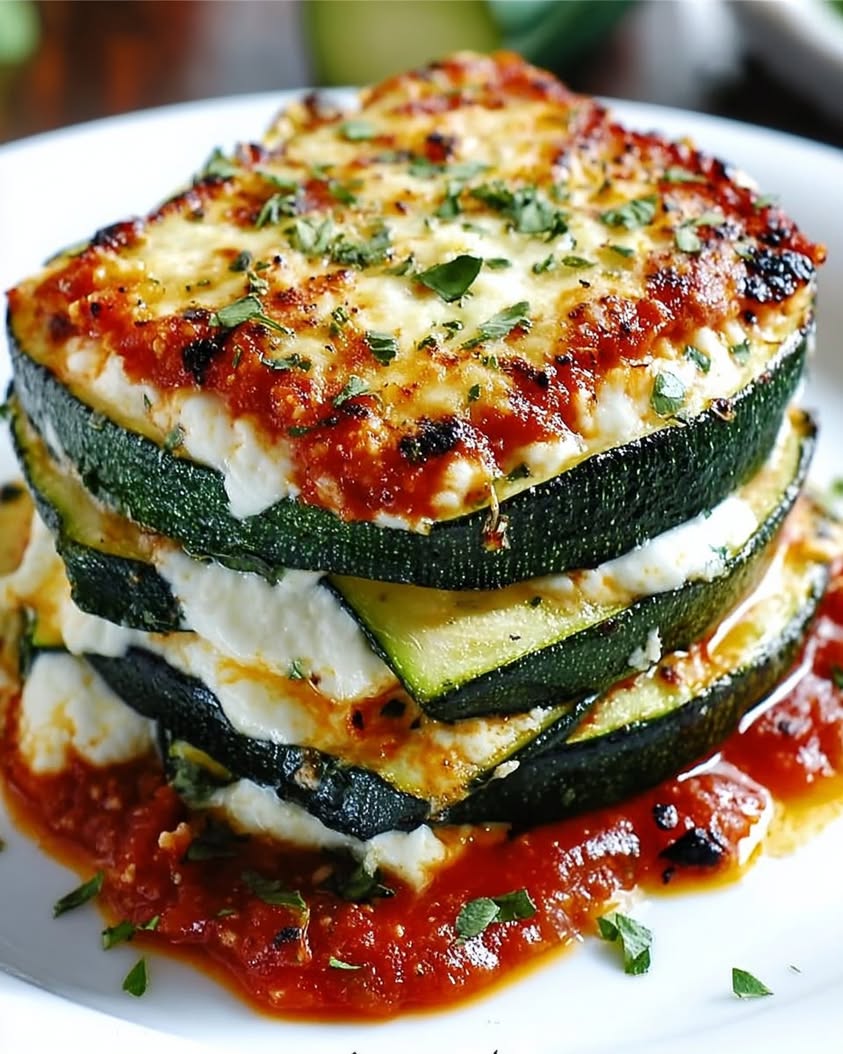
- Visual Appeal: This casserole is a feast for the eyes. We see vibrant red marinara contrasting with the creamy white ricotta and golden-brown spots on the melted cheese. The layers of green zucchini peek out, creating a rustic, inviting presentation.
- Skill Level Needed: This recipe is perfect for beginners and experienced home cooks alike. The techniques are simple, including slicing vegetables, mixing a filling, and layering ingredients. No advanced culinary training is required for success.
- Special Equipment: You will need a sharp knife or a mandoline slicer for even zucchini slices. A standard 9×13 inch baking dish works perfectly. You might also use a small bowl for mixing the ricotta filling.
Recipe Overview
- Difficulty Level: We classify this recipe as easy because the steps are straightforward and forgiving. You do not need to worry about precise timing or advanced techniques. Even if your zucchini slices are not perfectly uniform, the dish will still turn out beautifully. It is a stress-free way to create an impressive meal.
- Category: This dish fits perfectly into several categories. It is an excellent main course for a hearty dinner. It also works wonderfully as a side dish, especially alongside grilled chicken or fish. You can even serve smaller portions as a satisfying appetizer.
- Cuisine: The inspiration for these Layered Zucchini Ricotta Melts with Marinara comes directly from Italian-American culinary traditions. We draw from classic dishes like eggplant parmesan and vegetable lasagna. The use of ricotta, marinara, mozzarella, and herbs is a hallmark of this beloved cuisine, adapted here for a lower-carb approach.
- Cost: This recipe is very budget-friendly. Zucchini and canned tomatoes are typically inexpensive. Ricotta cheese and mozzarella are also affordable staples. You can often find excellent sales on these ingredients, making this an economical choice for feeding your family well.
- Season: While you can make this dish year-round, it truly shines in the summer and early fall. This is when zucchini is at its peak, fresh, abundant, and full of flavor. Using in-season zucchini elevates the entire dish and provides the best texture.
- Occasion: This casserole is incredibly versatile for any occasion. It is perfect for a casual family dinner on a busy Tuesday. It also impresses guests at a potluck or a casual dinner party. You can even prepare it ahead of time for a holiday gathering or a relaxed weekend lunch.
Why You’ll Love This Recipe
First and foremost, the taste and texture combination is absolutely irresistible. You get the comforting, familiar flavors of a classic Italian baked dish, but the zucchini replaces the heavy pasta or breaded eggplant. The creamy ricotta mixture, seasoned with garlic and herbs, melts into the tender zucchini layers. Then the rich marinara and bubbly mozzarella create that perfect, cheesy finish we all crave. Each forkful delivers a satisfying blend of creamy, tangy, and savory notes.
Secondly, the convenience and preparation benefits are significant. This is a fantastic make-ahead meal. You can assemble the entire casserole the night before, store it in the refrigerator, and simply bake it when you are ready to eat. Consequently, it saves you precious time on busy weeknights. Moreover, the ingredient list is short and uses items you likely already have in your pantry and fridge. This makes meal planning much simpler and reduces last-minute grocery store trips.
Additionally, the nutritional advantages are a major reason to love this dish. Because we use zucchini as the base, we dramatically reduce the carbohydrate and calorie content compared to traditional pasta bakes. Zucchini is rich in vitamins, antioxidants, and fiber. The ricotta and mozzarella provide excellent protein and calcium, keeping you full and satisfied. Therefore, this recipe supports a healthy lifestyle without making you feel deprived. It is a delicious way to incorporate more vegetables into your diet.
Furthermore, this recipe offers incredible social and entertaining value. It is a crowd-pleaser that appeals to both adults and children. The presentation in the baking dish is rustic and beautiful, making it a fantastic centerpiece for a buffet or family-style dinner. Because it holds its shape well, you can easily transport it to a potluck or a friend’s house. It is a dish that invites sharing and compliments, making you feel like a successful host with minimal effort.
Finally, the cost-effectiveness and accessibility of the ingredients make this a winner for any household. Zucchini is one of the most affordable vegetables, especially during the summer months. Ricotta, mozzarella, and canned marinara are pantry staples that do not break the bank. Therefore, you can create a luxurious-tasting, satisfying meal for a very modest price. This recipe proves that eating healthy, delicious food does not have to be expensive or complicated.
Historical Background and Cultural Significance
The inspiration for these Layered Zucchini Ricotta Melts with Marinara is deeply rooted in the Italian tradition of cooking seasonal vegetables. In Italy, particularly in the southern regions, summer brings an abundance of zucchini and tomatoes. Resourceful home cooks developed countless ways to use this bounty. One classic preparation involves layering slices of fried or grilled vegetables with cheese and tomato sauce, then baking them until tender and bubbly. This technique is the heart of our recipe.
Specifically, our dish pays homage to the beloved “Melanzane alla Parmigiana,” or Eggplant Parmesan. This iconic dish dates back to the 18th century in the Campania and Sicily regions. The original recipe layers fried eggplant with tomato sauce, basil, and generous amounts of Parmesan and mozzarella cheese. Over time, this concept of layered, baked vegetables became a template for countless variations. Our version simply swaps the eggplant for zucchini, creating a lighter, equally delicious meal.
The cultural importance of these types of casseroles lies in their role as “cucina povera,” or peasant cooking. This philosophy emphasizes using simple, readily available ingredients to create hearty and flavorful meals. Everything is utilized, and nothing is wasted. By layering vegetables with cheese and sauce, cooks could stretch more expensive ingredients and make a filling meal for a large family. Our Layered Zucchini Ricotta Melts with Marinara carries on this tradition of practical, resourceful, and deeply satisfying home cooking.
Regional variations of this layered vegetable casserole are abundant across Italy and its diaspora. In northern Italy, you might find a “Gratin di Zucchine” that uses a béchamel sauce instead of marinara. In the United States, Italian-American communities adapted these recipes to use available ingredients like shredded mozzarella and prepared jarred sauces. Some versions add ground meat, while others, like ours, stay vegetarian. This dish has evolved from a regional specialty into a global comfort food, adaptable to any kitchen.
Ingredient Deep Dive
Zucchini is the star of this dish. Culturally, it is a staple in Mediterranean cooking, originating in the Americas but embraced by Italian cuisine in the 19th century. Nutritionally, zucchini is fantastic. It is low in calories and carbohydrates but high in vitamin C, vitamin A, and potassium. It also contains antioxidants like lutein and zeaxanthin. When selecting zucchini, look for firm, unblemished specimens that feel heavy for their size. Smaller to medium zucchinis tend to have fewer seeds and better flavor. Store them unwashed in a plastic bag in the refrigerator for up to a week. For this recipe, you can substitute yellow squash or even thinly sliced eggplant if you prefer.
Ricotta cheese provides the creamy heart of our filling. Culturally, ricotta is a classic Italian cheese, traditionally made from the whey leftover from producing other cheeses like mozzarella. It has a rich history in both savory and sweet dishes. Nutritionally, whole milk ricotta is an excellent source of calcium, protein, and healthy fats. It also contains vitamin A and B vitamins. For the best flavor and texture, select fresh, whole milk ricotta. Avoid the “part-skim” or “low-fat” versions, as they can be grainy and lack creaminess. Store ricotta in its original container in the refrigerator and use it by the expiration date. A good substitute is cottage cheese that you puree until smooth, though the flavor will be different.
Marinara sauce is the foundation of flavor. While store-bought sauces are convenient, the quality varies widely. Culturally, marinara is a simple, quick tomato sauce from Naples, originally made by sailors. It relies on high-quality tomatoes, garlic, olive oil, and herbs. Nutritionally, tomatoes are rich in lycopene, a powerful antioxidant, as well as vitamin C and potassium. When selecting a jarred sauce, look for one with a short ingredient list, avoiding those with added sugar or hydrogenated oils. You can also easily make your own. Store opened jars in the refrigerator. For a substitute, use diced tomatoes crushed by hand with added garlic and oregano.
Mozzarella cheese creates the signature “melt” on top. Culturally, mozzarella is a fresh cheese from southern Italy, originally made from water buffalo milk. Today, cow’s milk mozzarella is more common. Nutritionally, it provides protein and calcium. For the best melt, use low-moisture, part-skim mozzarella, which is available in blocks that you can shred yourself. Pre-shredded cheese contains cellulose to prevent clumping, which can affect its meltability. Fresh mozzarella in brine is also delicious but can release too much water, making the casserole soggy. Store shredded mozzarella in a sealed bag in the refrigerator. Fresh mozzarella should be kept in its brine. For a different flavor, try provolone or fontina.
Parmesan cheese adds a salty, umami depth. This hard, aged cheese from the Parma region of Italy is a classic finishing cheese. Nutritionally, it is rich in protein and calcium, with a lower lactose content than many cheeses. Always buy a block of Parmesan and grate it yourself for the best flavor and texture. Pre-grated Parmesan often has a dry, dusty texture and less vibrant taste. Store the block tightly wrapped in the refrigerator for several weeks. You can also freeze it. An acceptable substitute is Pecorino Romano, which is saltier and more pungent.
Garlic and dried oregano provide the essential aromatic backbone. Garlic is a fundamental ingredient in Mediterranean cuisine, known for its pungent, savory flavor that mellows and sweetens when cooked. It offers numerous health benefits, including anti-inflammatory properties. Dried oregano adds a warm, slightly bitter, and earthy note that is characteristic of Italian cooking. For the best flavor, use fresh garlic cloves and high-quality dried oregano. Store garlic in a cool, dark, well-ventilated place. Dried herbs should be stored away from light and heat and replaced every six months to a year.
Common Mistakes to Avoid
- Not salting the zucchini slices first. If you skip this step, the zucchini will release too much water while baking, resulting in a watery, soupy casserole. Salting draws out excess moisture and concentrates the flavor.
- Slicing the zucchini too thick. Thick slices will not cook through properly and will remain crunchy, disrupting the tender texture of the dish. Aim for slices that are about 1/4-inch thick for even cooking.
- Slicing the zucchini too thin. Very thin slices can become mushy and disappear into the sauce during baking. They also can break apart easily during handling. A consistent 1/4-inch thickness is the sweet spot.
- Using watery ricotta cheese. Some brands of ricotta are very wet and will make your filling soggy. Look for a thick, creamy ricotta, or drain it in a fine-mesh strainer for 30 minutes before using.
- Skipping the egg in the ricotta filling. The egg acts as a binder, helping the ricotta mixture hold its shape and not ooze out between the layers. Without it, the filling will be too loose.
- Overlaying the sauce. You want a moderate amount of sauce to coat the layers without drowning them. Too much sauce leads to a watery final dish and can mask the delicate flavor of the zucchini.
- Baking without covering. If you bake the casserole uncovered for the entire time, the top cheese can burn before the zucchini is fully tender. Covering it for the first half of baking traps steam and ensures even cooking.
- Not letting the casserole rest after baking. Cutting into the casserole immediately will cause the layers to slide apart and the juices to run out. Resting for 10 minutes allows the filling to set up perfectly.
- Using pre-shredded mozzarella for the top layer. Pre-shredded cheese often has a coating that prevents it from melting smoothly. Shredding your own block of low-moisture mozzarella provides a superior, gooey melt.
- Forgetting to season the ricotta mixture. The ricotta itself is mild, so it needs salt, pepper, and herbs to bring its flavor to life. Tasting the filling mixture before assembling is a good habit to develop.
Essential Techniques
Salting the zucchini is a crucial technique that ensures a perfect texture. The purpose is to remove excess moisture from the vegetable. Zucchini is over 90% water, and if this water is not drawn out, it will steam the casserole, creating a watery, unappetizing pool. To master this, slice your zucchini, lay the slices in a single layer on a baking sheet lined with paper towels, and sprinkle them generously with salt. Let them sit for 20 to 30 minutes. You will see beads of water form on the surface. Then, pat them completely dry with fresh paper towels. This simple step concentrates the zucchini flavor and guarantees a firm, toothsome texture after baking. A common pitfall is not salting them long enough, so be patient. The visual cue for success is seeing the moisture beads on the surface and having dry, softened slices after patting.
Layering the ingredients properly is key to a structurally sound and beautiful casserole. You need to create a stable base and ensure even distribution of flavors. Start by spreading a thin layer of marinara on the bottom of your baking dish. This prevents the bottom layer of zucchini from sticking and provides a flavor foundation. Next, arrange a single, overlapping layer of zucchini slices. Then, spread half of the ricotta mixture evenly over the zucchini. Follow with another thin layer of marinara and a sprinkle of mozzarella. Repeat these layers one more time. On the final top layer, end with zucchini slices, cover them with the remaining sauce, and then a generous blanket of mozzarella and Parmesan. This structured layering ensures every bite has a balanced combination of all the components. The visual cue for success is seeing distinct, even layers when you look at the side of the dish.
Baking with a cover and then removing it is a two-step process that controls the cooking environment. For the first 20 to 25 minutes, you should cover the baking dish tightly with aluminum foil. This traps steam and heat, which cooks the zucchini through gently and prevents them from drying out. The steam also helps the layers meld together. After this period, you remove the foil. This allows the top cheese to brown and bubble, creating that desirable golden crust. If you leave the foil on for the entire bake, the top will be pale and steamed. If you never cover it, the top cheese might burn before the zucchini is tender. The visual cue for the first step is the cheese melting and the sauce bubbling. The visual cue for success after removing the foil is the top turning a deep golden brown with a few darker spots.
Pro Tips for Perfect Layered Zucchini Ricotta Melts with Marinara
First, use a mandoline slicer to get perfectly even, 1/4-inch thick slices of zucchini. Uniform thickness is the secret to even cooking and a professional-looking final dish. If you do not have a mandoline, use a very sharp chef’s knife and take your time.
Second, do not skip the step of drying the ricotta. If your ricotta looks very wet, place it in a fine-mesh strainer set over a bowl for 30 minutes. Discard the liquid that drains off. This guarantees your filling will be thick, creamy, and not watery.
Third, add a pinch of red pepper flakes to the marinara sauce. This adds a subtle warmth and complexity that elevates the entire dish without making it spicy. It is a secret weapon that professional chefs use often.
Fourth, let the finished casserole rest for a full 10 minutes after you take it out of the oven. This is non-negotiable. It allows the liquids to redistribute and the structure to set, making it much easier to serve clean squares.
Fifth, for an extra flavorful ricotta mixture, add a tablespoon of freshly chopped basil and a teaspoon of lemon zest. The basil adds freshness and the lemon zest brightens the creamy filling beautifully.
Sixth, if you want a richer dish, you can pan-sear the zucchini slices in a hot skillet with a little olive oil before layering. This adds a wonderful caramelized flavor and even more texture, though it adds about 10 minutes to the prep time.
Seventh, taste your marinara sauce before using it. If it tastes acidic or flat, add a pinch of sugar to balance it. A small amount of sugar can make a huge difference in the final flavor profile of the casserole.
Eighth, when covering the dish with foil for the first part of baking, make sure the foil is not touching the cheese. You can create a slight dome with the foil to prevent the cheese from sticking to it when you pull it off.
Variations and Adaptations
Regional variations of this dish are fascinating. In the Campania region of Italy, they might use provolone cheese instead of mozzarella for a sharper, more complex flavor. In Sicily, they often add breadcrumbs to the top layer for extra crunch, though this would add carbs. An American Southern twist could involve using a spicy tomato sauce with andouille sausage. Each region adapts the basic principle of layered vegetables and cheese to its own local ingredients and taste preferences.
Seasonal adaptations are a wonderful way to keep this recipe exciting. In early summer, use fresh, tender zucchini straight from the farmer’s market. As summer progresses, you can mix in other summer squashes like pattypan or yellow crookneck. In the fall, roasted pumpkin or butternut squash puree can be added to the ricotta filling for a sweet, earthy dimension. In winter, you can substitute the zucchini with thinly sliced fennel or even parboiled cauliflower.
Dietary modifications are simple to make. For a gluten-free version, this recipe is naturally free of gluten as long as you check your marinara and ricotta labels for any wheat-based additives. For a dairy-free adaptation, use high-quality dairy-free ricotta made from tofu or cashews, and replace the mozzarella with a dairy-free melting cheese. For a vegan version, use the same dairy-free substitutes and omit the egg, using a tablespoon of cornstarch mixed with water as a binder for the ricotta.
Flavor variations are easy to explore. You can add cooked, crumbled Italian sausage or ground turkey to the marinara sauce for a heartier meat-based version. A layer of sautéed spinach or mushrooms between the zucchini and ricotta adds extra vegetables and flavor. For an herby twist, mix chopped fresh basil, parsley, and oregano directly into the ricotta. You can also experiment with different cheeses, such as a smoked mozzarella or a sharp provolone.
Texture modifications can change the entire feel of the dish. If you prefer a firmer, less saucy casserole, roast the zucchini slices in the oven at 400F for 10 minutes before layering. This dries them out further and intensifies their flavor. For a creamier texture, add a layer of béchamel sauce in place of some of the marinara. For a crispier top, you can sprinkle the cheese-topped casserole with a mixture of almond flour and parmesan before baking.
Presentation alternatives can make this dish feel new. Instead of a large casserole, you can assemble individual portions in ramekins or small baking dishes. This makes for a stunning plated presentation. You can also roll the filling into the zucchini slices like a roulade, securing them with toothpicks, and baking them in a single layer with sauce on top. These individual “roll-ups” are perfect for a dinner party.
Serving and Presentation Guide
Plating techniques for this casserole are simple but effective. Use a wide, flat spatula to lift out a clean square from the baking dish. Place it in the center of a warm plate. This helps keep the dish hot longer. Ensure the edges are visible so the layers can be appreciated. A simple, uncluttered plate is best to let the vibrant colors of the casserole shine.
Garnishing ideas can elevate the look and flavor. A sprinkle of fresh, torn basil leaves adds a burst of green and a fresh, peppery aroma. A light dusting of freshly grated Parmesan cheese adds a salty finish. A drizzle of high-quality extra virgin olive oil just before serving adds a fruity, peppery note. You can also add a few cracked black pepper flakes for visual interest and a tiny bit of heat.
Traditional accompaniments for this dish are rooted in Italian-American cuisine. A simple side salad with a lemon vinaigrette provides a refreshing, acidic contrast to the rich, cheesy casserole. Garlic bread or a crusty baguette is perfect for sopping up any extra marinara on the plate. A side of steamed broccoli or roasted green beans would also be a classic, well-balanced choice.
Modern serving suggestions often involve lighter pairings. A side of arugula salad with shaved Parmesan and a balsamic glaze is a popular, contemporary choice. You can also serve these Layered Zucchini Ricotta Melts with Marinara alongside grilled chicken or fish for a complete protein-rich meal. For a lower-carb pairing, consider roasted asparagus or a simple cucumber salad.
Temperature considerations are vital for the best eating experience. This casserole is best served hot, directly from the oven. The cheese should be melted and bubbly, and the inside should be steaming. However, it is also surprisingly delicious at room temperature, making it a great option for a picnic or a summer buffet. Never serve it cold from the refrigerator, as the texture will be firm and less appealing.
Portion control tips are helpful for meal prep and serving a crowd. A 9×13 inch casserole cuts perfectly into 4 large main course servings or 6 to 8 smaller side dish servings. When cutting, use a sharp chef’s knife and wipe it clean between cuts for the neatest edges. For individual portions, use a small offset spatula to lift each square gently.
Wine and Beverage Pairing
Wine pairings for this dish are a joy to explore. The bright acidity of the marinara and the creamy richness of the ricotta call for a wine with good acidity and moderate tannins. A classic Chianti Classico from Tuscany is an excellent choice. Its savory notes of cherry and earth complement the herbs and tomato sauce perfectly. A Sangiovese-based wine like Rosso di Montepulciano also works wonderfully. For white wine lovers, a dry, crisp Verdicchio or a Pinot Grigio from the Veneto region offers a refreshing contrast to the cheese.
Non-alcoholic alternatives are equally delicious. A classic Italian soda with a splash of lemon or blood orange syrup provides a sweet, bubbly counterpoint. A high-quality, alcohol-free dealcoholized red wine can also work if you want that wine-like flavor without the alcohol. A simple sparkling water infused with fresh basil and a squeeze of lemon is a clean, palate-cleansing option that enhances the meal without overpowering it.
If you are serving this dish for brunch or a light lunch, a coffee or tea pairing can be considered. A strong, dark roast coffee can stand up to the rich flavors. A cup of robust black tea, like an English Breakfast, also works. However, these are less traditional and often better suited for a side dish or a simpler preparation. Generally, the acidity of the tomatoes and the richness of the cheese are best matched with a red wine or a crisp white.
Temperature for your beverage is crucial. Red wines should be served slightly below room temperature, around 60 to 65 degrees Fahrenheit. Chilling a red wine too much can mute its flavors. White wines should be well-chilled, around 45 to 50 degrees. Sparkling water should be very cold. The proper temperature enhances the drinking experience and complements the hot, aromatic casserole perfectly.
Serving suggestions for beverages include offering both a red and a white wine option to your guests. This allows for personal preference. Provide stemless wine glasses for a more casual feel. A large water pitcher with lemon and mint on the table is always a good idea. For a festive occasion, a classic Negroni or an Aperol Spritz before the meal can set the tone for an evening of Italian-inspired flavors.
Storage and Shelf Life
Storage methods for this casserole are straightforward. Allow any leftovers to cool completely to room temperature. Then, cover the baking dish tightly with plastic wrap or aluminum foil. Alternatively, you can transfer individual portions to airtight containers. Proper storage prevents the casserole from drying out and prevents it from absorbing odors from other foods in the refrigerator.
Temperature requirements are critical for food safety. The casserole should be stored in the refrigerator at 40 degrees Fahrenheit or below. Never leave it at room temperature for more than two hours. If you are transporting it to a potluck, keep it in a preheated insulated carrier. Maintaining a safe temperature prevents the growth of harmful bacteria.
Container recommendations include glass or ceramic dishes with tight-fitting lids. These materials are non-reactive and do not absorb flavors or odors. If you use plastic containers, ensure they are BPA-free and designed for food storage. Avoid storing the casserole in the metal baking dish you cooked it in, as the metal can react with the tomato sauce, affecting the flavor and potentially causing the dish to taste metallic.
Signs of spoilage are important to recognize. The first sign is often a sour or off smell. The texture of the ricotta or zucchini might become slimy or mushy. You might also see visible mold growth on the surface, particularly on the cheese or sauce. If you observe any of these signs, discard the entire casserole immediately. Do not taste it to check if it is still good.
Reheating instructions are simple to follow for the best results. The best method is to reheat individual portions in the oven at 350 degrees Fahrenheit for about 15 to 20 minutes. Cover the dish with foil to prevent the cheese from burning. You can also use a microwave, but the texture of the zucchini and the cheese will suffer, becoming softer and less appealing. For a large portion, reheat in the oven covered for 25 to 30 minutes.
Freezing guidelines are excellent for this meal. Allow the casserole to cool completely. Then, freeze it either whole or in individual portions. For the whole casserole, wrap it tightly in a layer of plastic wrap, then a layer of aluminum foil. Label it with the date and freeze for up to 3 months. To serve, thaw it in the refrigerator overnight, then reheat in the oven as described above. The texture might be slightly softer after freezing, but the flavor will remain delicious.
Make Ahead Strategies
Prep timeline is perfectly suited for make-ahead success. You can assemble the entire casserole up to 24 hours before you plan to bake it. First, prepare the zucchini slices by salting and drying them. Then, make the ricotta filling. Finally, layer everything in the baking dish according to the recipe instructions. Cover the dish tightly with plastic wrap and then foil, and place it in the refrigerator.
Storage between steps is crucial for quality. The assembled but unbaked casserole can be stored in the refrigerator for up to 24 hours. This allows the flavors to meld beautifully. However, do not store it longer than that, as the salt from the zucchini can draw out too much water over time, making the casserole watery. The sauces and cheeses are safe at this temperature.
Quality impact assessment shows that this make-ahead method is excellent. In fact, many people believe the flavor improves after a day in the fridge, as the ingredients have time to get to know each other. The ricotta filling sets up more firmly, making the casserole easier to slice after baking. The only minor trade-off is that the zucchini might be slightly softer, but this is not significant.
Assembly tips for the best results include bringing the casserole to room temperature before baking. Take it out of the refrigerator about 30 minutes before you plan to start baking. This ensures even cooking and prevents a cold center. Also, if the ricotta filling looks a bit dry after being in the fridge, you can stir a tablespoon of milk into it before layering.
Reheating guidelines for a previously assembled and baked casserole are simple. If you baked the casserole ahead, let it cool, then store it in the refrigerator. To reheat a whole dish, cover it with foil and heat in a 350 degree oven for 20 to 30 minutes until it is hot and bubbly. For single portions, use the oven or microwave as described in the storage section.
Fresh element additions are a great way to brighten a make-ahead meal. You can add a handful of fresh spinach leaves between the layers right before baking. The spinach will wilt into the dish perfectly. A final touch of fresh basil or a squeeze of lemon juice after baking adds a burst of freshness that cuts through the richness of the cheese.
Scaling Instructions
Halving the recipe is straightforward for smaller households. Use a 8×8 inch or 9×9 inch baking dish instead of the 9×13. Halve all ingredient quantities: one large zucchini, 8 ounces of ricotta, 1 cup of marinara, 1 cup of mozzarella, and 1/4 cup of Parmesan. The cooking time should be reduced to about 25 to 30 minutes. Watch carefully, as smaller pans cook faster.
Doubling or tripling the recipe is perfect for feeding a crowd or for meal prep. For doubling, use two 9×13 inch baking dishes or one very large roasting pan. Triple the recipe for a large party. You need to be careful with the cooking time. A full, deep pan might require an extra 10 to 15 minutes of baking. Use a thermometer to ensure the center reaches 165 degrees Fahrenheit.
Equipment adjustments are necessary when scaling. If you are doubling the recipe, you will likely need two standard baking dishes. If tripling, consider using a large, deep roasting pan. A standard 9×13 dish holds about 3 quarts. A large roasting pan might hold 5 to 6 quarts. Ensure your pan is deep enough to contain the layers without overflowing.
Timing modifications are the biggest variable when scaling. A single Print
Layered Zucchini Ricotta Melts with Marinara
- Total Time: 45 minutes
- Yield: 4
Description
A savory, low-carb casserole of tender zucchini slices layered with creamy ricotta and mozzarella, baked in marinara sauce until bubbly and golden.
Ingredients
- 3 medium zucchinis, sliced into 1/4-inch rounds
- 1 cup ricotta cheese
- 1 1/2 cups shredded mozzarella cheese
- 1/2 cup grated Parmesan cheese
- 2 cups marinara sauce
- 2 tablespoons olive oil
- 2 cloves garlic, minced
- 1/2 teaspoon dried oregano
- 1/2 teaspoon dried basil
- Salt and black pepper to taste
- Fresh basil leaves for garnish (optional)
Instructions
- Preheat oven to 375°F (190°C). Lightly grease an 8×8-inch baking dish.
- In a small bowl, combine ricotta, 1 cup mozzarella, Parmesan, oregano, basil, and a pinch of salt and pepper.
- Heat olive oil in a skillet over medium heat. Add garlic and cook for 1 minute until fragrant. Add zucchini slices and cook for 3-4 minutes, turning once, until slightly softened. Season lightly with salt and pepper.
- Spread a thin layer of marinara sauce on the bottom of the prepared dish. Layer half of the zucchini slices, then half of the ricotta mixture, then drizzle with more marinara. Repeat layers: remaining zucchini, remaining ricotta mixture, and remaining marinara.
- Top with remaining 1/2 cup mozzarella cheese. Cover with foil and bake for 20 minutes. Remove foil and bake another 10 minutes until cheese is melted and bubbly.
- Let rest for 5 minutes. Garnish with fresh basil if desired and serve warm.
Notes
You can customize the seasonings to taste. For a spicier version, add red pepper flakes to the ricotta mixture.
- Prep Time: 15 minutes
- Cook Time: 30 minutes
- Method: Main
- Cuisine: American