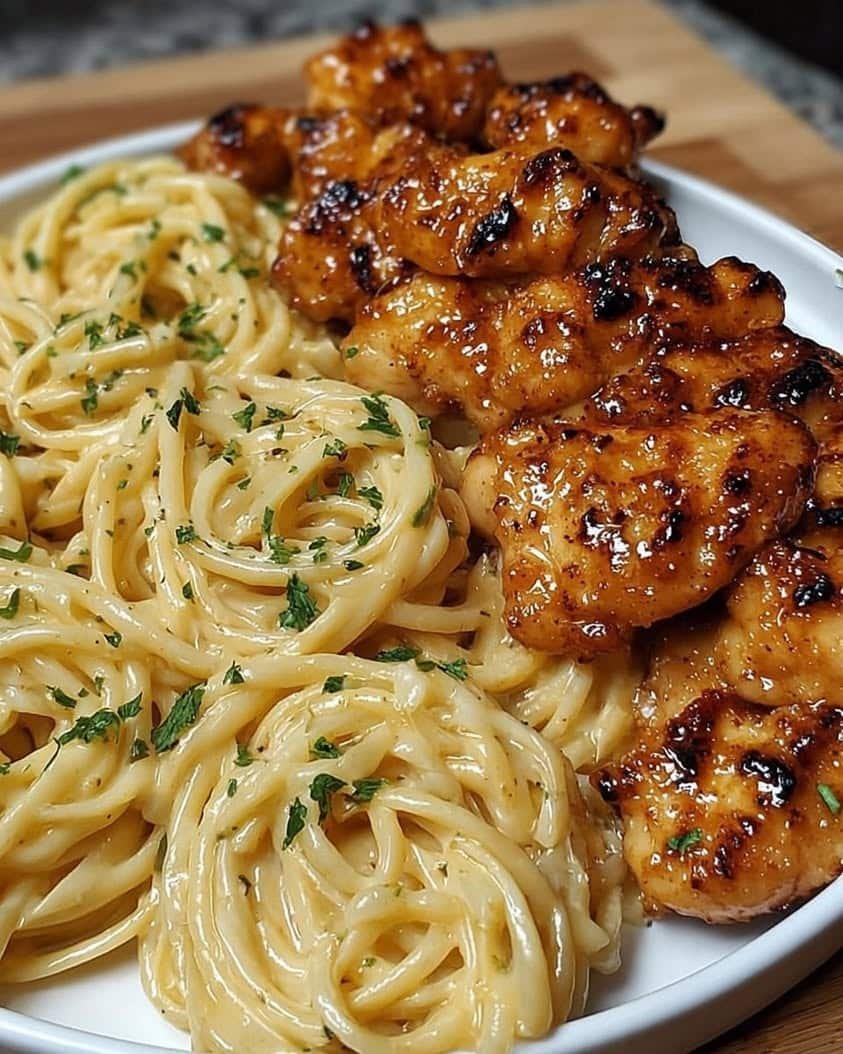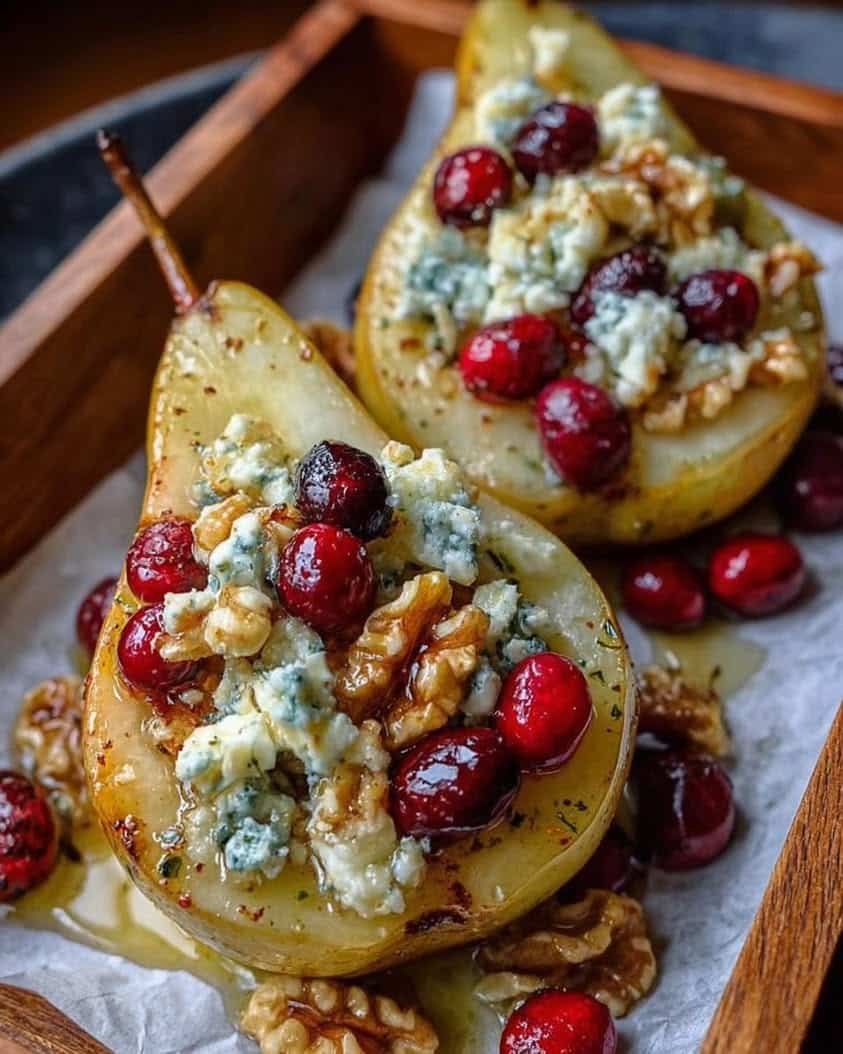
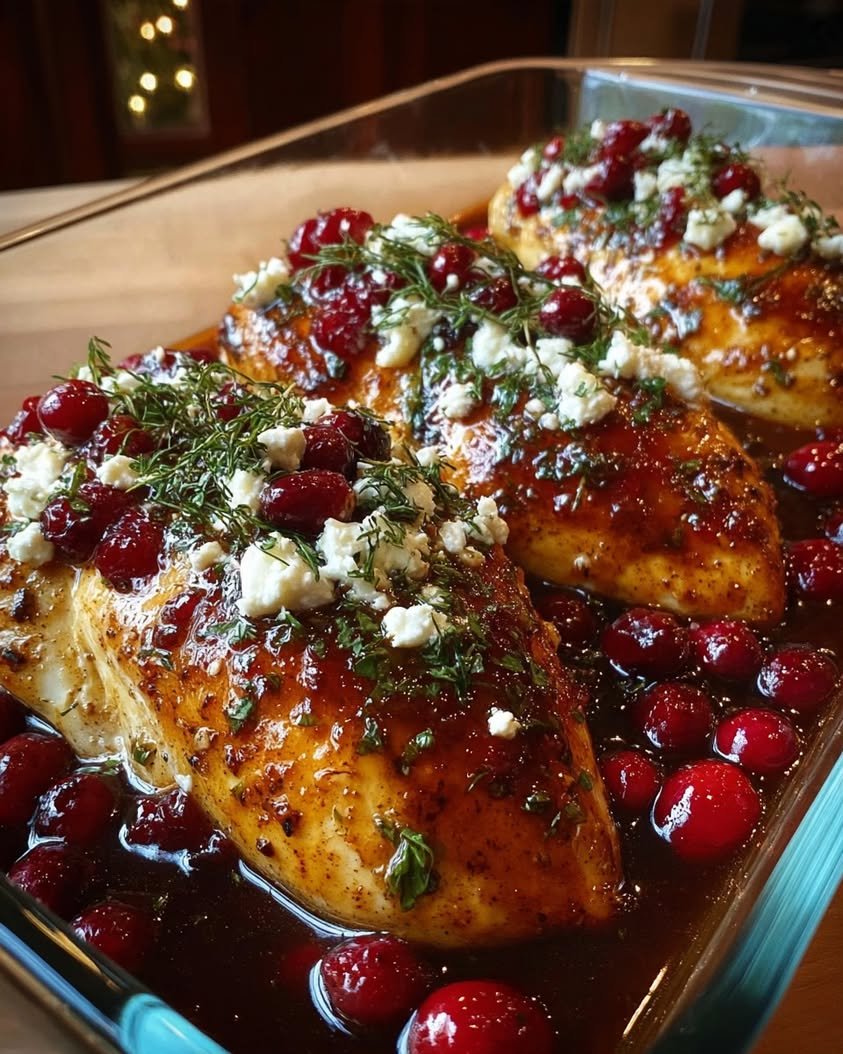
Honey Cranberry Chicken Bake with Feta: A Sweet and Savory Dinner Winner
If you crave a dinner that balances sweet, tangy, and savory flavors in every single bite, this Honey Cranberry Chicken Bake with Feta delivers exactly that. Imagine juicy chicken breasts glazed with golden honey and tart cranberries, then topped with creamy, salty feta cheese that melts into a rich, irresistible crust. As the dish roasts, your kitchen fills with the warm aroma of garlic, rosemary, and caramelizing honey, and you know something special is on the way to the table.
This recipe transforms ordinary pantry staples into a company-worthy meal with almost no effort. Furthermore, it requires just one baking dish, which means cleanup stays quick and painless. Whether you serve it on a busy Tuesday night or present it at a holiday gathering, the Honey Cranberry Chicken Bake with Feta looks impressive and tastes even better. The combination of bright cranberry and mellow honey keeps every bite lively, while the feta adds just the right amount of richness.
Folks across the United States have embraced this sweet and savory approach to chicken because it feels both familiar and fresh at once. In addition, the ingredients stay affordable and easy to find at any grocery store. As a result, you can feed a family of four a restaurant-quality dinner without breaking your budget or spending hours in the kitchen. Indeed, this Honey Cranberry Chicken Bake with Feta earns a permanent spot in your weeknight rotation.
Quick Recipe Highlights
- Flavor Profile: Sweet honey mingles with tangy cranberries and salty feta for a bold contrast. The glaze carries subtle notes of garlic and herbs, so every bite stays balanced and interesting. Meanwhile, the feta melts into a creamy topping that rounds out the dish.
- Texture: Juicy, tender chicken forms the base, while the cranberry glaze clings to the surface and softens into the meat. Moreover, the feta develops a slightly crisp edge in the oven. Together, these layers create a satisfying contrast between soft and golden-brown textures.
- Aroma: As the dish bakes, honey and rosemary perfume the air with warmth and comfort. Additionally, the cranberries release a bright, fruity scent that cuts through the richness. This inviting aroma draws everyone toward the kitchen before the timer even rings.
- Visual Appeal: Glossy honey glaze, deep red cranberries, and snowy white feta create a stunning color contrast. Similarly, a sprinkle of fresh herbs adds a bright green finish. The final result looks elegant enough for guests yet approachable enough for family.
- Skill Level Needed: This recipe suits beginners and experienced cooks alike because the steps stay simple and forgiving. Specifically, you mix the glaze, pour it over the chicken, and bake. Therefore, no advanced techniques or special training are required.
- Special Equipment: You only need a standard baking dish, a small mixing bowl, and a whisk. Likewise, a meat thermometer helps confirm doneness but remains optional. Overall, the recipe keeps equipment demands minimal.
Recipe Overview
- Difficulty Level: I rate this Honey Cranberry Chicken Bake with Feta as easy because it involves no complex techniques. You simply whisk a glaze, pour it over the chicken, and let the oven do the work. Furthermore, the recipe forgives small mistakes, so new cooks can succeed on the first try. Even busy parents can manage it after a long day.
- Category: This dish works beautifully as a main course for weeknight dinners, holiday tables, and potluck gatherings. In addition, you can serve it at brunch or a casual luncheon when you want something hearty. Consequently, it fits nearly any menu plan.
- Cuisine: The recipe blends American comfort food traditions with Mediterranean touches of feta and herbs. Cranberry and honey reflect classic New England flavor pairings, while feta brings a Greek influence. As a result, the dish carries a modern, cross-cultural identity that appeals to diverse palates across the United States.
- Cost: You can prepare this meal for roughly three to four dollars per serving using standard grocery store prices. Chicken breasts anchor the budget, while cranberries, honey, and feta remain affordable. Thus, the dish delivers impressive value for a festive-looking dinner.
- Season: Fall and winter suit this recipe best because fresh cranberries peak during those months. However, you can use frozen or dried cranberries year-round with excellent results. Therefore, the dish remains accessible in every season.
- Occasion: Beyond weeknight dinners, this bake shines at Thanksgiving, Christmas, and New Year gatherings. Likewise, it works for birthdays, dinner parties, and church potlucks. Above all, it gives hosts a low-stress main dish that still feels celebratory.
Why You’ll Love This Recipe
The taste and texture of this Honey Cranberry Chicken Bake with Feta make it an instant favorite in most households. Sweet honey caramelizes around tart cranberries, which creates a glaze that balances richness with brightness. Meanwhile, the feta melts into pockets of creamy, salty goodness that contrast beautifully with the tender chicken. Each bite delivers layers of flavor, and the textures shift from juicy to creamy to slightly crisp. In short, your taste buds stay engaged from the first forkful to the last.
Convenience ranks high among the reasons people return to this recipe again and again. Because the entire dish bakes in one pan, you avoid a mountain of dirty pots and pans. Moreover, the prep work takes only fifteen minutes, which means dinner reaches the table in under an hour. Consequently, you gain time for family, hobbies, or simply relaxing. Few meals deliver this level of flavor with such modest effort.
Nutritional advantages also make this bake a smart choice for health-conscious diners. Chicken breasts supply lean protein, which supports muscle maintenance and keeps you satisfied longer. Additionally, cranberries contribute antioxidants and vitamin C, and feta offers calcium with moderate calories. Although honey adds sugar, the amount per serving stays modest and balances against the protein. Overall, the dish fits a balanced eating plan when portioned reasonably.
Social and entertaining value sets this recipe apart from ordinary chicken bakes. When you place a glossy, golden pan on the table, guests immediately notice and compliment the presentation. Similarly, the crowd-pleasing flavor profile wins over picky eaters and adventurous diners alike. Because the dish holds well at serving temperature, hosts can mingle instead of hovering over the stove. Therefore, it makes entertaining easier and more enjoyable.
Finally, cost-effectiveness and accessibility make this Honey Cranberry Chicken Bake with Feta a practical staple. All ingredients live in standard grocery aisles, and none require a specialty store trip. Furthermore, pantry staples like honey, garlic, and rosemary often already sit in your kitchen. As a result, you build a memorable meal from humble components. Ultimately, that combination of affordability and elegance explains the recipe’s lasting popularity.
Historical Background and Cultural Significance
The origin story of honey and cranberry pairings traces back to early American cooking, when colonists learned from Indigenous communities to use native cranberries for flavor and preservation. Honey, though less common in early Colonial kitchens, gradually replaced expensive sugar in rural households. Over time, cooks discovered that the sweet-tart combination complemented roasted poultry beautifully. Consequently, this pairing became a regional favorite in New England long before modern cookbooks formalized it.
Cultural importance surrounds cranberries throughout the United States, especially in the Northeast. Specifically, Massachusetts cultivates a large share of the national cranberry crop, and local festivals celebrate the harvest each autumn. Additionally, honey holds a place in American food tradition as a natural sweetener with symbolic warmth and hospitality. Therefore, a dish combining these ingredients carries a sense of heritage and homecoming. Adding feta reflects a broader immigration story, since Greek cuisine entered American kitchens through waves of Mediterranean immigrants.
The evolution of this recipe mirrors changes in American home cooking trends. During the mid-twentieth century, casseroles and one-pan bakes dominated family tables, and cooks embraced simple glazes for chicken. Later, the farm-to-table movement revived interest in seasonal cranberries and artisanal honey. Meanwhile, feta gained mainstream popularity as Greek salads and Mediterranean diets spread across the country. As a result, modern versions like this Honey Cranberry Chicken Bake with Feta blend old comfort with new sophistication.
Regional variations appear across the country, and each one adds its own character. In New England, cooks often add orange zest and freshly squeezed orange juice to deepen the flavor. Down South, cooks tend to inject a bit of heat with cayenne or chipotle powder. On the West Coast, healthier adaptations sometimes swap honey for maple syrup and add nuts for crunch. Therefore, the recipe flexes to match local tastes while keeping its sweet-savory soul intact.
Ingredient Deep Dive
Chicken breasts form the heart of this recipe, and their cultural significance ties to American convenience cooking. Home cooks embraced boneless, skinless chicken breasts because they cook quickly and pair with nearly any flavor. Nutritionally, chicken breasts deliver high-quality lean protein with low fat, which supports heart health and weight management. When selecting chicken, look for firm, pink flesh and avoid packages near their sell-by date. Store raw chicken in the refrigerator for up to two days, or freeze it for up to nine months. If you prefer, substitute chicken thighs, which stay extra juicy, or use bone-in breasts for deeper flavor.
Chicken also holds cultural significance in the United States because it symbolizes Sunday family dinners and comfort food traditions. Today, it remains the most-consumed meat in the country. Furthermore, chicken adapts to regional flavors, which explains its role in everything from Southern fried dishes to Mediterranean bakes. In this recipe, the meat absorbs the honey-cranberry glaze and stays moist through gentle oven heat. Meanwhile, the protein content keeps your family full and energized.
Cranberries bring bold tang and rich history, since Native American tribes used them for food, medicine, and dye long before settlers arrived. Their nutritional profile stands out because they contain antioxidants called proanthocyanidins, which support urinary tract health. Fresh cranberries look firm, bright, and plump, so choose bags with no shriveled or soft fruit. Store fresh berries in the refrigerator for up to two months, and freeze extras for later use. If you lack fresh berries, substitute frozen cranberries directly, or use dried cranberries soaked briefly in warm water.
Honey adds natural sweetness and carries ancient cultural weight as the oldest known sweetener in human history. Moreover, honey contains trace enzymes and antioxidants, though its main contribution remains flavor and moisture. Choose raw, unfiltered honey for richer taste, and store it at room temperature away from direct light. If honey crystallizes, warm the jar gently in water and it will smooth out. Additionally, maple syrup or agave nectar work as easy substitutions for vegan or low-glycemic needs.
Feta cheese provides creamy, salty contrast and traces its lineage to Greek and Mediterranean culinary traditions spanning thousands of years. Nutritionally, feta contributes calcium, phosphorus, and protein, though its sodium content calls for moderation. When buying feta, choose blocks packed in brine rather than pre-crumbled varieties because the blocks taste fresher and creamier. Store feta in its brine inside the refrigerator for up to three months. For substitutions, goat cheese, ricotta salata, or crumbled blue cheese deliver similar salty contrasts.
Garlic and rosemary deepen the aromatic profile and carry Mediterranean heritage that stretches back centuries. Specifically, garlic offers antimicrobial compounds, and rosemary contributes antioxidants along with its piney fragrance. Select firm garlic heads with tight skin, and store them in a cool, dry spot away from sunlight. Keep fresh rosemary wrapped in damp paper towels in the refrigerator, or dry it for shelf-stable storage. If fresh herbs remain unavailable, use dried rosemary and garlic powder at adjusted amounts.
Common Mistakes to Avoid
- Overbaking the chicken dries it out and ruins the juicy texture. Therefore, check doneness with a meat thermometer and pull the pan when the center reads 165 degrees Fahrenheit. Furthermore, cover the pan loosely with foil if the top browns too quickly.
- Skipping the glaze simmer leaves raw honey flavor and a thin consistency. Instead, warm the honey with cranberries briefly before pouring, which blends the flavors. This small step elevates the entire dish.
- Using cold feta straight from the fridge causes uneven melting. Let the feta sit at room temperature for fifteen minutes before crumbling. As a result, it softens evenly across the chicken.
- Crowding the pan traps steam and prevents browning. Therefore, choose a baking dish sized so the chicken pieces sit in one layer with a bit of space. Consequently, the glaze caramelizes properly.
- Ignoring oven temperature accuracy throws off timing. Furthermore, an oven thermometer helps you catch hot spots before they burn the glaze. Check yours once and adjust future bakes accordingly.
- Adding all the honey at once overwhelms the flavor balance. Instead, reserve a spoonful to drizzle at serving time for a fresh brightness. This trick keeps the dish from tasting too sweet.
- Underseasoning the chicken makes the glaze carry all the flavor. Therefore, salt and pepper the chicken before baking so the meat itself tastes seasoned. Additionally, taste the glaze before pouring.
- Rushing the resting time causes juices to run out when you slice. Consequently, let the chicken rest five minutes after baking. The juices redistribute and the meat stays moist.
- Using a shallow dish without sides invites overflow and spills. Therefore, pick a dish with two-inch sides to contain the honey-cranberry juices. Cleanup becomes far easier too.
- Forgetting to pat the chicken dry prevents the glaze from clinging well. Specifically, moisture on the surface dilutes the coating. A quick paper towel pass makes a real difference.
Essential Techniques
Whisking the glaze properly matters because it distributes honey, cranberries, garlic, and herbs evenly. First, combine the ingredients in a small bowl and whisk until the honey thins out. Then, taste and adjust sweetness or tang before pouring. A common pitfall involves leaving honey clumped at the bottom, so whisk vigorously for a full minute. When the glaze looks uniform and glossy, you know it’s ready.
Patting chicken dry seems minor but deeply influences flavor and texture. Moreover, a dry surface allows the glaze to stick rather than slide off. Use paper towels and press gently across each breast. Visual cues help here, because dry chicken looks matte rather than shiny. Skip this step and you end up with watery pan juices and patchy browning.
Arranging the pan correctly ensures even cooking. Specifically, place chicken pieces with space between them so hot air circulates. Additionally, scatter cranberries around the chicken rather than piling them on top. A crowded pan steams the food, which prevents caramelization. You will see the difference in the golden edges when the heat flows freely.
Monitoring doneness protects against dry meat, and a thermometer removes guesswork. Insert the probe into the thickest part without touching bone. Therefore, pull the pan when it reads 165 degrees Fahrenheit and let carryover cooking finish the job. Visual cues include clear juices and slightly firm texture. Without a thermometer, err on the side of checking early.
Resting the chicken lets juices redistribute through the meat. Consequently, slicing too soon causes juices to pool on the plate instead of staying inside. Cover loosely with foil and wait five minutes. The chicken stays hot during this window. Ultimately, patience pays off with moist, flavorful slices.
Pro Tips for Perfect Honey Cranberry Chicken Bake with Feta
First, warm the honey slightly before mixing so it blends smoothly with the cranberries and garlic. This small step prevents clumps and distributes sweetness evenly. Additionally, room-temperature honey coats the chicken more uniformly than cold honey.
Second, reserve a handful of fresh or thawed cranberries for topping after baking. These fresh berries add brightness and texture against the roasted glaze. Furthermore, the contrast creates a more vibrant plate.
Third, crumble feta by hand rather than using pre-crumbled cheese. Hand-crumbled pieces vary in size, which creates creamy pockets alongside crisped edges. Similarly, the texture feels more rustic and appealing.
Fourth, tuck a few rosemary sprigs under and around the chicken before baking. The herbs perfume the pan juices and infuse the meat gently. Meanwhile, the sprigs make the finished dish look styled and inviting.
Fifth, check the bake at thirty minutes rather than forty, since oven performance varies widely. Plus, smaller chicken breasts finish faster than large ones. Early checking protects against overcooking.
Sixth, spoon pan juices over the chicken just before serving. These juices carry concentrated honey, cranberry, and herb flavor. Consequently, every slice gets extra moisture and shine.
Seventh, pair the dish with something acidic like lemon-dressed greens to cut richness. Additionally, a simple green vegetable balances the sweet glaze. Dinner feels lighter and more complete.
Eighth, double the glaze and keep half warm for drizzling at the table. Then, guests control the sweetness level on their own plates. This small touch adds a restaurant-style feel.
Variations and Adaptations
Regional variations shift the recipe’s accent while preserving its sweet-savory identity. In New England, cooks add orange zest and a splash of orange juice, which brightens the cranberry flavor. Similarly, Southern cooks introduce cayenne or hot honey for a gentle kick. Pacific Northwest cooks might fold in toasted hazelnuts for crunch. Therefore, you can tailor the same base recipe to your regional tastes.
Seasonal adaptations keep the dish relevant year-round. During fall, use fresh cranberries and fresh rosemary, both at their peak. In summer, swap cranberries for cherries or peaches and pair the dish with grilled vegetables. Consequently, the recipe never feels stale regardless of the calendar.
Dietary modifications allow more people to enjoy this Honey Cranberry Chicken Bake with Feta. For a dairy-free version, omit the feta and add Kalamata olives for a salty bite. Likewise, a vegan version replaces chicken with roasted cauliflower steaks and swaps honey for maple syrup. Each adaptation keeps the same flavor philosophy.
Flavor variations range from spicy to smoky to herb-forward. Add mustard for tang, smoked paprika for depth, or basil for a summery profile. Meanwhile, swapping balsamic vinegar for some honey creates a rich glaze. Experimentation rewards curious cooks.
Texture modifications let you control the bite. Add toasted pecans or walnuts before serving for crunch. Alternatively, crumble crispy prosciutto over the top after baking. As a result, the dish feels customized to your family’s preferences.
Presentation alternatives include family-style serving in the pan, individual ramekins, or sliced chicken over a bed of grains. Likewise, you can shred leftovers for sandwiches or wraps. Each format transforms the dish’s character.
Serving and Presentation Guide
Plating techniques matter for turning a simple bake into a beautiful plate. Place the chicken breast on a bed of rice, couscous, or roasted vegetables for height. Then, spoon the cranberry glaze over the top in a slow swirl. Finally, scatter feta and fresh herbs for contrast. The vertical arrangement grabs attention while keeping the plate balanced.
Garnishing ideas range from simple to elegant. A sprig of fresh rosemary adds color and aroma. Additionally, a few fresh cranberries and a crack of black pepper enhance the visual story. In contrast, thin slices of orange deliver a bright accent with minimal effort.
Traditional accompaniments include mashed potatoes, roasted root vegetables, and green beans with almonds. Because the dish carries sweetness, earthy sides balance the plate well. Furthermore, crusty bread helps soak up the delicious pan juices.
Modern serving suggestions lean toward lighter pairings. For example, serve chicken over arugula tossed with lemon vinaigrette. Alternatively, pair it with quinoa and roasted Brussels sprouts. These options keep meals fresh and healthful.
Temperature considerations influence flavor sharply. Serve the dish warm, within ten minutes of baking, when the feta still melts slightly. However, it also tastes excellent at room temperature for buffets. Avoid serving cold straight from the fridge.
Portion control tips help manage calories and satisfaction. A four-to-five-ounce piece of chicken delivers a generous serving. Additionally, portion the feta modestly to keep sodium in check. Filling sides like grains prevent overeating by keeping plates satisfying.
Wine and Beverage Pairing
Wine pairings for this Honey Cranberry Chicken Bake with Feta favor white varietals with bright acidity. Specifically, Sauvignon Blanc cuts through the sweetness and refreshes the palate. Likewise, an unoaked Chardonnay offers buttery texture that complements the creamy feta. For a festive dinner, a dry Riesling handles the honey beautifully. Finally, a light Pinot Noir works if you prefer red wine with poultry.
Non-alcoholic alternatives include sparkling water with cranberry and lime, which echoes the dish’s fruit notes. Additionally, unsweetened iced tea with lemon provides gentle tannins that cleanse the palate. Sparkling apple cider suits holiday tables and pairs naturally with the honey. Therefore, every guest finds a satisfying option.
Coffee and tea pairings seem unconventional, but certain brews complement the meal’s warmth. For instance, a lightly brewed jasmine green tea adds floral notes. In contrast, a mug of chamomile tea soothes during cozy dinners. These options work especially well late in the evening.
Temperature considerations apply to beverages as well as food. Serve white wines well chilled at about 45 to 50 degrees Fahrenheit. Conversely, red wines taste best around 60 degrees. Beyond temperature, remember to keep pours modest to focus on the food.
Serving suggestions include offering a self-serve beverage station at gatherings. Moreover, label each option with pairing notes so guests choose confidently. Consequently, the beverage service becomes part of the experience.
Storage and Shelf Life
Storage methods determine how well leftovers retain their flavor. After cooking, cool the dish within two hours and transfer portions to airtight containers. Moreover, keep chicken pieces covered in the glaze to stay moist. Label containers with dates so you remember freshness.
Temperature requirements stay straightforward, because the dish belongs in the refrigerator below 40 degrees Fahrenheit. Freeze portions you won’t finish within four days. Additionally, store feta separately if you plan to reheat later, since prolonged heat makes it greasy.
Container recommendations favor glass containers with locking lids because they don’t hold odors. Alternatively, sturdy plastic containers work for short-term storage. Avoid open bowls wrapped loosely in film since they leak.
Signs of spoilage include sour smells, sliminess, and cloudy pan juices. Whenever you spot these signs, discard the food. Furthermore, do not judge by appearance alone because chicken can spoil while looking normal.
Reheating instructions keep leftovers tender. Warm portions gently in a 300-degree Fahrenheit oven, covered with foil, for about fifteen minutes. Alternatively, microwave at reduced power and stir midway. Consequently, the chicken avoids rubbery texture.
Freezing guidelines extend shelf life for up to three months. Freeze the chicken in its glaze, but add fresh feta after reheating. Thaw overnight in the refrigerator before warming gently. Overall, freezing preserves flavor well when handled properly.
Make Ahead Strategies
Prep timelines allow you to spread work across a day or two. Indeed, you can whisk the glaze up to three days ahead and refrigerate it. Similarly, crumble the feta and chop herbs ahead. As a result, the final assembly takes only minutes.
Storage between steps keeps ingredients fresh and organized. Store the glaze in a jar, herbs in damp paper towels, and feta in its brine. Furthermore, label everything so busy evenings run smoothly.
Quality impact assessment helps you decide what to prep early. Glaze and cheese hold quality beautifully, while cut chicken stays fresh for a day. Therefore, prep sauces and toppings early and chicken close to cooking.
Assembly tips streamline party preparation. Lay chicken in the pan, pour the glaze, and refrigerate up to four hours before baking. Moreover, top with feta right before the oven so it stays creamy.
Reheating guidelines apply to make-ahead portions. Bake fresh when serving guests, and save reheated batches for casual meals. Reheated chicken tastes best when kept covered to hold moisture. Meanwhile, add fresh herbs after reheating for brightness.
Fresh element additions lift make-ahead meals. Top with extra cranberries, fresh parsley, or a squeeze of citrus. Because these additions stay raw, they add color and vibrancy. This trick makes leftovers feel brand new.
Scaling Instructions
Halving the recipe suits smaller households. Cut chicken and glaze amounts in half, but keep cooking time similar. Check doneness early since fewer pieces cook faster. Additionally, use a smaller pan to avoid dry edges.
Doubling or tripling works for crowds. Prepare multiple pans rather than overcrowding one. Consequently, every piece browns properly. Also, whisk extra glaze in separate bowls for easier distribution.
Equipment adjustments help when scaling. For larger batches, use a wide sheet pan with sides. Moreover, borrow extra pans from neighbors if needed. Avoid tiny pans that steam rather than roast.
Timing modifications change little when scaling because the oven temperature stays fixed. However, larger batches may need a few extra minutes. Therefore, always verify doneness with a thermometer rather than the clock.
Storage considerations matter when cooking big batches. Label and freeze extra portions immediately. Likewise, share with friends or potlucks to reduce waste. Consequently, the recipe rewards generous cooking.
Nutritional Deep Dive
Macro breakdown varies by portion, yet a typical serving delivers roughly thirty-five grams of protein and moderate carbohydrates from the honey and cranberries. Specifically, chicken supplies the bulk of the protein, while feta contributes fat. Thus, the dish fits comfortably into balanced eating.
Micronutrient analysis reveals strengths worth noting. Chicken offers B vitamins and selenium, cranberries supply vitamin C and antioxidants, and feta adds calcium. Furthermore, garlic and rosemary contribute trace minerals. Overall, the recipe nourishes more deeply than its flavor suggests.
Health benefits include sustained satiety from protein and fiber from cranberries. Additionally, the Mediterranean-style fat in feta supports heart health in moderation. Meanwhile, honey offers quick energy for active days.
Dietary considerations require attention for some diners. Feta contains dairy and sodium, so sensitive eaters should portion carefully. Moreover, honey isn’t suitable for infants under one year. Therefore, review ingredient lists for allergens before serving.
Portion analysis helps manage calories. A five-ounce chicken portion with a modest feta topping keeps total calories reasonable. Additionally, filling sides like salad or grains round out the meal without excess.
Weight management tips center on mindful portions and balanced sides. Fill half the plate with vegetables, a quarter with protein, and a quarter with grains. Consequently, you enjoy the bake without overeating.
Dietary Adaptations
Gluten-free diners can enjoy this dish as written because it contains no flour or breadcrumbs. Nevertheless, double-check labels on the honey and cranberries for hidden additives. Consequently, most cooks need no changes at all.
Dairy-free versions replace feta with olives, capers, or nutritional yeast. Moreover, use dairy-free honey alternatives if needed. These swaps maintain the salty, savory contrast the feta provides.
Vegan adaptations swap chicken for roasted cauliflower or tofu steaks. Additionally, use maple syrup instead of honey. Finally, choose a plant-based feta alternative. The glaze works beautifully on vegetables too.
Low-carb versions reduce honey and use berries sparingly. Additionally, pair with leafy greens instead of rice. Consequently, the dish stays flavorful without extra sugar.
Keto adaptations replace honey with sugar-free syrup and reduce cranberries. Furthermore, add extra feta or avocado for fats. Check every label for hidden sugars.
Paleo adaptations swap honey for raw honey in moderation and skip refined ingredients entirely. Moreover, choose grass-fed chicken and natural feta. This approach keeps the recipe close to its whole-food roots.
Low-FODMAP diners should reduce garlic and use garlic-infused oil instead. Additionally, cranberries and feta generally suit the plan. Portion carefully and monitor tolerance.
Other diets, including Mediterranean and flexitarian approaches, embrace this recipe easily because its ingredients align with whole foods. Consequently, the bake fits nearly any eating pattern with small tweaks.
Troubleshooting Guide
Texture issues often trace to overcooking or under-glazing. If chicken feels dry, reduce next bake time and rest longer. Conversely, if the glaze stays watery, simmer it briefly before pouring. These quick fixes restore the intended texture.
Flavor balance problems appear when sweetness overwhelms tang. Therefore, add a squeeze of lemon or extra cranberries to restore acidity. Likewise, if the dish tastes flat, a pinch of salt brightens everything.
Temperature problems arise from oven variance. Use an oven thermometer and rotate the pan midway. Furthermore, check thin pieces earlier, since they cook faster than thick ones.
Equipment challenges include pans that run small or conduct unevenly. Choose heavy-gauge pans for even heat. Additionally, line pans with parchment for easier cleanup.
Ingredient substitutions occasionally shift the result. If dried cranberries replace fresh, soak them in warm water first. Similarly, if feta runs out, ricotta salata offers a close match. Plan ahead to avoid compromises.
Timing concerns happen on busy nights. Start with the glaze and preheat the oven early. Moreover, pick quick sides like microwave rice so dinner lands on schedule.
Recipe Success Stories
Community feedback reveals how deeply this Honey Cranberry Chicken Bake with Feta resonates with home cooks. Many readers report that picky children finished their plates without coaxing, which rarely happens with chicken dishes. Additionally, several families adopted the recipe for weekly rotations. One reader even credited it with breaking a dinner rut of frozen meals.
Variation successes include a reader who swapped peaches for cranberries in summer with rave reviews. Another added jalapeños for game-day spice and won a potluck competition. Furthermore, a vegetarian reader adapted the glaze for roasted cauliflower and called it the best vegetable dish she had made.
Adaptation stories highlight how versatile the recipe truly is. Specifically, one home cook used leftover turkey after Thanksgiving and reported incredible results. Meanwhile, another reader froze portions for new-parent meals and praised the reheating quality. These stories show how the dish fits real life.
Reader suggestions pour in regularly, and many improve the recipe. For instance, readers recommend drizzling hot honey for a spicy-sweet kick. Others suggest pomegranate seeds for a jeweled finish. Each idea adds fresh perspective to the base recipe.
Photography tips from readers help others capture the dish’s beauty. They suggest shooting near a window with natural light. Additionally, a light sprinkle of fresh herbs before the camera clicks adds color. Props like linen napkins and wooden boards complete the look.
Frequently Asked Questions
Can I use frozen chicken for this recipe? Yes, but thaw it fully in the refrigerator before baking. Frozen chicken releases excess water and prevents proper glazing. Therefore, plan thawing a day ahead for best results.
What if I don’t have fresh cranberries? Frozen cranberries work perfectly and need no thawing. Additionally, dried cranberries soaked in warm water deliver similar tang. Use whichever option your pantry offers.
Can I make this recipe dairy-free? Absolutely, simply skip the feta or use a plant-based alternative. Then, add olives or capers for a salty finish. The dish remains delicious and balanced.
How long do leftovers last? Store leftovers in the refrigerator for up to four days. Moreover, freeze portions for up to three months. Always reheat thoroughly to 165 degrees Fahrenheit.
Is this dish spicy? As written, the recipe carries no heat. However, you can add cayenne or hot honey for a kick. Adjust the spice to your family’s taste.
Can I use chicken thighs instead of breasts? Certainly, and they add extra juiciness. Bone-in thighs may need ten extra minutes of cooking. Check with a thermometer either way.
What sides pair well with this bake? Rice, couscous, mashed potatoes, and roasted vegetables all work beautifully. Additionally, a simple green salad balances the sweetness.
Can I prepare this ahead of time? Yes, assemble the dish up to four hours ahead and refrigerate. Then, bake as directed right before dinner. This timing suits busy host schedules.
Why did my glaze turn too dark? The honey likely burned under high heat. Therefore, tent the pan with foil if browning runs ahead. Also, verify your oven temperature.
Does the feta melt completely? Feta softens but retains some of its shape, which adds texture. For a creamier topping, use ricotta or goat cheese instead. The flavor shifts slightly but stays delicious.
Can I grill this instead of baking? Yes, grill the chicken over medium heat and brush with glaze, then top with feta. Cooking times shorten, so watch closely. The grilled version tastes smoky and wonderful.
Is this recipe kid-friendly? Most families report yes, thanks to the sweet-tangy glaze. Additionally, children enjoy the mild chicken flavor under the cheese. Serve extra glaze on the side for dipping.
Additional Resources
Related recipes expand your cooking options when this dish becomes a favorite. Consider a honey mustard chicken bake for a tangier spin. Likewise, cranberry pork tenderloin carries similar sweet-tart notes. Browsing these ideas helps you build a rotation around the flavors your family loves.
Technique guides strengthen kitchen confidence over time. Learn about brining chicken to boost juiciness, or study glazing methods for even caramelization. Furthermore, guides on crumbly cheese handling help with feta and similar items. Each skill compounds into better cooking.
Ingredient information deepens appreciation for the components. Explore cranberry harvests, honey varietals, and the Greek Print
Honey Cranberry Chicken Bake with Feta Cheese
- Total Time: 45 minutes
- Yield: 4
Description
A sweet and savory baked chicken dish featuring honey, cranberries, and tangy feta cheese. Perfect for a weeknight dinner or special occasion.
Ingredients
- 4 boneless, skinless chicken breasts
- 1/2 cup honey
- 1/2 cup dried cranberries
- 1/4 cup balsamic vinegar
- 2 tablespoons olive oil
- 1 teaspoon garlic powder
- 1 teaspoon dried thyme
- Salt and pepper to taste
- 1/2 cup crumbled feta cheese
Instructions
- Preheat oven to 375°F (190°C).
- In a small bowl, whisk together honey, balsamic vinegar, olive oil, garlic powder, thyme, salt, and pepper.
- Place chicken breasts in a baking dish and pour the honey mixture over them, turning to coat. Sprinkle dried cranberries around the chicken.
- Bake for 25-30 minutes, or until chicken is cooked through (internal temperature reaches 165°F).
- Remove from oven and sprinkle crumbled feta cheese over the chicken. Return to oven for 2-3 minutes, until feta is slightly softened.
- Serve hot, spooning sauce and cranberries over the chicken.
Notes
You can customize the seasonings to taste.
- Prep Time: 15 minutes
- Cook Time: 30 minutes
- Method: Main
- Cuisine: American