Hawaiian Cheesecake Salad: A Creamy Tropical Dessert Recipe
Imagine a dessert that captures the essence of a tropical vacation in a single, creamy spoonful. This Hawaiian Cheesecake Salad recipe does exactly that. It combines the rich, tangy flavor of cheesecake with the bright, juicy sweetness of island fruits. Consequently, you get a dessert that feels both indulgent and refreshing. It is a perfect no-bake treat for anyone who loves the combination of creamy and fruity flavors.
This delightful dish is more than just a simple fruit salad. It is a creamy dessert salad that has become a potluck superstar and family favorite. The beauty of this recipe lies in its simplicity and versatility. You can whip it up in minutes with minimal effort. Moreover, it travels beautifully, making it the ideal choice for picnics, barbecues, and summer gatherings. The vibrant colors and inviting texture promise to be the star of any dessert table.
Ultimately, this Hawaiian Cheesecake Salad is a celebration of flavor and ease. It delivers the luxurious taste of cheesecake without the need for an oven or a springform pan. Each bite offers a delightful contrast between the smooth, fluffy cream cheese mixture and the burst of fresh fruit. This recipe is a guaranteed crowd-pleaser that will have everyone asking for the recipe.
Quick Recipe Highlights
- Flavor Profile: This Hawaiian Cheesecake Salad boasts a perfect balance of sweet and tangy. The creamy cheesecake base is rich and slightly tart, while the pineapple and mandarin oranges add a bright, tropical sweetness. Additionally, the optional coconut provides a subtle, nutty flavor that enhances the island vibe.
- Texture: The texture is wonderfully complex and satisfying. You experience the light, airy fluff of the whipped cream and cream cheese mixture first. Then, you get the juicy pop of the mandarin oranges and the tender, fibrous bite of the pineapple chunks. Finally, the optional mini marshmallows add a delightful, pillowy softness.
- Aroma: The aroma is instantly inviting and summery. Opening the bowl releases the sweet, citrusy scent of mandarin oranges mingled with the tropical fragrance of pineapple. Furthermore, the subtle vanilla from the pudding mix and the creamy scent of the dairy components create a mouthwatering bouquet.
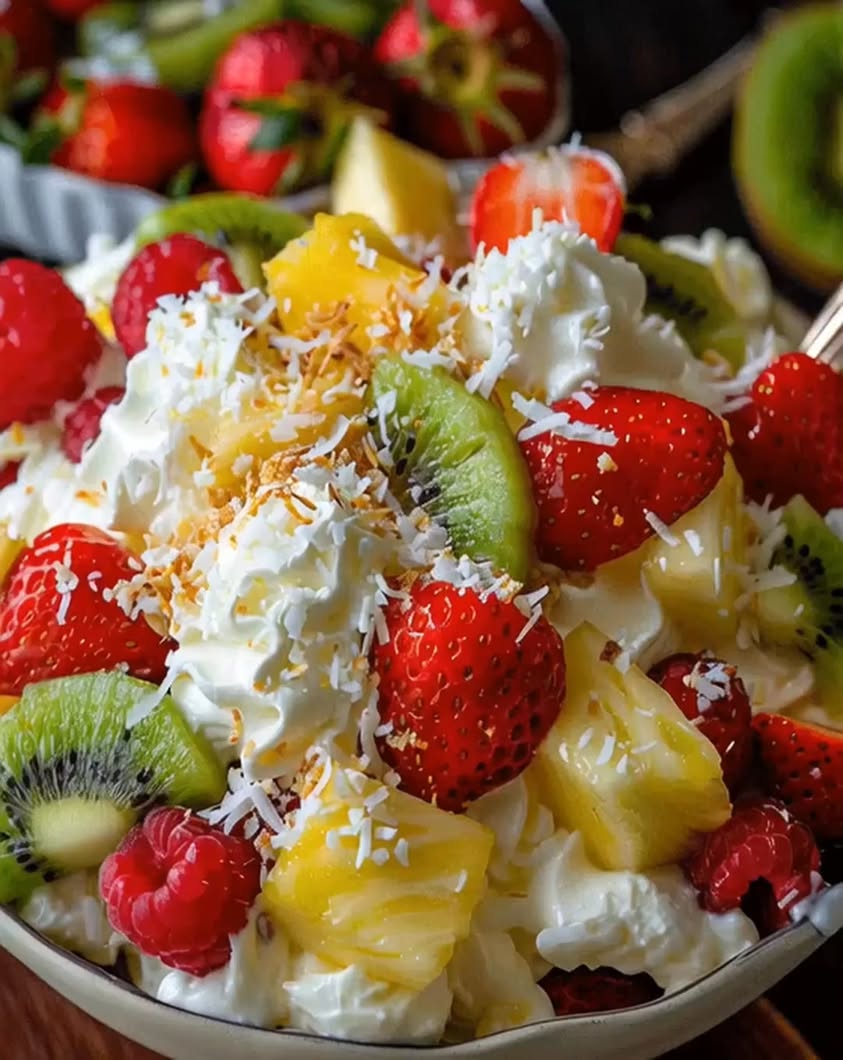
- Visual Appeal: This salad is a feast for the eyes with its sunny, cheerful colors. The bright orange mandarin segments and golden pineapple chunks peek through the snowy white creamy base. A garnish of toasted coconut or a maraschino cherry adds the perfect finishing touch of color and elegance.
- Skill Level Needed: This is an absolutely beginner-friendly recipe. It requires no cooking, baking, or advanced culinary techniques. Basically, you just need to be able to mix ingredients together in a bowl. It is a fantastic first recipe for new cooks or a fun project to make with kids.
- Special Equipment: You need almost no special equipment. A large mixing bowl, a sturdy spatula or spoon, and measuring cups are sufficient. However, using a hand mixer or stand mixer will make whipping the cream cheese and cream much faster and easier, resulting in a lighter texture.
Recipe Overview
- Difficulty Level: This Hawaiian Cheesecake Salad recipe is rated “Easy” for very clear reasons. There is no heat application, no precise baking times, and no complicated techniques like tempering eggs or making a crust. The process involves straightforward mixing and folding. Therefore, it is nearly impossible to mess up, making it perfect for cooks of all confidence levels.
- Category: This dish comfortably fits into several categories. Primarily, it is a dessert salad, a beloved genre for potlucks and parties. It also functions as a sweet side dish for brunch or barbecue. Some people even enjoy it as a decadent snack. Its versatility is one of its greatest strengths.
- Cuisine: While not authentically Hawaiian in origin, this recipe is firmly rooted in American Midwestern and Southern potluck cuisine. It draws inspiration from tropical flavors popularized in mainland American cooking during the mid-20th century. The use of canned tropical fruits and instant pudding mix speaks to this convenient, fusion-style food tradition.
- Cost: This is a very budget-friendly dessert. The main costs come from the block of cream cheese, heavy cream, and canned fruits. Since it uses instant pudding mix as a flavoring and stabilizer, it avoids expensive ingredients like fresh vanilla beans. One batch yields many servings, making it an economical choice for feeding a crowd.
- Season: This Hawaiian Cheesecake Salad is a quintessential warm-weather recipe. It shines brightest in the spring and summer months when cravings for light, fruity, and cold desserts are highest. It is ideal for picnics, pool parties, and Fourth of July celebrations. However, its tropical flavors can also provide a cheerful escape during dreary winter months.
- Occasion: This salad is the ultimate party food. It is perfect for potlucks, family reunions, baby showers, and graduation parties. It also makes a fantastic weeknight treat when you want something special without much work. For a fun twist, you can serve it in individual cups for a bridal or baby shower.
Why You’ll Love This Recipe
First and foremost, you will adore the incredible taste and texture of this Hawaiian Cheesecake Salad. It delivers the beloved flavor of cheesecake in a much lighter, spoonable form. The creamy base is luxuriously smooth and rich, perfectly complementing the juicy, sweet bursts of mandarin orange and pineapple. Every spoonful is a harmonious blend of tangy, sweet, and tropical notes that is utterly addictive. The contrast between the fluffy cream and the soft fruit creates a mouthfeel that is simply delightful and keeps you coming back for more.
Furthermore, the convenience and preparation benefits are huge selling points. This is a no-bake, no-cook dessert that comes together in about twenty minutes. You do not need to preheat an oven or worry about water baths and cracked surfaces. Simply mix, fold, and chill. This makes it an ideal last-minute dessert solution when you need something impressive fast. Moreover, it uses simple ingredients that are easy to find at any grocery store year-round.
From a nutritional perspective, this dessert salad offers some advantages over heavier baked goods. While it is certainly a treat, the inclusion of real fruit provides vitamins like Vitamin C from the oranges and pineapple. You can also easily adapt the recipe to use sugar-free pudding mix or reduced-fat dairy options if desired. Compared to a dense slice of traditional cheesecake, a serving of this salad can feel a bit lighter, though equally satisfying.
Additionally, the social and entertaining value of this Hawaiian Cheesecake Salad cannot be overstated. It is a guaranteed conversation starter at any gathering. People are always intrigued by the concept and delighted by the flavor. It travels without issue in a cooler, making it perfect for picnics, beach days, and tailgates. Because it serves a crowd, it takes the pressure off hosting, allowing you to provide a beloved dessert with minimal stress.
Finally, its cost-effectiveness and accessibility make it a perennial favorite. You can feed eight to ten people for the price of one restaurant dessert. The ingredients are pantry and refrigerator staples for many households. There is no need for exotic or expensive components. This accessibility means you can make this tropical treat anytime the craving strikes, bringing a little vacation flavor to your everyday life without straining your budget.
Historical Background and Cultural Significance
The origin story of Hawaiian Cheesecake Salad is deeply entwined with American food trends of the 1950s and 1960s. This era saw a fascination with ” Polynesian” cuisine, fueled by tiki culture and the post-war accessibility of canned tropical fruits like pineapple and mandarin oranges. Home cooks, particularly in the Midwest and South, began incorporating these convenient, sweet fruits into all sorts of dishes, from baked ham to gelatin molds. The concept of a “salad” that was really a dessert also flourished during this time, with creations like ambrosia and Watergate salad. This recipe is a direct descendant of that tradition, merging the creamy richness of cheesecake with the convenient, sunny flavors of canned tropical fruit.
Its cultural importance lies in its role as a staple of community and family gatherings. This Hawaiian Cheesecake Salad is not fine dining; it is potluck perfection. It represents a style of home cooking focused on sharing, abundance, and creating joyful experiences with accessible ingredients. For many families, it is a nostalgic recipe that appears at every reunion, holiday, or church supper. It symbolizes comfort, celebration, and the clever ingenuity of home cooks making something special from simple, shelf-stable products.
The evolution of the recipe showcases how home cooking adapts. The earliest versions likely used simple combinations of cream cheese, whipped topping, and fruit. The introduction of instant cheesecake or vanilla pudding mix as a key ingredient was a game-changer. This product, invented in the mid-20th century, provided instant flavor, sweetness, and a stabilizing thickness that helped the salad hold its texture. Over time, variations emerged, with some adding coconut, nuts, or mini marshmallows. The core idea, however, remains constant: an easy, creamy, fruity dessert that feels like a party.
Regional variations of this concept are fascinating. In some areas, it is called “Cheesecake Fruit Salad” or “Hawaiian Cream Salad.” The fruit combinations can vary; some versions include maraschino cherries, crushed pineapple instead of chunks, or even bananas. In the South, a similar dish might include pecans. Some families swear by using frozen whipped topping, while others insist on real whipped cream. These small tweaks make the recipe personal, passed down through generations or shared among friends on handwritten recipe cards, cementing its place in the tapestry of American community cooking.
Ingredient Deep Dive
Cream Cheese: This is the heart of the “cheesecake” flavor. Cultured cream cheese originated in the United States in the late 19th century and provides the essential tangy richness. For best results, use full-fat, brick-style cream cheese and ensure it is fully softened to room temperature. This prevents lumps and allows it to whip smoothly with the other ingredients. If you need a substitute in a pinch, mascarpone will work but will yield a milder, less tangy flavor. Store unopened blocks in the fridge and use within two weeks of opening.
Instant Cheesecake Pudding Mix: This modern pantry miracle is the secret weapon. It intensifies the cheesecake flavor, adds sweetness, and, crucially, contains thickeners that help stabilize the salad so it doesn’t become watery. The cornstarch and other modified starches in the mix absorb excess moisture from the fruit. Always use the “instant” or “no-cook” variety, not the cook-and-serve style. If you cannot find cheesecake flavor, vanilla or white chocolate pudding mix are excellent alternatives.
Heavy Whipping Cream: Heavy cream is whipped to create the light, airy structure of the salad. Its high fat content (36% or more) allows it to hold stiff peaks, giving the dessert its fluffy body. For success, ensure both the cream and your mixing bowl are very cold. You can substitute with an equal amount of frozen whipped topping (thawed) for convenience, but the flavor will be slightly less rich. Heavy cream should be stored in the coldest part of your refrigerator and used by its expiration date.
Canned Mandarin Oranges: These provide the iconic citrus sweetness and vibrant color. Canned in light syrup or juice, they are consistently sweet and tender year-round. Always drain them thoroughly in a colander and pat gently with a paper towel to remove excess syrup, which is crucial for preventing a runny salad. Fresh clementine or mandarin segments can be used when in season, but avoid pith and membrane. The drained syrup can be saved for smoothies or cocktails.
Canned Pineapple Chunks: Pineapple is the definitive tropical flavor. Like the oranges, it must be very well-drained. Crushed pineapple will make the salad denser and more uniform in texture, while chunks provide juicy bursts. For a less sweet version, look for pineapple chunks canned in 100% juice instead of syrup. Fresh pineapple can be used, but be aware that the enzyme bromelain can prevent gelatin from setting if you ever adapt the recipe; it does not affect this pudding-stabilized version.
Common Mistakes to Avoid
- Not Draining the Fruit Enough: This is the number one mistake. The extra liquid from the canned fruit will seep out and make your Hawaiian Cheesecake Salad watery and runny. Always drain the fruit in a colander for several minutes, then gently pat it dry with paper towels. The fruit should feel just damp, not wet.
- Using Cold Cream Cheese: Attempting to mix cold, hard cream cheese will result in a lumpy, uneven base. Plan ahead and let the cream cheese sit on the counter for at least 30-60 minutes until it is very soft to the touch. This ensures it blends smoothly into the cream and pudding mix.
- Overfolding or Under-whipping the Cream: When incorporating the whipped cream into the base, fold gently with a spatula to maintain the airy texture. Conversely, ensure your heavy cream is whipped to stiff peaks before folding. Soft peaks will deflate and lead to a denser salad.
- Skipping the Chill Time: Serving the salad immediately after mixing means the flavors haven’t had time to meld and the pudding mix hasn’t fully hydrated and thickened. For the best texture and flavor integration, cover and refrigerate the salad for at least 1-2 hours before serving.
- Using the Wrong Pudding Mix: Be certain to purchase “instant” or “no-cook” pudding mix. The “cook-and-serve” variety requires heating and will not set properly in a no-bake recipe, leaving you with a thin, gritty mixture.
- Adding Extra Liquid: The recipe does not call for milk or any additional liquid beyond what’s in the cream and cream cheese. Adding milk, even a little, will thin out the consistency too much. The moisture from the softened cream cheese and whipped cream is sufficient.
- Stirring in the Fruit Too Vigorously: After carefully folding in the whipped cream, add the drained fruit and fold gently just until distributed. Aggressive stirring will break down the fruit pieces and crush the mandarin oranges, affecting the final texture and appearance.
- Not Tasting Before Final Assembly: After mixing the cream cheese and pudding powder, give it a taste. Pudding mix brands can vary in sweetness. This is your chance to adjust slightly if desired, though be cautious as the fruit will add more sweetness.
Essential Techniques
Properly Draining Canned Fruit: This technique is critical for success. Simply pouring out the can is not enough. Transfer the fruit to a fine-mesh colander or sieve and let it drain for a full 5-10 minutes. Shake the colander gently halfway through. Then, spread the fruit on a double layer of paper towels and pat lightly to absorb the surface moisture. This step removes the excess syrup that would otherwise waterlog your creamy base, ensuring a perfect, firm texture.
Softening Cream Cheese Correctly: For a perfectly smooth base, your cream cheese must be at room temperature. Take the block out of its foil wrapper and place it on a plate about an hour before you start. If you are short on time, you can microwave it on a microwave-safe plate for 10-15 seconds at 50% power. Check and repeat if necessary, but be careful not to melt it. The goal is a soft, spreadable consistency that will blend without lumps.
Whipping Heavy Cream to Stiff Peaks: Start with a chilled metal or glass bowl and chilled beaters. Pour in the cold heavy cream and begin whipping on medium speed. As it thickens, increase the speed to high. “Stiff peaks” mean that when you lift the beaters, the cream forms sharp peaks that hold their shape firmly and do not droop at the tips. Under-whipped cream will not provide enough structure, while over-whipped cream will become grainy and start to turn into butter.
The Gentle Fold: Folding is the technique used to combine a light, airy mixture (whipped cream) with a heavier mixture (cream cheese base) without deflating it. Use a large rubber spatula. Cut down through the center of the bowl, scrape along the bottom, and bring the mixture up and over the top. Rotate the bowl a quarter turn and repeat. This motion gently incorporates the ingredients while preserving the precious air bubbles in the whipped cream, which gives the salad its signature fluffy texture.
Pro Tips for Perfect Hawaiian Cheesecake Salad
For an extra layer of flavor, toast your shredded coconut before adding it. Spread it on a baking sheet and bake at 350°F for 5-8 minutes, stirring frequently, until golden brown. Let it cool completely before folding it in. The toasting brings out a nutty, deeper coconut flavor that is far superior to raw coconut.
If you have time, let the mixed cream cheese and pudding powder base sit for 5 minutes after combining. This allows the pudding mix to fully absorb moisture from the cream cheese, which helps prevent any potential grittiness and ensures a perfectly smooth consistency.
Use a microplane zester to add a tiny bit of lime or orange zest to the cream cheese mixture. Just a teaspoon will add a bright, fresh aromatic note that elevates the tropical feel and cuts through the richness beautifully.
For a stunning presentation, reserve a few perfect pieces of mandarin orange and pineapple chunk. After transferring the salad to your serving bowl, artfully arrange these reserved pieces on top along with a sprinkle of coconut or a mint leaf for a professional, finished look.
If making for adults, consider a splash of flavoring. A quarter teaspoon of coconut extract or rum extract (not actual rum, to avoid curdling) folded into the cream cheese base can add a wonderful complexity. Always start with less, as extracts are potent.
For the fluffiest texture, whip the heavy cream separately first, then set it aside. In the same bowl (no need to clean it), beat the softened cream cheese and pudding mix. This method is easier than trying to whip the cream into an already thick base.
If your salad seems a bit soft after chilling, don’t worry. Simply give it one more gentle fold with a spatula to reincorporate any separated moisture. The structure will firm up nicely. Serve it in chilled bowls or glasses to help it stay cool and firm.
Variations and Adaptations
Regional Variations: Across different regions, this salad takes on local character. In the South, a handful of chopped pecans or toasted pecans is a common addition for crunch. In areas with a strong Scandinavian influence, a bit of cardamom might be sprinkled in. Some Midwestern versions are more “ambrosia”-like, including maraschino cherries and mini marshmallows as standard ingredients.
Seasonal Adaptations: While canned fruit is standard, you can adapt this for summer by using fresh, in-season fruit. Try fresh strawberries and blueberries for a Fourth of July theme, or peaches and raspberries for a late-summer twist. Just remember that fresh fruit releases more juice, so pat it very dry and consider serving the salad sooner after assembly.
Dietary Modifications: This recipe is easily adaptable. Use dairy-free cream cheese and coconut whipped cream for a vegan version. A sugar-free instant pudding mix and a sugar substitute in the cream can create a lower-carb option. For a gluten-free salad, simply ensure your pudding mix is certified gluten-free, as most major brands are.
Flavor Variations: Change the pudding mix to change the core flavor. White chocolate pudding mix creates a sweeter, richer base. Lemon pudding mix makes a wonderfully bright, citrus-forward salad. You could also fold in a few tablespoons of crushed freeze-dried strawberries for a pink hue and berry flavor.
Texture Modifications: For added crunch, fold in toasted macadamia nuts or chopped graham crackers right before serving. For a denser, more mousse-like texture, reduce the heavy cream by half a cup. For a fruitier experience in every bite, use crushed pineapple instead of chunks.
Presentation Alternatives: Instead of a large bowl, layer the salad in clear parfait glasses with crumbled graham crackers or vanilla wafer crumbs for a deconstructed cheesecake effect. You can also pipe it into phyllo cups for elegant, single-serving bites perfect for a shower or cocktail party.
Serving and Presentation Guide
Plating Techniques: For a family-style presentation, choose a wide, shallow bowl rather than a deep one. This showcases the beautiful colors of the fruit. Use a large spoon or ice cream scoop to serve. For individual servings, martini glasses, mason jars, or even hollowed-out pineapple halves make unforgettable vessels that highlight the tropical theme.
Garnishing Ideas: A simple garnish transforms this salad. A light sprinkle of toasted coconut is classic. A single maraschino cherry with a stem on top adds a pop of red. Fresh mint leaves provide color and a refreshing aroma. For a more elegant touch, a delicate dusting of graham cracker crumbs around the rim of the serving bowl looks stunning.
Traditional Accompaniments: This Hawaiian Cheesecake Salad is often served as part of a potluck spread alongside other salads like pasta salad, coleslaw, and baked beans. As a dessert, it pairs wonderfully with light, crisp cookies like shortbread or butter cookies. It is also fantastic served with a simple pound cake or angel food cake for dipping.
Modern Serving Suggestions: For a brunch, serve it alongside waffles or pancakes as a fruity topping alternative to syrup. At a barbecue, offer it as a cool, creamy counterpoint to smoky meats. You can also use it as a filling for crepes or as a topping for a slice of vanilla sponge cake.
Temperature Considerations: This salad must be served cold. Keep it refrigerated until the moment you are ready to serve. If outdoors, place the serving bowl inside a larger bowl filled with ice to keep it chilled. Avoid leaving it at room temperature for more than an hour to maintain food safety and optimal texture.
Portion Control Tips: A standard serving is about ½ to ¾ cup per person. Since it is rich and sweet, a little goes a long way. Using smaller serving spoons or pre-portioned cups can help manage portions, especially at a buffet where people might be tempted to take large helpings of this popular dish.
Wine and Beverage Pairing
Wine Pairings: The sweet, creamy, and fruity profile of this salad calls for wines with good acidity and complementary flavors. A slightly sweet Riesling or Gewürztraminer is a classic pairing, as their stone fruit and floral notes harmonize with the tropical fruit. A Moscato d’Asti, with its light fizz and peachiness, is another delightful choice. For a more sophisticated option, a demi-sec Champagne or sparkling wine cuts through the richness beautifully with its bubbles and acidity.
Non-Alcoholic Alternatives: Iced herbal teas are fantastic. A chilled hibiscus tea (agua de jamaica) offers a tart, cranberry-like flavor that balances the sweetness. Sparkling water with a splash of pineapple or passionfruit juice mimics the effervescence of wine without alcohol. A classic lemonade or a creamy coconut smoothie also makes a refreshing companion.
Coffee/Tea Pairings: A cup of lightly roasted, fruity coffee (like a Kenyan or Ethiopian blend) can complement the fruit notes in the salad. For tea, consider a vanilla rooibos, which is naturally sweet and caffeine-free, or a delicate white tea with peach or apricot notes. Serve these beverages at their ideal temperatures alongside the cold salad for a pleasant contrast.
Temperature Considerations: Always serve your paired beverages well-chilled or at their proper serving temperature. A warm drink will make the cold salad seem overly rich and may cause it to melt slightly on the palate. Chilling your wine glasses or beverage cups beforehand is a thoughtful touch that enhances the entire experience.
Serving Suggestions: For a party, create a signature cocktail or mocktail that echoes the salad’s flavors. A “Creamsicle” mocktail with orange juice and cream soda, or a pineapple-coconut spritzer, would be perfect thematic companions. Offer these in a beverage dispenser alongside the wine options for a cohesive and festive presentation.
Storage and Shelf Life
Storage Methods: Store any leftover Hawaiian Cheesecake Salad in an airtight container. A glass or plastic container with a tight-fitting lid is ideal. Press a piece of plastic wrap directly onto the surface of the salad before sealing the lid. This creates an extra barrier against air, which helps prevent oxidation and the formation of a skin on top.
Temperature Requirements: This salad must be stored in the refrigerator at all times. Never leave it at room temperature for more than two hours (one hour if the ambient temperature is above 90°F). The dairy and fruit composition makes it susceptible to bacterial growth if not kept properly chilled.
Container Recommendations: Choose a container that is just the right size for the amount of leftover salad. Excess air space in the container can dry out the edges and promote separation. If you have a large amount, consider dividing it into smaller containers for easier serving and to maintain quality.
Signs of Spoilage: Discard the salad if you notice an off or sour smell, significant liquid separation that cannot be reincorporated with stirring, or any visible mold. The fruit may darken slightly over time due to oxidation, which is normal, but a major change in color or texture is a warning sign.
Reheating Instructions: This is a cold dessert and should not be reheated. Serving it cold is essential for its texture and flavor profile. If it has been in a very cold fridge and seems too firm, let it sit on the counter for 5-10 minutes before serving to slightly soften.
Freezing Guidelines: Freezing is not recommended. The high water content in the cream and fruit will form ice crystals, and upon thawing, the emulsion will break, resulting in a grainy, separated, and watery mess. The texture will be irreparably damaged. It is best enjoyed fresh within its refrigerator shelf life.
Make Ahead Strategies
Prep Timeline: This salad is an excellent make-ahead dessert. You can fully assemble it up to 24 hours in advance. In fact, making it the night before allows the flavors to meld perfectly. For best texture, add any crunchy garnishes like toasted nuts or coconut just before serving to maintain their crispness.
Storage Between Steps: If you want to prep components separately, you can drain the fruit and store it in a sealed container in the fridge a day ahead. You can also measure out the dry pudding mix. However, do not whip the cream or mix the cream cheese base until the day you plan to assemble, as the whipped cream may deflate and the base can dry out.
Quality Impact Assessment: Making it ahead has a positive impact on flavor, as the ingredients have time to marry. The texture may firm up slightly more in the fridge, which is desirable. The only potential negative is if the fruit was not drained thoroughly, moisture may seep out over time. A well-drained salad holds up beautifully overnight.
Assembly Tips: For optimal make-ahead assembly, fold in the drained fruit last, just before covering and refrigerating. This minimizes the time the fruit sits in the creamy mixture, reducing the chance of it breaking down and releasing liquid. Gently fold, cover, and chill immediately.
Reheating Guidelines: As a cold dessert, no reheating is needed. Simply take it out of the fridge 10-15 minutes before serving to take the extreme chill off, which allows the flavors to be more pronounced. Give it one gentle stir before transferring to a serving bowl.
Fresh Element Additions: If using garnishes that wilt or get soggy (like mint, toasted coconut, or graham cracker crumbs), store them separately and add them right before you bring the dish to the table. This ensures they look and taste their best, providing the perfect final touch.
Scaling Instructions
Halving the Recipe: Halving this Hawaiian Cheesecake Salad is straightforward for smaller gatherings. Simply divide all ingredient quantities by two. Use a 4-ounce block of cream cheese. A standard can of mandarin oranges (about 11 oz) and pineapple chunks (8 oz) will be more than half, so drain and measure out roughly half of each can, saving the rest for another use. The mixing process remains identical; just use a appropriately sized bowl.
Doubling or Tripling: Doubling or tripling is easy for large parties. Use a very large bowl or mix in batches. For tripling, you may find it easier to use a stand mixer with a large bowl for the cream cheese base, and whip the cream in separate batches to ensure proper volume. Ensure you have a serving vessel large enough, or plan to use multiple bowls.
Equipment Adjustments: When scaling up, your standard hand mixer may struggle with a very large batch of heavy cream. For tripling, consider whipping the cream in two separate batches. Similarly, when mixing the cream cheese base, ensure your mixer bowl is large enough to accommodate the increased volume without splattering.
Timing Modifications: The active prep time will increase slightly when scaling up, mainly due to the time needed to drain more cans of fruit and whip larger volumes of cream. However, the no-chill time remains the same (1-2 hours). Plan for about 10-15 extra minutes of active time when doubling the recipe.
Storage Considerations: A larger batch will take longer to chill through in the center. When doubling or tripling, transfer the salad to a shallower container or divide it between two containers to promote faster, even cooling. This also makes it easier to store in a crowded refrigerator.
Nutritional Deep Dive
Macro Breakdown: A serving of this Hawaiian Cheesecake Salad is primarily a source of carbohydrates and fats. The carbohydrates come from the natural sugars in the fruit, added sugar in the pudding mix, and possibly the syrup from canned fruit. The fats come from the heavy cream and cream cheese, providing the rich, creamy mouthfeel and satiety. The protein content is modest, primarily from the dairy. It is an energy-dense dessert, so portion awareness is helpful.
Micronutrient Analysis: The fruit components contribute valuable micronutrients. Mandarin oranges are an excellent source of Vitamin C and provide some Vitamin A. Pineapple contains Vitamin C, manganese, and the enzyme bromelain, which aids digestion. The dairy provides calcium, Vitamin A, and riboflavin. While it is a dessert, it does offer more micronutrient diversity than a dessert made solely of refined flour and sugar.
Health Benefits: When enjoyed in moderation as part of a balanced diet, this salad can contribute to fruit intake. The Vitamin C supports immune function and collagen production. The calcium from dairy is crucial for bone health. The fats, while saturated, provide a feeling of fullness which can help prevent overeating. Using fruit canned in juice and opting for lower-fat dairy can adjust the profile.
Dietary Considerations: This standard recipe contains dairy (lactose) and gluten (from potential additives in pudding mix). It is also high in sugar. Those managing diabetes, lactose intolerance, or celiac disease would need the specific adaptations mentioned earlier. It is not suitable for a vegan diet without modification.
Portion Analysis: A reasonable portion is about ½ cup. This provides a satisfying taste of the dessert without excessive calories. Using a small dish or cup to serve can naturally help control portions. Remember, because it is sweet and rich, a little often satisfies the craving completely.
Weight Management Tips: If you are watching your weight, you can still enjoy this salad. Use Neufchâtel or reduced-fat cream cheese, swap the heavy cream for light whipped topping, use sugar-free pudding mix, and choose fruit canned in 100% juice. These changes significantly reduce the calorie and fat content while preserving the beloved flavor and texture experience.
Dietary Adaptations
Gluten-Free: This adaptation is very simple. Most major brands of instant pudding mix are gluten-free, but you must check the label for a “gluten-free” certification or review the ingredients for wheat-based additives. Jell-O brand instant pudding mixes are generally considered gluten-free. Ensure all other ingredients, like extracts, are also gluten-free. The rest of the recipe is naturally gluten-free.
Dairy-Free/Vegan: Use a high-quality vegan cream cheese alternative (such as those made from cashews or coconut oil). For the cream, chill a can of full-fat coconut milk overnight, scoop out the solidified cream, and whip it just like heavy cream. Alternatively, use a store-bought vegan whipped topping. Ensure the pudding mix is vegan (some contain dairy derivatives). This creates a delicious plant-based version.
Low-Carb/Keto: Replace the instant pudding mix with a mixture of a keto-friendly sweetener (like erythritol or allulose), a teaspoon of vanilla extract, and a thickener like a pinch of xanthan gum or glucomannan powder. Use full-fat dairy. Be mindful that pineapple and mandarin oranges are higher in natural sugars Print
Hawaiian Cheesecake Salad
- Total Time: 45 minutes
- Yield: 4
Description
A creamy, tropical dessert salad with pineapple, mandarin oranges, and a rich cheesecake-inspired dressing, topped with coconut and marshmallows for a sweet and refreshing treat.
Ingredients
- 1 (8 oz) package cream cheese, softened
- 1 cup sour cream
- 1/2 cup powdered sugar
- 1 teaspoon vanilla extract
- 1 (20 oz) can pineapple chunks, drained
- 1 (15 oz) can mandarin oranges, drained
- 1 cup mini marshmallows
- 1/2 cup sweetened shredded coconut
- 1/2 cup chopped pecans (optional)
Instructions
- In a large mixing bowl, beat the softened cream cheese until smooth and creamy.
- Add the sour cream, powdered sugar, and vanilla extract to the cream cheese, and mix until well combined and fluffy.
- Gently fold in the pineapple chunks, mandarin oranges, mini marshmallows, shredded coconut, and chopped pecans (if using) until evenly coated with the dressing.
- Cover and refrigerate for at least 1 hour to allow flavors to meld before serving.
Notes
You can customize the seasonings to taste.
- Prep Time: 15 minutes
- Cook Time: 30 minutes
- Method: Dessert
- Cuisine: American